
Understanding Window Tint Options for Commercial Lobbies
Commercial lobbies in Boston are bright and active places, especially during summer. The sunshine pouring in through large glass entryways makes a strong visual impression. It helps offices feel open and modern. But with all that sunlight comes heat and glare, especially by midday when the sun’s angle is strong. Left untreated, glass in lobby areas can turn the space into something uncomfortable fast.
That’s where building window tint can make a big impact. It works behind the scenes to reduce glare, soften brightness, and help control indoor temperatures. And it does all of this while keeping the look of the glass clean and professional. Whether the job is keeping out heat, protecting privacy, or managing sunlight, the right tint keeps things balanced. Let’s take a closer look at how different tint choices can improve these common high-traffic spaces.
Choosing the Right Tint for Lobby Use
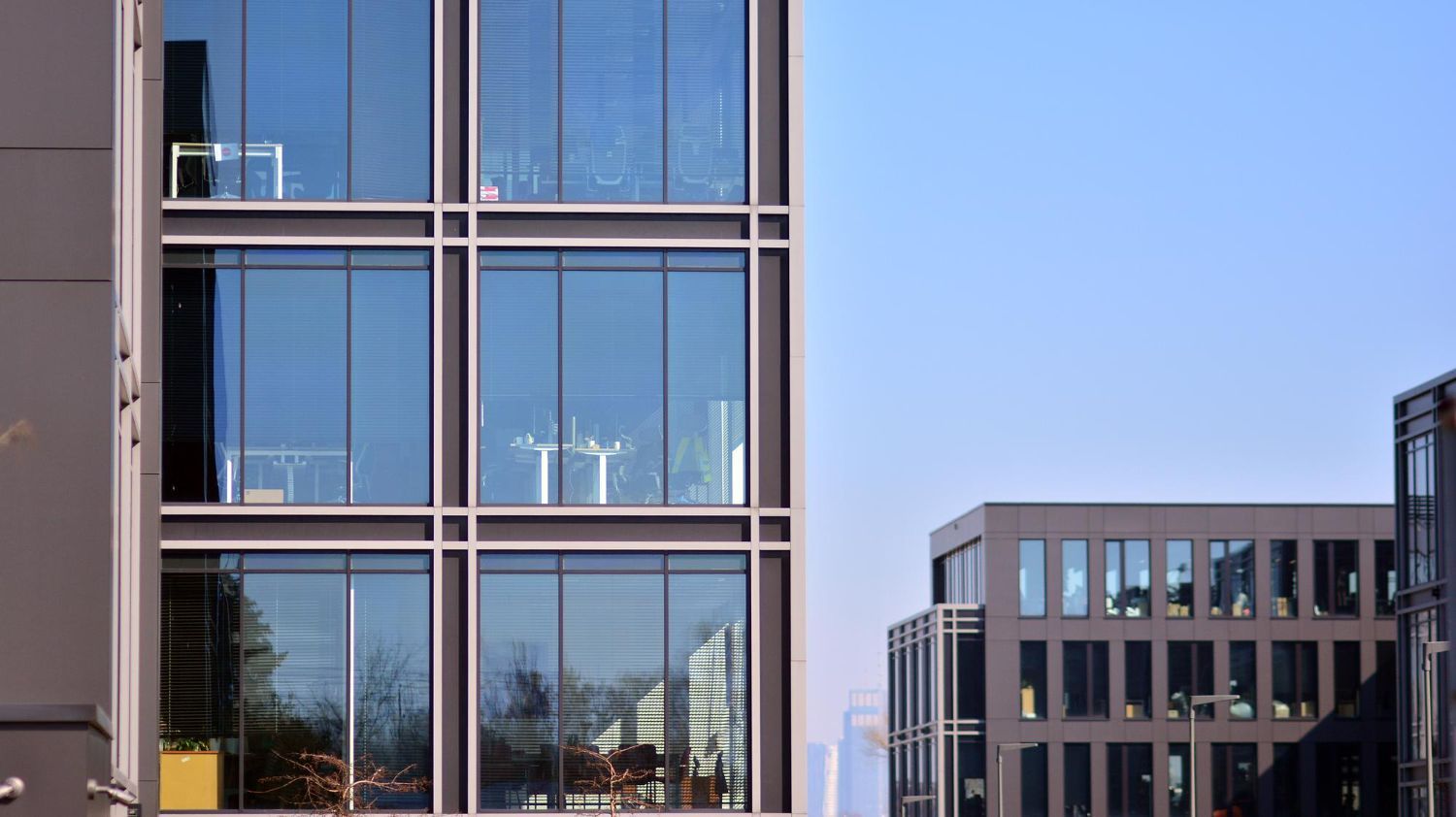
Lobbies don’t behave the same way as back offices or conference rooms. These public-facing areas are wide open, full of glass, and exposed to daylight throughout the day. In many buildings, they get more consistent sun regardless of season, which creates uneven heating patterns.
It’s a tricky balance. Blocking too much light can make the space feel dark and closed off. Leaving glass untreated makes the space too hot. The right kind of film helps the space stay calm and welcoming without sacrificing that open-air feel. Here’s how we usually approach this balance:
- We look for window films that soften harsh brightness without removing too much daylight.
- Films with medium to high light transmission levels work best in lobbies where glass is a main design feature.
- Different tint shades let us match the film to the look and feel of your space without tinting it too dark or cloudy.
When the right film is in place, the space still feels bright, it’s just easier on your eyes and more consistent in temperature.
The importance of window tint in a lobby isn't just about looks. It's also about how people experience your space. Office workers and visitors both feel the effects of sunlight. Sometimes the area closest to the glass can get stuffy and a bit uncomfortable. Other times, the glare on certain surfaces or screens makes reading, sitting, or relaxing less enjoyable. That’s why we work to strike just the right balance of light, temperature, and openness.
Film Types and What They Do
Every glass surface doesn’t need the same film. In Boston, where the summers bring heat and glare through most of the afternoon, some film types do much of the work on their own. For busy public lobbies, here are three that help the most:
- Heat control films reduce how much solar heat enters the space. These are helpful for keeping lobby areas cooler in late spring and well into summer, especially if the glass faces west or south.
- Glare control films make screen usage easier. In lobbies with check-in tablets, digital signs, or customer-facing monitors, glare can make it hard to see, films help solve that without darkening the entire space.
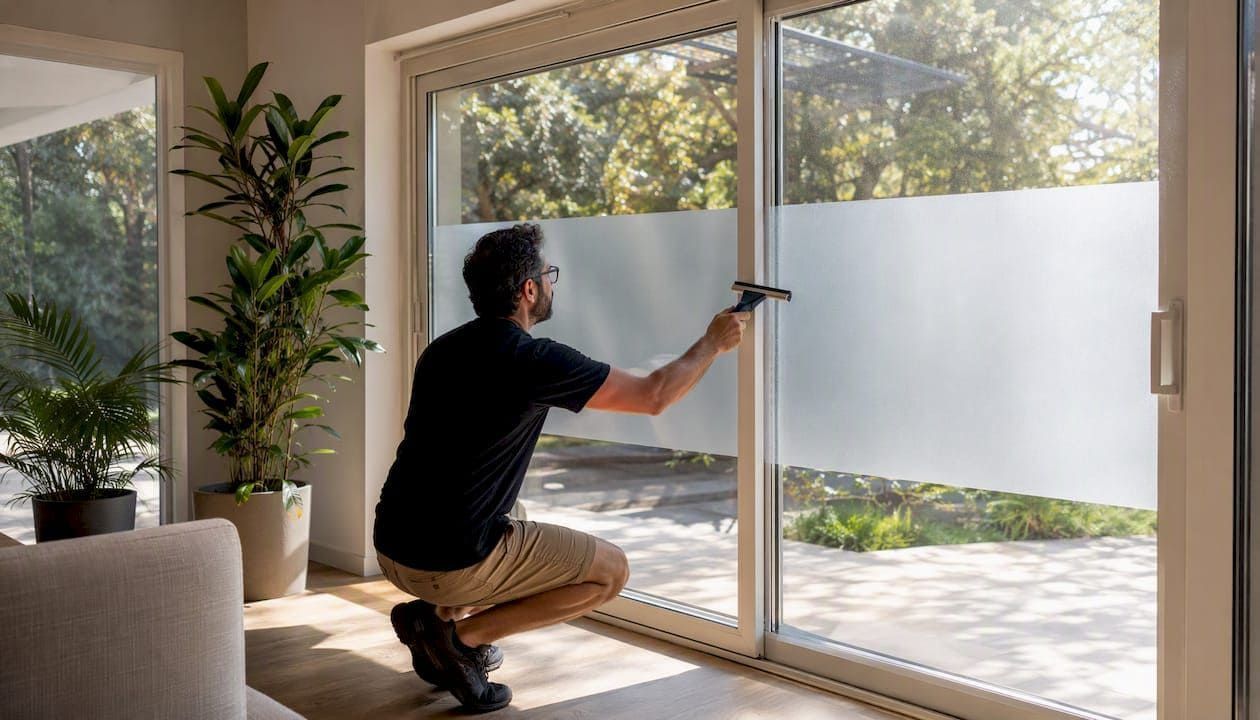
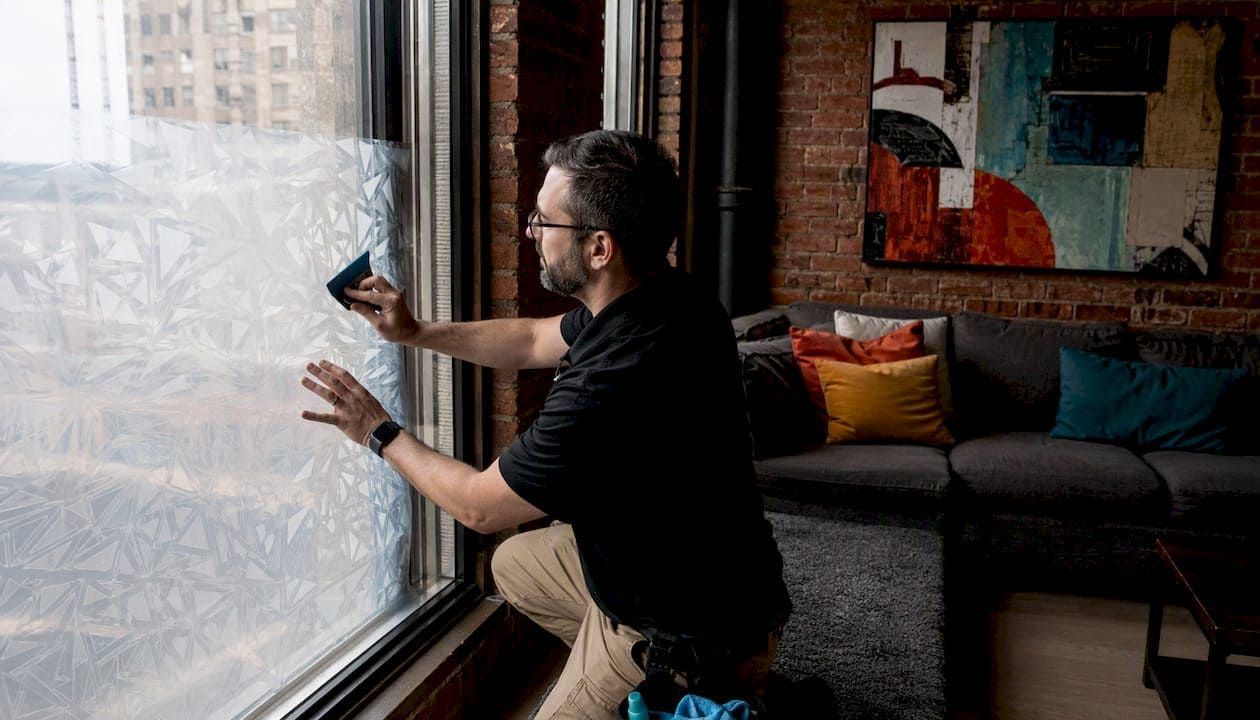
- Decorative films add privacy or visual interest. Think of frosted or patterned designs near reception or waiting areas where clients may be seated. They add privacy without fully blocking natural light.
Each of these options works for a different reason. Picking one depends on what the space needs to feel comfortable and clean without changes to layout or lighting.
It’s also worth thinking about how these film types may interact together. Some lobbies benefit from layering solutions. A heat control film on south-facing glass can be paired with a decorative film in a waiting nook to boost comfort and privacy at once. That type of approach makes the most of what natural light can do while carefully managing how it affects each section of the lobby.
What Works Best for Boston Buildings
Local weather plays a big part when we look at solar tinting. Boston summers can build heat quickly as early as May, and bright afternoon sunlight hits glass hard into June. It’s not just temperature either. The changing angle of sunlight over the seasons means glare can sneak in different windows at different times.
Some buildings in Boston have newer glass, but many older properties have window systems that behave differently. That affects which films we suggest. The newer the glass, the more predictable the performance. With older glass or single-pane setups, we look more closely at film compatibility and balance.
Positioning matters too. If your front glass faces south or west, you’re taking on a lot more sun by mid to late day. That’s when the heat tends to build up fastest. Those panes often benefit from higher-performance film with heat rejection built in. In shady or north-facing lobbies, the focus shifts more toward glare or privacy.
It’s never a one-film-fits-all decision, and in August, the difference becomes clear. Buildings that match the right tint to the glass see steadier indoor temperatures throughout the day.
In Boston, summer weather also means there can be sudden temperature jumps or cool spells, so film solutions need to work flexibly with the building’s HVAC system. A strong window tint can actually help energy systems run smoother by lowering the need for constant adjustments, keeping the lobby pleasant in both the hottest and the cooler summer days. The right window film doesn’t just protect against too much sunlight; it helps create a more efficient lobby environment overall. Local weather can be unpredictable, and it is useful to have building solutions that keep the indoor experience steady and reliable.
Why Professional Planning and Install Matter
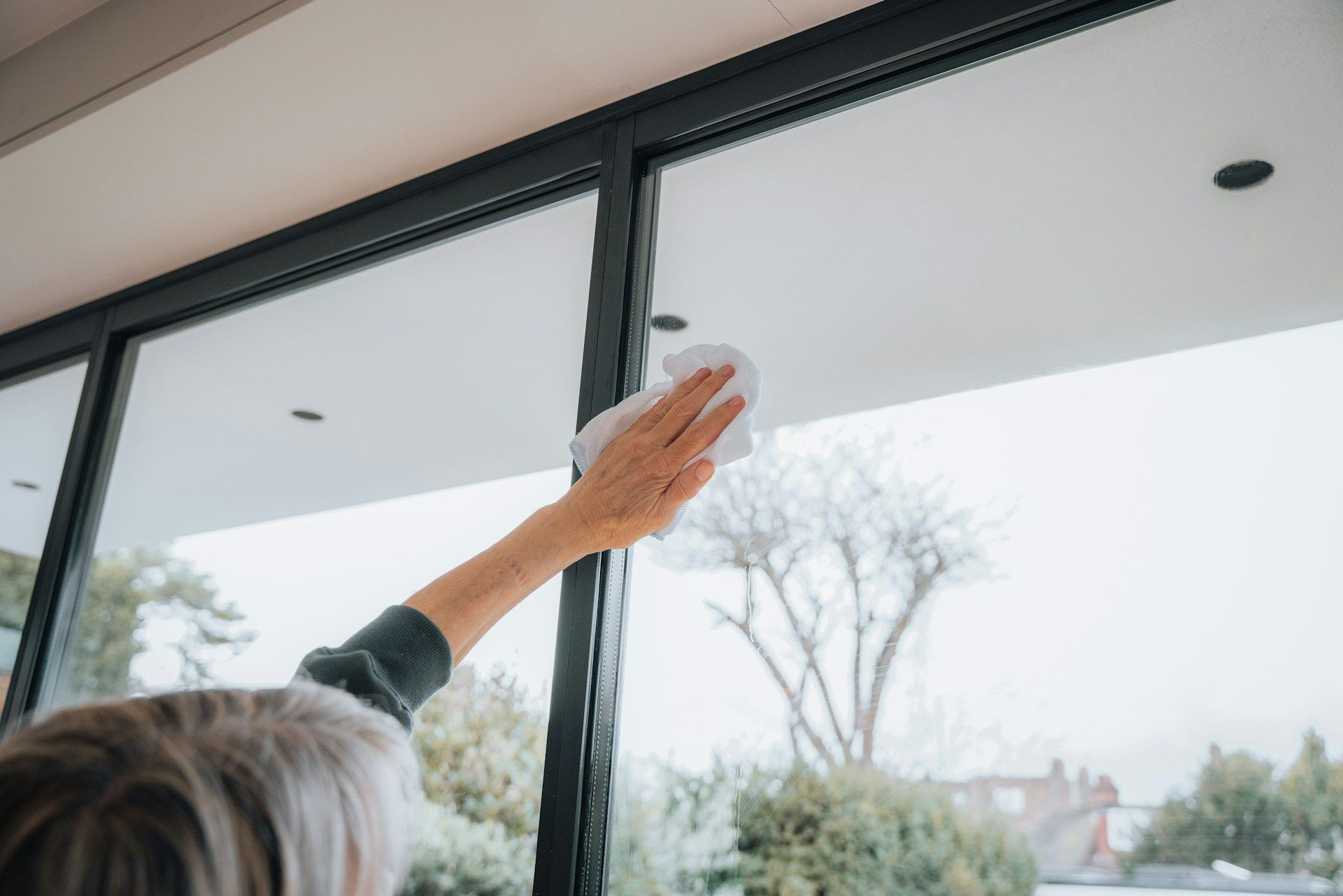
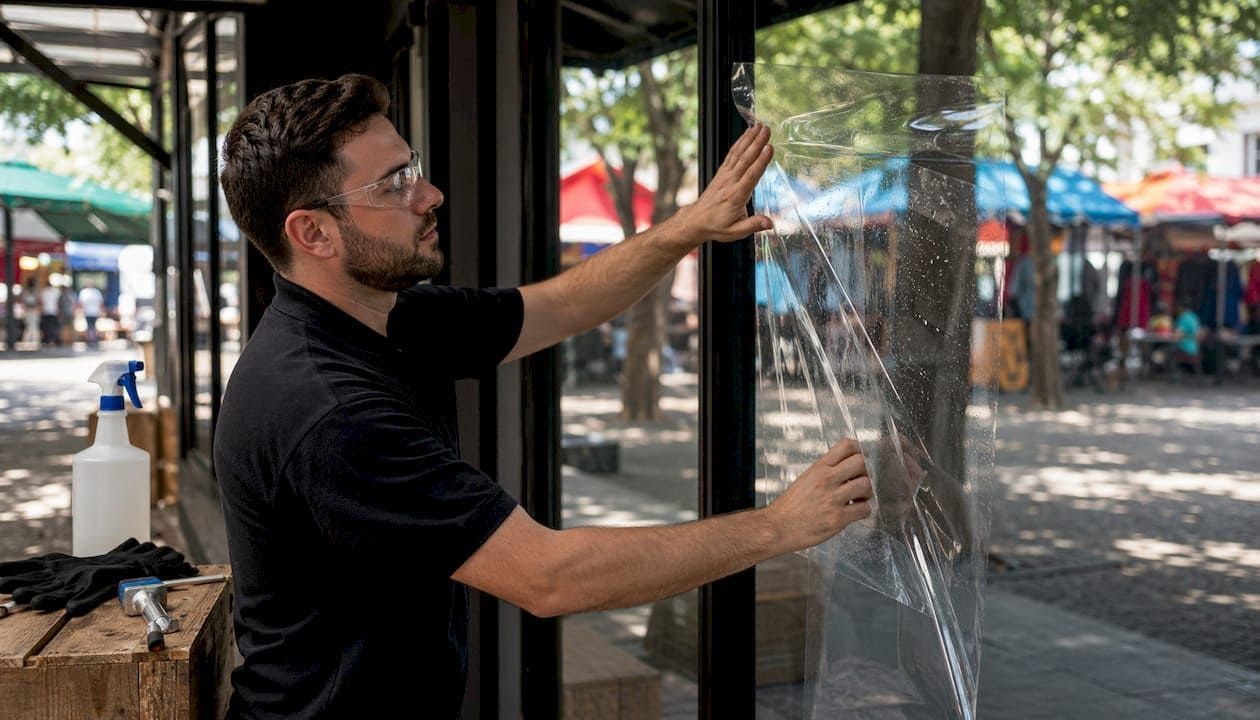
Lobby glass is usually large, clear, and out in the open. That means any uneven edges, air bubbles, or off-center film is going to show. This is one of the biggest reasons why professional planning matters before anything goes up.
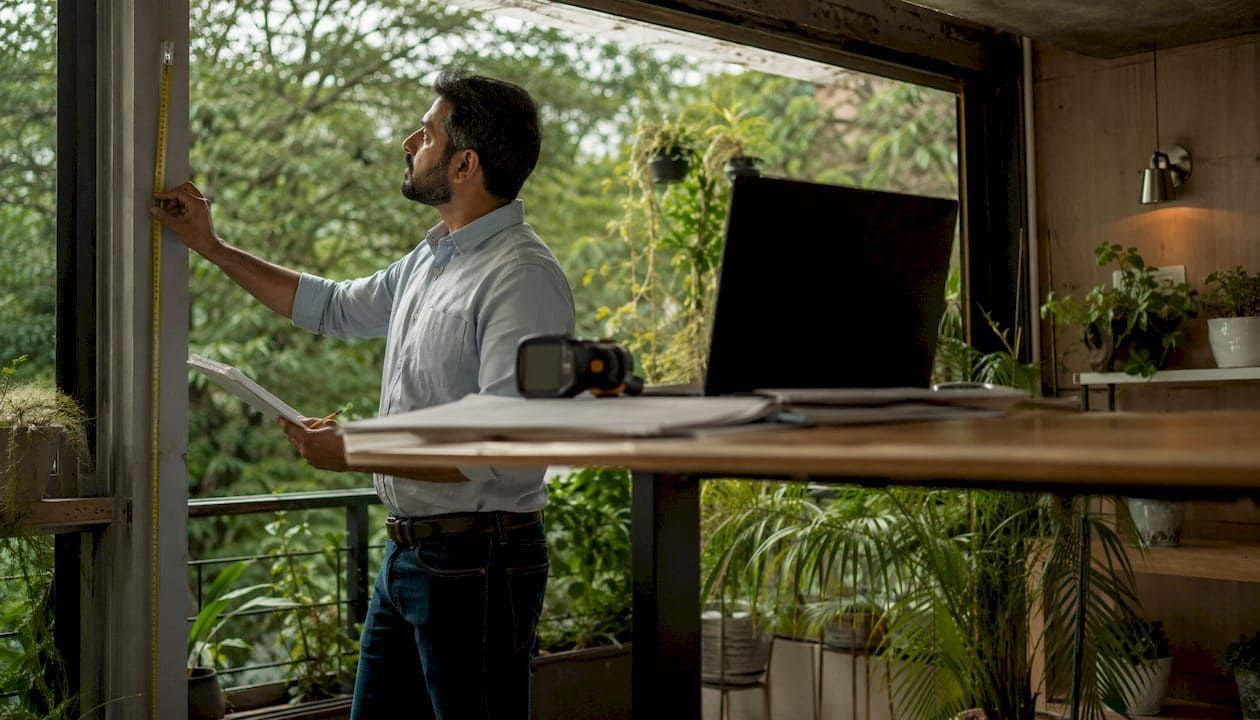
We don’t stick on tint and walk away. We look at:
- The building’s layout and how the sun moves across the space during business hours
- The type and shape of the existing windows, especially in historic or older Boston buildings
- Where visibility matters most, near front desks, waiting spots, walkways, and signage
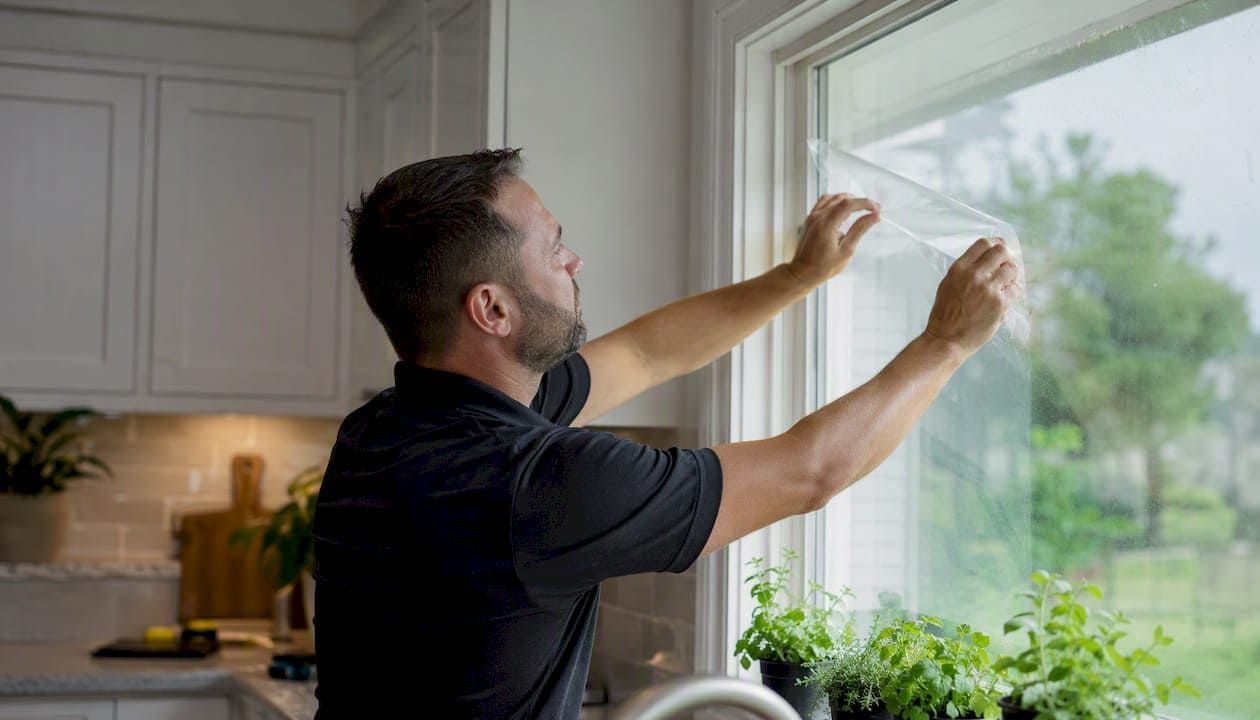
Once the plan is set, install becomes part of it. That means smooth applications with clean edges and no ripples or trapped bubbles. In places where employees and visitors are walking past the glass every day, sloppy work stands out. Done right, the film works quietly in the background and does what it needs to without drawing attention.
Professional installers know how to get the fit perfect even on large, oddly shaped, or angled glass pieces found in many Boston lobbies. Experience matters, because it’s easy for small flaws to show with so much sunlight in play. When applying tint to historic buildings, or those with unique window constructions, there are additional steps taken to preserve the character of the glass and to ensure long-lasting attachment. This careful approach is part of why the glass looks seamless and your lobby welcomes every guest in the right way.
A Better First Impression for Everyone Who Walks In
Lobbies can feel different with just one smart change. With the right building window tint, the space stays cooler and more comfortable while still looking clear and connected. Clients walking in from a hot sidewalk won’t feel that blast of heat when they cross through the doors. Employees working near glass won’t squint or sweat through their shift. And everyone, visitors or staff, will walk through a space that feels steady, calm, and built to handle summer days.
For businesses in Boston that want to get ahead of summer heat, thoughtful window tinting keeps your lobby as functional as it is stylish. And once it’s in place, that first impression works just as well in December as it does in July. When the glass fits the space and the film fits the need, the whole building feels more balanced.
At
Surface Dynamics Window Tinting, we know how the right film enhances comfort and style in high-traffic spaces. Whether you face glare, heat, or privacy concerns, understanding your glass and lobby use is key. For a more balanced and professional entry area, consider how a well-planned
building window tint can improve year-round comfort, and let us help you find the best fit for your space,
contact us to get started.