
Property Security Improvement Guide for Homeowners
TL;DR:
- Effective property security combines environmental design, risk assessment, physical hardening, and layered technology in a continuous improvement cycle to deter crime. The core CPTED principles—Natural Surveillance, Access Control, Territorial Reinforcement, and Maintenance—guide strategic enhancements, especially when prioritized through structured risk evaluations. Homeowners should focus on hardening entry points, fixing vulnerabilities like overgrown vegetation, and reassessing security regularly to reduce risk effectively.
A property security improvement guide is a structured plan that combines environmental design, physical hardening, and risk assessment to systematically reduce a property's vulnerability to crime. The professional term for this approach is Crime Prevention Through Environmental Design, or CPTED. Whether you own a single-family home in Southern New Hampshire or manage a multi-unit building in Greater Boston, the same core logic applies: identify your weakest points, fix them in order of impact, and treat security as an ongoing process rather than a one-time project. Tools like motion-activated floodlights, reinforced door frames, security window film, and surveillance cameras all play a role, but only when deployed within a deliberate strategy.
What are the core CPTED principles for enhancing property security?
CPTED's four principles form the foundational framework for any serious home hardening effort. Understanding them gives you a decision-making lens, not just a checklist.
Natural Surveillance means designing your property so that activity is visible to neighbors, passersby, and occupants. Trim shrubs below window height, install lighting at entry points, and position seating areas where they face the street. A criminal who feels watched is a criminal who moves on.
Natural Access Control shapes how people enter and move through your property. Defined pathways, fencing, and locked gates signal that access is controlled. For multi-unit buildings, this means separating public lobbies from resident-only hallways with key fob access or coded entry.
Territorial Reinforcement communicates ownership and active monitoring. Fencing, signage, well-maintained landscaping, and visible security cameras all send the message that someone is paying attention. Properties that look neglected signal the opposite.
Maintenance is the principle most homeowners underestimate. A broken porch light, peeling paint, or overgrown hedges signals low occupant engagement. Environmental design interventions aligned with CPTED reduce property crime by about 32% on average in treated residential areas, but only when all four principles are applied together, not selectively.
- Trim all vegetation to below 3 feet under windows and along entry paths
- Replace burned-out exterior bulbs within 24 hours
- Post visible security signage at driveways and entry gates
- Use gravel or crushed stone along fence lines as a noise deterrent
Pro Tip: Start with natural surveillance blockers. Overgrown vegetation and poor lighting are the single most common vulnerabilities found during property security walkthroughs, and fixing them costs less than any alarm system.
How to conduct a structured property security risk assessment
A well-executed risk assessment turns vague concerns into a prioritized, defensible plan with clear ownership and deadlines. Most homeowners skip this step and jump straight to buying hardware. That approach wastes money on low-priority fixes while leaving critical gaps open.
Follow this repeatable workflow:
- Define your scope. List every asset you want to protect: the main entry, side gate, garage, ground-floor windows, and any outbuildings. Do not try to protect everything equally. Identify what matters most.
- Identify threats and existing controls. For each area, write down the realistic threats (forced entry, opportunistic theft, vandalism) and what controls already exist (deadbolt, exterior light, camera).
- Score likelihood and impact. Combining likelihood and impact scores per NIST guidance helps you separate critical fixes from low-priority ones. A rear door with no deadbolt in a high-traffic alley scores high on both axes. A second-floor window with no screen scores low.
- Build a mitigation plan. Each fix needs a specific owner, a budget estimate, and a completion date. Vague action items like "improve lighting" never get done.
- Reassess on a schedule. Ongoing assessment cycles with baseline measurement and reassessment optimize site-specific outcomes. Set a calendar reminder for a full walkthrough every six months.
| Risk area | Likelihood | Impact | Priority action |
|---|---|---|---|
| Front door (no reinforced frame) | High | High | Install Door Armor kit with 3-inch screws |
| Ground-floor windows (no sensors) | Medium | High | Add window pins and contact sensors |
| Rear gate (no lock) | High | Medium | Install keyed padlock and motion light |
| Garage side door (hollow core) | Medium | High | Replace with solid-core door and deadbolt |
Pro Tip: Assign every mitigation item to a named person with a due date. A plan without ownership is just a wish list.
What practical improvements can homeowners implement for entry point hardening?
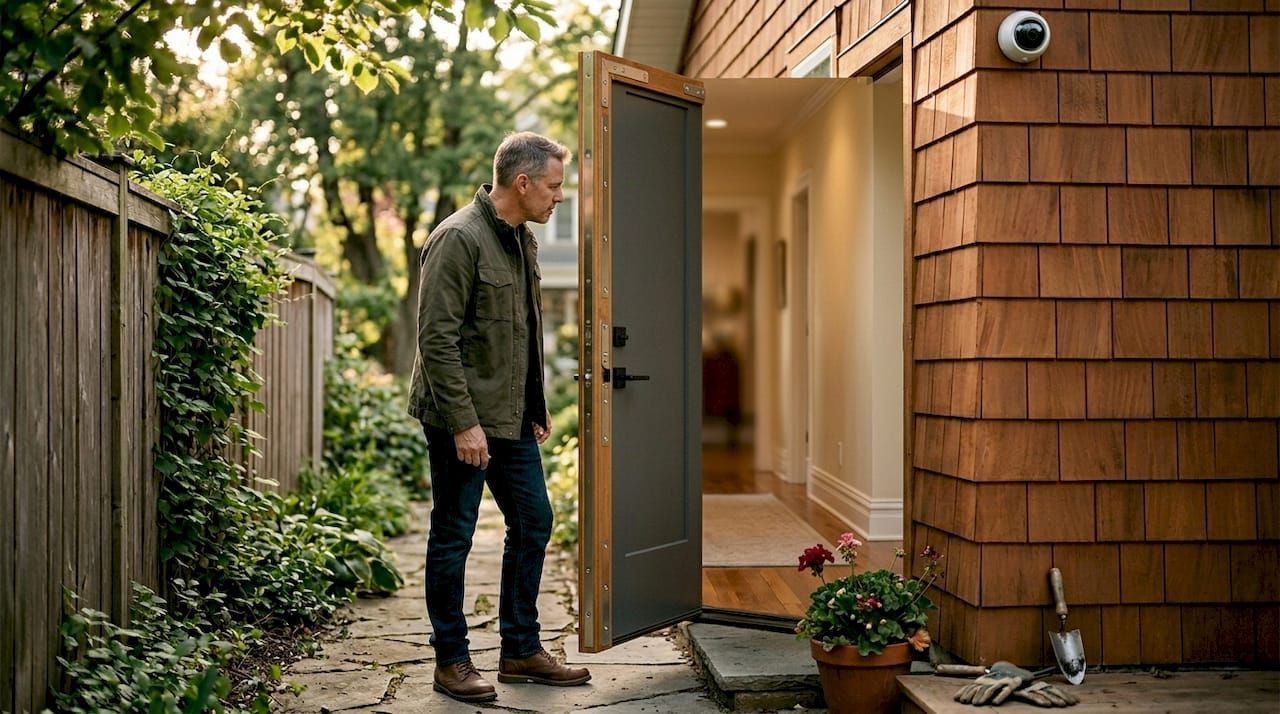
Physical hardening is where most of the measurable crime deterrence happens. Door frame reinforcement kits like Door Armor, paired with 3-inch screws driven into wall studs, increase kick-in resistance from seconds to several minutes. That time gap is what deters most opportunistic burglars, who rely on speed.
Here are the highest-impact upgrades, organized by location:
Doors and frames
- Install a Grade 1 deadbolt (ANSI/BHMA rated) on every exterior door
- Replace standard strike plates with reinforced steel versions using 3-inch screws
- Add a door reinforcement kit to the frame itself, not just the lock hardware
- Use a door barricade bar for sliding glass doors and inward-opening rear doors
Windows
- Insert window security pins or key locks to prevent sash lifting
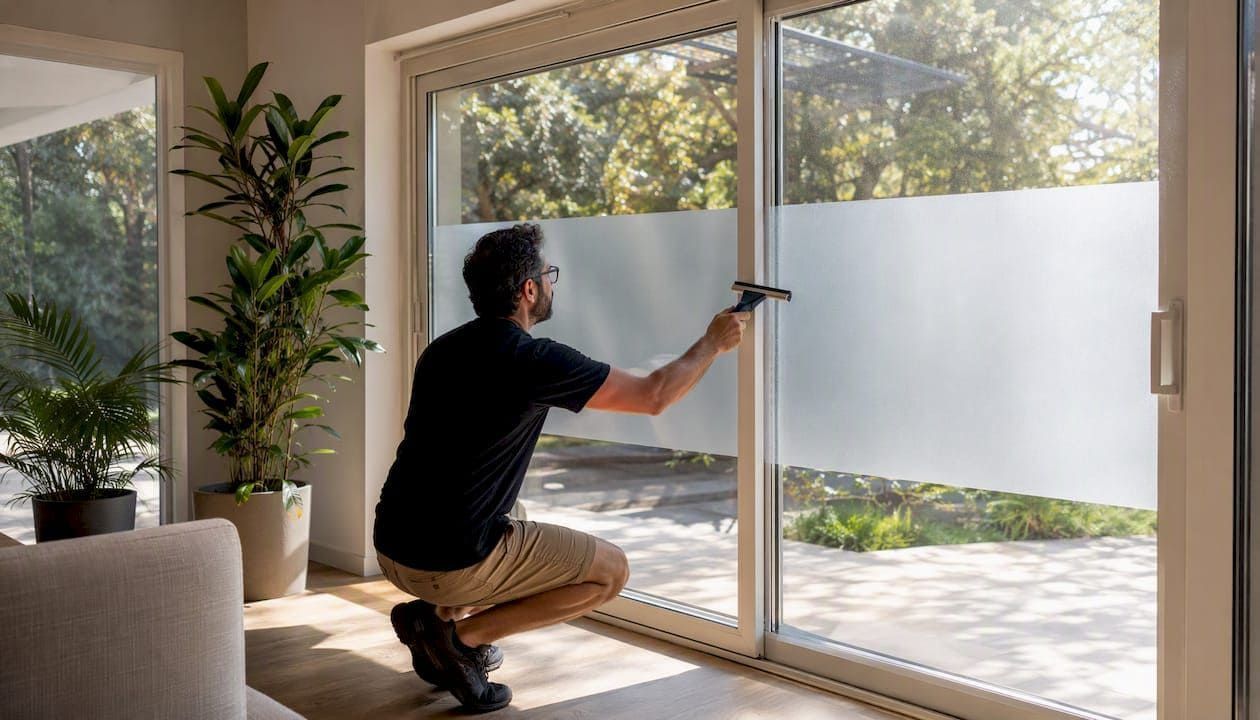
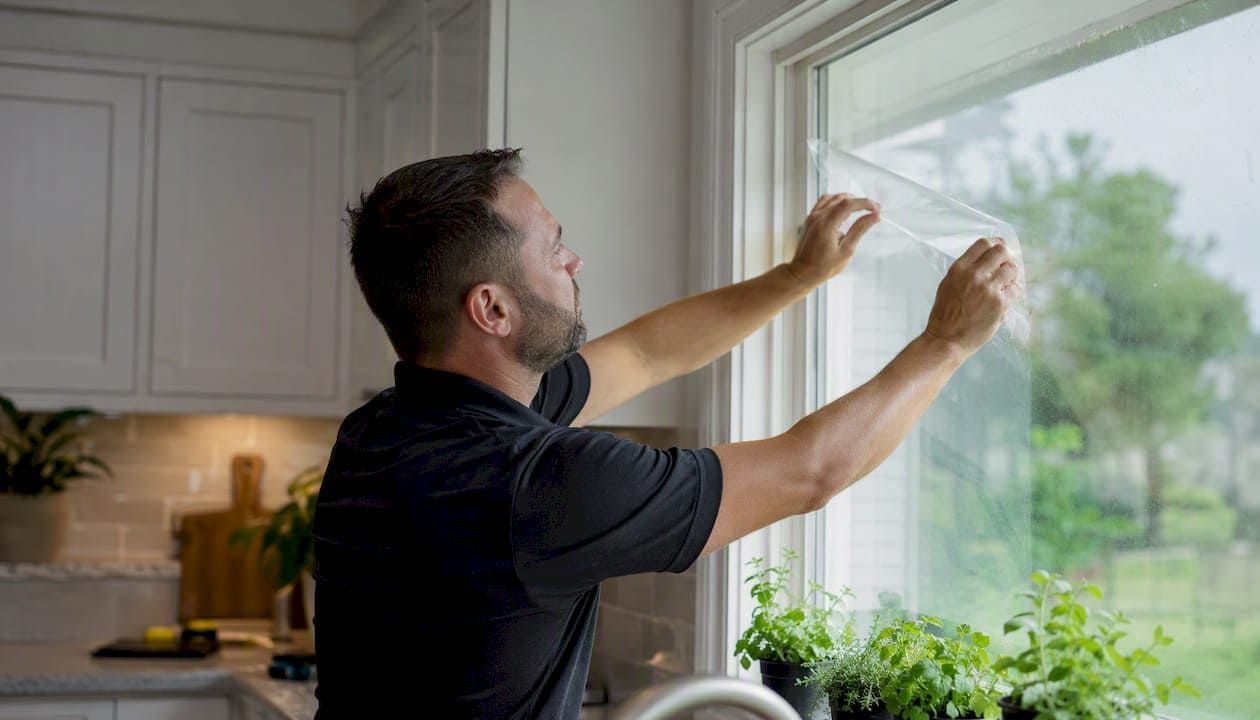
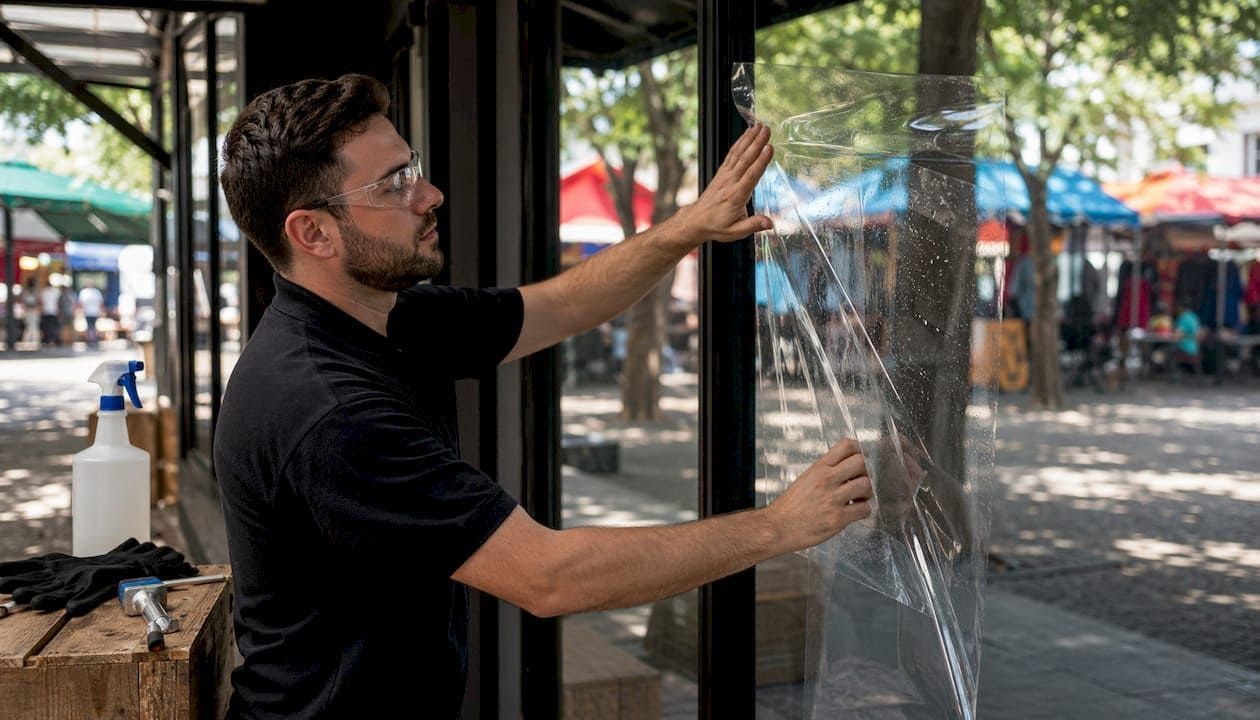
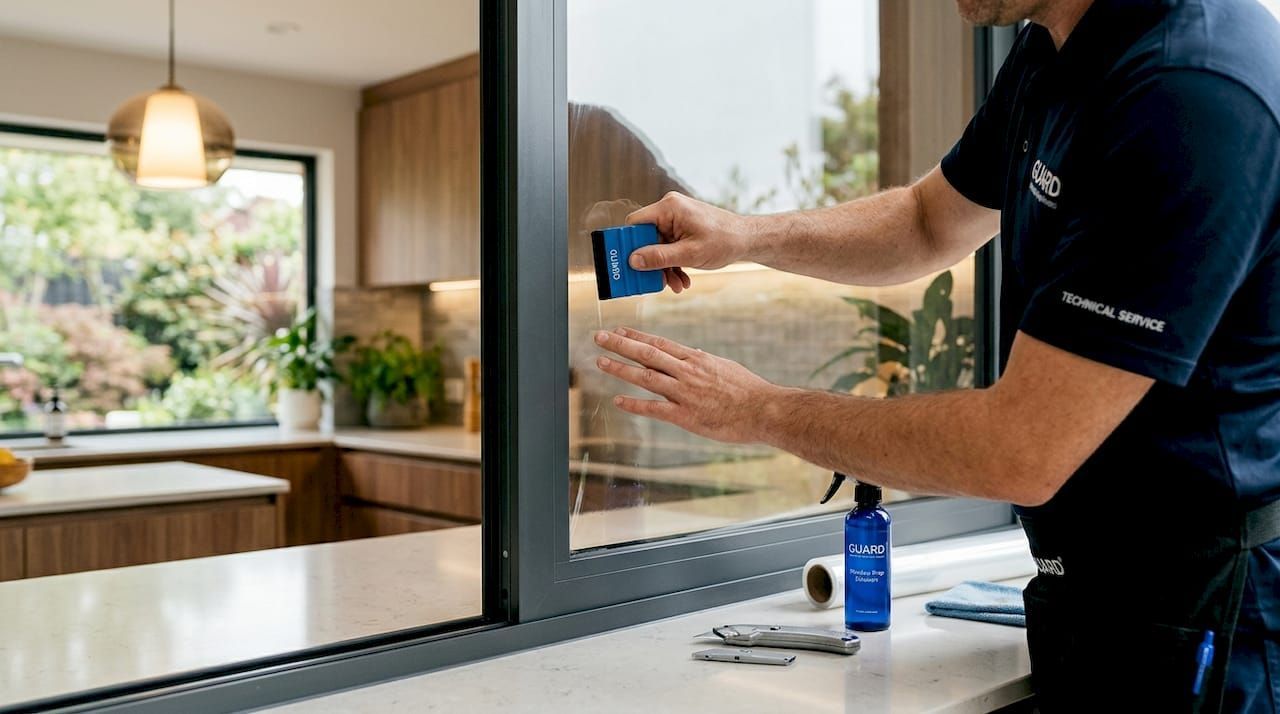
- Apply security window film to hold glass together after impact, slowing forced entry
- Add contact sensors to every ground-floor window connected to your alarm system
Lighting and landscaping
- Mount motion-activated floodlights at all entry points, aiming them at approach paths rather than directly at the street to avoid glare
- Plant thorny shrubs (hawthorn, barberry, or pyracantha) beneath ground-floor windows
- Keep all shrubs trimmed below 3 feet so they cannot conceal a person
Garage
- Lock the interior door between the garage and living space with a deadbolt, not just a passage knob
- Install a smart garage door opener with real-time alerts and auto-close timers
- Place a camera at the garage entry with a wide-angle lens covering the driveway
Pro Tip: Combine physical hardening with visible deterrents. A reinforced door with no visible camera or signage is less effective than a reinforced door with both. Criminals assess risk before acting, and visible security signals raise that perceived risk.
Most of these upgrades cost under $100 per entry point. Simple entry point improvements like trimmed shrubs, motion lighting, and reinforced strike plates deliver high impact at low cost, making them the logical starting point for any property protection strategy.
How do security strategies differ for multi-unit properties versus single homes?
Single-family homes have one occupant group and a clear perimeter. Multi-unit properties have layered spaces: public lobbies, shared hallways, semi-private stairwells, and private units. Each zone requires a different security approach, and ISO 22341-2:2025 provides CPTED guidelines specifically tailored to this spatial hierarchy, recommending phased implementations rather than blanket solutions.
For property managers, the security challenge is also operational. Tenant-facing processes like lock-change documentation between tenancies and seasonal inspections improve both security outcomes and tenant trust. A tenant who sees that management takes security seriously is more likely to report suspicious activity and less likely to prop open fire doors.
Key adaptations for multi-unit settings:
- Install key fob or coded access at every transition from public to semi-private space (lobby to hallway, parking lot to building entrance)
- Use camera placement to cover all common area entry points, not just the front door
- Conduct a documented lock change between every tenancy and keep a written log
- Schedule seasonal exterior inspections covering lighting, fencing, and vegetation
- Post clear signage in common areas identifying the property as monitored
The phased approach matters here. Trying to upgrade an entire 20-unit building at once creates budget strain and inconsistent execution. Start with the highest-traffic entry points, document what works, then expand. This mirrors the residential CPTED framework recommendation for iterative improvement cycles rather than one-time overhauls.
Which security technologies complement physical hardening?
Technology does not replace physical barriers. Cameras at entry points deter crime and alarms provide early warnings, but neither stops a determined intruder the way a reinforced door frame does. The right mental model is layered defense: physical hardening as the first line, technology as the detection and response layer.
The most effective technology stack for residential properties includes:
- Alarm systems with door and window sensors: These trigger on breach attempts and create an audible deterrent. Monitored systems that alert a central station add a response layer.
- Visible surveillance cameras: Position cameras at the front door, rear entry, and garage. Visibility matters as much as recording quality. A camera that is hidden provides evidence after the fact but no deterrence before.
- Smart video doorbells: Devices like Ring or Google Nest Hello provide two-way audio and motion alerts, letting you respond to activity remotely. They also create a documented record of all visitor activity.
- Yard signage and window decals: These are low-cost deterrents that signal monitored status. They work best when paired with actual systems, not used as a substitute.
For a deeper look at how building security strategies layer physical and technological measures, the principles apply equally to residential and commercial settings. Maintenance of technology matters too. A camera with a dead battery or a motion light with a burned-out bulb provides false confidence. Schedule monthly checks on all active security devices.
Key takeaways
Effective property security requires combining CPTED environmental design, structured risk assessment, physical entry point hardening, and layered technology in a repeatable improvement cycle.
| Point | Details |
|---|---|
| Start with surveillance blockers | Fix overgrown vegetation and poor lighting before investing in cameras or alarms. |
| Use a scored risk assessment | Rate each vulnerability by likelihood and impact to prioritize fixes that reduce the greatest risk first. |
| Harden entry points physically | Door Armor kits, Grade 1 deadbolts, window pins, and security film deliver the highest impact per dollar spent. |
| Adapt strategies by property type | Multi-unit properties need phased, zone-specific approaches guided by ISO 22341-2:2025 spatial hierarchy principles. |
| Treat security as a cycle | Reassess every six months. Improvements that are not measured and updated become outdated quickly. |
What I've learned from watching homeowners approach security wrong
Most homeowners buy a camera system and call it done. I understand the appeal. Cameras are visible, they feel decisive, and the installation takes an afternoon. But after working with properties across Southern New Hampshire and Greater Boston, the pattern is consistent: the homes that get targeted are the ones where the physical environment made crime easy, regardless of what technology was installed.
The properties with the best outcomes share one habit. They treat security as a management cycle, not a purchase. They do a walkthrough, fix what they find, document it, and come back in six months to check again. That discipline is rarer than any piece of hardware.
The other thing I push back on is the generic checklist. A checklist that was not built from a specific property's actual vulnerabilities is just noise. Residential CPTED results vary widely by context, which means copy-pasting someone else's security plan onto your property is a gamble. The framework is universal. The implementation has to be yours.
One more thing worth saying directly: windows are the most overlooked entry point in most home security plans. Doors get reinforced. Windows get ignored. Security film changes that equation without altering the look of your home, and it works whether the threat is a forced entry attempt or a storm-thrown object. It is one of the few upgrades that addresses multiple risk categories at once.
Strengthen your windows with professional security film
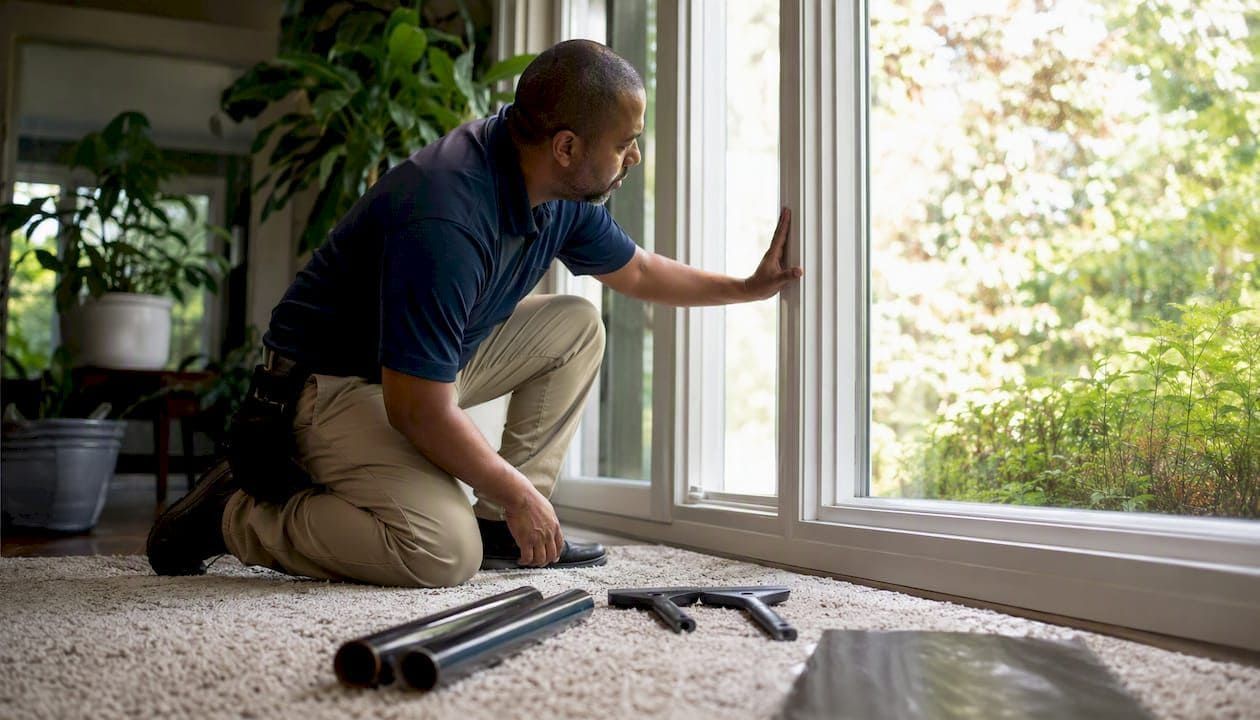
Physical hardening covers doors and frames, but windows remain the most common overlooked vulnerability in any home security checklist. Surfacetint installs LLumar Vista Safety and Security Films on residential properties across Southern New Hampshire and Greater Boston, holding glass together on impact and slowing forced entry at the point most intruders expect least resistance.
Professional installation means the film is applied without bubbles, peeling edges, or gaps at the frame, which matter for both performance and appearance. Surfacetint's team assesses your specific windows and recommends the right film weight for your security goals. You can explore home security window film options or request a free residential estimate to get a property-specific recommendation without any obligation.
FAQ
What is CPTED and how does it improve home security?
CPTED stands for Crime Prevention Through Environmental Design. It uses four principles, Natural Surveillance, Natural Access Control, Territorial Reinforcement, and Maintenance, to shape the physical environment so criminal activity becomes less attractive and more visible.
How often should I reassess my property's security?
A full security walkthrough every six months is the standard recommendation. Properties in higher-crime areas or those that have experienced incidents should reassess quarterly and after any significant change to the building or landscaping.
What is the single highest-impact entry point upgrade?
Door frame reinforcement using a kit like Door Armor with 3-inch screws driven into wall studs is consistently the highest-impact upgrade. It increases kick-in resistance from seconds to minutes, which is the critical deterrence window for opportunistic burglars.
Does security window film actually stop break-ins?
Security window film does not make glass unbreakable. It holds shattered glass together after impact, significantly slowing forced entry and reducing the risk of injury from broken glass during storms or attempted intrusions.
How do property managers handle security differently than homeowners?
Property managers must address layered spaces from public lobbies to private units, document lock changes between tenancies, conduct seasonal inspections, and communicate security policies to tenants. ISO 22341-2:2025 provides a phased, zone-specific framework designed specifically for this complexity.
Recommended