
Privacy Films for Urban Homes: What You Need to Know
TL;DR:
- Privacy films are adhesive layers applied to glass to block outside visibility while allowing natural light. They work through reflection, diffusion, or micro-perforation, but offer limited privacy at night without additional measures. Proper selection and professional installation based on window orientation, lighting, and privacy needs maximize their benefits.
Privacy films are thin adhesive layers applied directly to glass surfaces that limit outside visibility while preserving natural light inside your home. The impact of privacy films in urban homes goes well beyond simple window coverage. These films address the specific pressures of city living: close-set buildings, street-level foot traffic, and the constant tension between wanting sunlight and wanting seclusion. Available in reflective, frosted, and decorative varieties, modern window films from manufacturers like LLumar and Vista Films also deliver measurable energy savings, UV protection, and glass reinforcement. The U.S. Department of Energy confirms that films block solar heat gain without sacrificing views or natural light.
How do privacy films work to enhance privacy in urban homes?
Privacy films work through one of three core mechanisms: reflection, diffusion, or micro-perforation. Each creates a different visual outcome, and understanding the difference helps you choose the right product for your specific windows.
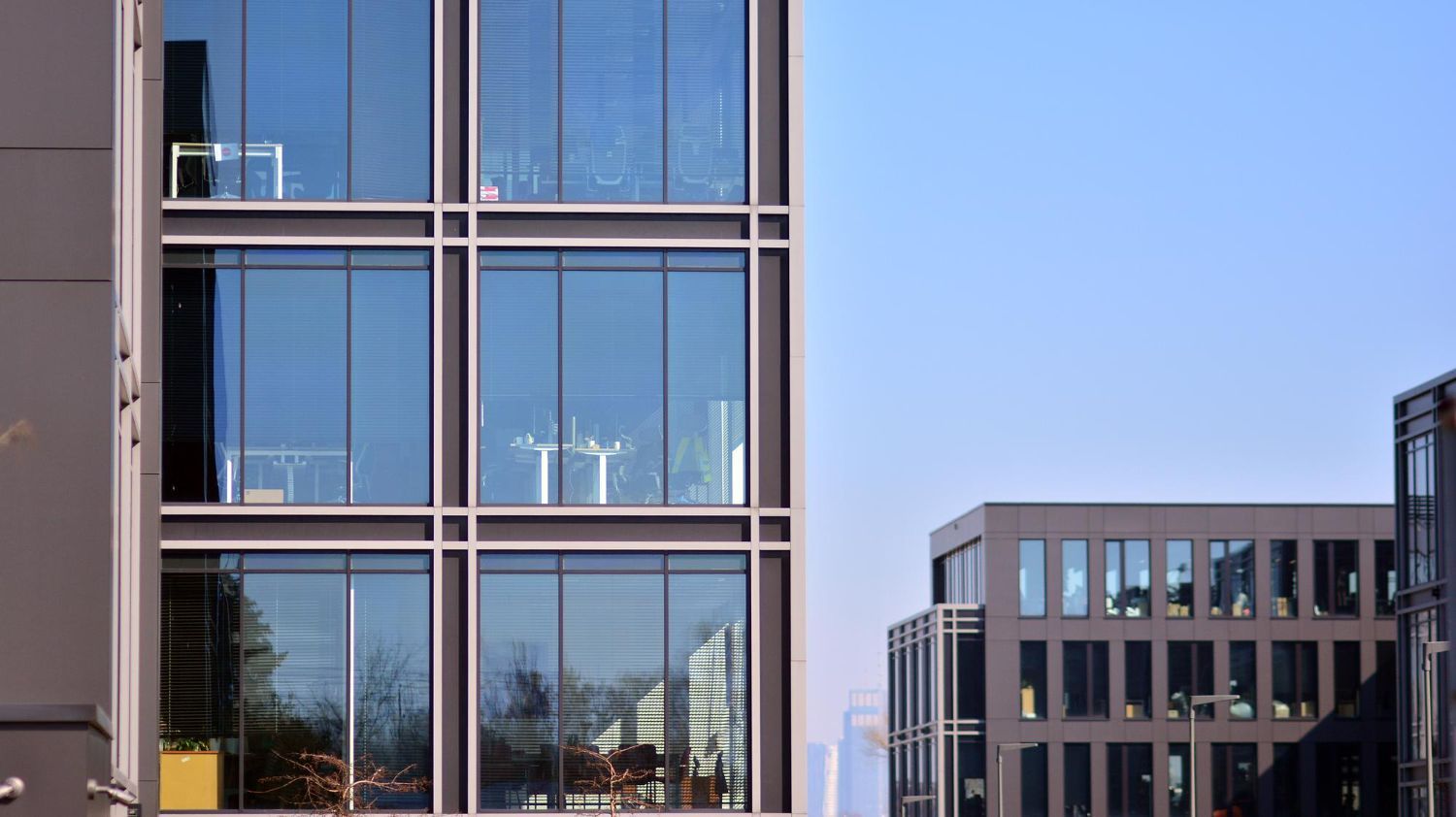
Reflective films create a one-way mirror effect during daylight hours. The exterior surface reflects more light than the interior receives, so anyone outside sees their own reflection rather than your living room. This effect depends entirely on the light differential between inside and outside. Reflective films also carry a visible transmittance rating, which measures how much light passes through the glass. A film rated at 35% VT lets in roughly one-third of available daylight.
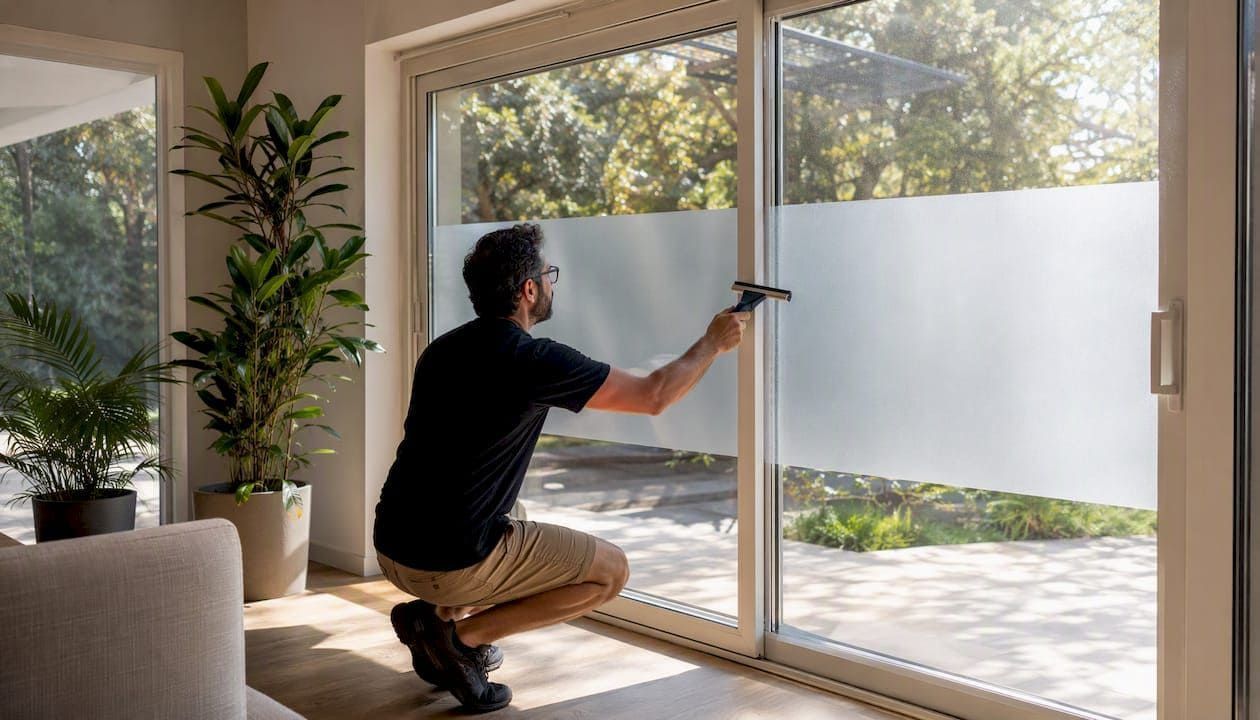
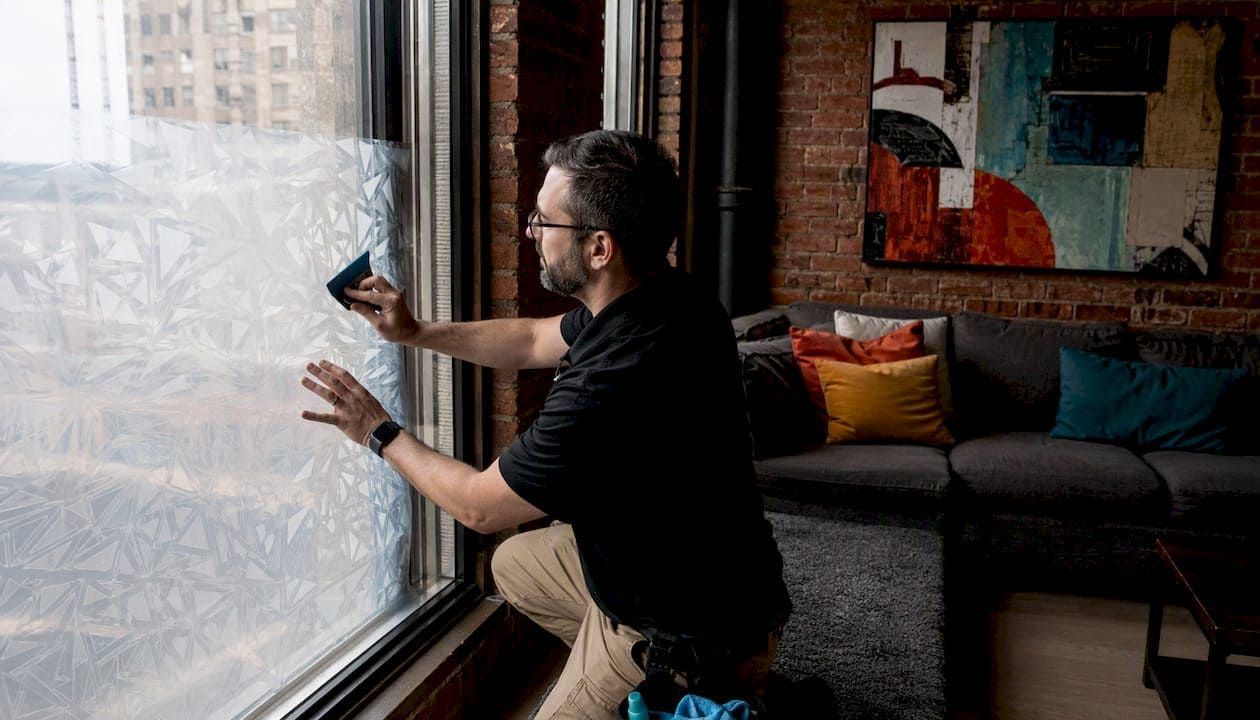
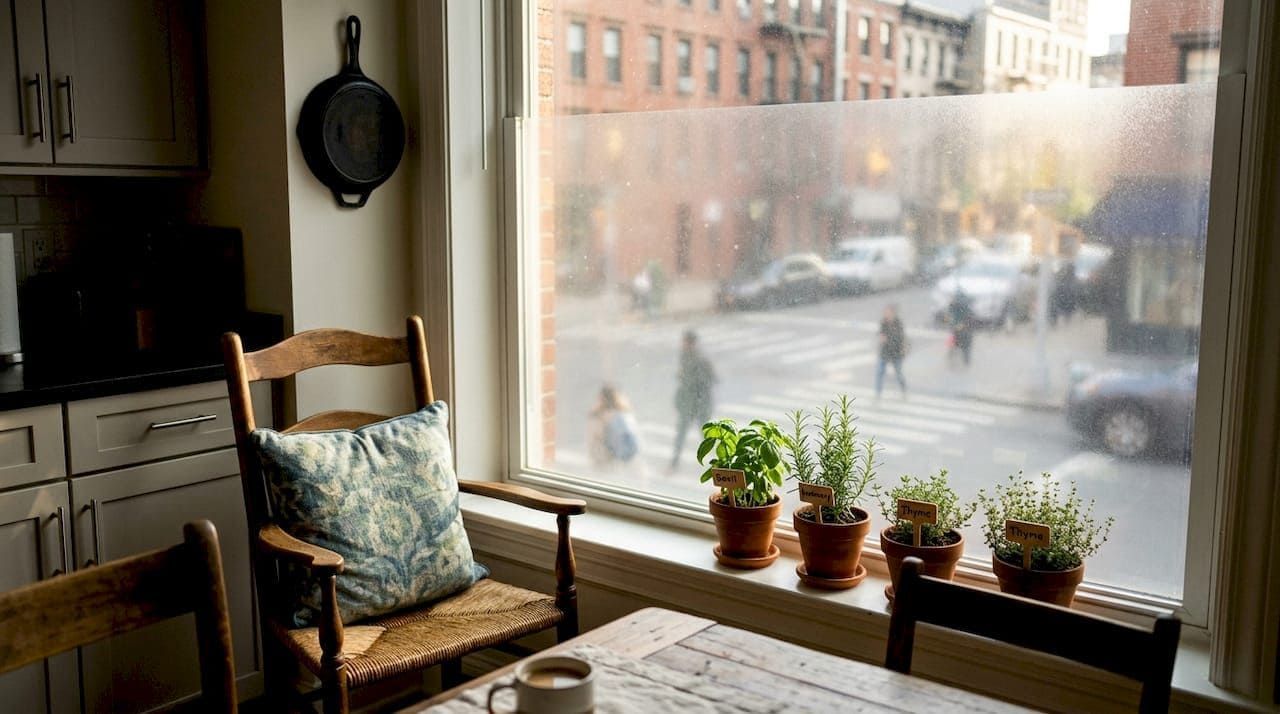
Frosted and decorative films work differently. Instead of reflecting light, they scatter it. The result is a soft, diffused glow that enters your space while making it impossible to see defined shapes or movement from outside. These films work equally well on bathroom windows, sidelights, and glass interior doors. They are the most reliable option for consistent privacy regardless of lighting conditions.
Micro-perforated films contain thousands of tiny holes that allow outward visibility from inside while appearing opaque from outside. The trade-off is that privacy effectiveness drops as viewing distance decreases. Someone standing directly at your window will see through a micro-perforated film more easily than someone across the street.
High-quality films use layered construction with UV blockers and scratch-resistant coatings that extend performance life and protect your glass. The layering also balances privacy with light transmittance, so you are not trading a dark room for a private one.
- Reflective films: best for daytime privacy and solar heat control
- Frosted films: best for consistent, all-day privacy without light loss
- Micro-perforated films: best for one-way visibility at distance
- Dual-reflective films: best for balancing daytime privacy with nighttime clarity
Pro Tip: Ask your installer for the VT rating and solar heat gain coefficient (SHGC) of any film you are considering. These two numbers tell you exactly how much light and heat the film allows through, so you can match the product to your room's needs.
What are the day versus night privacy challenges with window films?
The most common misconception about privacy films is that they provide around-the-clock privacy. They do not, and urban homeowners who assume otherwise often feel exposed after dark.
The one-way mirror effect that makes reflective films so effective during the day reverses at night. When your interior is brighter than the street outside, the light differential flips. Anyone outside can now see into your home clearly, while you see your own reflection from inside. This is a physics reality, not a product flaw.
Contra Vision advises that curtains or blinds may still be required at night for full privacy in urban homes. That is practical, honest guidance. The good news is that several strategies reduce or eliminate this nighttime vulnerability without blocking your windows entirely.
- Use dual-reflective films. These films combine a reflective outer layer with a less reflective inner layer. The result is improved night visibility from inside while maintaining a mirrored effect outward during the day. They do not fully solve the nighttime privacy problem, but they significantly reduce it compared to standard reflective films.
- Manage your interior lighting. Contra Vision's research shows that diffused lighting near windows reduces the light differential that compromises privacy. Move bright floor lamps away from windows and use dimmers to lower ambient light levels in the evening.
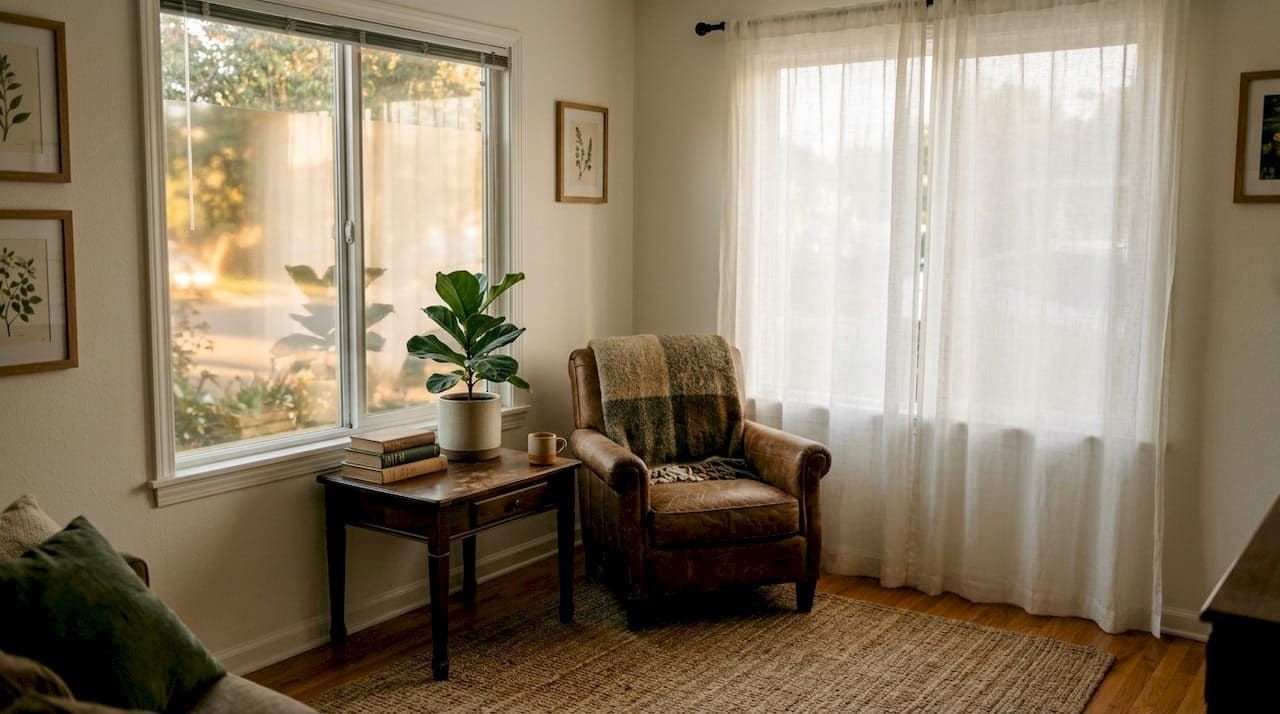
- Layer your window treatments. Pairing a privacy film with sheer curtains gives you flexibility. Keep the sheers closed at night for privacy and open during the day to let the film do its work.
- Reposition light sources. Ceiling-mounted or recessed lighting creates less window glow than table lamps placed directly beside the glass.
Pro Tip: Walk outside your home after dark with your interior lights on and look back at your windows. This single test reveals exactly which windows need additional treatment and where your lighting placement is working against you.
How does window orientation affect privacy film performance?
Window orientation is one of the most overlooked factors in urban home window films selection, yet it directly determines how well a film performs and which type you should choose.
South-facing windows receive the most direct sunlight throughout the day. Reflective films perform at their strongest here because the constant high-light exterior keeps the one-way mirror effect active for the longest daily window. These windows also benefit most from solar heat control, making a high-performance reflective or dual-reflective film a practical double investment.
East and west-facing windows present a more complex picture. The DOE notes that reflective films control heat gain most effectively on east and west orientations because of the low-angle morning and afternoon sun. However, these windows also experience rapid light shifts at sunrise and sunset, which means the one-way privacy effect is less consistent during those transition periods.
North-facing windows receive the least direct sunlight. The DOE's guidance confirms that northern windows benefit less from reflective solar control films. For these windows, frosted or decorative films are the stronger choice because they deliver consistent privacy without depending on a light differential that rarely exists.
Urban building density adds another layer of complexity. If a neighboring building sits at a higher elevation than your window, even a south-facing window may feel exposed at angles that a standard reflective film does not address. In those cases, a frosted or combination film covers the gap.
| Window orientation | Best film type | Primary benefit |
|---|---|---|
| South-facing | Reflective or dual-reflective | Solar control and daytime privacy |
| East-facing | Reflective or dual-reflective | Morning glare and heat control |
| West-facing | Reflective or dual-reflective | Afternoon heat and privacy |
| North-facing | Frosted or decorative | Consistent privacy, minimal solar gain |
| Ground floor, any direction | Frosted or security film | Privacy from pedestrians and reinforced glass |
Interior decor also plays a role. Rooms with dark walls and flooring absorb more light, which lowers the interior brightness and helps maintain the one-way effect longer into the evening. Light-colored interiors reflect more ambient light back toward the window, which can reduce film effectiveness at dusk.
What are the additional benefits of privacy films beyond privacy?
The benefits of privacy films extend well past blocking the neighbor's view. For urban homeowners, the secondary advantages often justify the investment on their own.
Energy savings are the most quantifiable benefit. Films reduce solar heat gain, which lowers cooling loads during summer months. The DOE confirms that window films reduce energy costs by limiting the heat that enters through glass. You can estimate your specific savings using Surfacetint's home energy savings calculator before committing to installation.
UV protection is equally significant. Standard window glass blocks very little ultraviolet radiation. Quality privacy films block up to 99% of UV rays, which is the primary cause of fading in hardwood floors, upholstery, artwork, and window treatments. In a sun-exposed urban apartment, this protection can extend the life of furnishings by years.
- UV protection: blocks up to 99% of UV radiation, preventing furniture and flooring fade
- Glare reduction: cuts screen glare for home offices and media rooms without darkening the space
- Energy efficiency: reduces solar heat gain, lowering summer cooling costs
- Safety reinforcement: security-grade films hold shattered glass in place, reducing injury risk from break-ins or accidents
- Aesthetic upgrade: decorative and frosted options add a finished, designed look to plain glass
Security films deserve specific attention in urban settings. These films are thicker than standard privacy films and are engineered to hold broken glass together after impact. For ground-floor windows and glass doors, security window films add a meaningful layer of protection against forced entry and accidental breakage. The role of privacy films in urban offices follows the same logic, where glass partitions and street-facing windows benefit from both privacy and reinforced safety.
How to choose the right privacy film for your urban home
Choosing the right urban living privacy solution starts with four questions: How much privacy do you need? What direction does the window face? How do you use the room? What is your tolerance for reduced light?
The answers to those questions map directly to film categories. If you need consistent privacy in a bathroom or bedroom, frosted film is the answer. If you want daytime privacy in a living room without losing your city view, a dual-reflective film is the stronger choice. If your ground-floor windows face a busy sidewalk, a security-grade privacy film addresses both visibility and safety in one product.
Pro Tip: Before selecting a film, photograph your windows at different times of day and note when you feel most exposed. Morning, midday, and evening shots reveal the light conditions your film needs to handle, which makes the selection conversation with your installer far more productive.
| Film type | Privacy level | Light transmittance | Best use case |
|---|---|---|---|
| Frosted/decorative | High, consistent | Moderate to high | Bathrooms, sidelights, interior glass |
| Reflective (standard) | High during day | Low to moderate | South and west-facing living spacesmail.com |
| Dual-reflective | High during day, improved at night | Moderate | Main living areas, home offices |
| Security/safety film | Moderate | High | Ground floor, entry doors, glass panels |
| Micro-perforated | Moderate at distance | High | Street-level windows needing outward views |
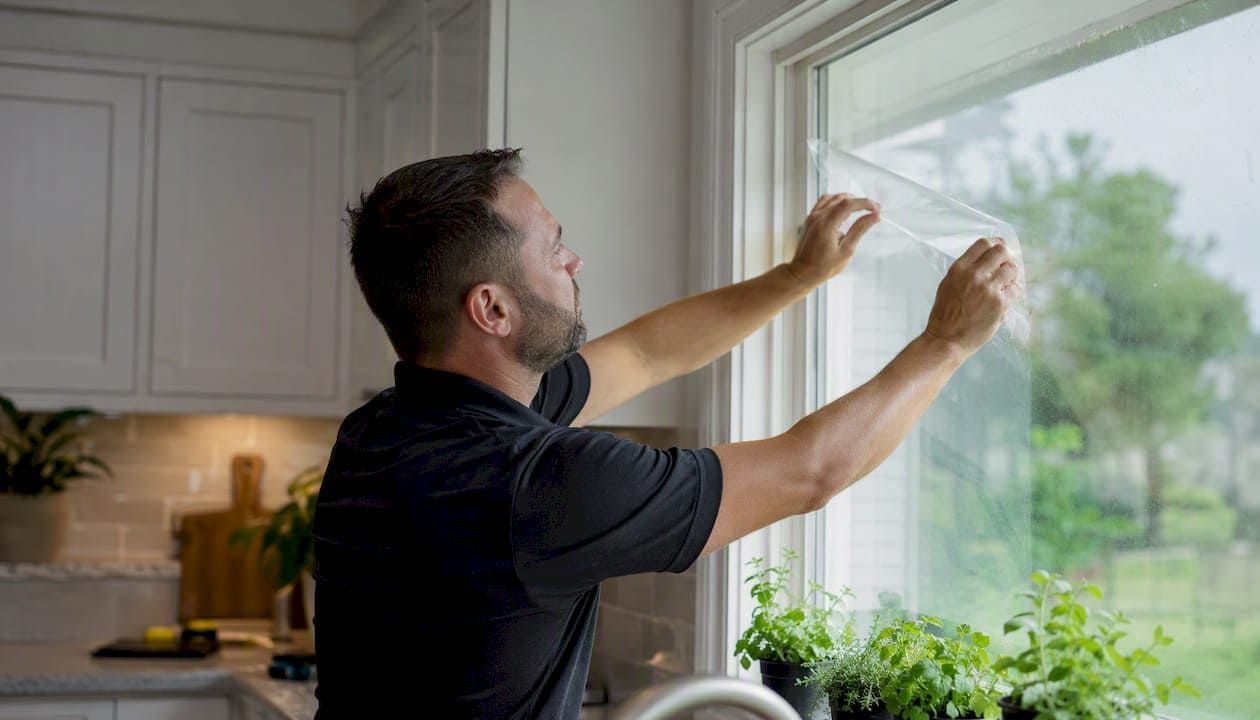
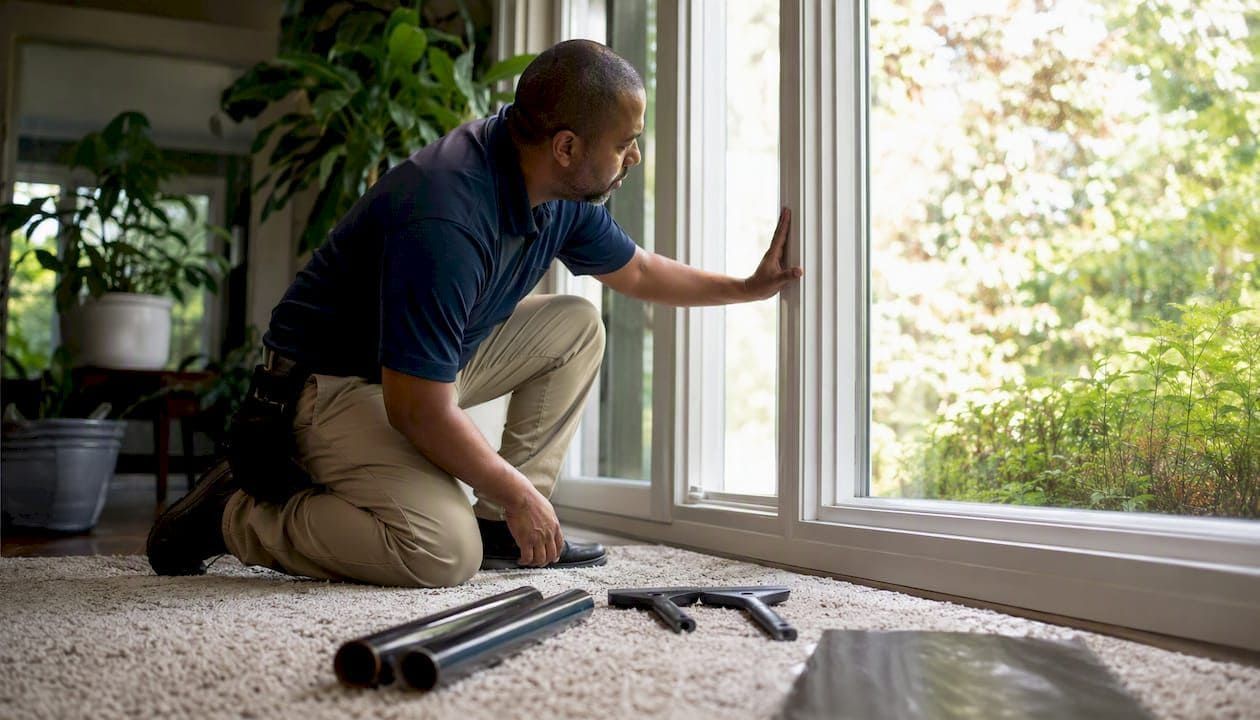
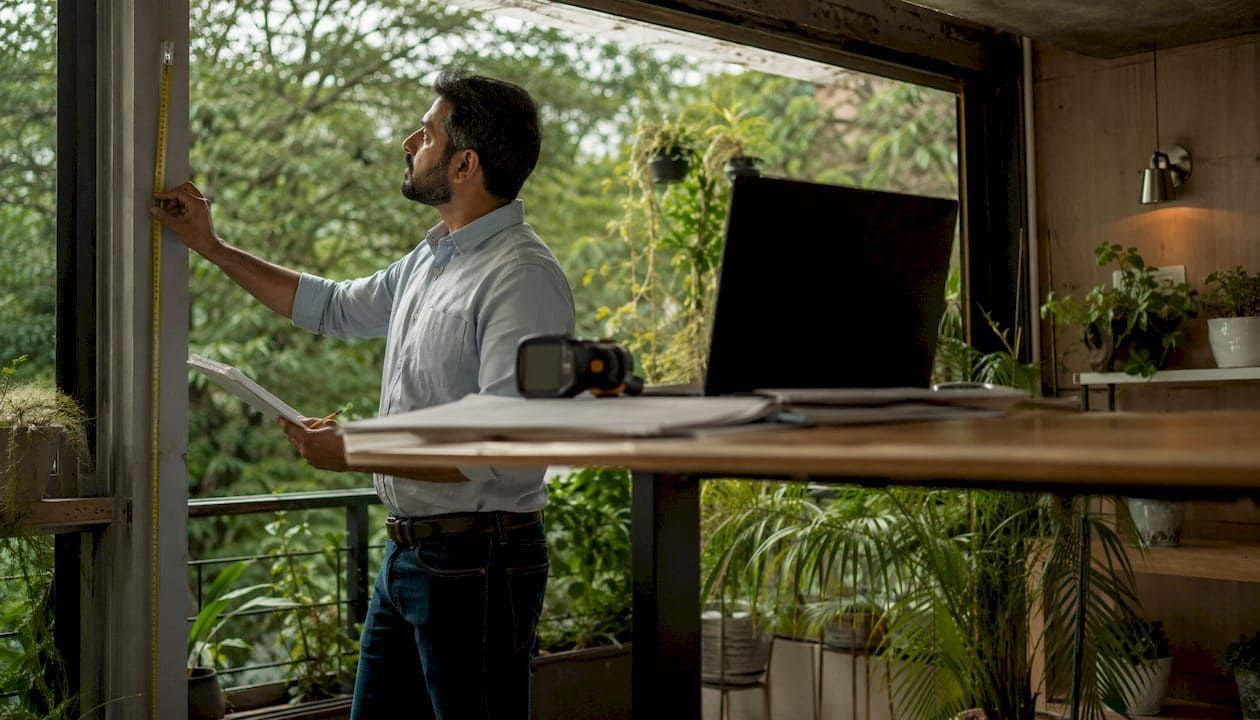
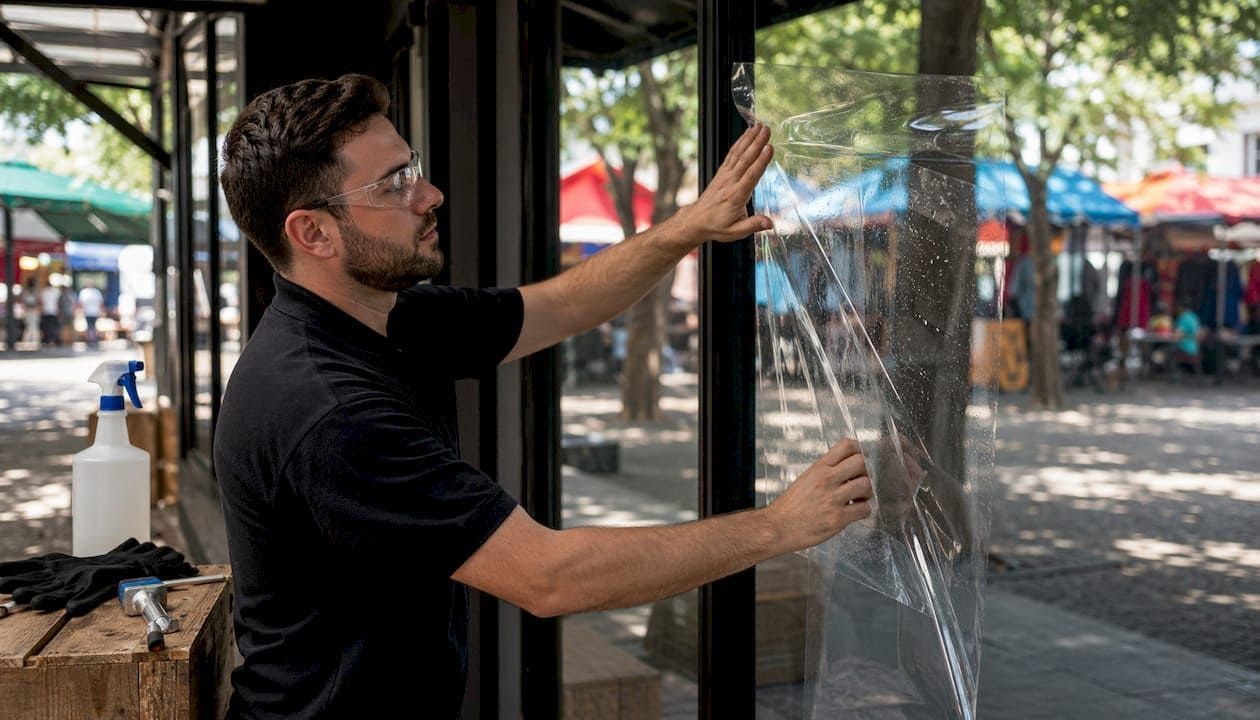
Professional privacy film installation in cities matters more than most homeowners expect. Improper installation creates bubbles, peeling edges, and uneven adhesion that degrade both appearance and performance within months. The DOE's guidance on matching film to functional goals applies equally to installation quality. A film that performs at 90% of its rated specification because of poor installation is a film that underdelivers on every benefit you paid for.
Combining films with smart lighting or automated blinds gives you the most flexible privacy system. Set your blinds to close automatically at sunset and let the film handle daytime privacy without any manual adjustment.
Key takeaways
Privacy films deliver their strongest impact when film type, window orientation, and interior lighting are matched deliberately rather than chosen by appearance alone.
| Point | Details |
|---|---|
| Film type determines consistency | Frosted films provide all-day privacy; reflective films depend on light conditions. |
| Nighttime privacy requires extra steps | Manage interior lighting or add curtains to maintain privacy after dark. |
| Orientation drives film selection | South and west windows need reflective films; north windows perform better with frosted options. |
| Benefits extend beyond privacy | UV protection, energy savings, glare reduction, and glass reinforcement add measurable value. |
| Professional installation protects performance | Improper application reduces film effectiveness and shortens product lifespan. |
What I've learned from watching homeowners get this wrong
Most homeowners I see make the same two mistakes. They choose a film based on how it looks in a showroom sample, and they assume the film handles nighttime privacy automatically. Both assumptions cost them.
The showroom sample problem is real. A small swatch held up to a window in a brightly lit store tells you almost nothing about how that film will perform on a north-facing bedroom window at 7 p.m. in January. The light conditions in your home are the only conditions that matter, and those vary by room, by season, and by hour.
The nighttime assumption is even more common. I have spoken with homeowners who installed reflective films on their street-facing windows and felt completely exposed the first evening they turned on their living room lights. The film was performing exactly as designed. The problem was the expectation, not the product.
What actually works is treating privacy film selection the way you would treat any functional home decision: with specifics. Know your window orientation. Know which rooms you use at night. Know whether you want to preserve an outward view or simply block it. Those three data points narrow your options to two or three film types, and from there a qualified installer can guide you to the right product.
Privacy films are genuinely one of the most cost-effective upgrades available to urban homeowners. They solve multiple problems simultaneously and they do it without altering your home's exterior appearance in any significant way. But they only deliver that value when they are selected and installed with intention.
See your privacy film options before you commit
Surfacetint serves homeowners across Southern New Hampshire and the Greater Boston Area as an exclusive LLumar SelectPro Dealer, installing Vista Films including Solar Control, Safety and Security, and Decorative Privacy options on residential properties.
Before scheduling an installation, use Surfacetint's residential film viewer tool to visualize how different film types look on your actual windows. When you are ready to move forward, the professional installation process is straightforward and typically completed in a single visit. Request a free home estimate to get specific product recommendations matched to your window orientations, privacy needs, and budget.
FAQ
Do privacy films work at night?
Standard reflective privacy films lose their one-way effect at night when interior lighting is brighter than the exterior. Dual-reflective films reduce this problem, but Contra Vision confirms that curtains or blinds may still be needed for full nighttime privacy.
What is the difference between frosted and reflective privacy film?
Frosted films diffuse light to obscure visibility consistently throughout the day and night. Reflective films create a one-way mirror effect that depends on exterior light being brighter than interior light, making them most effective during daylight hours.
Can privacy films reduce my energy bills?
Yes. The DOE confirms that window films reduce solar heat gain, which lowers cooling loads and energy costs. South and west-facing windows see the greatest savings because they receive the most direct sun exposure.
How long does privacy film installation take?
Most residential privacy film installations are completed in a single visit, typically within a few hours depending on the number of windows. Professional installation by a certified dealer like Surfacetint protects film performance and warranty coverage.
Do privacy films block UV rays?
High-quality privacy films block up to 99% of UV radiation, which is the primary cause of fading in furniture, flooring, and artwork. This UV protection applies regardless of whether you choose a reflective, frosted, or security-grade film.
Recommended