
Why reduce building heat for energy savings and comfort
Many property owners in Southern New Hampshire and Greater Boston focus on cooling costs during summer, but the real energy drain happens during our long heating season. Reducing building heat loss through insulation and air sealing cuts energy costs by 10-40% for homeowners and commercial buildings, with attics accounting for 25-40% of heat loss. This article explores why reducing building heat matters for your property, how heat escapes through your building envelope, and the most effective strategies to lower costs while improving comfort and meeting regional efficiency standards.
Table of Contents
- Key takeaways
- Understanding how building heat loss impacts your energy costs
- Why reducing building heat is essential for homeowners and commercial properties in Southern NH and Greater Boston
- Strategies and best practices to effectively reduce building heat loss
- Nuances, challenges, and emerging trends in building heat reduction
- Enhance your building's energy efficiency with window tinting solutions
- Frequently asked questions
Key Takeaways
| Point | Details |
|---|---|
| Seal first then insulation | Identify and seal leaks before adding insulation to maximize return on investment. |
| Attic is largest loss | In this climate, attics are the single largest source of heat loss and require high R values. |
| Air leaks dominate heat loss | Air leaks can carry two to five times more heat than gaps in insulation. |
| Windows heat loss | Windows lose heat through conduction, convection, and radiation and may need window film to reduce losses. |
| Higher R values pay off | Combining adequate R value insulation with thorough air sealing improves performance and lowers utility bills. |
Understanding how building heat loss impacts your energy costs
Heat escapes your building through three mechanisms: conduction, convection, and radiation. Conduction transfers heat through solid materials like walls, windows, and roofs. Convection carries heat away through air movement, particularly through leaks and gaps in your building envelope. Radiation sends heat outward as infrared energy, especially through windows and unshaded surfaces.
In New England's cold climate, your attic represents the single largest source of heat loss. Warm air naturally rises, and without proper insulation rated at R-38 to R-60 for our region, that expensive heated air flows directly through your roof. Your walls need R-13 to R-21 depending on construction type, but even perfect insulation fails if air leaks bypass it entirely.
Air sealing matters more than most property owners realize.
Air leaks carry 2-5 times more heat than insulation gaps alone. Common leak points include:
- Attic hatches and recessed lighting fixtures
- Window and door frames
- Electrical outlets and switch plates
- Plumbing and ductwork penetrations
- Basement rim joists
- Fireplace dampers
Commercial buildings face additional challenges from loading docks, elevator shafts, and stairwells that create vertical air channels. These pathways allow heated air to escape continuously, forcing your HVAC system to work harder and consume more energy.
"The most cost-effective energy upgrade starts with identifying where your building loses heat, then systematically sealing those pathways before adding insulation. This sequence maximizes your return on investment."
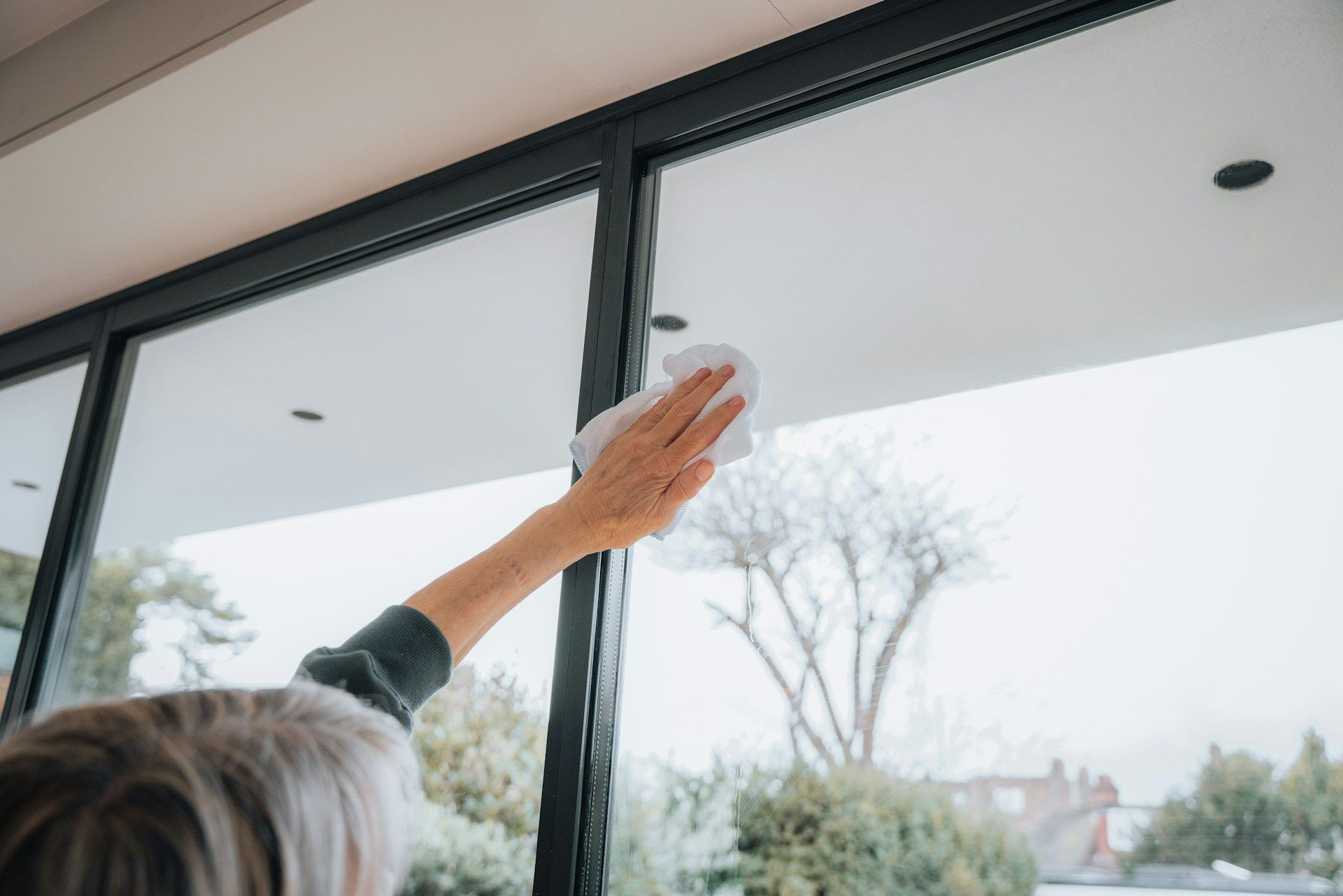
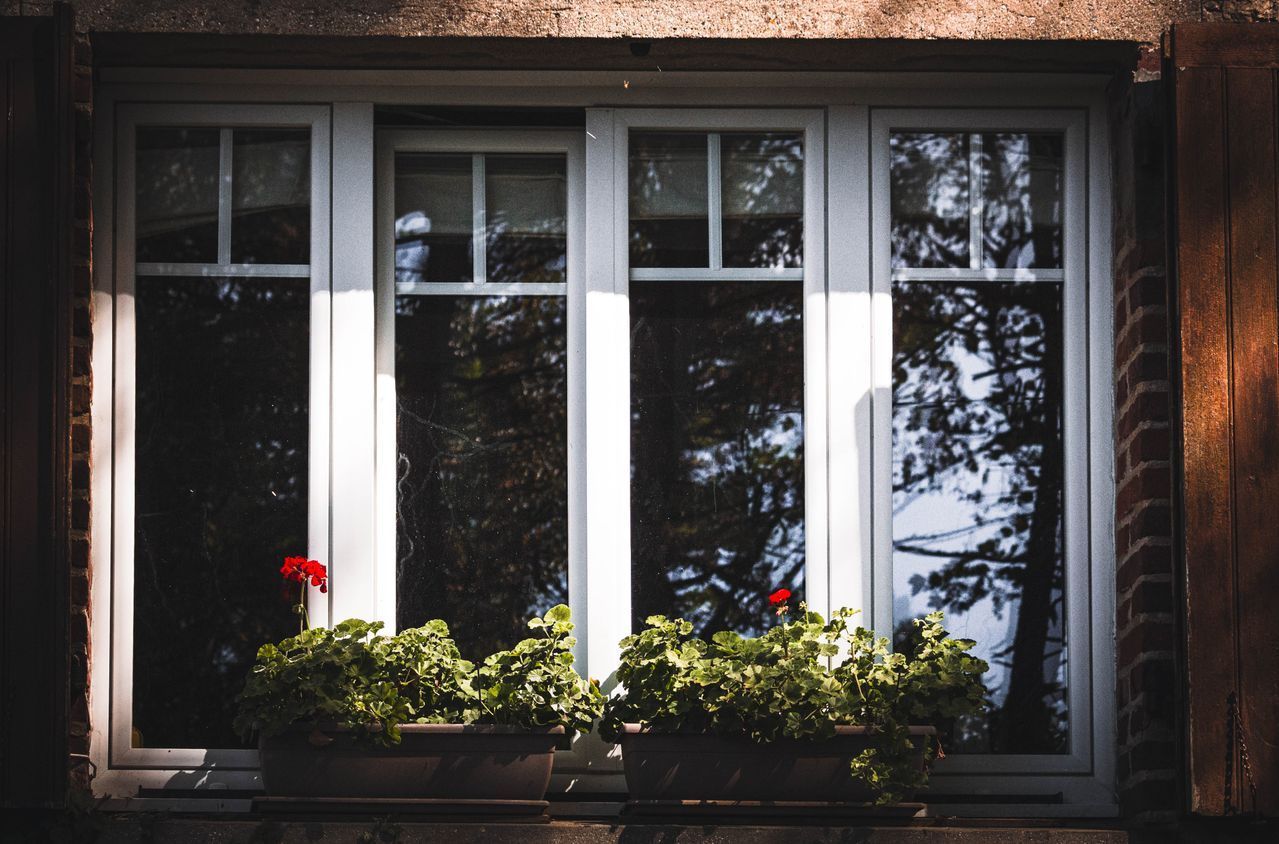
Windows deserve special attention because they lose heat through all three mechanisms simultaneously. Single-pane windows offer minimal resistance to heat flow, while even double-pane units can lose significant energy without proper window film treatment. In older homes and commercial buildings across Southern NH and Greater Boston, windows account for substantial heat loss during our extended heating season.
Understanding R-values helps you make informed decisions. R-value measures insulation's resistance to heat flow, higher numbers mean better performance. For our climate zone (5-6), building codes recommend minimum R-values, but exceeding these standards often pays for itself through lower utility bills. The key is combining adequate R-value insulation with comprehensive air sealing to prevent thermal bypass.
Why reducing building heat is essential for homeowners and commercial properties in Southern NH and Greater Boston
Energy costs represent a significant ongoing expense for property owners in our region. Reducing heat loss delivers 20-40% savings on utility bills, translating to hundreds or thousands of dollars annually depending on building size. These savings compound year after year, making efficiency upgrades one of the highest-return investments you can make.
Comfort improvements extend beyond financial benefits. Buildings with excessive heat loss create cold spots near exterior walls and windows, forcing occupants to turn up thermostats to compensate. This creates temperature stratification where your ceiling feels warm while floor-level spaces remain cold. Proper heat retention creates more uniform temperatures throughout your building, eliminating drafts and cold zones that reduce occupant satisfaction.
Regulatory compliance increasingly drives efficiency upgrades in our region. Boston's Building Emissions Reduction and Disclosure Ordinance (BERDO) requires building owners to meet emissions targets, with penalties for non-compliance starting in 2025. Commercial properties over 20,000 square feet must report emissions annually and achieve reductions on a scheduled timeline. Heat loss reduction through insulation and air sealing represents one of the most cost-effective paths to BERDO compliance.
Local utility incentive programs make upgrades financially accessible. Key programs include:
- NHSaves : Offers rebates for insulation, air sealing, and heat pump installations across New Hampshire
- NHEC : Provides additional incentives for electric cooperative members
- Mass Save : Delivers comprehensive residential and commercial efficiency programs throughout Massachusetts
- MassCEC : Funds advanced efficiency projects for commercial properties
These programs often cover 50-75% of upgrade costs, dramatically shortening payback periods and improving return on investment.
Environmental benefits align with business and homeowner values. Reducing building heat loss directly decreases fossil fuel consumption and greenhouse gas emissions. In New England, where heating oil and natural gas dominate residential heating, efficiency upgrades make meaningful contributions to decarbonization goals. Commercial property owners increasingly recognize that energy efficiency enhances property value and attracts environmentally conscious tenants.
"Year-round benefits distinguish heat reduction strategies in Northern climates. While summer cooling matters, our extended heating season from October through April means heat retention delivers the greatest total energy savings."
Property resilience improves with better building envelopes. During power outages or equipment failures, well-insulated and sealed buildings maintain comfortable temperatures longer, protecting occupants and preventing pipe freezing. This resilience becomes increasingly valuable as extreme weather events grow more frequent.
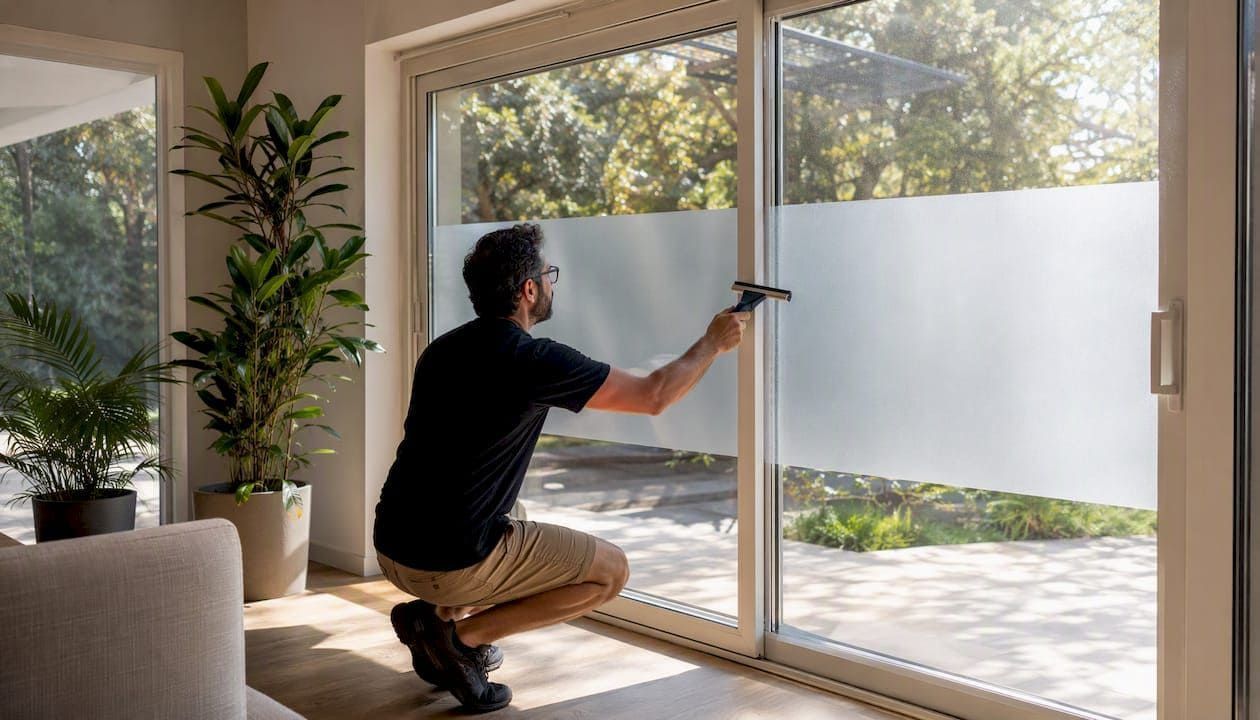
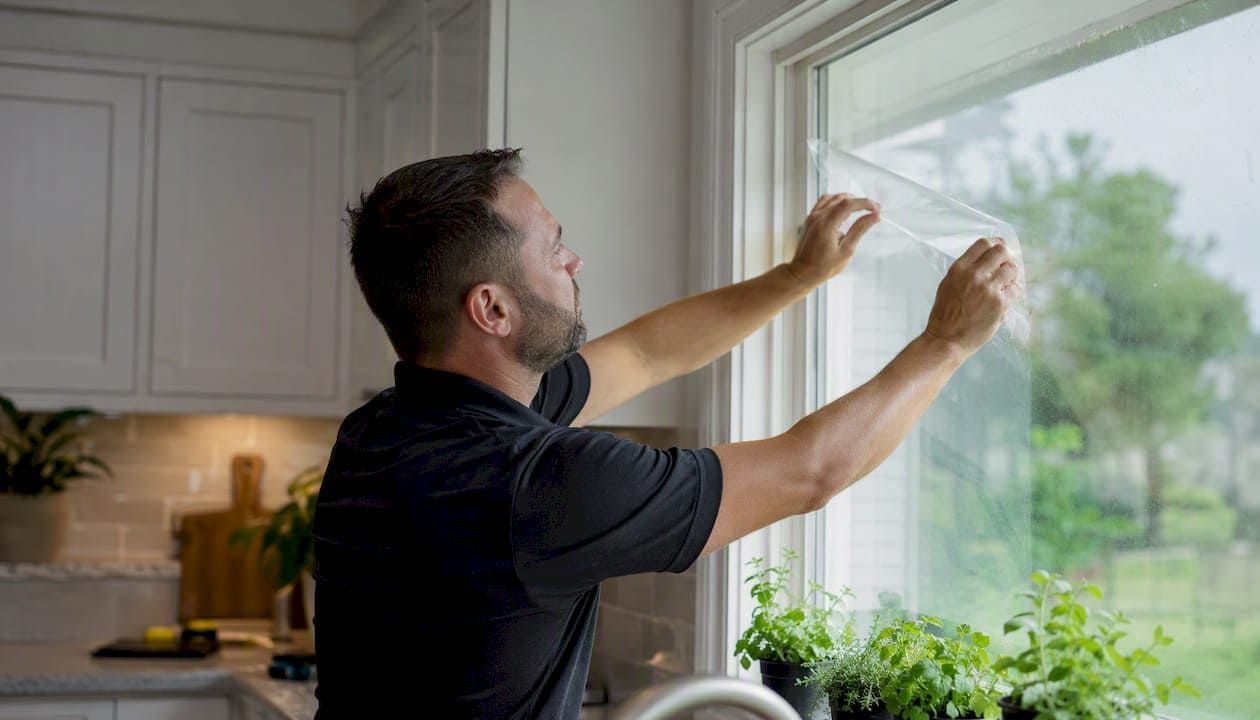
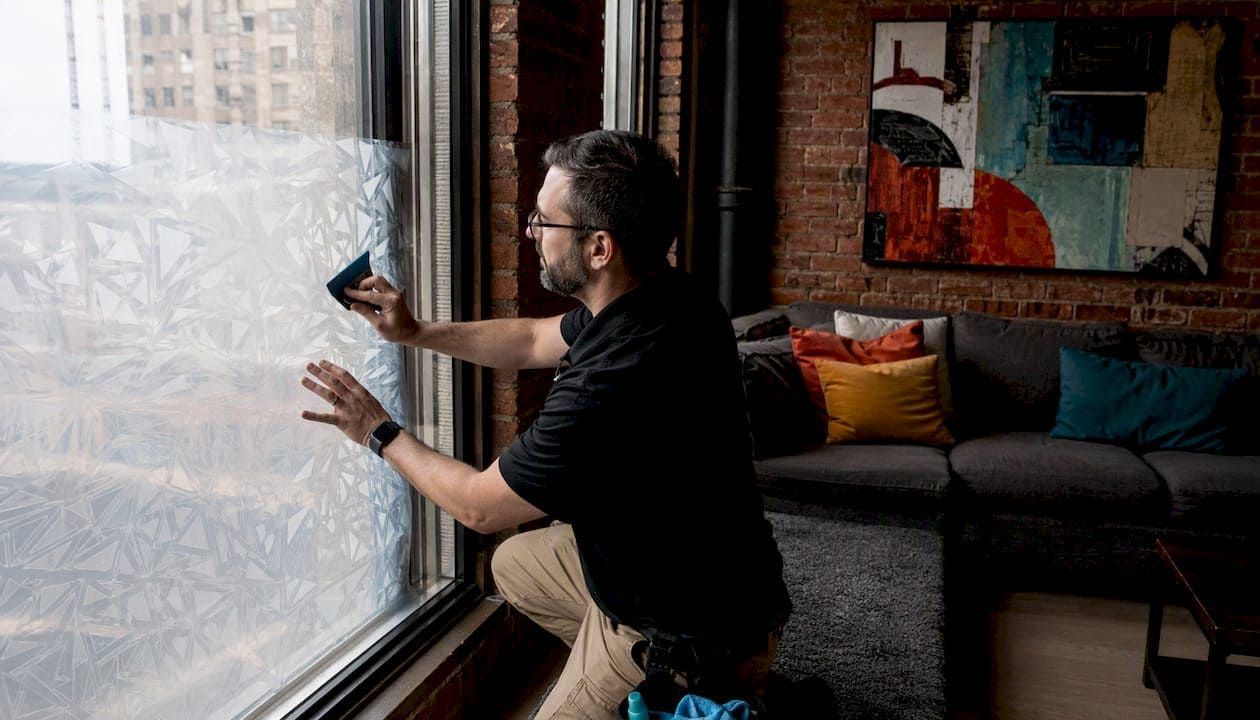
Window film installations complement whole-building efficiency strategies by addressing heat loss through glazing while maintaining natural light. Combined with proper insulation and air sealing, window treatments create comprehensive thermal control. Building code compliance requirements in NH and MA increasingly recognize window films as valid efficiency measures.
Strategies and best practices to effectively reduce building heat loss
Effective heat reduction starts with professional assessment. A comprehensive energy audit identifies specific heat loss pathways in your building, prioritizes interventions by cost-effectiveness, and establishes baseline energy use for measuring improvements. Qualified auditors use blower door tests to measure air leakage and infrared cameras to visualize heat loss patterns invisible to the naked eye.
Follow this proven sequence for maximum effectiveness:
- Conduct professional energy audit to identify priority areas and quantify potential savings
- Complete air sealing first at all identified leak points before adding insulation
- Upgrade insulation to recommended R-values for your climate zone
- Address windows through replacement or film application based on cost-benefit analysis
- Optimize HVAC systems through maintenance, controls upgrades, or equipment replacement
- Implement monitoring to verify savings and identify additional opportunities
Air sealing delivers the highest return on investment. Sealing air leaks before insulation prevents thermal bypass where air movement carries heat around insulation, degrading its effectiveness by 50% or more. Focus on the largest leak points first, typically attic penetrations, basement rim joists, and ductwork connections.
Insulation upgrades should target areas with the greatest heat loss per square foot. Attics typically offer the best return, followed by basement walls and crawl spaces. Wall insulation in existing buildings costs more to install but still pays back over time, especially when combined with other renovations. Choose insulation types based on application: blown cellulose for attics, spray foam for rim joists and irregular spaces, rigid foam for basement walls.
Commercial properties benefit from specialized strategies. HVAC systems in commercial buildings consume 40-60% of total energy, making optimization critical. Retrocommissioning identifies operational improvements without equipment replacement, typically delivering 10-30% savings with payback periods of 1-5 years. Building management systems (BMS) enable sophisticated control strategies that reduce heating costs while maintaining comfort.
| Strategy | Primary Benefit | Typical Cost | Payback Period |
|---|---|---|---|
| Air sealing | Prevents thermal bypass | $500-2,000 residential | 1-3 years |
| Attic insulation | Reduces largest heat loss | $1,500-3,000 residential | 3-7 years |
| Window film | Controls glazing heat transfer | $8-15/sq ft | 5-10 years |
| HVAC retrocommissioning | Optimizes existing equipment | $0.30/sq ft commercial | 1-2 years |
| Building management systems | Enables advanced controls | $2-8/sq ft commercial | 3-7 years |
Shading and reflective surfaces address radiation heat transfer. Solar window films block infrared radiation while maintaining visible light transmission, reducing both cooling loads in summer and radiant heat loss in winter. Cool roofs reflect solar radiation to reduce summer cooling needs, though they slightly increase winter heating requirements in Northern climates.
Heat recovery systems capture waste heat from ventilation air and transfer it to incoming fresh air. Heat recovery ventilators (HRV) and energy recovery ventilators (ERV) maintain indoor air quality while minimizing heat loss, particularly valuable in tightly sealed buildings where controlled ventilation becomes essential.
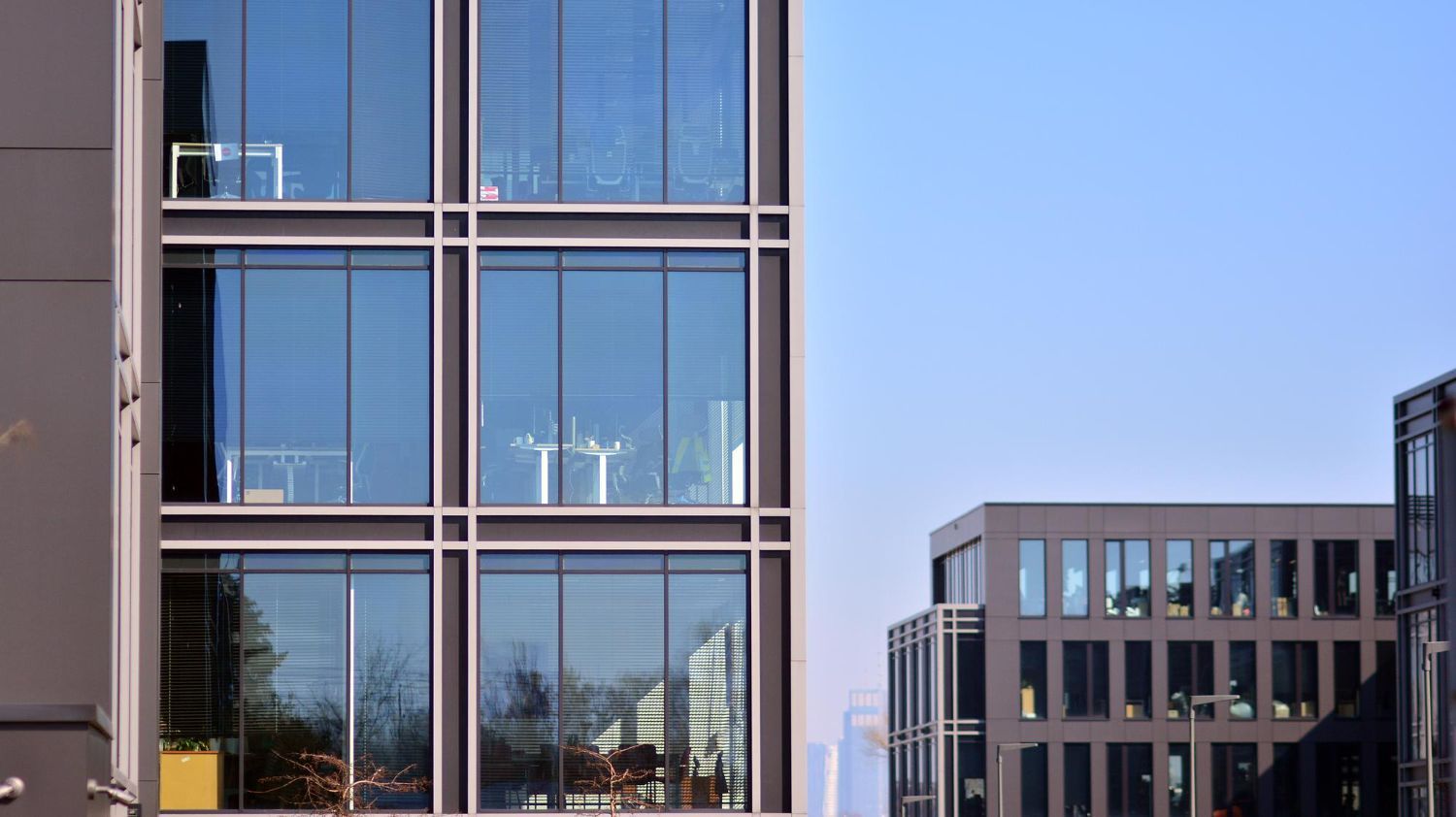
Pro Tip: Tailor your strategy to building type and use patterns. Residential upgrades prioritize occupant comfort and long-term savings, while commercial projects must balance tenant satisfaction, lease terms, and faster payback requirements. Office buildings benefit significantly from window films that reduce glare and heat while maintaining views.
Nuances, challenges, and emerging trends in building heat reduction
Sequencing matters more than most realize. Installing insulation before air sealing creates thermal bypass pathways where air movement carries heat around the insulation, reducing its effective R-value by half or more. This common mistake wastes money and delivers disappointing results. Always seal air leaks first, then add insulation to achieve rated performance.
The stack effect in tall buildings creates unique challenges. Warm air rises through elevator shafts, stairwells, and utility chases, drawing cold air in at lower levels and expelling heated air at the top. This continuous air exchange can overwhelm insulation efforts in multi-story commercial buildings. Addressing stack effect requires compartmentalization strategies that seal vertical pathways while maintaining fire safety requirements.
Cool roofs present a climate-specific tradeoff. While reflective roofing materials reduce cooling needs by 0.6°C, they increase winter heating costs by 1-2% in Northern climates. In Southern NH and Greater Boston, where heating degree days far exceed cooling degree days, cool roofs may increase net energy costs despite summer benefits. Careful modeling should precede cool roof installations in our region.
Moisture management becomes critical in tightly sealed buildings. Reducing air leakage lowers natural ventilation, potentially trapping moisture that damages building materials and degrades indoor air quality. Proper heat reduction strategies include controlled mechanical ventilation to maintain healthy indoor environments. Vapor barriers must be correctly positioned to prevent condensation within wall and roof assemblies.
Emerging technologies offer additional savings potential:
- Model predictive controls (MPC) : Advanced algorithms that reduce heating costs by 17% by optimizing HVAC operation based on weather forecasts and building thermal mass
- Smart thermostats : Learning algorithms that adapt to occupancy patterns and preferences while minimizing energy waste
- Phase change materials : Building materials that store and release heat to moderate temperature swings
- Dynamic glazing : Windows that automatically adjust tint based on sun angle and interior conditions
Pro Tip: Monitor results after implementing heat reduction measures. Energy savings calculators help establish baselines, but actual savings depend on weather, occupancy, and operational factors. Track utility bills monthly to verify expected savings and identify any performance issues requiring adjustment.
Building science continues evolving. Recent research challenges assumptions about optimal insulation levels, ventilation rates, and material choices. Staying current with building performance standards ensures your investments deliver maximum value. Professional certification programs like Building Performance Institute (BPI) and Passive House indicate contractors with advanced training in building science principles.
Window tinting effects vary by season and film type. Low-emissivity films reflect interior heat back into rooms during winter while blocking solar heat gain in summer, providing year-round benefits. Selecting appropriate films requires understanding solar heat gain coefficients, visible light transmission, and U-factors for your specific climate and building orientation. Boston office buildings demonstrate measurable energy savings when films are properly specified and installed.
Enhance your building's energy efficiency with window tinting solutions
Windows represent a significant opportunity to reduce building heat loss while maintaining natural light and views. Professional window film installation complements insulation and air sealing by addressing heat transfer through glazing, your building's most thermally vulnerable component.
Surface Dynamics Window Tinting serves homeowners and commercial property managers throughout Southern New Hampshire and Greater Boston with LLumar SelectPro films engineered for our climate. Our residential window films reduce heat loss in winter and heat gain in summer, while commercial solutions deliver measurable energy savings for office buildings, retail spaces, and multi-family properties. Request a free estimate to discover how window tinting fits into your comprehensive heat reduction strategy.
Frequently asked questions
What is the best insulation level for Southern New Hampshire homes?
Attic insulation should reach R-38 to R-60 in climate zones 5-6, which covers Southern NH and Greater Boston. Walls typically require R-13 to R-21 depending on construction type and cavity depth. Exceeding minimum code requirements often delivers better long-term savings, especially when combined with thorough air sealing.
How does air sealing improve building comfort and energy savings?
Air sealing blocks leaks that carry 2-5 times more heat loss than insulation gaps alone, preventing expensive conditioned air from escaping. It eliminates drafts and cold spots near exterior walls, creating more uniform temperatures throughout your building. Sealed buildings maintain comfort with lower thermostat settings, reducing both energy costs and HVAC system wear.
Are cool roofs a good option for Boston area buildings?
Cool roofs reduce summer cooling needs slightly but increase heating costs by 1-2% during our extended winter season. In Northern climates like Boston where heating degree days exceed cooling degree days, cool roofs may increase net annual energy costs despite summer benefits. Consider cool roofs only after maximizing insulation and air sealing, and model the full-year energy impact before installation.
What incentives exist for heat reduction upgrades in Southern NH and Greater Boston?
NHSaves, NHEC, and Mass Save offer substantial rebates for insulation, air sealing, and heat pump installations, often covering 50-75% of project costs. Boston's BERDO regulations require emissions reductions for larger buildings, creating compliance pressure that makes efficiency upgrades essential rather than optional. Combined incentives and regulatory requirements make 2026 an ideal time to invest in heat reduction measures.
Recommended
- Why Large Boston Homes Lose Heat Through Bare Windows
- How Boston Offices Benefit From Heat Control Window Film
- 5 Ways Window Film Reduces Energy Costs in Boston Winters
- Signs Your Commercial Building Needs Solar Window Film Upgrades
- Dakisolatie uitgelegd: Comfort, besparing en opties
- Understanding the Benefits of a House with Insulation – WorkWearComfort