
Why window tinting matters for energy savings in 2026
Think window tinting is just for cars or aesthetics? You're missing out on a game-changing upgrade for your property. Modern window films can slash indoor temperatures by up to 18°F while blocking over 90% of harmful UV radiation. In Southern New Hampshire and Greater Boston, where energy costs continue climbing and security concerns grow, window tinting delivers measurable returns through lower utility bills, enhanced comfort, and reinforced protection. This guide reveals how advanced ceramic films outperform traditional tints, why timing your installation matters for maximizing year-round savings, and which solutions fit your specific property needs.
Table of Contents
Key takeaways
| Point | Details |
|---|---|
| Energy efficiency boost | Window tinting blocks infrared and UV radiation, reducing cooling costs in summer and cutting heat loss up to 15% in winter. |
| Ceramic films excel | Advanced ceramic tints reject 95% of infrared rays and maintain performance without fading, unlike regular dyed films. |
| Security enhancement | Tint films reinforce glass to resist breakage, deterring break-ins and preventing injury from shattered windows. |
| Year-round comfort | Proper film selection balances seasonal needs, keeping interiors cooler in summer and warmer during New England winters. |
| Professional assessment pays | Expert evaluation ensures code compliance, optimal film selection, and maximum return on your tinting investment. |
How window tinting improves energy efficiency
Window tinting transforms how your property manages heat transfer, directly impacting your energy bills. Advanced films block over 90% UV and 70% near-infrared radiation, creating a radiative cooling effect that can lower indoor temperatures by up to 18°F. This technology works by reflecting solar heat before it penetrates your windows, reducing the burden on your HVAC system during hot Southern New Hampshire summers.
The energy benefits extend beyond summer cooling. During harsh New England winters, low-emissivity films reduce heating loss by 5-15%, addressing a critical vulnerability in your property's thermal envelope. Windows account for 18-20% of total heat loss in winter, making them prime targets for efficiency upgrades. Low-E films work by reflecting interior heat back into your space while still allowing natural light through, creating a one-way thermal barrier that keeps warmth where you want it.
Consider this comparison of seasonal performance across common film types:
| Film Type | Summer Cooling Benefit | Winter Heating Benefit | UV Blocking | Typical Lifespan |
|---|---|---|---|---|
| Dyed Film | Moderate glare reduction | Minimal insulation | 40-60% | 3-5 years |
| Metalized Film | Good heat rejection | Low-E option available | 95-99% | 7-10 years |
| Ceramic Film | Excellent IR blocking | Compatible with low-E | 99%+ | 10-15+ years |
| Hybrid Ceramic | Superior performance | Enhanced insulation | 99%+ | 12-20 years |
The right film selection delivers compounding benefits throughout the year. Summer savings come from reduced air conditioning runtime, while winter gains stem from decreased heating cycles. Property owners in Greater Boston typically see 15-30% reductions in window-related energy loss after professional installation. These savings accumulate month after month, offsetting your initial investment while improving indoor comfort.
Pro Tip: Request a thermal imaging assessment before installation to identify your property's biggest heat loss areas, then prioritize those windows for maximum energy savings impact.
Your film choice should reflect your property's specific orientation and exposure. South-facing windows benefit most from high IR rejection during summer, while north-facing windows in winter gain more from low-E technology. Understanding these dynamics helps you select films that optimize performance across all seasons, delivering the benefits of tinting your home windows year-round.
Ceramic vs. regular window films: durability and performance
Not all window films deliver equal value over time. Ceramic films reject 95% of infrared radiation and can reduce indoor temperatures by 15-20°F, dramatically outperforming traditional dyed tints. The difference lies in the technology: ceramic films use nano-ceramic particles that block heat without relying on dyes or metals, which degrade or interfere with electronics.
Regular dyed tints face a fundamental problem: they absorb heat rather than reflecting it, causing the film itself to become a heat source. Over time, this absorption breaks down the dye molecules, leading to purple or brown discoloration and reduced effectiveness. You'll notice fading within 2-3 years, requiring replacement to maintain performance. Ceramic films avoid this degradation entirely by reflecting rather than absorbing infrared energy, maintaining their original appearance and function for 15+ years.
Here's how these technologies compare across critical performance factors:
| Feature | Regular Dyed Film | Metalized Film | Ceramic Film |
|---|---|---|---|
| IR Rejection | 25-40% | 40-60% | 80-95% |
| UV Blocking | 40-60% | 95-99% | 99%+ |
| Fade Resistance | Poor (2-3 years) | Good (7-10 years) | Excellent (15+ years) |
| Signal Interference | None | High (blocks cell/GPS) | None |
| Visible Light Options | Limited | Moderate | Extensive (5-90% VLT) |
| Heat Stability | Degrades quickly | Moderate | Superior |
The performance gap becomes obvious during peak summer heat. While dyed films might reduce glare, they do little to block the infrared radiation that actually heats your space. Ceramic films target this invisible heat energy specifically, creating noticeably cooler interiors without darkening your windows excessively. This selective blocking allows you to maintain natural brightness while eliminating uncomfortable heat gain.
Key advantages of ceramic film technology include:
- Energy savings through superior infrared rejection that reduces cooling costs by 20-35%
- Durability with no color fading, bubbling, or peeling over decades of use
- Non-metallic construction that doesn't interfere with cell phones, WiFi, GPS, or radio signals
- Aesthetic longevity maintaining crystal-clear views without the purple haze of degraded dyed films
- Enhanced comfort with consistent performance regardless of outdoor temperature extremes
- UV protection blocking 99.9% of harmful rays that fade furnishings and damage skin
Pro Tip: When comparing quotes, ask specifically about the film's infrared rejection percentage and warranty coverage, not just the visible light transmission, to ensure you're getting true ceramic technology.
The upfront cost difference between ceramic and regular films typically ranges from 30-50%, but the long-term value equation heavily favors ceramic. You avoid replacement costs, enjoy better energy savings, and benefit from superior comfort throughout the film's extended lifespan. For premium solar window films that deliver lasting performance, ceramic technology represents the smart investment for Southern New Hampshire and Greater Boston properties.
Practical benefits of window tinting for homes and businesses
Window tinting delivers tangible improvements to daily life and property value beyond just energy metrics. The comfort gains alone justify the investment for most property owners. Reduced glare means you can work on computers or watch television without battling harsh reflections, while UV protection blocks 99.9% of the radiation that causes skin damage and fades furniture, flooring, and artwork. Consistent indoor temperatures eliminate hot spots near windows, creating more usable space throughout your property.
Security represents another compelling advantage. Safety window films reinforce glass, making it significantly harder to break through during attempted break-ins. When glass does shatter from impact or accidents, the film holds fragments together, reducing injury risk and preventing dangerous shards from scattering. This added layer of protection proves especially valuable for ground-floor windows, storefronts, and properties in urban areas where security concerns run higher.
Privacy enhancements work without sacrificing natural light. Modern films can limit visibility into your home or office from outside while maintaining clear outward views and bright interiors. This one-way privacy effect works through reflective or tinted layers that obscure interior details during daylight hours, giving you control over your space without resorting to heavy curtains or blinds.
Comfort and lifestyle improvements include:
- Glare reduction creating comfortable workspaces and entertainment areas free from harsh reflections
- UV protection preserving the value and appearance of furnishings, flooring, and artwork
- Temperature consistency eliminating hot zones near windows and cold drafts in winter
- Reduced HVAC cycling leading to quieter indoor environments and lower maintenance costs
- Skin protection blocking harmful UV radiation that causes premature aging and increases cancer risk
Choosing the right tint for your property involves matching film characteristics to your specific needs:
- Assess your primary concern: energy savings, security enhancement, privacy control, or UV protection
- Evaluate your property's sun exposure and identify which windows receive the most intense heat gain
- Determine your preferred visible light transmission, balancing natural brightness with heat rejection
- Consider security needs for vulnerable windows like ground-floor or street-facing glass
- Review local building codes and HOA restrictions that might limit film darkness or reflectivity
- Calculate potential energy savings based on your current utility costs and window square footage
Integrating window tinting with local building requirements ensures compliance while maximizing benefits. Southern New Hampshire and Greater Boston municipalities generally permit window films for residential properties without restrictions, though commercial installations may require permits for certain reflective films. Checking these requirements before installation prevents costly corrections later.
The impact on interior preservation cannot be overstated. UV radiation causes 40-60% of fading damage to fabrics, wood, and artwork. By blocking 99.9% of UV rays, quality window films extend the life of your interior investments by years or even decades. This protection proves especially valuable for properties with expensive furnishings, hardwood floors, or art collections.
Security and privacy solutions work together seamlessly. You can enhance home security with window film while simultaneously gaining privacy through the same installation. Thicker security films (8-14 mil) provide break resistance, while reflective or tinted finishes add visual privacy. For maximum security, consider protecting homes with safety window film on all accessible windows and glass doors.
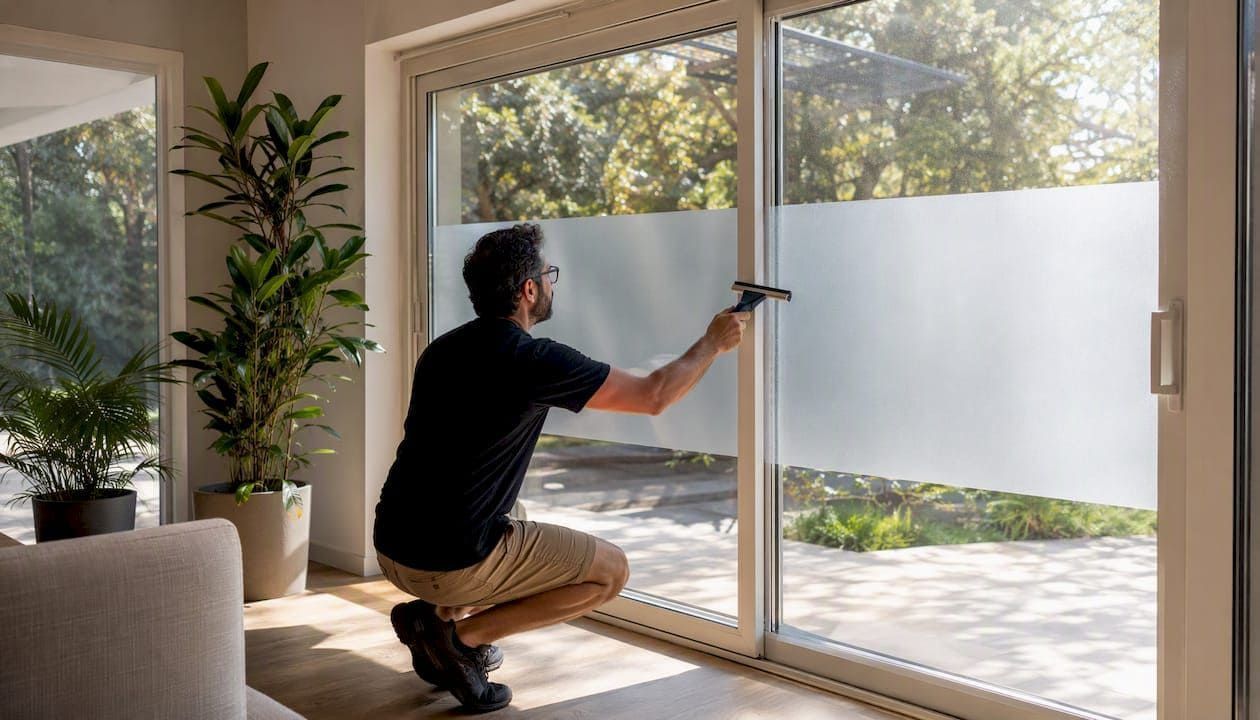
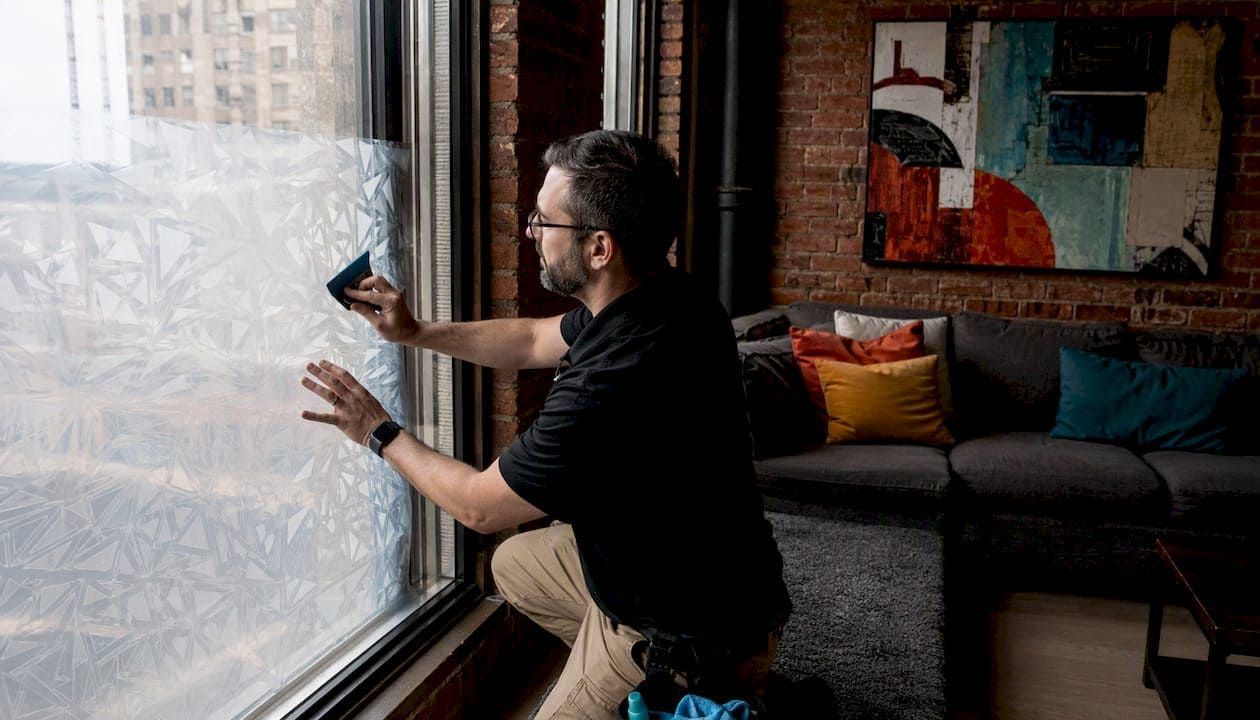
Privacy options extend beyond simple tinting. Decorative films offer patterns, frosting, or gradients that obscure views while adding aesthetic appeal. These solutions work particularly well for bathrooms, conference rooms, or street-facing windows where you want permanent privacy without blocking all light. You can enhance home privacy with clear window film options that maintain transparency from inside while limiting visibility from outside.
Choosing the right window tinting solution for your property
Selecting optimal window film requires evaluating multiple factors specific to your property and goals. Climate zone effects play a primary role in Southern New Hampshire and Greater Boston, where you need solutions that perform across dramatic seasonal temperature swings. Films that excel in summer cooling must also contribute to winter heat retention, making hybrid ceramic or low-E options ideal for year-round performance.
Building orientation dramatically impacts film selection. South and west-facing windows receive intense afternoon sun, requiring films with high infrared rejection to manage heat gain. North-facing windows benefit more from low-E technology that retains interior warmth during winter. East-facing glass needs balanced solutions that handle morning sun without over-darkening spaces. Understanding your property's sun exposure patterns helps you match film specifications to actual thermal challenges.
Key factors to evaluate when selecting window film include:
- Climate zone requirements balancing summer cooling needs with winter heat retention for New England weather
- Building orientation determining which windows need maximum IR rejection versus low-E insulation
- Security needs identifying vulnerable access points that require reinforced safety films
- Privacy preferences choosing between reflective, tinted, or decorative films for different spaces
- Budget constraints weighing upfront costs against long-term energy savings and replacement intervals
- Aesthetic goals maintaining architectural character while improving performance
- Code compliance ensuring film choices meet local regulations and HOA requirements
Matching film type to desired outcomes ensures you get the performance you're paying for. Ceramic films deliver superior energy efficiency and longevity, making them ideal for properties prioritizing long-term savings. Low-E films excel in heating climates where winter performance matters most. Decorative films solve privacy challenges while adding visual interest. Security films provide break resistance for vulnerable windows and doors.
Interactive visualization tools help you preview how different films will look on your specific property. These digital resources let you test various tint levels, reflectivity options, and decorative patterns before committing to installation. You can explore residential window film options or review commercial window film options to see exactly how films will appear on your windows under different lighting conditions.
Pro Tip: Calculate your potential savings by multiplying your current cooling and heating costs by 20-30%, then compare that annual savings figure against film installation costs to determine your payback period.
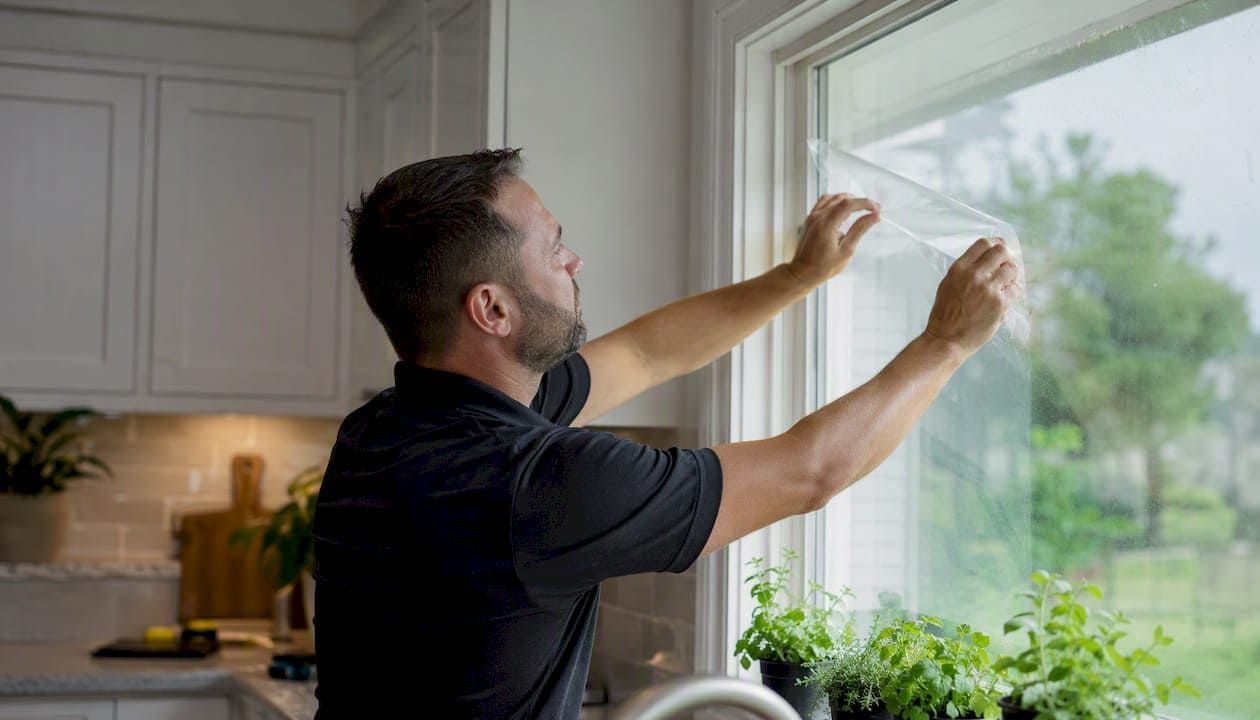
Professional assessment provides insights you can't get from online research alone. Experienced installers evaluate your property's thermal performance, identify problem areas, and recommend solutions based on thousands of previous installations. They ensure code compliance, warranty validity, and optimal film selection for your specific situation. This expertise proves especially valuable for commercial properties where performance requirements and regulations become more complex.
Your final decision checklist for Southern New Hampshire and Greater Boston conditions should include:
- Verified infrared rejection percentage matching your cooling needs (aim for 70%+ in high-sun areas)
- UV blocking of 99% or higher to protect interiors and occupants
- Warranty coverage of at least 10 years for residential, 5 years for commercial installations
- Professional installation by certified technicians to ensure proper application and warranty validity
- Energy savings projection based on your property's window square footage and current utility costs
- Code compliance confirmation for your municipality and any HOA restrictions
Explore professional window tinting solutions
Ready to transform your property's comfort, efficiency, and security? Surface Dynamics Window Tinting brings specialized expertise to Southern New Hampshire and Greater Boston properties, installing premium LLumar Vista Films that deliver measurable performance improvements. Our interactive tools let you visualize exactly how different films will look on your windows before installation. Explore options through our residential window film viewer or commercial window film viewer to find your ideal solution. Request a free estimate today to discover how professional window tinting can reduce your energy costs while enhancing security and comfort.
FAQ
Is window tinting effective in New England's cold winters?
Yes, low-emissivity films reduce heating loss by 5-15% during cold New England winters by reflecting interior heat back into your space. Since windows cause 18-20% of total winter heat loss, quality low-E films make a measurable difference in heating costs and comfort. These films work by creating a thermal barrier that retains warmth while still allowing natural light through, making them ideal for the region's harsh winter climate.
How does window tinting enhance home or business security?
Window tinting significantly improves security by reinforcing glass to resist breakage during forced entry attempts. Safety films hold shattered glass together, preventing dangerous fragments from scattering and reducing injury risk from accidents or break-ins. Thicker security films (8-14 mil) can delay intruders by 30-60 seconds, often enough to trigger alarms or deter the attempt entirely. This added protection proves especially valuable for ground-floor windows and accessible entry points.
Will window tinting affect the natural light inside my property?
Modern window films maintain excellent natural brightness while blocking heat and UV rays. Advanced films allow 70-90% visible light transmission depending on your selected tint level, preserving interior brightness while eliminating uncomfortable glare. You can choose from a wide range of visible light transmission percentages to balance natural illumination with heat rejection, ensuring your spaces stay bright and comfortable without sacrificing energy performance.
What factors influence the cost of window tinting?
Window tinting costs vary based on film type, with ceramic films commanding premium prices for superior performance and longevity. Window size and quantity directly impact total cost, as does installation complexity for hard-to-reach or architecturally challenging glass. Additional factors include film thickness for security applications, visible light transmission preferences, and whether you need specialty films like low-E or decorative options. Professional installation by certified technicians costs more upfront but ensures warranty validity and optimal performance that DIY approaches cannot match.
Recommended