
Why reduce heat gain in offices for energy savings
Most business owners assume their high summer cooling bills are just the cost of doing business. They blame the weather, the building age, or inefficient HVAC systems. But the real culprit often hides in plain sight: uncontrolled heat gain pouring through windows and building envelopes. This invisible energy drain silently inflates utility costs while making employees uncomfortable. Reducing heat gain isn't just about lowering your energy bills. It's about creating workspaces where people actually want to be, while meeting modern energy codes and supporting regional sustainability goals. This guide shows you exactly how to identify, measure, and eliminate excess heat gain in your office.
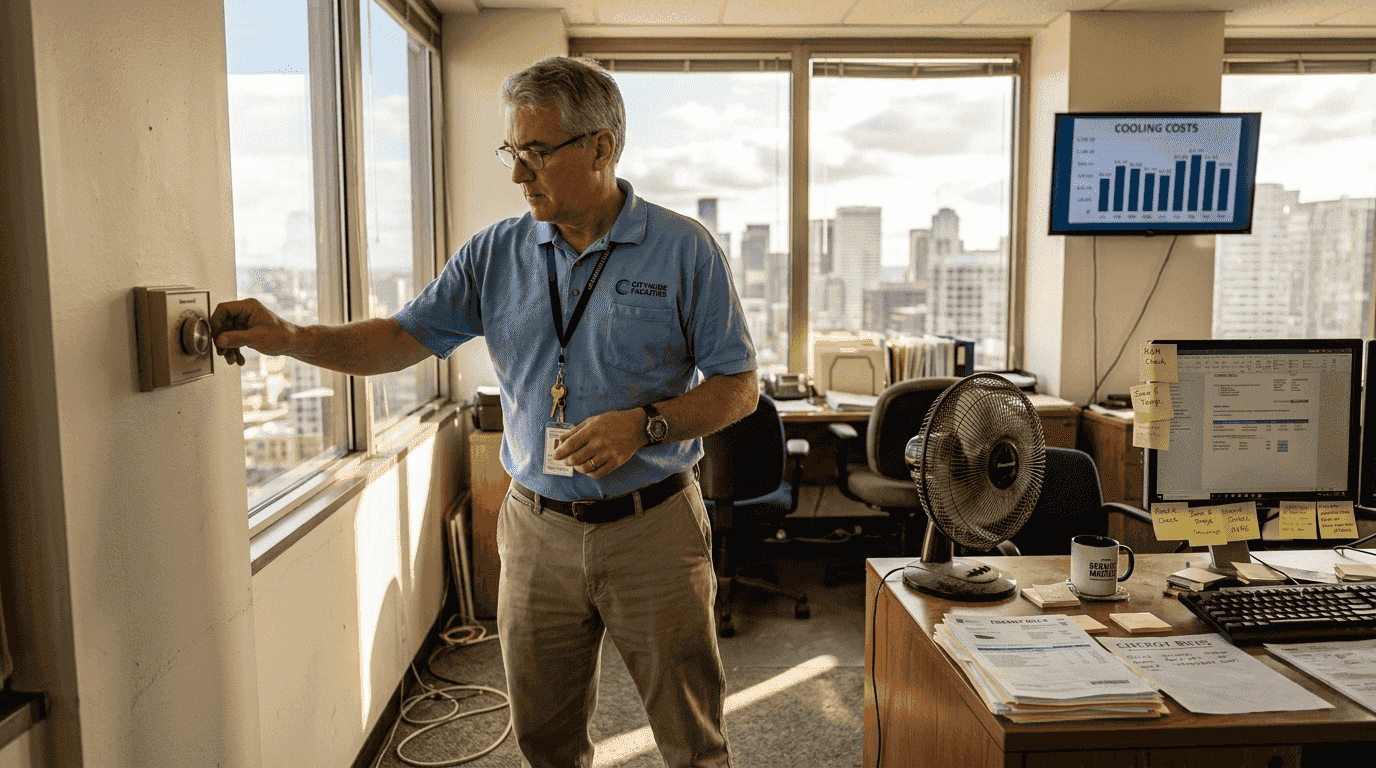
Table of Contents
- Understanding Heat Gain And Its Impact On Office Buildings
- How Modern Solutions Reduce Heat Gain And Improve Office Comfort
- Implementing Heat Gain Reduction: Retrofit Projects And Energy Savings
- Heat Gain Reduction's Role In Regional Energy Goals And Peak Demand Management
- How Surface Dynamics Helps Southern New Hampshire And Greater Boston Offices Reduce Heat Gain
- Frequently Asked Questions About Reducing Heat Gain In Offices
Key takeaways
| Point | Details |
|---|---|
| Windows drive cooling costs | Heat gain through windows and building envelope significantly increases cooling loads in commercial buildings |
| Smart solutions cut energy use | Implementing exterior shading, advanced glazing, and smart controls can reduce heat gain by up to 25%, saving energy and costs |
| Codes require action | New energy codes require better solar heat gain coefficient management for compliance and efficiency |
| Quick payback period | Retrocommissioning and upgrades deliver measurable energy and comfort improvements with relatively quick payback |
| Regional benefits | Load management strategies based on heat gain reduction contribute to peak demand reduction in regions like Massachusetts |
Understanding heat gain and its impact on office buildings
Heat gain is the increase of heat energy entering a building, mainly through windows and walls exposed to the sun. Think of your office windows as solar collectors you never asked for. Every square foot of glass facing south or west acts like a miniature greenhouse, trapping solar radiation and converting it into unwanted warmth. Windows are critical points because older single-pane or poorly insulated windows contribute to direct heat flow inside.
The numbers tell a sobering story. Unmanaged solar gain through windows is one of the largest drivers of cooling demand in commercial buildings. When sunlight streams through untreated glass, it doesn't just make your conference room uncomfortable. It forces your HVAC system into overdrive, running longer cycles and consuming more electricity. About 14% of commercial energy use is devoted to cooling buildings.
Solar radiation through glazing can cause uncomfortable hot spots and drive up air conditioning energy use. You've probably experienced this firsthand: employees clustering away from sun-drenched windows, constantly adjusting thermostats, or complaining about temperature swings throughout the day. These aren't minor inconveniences. They signal real energy waste and productivity losses.
In commercial buildings, uncontrolled heat gain leads to significant spikes in cooling demand and energy costs. Your HVAC system wasn't designed to fight the sun all day. When heat gain overwhelms your cooling capacity, the system struggles to maintain comfortable temperatures. This struggle shows up directly on your utility bills.
The hidden costs extend beyond electricity:
- Increased HVAC maintenance from constant heavy use
- Reduced equipment lifespan from thermal stress
- Employee productivity losses in uncomfortable spaces
- Fading furniture and flooring from UV exposure
Aside from discomfort, heat gain increases HVAC runtime and utility bills for business owners. Understanding where and how heat enters your building is the first step toward lowering office energy costs effectively. The good news? Modern solutions can dramatically reduce this invisible energy drain.
How modern solutions reduce heat gain and improve office comfort
Reducing heat gain requires a layered approach that treats your building envelope as an integrated system. The most effective strategies work together, blocking solar energy before it becomes a cooling problem.
Exterior shading blocks solar radiation before it hits windows, reducing heat gain effectively. Awnings, overhangs, and exterior blinds intercept sunlight outside your building envelope. This matters because heat rejected outside never becomes an indoor cooling load. The benefits of exterior shading include dramatic reductions in direct solar gain, especially on south and west-facing facades.
Advanced glazing represents the next line of defense. Double or triple pane windows with low solar heat gain coefficient coatings insulate and filter solar heat better than single-pane glass. These high-performance windows use special coatings that reflect infrared radiation while allowing visible light through. You get natural daylight without the thermal penalty.
Smart interior controls add dynamic response to static solutions. Automated blinds and HVAC management systems adjust throughout the day to optimize comfort and energy use. When sensors detect direct sunlight, motorized shades deploy automatically. When temperatures rise, the system adjusts cooling strategically rather than blasting cold air everywhere.
Layered facade design combining exterior shading, advanced glazing, and smart interior controls significantly reduces heat gain and cooling loads. This integrated approach treats shading, glazing, and controls as complementary systems rather than separate solutions. Each layer catches what the previous one missed.
Compliance drivers are pushing these solutions into the mainstream. ASHRAE 90.1-2022 and IECC 2024 require better solar heat gain coefficient management using shading and high-performance glazing. If you're planning renovations or new construction, these aren't optional upgrades anymore.
Comparing your options helps clarify the best path forward:
| Solution Type | Heat Reduction | Installation Cost | Maintenance |
|---|---|---|---|
| Exterior shading | High | Medium to High | Low to Medium |
| Advanced glazing | Very High | High | Very Low |
| Solar window film | Medium to High | Low to Medium | Very Low |
| Smart controls | Medium | Medium | Low |
Pro Tip: Combine solar window film upgrades with smart controls for maximum flexibility. Films provide constant heat rejection while automated systems optimize comfort based on real-time conditions.
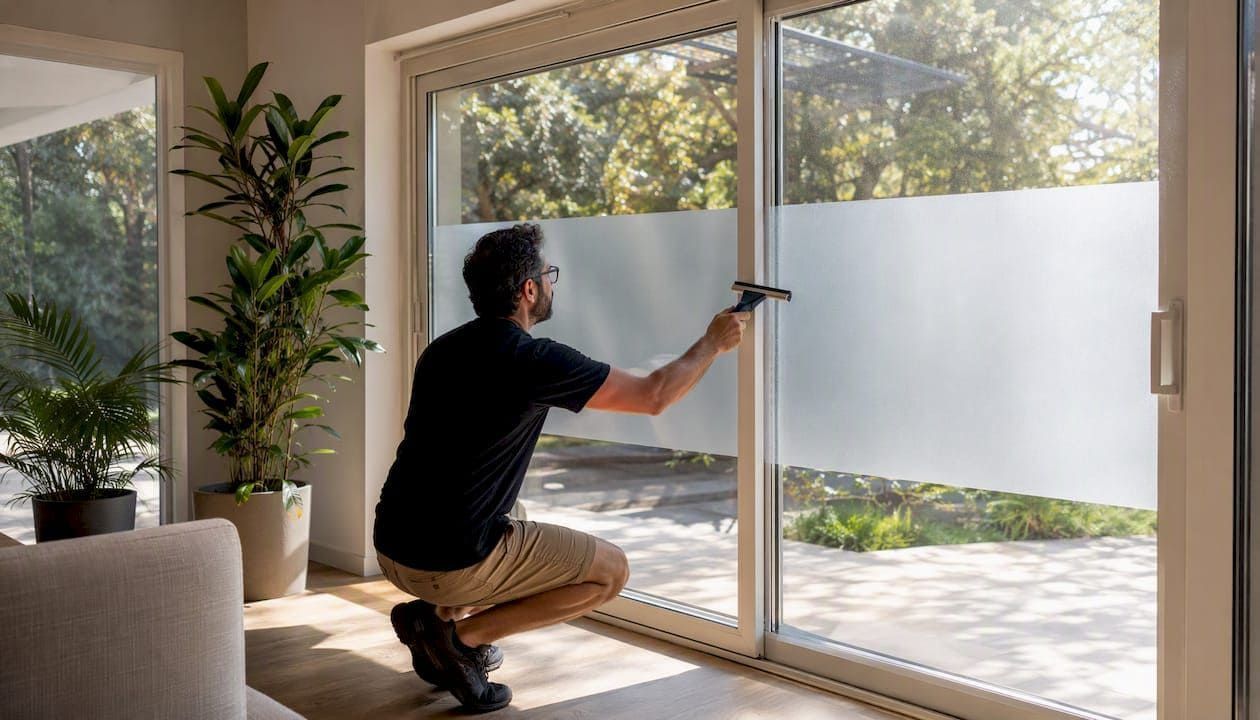
The benefits of heat control window film extend beyond energy savings. They include glare reduction, UV protection for furnishings, and improved visual comfort for employees working near windows. These solutions work particularly well in retrofit situations where replacing entire window systems isn't practical or budget-friendly.
Implementing heat gain reduction: retrofit projects and energy savings
Retrofit projects transform existing buildings into energy-efficient workspaces without the cost and disruption of complete renovations. Retrocommissioning involves fine-tuning and upgrading lighting, HVAC, and controls with a system-wide approach. This process starts with a comprehensive energy audit identifying where and how heat enters your building.
Typical retrofit steps include sealing drafty windows, upgrading to high-performance glazing or films, and adding shading devices. The sequence matters. Start with the building envelope, then optimize mechanical systems to match your reduced cooling loads. Trying to fix HVAC problems without addressing heat gain is like bailing water from a boat without plugging the leak.
Here's a proven implementation roadmap:
- Conduct thermal imaging to identify heat gain hotspots
- Seal air leaks around windows and building penetrations
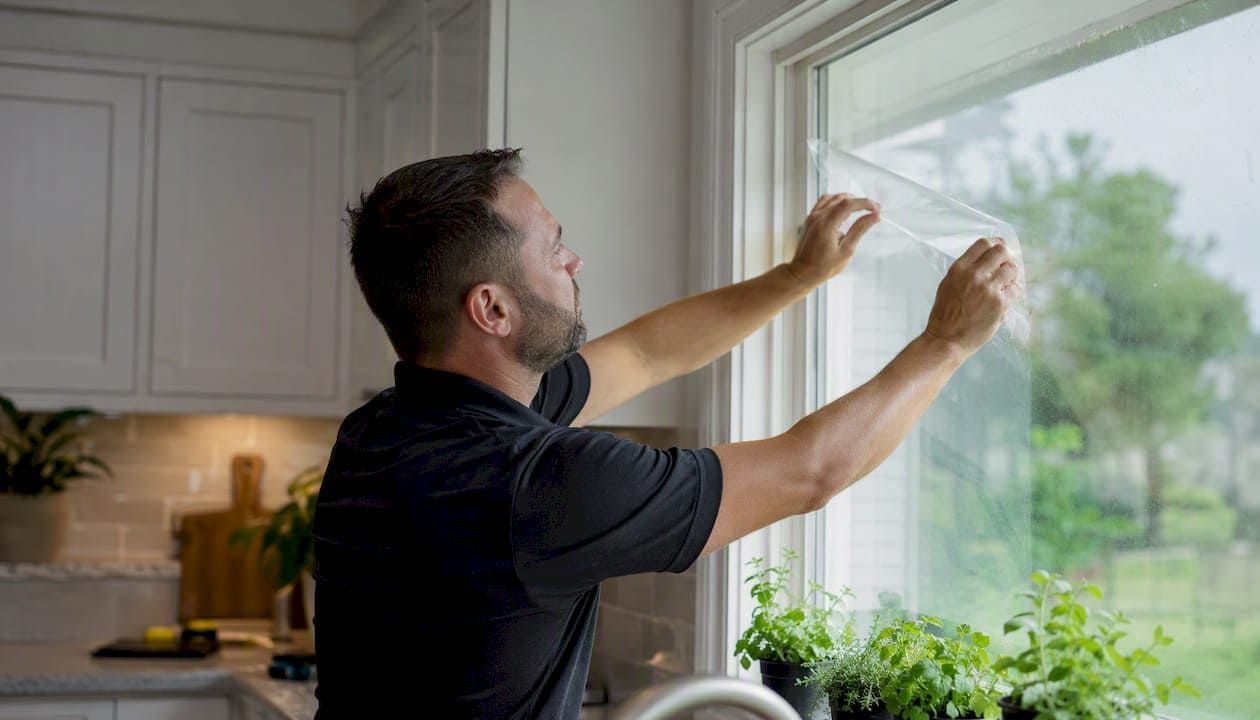
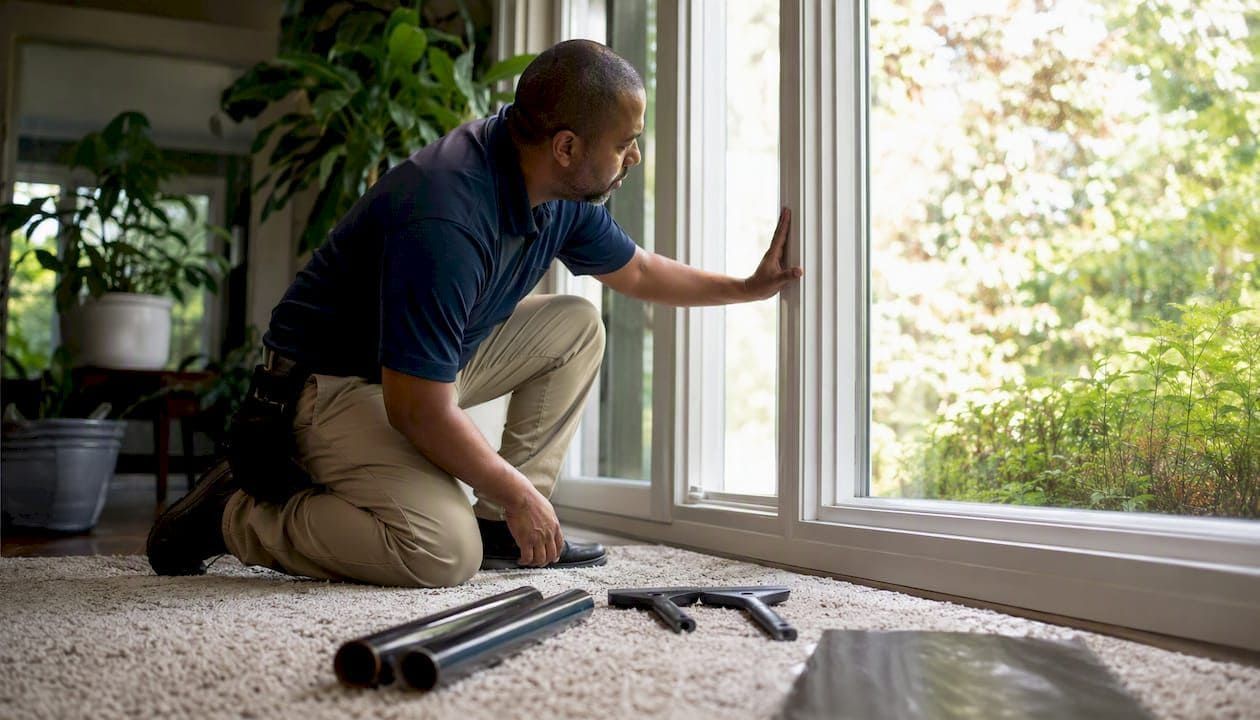
- Apply solar control films to existing glazing
- Install or upgrade exterior shading on critical facades
- Recommission HVAC controls to match reduced loads
- Install monitoring systems to verify savings
Energy monitoring and smart controls allow operational verification and ongoing heat gain management. You can't manage what you don't measure. Modern building management systems track energy use in real time, showing exactly how your improvements perform. This data proves ROI to stakeholders and identifies opportunities for further optimization.
The financial case for heat gain reduction is compelling. Retrocommissioning projects typically pay for themselves in under 24 months with improved energy efficiency and comfort. Many businesses see up to 25% energy savings and improved thermal comfort within two years of upgrades. These aren't theoretical projections. They're documented results from real retrofit projects.
Reducing heat gain in commercial buildings can decrease energy consumption by 10-25%, yielding significant cost savings. The exact savings depend on your building's current condition, climate zone, and how aggressively you implement improvements. Buildings with single-pane windows and no shading see the most dramatic results.
Typical energy savings by improvement type:
| Improvement | Energy Reduction | Typical Payback | Comfort Impact |
|---|---|---|---|
| Solar window film | 10-15% | 2-4 years | High |
| Exterior shading | 15-20% | 3-5 years | Very High |
| Advanced glazing replacement | 20-25% | 5-8 years | Very High |
| Combined approach | 25-35% | 3-6 years | Exceptional |
Pro Tip: Prioritize building envelope improvements first for best ROI on reducing heat gain. Every dollar spent reducing heat gain saves money on smaller, more efficient HVAC equipment when replacement time comes. Right-sizing mechanical systems based on actual loads prevents the oversizing that plagues many commercial buildings.
Understanding why office window tinting saves money helps justify initial investment. The savings compound over time as energy costs rise and equipment lasts longer. Plus, employees working in comfortable spaces are measurably more productive. Explore how solar window tint reduces AC use to see the direct connection between window treatments and mechanical system efficiency.
Real-world examples demonstrate these principles in action. Browse commercial window tinting examples to see how businesses similar to yours have tackled heat gain challenges. These case studies show diverse applications across different building types, orientations, and budgets.

Heat gain reduction's role in regional energy goals and peak demand management
Your building's energy performance affects more than your utility bills. It influences regional grid stability, clean energy integration, and Massachusetts' ambitious climate goals. Regional energy plans prioritize reducing peak electricity loads to integrate more clean energy sources. When thousands of buildings simultaneously crank up air conditioning on hot afternoons, they create massive demand spikes that strain the electrical grid.
Heat gain reduction through building envelope improvements and shading helps flatten peak demand profiles. By preventing heat from entering buildings in the first place, you reduce the need for intensive cooling during peak hours. This load shifting matters enormously for grid operators trying to balance supply and demand without firing up expensive, polluting peaker plants.
The numbers are staggering. Passive measures like heat gain reduction could avoid 8-9.5 GW of peak electricity demand in Massachusetts by 2050. That's equivalent to avoiding the construction of multiple large power plants. Even better, cost-effective load management strategies including heat gain control could save $7 to $9 billion annually by 2050.
Combined with active demand response, these strategies improve grid reliability and sustainability. Active demand response programs pay businesses to reduce consumption during peak periods. When your building already has lower baseline cooling needs from heat gain reduction, participating in these programs becomes easier and more profitable.
Businesses adopting heat gain reduction contribute to state energy efficiency mandates and carbon goals. Massachusetts has set aggressive targets for reducing greenhouse gas emissions. Commercial buildings represent a significant portion of total energy use. Every kilowatt-hour you don't consume helps the state meet its commitments while demonstrating corporate environmental responsibility.
Key regional
benefits include:
- Reduced strain on electrical infrastructure during heat waves
- Lower wholesale electricity prices from decreased peak demand
- Improved integration of renewable energy sources
- Enhanced grid resilience during extreme weather events
- Progress toward state and municipal climate action plans
This approach reduces long-term utility costs and environmental impact. As electricity prices rise and carbon regulations tighten, early adopters of heat gain reduction strategies gain competitive advantages. They lock in lower operating costs while avoiding potential future compliance penalties.
Expected regional impacts by 2030:
| Impact Category | Projected Benefit | Economic Value |
|---|---|---|
| Peak demand reduction | 2-3 GW avoided | $1.5-2 billion annually |
| Carbon emissions | 1.2-1.5 million tons reduced | Regulatory compliance |
| Grid infrastructure | Deferred upgrades | $500-800 million |
| Building operating costs | 15-20% reduction | $400-600 million annually |
Investing in commercial solar window film installation positions your business as part of the solution. You're not just cutting your own costs. You're contributing to a more resilient, sustainable energy future for the entire region. That story resonates with employees, customers, and community stakeholders who increasingly value environmental leadership.
How Surface Dynamics helps Southern New Hampshire and Greater Boston offices reduce heat gain
You've seen the data on heat gain's impact and the solutions that work. Now it's time to take action.
Surface Dynamics specializes in high-quality
commercial window tinting and solar films tailored for offices in
Southern New Hampshire and Greater Boston. We understand the unique challenges of our region's climate, from intense summer sun to the need for year-round comfort.
Our solutions reduce heat gain effectively, lowering cooling costs and enhancing employee comfort throughout the year. As an exclusive LLumar SelectPro Dealer, we install Vista Films engineered for superior performance against heat, glare, and UV radiation. These aren't generic products. They're precisely matched to your building's orientation, glass type, and performance goals. We provide expert assessments and
free window tinting estimates to help you choose the best heat gain reduction strategy for your specific situation. Our team evaluates your building, explains your options clearly, and delivers solutions that perform as promised. Explore our commercial window tinting gallery to see successful projects for offices throughout the region, then discover our complete range of
commercial solar window film services.
Frequently asked questions about reducing heat gain in offices
What is solar heat gain coefficient and why does it matter for my office?
Solar heat gain coefficient measures how much solar radiation passes through glazing as heat, on a scale from 0 to 1. Lower SHGC values mean less heat enters your building, reducing cooling loads and energy costs. Modern energy codes specify maximum SHGC values for different climate zones to ensure buildings meet efficiency standards.
How soon can I expect to see energy savings after installing window films or shading?
You'll notice reduced cooling costs immediately during the first cooling season after installation. Most businesses see measurable savings within the first month of warm weather. The full financial payback typically occurs within 2-4 years depending on your current window performance and local energy rates. Understanding why office window tinting saves money helps set realistic expectations.
Are heat gain reduction solutions compliant with new energy codes like ASHRAE 90.1-2022?
Yes, properly specified window films, advanced glazing, and exterior shading systems meet or exceed current energy code requirements. ASHRAE 90.1-2022 specifically recognizes these solutions as effective methods for managing solar heat gain. Working with experienced professionals ensures your improvements comply with all applicable codes and standards.
Can retrocommissioning improve heat gain management in older office buildings?
Absolutely. Retrocommissioning identifies opportunities to optimize existing systems and add cost-effective upgrades like window films or shading. Older buildings often have the most to gain because they were built before modern energy codes. The combination of envelope improvements and control system optimization delivers exceptional results in buildings constructed before 2000.
How does reducing heat gain contribute to sustainability and peak demand reduction goals?
Reducing heat gain lowers your building's cooling energy consumption, which directly decreases peak electricity demand during hot afternoons. This helps regional grid operators balance supply and demand without relying on fossil fuel peaker plants. Your individual building improvements aggregate with thousands of others to create meaningful regional impact, supporting Massachusetts' clean energy and climate goals while reducing your operating costs.
Recommended
- Can Window Tinting Lower Office Energy Costs?
- How Boston Offices Benefit From Heat Control Window Film
- Help Employees Stay Focused with Better Winter Light
- Why Office Window Tinting Saves You Money
- Energy Saving HVAC Tips for Lower Tampa Bay Home Bills
- Energy Efficient Back Doors: Comfort, Savings, and Compliance | Sabatalo Contracting