
How window tint impacts your furnishings and energy in 2026
You probably think sunlight streaming through your windows is harmless, maybe even beneficial. Yet every ray carries invisible UV radiation that silently destroys your furniture, fades your carpets, and drives up your energy bills.
Window tinting blocks up to 99% of these damaging rays while cutting cooling costs by 30%, protecting your investment in both your home's interior and your monthly budget. This article reveals exactly how window films work, why they matter for New England properties, and how to choose the right solution for your needs.

Table of Contents
- How Sunlight Damages Your Furnishings And Increases Energy Costs
- How Window Tint Works To Protect Furnishings And Reduce Heat
- Energy Savings And Lifespan Benefits Of Window Tint For Homes And Businesses
- Choosing The Right Window Tint For Your Protection And Efficiency Goals
- Explore Top Window Tint Solutions In Southern New Hampshire And Greater Boston
- Frequently Asked Questions About Window Tint Impact On Furnishings
Key takeaways
| Point | Details |
|---|---|
| UV damage is significant | UV rays cause 40% of indoor fading damage to furniture and flooring |
| Tinting blocks harmful rays | Quality window films block up to 99% of UV rays and reject 78% of solar heat |
| Energy savings are substantial | Window tinting reduces cooling and heating costs by 20-30% annually |
| Investment pays back quickly | Installation costs typically recover within 2-4 years through energy savings |
How sunlight damages your furnishings and increases energy costs
Sunlight entering your home carries three types of radiation that work together to degrade your interiors and spike your energy consumption. UV radiation causes 40% of fading damage, with visible light contributing 25% and infrared radiation adding another 25%. These rays don't just fade colors. They break down chemical bonds in fabrics, leather, wood finishes, and carpet fibers, causing permanent structural damage that makes materials brittle and weak over time.
The damage happens faster than most homeowners realize. A leather sofa positioned near a south-facing window can show visible fading within six months. Hardwood floors develop uneven color patterns where sunlight hits daily. Artwork and photographs lose their vibrancy as pigments break down under constant UV exposure. Even synthetic materials like vinyl and plastic degrade, becoming discolored and cracked.
Your windows also create a massive energy burden. Windows account for 25-30% of residential heating and cooling energy use, making them the single largest source of energy waste in most homes. During summer, infrared radiation pours through glass and heats your interior surfaces, forcing your air conditioning to work overtime. In winter, heat escapes through those same windows, making your heating system run constantly to maintain comfort.
The solar heat gain through untreated windows creates hot spots near windows that can be 10-15 degrees warmer than the rest of the room. This temperature imbalance forces you to lower your thermostat further, wasting energy to cool spaces that don't need it. Your HVAC system cycles more frequently, wearing out components faster and driving up maintenance costs. The cumulative effect on your energy bills can exceed $500 annually for a typical New England home.
Here's what happens when sunlight hits your windows:
- UV rays penetrate deep into materials, breaking molecular bonds
- Visible light causes surface color changes and bleaching effects
- Infrared radiation heats objects and raises indoor temperatures
- Combined radiation accelerates aging of all organic materials
- Heat buildup near windows creates uncomfortable zones and energy waste
| Radiation Type | Fading Contribution | Energy Impact |
|---|---|---|
| UV rays | 40% | Minimal direct heating |
| Visible light | 25% | Moderate heating |
| Infrared | 25% | Primary heat source |
| Other factors | 10% | Humidity, pollutants |
Pro Tip: South and west-facing windows receive the most intense sunlight throughout the day, making them priority targets for protection and energy efficiency improvements.
Understanding how different types of solar radiation damage your property helps you appreciate why the benefits of tinting your home windows extend far beyond simple aesthetics. The solution requires blocking harmful rays while preserving the natural light that makes your space comfortable and inviting.
How window tint works to protect furnishings and reduce heat
Window film technology uses multiple layers of specialized materials to selectively filter the sun's energy spectrum. Solar control film reflects infrared radiation and blocks UV rays while allowing visible light to pass through, creating a barrier that protects without darkening your rooms excessively. The films bond to your glass using optical-grade adhesives that create a permanent seal, ensuring consistent performance for years.
The magic happens in the film's construction. Modern window tints contain microscopic particles or metallic layers suspended in polyester sheets. These particles are engineered to interact with specific wavelengths of light. UV wavelengths get absorbed by special compounds that convert them to harmless heat. Infrared radiation bounces off reflective layers and never enters your space. Visible light passes through with minimal interference, maintaining natural brightness.
Ceramic window film offers the highest UV and heat blocking without using metals, making it ideal for homes where you want maximum protection without changing the appearance of your windows. Ceramic particles are non-conductive and non-metallic, so they won't interfere with cell phone signals or electronic devices. These films can reject up to 78% of solar heat while blocking 99.9% of UV rays, all while maintaining exceptional clarity.
Metal-based films use tiny metallic particles to reflect both heat and light. They typically offer slightly better heat rejection than ceramic options but create a more reflective appearance from outside. The metallic content can sometimes interfere with radio frequencies, though modern formulations minimize this issue. These films work exceptionally well for commercial applications where exterior appearance matters less than performance.
Different film technologies deliver varying results:
- Ceramic films provide superior heat rejection without metallic appearance or signal interference
- Metal-based films offer excellent reflectivity and durability with slight darkening
- Hybrid films combine ceramic and metal layers for balanced performance
- Carbon films deliver good heat rejection with a matte black appearance
- Dyed films focus on glare reduction with minimal heat rejection
| Film Type | UV Blocking | Heat Rejection | Visible Light | Signal Impact |
|---|---|---|---|---|
| Ceramic | 99.9% | Up to 78% | 60-90% | None |
| Metal | 99% | Up to 85% | 50-80% | Possible |
| Hybrid | 99% | Up to 75% | 55-85% | Minimal |
| Carbon | 99% | Up to 65% | 40-70% | None |
Pro Tip: Request samples of different film types and hold them up to your windows to see how they affect the view and light quality before committing to installation.
The visible light transmission percentage tells you how much natural light passes through. A film with 70% VLT allows 70% of visible light inside, maintaining bright, natural lighting. Lower VLT numbers create darker interiors but often provide better heat rejection. The key is finding the right balance for your specific needs and window exposure. Premium solar window tint for homes offers various options to match your protection goals with your aesthetic preferences.
Energy savings and lifespan benefits of window tint for homes and businesses
Window tinting creates measurable financial returns by reducing the energy your HVAC system consumes. Solar control film reduces cooling costs by 20-30% by preventing solar heat from entering your space in the first place. This proactive approach is far more efficient than removing heat after it enters, which is what your air conditioner does. The films also provide insulation
benefits during winter, reducing heat loss through windows and lowering heating costs.
The energy savings compound over time. A typical New England home spending $2,400 annually on heating and cooling can save $600-$720 per year with quality window film installation. Commercial properties with extensive glass facades see even larger reductions, sometimes exceeding $10,000 annually for medium-sized buildings. These savings continue year after year, making window tinting one of the most cost-effective energy efficiency upgrades available.
Window tinting reduces energy costs by up to 30% by stabilizing indoor temperatures and reducing the load on your HVAC system. Your heating and cooling equipment runs less frequently, which extends its operational lifespan and reduces maintenance needs. Fewer temperature swings mean more consistent comfort throughout your space, eliminating hot spots near windows and cold drafts during winter.
Beyond energy savings, window film dramatically extends the life of your interior furnishings. Furniture that would normally fade and degrade within 5-7 years can last 15-20 years or longer with UV protection. Hardwood floors maintain their original color and finish. Carpets resist fading and fiber breakdown. Artwork and photographs preserve their value. The cumulative savings on replacement costs often exceed the energy savings.
Here's what you gain from professional window film installation:
- Immediate reduction in cooling costs during first summer
- Lower heating bills during winter months from improved insulation
- Extended lifespan for furniture, flooring, and window treatments
- Reduced HVAC maintenance and earlier equipment replacement
- Increased property value from energy efficiency improvements
- Enhanced comfort with more stable indoor temperatures
The investment payback timeline for window tinting:
- Year 1: Installation cost offset by 25-35% through energy savings and avoided furnishing damage
- Year 2: Additional 25-35% recovery plus continued protection benefits
- Year 3: Remaining investment recovered with all future savings as pure profit
- Year 4+: Ongoing annual savings of $600+ for residential, $10,000+ for commercial properties
Calculate your specific savings potential using an energy savings calculator for window tinting that accounts for your window size, orientation, and local climate conditions. New England properties face unique challenges with intense summer sun and harsh winter conditions, making the dual benefits of heat rejection and insulation particularly valuable.
Pro Tip: Document your energy bills for 12 months before installation, then compare them to the following year to quantify your actual savings and track your return on investment.
Winter performance deserves special attention in cold climates. Low-emissivity window films reflect interior heat back into your space rather than letting it escape through glass. This radiant barrier effect reduces energy costs in Boston winters by maintaining warmth without blocking the passive solar heat gain that helps warm your space naturally during sunny winter days.
Choosing the right window tint for your protection and efficiency goals
Selecting the optimal window film requires balancing multiple factors including UV protection, heat rejection, visible light transmission, and aesthetic preferences. Ceramic window film is the top choice for maximum UV and heat blocking while maintaining clear views and natural light. These films work exceptionally well for living rooms, bedrooms, and offices where you want protection without compromising brightness or visibility.
Your window orientation dramatically affects which film type delivers the best results. South and west-facing windows are more vulnerable to heat gain, receiving intense direct sunlight for extended periods daily. These windows benefit most from high-performance ceramic or metal films with maximum heat rejection. North-facing windows receive minimal direct sun and might only need basic UV protection. East-facing windows get morning sun that's less intense, allowing for lighter tint options.
Metal-based films excel in situations where maximum heat rejection outweighs concerns about appearance or slight darkening. They create a reflective exterior look that some commercial property owners prefer for uniform building aesthetics. The enhanced reflectivity provides excellent daytime privacy while still allowing clear views from inside. However, the metallic content may interfere with cell signals or WiFi in some installations.
Consider these factors when selecting your window film:
- Room function and how much natural light you need daily
- Window size and orientation relative to sun exposure
- Existing furnishings and their value or sentimental importance
- Privacy needs and whether you want daytime or nighttime screening
| Film Selection | Best For | Key Benefit | Consideration |
|---|---|---|---|
| Ceramic | Living spaces, offices | Clear views, no interference | Higher cost |
| Metal | High sun exposure | Maximum heat rejection | Reflective appearance |
| Hybrid | Balanced needs | Good performance, value | Moderate in all aspects |
| Decorative | Privacy, style | Aesthetics, UV blocking | Less heat rejection |
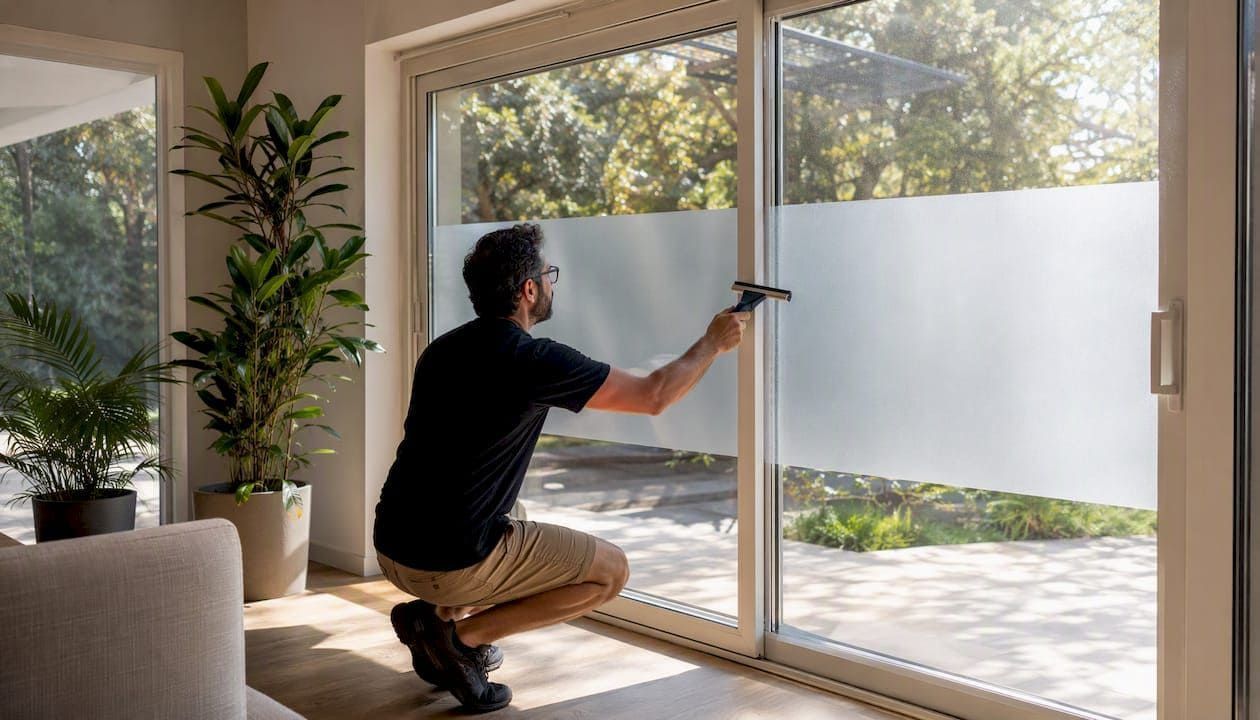
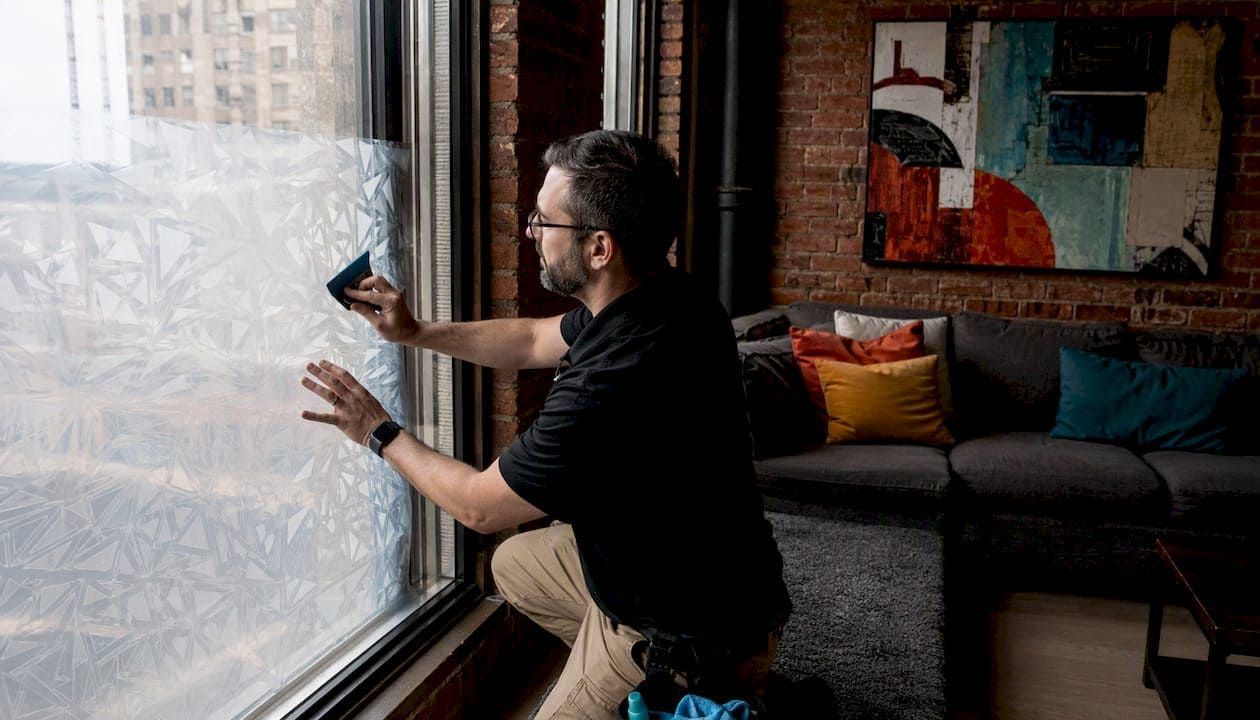
Decorative films add another dimension by combining protection with privacy and visual appeal. Frosted, etched, or patterned films block UV rays while obscuring views, making them ideal for bathrooms, conference rooms, or street-facing windows. These decorative window films for homes transform plain glass into design elements that enhance your interior style while delivering the same UV protection as clear films.
Cold climate considerations require special attention in New England. Low-emissivity films that reflect interior heat back into your space provide dual benefits, blocking summer heat while retaining winter warmth. The best window film for cold climates balances solar heat rejection with insulation properties, ensuring year-round performance in regions with temperature extremes.
Pro Tip: Prioritize your highest-value furnishings and most expensive energy waste areas first, then expand to other windows as budget allows rather than installing mediocre film everywhere at once.
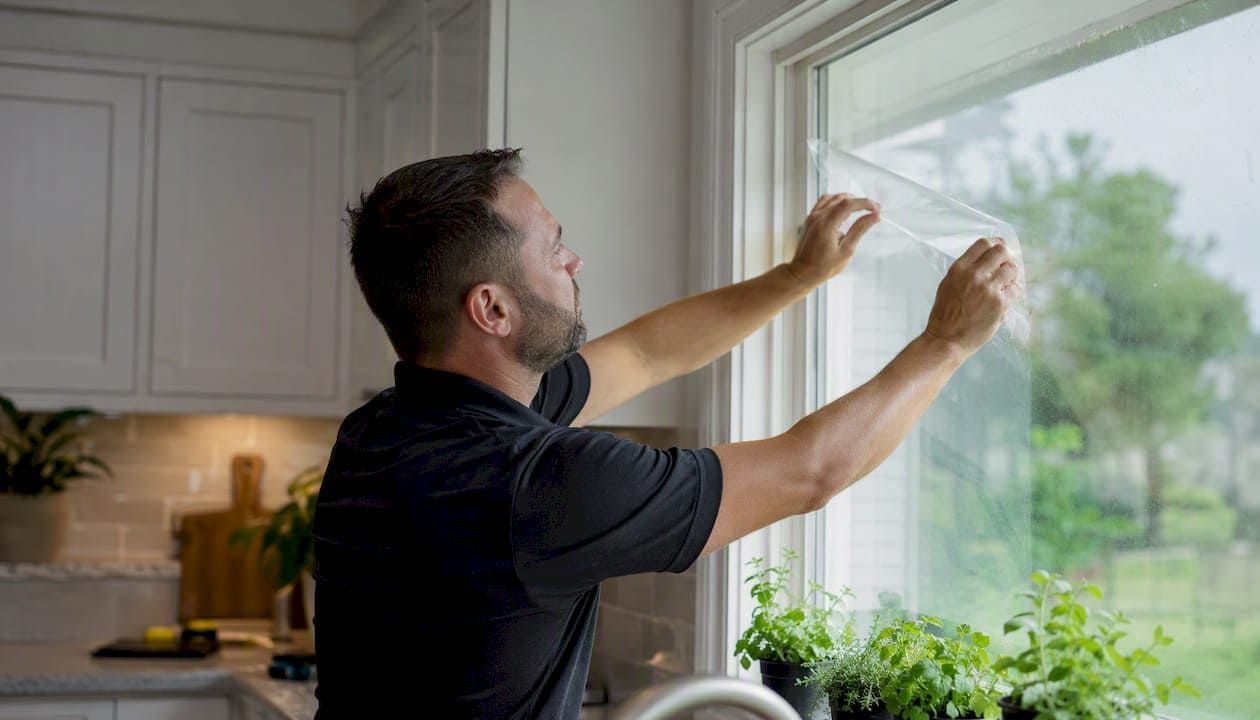
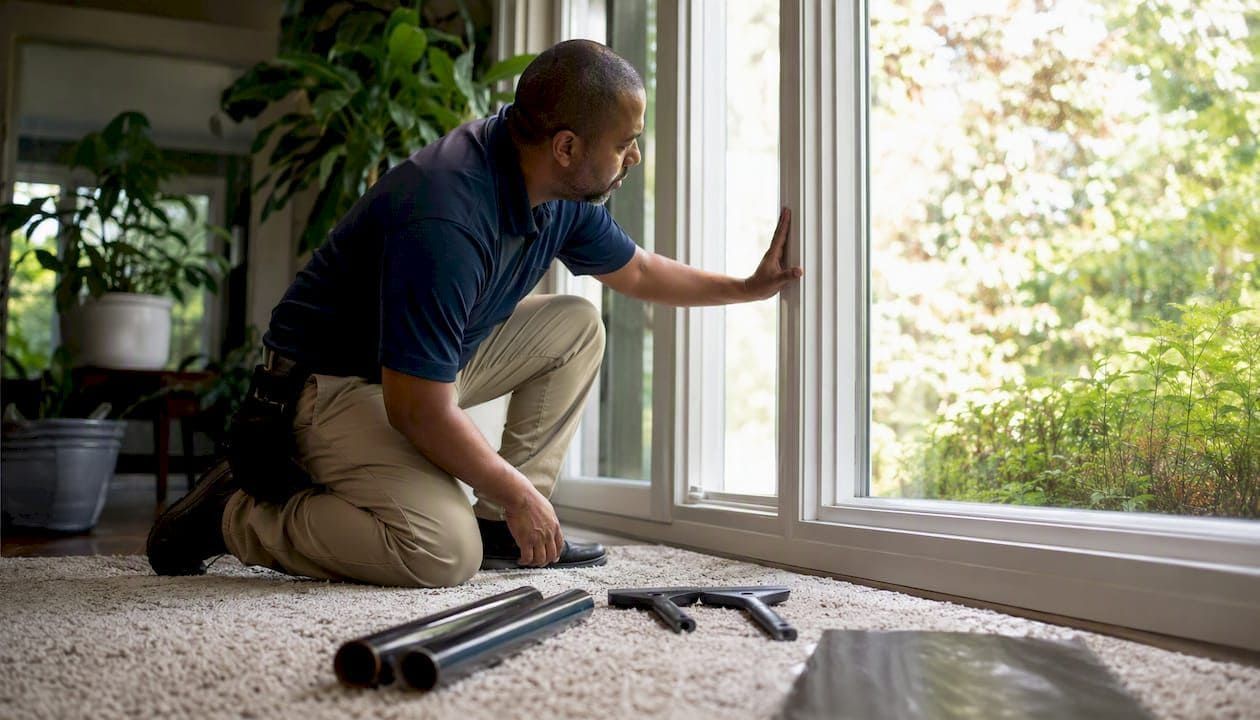
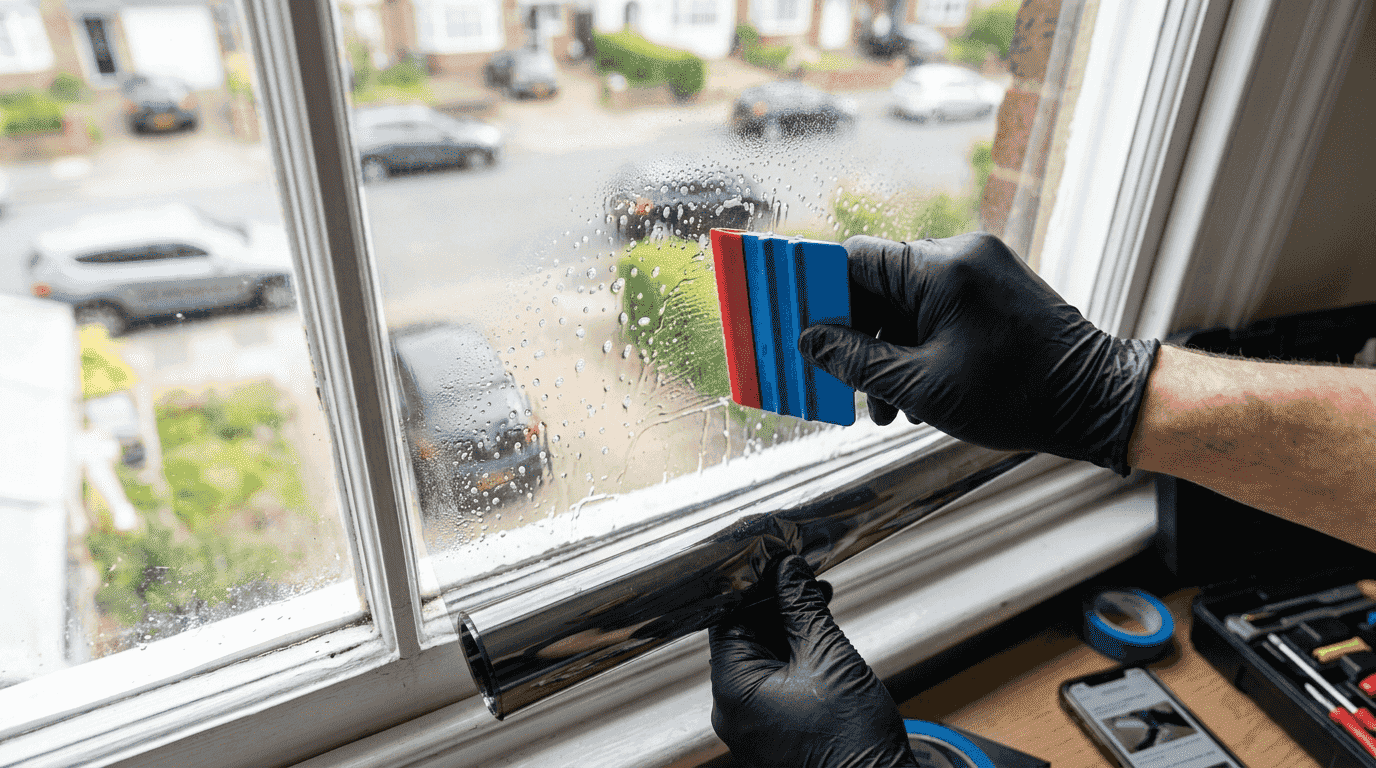
Professional installation ensures optimal performance and warranty coverage. Experienced installers prepare glass surfaces properly, apply films without bubbles or gaps, and trim edges precisely for a seamless appearance. They also understand local building codes and can recommend solutions that meet any restrictions on window modifications in your area.
Explore top window tint solutions in Southern New Hampshire and Greater Boston
Protecting your furnishings and reducing energy costs starts with choosing the right window film for your specific needs.
Surface Dynamics Window Tinting offers comprehensive
residential window film options and
commercial window film solutions through interactive viewers that let you compare films and visualize how they'll look on your property. As an exclusive LLumar SelectPro Dealer, we install premium Vista Films engineered for superior performance against heat, glare, UV rays, and security concerns.
Our solar window films for homes deliver the protection and efficiency improvements discussed throughout this article, backed by professional installation and manufacturer warranties. Whether you're safeguarding valuable furnishings in a historic home or reducing operating costs in a commercial building, our team provides expert guidance tailored to
Southern New Hampshire and Greater Boston properties.
Frequently asked questions about window tint impact on furnishings
How much fading damage do UV rays actually cause indoors?
UV radiation accounts for approximately 40% of all fading damage to indoor furnishings, with visible light and infrared radiation contributing the remaining 60%. Window tinting blocks up to 99.9% of UV rays, eliminating the primary cause of color loss and material degradation.
Can window tint really reduce my energy bills by 30%?
Yes, quality window films reduce cooling costs by 20-30% by preventing solar heat from entering your space. The exact savings depend on your window size, orientation, climate, and existing HVAC efficiency, but most homeowners see substantial reductions within the first year.
What type of window film provides the best UV protection?
Ceramic window films deliver the highest UV protection, blocking 99.9% of harmful rays while maintaining natural light and clear views. They outperform other film types without creating the reflective appearance or signal interference associated with metal-based options.
How long does it take for window tinting to pay for itself?
Most residential installations recover their cost within 2-4 years through combined energy savings and avoided furnishing replacement costs. Commercial properties with extensive glass often see faster payback, sometimes under 2 years, due to larger energy savings and higher-value interior assets.
Will window film make my rooms too dark?
No, modern window films are engineered to block harmful UV and infrared radiation while allowing 60-90% of visible light to pass through. You maintain bright, naturally lit spaces while gaining protection and energy efficiency. Film selection allows you to balance light transmission with performance based on your specific needs.
Recommended
- Why Home Window Tinting Is Worth It in 2025
- Can Window Tinting Lower Office Energy Costs?
- Why Retail Window Tint is a Must-Have for Store Owners
- Commercial Window Tinting Workflow: Cut Energy Costs 25%
- Fall Window Treatment Trends 2025: Warmth, Texture Tailored Elegance – Shop Designer Fabrics by the Yard | Curtains & Drapery
- Blog Standard - Ecolife Homes - Park Model Home Manufacturer - Florida - USA