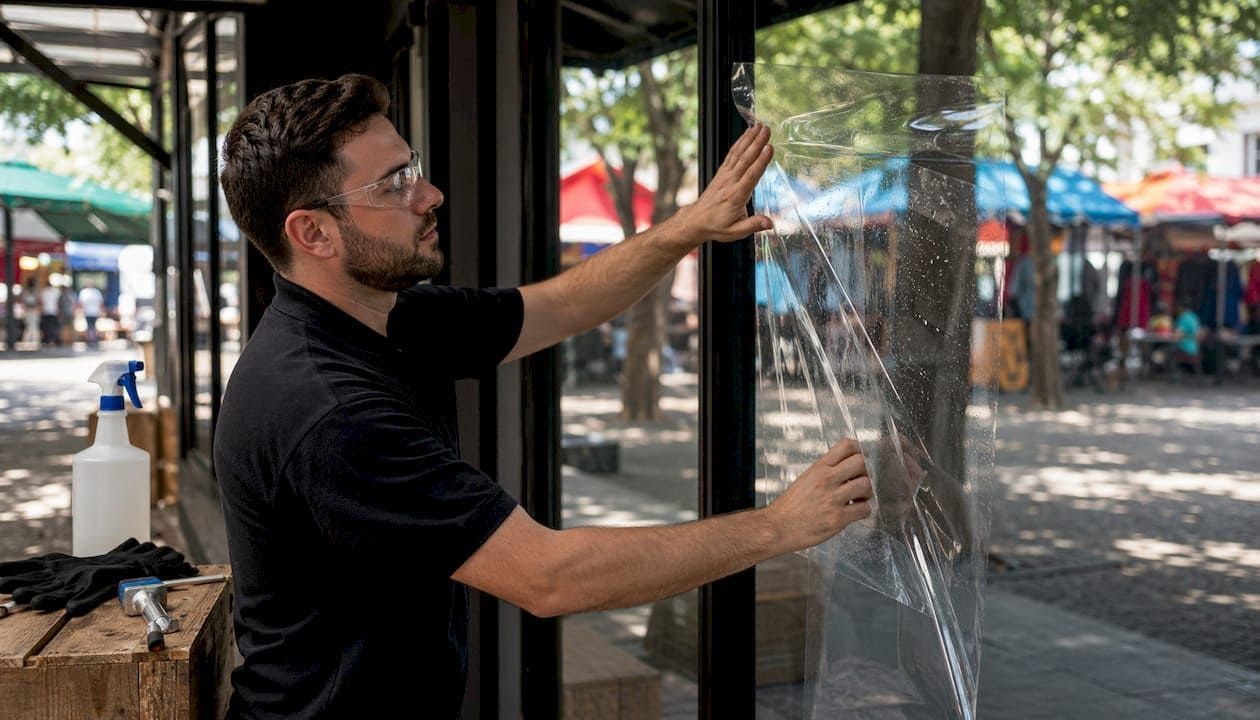

How window tint improves comfort and energy efficiency
Windows account for up to 30% of your home's heating and cooling energy loss, yet most property owners overlook this major source of discomfort and wasted money. The sun's rays streaming through glass don't just create bright spots, they flood interiors with heat that forces HVAC systems to work overtime. Professional window tinting offers a proven solution that blocks solar energy, reduces UV damage, and transforms how comfortable your Southern New Hampshire or Greater Boston property feels year-round while cutting energy bills.

Table of Contents
- Understanding How Window Tint Reduces Heat Gain And Improves Comfort
- Types Of Window Tints And Their Performance In Heat Rejection
- Benefits Of Professional Window Tint Installation For Homes And Commercial Buildings
- Applying Window Tint Solutions To Improve Comfort And Cut Energy Costs In Southern New Hampshire And Greater Boston
- Discover Professional Window Tinting Solutions With Surface Tint
Key takeaways
| Point | Details |
|---|---|
| UV protection | Window films block up to 99% of harmful ultraviolet radiation that fades furnishings and damages skin. |
| Heat rejection | Advanced films reduce solar heat gain by reflecting and absorbing infrared energy before it enters your space. |
| Film variety | Different technologies from dyed to nano-ceramic offer varying levels of performance for specific needs. |
| Professional edge | Expert installation maximizes film effectiveness and longevity while preventing common application failures. |
| Energy savings | Proper window tinting significantly lowers cooling costs and improves year-round indoor comfort. |
Understanding how window tint reduces heat gain and improves comfort
Solar radiation hitting your windows consists of three components: ultraviolet light, visible light, and infrared energy. Each plays a distinct role in how your interior environment feels and functions. UV rays cause fabric fading and skin damage despite being invisible. Visible light provides illumination but can create glare. Infrared radiation accounts for roughly half the solar heat entering through glass, making it the primary culprit behind uncomfortable temperature spikes.
Window film works as a thermal barrier by intercepting these energy wavelengths before they penetrate your living or working space. The film's specialized layers reflect some solar energy back outside while absorbing other portions within the film itself. This dual action prevents heat from reaching interior surfaces where it would otherwise radiate into the room. Window films reduce heat gain by managing solar energy at the glass surface, keeping spaces cooler during summer months.
The benefits extend beyond summer cooling. Quality window films also provide insulation that helps retain interior heat during cold months, creating year-round comfort improvements. This thermal regulation reduces the workload on heating and cooling systems, translating to lower energy consumption. For property owners in Southern New Hampshire and Greater Boston, where seasonal temperature swings demand significant HVAC use, this dual-season performance delivers substantial energy cost reduction in Boston winters and cooler summers.
Understanding these mechanisms helps you appreciate why professional window tinting represents more than a cosmetic upgrade:
- Films block up to 99% of UV radiation, protecting interiors from sun damage
- Infrared rejection prevents the majority of heat buildup before it starts
- Thermal insulation properties work in both heating and cooling seasons
- Reduced solar gain means less strain on HVAC equipment and lower utility bills
Pro Tip: South and west-facing windows receive the most intense solar exposure throughout the day, making them priority targets for heat-rejecting window film that delivers maximum comfort improvement.
Types of window tints and their performance in heat rejection
Choosing the right window film technology determines how effectively your investment controls heat and maintains visibility. Three primary film types dominate the market, each using different materials and methods to block solar energy. Understanding their performance differences helps you select the optimal solution for your specific comfort and budget requirements.
Dyed films represent the most basic technology, using color pigments to absorb light and reduce glare. These films offer privacy and aesthetic appeal but provide minimal infrared rejection, typically under 10%. They work primarily by darkening the glass rather than actively blocking heat energy. While affordable, dyed films deliver limited thermal performance compared to advanced alternatives.
Metallic films incorporate thin layers of metal particles that reflect solar energy away from the glass surface. Metallic films reflect 30 to 50% of incoming solar energy, providing moderate infrared rejection between 60% and 80%. This reflective approach effectively reduces heat gain but can interfere with cell phone signals, GPS systems, and radio reception. The metallic content also gives windows a mirrored appearance that some property owners find unappealing.
Nano-ceramic films utilize advanced ceramic particle technology that blocks infrared radiation without metal content. Nano-ceramic films can reject up to 90% of infrared energy while maintaining excellent visibility and causing zero signal interference. These premium films deliver superior heat rejection, UV protection, and clarity. They represent the highest-performing option for property owners prioritizing comfort and technology compatibility.
Comparing film performance requires understanding key metrics:
| Film Type | IR Rejection | Signal Impact | Appearance | Cost |
|---|---|---|---|---|
| Dyed | Under 10% | None | Dark tint | Low |
| Metallic | 60-80% | Moderate to high | Reflective | Medium |
| Nano-ceramic | Up to 90% | None | Clear to light tint | High |
Total Solar Energy Rejection (TSER) measures how much total solar energy a film blocks, combining UV, visible, and infrared rejection into one percentage. Visible Light Transmission (VLT) indicates how much natural light passes through, with lower numbers meaning darker tint. Balancing these metrics lets you achieve desired heat rejection while maintaining appropriate interior brightness.
Pro Tip: Request film samples from installers to see actual VLT levels in your space before committing, as lighting conditions dramatically affect how dark a tint appears indoors.
Selecting the right film means weighing performance against priorities. Homeowners wanting maximum heat rejection without signal issues should explore nano-ceramic options. Commercial properties balancing budget and performance might choose metallic films for large window areas. Choosing the right window film involves assessing your specific comfort goals, aesthetic preferences, and budget constraints with professional guidance.
Benefits of professional window tint installation for homes and commercial buildings
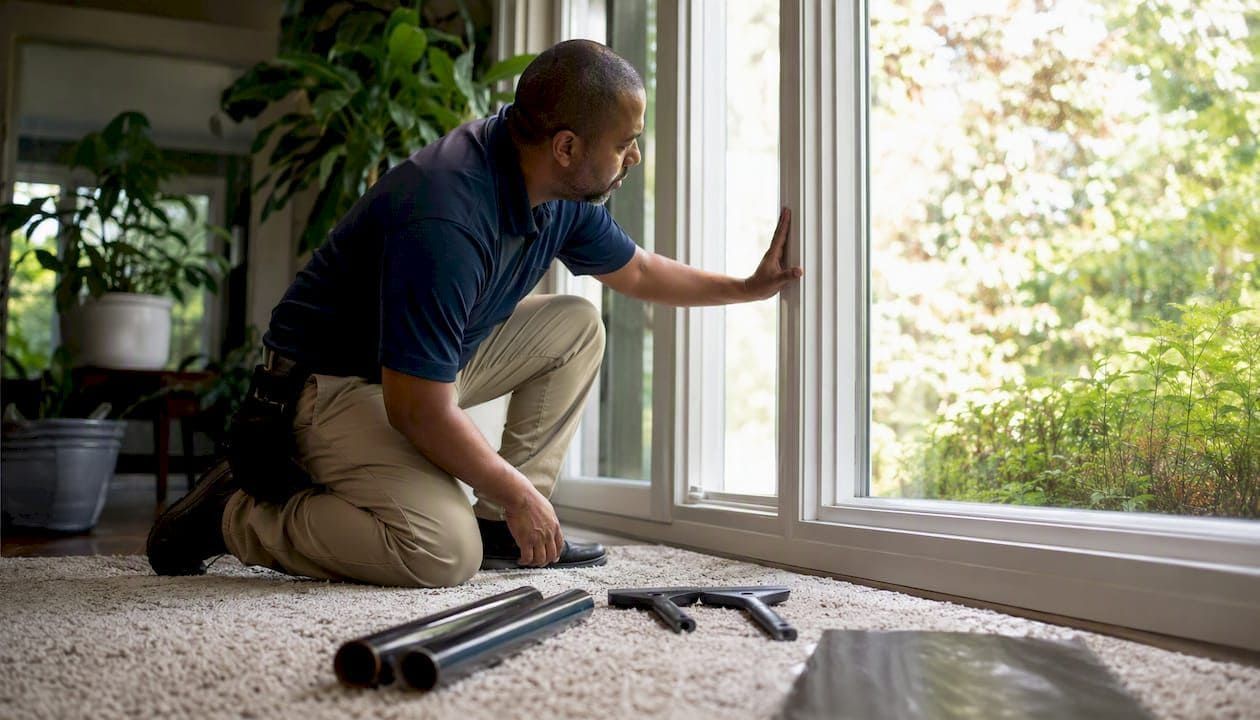
The quality of installation directly impacts how well window film performs and how long it lasts. Professional installers bring expertise, proper tools, and proven techniques that DIY approaches cannot match. These advantages translate into better heat rejection, longer film life, and superior appearance that protects your investment.
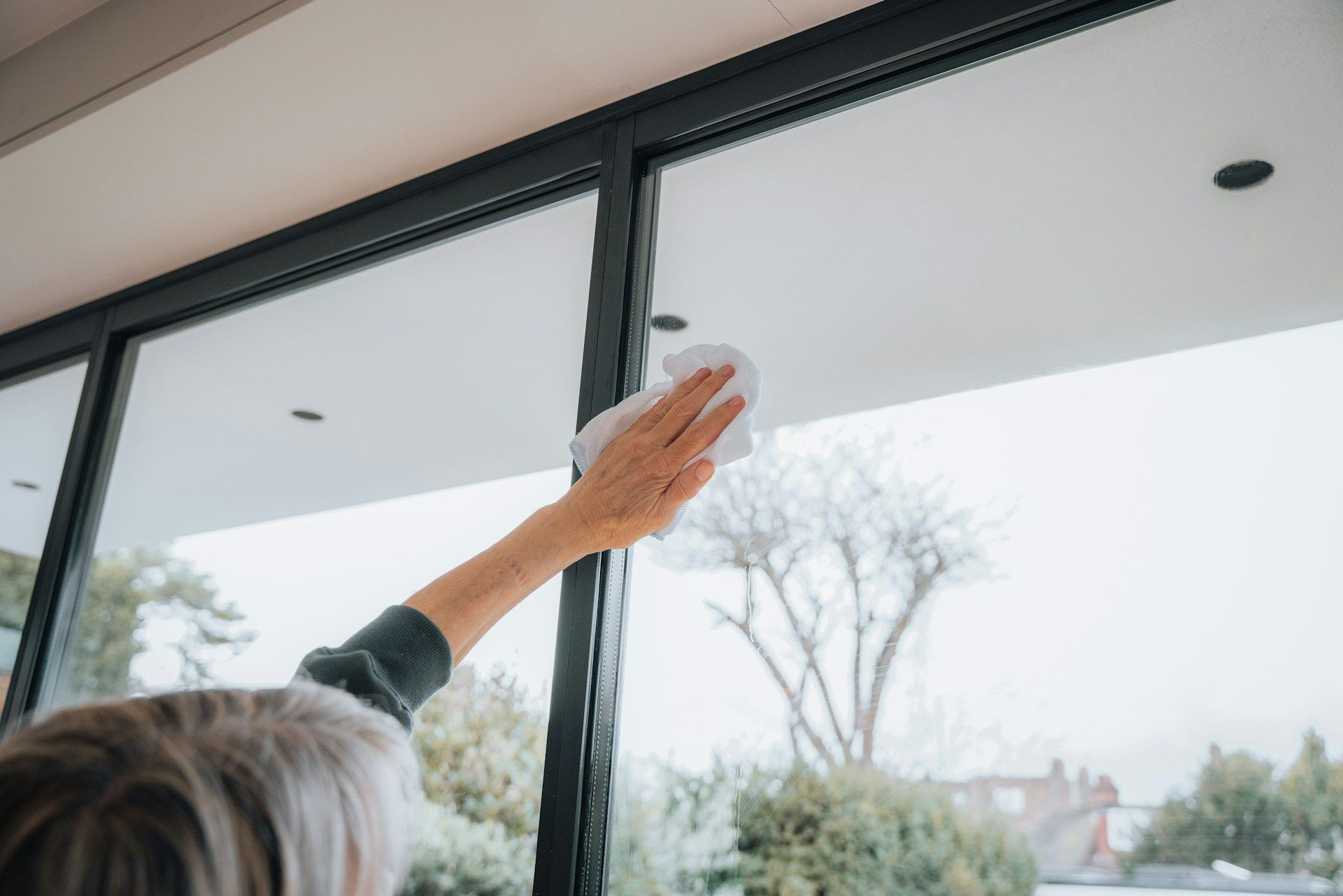
Surface preparation forms the foundation of successful installation. Professionals thoroughly clean glass to remove all dirt, oils, and residues that would prevent proper film adhesion. They inspect windows for defects and assess environmental factors affecting application. This meticulous prep work prevents bubbles, peeling, and premature failure that plague amateur installations.
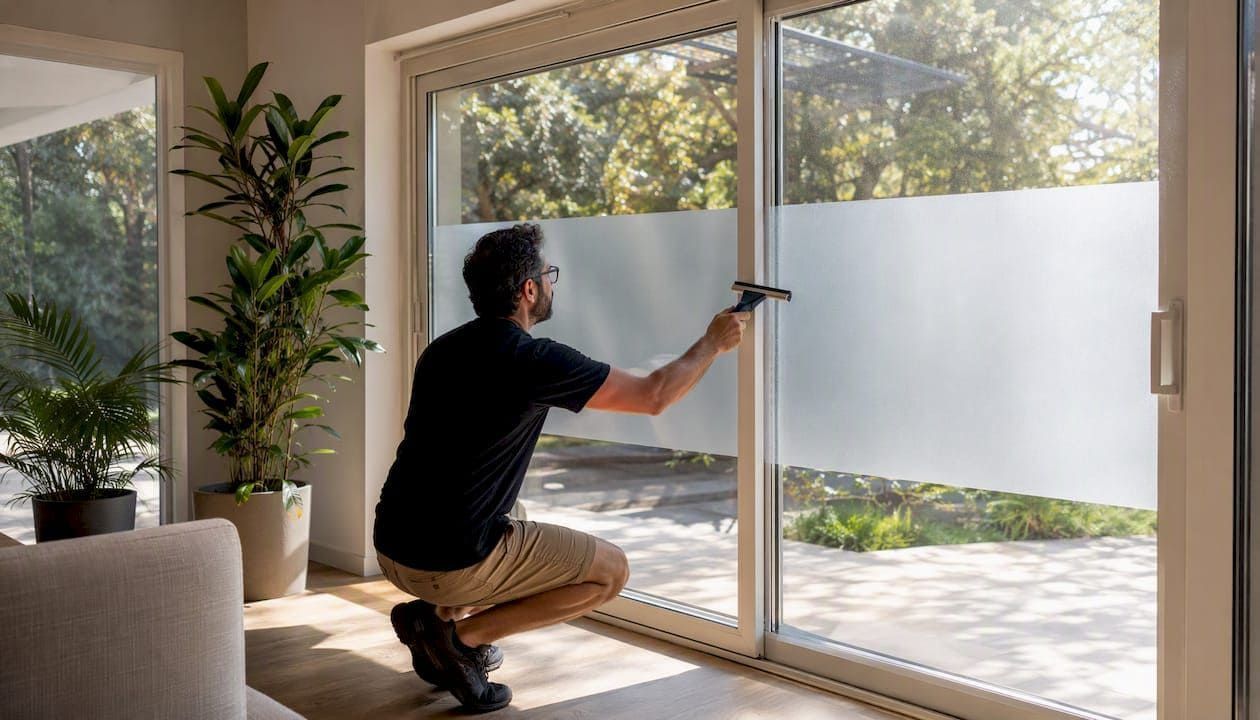
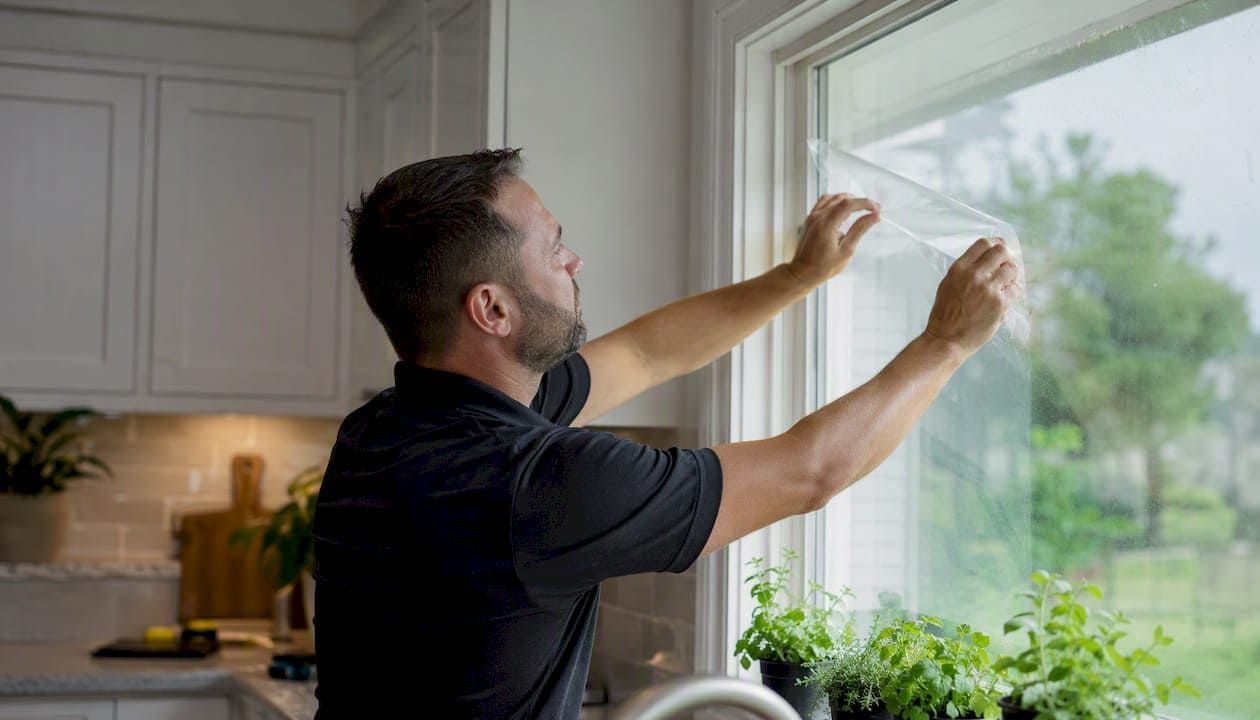
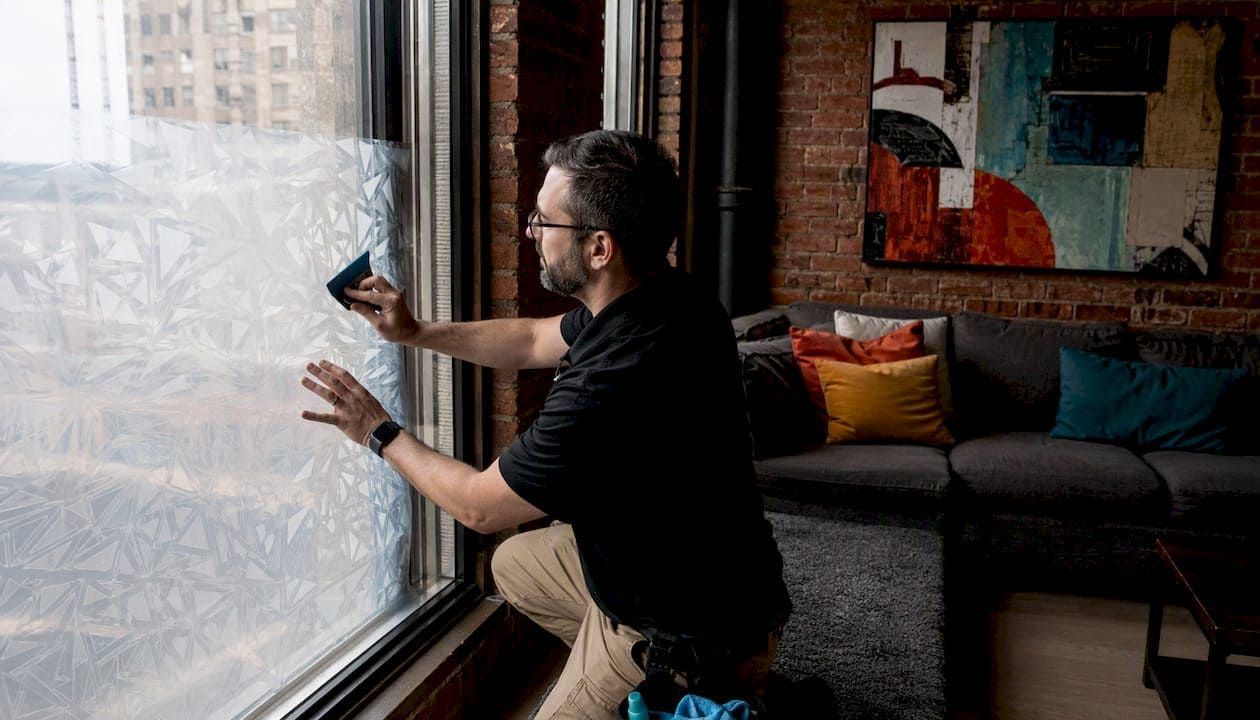
Precise application technique ensures films bond completely to glass surfaces without gaps or wrinkles. Installers use specialized tools to position films accurately and squeeze out all moisture and air during application. They understand how temperature and humidity affect curing times and adjust methods accordingly. Professional installation is crucial for optimal performance and longevity, as improper technique compromises heat rejection and durability.
Expert installation delivers multiple advantages:
- Complete coverage without gaps that would allow heat penetration
- Bubble-free application that maintains clear visibility and appearance
- Proper edge sealing that prevents moisture intrusion and peeling
- Warranty protection that covers both materials and workmanship
- Correct film selection matched to your specific window types and exposure
Professional installers also educate property owners on proper maintenance that preserves film effectiveness. They recommend ammonia-free cleaning products that won't damage film surfaces. They explain curing periods when films need time to fully bond before cleaning. This guidance helps you protect your investment and maximize the reducing energy costs with window film benefits over many years.
Beyond thermal performance, professional installation enhances safety through proper application of security films. These specialized products hold glass fragments together if windows break, providing home safety window film protection against accidents and intrusions. Correct installation ensures these safety features function as designed during critical moments.
Pro Tip: Schedule installation during moderate weather when temperatures stay between 40°F and 90°F, as extreme conditions can affect film adhesion and curing for optimal long-term performance.

Applying window tint solutions to improve comfort and cut energy costs in Southern New Hampshire and Greater Boston
Strategic window tinting delivers maximum comfort and savings when you target the right windows with appropriate film types. Regional climate patterns, building orientation, and window exposure all influence which applications provide the best return on investment. Understanding these factors helps you prioritize tinting projects for immediate impact.
South and west-facing windows receive the most intense solar exposure throughout the day, making them primary sources of heat gain and discomfort. Morning sun hits east windows, while north-facing glass receives minimal direct sunlight. Focusing initial tinting efforts on south and west exposures addresses the biggest comfort problems first. Large picture windows and sliding glass doors amplify solar heat gain due to their size, making them high-value targets regardless of orientation.
The Solar Heat Gain Coefficient (SHGC) measures how much solar radiation passes through windows as heat, with lower numbers indicating better blocking performance. Up to 30% of cooling energy can be lost through untreated windows, representing significant waste during summer months. Applying films that reduce SHGC values helps control this energy drain and lowers HVAC operating costs.
Practical steps for implementing window tint solutions:
- Assess which rooms experience the most discomfort from heat and glare throughout the day
- Identify window orientations and sizes that contribute most to temperature control challenges
- Measure total square footage of glass requiring treatment to estimate project scope
- Consult with professional installers about film options matching your performance and budget needs
- Prioritize high-impact windows for immediate comfort improvement and energy savings
- Schedule installation during moderate weather for optimal application conditions
Energy savings from reduced HVAC use accumulate over time, offsetting installation costs while improving comfort. Property managers overseeing commercial buildings benefit from lower utility bills across large window areas. Homeowners enjoy more consistent indoor temperatures and reduced hot spots near windows. These improvements enhance property value while delivering ongoing operational savings.
Comparing potential energy savings by window treatment:
| Treatment | SHGC Reduction | Estimated Cooling Savings | Heating Impact |
|---|---|---|---|
| No treatment | Baseline | 0% | Baseline |
| Dyed film | 10-20% | 5-10% | Minimal |
| Metallic film | 30-40% | 15-25% | Moderate improvement |
| Nano-ceramic film | 40-50% | 20-30% | Significant improvement |
For Southern New Hampshire and Greater Boston properties, premium residential solar window tint provides year-round benefits that address both summer cooling and winter heating efficiency. Commercial property managers should evaluate whether solar window film upgrades for commercial buildings could reduce operating costs while improving tenant comfort and satisfaction.
Discover professional window tinting solutions with Surface Tint
Now that you understand how window film technology controls heat, blocks UV radiation, and reduces energy costs, consider how these benefits could transform your property's comfort and efficiency.
Surface Tint specializes in professional window tinting for
homes and
commercial buildings throughout
Southern New Hampshire and Greater Boston, offering expert installation of premium LLumar SelectPro films tailored to your specific needs.
Our team provides comprehensive assessments that identify your highest-impact tinting opportunities and recommend optimal film solutions. We handle everything from initial consultation through professional installation and follow-up care guidance. Getting started is simple with our free window tinting estimate that evaluates your property and outlines customized solutions. Explore our premium solar window films for residential applications or discover commercial solar window film services designed for business properties requiring superior performance and durability.
FAQ
What is window tint and how does it work?
Window tint is a thin polyester film applied to glass surfaces that reduces heat and blocks UV radiation through specialized layers that reflect and absorb solar energy. The film intercepts infrared radiation and ultraviolet light before they penetrate interior spaces, preventing heat buildup and sun damage. Different film technologies use various materials like ceramic particles or metallic layers to achieve specific performance levels while maintaining visibility.
Can window tinting reduce my energy bills in Southern New Hampshire and Greater Boston?
Yes, professional window tinting significantly reduces both cooling and heating costs by minimizing heat transfer through glass surfaces. Films block solar heat gain during summer months, reducing air conditioning demand and operating costs. During winter, quality films provide insulation that helps retain interior warmth, lowering heating expenses. Property owners typically see window film energy cost savings of 15% to 30% on seasonal energy bills depending on window exposure and film type.
What types of window tint are best for blocking heat and UV rays?
Nano-ceramic films offer the highest infrared rejection (up to 90%) and UV blocking (99%) without causing signal interference with phones or electronics. These premium films deliver superior heat control while maintaining excellent visibility and clarity. Metallic films provide good solar energy reflection but may disrupt wireless signals. Dyed films offer privacy and glare reduction but minimal heat rejection. For maximum comfort and protection, best window films for heat and UV protection combine advanced ceramic technology with appropriate visible light transmission for your needs.
Why is professional installation important for window tint?
Professional installation ensures proper surface preparation, precise application, and complete adhesion that maximize film performance and lifespan. Incorrect installation causes bubbles, peeling, and gaps that reduce heat rejection effectiveness and create visual defects. Professionals use specialized tools and techniques that prevent common failures while providing warranty protection for materials and workmanship. DIY attempts often result in premature film failure and wasted investment. Expert installers also match appropriate film types to specific window conditions for optimal results, as detailed in our professional window tint installation services.
Recommended
- Why Retail Window Tint is a Must-Have for Store Owners
- Can Window Tinting Lower Office Energy Costs?
- Top Benefits of Commercial Window Tinting for Businesses
- Help Employees Stay Focused with Better Winter Light
- Fall Window Treatment Trends 2025: Warmth, Texture Tailored Elegance – Shop Designer Fabrics by the Yard | Curtains & Drapery