
What is UV protection window film? A 2026 guide
Most homeowners believe their windows adequately shield their homes from harmful ultraviolet radiation, but standard glass allows up to 75% of damaging UVA rays to pass through unchecked. This invisible threat accelerates furniture fading, increases skin cancer risk for occupants, and drives up cooling costs during New England summers. UV protection window film offers a proven solution that blocks up to 99.9% of harmful rays while maintaining natural light and improving energy efficiency. This guide explains how these specialized films work, their compound benefits for homes in Southern New Hampshire and Greater Boston, and how to select the right protection for your property.

Table of Contents
- How UV Rays Affect Your Home And Why Standard Windows Aren't Enough
- What Is UV Protection Window Film And How Does It Work?
- Additional Benefits: Energy Savings, Furnishings Preservation, And Enhanced Security
- Choosing The Right UV Protection Window Film For Your Home In Southern New Hampshire And Greater Boston
- Discover Professional UV Protection Window Film Installation In Your Area
- Frequently Asked Questions
Key takeaways
| Point | Details |
|---|---|
| UV blocking performance | Quality films block 99.9% of harmful UVA and UVB rays compared to only 25-30% blocked by untreated glass |
| Energy and preservation benefits | Films reduce heat gain to lower cooling costs while preventing fading of furniture, flooring, and artwork |
| Security enhancement | Safety-rated films strengthen windows against impacts, holding shattered glass in place during accidents or break-ins |
| Selection factors | Choosing the right film depends on window orientation, glass type, light preferences, and regional climate patterns |
| Professional installation value | Expert application ensures optimal performance for UV protection, energy savings, and long-term durability |
How UV rays affect your home and why standard windows aren't enough
Ultraviolet radiation consists of two primary wavelengths that reach Earth's surface: UVA and UVB rays. While both cause damage, UVA rays penetrate glass far more easily and account for most interior harm. These longer wavelengths break down chemical bonds in fabrics, wood finishes, and artwork pigments, causing irreversible fading and deterioration over months and years of exposure.
Standard residential windows provide misleading protection. Untreated glass blocks only 25-30% of UVA and 90% of UVB, leaving the majority of damaging UVA radiation streaming into your living spaces daily. This partial barrier creates a false sense of security while your furnishings, flooring, and window treatments gradually fade. South and west-facing windows receive the most intense UV exposure, with south-facing glass experiencing consistent radiation throughout the day and west-facing windows bearing the brunt of afternoon sun intensity.
The health implications extend beyond material damage. Occupants sitting near windows for extended periods face cumulative UV exposure that contributes to premature skin aging and elevated skin cancer risk. Children playing in sunny rooms and home office workers positioned near glass are particularly vulnerable. Many homeowners remain unaware of these risks because glass appears clear and protective, masking the invisible radiation passing through.
Use the home window tinting energy savings calculator to quantify your current UV exposure and potential protection gains. The financial impact compounds over time as you replace faded furnishings, increase air conditioning usage to offset heat gain, and potentially face health costs from prolonged UV exposure.
Key UV damage indicators in your home include:
- Uneven fading on furniture positioned near windows compared to pieces in interior rooms
- Discoloration of hardwood flooring in sun-exposed areas creating visible boundary lines
- Bleached or yellowed curtains and upholstery fabrics facing direct sunlight
- Artwork and photographs showing color shifts or surface degradation
- Noticeably higher cooling costs during summer months from solar heat gain
What is UV protection window film and how does it work?
UV protection window film is a thin, multilayer laminate engineered to bond with glass surfaces and block harmful ultraviolet radiation from entering your home. These advanced films measure just a few millimeters thick yet incorporate sophisticated materials that intercept and absorb UV wavelengths before they penetrate your living spaces. The technology relies on spectrally selective coatings that target specific light wavelengths while allowing visible light transmission.
The most effective films use ceramic particles and metal oxides suspended in adhesive and protective layers. These materials absorb and reflect UV radiation across both UVA and UVB spectrums. Quality commercial window films block 99% to 99.9% of UV radiation, providing protection levels that far exceed untreated glass performance. The ceramic technology also rejects infrared radiation, reducing heat gain without requiring dark tints that compromise natural light.
Clear UV protection films deliver equivalent radiation blocking to heavily tinted versions, giving homeowners flexibility to maintain bright interiors while achieving maximum protection. This distinction matters for rooms where natural light is essential for tasks, mood, or aesthetic preferences. The clarity allows you to protect north-facing rooms, entryways, and spaces with limited natural light without creating a dim or enclosed feeling.
Film variations address different priorities beyond UV blocking:
- Solar control films combine UV protection with enhanced heat rejection for maximum cooling cost reduction
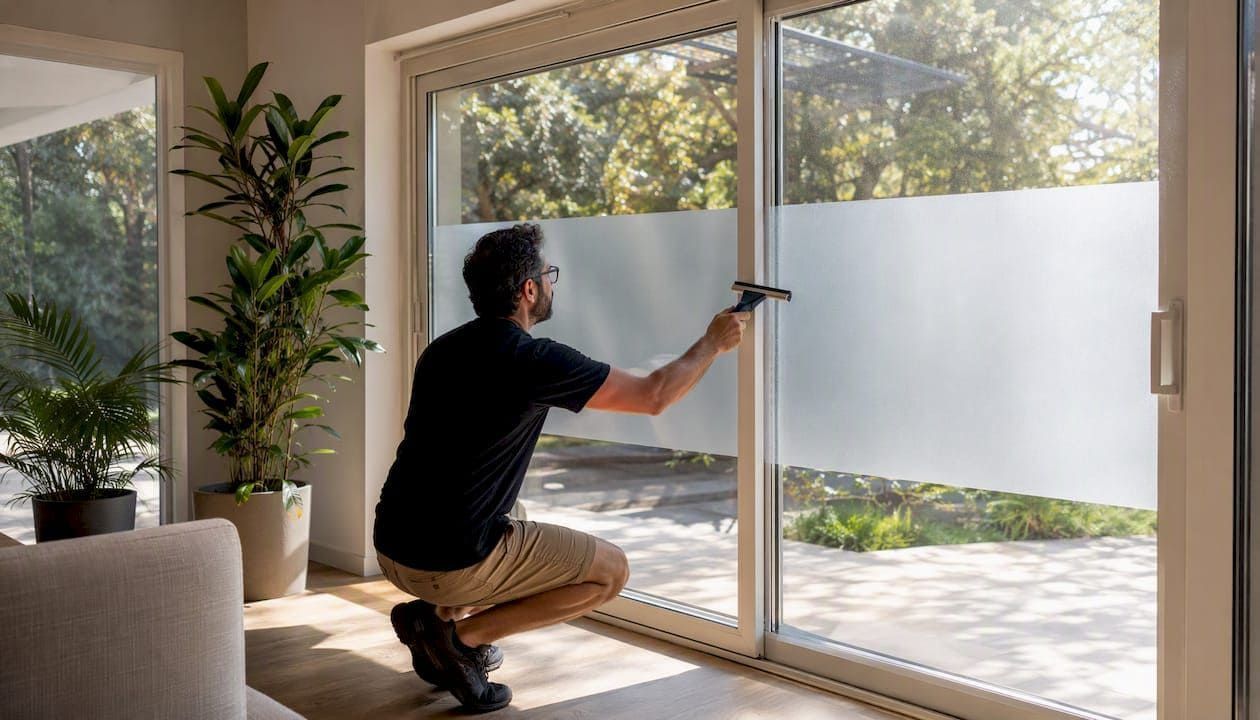
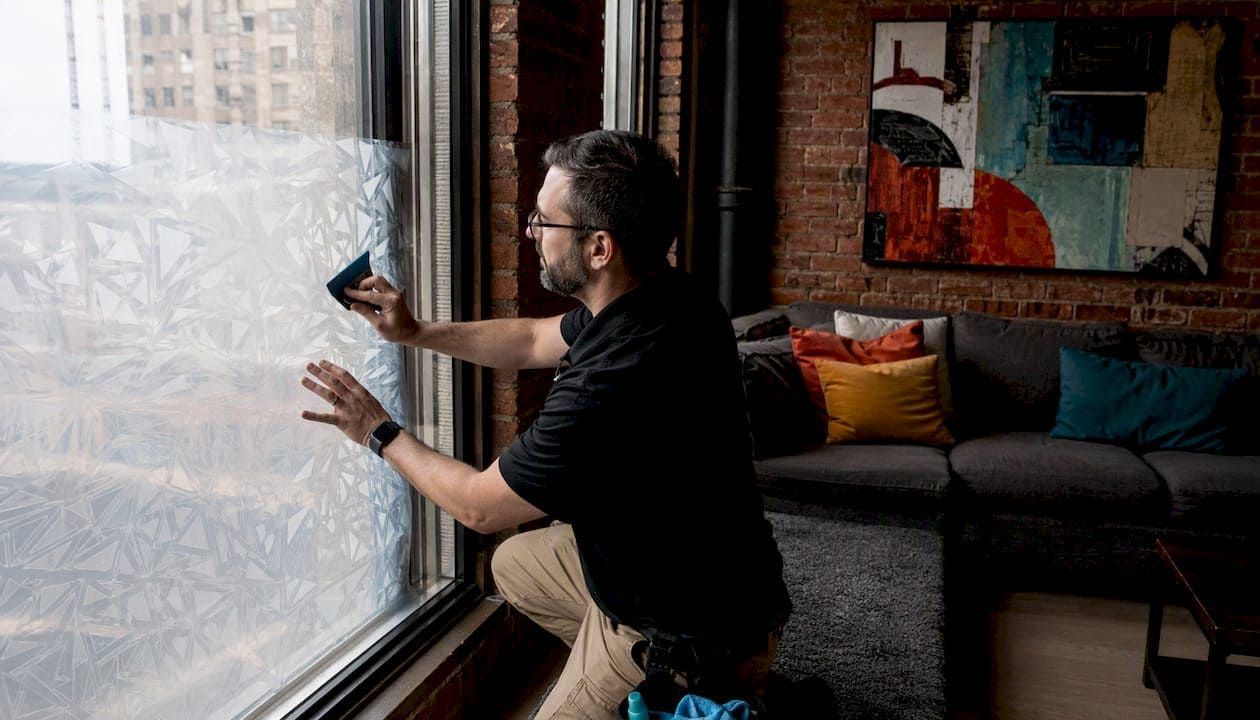
- Decorative films add privacy or aesthetic patterns while maintaining full UV blocking capability
- Safety and security films integrate UV protection with impact resistance and shatter prevention
- Spectrally selective films target specific wavelengths for balanced heat rejection and light transmission
Pro Tip: Opt for films with spectrally selective technology for maximum UV and heat rejection without altering your view or reducing natural light levels in your home.
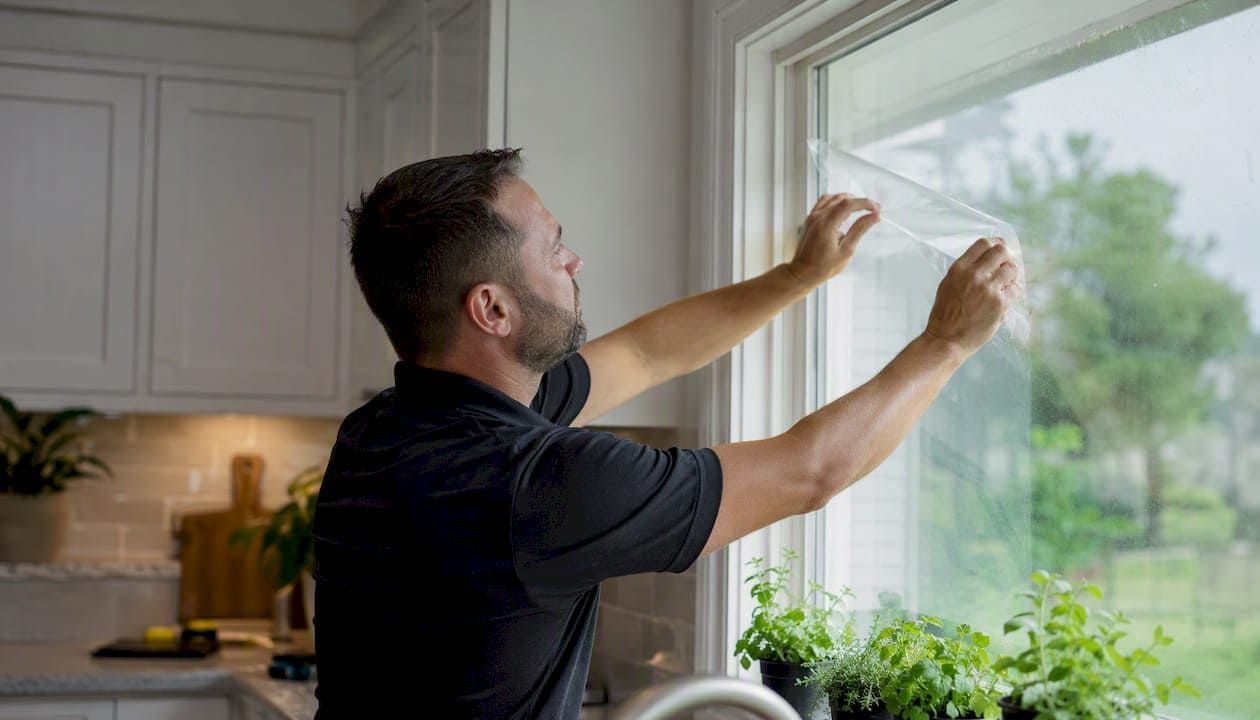
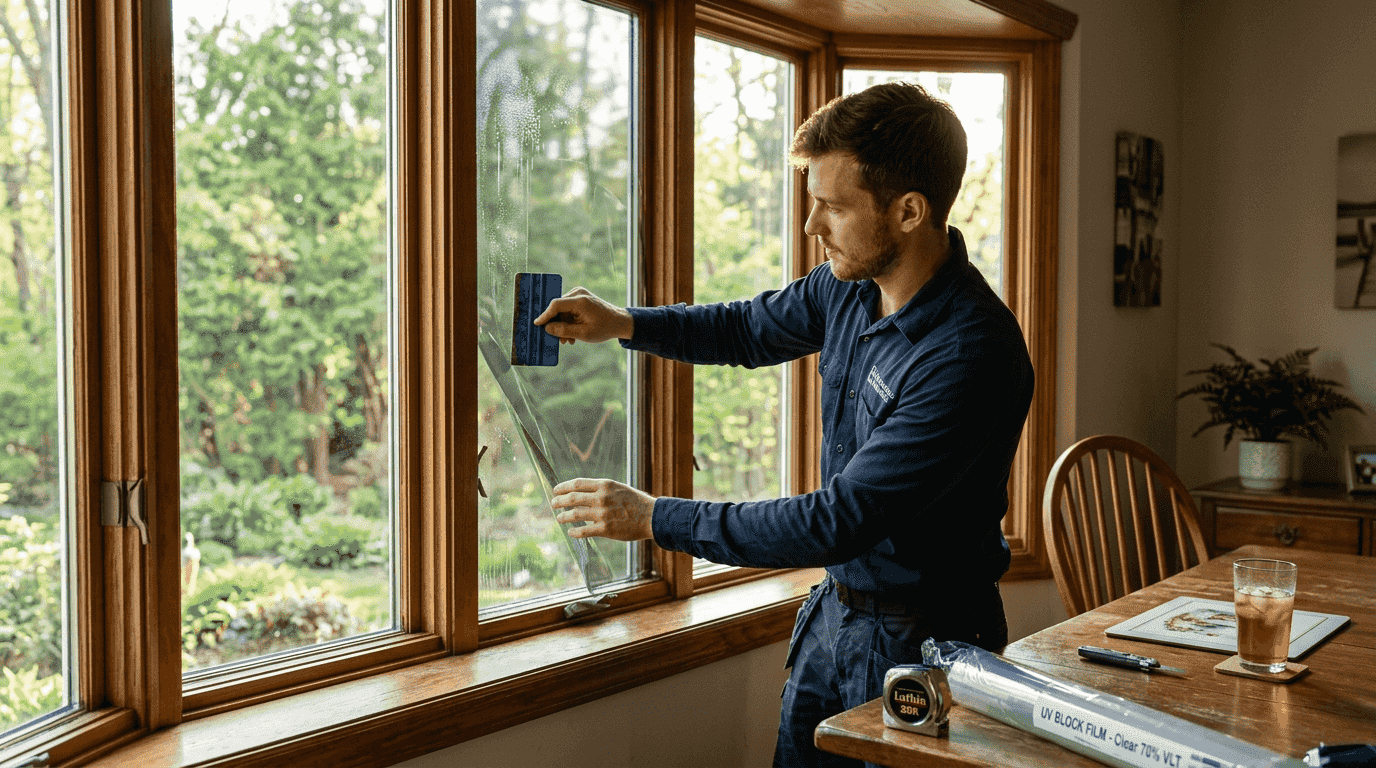
The installation process bonds film to the interior glass surface using pressure-sensitive adhesives that cure over several days. Professional application eliminates air bubbles, ensures edge-to-edge coverage, and maintains optical clarity. Once cured, the film becomes a permanent protective barrier that requires no maintenance beyond normal window cleaning. Explore premium solar window tint for residential homes to see how different film types balance protection with aesthetic and functional goals.
Additional benefits: energy savings, furnishings preservation, and enhanced security
UV protection window films deliver compound advantages that extend well beyond radiation blocking. The same technology that intercepts ultraviolet wavelengths also reduces solar heat gain, cutting the thermal load on your air conditioning system during warm months. Homeowners in the Boston area and Southern New Hampshire typically see cooling cost reductions of 15-30% depending on window orientation, glass type, and film specifications. The energy savings accumulate year after year, offsetting installation costs while improving indoor comfort.
Furnishings preservation represents another substantial benefit. Window films block 99% of the sun's harmful UV rays, dramatically slowing the fading and degradation of expensive furniture, carpeting, hardwood floors, and artwork. A quality sofa that might fade noticeably within three years near an untreated window can maintain its original appearance for a decade or more with proper UV protection. This preservation extends the functional life of your interior investments and maintains your home's aesthetic appeal and resale value.
Security-rated films add a critical safety dimension by reinforcing glass against impacts. Safety and security window films increase impact resistance and deter break-ins by holding shattered glass fragments together even when the pane breaks. This containment reduces injury risks during accidents, severe weather events, or attempted intrusions. The film creates a barrier that requires significantly more force and time to penetrate, discouraging opportunistic burglars who rely on quick smash-and-grab tactics.
| Feature | Untreated Glass | Standard UV Film | Premium Security Film || — | — | — || UV Blocking | 25-30% UVA | 99%+ UV rays | 99.9% UV rays || Heat Rejection | Minimal | 40-60% solar heat | 60-80% solar heat || Impact Resistance | Shatters easily | Minimal improvement | Holds glass intact || Energy Savings | Baseline | 15-25% cooling costs | 20-30% cooling costs || Security Value | None | Low | High deterrent |
Steps to enhance your home's energy efficiency and safety with window films:
- Assess your current UV exposure by checking for fading patterns on furniture and flooring near windows
- Calculate potential energy savings using window orientation and current cooling costs as baseline data
- Identify security concerns such as ground-floor windows, sliding glass doors, or areas visible from the street
- Select film types that address your primary goals whether UV protection, energy savings, or security enhancement
- Schedule professional measurement and installation to ensure optimal performance and warranty coverage
Learn more about protective options at enhance home security with window film and discover seasonal benefits at window film reduces energy costs for year-round comfort improvements.
Choosing the right UV protection window film for your home in Southern New Hampshire and Greater Boston
Window orientation creates the first decision point in film selection. South-facing windows receive consistent, intense UV exposure throughout the day and benefit most from high-performance films with maximum UV blocking and heat rejection. West-facing glass endures the hottest afternoon sun and drives significant cooling costs, making spectrally selective films with superior infrared rejection ideal. North-facing windows receive less direct sunlight but still transmit harmful UVA rays, where clear UV films maintain brightness while providing protection. East-facing windows get morning sun that's less intense but still contributes to cumulative UV damage over time.
Your existing glass type influences film compatibility and performance. Choosing the right window film depends on glass type, window direction, and specific property needs, with single-pane windows accepting most film types while double-pane insulated glass requires careful selection to avoid thermal stress and seal failure. Low-E coated windows already reflect some heat and UV, so adding film requires professional assessment to prevent over-treatment that could crack the glass. Tempered or laminated safety glass handles films differently than standard annealed glass, affecting installation techniques and curing times.
Visible light transmission preferences shape your daily experience with installed films. If you value bright, naturally lit interiors, prioritize films with high visible light transmission percentages above 60% while still blocking UV radiation. Rooms used primarily in evenings or spaces where glare creates discomfort on screens can accommodate darker films with lower transmission rates. Consider how each room functions throughout the day and year before committing to a specific film specification.
Regional climate patterns in Southern New Hampshire and Greater Boston inform energy-focused decisions. The area experiences hot, humid summers where cooling costs spike and cold winters where heat retention matters. Dual-purpose films that reject summer heat while providing insulation during winter offer year-round value. Use the
home window tinting energy savings calculator to model your specific home's potential savings based on local weather data and utility rates.
Factors for selecting the optimal window film:
- Primary goal priority such as UV protection, energy savings, privacy, security, or aesthetic enhancement
- Budget considerations including upfront costs versus long-term savings and furnishings preservation value
- Warranty requirements and manufacturer specifications for your glass type and climate zone
- Installation timeline and room availability during the curing period when windows cannot be cleaned
- Local building codes or homeowner association restrictions on exterior appearance changes
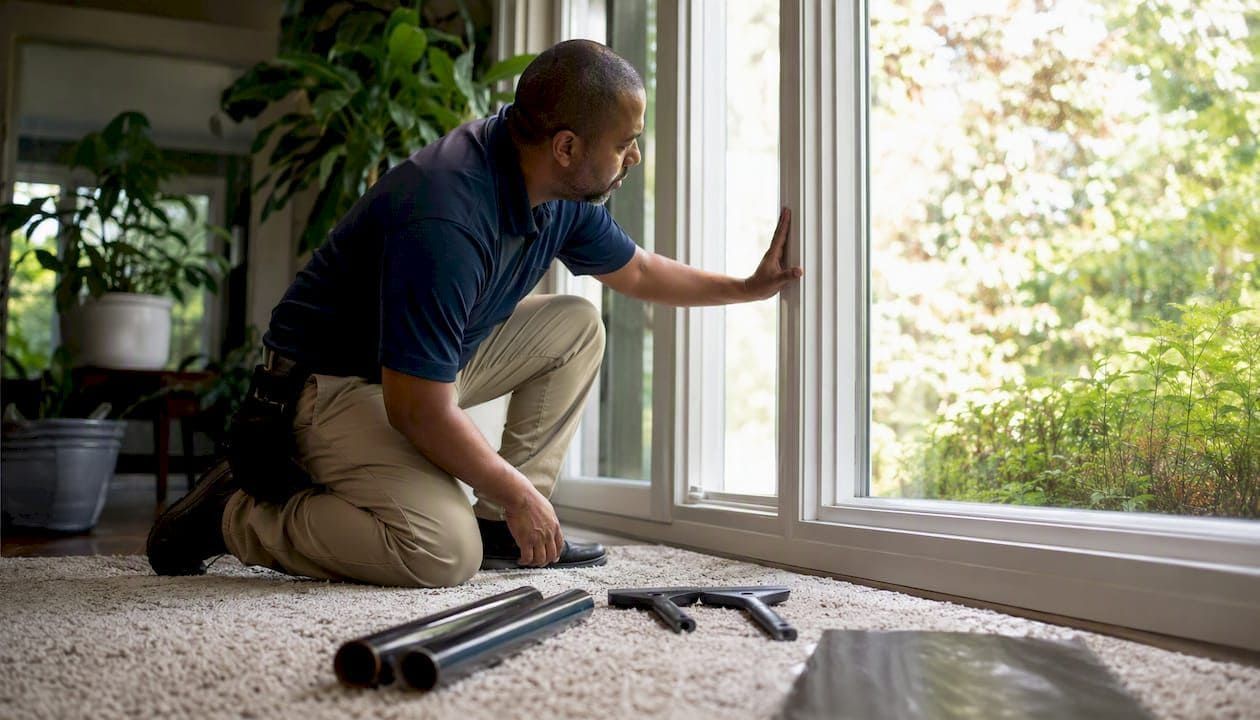
Professional consultation eliminates guesswork by assessing your specific windows, measuring glass dimensions, and recommending films that match your goals and constraints. Request a free window tinting estimate to receive expert guidance tailored to your property's unique characteristics and your household's priorities.
Discover professional UV protection window film installation in your area
Protecting your home from UV damage while improving comfort and reducing energy costs starts with expert window film installation.
Surface Tint specializes in
residential window tinting services throughout
Southern New Hampshire and Greater Boston, offering proven solutions that block harmful radiation, enhance security, and deliver measurable utility savings. As an exclusive LLumar SelectPro Dealer, we install premium Vista Films engineered for superior performance in New England's demanding climate.
Schedule your free window tinting estimate to receive a customized assessment of your home's UV exposure and protection options. Our specialists measure your windows, evaluate glass types, and recommend films that align with your goals and budget. Explore premium solar window tint for residential homes to see available film specifications and performance data. Use our home window tinting energy savings calculator to estimate your potential cost reductions and furnishings preservation value. Professional installation ensures optimal adhesion, optical clarity, and warranty coverage that protects your investment for years to come.
Frequently asked questions
How much UV protection does standard window glass provide?
Standard untreated residential glass blocks approximately 90% of UVB radiation but only 25-30% of UVA rays. This leaves the majority of damaging UVA wavelengths entering your home, where they cause furniture fading, flooring discoloration, and skin damage to occupants. The partial protection creates a misleading sense of safety while harmful radiation continues affecting your interior spaces daily.
Can UV protection window films block heat as well as UV rays?
Many UV protection films incorporate heat rejection technology that blocks infrared radiation along with ultraviolet wavelengths. These dual-purpose films reduce solar heat gain by 40-80% depending on specifications, lowering cooling costs while protecting against UV damage. Spectrally selective films offer the best balance by rejecting heat and UV without significantly reducing visible light transmission.
Are clear UV protection films as effective as tinted ones?
Clear films provide the same UV protection as dark films, blocking 99% or more of harmful radiation regardless of visible tint level. The UV blocking capability comes from specialized coatings and materials, not from darkness or color. Clear films allow you to maintain bright, naturally lit interiors while achieving maximum protection for furnishings and occupants.
How do security window films enhance home safety?
Security-rated window films strengthen glass by holding shattered fragments together when the pane breaks from impacts, accidents, or attempted intrusions. This containment prevents dangerous shards from scattering and injuring occupants while creating a barrier that requires significantly more force and time to penetrate. The films deter opportunistic burglars and provide crucial protection during severe weather events. Learn more at enhance home security with window film to see how impact resistance integrates with UV protection for comprehensive home safety.
Recommended
- Guide to Residential Window Film: Privacy, Security & Style
- Window Film Act 2026: Cut Energy Costs 22% in NH & MA
- Commercial Safety and Security Film for Windows
- Home Security and Safety Window Film Installation
- Outdoor Shading Guide 2026: Cut Energy Costs 25% Yorkshire
- Custom window treatments 2026: style meets smart function – Designer Fabrics by the Yard | Drapery Making Services