
How Do You Stop Glare on TVs and Computer Screens?
Glare on TVs and computer screens is one of the most common comfort complaints in homes, apartments, and commercial spaces across New Hampshire and Massachusetts. It can show up as a bright reflection, a washed-out picture, or a blinding hotspot that forces you to close blinds, move furniture, or crank up screen brightness. The main reason glare is so frustrating is that it changes throughout the day. Morning sun can hit one side of a room, afternoon glare can bounce off light-colored walls, and overhead lighting can create reflections after dark. Beyond being annoying, glare can reduce screen clarity, increase eye strain, and make work and entertainment less enjoyable.
Modern window film solutions offer a practical, long lasting way to reduce glare while keeping rooms bright and inviting. Instead of blocking all daylight, the right anti glare window film filters and manages light so your TV, laptop, and monitors remain easier to see without turning your space into a cave.

Table of Contents
- 1. What causes glare and why it worsens at certain times
- 2. How glare affects eyes, productivity, and comfort
- 3. Common short-term fixes and why they fall short
- 4. How anti glare window film reduces reflected light
- 5. Glare control vs solar control vs decorative solutions
- 6. Residential and commercial benefits of window film
- 7. Why a certified installer matters for performance
- FAQ: Stop screen glare questions
- Conclusion and CTA
1. What causes glare on televisions and computer screens and why it worsens at certain times of day
If you are trying to stop screen glare , it helps to understand what you are seeing. Glare is unwanted light that reduces your ability to clearly view a screen. It comes from two main sources: direct light and reflected light.
Direct light happens when sunlight or strong indoor lighting hits the screen surface. Even matte screens can look hazy when the light source is intense. Reflected light is more common in real rooms. Light enters through windows, then bounces off floors, walls, countertops, and glossy furniture. That reflected light can hit the screen at angles that create bright highlights or mirror-like reflections.
Glare tends to spike at predictable times based on sun angle. In New Hampshire cities like Windham, Manchester, Nashua, Concord, Derry, and Rochester, low winter sun can shine deeper into rooms and create long reflections. In Massachusetts cities like Boston, Worcester, Lowell, and Cambridge, morning and late afternoon sun can strike east or west facing windows at a low angle, increasing glare on screens. South facing windows can create all-day brightness that feels great until it floods a home office or conference room with harsh light.
Other factors make glare worse:
- Large window areas and open concept layouts that allow sunlight to reach screens.
- Light-colored walls and glossy finishes that reflect more light.
- Uncontrolled overhead lighting that produces bright hotspots on monitors.
- Screen placement where the screen faces a window or sits perpendicular to strong daylight.
Because these factors vary by room and by time of day, many people waste time trying multiple fixes without addressing the core issue, excessive light entering through glass.
2. How glare affects eye strain, productivity, screen clarity, and viewing comfort
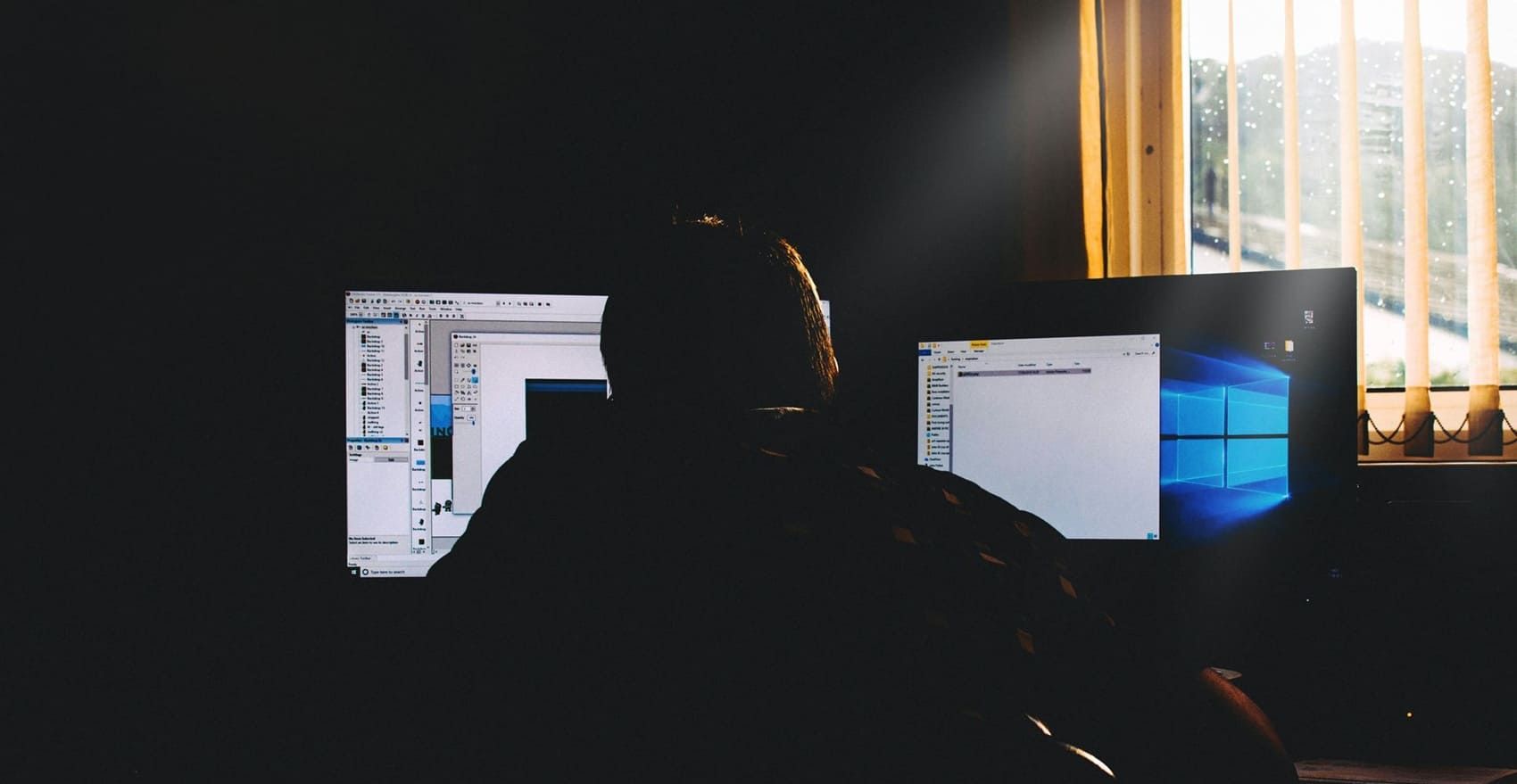
Glare is not only a viewing problem. It can affect wellness and performance, especially for people who work on screens all day. When glare makes a screen hard to see, your eyes and brain work harder to interpret the image. Many people respond by squinting, leaning forward, or increasing brightness, which can lead to discomfort over time.
Common impacts include:
- Eye strain and fatigue , especially during long work sessions.
- Headaches triggered by repeated squinting and light sensitivity.
- Reduced productivity when employees need to reposition screens or close blinds constantly.
- Poor screen clarity where dark scenes on TVs or detailed spreadsheets become harder to read.
- Lower viewing comfort that makes a living room or break room less enjoyable.
For office managers and business owners, glare can also have operational costs. Conference rooms become harder to use for presentations. Retail displays and digital signage lose visual impact. Staff may avoid certain desks during peak sun hours, leading to uneven use of the workspace.
A reliable computer screen glare solution should improve visibility without forcing the room to become dark or uninviting. That is why many homeowners and businesses turn to window film, which can reduce the glare at the glass before it spreads through the room.
3. Common short-term fixes and why they often fall short
Most people try quick fixes first. Some help temporarily, but many create tradeoffs that are frustrating long term.
| Short-Term Fix | What It Helps | Why It Often Falls Short |
|---|---|---|
| Closing blinds or curtains | Blocks direct sunlight fast | Darkens rooms and reduces natural daylight |
| Repositioning screens | Can reduce reflections | Not always possible due to furniture or wiring |
| Increasing screen brightness | Makes content more visible | Can increase eye strain and does not remove glare |
| Anti-glare screen protectors | Reduces reflections on some screens | Limited benefit when the room is too bright |
| Changing light bulbs | Helps with indoor reflections | Does not solve sunlight glare from windows |
These strategies can be part of the solution, but they do not manage the light at the source. If sunlight is the driver, you need a way to reduce and control how much light passes through glass while preserving a comfortable level of daylight for the space.
4. How anti glare window film works to reduce reflected light while preserving natural daylight
Anti glare window film is designed to manage visible light and reflections. Installed on the interior surface of your glass, it changes how light passes through the window. Instead of allowing intense sunlight to enter unfiltered, glare control films reduce the intensity and reflections that cause washed-out screens.
Quality window films use advanced layers and coatings to:
- Reduce visible light transmission to a controlled level that supports screen viewing.
- Cut harsh reflections that bounce through a room and land on screens.
- Improve contrast so TVs and monitors look clearer even during bright hours.
- Maintain a natural look with options that keep rooms bright rather than dark.
The most effective approach is to match film performance to the problem. A home office with east-facing windows may need different glare reduction than a retail storefront with all-day sun. This is where professional evaluation helps.
For people who want to reduce TV glare without losing the open, airy feel of their home, modern films provide a balanced solution. They reduce the intensity of incoming light rather than blocking it completely.
| Goal | Window Film Feature | Expected Result |
|---|---|---|
| Stop screen glare | Glare reduction with controlled VLT | Better screen visibility in peak sun hours |
| Comfort and temperature control | Solar control and heat rejection | Less hot spots near windows |
| Protect interiors | UV rejection | Reduced fading on floors and furniture |
Surface Dynamics Window Tinting is a LLumar SelectPro Vista dealer and installs LLumar Vista window film options designed to reduce glare while maintaining comfort, clarity, and aesthetics. Film selection matters because it ensures you get glare reduction that fits your space and lighting conditions.
5. Differences between glare control films, solar control films, and decorative solutions
Not every film is built for the same job. If your priority is office glare reduction for screens, you should compare film categories based on visible light control, heat rejection, and appearance.
| Film Category | Best For | Typical Benefit | Notes |
|---|---|---|---|
| Glare control film | TVs, monitors, conference rooms | Reduces reflected light and improves clarity | Targets viewing comfort without heavy darkening |
| Solar control film | Hot rooms, large windows, sun exposure | Reduces heat and glare together | Great when heat and glare are both issues |
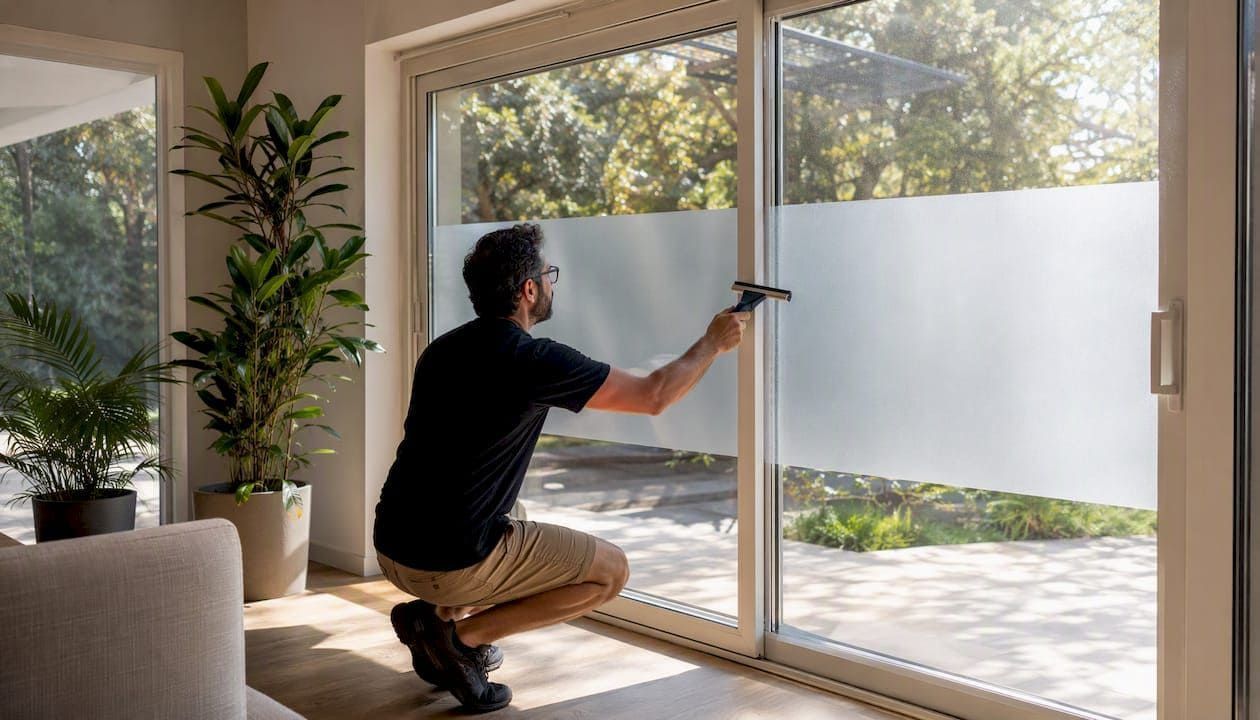
| Decorative film | Privacy, style, glass partitions | Diffuses light, adds design | Can help glare indirectly by softening harsh light |
In many homes and offices, the ideal solution combines glare control with solar performance. For example, a film that reduces glare and improves comfort near windows can make a work area usable without closing blinds. Decorative films can be helpful for privacy and light diffusion in conference rooms or glass-walled offices, but they are not always the best primary tool for strong sun glare.
6. How residential and commercial spaces benefit from professional window film installation
Glare problems show up differently by space type. That is why professional assessment is valuable. A living room TV setup often needs glare management that preserves daytime brightness and maintains curb appeal. A home office needs stable light for video calls and reading. A commercial workspace needs consistent screen visibility across multiple desks.
- Improved TV viewing during daytime without constantly adjusting shades.
- Better home office comfort with fewer reflections on monitors.
- More usable rooms where sunlight previously forced you to avoid certain seating areas.
- Enhanced interior protection when films also provide strong UV reduction.
- More productive workspaces with fewer glare complaints and less eye fatigue.
- Better conference room performance for screens, projectors, and hybrid meetings.
- Consistent customer experience where digital signage stays readable.
- Comfort improvements that can support employee satisfaction.
These benefits apply across the region, from Windham and Nashua to Boston and Cambridge. When a film is chosen correctly, it becomes a long lasting solution rather than a daily workaround.
7. Why choosing a certified installer ensures optimal performance and long term results
Window film performance depends on two things: the right film selection and correct installation. A certified installer helps ensure both. Poor installation can lead to bubbles, haze, edge lifting, and uneven appearance. It can also reduce the expected lifespan and performance of the film.
Working with a trusted professional also helps with the technical details that matter in New England, including double-pane glass considerations and selecting films that match your comfort and visibility goals.
Surface Dynamics Window Tinting is a LLumar SelectPro Vista dealer serving New Hampshire and Massachusetts. That means you can expect product knowledge, professional installation, and film options designed specifically to reduce glare while maintaining a clean look for your home or business.
FAQ: Stop screen glare questions
How much glare can window film reduce?
Many glare control films can significantly reduce glare. The exact result depends on film type, window orientation, and room finishes.
Will my room become darker?
Not necessarily. Many options are designed to reduce glare without making rooms feel dark. Film selection balances visible light and comfort.
Is anti glare window film safe for double-pane windows?
Yes when the correct film is chosen for the glass type. A professional installer will recommend compatible options.
Does window film work for home offices?
Yes. It is one of the most effective ways to stabilize daylight and improve monitor visibility.
Does it help in conference rooms?
Yes. Glare reduction can improve presentation visibility and reduce distractions for meetings.
Can it reduce reflections from indoor lighting too?
Yes. By managing overall light levels and reflections, it can improve viewing under both sunlight and artificial light.
How long do glare control films last?
Lifespan varies by product and environment, but quality films are designed for long term performance.
What maintenance is required?
Basic cleaning with appropriate products and a soft cloth is typically enough. Your installer will provide care guidance.
Can renters use window film?
Many renters can benefit depending on property rules and film type. Decorative and removable options may be possible in some cases.
How do I choose the best film for my space?
A professional assessment considers window orientation, room use, and desired brightness. This ensures the best screen glare solution.
Conclusion and CTA
To eliminate glare on TVs and computer screens, the most effective strategy is to manage light at the window. Short-term fixes like closing blinds can help, but they often reduce comfort by removing daylight. A properly selected anti glare window film can stop screen glare, reduce TV glare, and deliver a long lasting computer screen glare solution while maintaining a bright, comfortable interior.
If you want expert recommendations and professional installation,
contact
Surface Dynamics Window Tinting serving Windham, Manchester, Nashua, Concord, Derry, Rochester, Boston, Worcester, Lowell, and Cambridge. As a
LLumar SelectPro Vista dealer , Surface Dynamics installs
LLumar Vista Window Film products designed to reduce glare while maintaining comfort, clarity, and aesthetics. Request a
free estimate for glare reducing window film solutions tailored to your space.