
What to Know Before Installing Window Film in Boston’s Older Homes
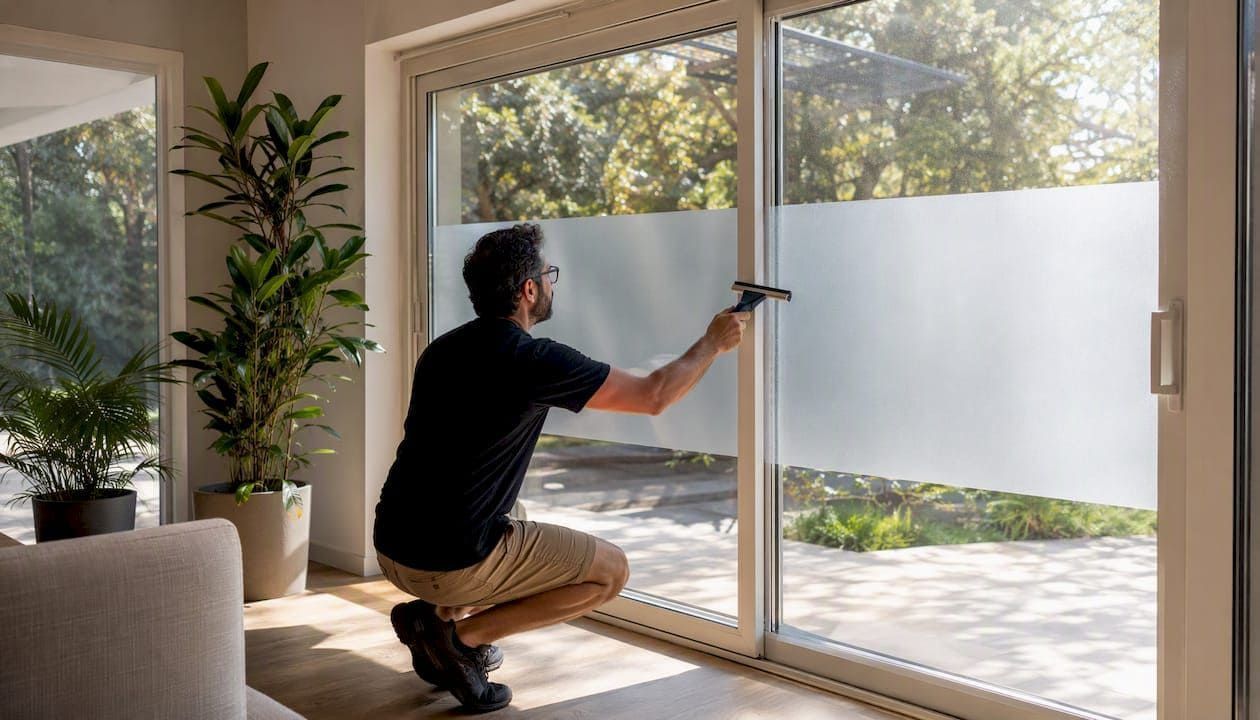
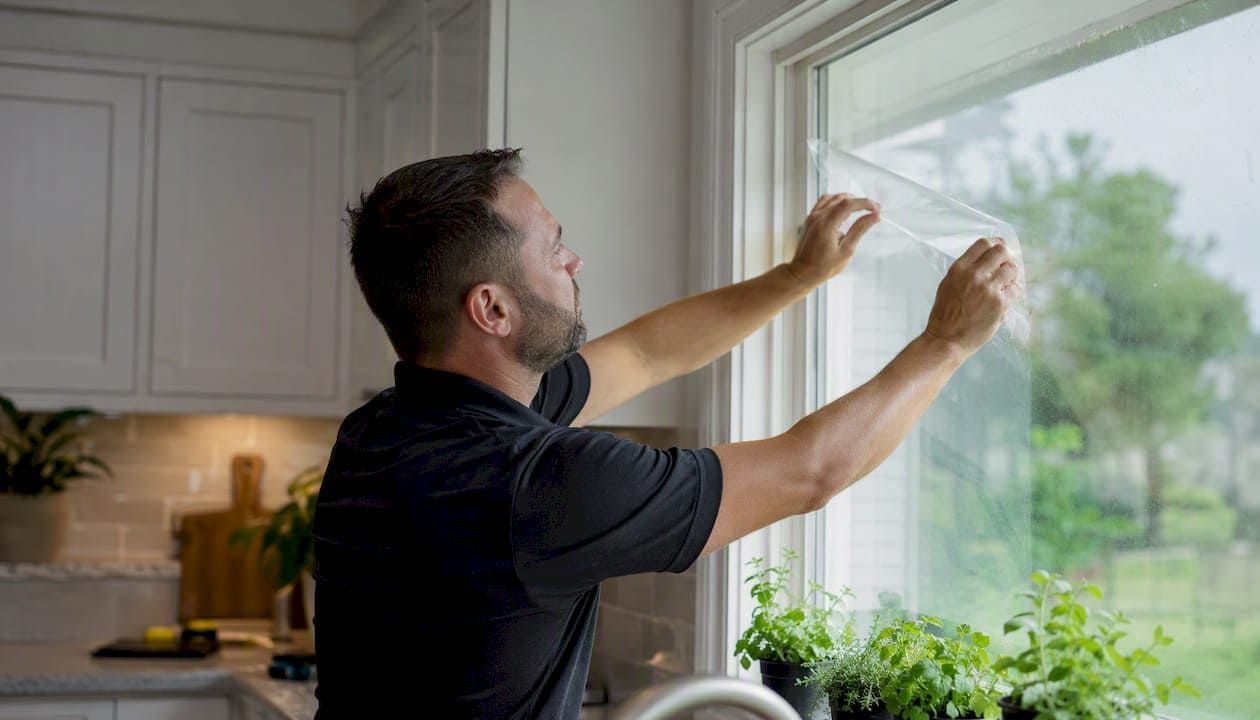
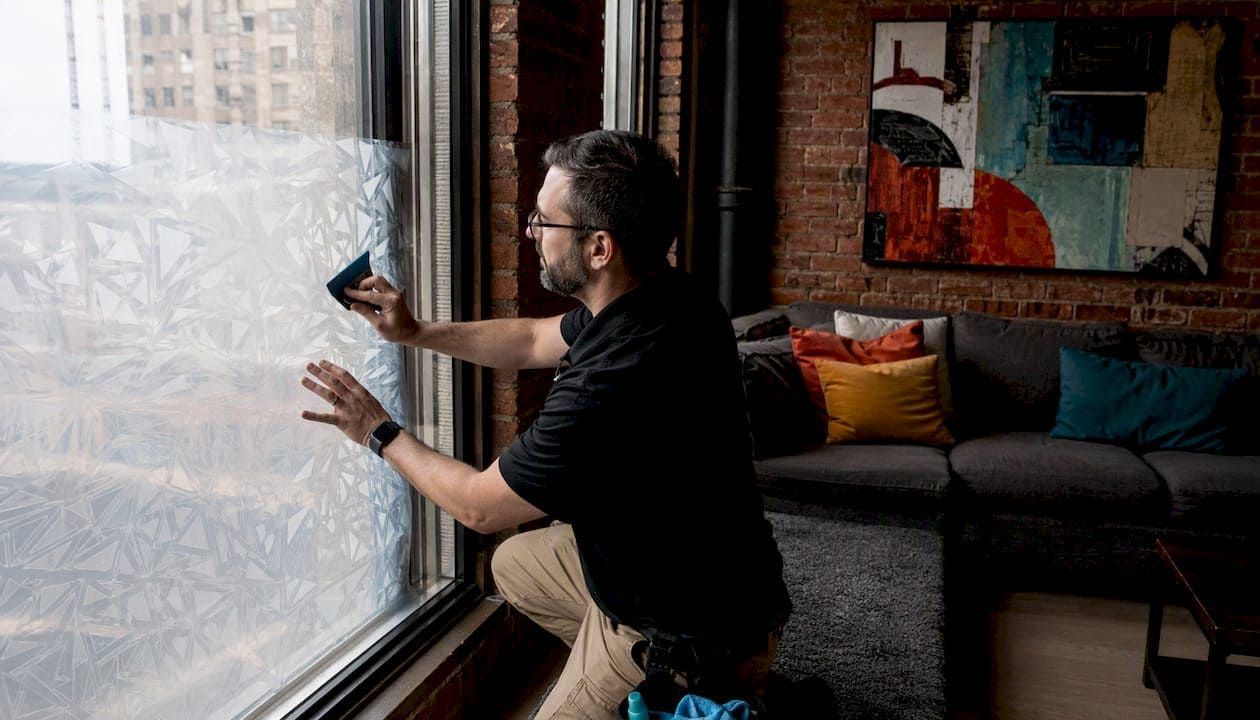
Many older homes in Boston were built during a time when windows were not as energy-efficient or durable as today’s standards. If your home falls into that category and you are thinking about adding window film, it is a smart idea to know a few things before getting started. Installing window film can help with glare, privacy, and even energy savings, but older windows need a closer look.
Choosing the right Boston window tint does not just mean picking a style, it means understanding how your current windows might react. Not every home or window is the same, especially when you are dealing with panes that are decades old. A little preparation goes a long way to make sure the update works the way you want it to.
Choosing Window Film That Works with Older Glass
Windows in older homes often use different types of glass than what is found in newer builds. Single-pane glass and thinner materials can be more fragile and might not respond well to all kinds of films. That is why we usually recommend taking a closer look at your window type before making a decision. Some films add too much pressure, which increases the risk of cracks or thermal stress, not something you want to deal with once the film is already installed.
Here is what to watch for when it comes to matching film with older windows:
• Single-pane glass needs softer, lower-stress films
• Thinner panes can shift with temperature changes, so flexibility matters
• Older window frames might not always sit square, so edge gaps need checking
When the film works with the glass instead of against it, your windows last longer and perform better. That makes your upgrade smoother and gives you better results in the long run.
Dealing With Drafts, Damage, and Age-Related Wear
If you have lived in your home for a while, you already know where the trouble spots are. You feel little drafts near certain windows, notice small chips or cloudiness in the glass, or spot old seals that do not hold as well anymore. These things add up. But that does not always mean it is time to replace the windows outright.
In many cases, window film can help solve comfort issues without a full tear-out. Even with older glass, film can reduce drafts, temper hot and cold spots, and soften harsh daylight. That small barrier makes a big difference indoors.
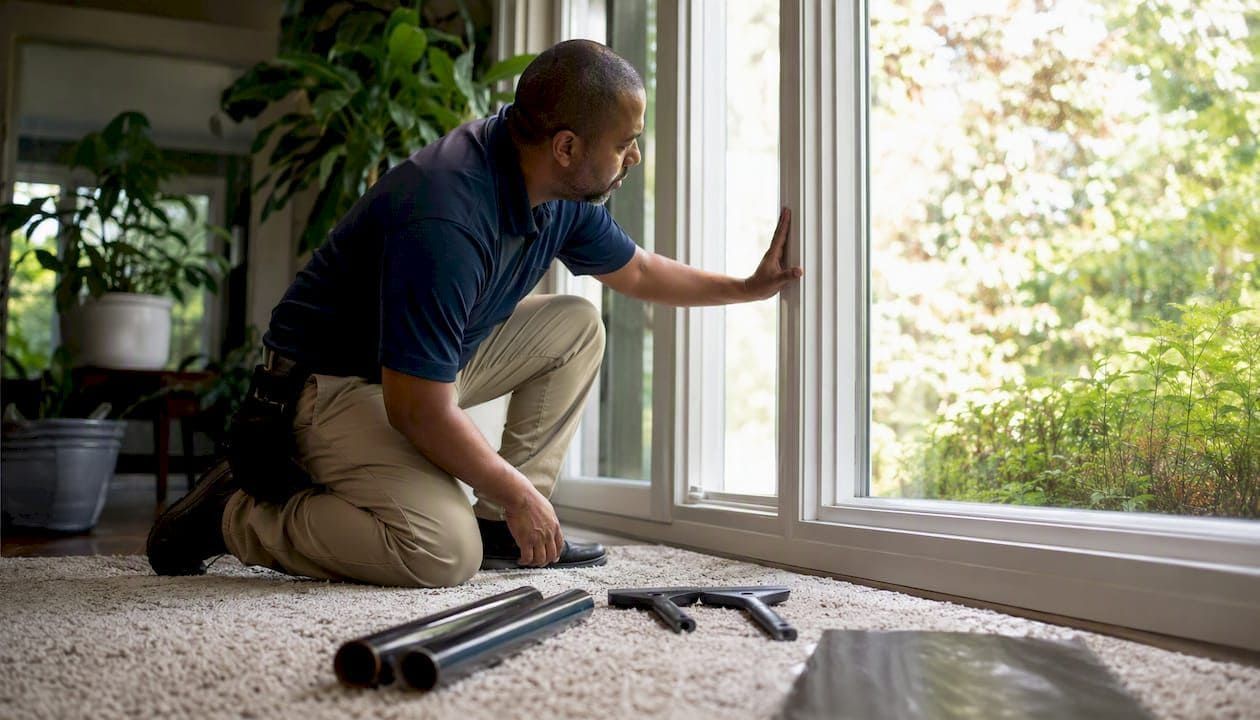
Before anything is applied, it helps to have the windows checked for:
• Small surface damage on the pane
• Weak spots around the frame
• Loosened seals or caulk from years of shifting
We want the film to go on smooth and stay put. Knowing what shape the glass is in helps plan the best approach so nothing gets missed during installation.
How Boston’s Weather Can Affect Window Film Results
Boston winters are cold, windy, and full of bright sunlight low in the sky. Summers can swing in the other direction, bringing warm temps and long days where sun exposure builds up fast, especially on upper floors or rooms that face west. All of that puts pressure on windows, both inside and out.
This is where the right film helps manage climate shifts more evenly. Some films act like a light barrier, softening the sun’s push so indoor temps do not get too out of balance. In winter, they can help hold in heat by adding an extra layer that slows heat loss through the glass.
Think about how your house handles the seasons:
• Winter sunlight can cause glare and chill near windows
• Upper rooms may fade or overheat in summer without coverage
• Older glass is more sensitive to pressure changes from hot and cold swings
With a little preparation, film helps your windows handle these seasonal shifts more smoothly, so your home stays comfortable no matter the temperature outside.
Historical Homes and Neighborhood Guidelines
If your home is part of a historic district, or even just sits in a neighborhood that favors older architecture, there may be local rules about what changes are allowed. Often, these guidelines aim to keep the exterior view consistent with the area’s style and age. That does not mean you cannot make updates, but it is worth checking before moving forward.
Some towns or associations ask for non-reflective or low-visibility options, and that is usually not a problem. There are plenty of films that are nearly invisible from the street while still giving you the indoor comfort you want.
When working with these types of homes, here are a few things to consider:
• Use clear or neutral films to avoid changing the home’s outside look
• Match around wood or original trim to keep updates low-key
• Check for any local or listed-property rules before you start
Film works well when it is chosen with care. It lets older homes keep their charm while bringing the inside up to speed.
A Better Way to Update Without Major Renovations
Adding window film does not mean changing how your home looks or tearing out anything major. That is one of the best parts. It is a subtle update that makes rooms more pleasant to spend time in, especially ones with lots of sun or spots that always feel a little cold in winter.
Glare softens, rooms stay warmer (or cooler), and the space just feels more balanced throughout the year. These small shifts in comfort can make a big difference in how daily life feels at home.
When chosen and installed properly, Boston window tint turns older windows into something much more functional. The view stays the same, but how it feels inside is easier, brighter, and more comfortable through every season. You get to keep the history and add just enough comfort to enjoy it more.
Add comfort and privacy to your older Boston home without changing its character by choosing the right film. We have worked on many historic homes and know how to select materials that blend seamlessly with original designs. For more ideas on how a well-chosen
Boston window tint can improve energy use and light control without a big remodel, explore our insights.
Surface Dynamics Window Tinting is here to help you create spaces that feel better all year so give us a call to discuss your home's needs.