
Guide to improving window security and energy efficiency 2026
Windows often represent the weakest security points in homes and commercial buildings while simultaneously contributing to significant energy loss through heat transfer and UV penetration. Professional window film installation addresses both challenges by enhancing shatter resistance, blocking harmful ultraviolet radiation, and improving thermal comfort. This comprehensive guide walks you through prerequisites, film selection, installation steps, common mistakes, and the measurable outcomes you can expect when investing in security and energy control window films for your Southern New Hampshire or Greater Boston property.
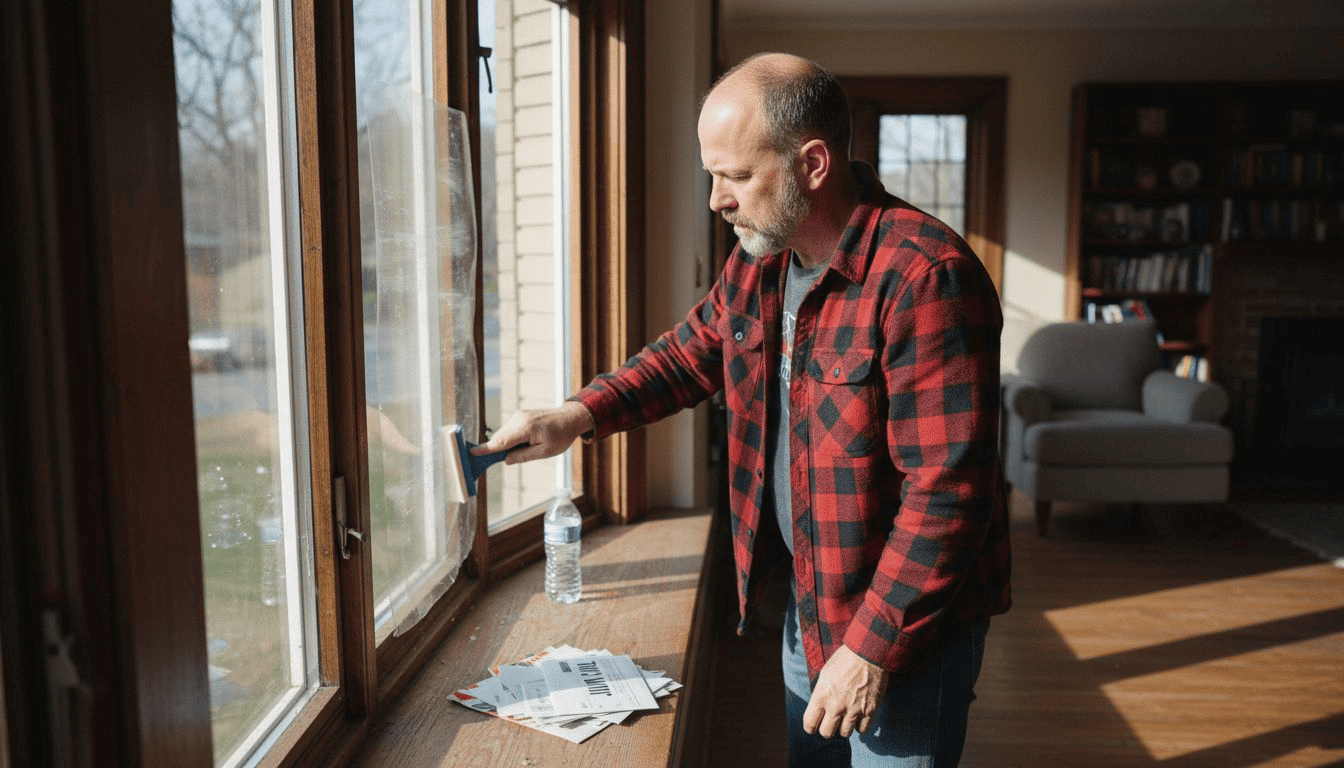
Table of Contents
- Introduction To Window Security And Film Benefits
- Prerequisites And What You Need Before Installation
- Choosing The Right Security And Energy Efficiency Window Film
- Professional Installation Process: Step-By-Step
- Common Installation Mistakes And How To Avoid Them
- Expected Results And Outcomes: Security, Comfort, And Savings
- Explore Professional Window Film Solutions For Your Property
Key takeaways
| Point | Details |
|---|---|
| Dual benefits | Window films simultaneously enhance security and energy efficiency while blocking UV rays. |
| Preparation critical | Proper surface cleaning and assessment prevent 80% of installation failures. |
| Film selection matters | Thickness between 4-12 mil determines security level and energy performance. |
| Professional advantage | Expert installation reduces failure rates by 70% and ensures warranty coverage. |
| Measurable returns | Expect energy savings up to 30% and forced entry delay improvements of 70%. |
Introduction to window security and film benefits
Windows create vulnerability in your property's security envelope while allowing heat gain in summer and heat loss in winter. Standard glass shatters easily under impact, providing minimal resistance to forced entry attempts. These same windows permit ultraviolet radiation that damages furnishings, artwork, and flooring while exposing occupants to health risks.
Professional window films add an invisible protective barrier that transforms ordinary glass into a security asset. Security films increase shatter resistance by holding glass fragments together when broken, significantly delaying intrusion attempts. Filtering out 99% of harmful UV rays protects both occupants and interior furnishings from fading and degradation.
Beyond security enhancements, quality window films deliver substantial energy benefits:
- Solar control films reject up to 70% of incoming heat, reducing air conditioning costs
- Low-emissivity films minimize heat loss during cold New England winters
- Glare reduction improves occupant comfort without sacrificing natural light
- Year-round temperature stabilization decreases HVAC system workload
Leading manufacturers like LLumar Vista and 3M offer proven solutions combining security, energy control, and aesthetic options. When you enhance home security with window film, you simultaneously address energy inefficiency. The right film selection allows you to protect homes with safety window film while capturing energy savings that offset installation costs within a few years.
Prerequisites and what you need before installation
Successful window film installation begins long before any film touches glass. Windows must be structurally sound, clean, and free from cracks or seal failures that compromise film adhesion. Damaged glass requires repair or replacement before film application to ensure proper bonding and performance.
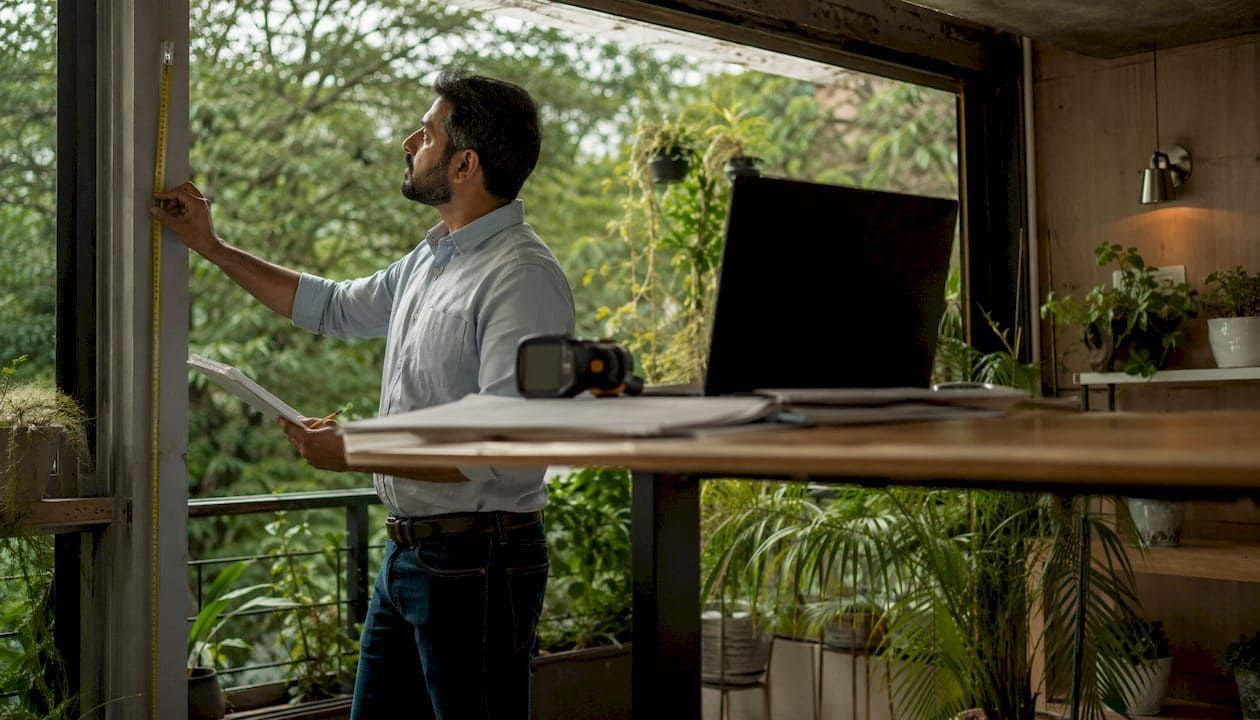
Professional assessment identifies the right film type for your specific windows and climate conditions. An experienced installer measures each window precisely, accounting for frame styles and glass types that affect film selection. This upfront evaluation prevents costly mistakes and ensures optimal results.
Timing your installation around Southern New Hampshire and Greater Boston weather patterns matters significantly:
- Avoid installation during high humidity periods that slow curing
- Schedule work during mild temperatures between 50-80°F for best adhesion
- Plan around extreme cold that makes film brittle and difficult to handle
- Consider interior humidity levels that affect drying time
Surface preparation represents the most critical step determining long-term film performance. Professional cleaning removes all contaminants, oils, and residues that prevent proper adhesion. This meticulous prep work eliminates the bubbling and peeling issues common in rushed installations.
Pro Tip: Schedule your window film installation during spring or fall months when moderate temperatures and lower humidity create ideal conditions for film curing and maximum lifespan.
When choosing the right window film, consider how your existing window condition and local climate affect both film selection and installation timing. The investment in proper preparation pays dividends through decades of reliable performance. Understanding these prerequisites helps you enhance home security with window film effectively while avoiding common pitfalls that compromise results.
Choosing the right security and energy efficiency window film
Film thickness directly determines security performance and durability. Standard films range from 4 mil for basic UV protection to 12 mil or thicker for maximum forced entry resistance. Thicker films provide superior shatter resistance but cost more and may alter window appearance slightly.
Energy control capabilities vary significantly across film types. Solar control films blocking 99% of UV rays prevent interior fading while rejecting heat that drives up cooling costs. Dual-pane window compatibility requires specialized films that avoid thermal stress and seal damage.
| Film Type | Thickness | Security Level | Energy Savings | Best Application |
|---|---|---|---|---|
| Basic UV | 2-4 mil | Minimal | 10-15% | Interior protection |
| Solar Control | 4-6 mil | Moderate | 20-30% | Energy efficiency |
| Security | 8-12 mil | High | 15-25% | Forced entry resistance |
| Combo Security/Solar | 8-14 mil | Maximum | 25-35% | Complete protection |
Edge-attachment systems dramatically increase intrusion resistance compared to standard center-applied films. These systems anchor film to window frames with structural adhesives, preventing peeling during forced entry attempts. While more expensive, edge-attached films provide security performance approaching laminated glass at lower cost.
Aesthetic considerations balance security needs with appearance preferences:
- Tint levels range from nearly clear to darkly reflective
- Privacy films obscure views while maintaining natural light transmission
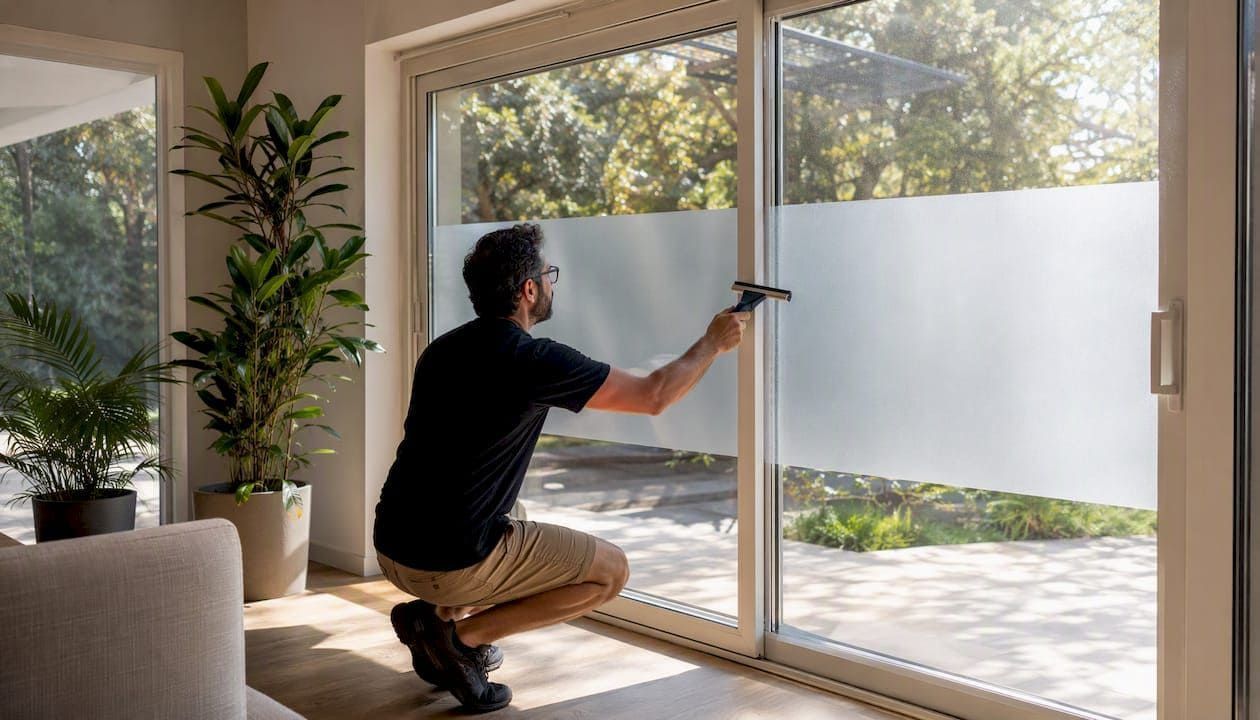
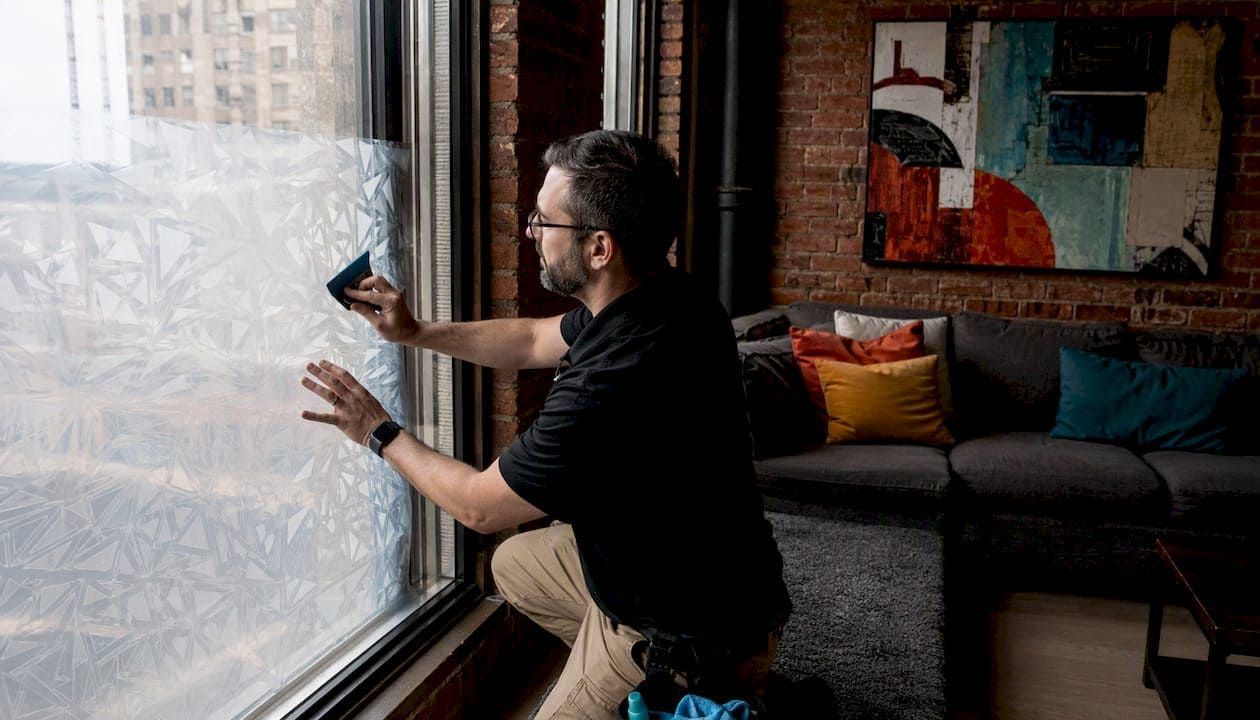
- Decorative options include frosted, patterned, and colored films
- Exterior appearance varies from subtle to mirrored finishes
Certifications and warranties separate quality products from inferior alternatives. Look for films tested to ASTM standards for impact resistance and UV blocking. Manufacturer warranties typically cover film integrity for 10-15 years when professionally installed.
Pro Tip: Match film specifications to your property's specific risk profile rather than defaulting to maximum thickness, balancing security needs, energy goals, and budget constraints for optimal value.
When evaluating security film for ground floor windows, prioritize thicker options with edge attachment for maximum protection. Commercial safety and security window films often require different specifications than residential applications due to building codes and liability concerns. Determining whether security window film investment makes financial sense depends on calculating potential losses against installation costs. Proper selection when choosing the right window film ensures you capture maximum benefits from both security enhancement and energy savings.
Professional installation process: step-by-step
Professional window film installation follows a systematic approach that ensures optimal performance and longevity. Understanding this process helps you recognize quality workmanship and set realistic expectations for your project timeline.
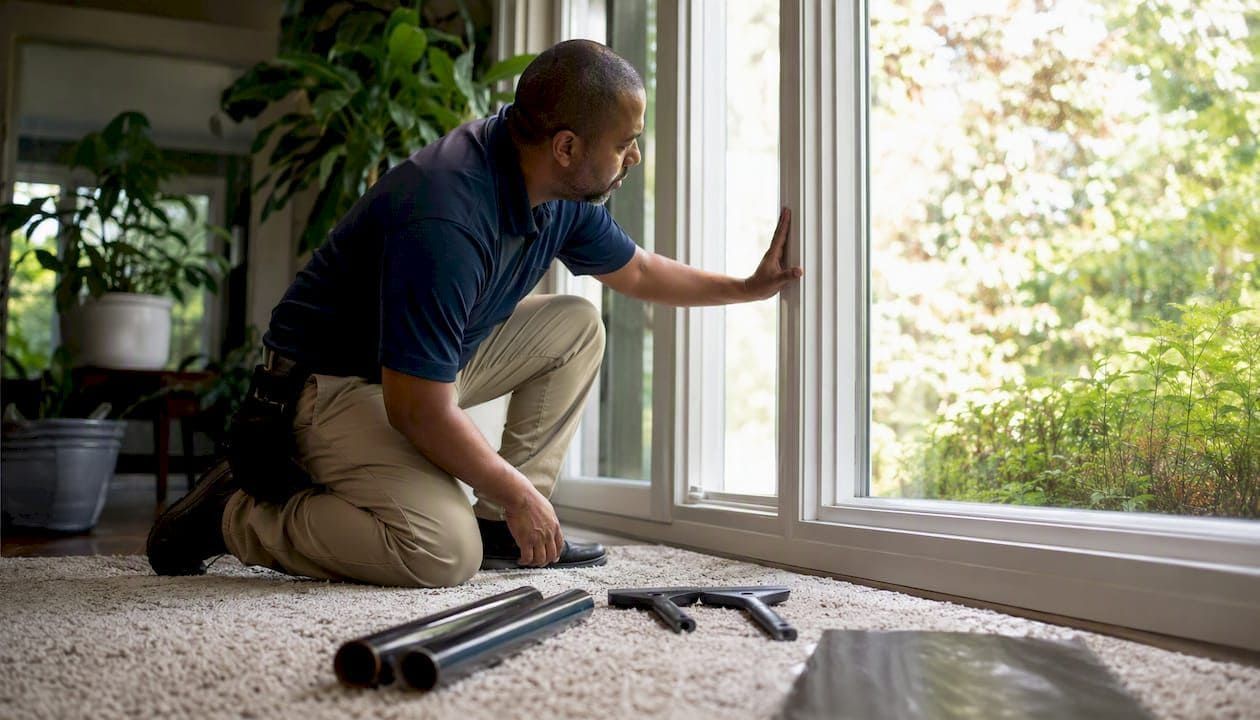
- Professional assessment and measurement : Installers evaluate each window's condition, measure precisely, and document any existing damage or concerns. This assessment identifies potential complications before work begins.
- Surface preparation and cleaning : Thorough cleaning removes dirt, oils, and residues that compromise adhesion. Professionals use specialized solutions and tools to achieve contaminate-free surfaces.
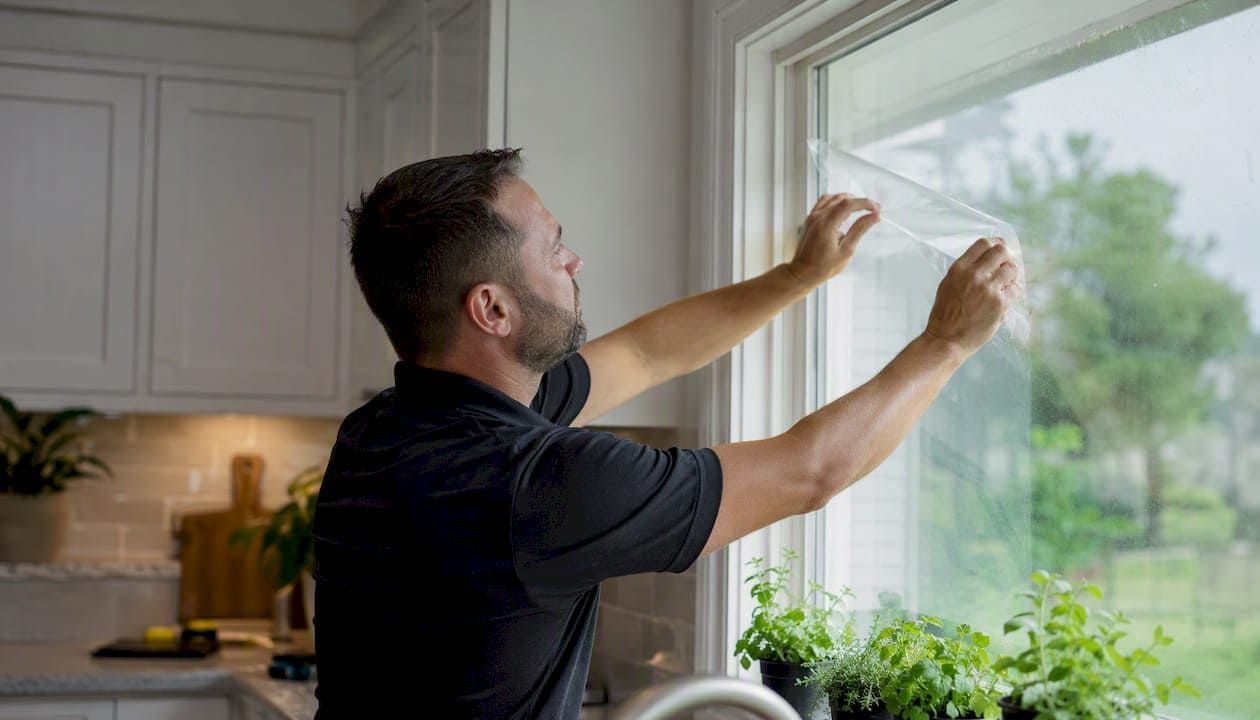
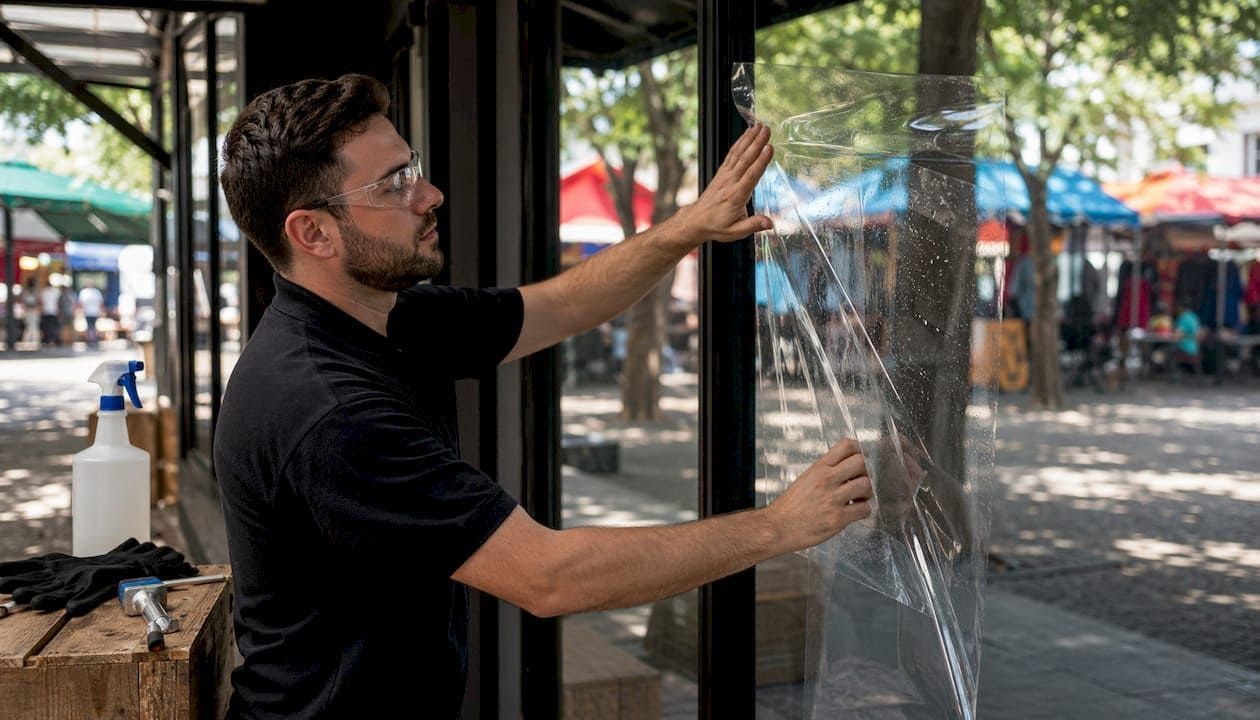
- Film cutting and application : Films are precision-cut slightly larger than window dimensions, then carefully applied using slip solutions that allow positioning adjustments. Squeegees remove water and air bubbles systematically from center to edges.
- Edge sealing and trimming : Excess film is trimmed flush to frames, and edges are sealed to prevent lifting. This step requires steady hands and sharp blades for clean, professional results.
- Curing and drying time : Professional installations for average homes take 1 to 2 days depending on window count and complexity. Films require additional days to fully cure and achieve maximum clarity.
- Final inspection and customer education : Installers verify proper adhesion, check for defects, and educate property owners on maintenance requirements and warranty terms.
Professional installation eliminates common errors that plague DIY attempts. Experienced installers work in controlled conditions, use commercial-grade tools, and apply techniques refined through thousands of installations. This expertise translates to fewer bubbles, better edge sealing, and installations that maintain appearance and performance for decades.
Manufacturer warranties typically require professional installation, protecting your investment against defects and premature failure. When you enhance home security with window film through certified installers, you gain both quality workmanship and warranty coverage. Calculate potential savings using a home window tinting energy savings calculator to understand how professional installation costs compare to long-term energy benefits.
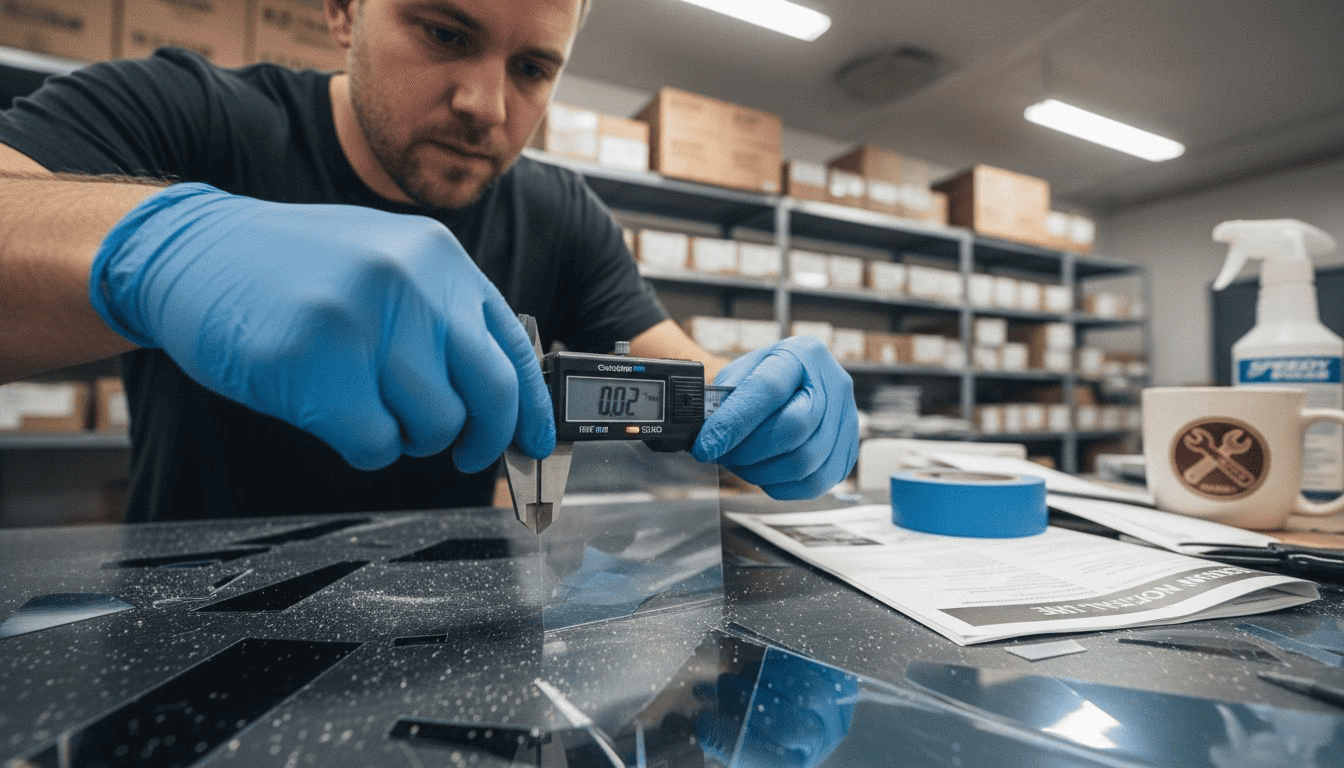
Common installation mistakes and how to avoid them
Poor surface preparation causes most window film failures. Inadequate cleaning leaves contaminants that prevent proper adhesion, resulting in bubbling and peeling within months. Professional installers spend significant time on prep work specifically to avoid these issues that affect 15-20% of rushed installations.
Incorrect film selection compromises both security and energy performance. Choosing films too thin for security needs or incompatible with dual-pane windows leads to disappointing results and wasted investment. Matching film specifications to your specific requirements prevents this costly mistake.
Key installation errors to avoid include:
- Skipping edge sealing, which allows water infiltration and premature lifting
- Applying excessive pressure that activates adhesives prematurely
- Installing during inappropriate weather conditions
- Using household cleaning products that damage film surfaces
- Rushing the curing process before full adhesion develops
DIY installations carry a 30% failure rate due to lack of specialized tools, experience, and quality control. Home installers often underestimate the skill required for bubble-free application and proper edge treatment. Even minor mistakes become visible defects that worsen over time.
Professional installation minimizes these risks through proven techniques and accountability. Certified installers guarantee their work, providing recourse if problems develop. Insurance coverage protects against accidental glass damage during installation, a risk DIY installers assume personally.
Pro Tip: Always verify installer certifications from film manufacturers and check recent customer reviews before hiring, ensuring you work with experienced professionals who stand behind their installations.
Avoiding these pitfalls when you enhance home security with window film ensures you capture the full value of your investment. Learning from common installation mistakes in related industries shows how proper technique and quality control prevent expensive do-overs.
Expected results and outcomes: security, comfort, and savings
Security films deliver measurable improvements in forced entry resistance. Quality installations can delay break-in attempts by up to 70%, providing crucial extra time for security responses. This deterrent effect often causes intruders to abandon attempts entirely when glass doesn't shatter on first impact.
UV protection preserves your interior investments significantly. Films blocking 99% of ultraviolet radiation reduce furniture and flooring fading by up to 80% compared to unprotected windows. This protection extends the lifespan of expensive furnishings, artwork, and window treatments.
| Benefit Category | Measurable Improvement | Timeframe |
|---|---|---|
| Energy costs | 20-35% reduction | Immediate |
| UV blocking | 99% filtration | Immediate |
| Fading prevention | 80% reduction | Ongoing |
| Forced entry delay | 70% increase | Immediate |
| Glass shard scatter | 90% reduction | Upon impact |
Solar control films reduce heating and cooling expenses substantially. Properties in Southern New Hampshire and Greater Boston typically see 25-30% lower energy costs through reduced HVAC runtime and improved temperature stability. These savings accumulate year after year, delivering return on investment within 2-4 years for most installations.
Safety benefits extend beyond security concerns. Reducing hazardous shards scattering by over 90% during breakage events protects occupants from injury during accidents, severe weather, or intrusion attempts. This held-glass performance makes window film especially valuable for ground-floor windows and high-traffic areas.
Additional practical outcomes include:
- Glare reduction improving workspace comfort and productivity
- Consistent interior temperatures eliminating hot and cold spots
- Enhanced privacy without sacrificing natural light
- Minimal installation disruption, typically completed in 1-2 days
- Long-term performance with proper maintenance extending 15-20 years
Quantify your specific savings potential using a home window tinting energy savings calculator based on your property size and local energy rates. Understanding energy cost reduction with window film during harsh New England winters helps justify upfront investment. Commercial properties should evaluate solar window film benefits for commercial buildings to determine when upgrades make financial sense.
Explore professional window film solutions for your property
Surface Dynamics Window Tinting brings specialized expertise to residential and commercial window film installation throughout
Southern New Hampshire and Greater Boston. As an exclusive LLumar SelectPro Dealer, we provide premium Vista Films engineered for superior security, energy control, and UV protection performance.
Our certified installers ensure quality workmanship backed by manufacturer warranties and customer satisfaction guarantees. Whether you need safety and security window films for homes or solar window films for homes, we match solutions to your specific property requirements and performance goals. Request your window tinting services free estimate today to discover how professional window film installation protects your property while reducing energy costs year after year.
FAQ
What types of window films best enhance security?
Thicker security films ranging from 8-12 mil with edge-attachment systems provide the highest forced entry resistance by holding shattered glass together and anchoring to window frames. Look for films certified to ASTM impact standards that include UV blocking for comprehensive protection. Ground-floor window security films require maximum thickness since these access points face the greatest intrusion risk.
How long does professional window film installation usually take?
Most residential installations complete within 1 to 2 days depending on window count and project complexity. Large commercial buildings or specialized applications may extend timelines, but disruption remains minimal since installers work room by room. Films require additional curing time after installation before reaching maximum clarity and adhesion strength.
Can window films reduce energy costs in colder New England winters?
Yes, solar control and low-emissivity films significantly reduce heat loss through windows while blocking UV radiation year-round. These films lower winter heating bills by retaining interior warmth and reducing drafts near windows. They enhance occupant comfort by stabilizing indoor temperatures and eliminating cold spots common near untreated glass. Learn specific strategies for energy cost reduction in Boston winters to maximize cold-weather savings.
Do window films work on all glass types?
Most window films install successfully on standard single-pane and dual-pane windows, but compatibility varies by glass type and film selection. Tinted, low-E, and tempered glass require careful film matching to avoid thermal stress that can crack windows. Professional assessment identifies any compatibility concerns and recommends appropriate films for your specific glass types, preventing costly damage from improper film selection.
How do I maintain window films after installation?
Clean films with soft cloths and ammonia-free cleaners to avoid scratching or degrading the film surface. Wait at least 30 days after installation before cleaning to allow complete curing. Avoid abrasive materials, squeegees with metal edges, or harsh chemicals that damage protective coatings. Proper maintenance extends film lifespan to 15-20 years while preserving optical clarity and performance characteristics.
Recommended
- Enhance Home Security with Window Film
- Signs Your Commercial Building Needs Solar Window Film Upgrades
- Guide to Residential Window Film: Privacy, Security & Style
- Help Employees Stay Focused with Better Winter Light
- 7 Practical Ways to Boost Energy Saving in Heating at Home - Skan Plumbing & Heating
- 7 Heat Pump Efficiency Tips for Canadian Homeowners - CoolFix Appliance & HVAC Service