
Security Film Technology Breakdown for Property Owners
TL;DR:
- Security film holds shattered glass together, providing delay and injury reduction but does not prevent breakage. Its effectiveness depends on thickness, layering, and proper installation, especially when combined with framing and anchoring systems. Property security is optimized through realistic expectations, multi-layered strategies, and professional application tailored to specific threats and building types.
Most people assume security window film makes glass unbreakable. It does not. What this security film technology breakdown reveals is more useful than that myth: security film holds broken glass together, buying you critical time and reducing injury risk when glass fails. That distinction matters enormously when you are deciding how to spend your safety budget. Understanding what the film actually does, how it is built, and where it performs best will help you make a smarter decision for your home or commercial property.
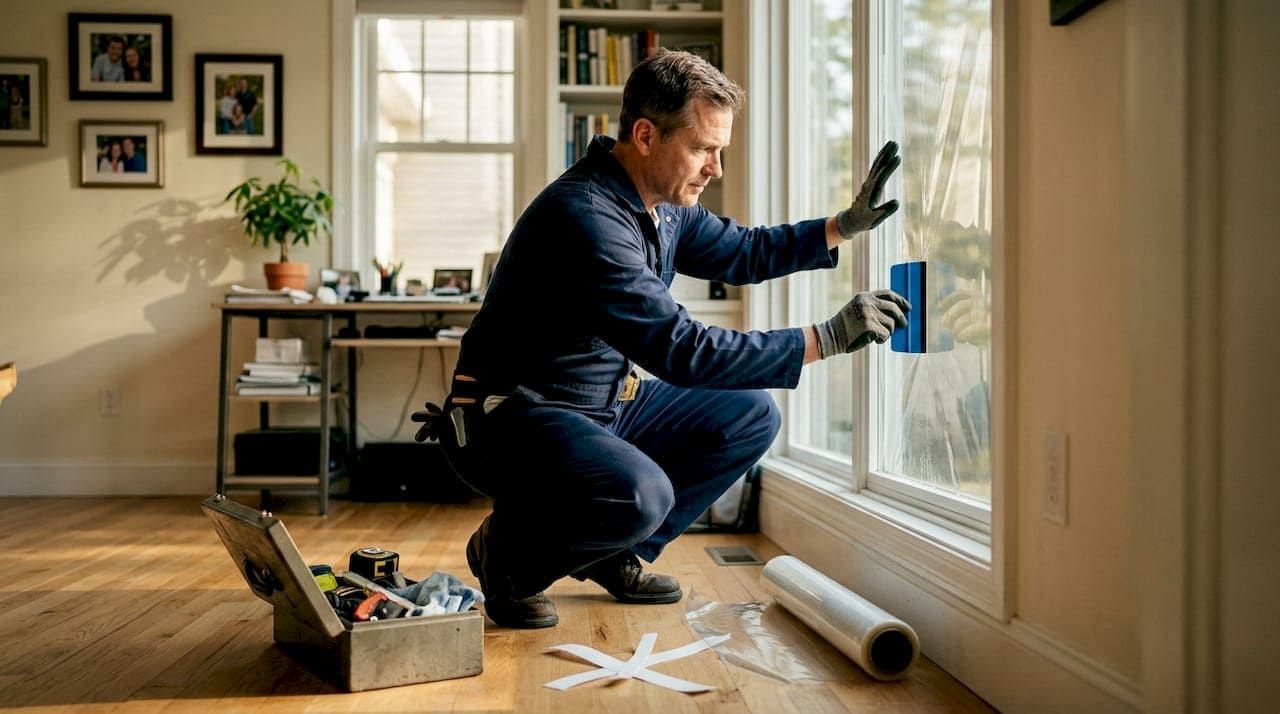
Table of Contents
- Key takeaways
- Security film technology breakdown: how it actually works
- How performance is measured and what ratings mean
- Installing security film: what to get right from the start
- Security film applications across residential and commercial properties
- My take: what security film actually does for you
- See it for yourself before you commit
- FAQ
Key takeaways
| Point | Details |
|---|---|
| Film retains, not prevents | Security film holds shattered glass in place rather than stopping breakage, reducing injury and slowing intrusion. |
| Thickness determines protection level | Films range from 4 mil to over 14 mil, with thicker options providing greater forced-entry delay. |
| Full system beats film alone | Combining film with frame upgrades and anchoring systems delivers measurably higher security performance. |
| Professional installation matters | Improper preparation or application undermines adhesion and reduces the film's real-world effectiveness. |
| Benefits extend beyond security | Quality security films block over 99% of UV rays, adding energy and comfort value alongside safety. |
Security film technology breakdown: how it actually works
Security window film is built from multiple layers of polyester bonded together with specialized adhesives. That layered construction is what separates it from ordinary tint. Each layer is engineered to absorb energy on impact rather than transmit it directly to the glass surface.
The layered construction explained
A typical security film has three functional components working together: a scratch-resistant hardcoat on the exterior face, micro-layered polyester film in the core, and a pressure-sensitive adhesive on the interior face that bonds to the glass. The adhesive is not just glue. It is the mechanism that holds glass fragments in place when the pane fractures.
Micro-layer technology significantly increases energy absorption and tear resistance compared to single-layer films. Think of it like the difference between a single sheet of paper and a stack of ten sheets laminated together. The stack tears far less predictably and requires much more force to puncture.
Film thickness and what it means for you
Security films range from 4 mil to over 14 mil in thickness, with each step up offering measurable improvements in tear resistance and forced-entry delay. Here is how the tiers generally break down:
- 4 to 6 mil: Entry-level safety film suited for interior spaces with lower intrusion risk, such as interior glass partitions or residential bathroom windows.
- 8 mil: The most common commercial option. Often micro-layered for improved performance. Handles moderate impact well and pairs effectively with anchoring systems.
- 12 mil and above: Heavy-duty applications like storefronts, schools, and government facilities where forced-entry delay is a primary goal.
The film itself, regardless of thickness, does not strengthen glass. What it does is change what happens after the glass breaks. Film holds broken glass together to delay intrusion and reduce the injury risk from flying shards.
Pro Tip: If you are comparing film products, ask for the mil thickness and whether the film uses micro-layer construction. An 8 mil micro-layered film outperforms a basic single-layer 8 mil film in real-world impact scenarios.
How performance is measured and what ratings mean
The film industry does not operate on gut feel. There are real testing standards that give you a way to evaluate performance claims before you spend a dollar.
Understanding ASTM F3561
ASTM F3561 evaluates forced-entry resistance for entire fenestration systems, including the glass, frame, and hardware together. The test uses a 100-pound pendulum swung at varying heights to simulate gunfire and physical blunt-force impacts, assigning ratings from Level 1 through Level 8. Level 1 is baseline resistance. Level 8 represents the highest tested performance.
"Window film is best understood as a component of a multi-layer safety strategy rather than a standalone barrier." — ASTM F3561 analysis
That quote captures something property managers often miss when requesting film bids. Film applied to an aging aluminum frame with worn hardware will test at a very different level than the same film applied to a new steel frame system.
What the ratings mean for your property
For residential applications, reaching Level 2 or Level 3 is a realistic and meaningful improvement. It does not mean an intruder cannot get through your window. It means the window takes significantly longer to breach, and that delay is often enough to deter a smash-and-grab or trigger a security response.
For commercial properties with higher threat exposure, storefronts, lobbies, or any ground-floor glass facing a public street, full fenestration system upgrades combining film with frame reinforcement and anchoring deliver the most defensible performance. Film alone does not move the needle as dramatically as most buyers expect.
| Application type | Recommended film thickness | Anchoring system needed? | Typical ASTM level achievable |
|---|---|---|---|
| Residential interior glass | 4 to 6 mil | No | Level 1 to 2 |
| Residential exterior ground floor | 8 mil | Recommended | Level 2 to 3 |
| Commercial storefront | 8 to 12 mil | Yes | Level 3 to 5 |
| High-security commercial or institutional | 12 mil and above | Required | Level 5 and above |
Installing security film: what to get right from the start
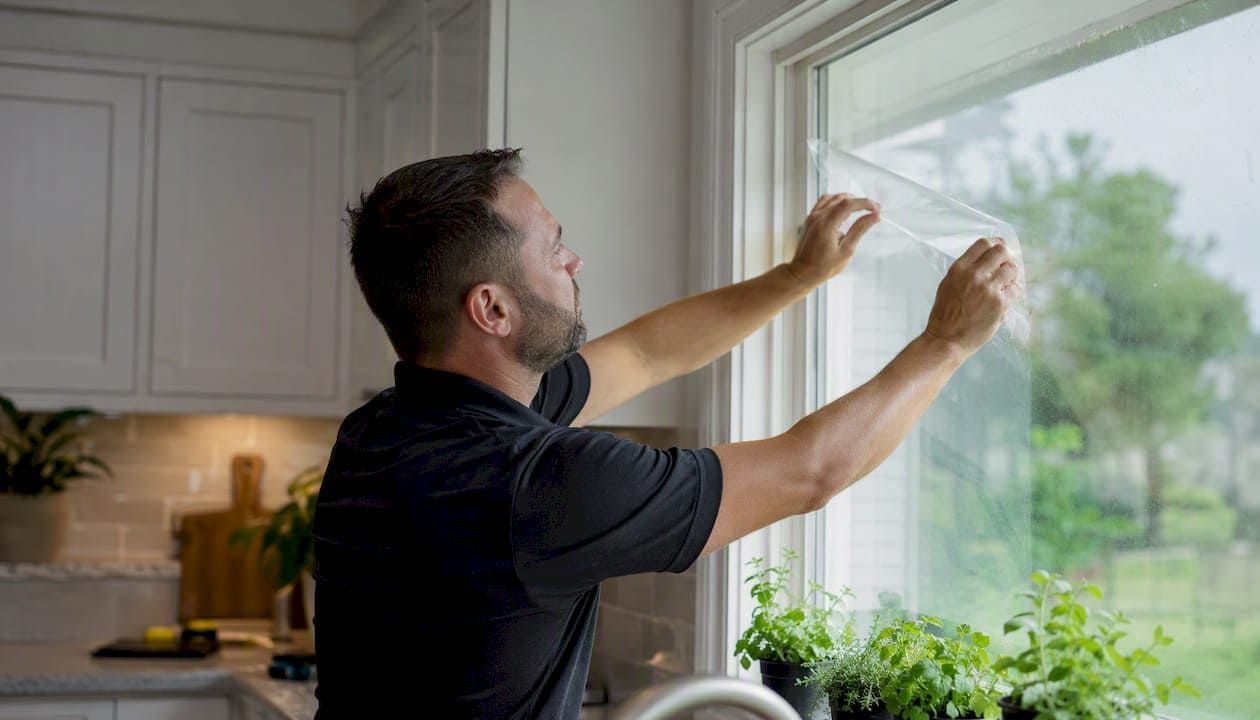
Security film installation is not complicated, but it is unforgiving. Small errors compound quickly and show up as bubbles, lifting edges, or premature adhesion failure. Getting the steps right the first time matters.
The correct installation sequence
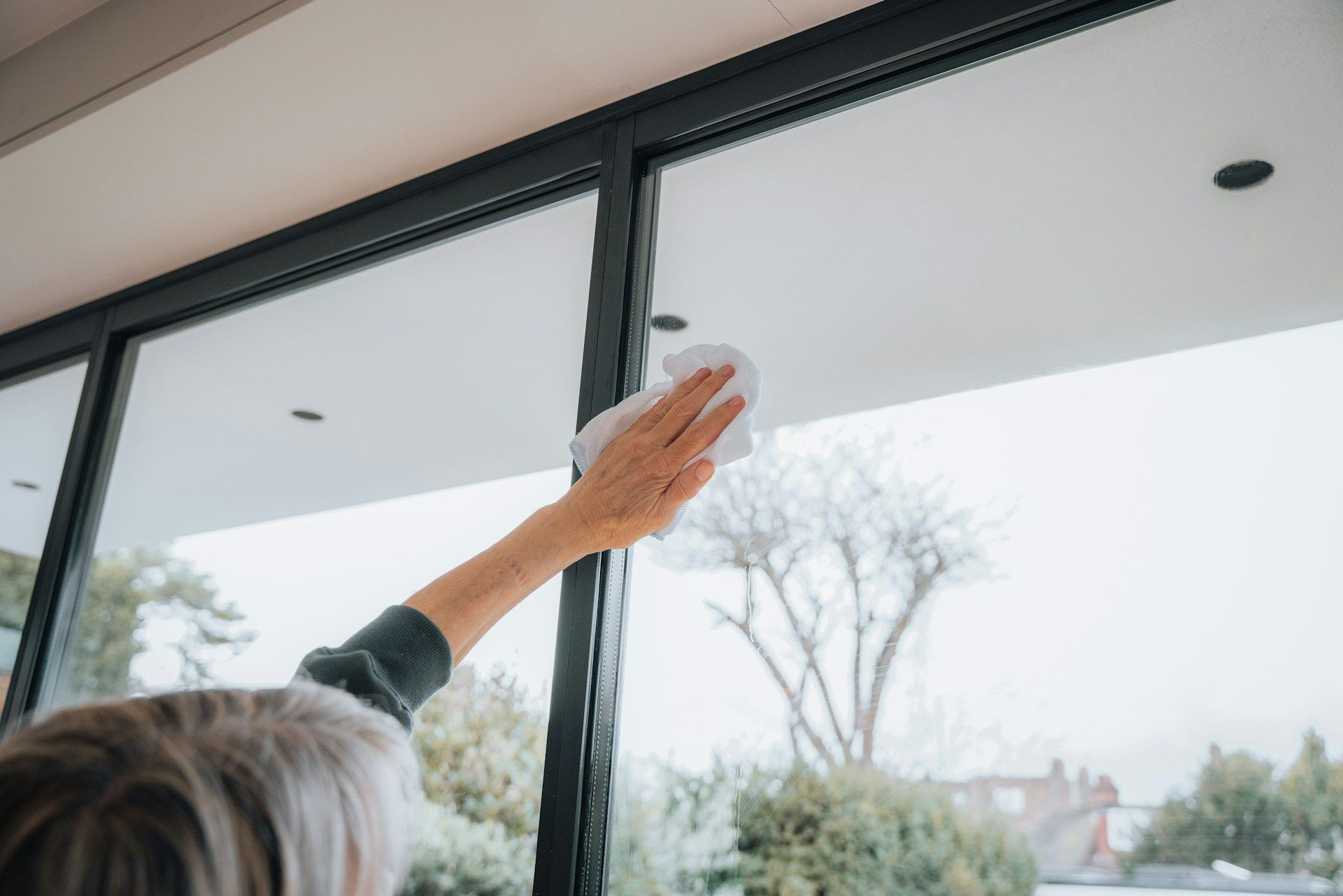
- Clean the glass thoroughly. Contaminants reduce adhesion and cause visible spots and bubbles that affect long-term performance. Use a lint-free cloth with a quality glass cleaner and allow the surface to dry completely before touching the film.
- Cut the film to size. Leave a small overlap on all edges, typically a quarter inch, to account for minor alignment shifts during application. You can trim the excess after the film is seated.
- Apply the slip solution. A light mist of water-based solution on the adhesive side lets you reposition the film before it locks into place. Work quickly but deliberately.
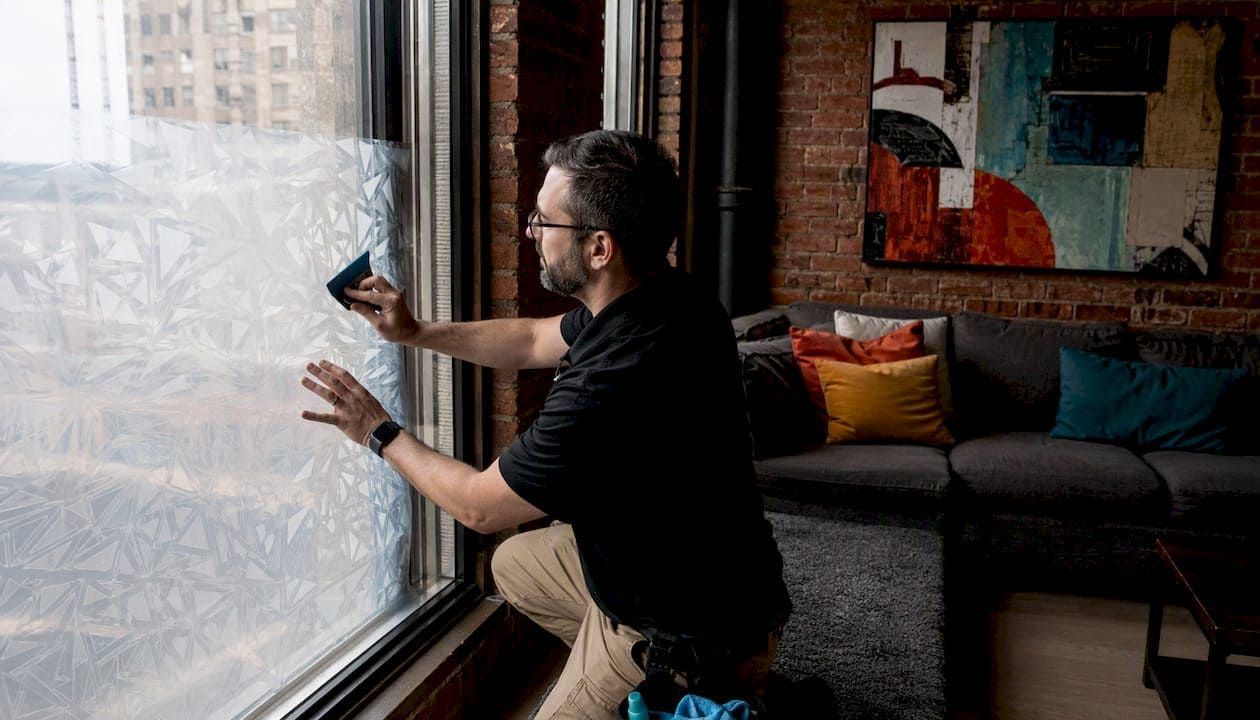
- Squeegee from center outward. Use firm, overlapping strokes to push air and excess solution toward the edges. Do not rush this step. Trapped air becomes visible bubbles that can lift the film over time.
- Trim and seal the edges. Final trimming with a sharp utility knife gives you a clean border. Press the edges firmly with a squeegee tool to maximize adhesion at the most vulnerable points.
- Allow full curing time. Adhesive-backed security films need time to fully bond. Avoid cleaning the glass or applying stress to the film for at least 30 days post-installation.
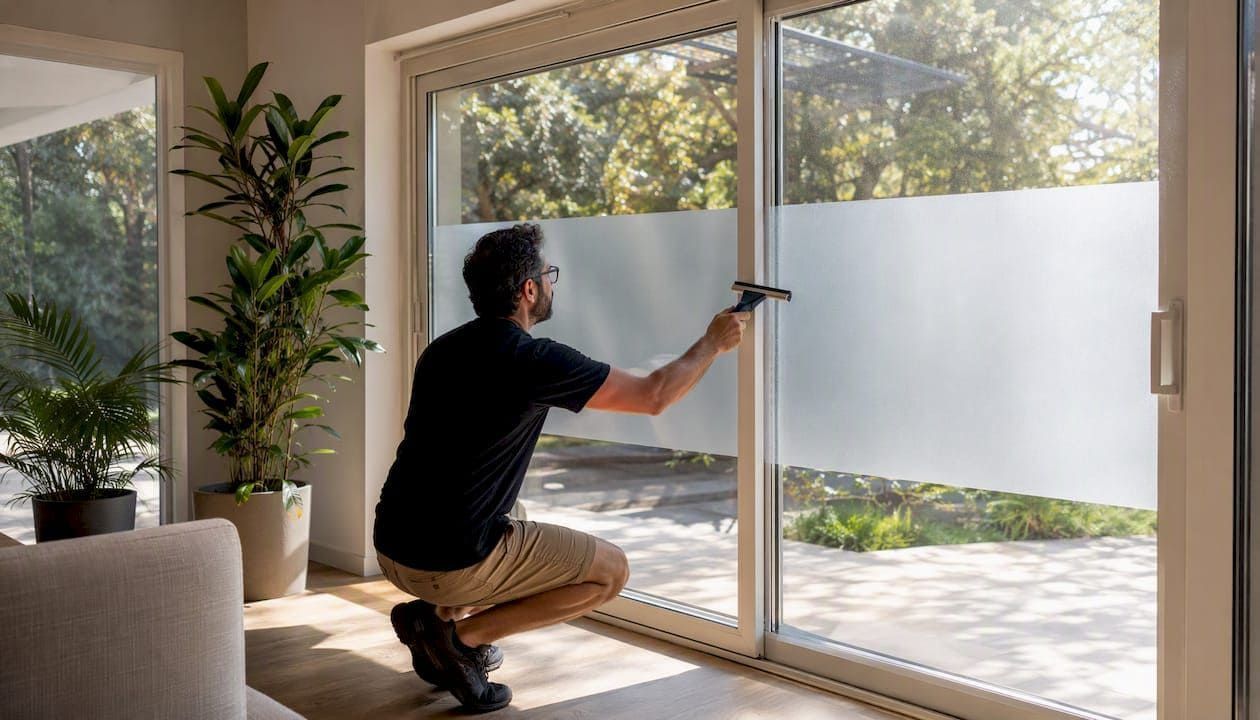
DIY installation can take under 30 minutes per window when done properly, but that speed assumes experience. First-time installers almost always underestimate how quickly the film wants to stick in the wrong position.
Pro Tip: Temperature and humidity directly affect curing. Ambient conditions during application affect film curing and adhesion, so avoid installation during cold snaps or high-humidity days. A controlled indoor environment between 50°F and 90°F is the target range.
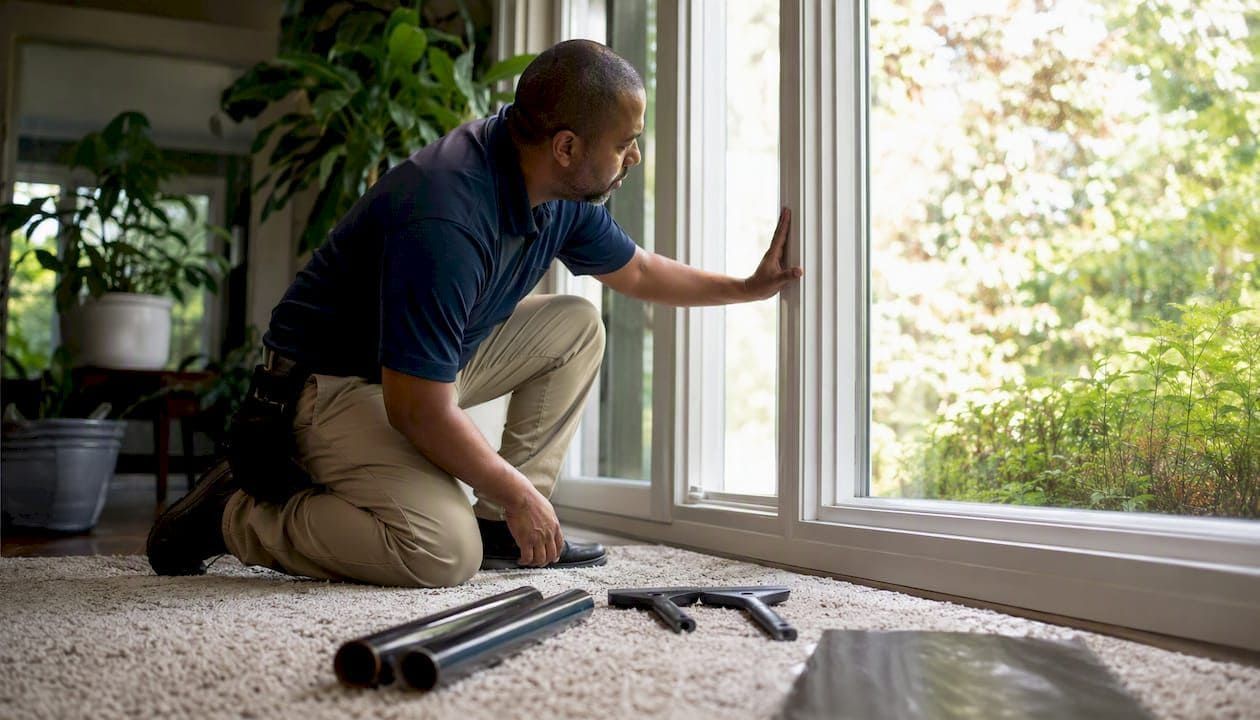
For large commercial projects or any window where security performance is critical, professional installation is the right call. Professionals manage substrate conditions and curing environments in ways that are genuinely difficult to replicate on a job site without experience and the right equipment.
Security film applications across residential and commercial properties
The same core technology serves very different purposes depending on where and how you deploy it. Understanding those differences helps you choose the right film and the right installation approach for your specific situation.
Where residential owners typically install security film
Homeowners most often apply security film for ground-floor windows facing the street, sliding glass doors, sidelights adjacent to entry doors, and garage-facing windows. These are the access points a burglar tests first.
Beyond intrusion delay, the benefits of security film for residential use include:
- UV protection: Most quality films block over 99% of UV rays, protecting furniture, flooring, and artwork from fading without sacrificing visible light.
- Accident protection: In homes with children, security film on glass doors and low windows significantly reduces injury risk from accidental impact.
- Storm and wind resistance: In coastal or high-wind areas, film reduces the hazard of shattered glass during severe weather events.
How commercial properties use security film differently
Commercial applications tend to involve a wider range of threats and higher performance expectations. Retailers use commercial security film on storefront glass primarily to deter smash-and-grab theft, where the entire point of the film is to slow entry long enough that the effort stops being worthwhile.
Property managers in office buildings often prioritize a combination of security, solar control, and privacy. The film selections in these environments balance threat mitigation with occupant comfort, energy savings, and building aesthetics. A film that handles both roles well is worth more than a single-purpose product.
| Property type | Primary security goal | Secondary benefit | Film choice |
|---|---|---|---|
| Single-family home | Intrusion delay, accident protection | UV blocking, privacy | 8 mil, clear or lightly tinted |
| Retail storefront | Smash-and-grab deterrence | Glare reduction | 8 to 12 mil with anchoring |
| Office building | Access control support | Solar control, privacy | 8 mil tinted or dual-purpose |
| School or institution | Forced-entry delay | Safety during incidents | 12 mil or above with anchoring |
One practical consideration that often gets overlooked is building code compatibility. Some jurisdictions have requirements around window security and energy efficiency that affect which films can be applied to which glass types. A site survey by a qualified installer catches these issues before they become expensive problems.
My take: what security film actually does for you
I have seen property managers spend significant money on security film expecting it to function like armor. Then they get frustrated when a consultant tells them the film alone does not meet a Level 3 ASTM rating. That frustration comes from a gap in expectations, not a flaw in the product.
In my experience, the property owners who get the most value from security film are the ones who understand what they are buying. Film is a delay and fragment retention tool. It is not a fortress. When it is paired with the right frame hardware, a proper anchoring system, and an overall security strategy that includes alarm systems and access control, it becomes genuinely powerful.
What I have learned over time is that the installation quality determines whether the spec sheet performance ever shows up in the real world. I have seen correctly rated films fail early because of poor adhesion from a rushed install. I have also seen budget films perform surprisingly well because the preparation and application were meticulous. The product matters, but the process matters just as much.
The cost question comes up constantly. Security film is worth the investment when your expectations are calibrated correctly. If you are expecting to eliminate risk entirely, nothing achieves that. If you are expecting to meaningfully raise the effort required to breach a window, reduce injury exposure, and add UV and solar benefits on top of that, security film delivers on all three.
See it for yourself before you commit
Choosing the right security film for your property is much easier when you can visualize the options before installation day.
Surfacetint offers interactive tools that let you see exactly how different film products look on residential and commercial windows. Use the residential film viewer to explore options for your home, or try the commercial window film viewer to see how films look on storefronts and office glass. When you are ready to talk specifics, request a free estimate and get a site assessment from Surfacetint's team of LLumar SelectPro installers. They will match you with the right film, the right thickness, and the right anchoring approach for your property type and threat level.
FAQ
What does security film actually do to glass?
Security film does not prevent glass from breaking. It holds the broken fragments together after impact, which slows forced entry and dramatically reduces the risk of injury from flying shards.
What thickness of security film do I need for my home?
For most residential applications, 8 mil film provides a strong balance of protection and value. Ground-floor windows with higher exposure may benefit from a thicker film paired with an edge anchoring system.
Is security film worth it for commercial properties?
Yes, particularly for ground-floor storefronts and lobbies. Film delays smash-and-grab entry, reduces liability from glass injuries, and often adds solar control and UV blocking benefits that contribute to lower energy costs.
How long does security film installation take?
A single window can take under 30 minutes with proper preparation. Larger commercial projects or installations requiring anchoring systems take longer and are best handled by a professional installer to protect performance and warranty coverage.
Does security film work on all window types?
Not always. The effectiveness of the installation depends on the glass type, frame condition, and compatibility with the chosen anchoring method. A site assessment before specification catches compatibility issues and ensures the film performs as specified.
Recommended