
Building Security Enhancement Tips for Safer Properties
TL;DR:
- Most security breaches result from physical vulnerabilities like weak doors or blind spots, not advanced systems. Implementing layered defenses, including structural reinforcements and proper policies, is essential for effective building security. Regular maintenance and staff training ensure these security measures remain operational and deterrent.
Most security breaches don't happen because someone outsmarted an advanced system. They happen because a door frame was weak, a camera had a blind spot, or a visitor walked in unchallenged at 7 p.m. on a Friday. These building security enhancement tips exist to close exactly those gaps. Whether you manage a single-family home or a multi-tenant commercial property, the principles are the same: layer your defenses, know your weaknesses, and maintain what you install. This guide walks you through every critical step, from initial risk assessment to technology choices and long-term upkeep.

Table of Contents
- Key Takeaways
- 1. Building security enhancement tips start with a risk assessment
- 2. Reinforcing doors, windows, and perimeter defenses
- 3. Implementing layered electronic security systems
- 4. Managing visitors and controlling access consistently
- 5. Maintaining systems so they actually work
- 6. Training staff and educating residents or tenants
- 7. Comparing security upgrade options by property type and budget
- What I've learned from watching building security up close
- Strengthen your windows as a security layer
- FAQ
Key Takeaways
| Point | Details |
|---|---|
| Start with a risk assessment | Document specific vulnerabilities before spending a dollar on upgrades. |
| Prioritize physical hardening first | Reinforce doors, windows, and perimeter before adding electronics. |
| Layer physical and electronic controls | Combining both creates redundancy that single-system setups cannot match. |
| Maintenance determines real protection | Untested cameras and dead sensor batteries create false confidence. |
| Policy gaps cause more breaches than hardware | Verify that written procedures match what actually happens on site. |
1. Building security enhancement tips start with a risk assessment
Before you buy a single camera or deadbolt, you need a clear picture of where your property is actually vulnerable. A security risk assessment is the process of systematically evaluating your building's perimeter, access points, interior high-risk areas, and after-hours conditions to find the gaps worth fixing first.
A solid assessment covers these areas:
- Perimeter and exterior access: Are fences intact? Is lighting adequate at every entry point?
- Doors and locks: Check for weak frames, outdated hardware, and doors that don't close flush.
- Visitor handling: Who monitors who enters and exits, and is there a documented process?
- Surveillance coverage: Map camera positions and identify blind spots manually.
- Alarms and sensors: Confirm they're operational and connected to a monitored response.
- Incident response documentation: Are past incidents logged and reviewed for patterns?
Effective property security begins with vulnerability assessments that evaluate physical weak points, crime data, and asset priorities to guide cost-effective improvements. Evaluating older locks, door frames, and coverage gaps helps focus your budget on the most exposed areas first.
Security audits are most effective when backed by objective evidence like access logs, incident reports, and maintenance records. That documentation turns a walkthrough into a prioritized action plan rather than a gut-feel list.
Pro Tip: Run your assessment during business hours and again after hours. After-hours conditions are often weaker and overlooked, and audits that skip off-hours scenarios miss the vulnerabilities most likely to be exploited.
2. Reinforcing doors, windows, and perimeter defenses
Physical hardening is the most cost-effective layer of protection you can add. Most residential break-ins involve forced entry through doors or windows, and the fix is often less expensive than people assume.
For doors, focus on these three upgrades first:
- Replace standard strike plates with heavy-gauge steel plates secured with 3-inch screws.
- Install deadbolts with a minimum 1-inch throw on all exterior doors.
- Reinforce door frames with metal inserts or door armor kits, since the frame fails before the lock in most forced entries.
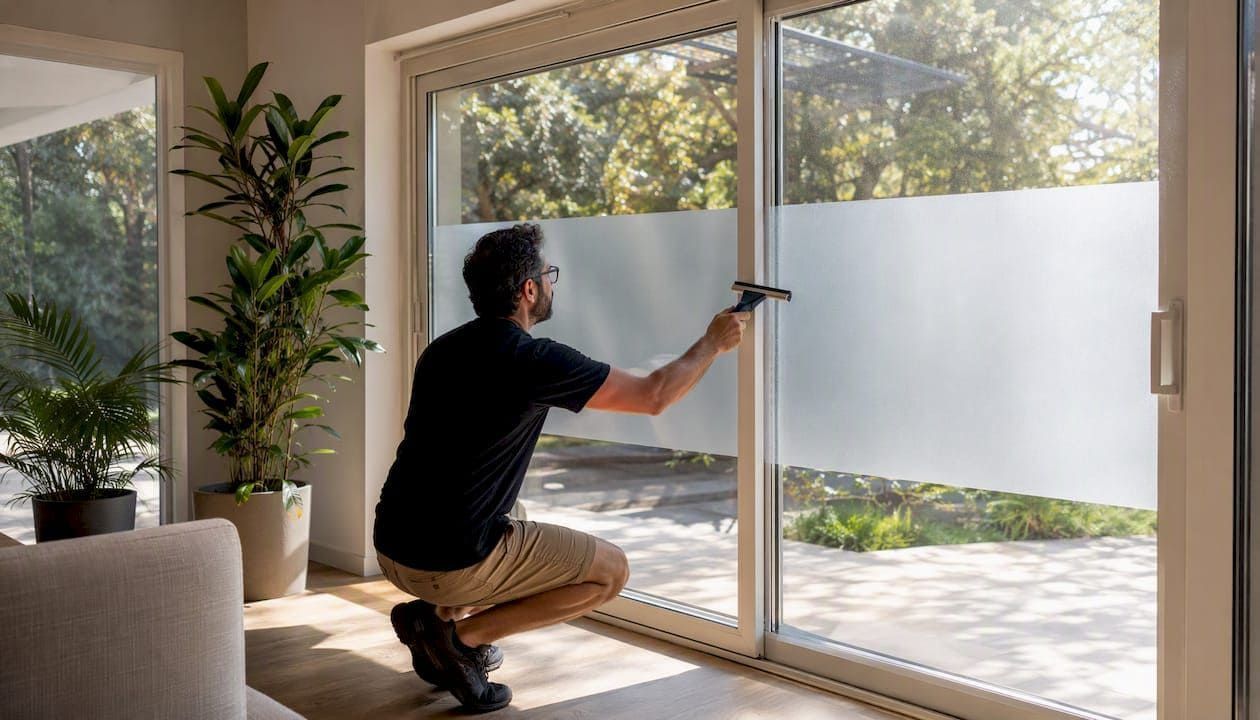
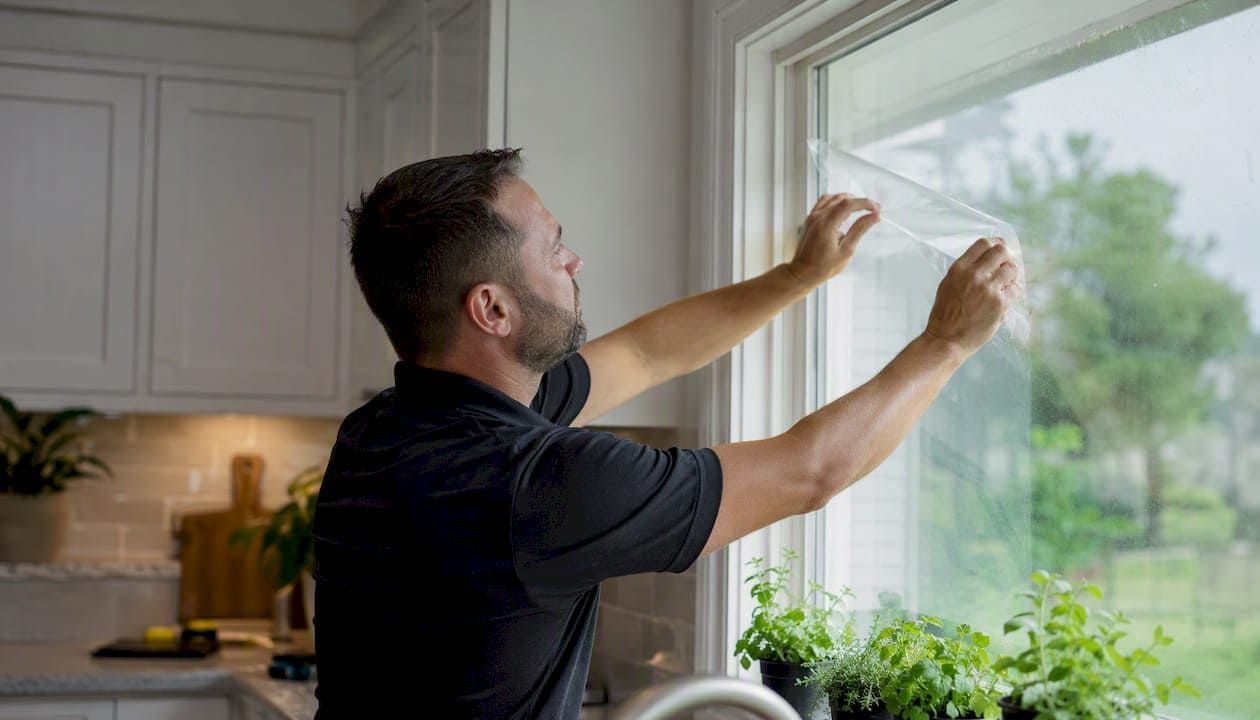
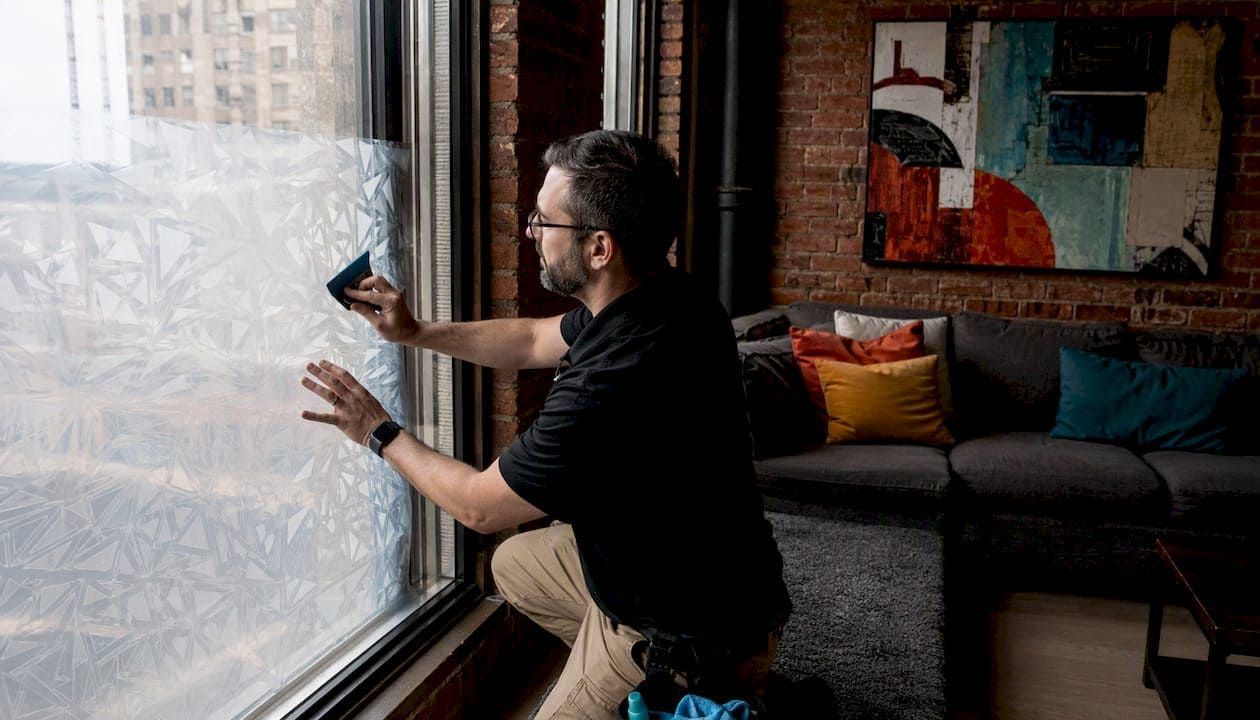
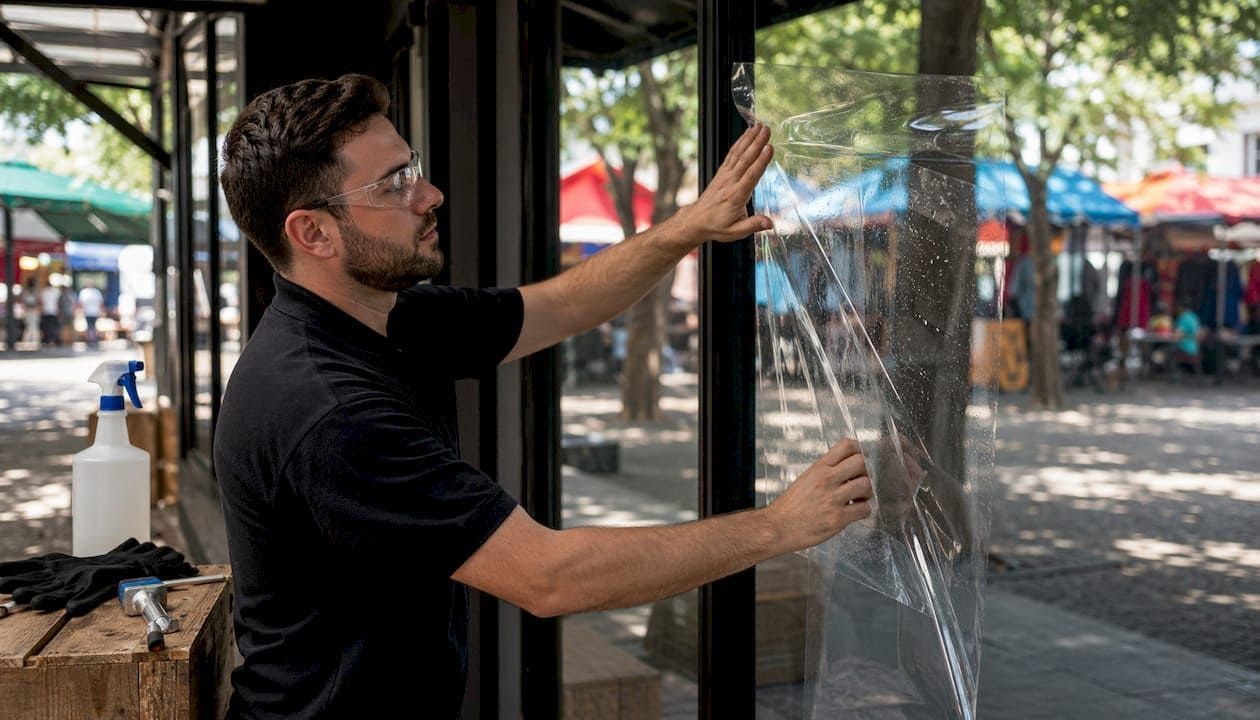
Windows deserve equal attention. Standard single-pane glass breaks with one strike, and even double-pane windows offer minimal resistance. Window security films bond to the glass and hold shattered pieces in place, significantly slowing forced entry. You can explore window security and energy upgrades that address both concerns at once, which makes the investment easier to justify on a budget.
For your perimeter, CPTED principles advise removing dark zones and improving natural surveillance through strategic lighting, landscaping, and maintenance. Motion-activated floodlights at all entry points, trimmed shrubs below window height, and clear sightlines from the street all reduce the anonymity that opportunistic offenders rely on.
Pro Tip: Thorny shrubs like hawthorn or holly planted beneath ground-floor windows act as a low-cost physical deterrent. Offenders avoid them, and they require almost no maintenance once established.
3. Implementing layered electronic security systems
No single device secures a building. The goal is a system where surveillance, access control, and alarms work together so that if one layer is bypassed, another catches it.
Here's how each component functions in a layered design:
- CCTV and cameras: Camera placement should complement building operations, not be retrofitted haphazardly. Cover all primary entry and exit points, parking areas, and interior high-value zones with overlapping fields of view.
- Motion-activated lighting: Integrated with cameras, motion lights force movement into well-lit zones where footage is usable and visible to neighbors or passersby.
- Access control systems: Key cards, PIN pads, and biometric readers each have tradeoffs in cost and security level. Key cards are easy to manage but can be lost or shared. Biometrics eliminate credential sharing but cost more upfront.
- Alarm systems: Alarms connected to a monitored response center add human judgment to automated detection. Standalone sirens deter casual intruders but don't trigger a response if no one is nearby.
| System type | Best for | Limitation |
|---|---|---|
| CCTV with cloud storage | Properties needing remote review | Requires reliable internet |
| Key card access control | Multi-tenant buildings | Cards can be shared or lost |
| Biometric access | High-security interior zones | Higher cost per door |
| Motion-activated lighting | Perimeter deterrence | Not a detection tool alone |
| Monitored alarm system | Full-site coverage | Monthly monitoring fees apply |
Multi-factor and layered physical access controls are required in regulated facilities, with visitor escort policies and access logs retained for at least 90 days. Even if your property isn't regulated, these are practical standards worth applying.
4. Managing visitors and controlling access consistently
Visitor management is where policy gaps turn into real security incidents. Real security incidents exploit gaps in credential management and visitor policies more often than technology failures. A working camera system means nothing if an unauthorized person walked in through the front door because no one checked ID.
A practical visitor management process includes:
- Require photo ID and sign-in for all visitors, including contractors and delivery personnel.
- Issue temporary badges that are visually distinct and collected upon exit.
- Assign an escort policy for any visitor accessing restricted areas.
- Log every visit with entry time, exit time, and purpose.
For property managers, these logs also serve as liability protection. If an incident occurs, you have documentation of who was on site and when.
Pro Tip: Test your visitor policy by sending an unfamiliar face to the front entrance without an appointment. If they get through unchallenged, your policy exists only on paper.
5. Maintaining systems so they actually work
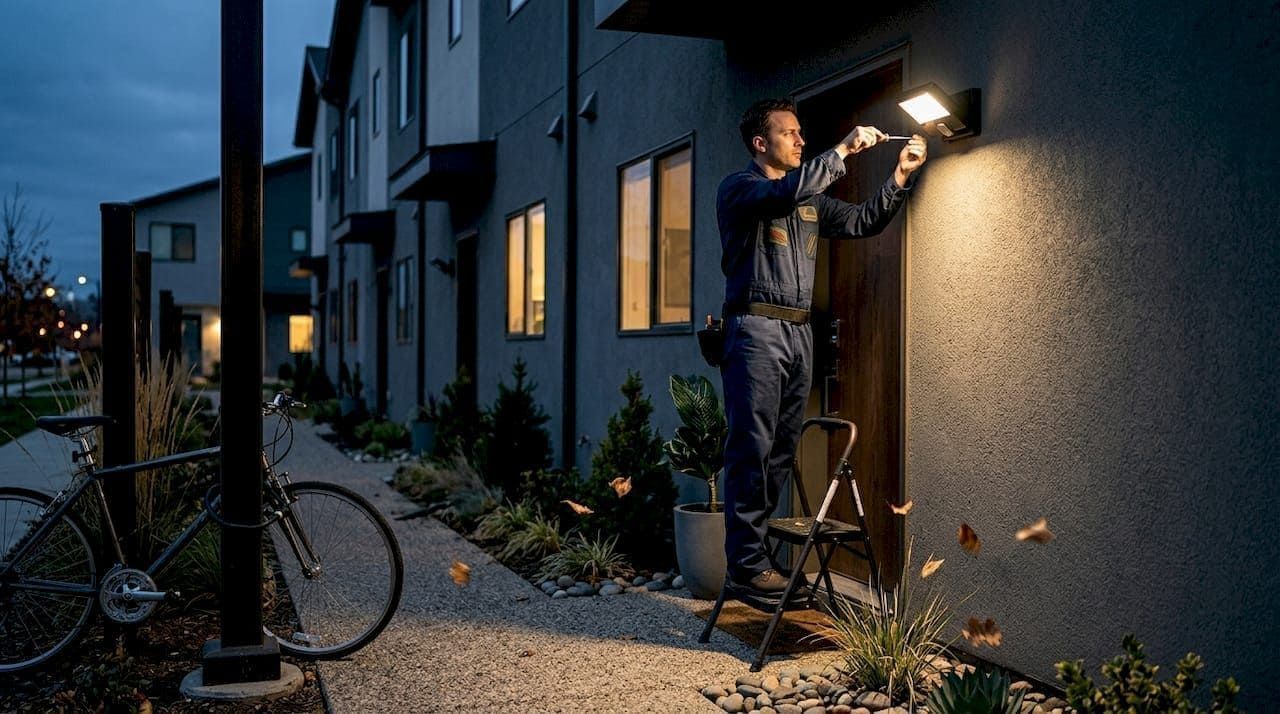
A camera with a dirty lens, a motion sensor with a dead battery, or an alarm that triggers false alerts so often that staff ignore it: these are not security upgrades. They're security theater. Regularly scheduled maintenance reduces false alarms, device failures, and software vulnerabilities, enabling reliable alerts and recordings.
Build maintenance into your calendar with these specific tasks:
- Clean camera lenses monthly, especially exterior units exposed to dust and weather.
- Test all sensors and alarms quarterly, including under simulated after-hours conditions.
- Replace batteries in wireless sensors twice a year, regardless of battery status indicators.
- Update firmware and access control software as soon as patches are released.
- Review and update access logs, removing credentials for anyone who no longer has authorized access.
Security audits must test effectiveness during normal, after-hours, and emergency conditions. Written procedures and actual practices often diverge over time, and that gap is where the largest vulnerabilities live.
Pro Tip: Keep a simple maintenance log with dates, findings, and corrective actions. If you ever need to demonstrate due diligence after an incident, that log is your evidence.
6. Training staff and educating residents or tenants
Technology and hardware are only as effective as the people using them. A well-trained staff member who challenges a tailgater provides more deterrence than an unmonitored camera.
Training priorities for property managers:
- Conduct access control and visitor verification training at onboarding and annually after that.
- Run tabletop exercises simulating a breach or emergency to test staff response.
- Share incident summaries (without personal details) with tenants so awareness stays current.
For homeowners managing rental units, brief your tenants on what to report and how. A neighbor who notices an unfamiliar vehicle parked for three days is a detection asset. That's a natural surveillance principle from CPTED applied through human behavior rather than hardware. CPTED works by reducing offender anonymity through design and community awareness that makes properties less attractive targets.
7. Comparing security upgrade options by property type and budget
Not every upgrade fits every property. A solo homeowner has different priorities and budget constraints than a property manager overseeing a 50-unit commercial building. The table below gives you a side-by-side reference.
| Upgrade | Best for | Budget level | Maintenance needed |
|---|---|---|---|
| Deadbolts and strike plates | All properties | Low | Minimal |
| Security window film | Homes and storefronts | Low to medium | Annual inspection |
| Motion-activated lighting | All perimeters | Low | Battery or bulb checks |
| Key card access control | Multi-unit buildings | Medium to high | Log reviews, card audits |
| Cloud CCTV system | All properties | Medium | Monthly lens cleaning |
| Monitored alarm system | All properties | Medium | Quarterly testing |
| Biometric access control | High-security zones | High | Firmware updates |
The most cost-effective sequence for most homeowners is: physical hardening first (doors, windows, lighting), followed by a monitored alarm, then cameras. For property managers, access control and visitor logging should move up the priority list because credential management is the most common gap at scale.
Layered security solutions designed around facility operations perform significantly better than retrofitted add-ons. That means planning your upgrades as a system, not as isolated purchases.
What I've learned from watching building security up close
I've reviewed a lot of security setups over the years, and the pattern that surprises people most is this: the buildings with the most equipment are rarely the most secure. What I've found actually determines real security is maintenance discipline and honest policy testing.
The most common overlooked weakness I see is visitor management after hours. Everyone tightens up during business hours, but side doors get propped open, contractors come and go unchecked, and nobody reviews the access logs until something goes wrong.
The second thing I'd push back on is the instinct to start with cameras. Cameras don't stop anything. They document what happened. Physical hardening, strong lighting, and a real visitor process stop things. Cameras help you understand what went wrong after the fact, and that's genuinely useful. But it's not prevention.
My honest take on building security enhancement checklists: use them, but also walk the property yourself at 9 p.m. on a weeknight. You will find things no checklist captures.
Strengthen your windows as a security layer
One security upgrade that often gets skipped is the glass itself. Windows are a primary entry point for forced intrusions, and standard glass provides almost no resistance. Surfacetint installs professional-grade safety and security window films for homes and commercial properties across Southern New Hampshire and the Greater Boston Area.
LLumar Vista security films hold shattered glass in place, slowing forced entry and reducing injury risk from broken glass. Privacy films also deter opportunistic break-ins by limiting visibility into your home or building's interior. As a bonus, the same films block UV radiation and reduce heat gain, which lowers energy costs year-round. Surfacetint's films address multiple security layers in a single installation. Request a free estimate and find out which film is right for your property. You can also learn more about home security window film installation and benefits.
FAQ
What should a building security enhancement checklist include?
A building security enhancement checklist should cover perimeter integrity, door and lock strength, window security, surveillance coverage, access control procedures, visitor management, alarm testing, and incident documentation. Reviewing each category at least annually keeps your security current.
How do I prioritize security upgrades on a limited budget?
Start with physical hardening: reinforced doors, deadbolts, strike plates, and window security film. These are low-cost and address the most common entry methods before investing in electronic systems.
What is the most common overlooked vulnerability in building security?
Visitor management and after-hours access control are the most frequently overlooked gaps. Policy adherence versus written procedures often reveals the largest real-world vulnerabilities beyond hardware issues.
How often should electronic security systems be tested?
Test alarms and sensors at least quarterly, clean camera lenses monthly, and update firmware as patches are released. Regular testing is what separates a functioning security system from one that only looks operational.
Does window film actually improve building security?
Yes. Security window films hold broken glass together on impact, slowing forced entry significantly. They also provide privacy that deters opportunistic intrusions by preventing outsiders from seeing valuables inside your property.
Recommended