
What Is Glass Enhancement Film for Your Property
TL;DR:
- Most property owners overlook glass enhancement film's versatility beyond aesthetics, despite its ability to significantly reduce cooling costs, block UV rays, and strengthen glass. It works as a permanent coating using multi-layer nanotechnology to address heat, safety, and privacy issues, providing measurable benefits like energy savings, enhanced security, and improved occupant comfort. Proper installation and matching film types to specific needs are essential for maximizing performance and return on investment in both residential and commercial buildings.
Most property owners assume window film is a cosmetic upgrade, something you add when you want a tinted look or a bit more privacy. That assumption is costing them money. Glass enhancement film is actually one of the most versatile building improvement products available, capable of reducing cooling costs by 15 to 30%, blocking nearly all UV radiation, and significantly strengthening glass against impact. If you manage a residential or commercial property and have not seriously evaluated what is glass enhancement film and what it can do, this guide will change how you think about your windows.
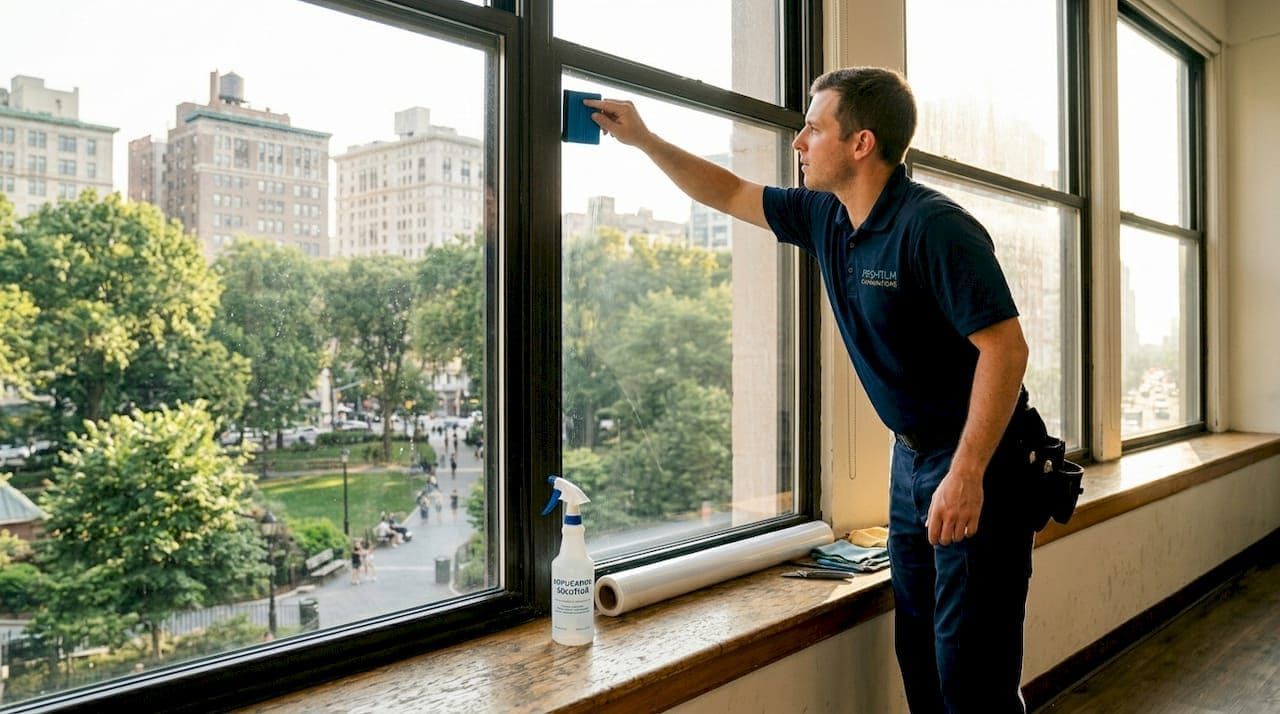
Table of Contents
- Key takeaways
- What is glass enhancement film and how does it work
- Key benefits of glass enhancement film for properties
- Types of glass protection film and their applications
- Installation and maintenance best practices
- Cost and return on investment
- My take on glass enhancement film as a building investment
- See what glass enhancement film can do for your property
- FAQ
Key takeaways
| Point | Details |
|---|---|
| Film is more than tint | Glass enhancement film controls heat, UV rays, safety, and privacy, not just appearance. |
| Energy payback is fast | Most films pay for themselves in 3 to 5 years through reduced cooling and heating costs. |
| Safety film holds glass together | Security films keep shattered fragments in place, reducing injury risk and delaying intruders. |
| Multiple film types exist | Solar control, safety, and decorative films each serve distinct purposes and building locations. |
| Professional installation matters | Proper installation with the right sealants is critical for performance, longevity, and code compliance. |
What is glass enhancement film and how does it work
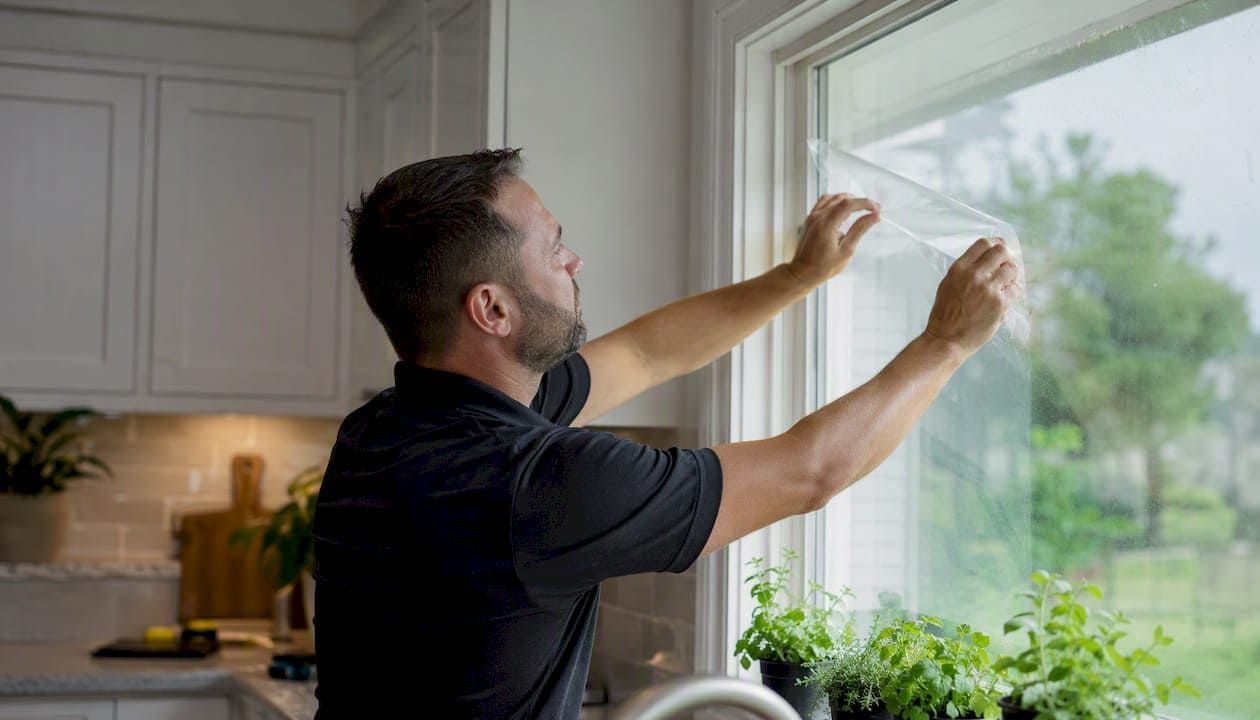
Glass enhancement film is a thin, multi-layer polyester or polyethylene terephthalate (PET) sheet applied directly to the interior surface of existing glass. It is not a replacement for the glass itself. Think of it as a permanent functional coating that changes what your glass can do without changing the glass itself.
The construction is more complex than it looks. Most high-performance films use multi-layer nanotechnology to precisely control light transmission and reflectivity. Each layer serves a specific purpose, whether that is absorbing infrared heat, reflecting UV rays, or holding glass fragments together after impact. The film adheres to glass through a pressure-sensitive adhesive, activated during installation with a soapy water solution that allows repositioning before the final cure.
Here is what each major film type does at a functional level:
- Solar control films reflect and absorb solar infrared heat before it passes through the glass, reducing indoor temperatures without blocking natural light
- Safety and security films add tensile strength to the glass surface, so when glass breaks, the film holds the shards together rather than letting them scatter
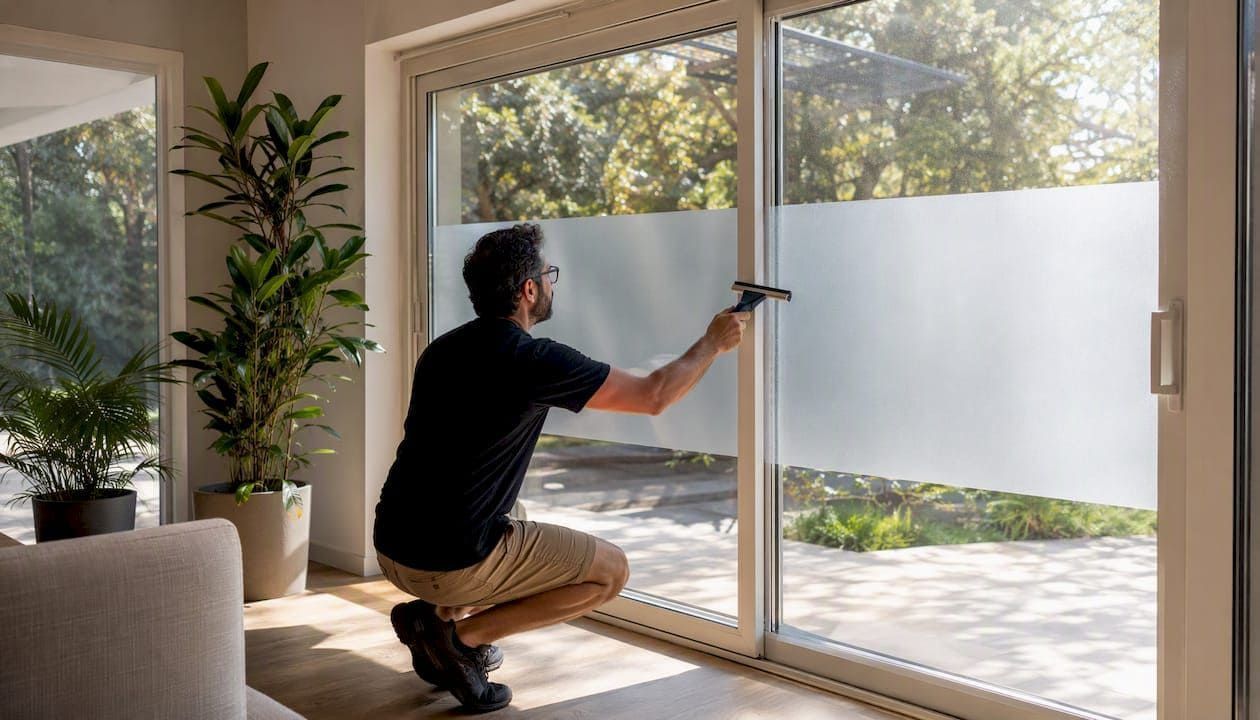
- Decorative and privacy films use frosted, textured, or patterned finishes to obscure sightlines while maintaining natural light flow through the glass
The UV blocking mechanism applies across nearly all film types. Premium films block up to 99.9% of UV rays, which is the primary cause of furniture, flooring, and artwork fading. That protection alone makes film worth considering for any property with significant interior furnishings or retail merchandise near windows.
Pro Tip: Not all films block the same spectrum. Solar control films handle infrared heat (the warmth you feel), while UV-blocking films address ultraviolet radiation (the fading you see). The best products do both simultaneously.
Key benefits of glass enhancement film for properties
The glass film benefits that matter most to property owners fall into four categories: energy performance, safety, comfort, and appearance. Each one represents a concrete, measurable improvement to your building.
Energy performance
Reducing HVAC load through solar control film is one of the highest-ROI upgrades you can make to an existing building. Window film can reduce energy use by as much as 19 kWh per square foot of glazing. For a commercial building with significant window exposure on south or west-facing facades, that adds up to thousands of dollars annually. For homeowners in New England, the winter efficiency gains from heat-retention films are just as significant as summer cooling savings.
| Benefit category | Measurable impact | Typical application |
|---|---|---|
| Cooling cost reduction | 15 to 30% savings on HVAC | South and west-facing windows |
| UV ray blocking | Up to 99.9% blocked | All exposures, especially skylights |
| Heat retention (winter) | Reduced heat loss through glass | Single-pane and older double-pane windows |
| Glare reduction | Controlled light transmission | East-facing offices, home workspaces |
| Fading protection | Slows UV-driven fading significantly | Retail displays, living rooms, galleries |
Safety and security
Safety window film addresses something standard glass simply cannot offer: containment after breakage. When glass shatters from an accidental impact, a weather event, or a forced entry attempt, the film holds the fragments in place. This directly reduces the risk of laceration injuries and slows intruder access. A 25-mil security film does not make glass unbreakable, but it significantly increases the time and effort required to breach it, which is often enough of a deterrent.
For retail storefronts, schools, and commercial properties in areas with elevated security concerns, this is not optional protection. It is the kind of upgrade that loss-prevention managers and insurance underwriters recognize immediately.
Pro Tip: For safety and security applications, always ask your installer about attachment sealants. Film applied without proper IPA sealant along the frame perimeter significantly underperforms in impact and windstorm scenarios, regardless of the film's rated thickness.
Comfort and tenant satisfaction
Controlling glare and hot spots near windows is one of those improvements that tenants and employees notice immediately but rarely attribute to a specific cause. The result is measurable in tenant retention and productivity, even if it is harder to quantify than an energy bill. Property managers overseeing multi-tenant commercial spaces consistently report fewer complaints about uncomfortable work areas after solar film installation.
Types of glass protection film and their applications
Understanding the types of glass protection film available lets you match the right product to the right problem. Applying a decorative privacy film to a window that needs heat control, or a light solar film to a high-risk security situation, will not deliver the outcome you need.
Solar control films
Solar control films are the most widely used category. They work on residential windows, commercial storefronts, office towers, and any glazing that receives direct sun exposure. These films range from lightly tinted to virtually clear, depending on the light transmission level you need. For properties with south-facing window walls or glass atriums, a high-rejection solar film can transform an unusable hot zone into comfortable, usable space.
You can use the energy savings calculator at Surfacetint to estimate the specific impact on your property before committing to installation.
Safety and security films
Security films are thicker (typically 4 to 25 mils) and are engineered for glass retention rather than heat rejection. They are appropriate for ground-level retail windows, entry doors, schools, government buildings, and any property where glass breakage poses a physical risk or security vulnerability. Safety and security films are also increasingly popular in residential properties located in storm-prone areas or neighborhoods with elevated break-in rates.
One important distinction: security film is a deterrent and injury-reduction tool. It is not rated to stop ballistic impacts and should not be marketed or purchased as bulletproofing.
Decorative and privacy films
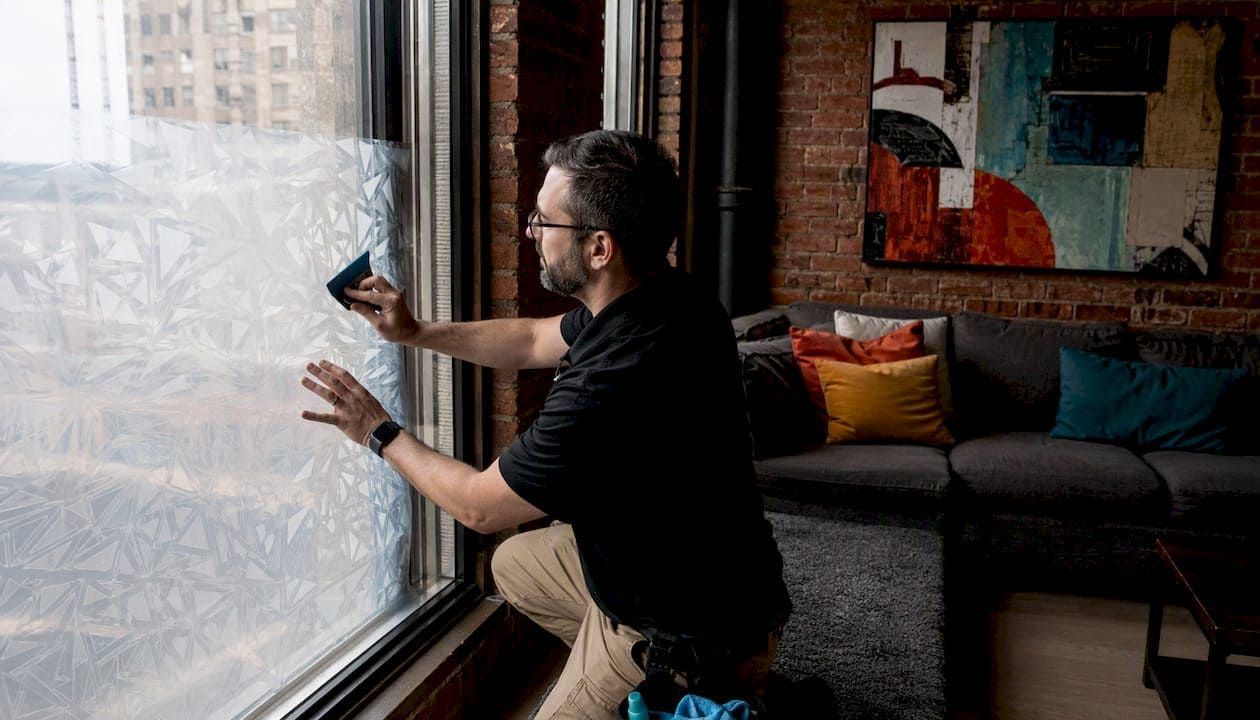
Decorative films like the FASARA line replicate the look of etched, frosted, or textured glass at a fraction of the cost of replacing the glass itself. They are ideal for conference room partitions, office lobbies, bathroom windows, and retail interiors where privacy matters but permanent alteration is not desired. The film can be removed or replaced without damaging the glass, making it a favorite for leased commercial spaces.
Here is a quick comparison to help match film type to your situation:
- Solar control: Best for any sun-exposed window where heat and glare are problems
- Safety and security: Best for ground-level glass, entry points, and storm-risk areas
- Decorative and privacy: Best for interior partitions, bathroom windows, and aesthetic customization
- Combination films: Some products deliver solar control and UV blocking in a single layer, useful when multiple problems need one solution

Installation and maintenance best practices
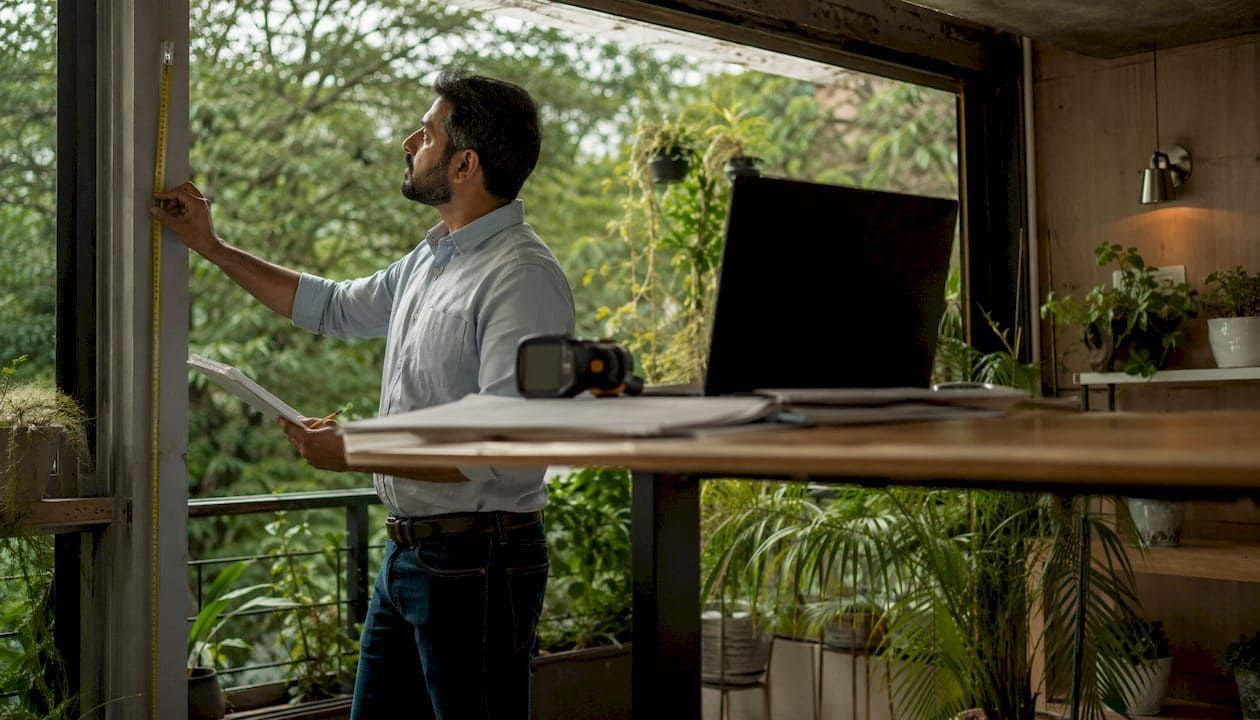
How glass enhancement film is installed determines how long it lasts and how well it performs. Film applied to the wrong glass type, or installed without accounting for site conditions, will bubble, peel, or delaminate prematurely. Effective installation requires knowledge of glass type, existing coatings, orientation, and climate exposure.
Here is what to expect from a professional installation and how to maintain film afterward:
- Glass assessment before installation. A qualified installer evaluates the glass type, existing tint, and frame condition. Certain films are not compatible with highly reflective or heat-absorbing glass without risking thermal stress fractures.
- Surface preparation. The glass is cleaned thoroughly with professional-grade solutions to remove contaminants that cause bubbling or adhesion failures.
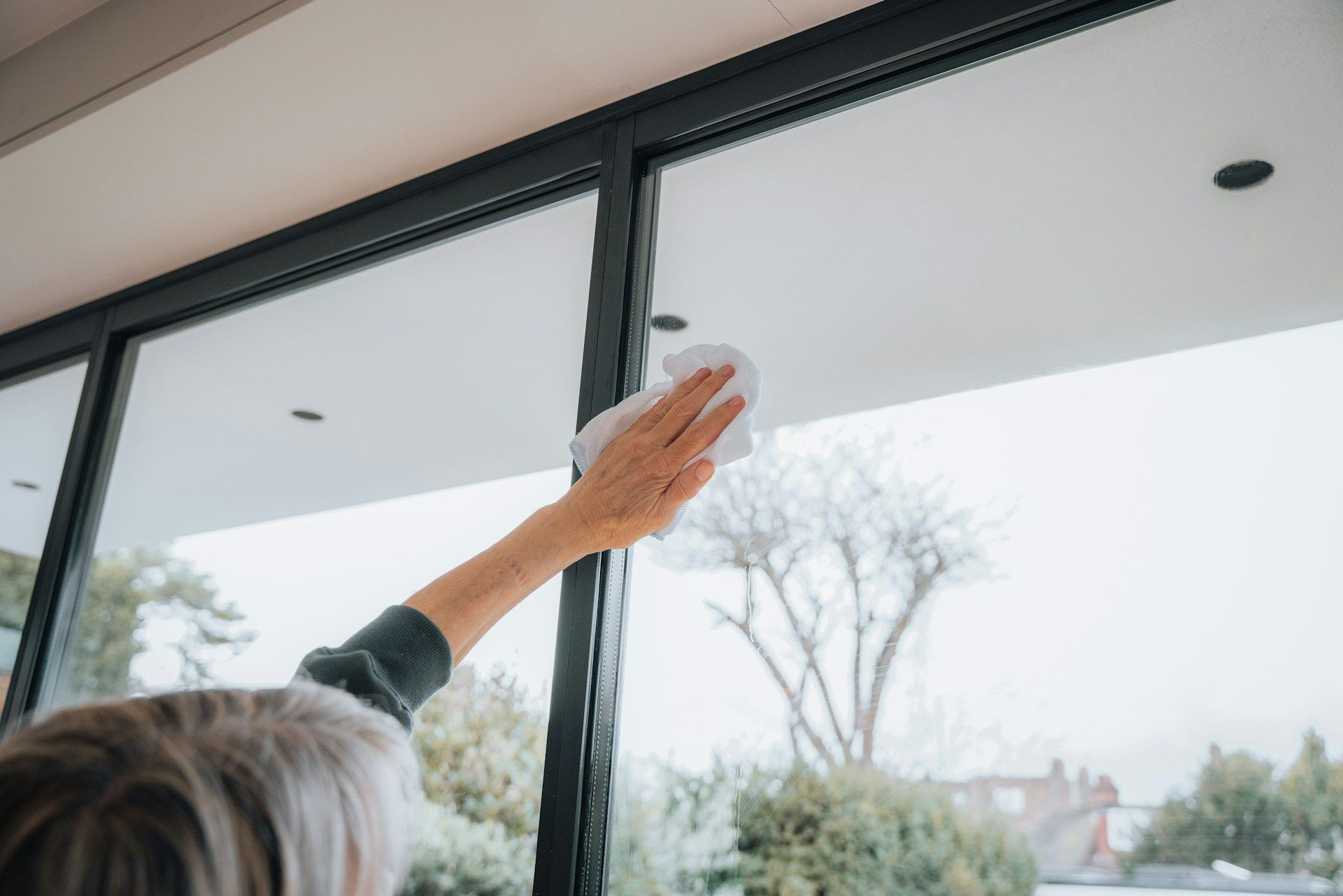
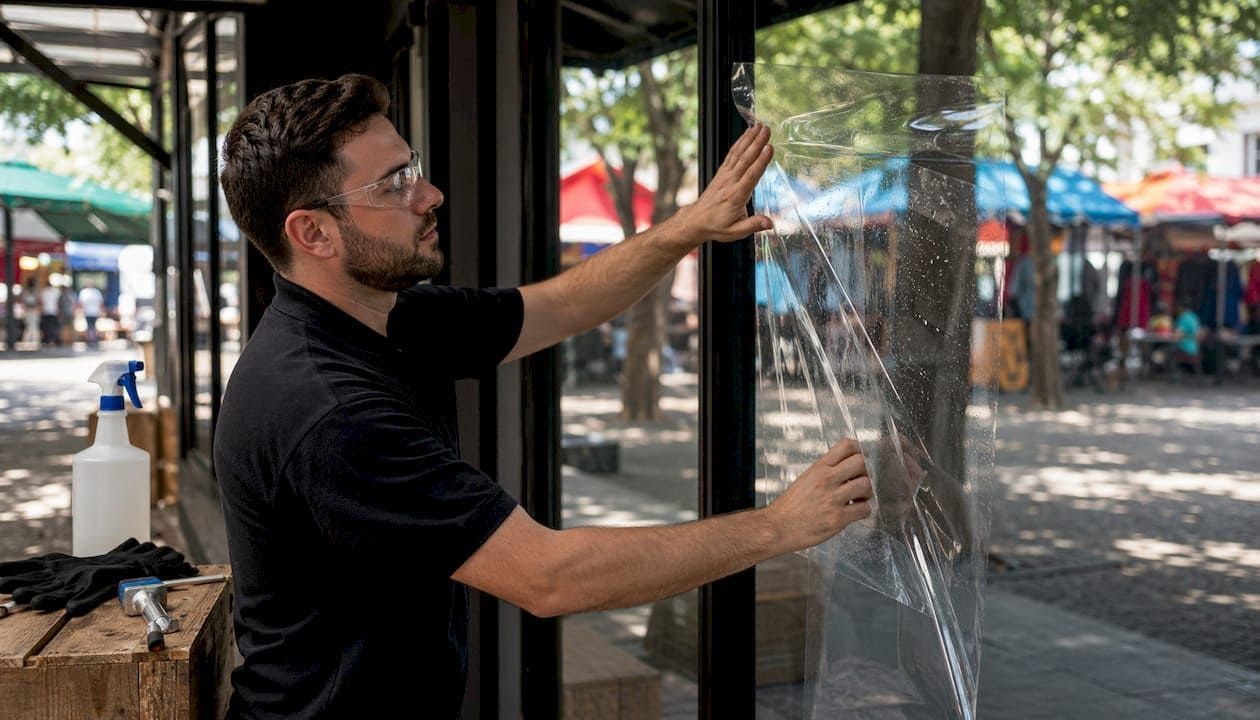
- Film application with slip solution. Installers use a water-based slip solution to position the film precisely before squeegee-pressing it flat against the glass surface.
- Cure time. New film looks slightly hazy or has small water pockets for 30 to 60 days post-installation. This is normal and resolves as the adhesive fully cures.
- Cleaning after cure. Use a soft microfiber cloth and a non-ammonia cleaner. Ammonia-based products like standard glass cleaners degrade the film adhesive over time.
- Inspection and warranty claims. Quality professional installations come with manufacturer-backed warranties. Film lifespan typically ranges from 5 to 15 years depending on film type, exposure, and maintenance.
Cost and return on investment
The cost of glass enhancement film varies by film type, window count, and building complexity. For residential installations, expect to pay between $6 and $15 per square foot installed for solar control films, with security films running higher due to material thickness. Commercial projects are often priced at a lower per-square-foot rate on larger jobs.
The return on investment math is straightforward for most properties:
- Energy savings from solar control film typically generate payback in 3 to 5 years, often less in high-sun climates or large commercial buildings
- HVAC longevity improves when cooling loads decrease, reducing wear on compressors and extending equipment life
- Furnishing replacement costs drop sharply when UV exposure is controlled, particularly relevant for commercial spaces with merchandise, art, or high-end interior finishes
- Insurance considerations are worth exploring with your carrier, as security film installations are recognized by some insurers as a risk reduction measure
- Utility rebate programs exist in several states and municipalities for energy-reducing building improvements; your installer should be able to identify applicable programs in New Hampshire and Massachusetts
3M technical guidance specifically recommends addressing solar gain through film before investing in HVAC replacement, because reducing the thermal load on your existing system is more cost-effective than replacing the system to compensate for uncontrolled heat gain.
My take on glass enhancement film as a building investment
I have worked with property owners across residential and commercial buildings for years, and the most consistent pattern I see is this: glass is the last thing people think about when they budget for building improvements. It should be one of the first.
Windows are your building's weakest thermal and security point. You can upgrade your insulation, replace your HVAC, and install smart thermostats, but if your glass is letting in uncontrolled solar heat or exposing occupants to UV radiation, you are working against yourself. Film addresses the glass problem directly, at a cost that almost any property budget can support.
The benefit I see most consistently underestimated is the comfort factor. You can measure energy savings on a utility bill. The impact on how a space feels , whether it is a home living room that stops being unusable on sunny afternoons or a commercial office where nobody wants to sit near the windows, is real but invisible in the budget spreadsheet. Tenant satisfaction and occupant comfort drive retention. That has a dollar value that rarely gets attached to a window film line item.
My advice for property managers considering film: start with the windows that cause the most complaints or cost the most to condition. A window security and energy efficiency audit of your building will surface the highest-impact locations quickly. Then choose a film type matched to the specific problem at each location rather than applying one product uniformly across the entire property.
See what glass enhancement film can do for your property
If you manage residential or commercial property in Southern New Hampshire or the Greater Boston Area, Surfacetint installs premium LLumar Vista Films across all three film categories: solar control, safety and security, and decorative privacy. Every project starts with a no-pressure consultation to assess your specific glass, orientation, and goals. Whether you are looking to cut energy costs, upgrade home security with window film, or update the look of a commercial space, the team at Surfacetint brings the expertise to recommend and install the right product the first time. You can also browse the completed project gallery to see results across a range of property types. Request your free estimate today and find out exactly what film can do for your windows.
FAQ
What exactly is glass enhancement film?
Glass enhancement film is a thin multi-layer polyester sheet applied to the interior surface of glass to control heat, UV radiation, light, privacy, and safety performance. It improves existing glass without replacing it.
How does glass enhancement film save energy?
Solar control films reject infrared heat before it passes through the glass, reducing cooling loads by 15 to 30% and allowing energy savings to offset installation costs within 3 to 5 years.
Does safety film make glass unbreakable?
No. Safety window film holds shattered fragments together to reduce injury and delay forced entry, but it does not prevent glass from breaking under impact.
How long does glass enhancement film last?
Quality films last between 5 and 15 years depending on the film type, sun exposure, and whether proper non-ammonia maintenance practices are followed after installation.
Can glass enhancement film be used on any window?
Most windows are compatible, but certain glass types, including some highly reflective or heat-absorbing panes, require a compatibility assessment first. A professional installer evaluates the glass type before recommending a specific film product.
Recommended