
Tinting's role in commercial interior design
TL;DR:
- Modern commercial window tinting enhances energy efficiency by reducing solar heat gain and lowering cooling costs.
- It also maintains natural light and aesthetic integrity through high-VLT spectrally selective films, supporting interior design trends.
- UV-blocking films protect furnishings and materials from fading, offering long-term savings and improved occupant comfort.
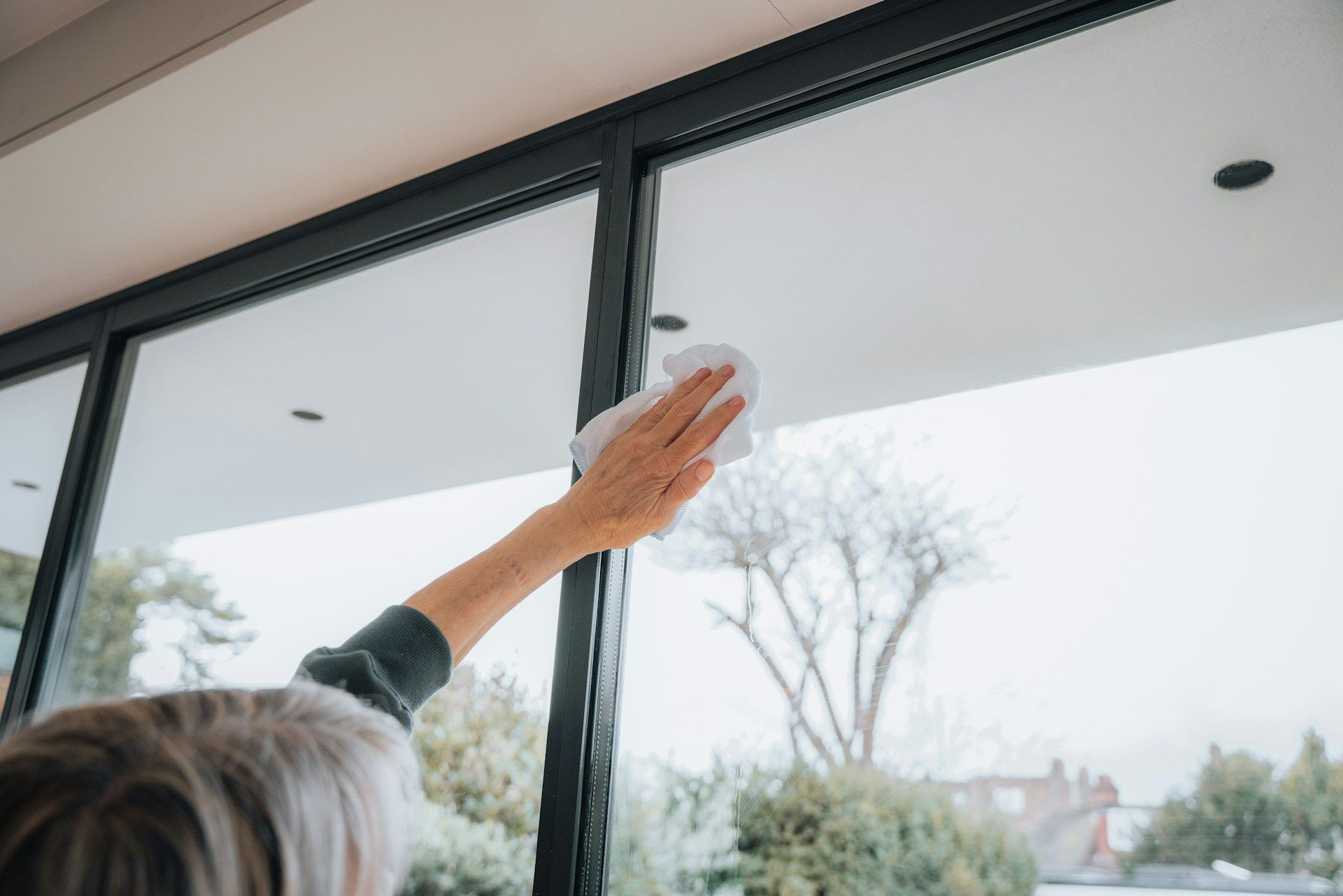
Walk into any sun-drenched office on a summer afternoon in Boston or Manchester and you'll feel it immediately: one side of the room is comfortable, the other is a furnace. Untreated commercial windows are one of the most expensive passive problems a property manager can ignore. The role of tinting in commercial interior design goes far beyond slapping a dark film on glass to cut the sun. Modern window films balance light, heat, privacy, and aesthetics in ways that directly affect energy bills, occupant productivity, and the overall feel of a space. This guide breaks down exactly how.
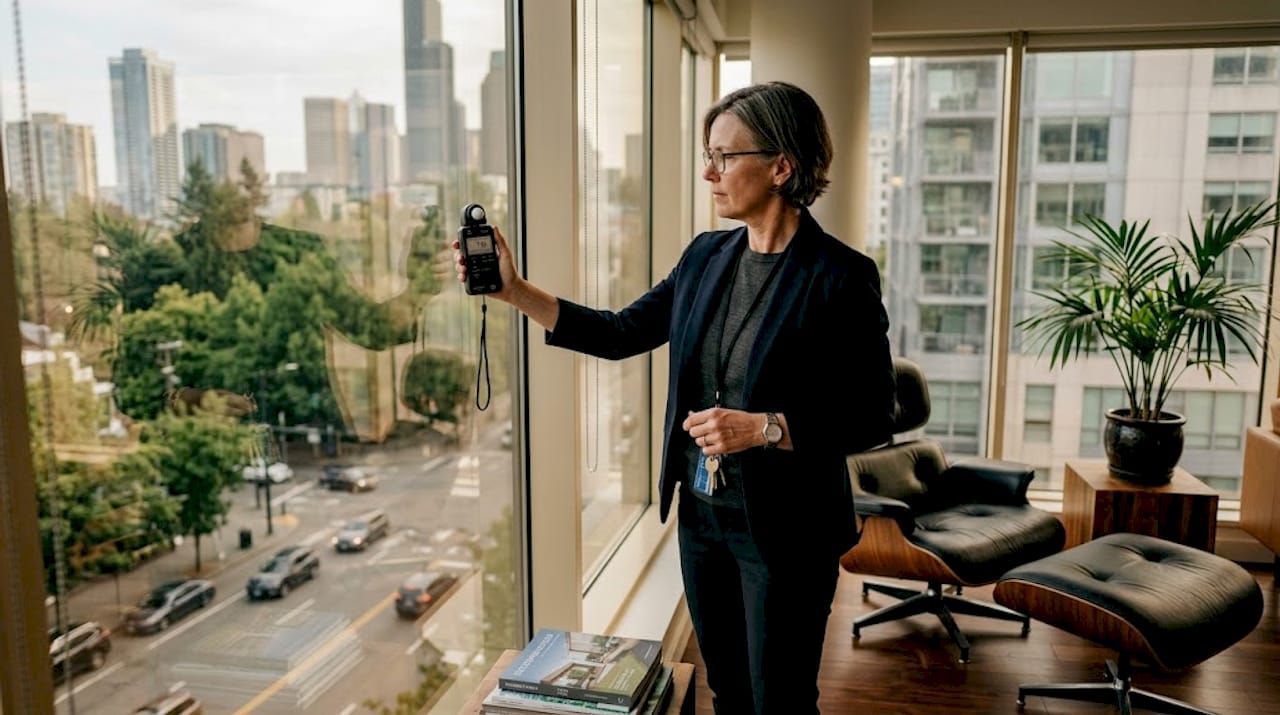
Table of Contents
- How window tinting improves energy efficiency and occupant comfort
- Balancing natural light and design aesthetics with modern tinting technologies
- Protecting interiors: UV ray blockage and fading prevention
- Choosing the right window film for your commercial space
- Why commercial tinting deserves a central role in modern interior design strategies
- Discover commercial window tinting solutions tailored for Southern New Hampshire and Greater Boston
- Frequently asked questions
Key Takeaways
| Point | Details |
|---|---|
| Energy efficiency | Commercial window tinting significantly reduces heat gain, lowering cooling costs and improving comfort. |
| Aesthetic integration | Modern tint films maintain high natural light and complement warm, nature-inspired interior designs. |
| Interior protection | Tinting blocks up to 99% of UV rays, protecting furnishings and finishes from fading. |
| Informed selection | Choosing tint depends on window orientation, SHGC, VLT levels, and professional installation ensures optimal results. |
| Tinting's value | Window tinting enhances occupant wellbeing, productivity, and design, making it a key part of commercial interior strategy. |
How window tinting improves energy efficiency and occupant comfort
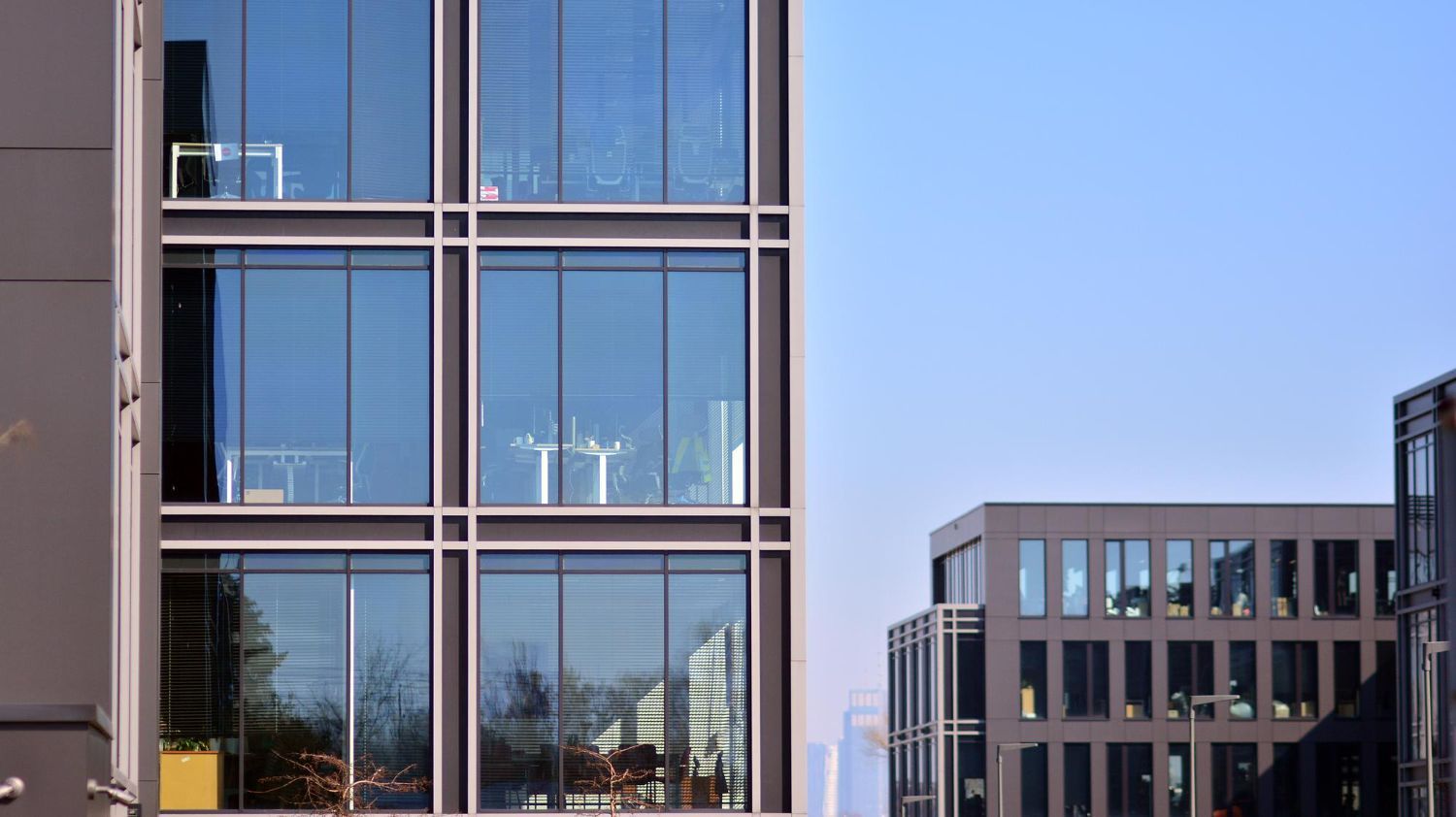
The most immediate, measurable benefit of commercial window tinting is what it does to your energy load. Solar heat gain is the single biggest driver of cooling costs in glass-heavy office buildings, and New England summers have gotten more intense. Every degree you prevent from entering through the glass is a degree your HVAC system doesn't have to fight.
The key metric here is the Solar Heat Gain Coefficient (SHGC) , a number between 0 and 1 that measures how much solar energy passes through a window. A lower SHGC means less heat enters. Quality solar control films can drop SHGC values dramatically, and the commercial window tinting benefits are felt quickly. According to real-world installation data, NFRC-rated solar control films reduce interior temperatures by up to 16°F and deliver installation costs 75–90% less than full window replacement , with ROI typically achieved within 2–5 years in Southern NH and Greater Boston climates.
Here is what that translates to in practice:
- Hot spot elimination. Corner offices and south-facing conference rooms with excessive sun exposure become usable year-round instead of avoided in summer.
- Lower electricity bills. Reducing solar heat gain means your air conditioning runs fewer cycles, which compounds savings across a full cooling season.
- Longer HVAC lifespan. Systems under less strain last longer and require fewer service calls.
- Consistent indoor temperatures. Even heat distribution across large open floor plans removes the "cold by the hall, hot by the window" complaint that drives facilities managers crazy.
Statistic callout: Buildings with untreated south and west-facing windows can see interior near-glass temperatures 16°F higher than the rest of the space. That temperature gap directly causes occupant discomfort and forces thermostats lower than necessary, driving up costs.
One often overlooked point: you can lower office energy costs with tinting without sacrificing the views or natural light your tenants or employees expect. That's where film technology has advanced considerably in the past decade.
Balancing natural light and design aesthetics with modern tinting technologies
Here's the misconception that costs some property managers a lot of money. They picture window tinting as the dark, reflective film from the 1980s that turned offices into caves. That product no longer represents what's available. Today's commercial design aesthetics demand open, light-filled spaces, and modern tint technology was built to meet exactly that demand.
Spectrally selective films are the key development. These films are engineered to block infrared heat and ultraviolet radiation while allowing a high percentage of visible light to pass through. Spectrally selective films maintain a visible light transmission (VLT) of 60% or higher, which means interiors stay bright, views remain clear, and the space doesn't take on a tinted cast that clashes with interior design color schemes.
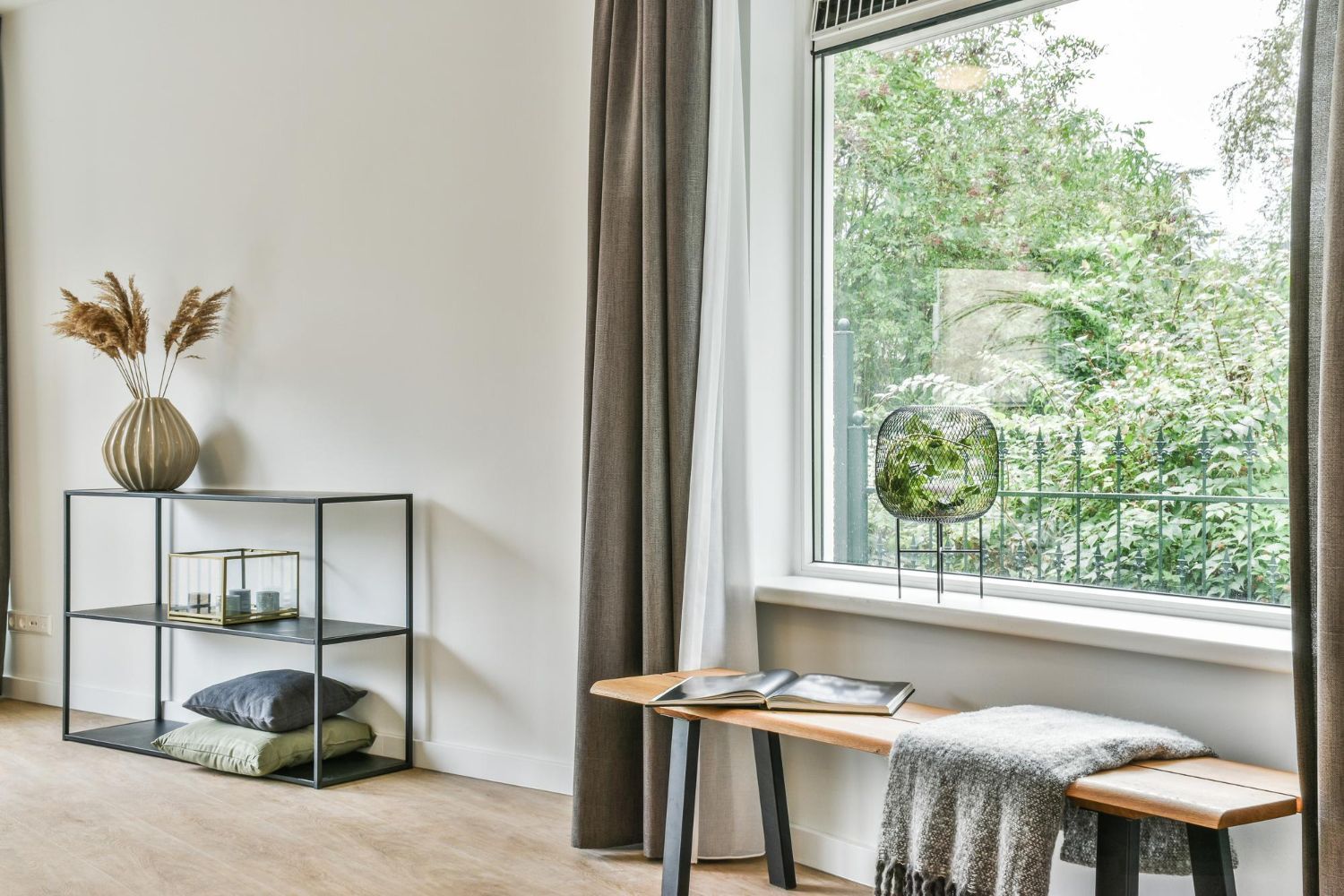
This matters practically for how tinting affects design in 2026 commercial spaces. 2026 commercial design trends favor nature-inspired palettes, warm earth tones, and biophilic elements that connect people to the outdoors. A film that casts a blue-gray shadow over a carefully chosen terracotta and warm wood interior destroys the effect your designer spent months creating. High-VLT films with neutral or slightly warm tones enhance those palettes rather than fighting them.
What high-VLT films do for enhancing workspace ambiance:
- Maintain access to daylight and outdoor views, which research consistently links to employee wellbeing and focus.
- Reduce glare on screens without plunging the room into shadow, improving comfort for extended computer work.
- Create visual softness that makes large glass-heavy spaces feel warmer and more human.
- Complement warm, earthy interior palettes by adding a neutral filter rather than a color cast.
Pro Tip: Before committing to a film for a full installation, request physical samples and tape them to your actual glass for a few days. Glass type, existing low-e coatings, and window orientation all affect how a film reads in your specific space. What looks perfect in a product photo may shift in your building's light.
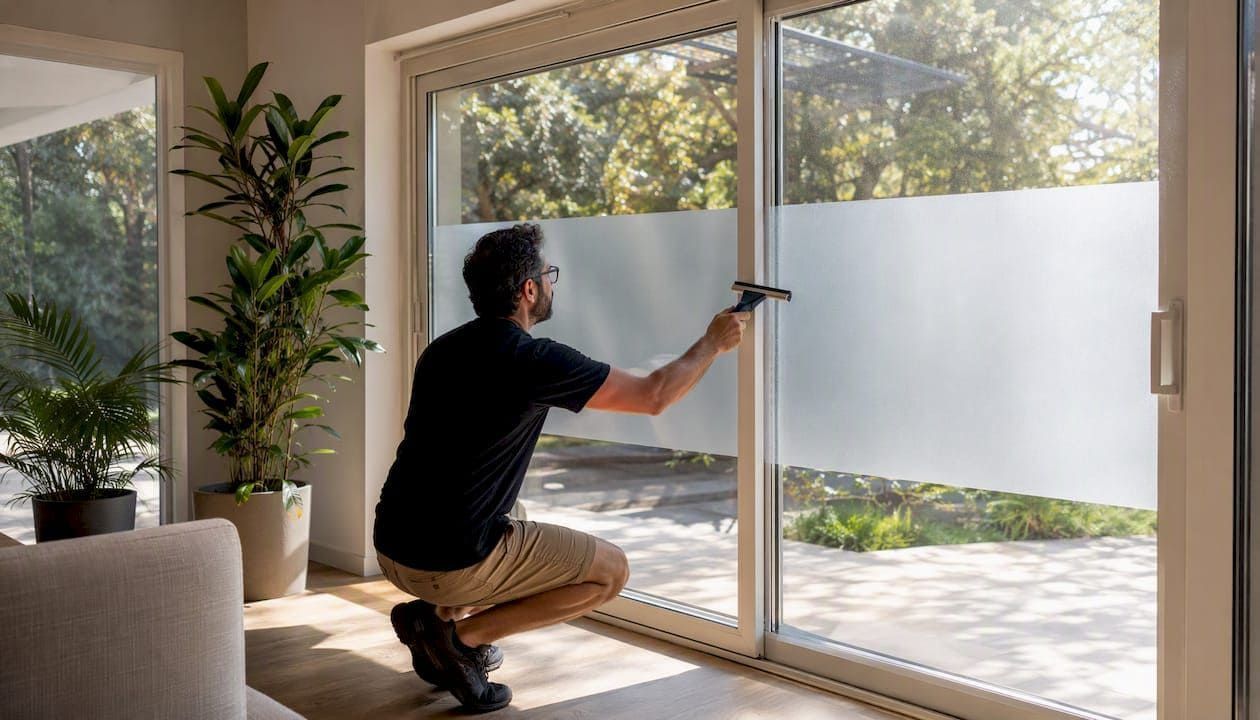
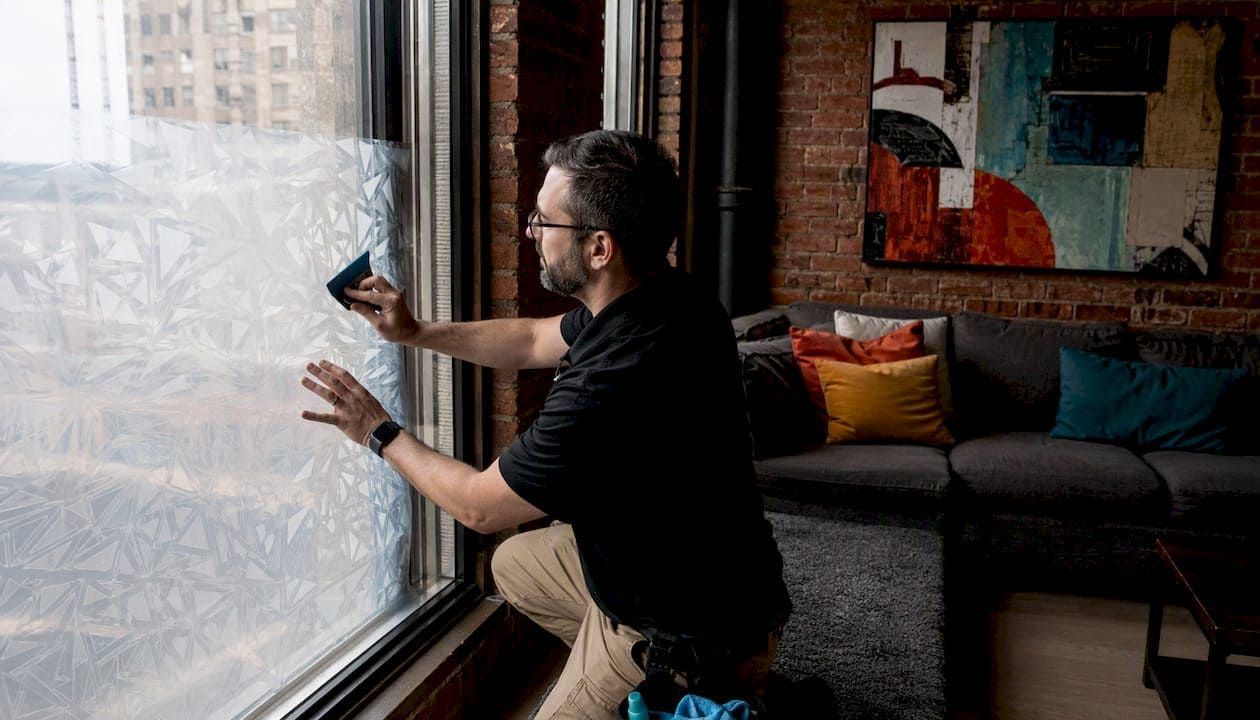
This is also where architectural window treatments like decorative privacy films enter the picture. For reception areas, conference rooms, and glass-walled offices, frosted or patterned films give you privacy without walls, reinforcing the open-plan aesthetic while defining space. They pull double duty as both a commercial space privacy solution and a deliberate design element.
Protecting interiors: UV ray blockage and fading prevention
Visible light is only part of the solar spectrum hitting your windows. Ultraviolet radiation, which is invisible, does most of the long-term damage to your interior. Furniture upholstery fades. Hardwood floors bleach unevenly. Artwork loses vibrancy. Carpeting looks worn in sun-exposed areas while the rest of the floor looks new. All of that represents real replacement cost.
Sun control films block UV rays, which are the primary driver of interior fading, protecting furniture, flooring, merchandise, and artwork. High-quality films block up to 99% of UV rays, which are the primary cause of discoloration and material breakdown over time.
Interior materials most protected by UV-blocking tint:
- Upholstered furniture (particularly light-colored or fabric seating in waiting areas)
- Hardwood and engineered wood flooring near windows
- Area rugs and commercial carpeting
- Printed signage, branding displays, and wall art
- Merchandise in retail-facing commercial spaces
| Material | Without UV film | With 99% UV-blocking film |
|---|---|---|
| Fabric upholstery | Noticeable fading in 2–3 years | Minimal fading for 7+ years |
| Hardwood flooring | Visible bleaching in 1–2 years | Color preserved significantly longer |
| Artwork and prints | Degradation within 5 years | Extended life with minimal color shift |
| Commercial carpeting | Patchy wear near windows within 3 years | Even appearance maintained longer |
The ROI calculation here is straightforward. Replacing commercial carpeting in a 3,000 sq ft office runs tens of thousands of dollars. Tinting the windows that caused the damage costs a fraction of that and prevents the cycle from repeating.
Pro Tip: Not all UV protection is equal across film products. Always ask for the UV rejection percentage specifically, not just the overall solar rejection figure. A film can reject a lot of heat but still allow UV through if it's not rated properly.
Exploring commercial window film benefits in detail will help you match the right film to your specific protection priorities.

Choosing the right window film for your commercial space
Film selection is where most DIY or uninformed purchases go wrong. Buying based on tint darkness alone ignores the metrics that actually predict performance. Here is a practical framework for making the right call.
Step-by-step film selection process:
- Map your window orientations. South and west-facing windows receive the most direct sun and need the lowest SHGC values. North-facing windows can use lighter films with higher VLT.
- Set your SHGC and VLT targets. SHGC below 0.40 and VLT above 40% balance heat rejection with enough brightness for comfortable work. South and west exposures benefit from SHGC closer to 0.25.
- Check NFRC ratings. Films with National Fenestration Rating Council ratings give you verifiable, third-party performance data relevant to New Hampshire and Massachusetts energy codes.
- Identify your existing glass type. Tempered, laminated, low-e coated, and insulated glass units all interact differently with films. Some films void glass warranties on certain units. A professional installer will catch this before it becomes a problem.
- Test samples in the actual space. Lighting conditions, interior color choices, and glass orientation all change how a film looks and performs.
- Avoid the darkest options unless privacy is the primary goal. Films that drop VLT below 30% solve heat problems but create a dim, institutional feel that hurts employee comfort and doesn't align with modern commercial design aesthetics.
| Window orientation | Recommended SHGC | Recommended VLT | Primary priority |
|---|---|---|---|
| South-facing | Below 0.25 | 40–55% | Heat rejection |
| West-facing | Below 0.30 | 45–60% | Afternoon glare control |
| East-facing | 0.30–0.40 | 55–65% | Morning glare, light balance |
| North-facing | 0.40–0.50 | 65%+ | Light preservation |
Review the full commercial window tinting workflow to understand what a professional installation process looks like from assessment through completion.
Why commercial tinting deserves a central role in modern interior design strategies
Most property managers think of window film as a corrective measure. Something you add after complaints about heat or glare pile up. That framing undersells it significantly.
Window tinting is, at its core, a light control tool. And light is the most powerful variable in any interior space. It affects how colors read, how warm or cold a space feels emotionally, how productive people are, and whether a design intent survives contact with actual sunlight. Any interior designer working on a serious commercial project is already thinking hard about natural light. Tinting gives you active control over that variable without altering architecture.
We've seen offices in the Greater Boston area where the design team spent months selecting warm, biophilic materials, only to have afternoon sun wash out the colors and make the west-facing desks unusable from 2 to 5 PM. Untreated windows create hot spots up to 16°F above ambient room temperature, and that temperature imbalance doesn't just drive up energy costs. It forces employees to avoid certain areas, cluster around better zones, and gradually stop using the space as designed.
Installing the right solar control film changes that picture within a day or two. The hot spots disappear. The afternoon glare softens. The warm tones in the flooring and furniture finally look the way they were intended. That's not an add-on to interior design. That's interior design working as it should.
The other argument worth making here: glare-related productivity loss is real and measurable. Employees who spend hours squinting at screens or repositioning to avoid reflected light are less focused, more fatigued, and more likely to raise complaints. Tinting is one of the most cost-effective per-employee comfort investments available, especially compared to workstation reconfigurations or added window treatments.
Professional installation matters too. A poorly applied film develops bubbles, peeling edges, and color shifts that undo everything you're trying to achieve aesthetically. Commercial solar window film installation done by a trained LLumar SelectPro dealer means the films are matched correctly to your glass, installed with manufacturer backing, and built to last.
Discover commercial window tinting solutions tailored for Southern New Hampshire and Greater Boston
If this article has shifted how you think about light control in your commercial space, the next step is seeing what's actually possible for your specific building.
At Surface Dynamics Window Tinting, we work with commercial property managers and business owners across Southern New Hampshire and the Greater Boston area to select, specify, and install the right window film for every project. Use our interactive commercial window film viewer to preview how different films look on glass before committing to anything. Explore our full commercial window film installation service to understand the process and what to expect. And if building security is also a concern, our commercial safety and security window films add shatter resistance and forced-entry delay alongside the energy and design benefits. We're an exclusive LLumar SelectPro dealer, which means the films we install are backed by some of the strongest performance warranties in the industry.
Frequently asked questions
Does window tinting make commercial interiors too dark?
Modern commercial window films are designed to keep visible light transmission high, often above 60%, so interiors stay bright while blocking heat and UV rays. Spectrally selective films maintain the look of clear glass while rejecting heat, so the "dark cave" concern applies only to older or overly aggressive film choices.
How quickly does commercial window tinting improve indoor temperatures?
Tinting can reduce hot spots and balance temperature within days of installation with minimal operational downtime, meaning occupants feel the improvement almost immediately.
Can window tinting lower energy costs for my commercial building?
Yes. Window tinting reduces cooling load by lowering solar heat gain, and installation costs 75–90% less than window replacement, with most Southern New Hampshire and Greater Boston commercial buildings seeing full ROI within 2–5 years.
Will window tinting protect my office furnishings from fading?
High-quality solar control films block up to 99% of UV rays, the primary cause of fading, significantly extending the appearance and lifespan of furniture, flooring, and artwork in sun-exposed commercial spaces.
Recommended