
Why Property Developers Use Tinting to Build Better Assets
TL;DR:
- Property developers increasingly specify window tinting early in design to enhance energy performance, tenant comfort, and market value. High-performance films reduce cooling costs by 10-20% within 2 to 4 years, while improving aesthetics and safety; treating tinting as infrastructure maximizes return. This strategic approach ensures optimal building performance, safety, and leasing appeal long-term.
Most property developers think of window tinting as a cosmetic upgrade, something you add at the end of a project to make a building look polished. That framing is costing them money. Why property developers use tinting has far more to do with energy performance, tenant retention, and long-term asset value than appearances alone. The developers who understand this are specifying window film early in the design process, treating it the same way they treat HVAC or insulation. Not as a finish, but as a system.
Table of Contents
- Key takeaways
- Why property developers use tinting for energy savings
- Tenant comfort and why it directly affects your bottom line
- How tinting improves aesthetics and marketability
- Safety and security benefits developers often overlook
- Practical guidance for specifying tinting in your project
- My take: tinting is infrastructure, not decoration
- Ready to specify the right film for your next project?
- FAQ
Key takeaways
| Point | Details |
|---|---|
| Energy savings start fast | Commercial tinting typically pays back its installation cost within 2 to 4 years through HVAC savings. |
| Tenant comfort drives retention | Reducing glare and heat zones directly improves occupant satisfaction and lease renewal rates. |
| Aesthetics add market value | Uniform window film across a facade makes buildings look intentional and modern, improving leasing appeal. |
| Safety film adds real protection | Security-grade films hold glass together on impact, protecting occupants and reducing liability exposure. |
| Product selection determines outcome | Climate, glass type, and building use must all factor into which film delivers the best return. |
Why property developers use tinting for energy savings
The most financially compelling case for window tinting in development projects is energy performance. High-performance window films reduce solar heat gain by 50 to 75%, which directly cuts the cooling load your HVAC system carries every summer. For a mid-size commercial building with significant glass area, that reduction adds up fast.
The numbers are well-documented. Commercial HVAC savings typically run 10 to 20% on cooling costs, and installation ranges from $8 to $22 per square foot depending on film type and building complexity. A typical commercial tinting investment pays back in 2 to 4 years through energy savings alone. For a developer holding a property long-term or positioning it for sale, that's a meaningful return on a single specification decision.
Climate matters in this calculation. Films perform best in regions with long cooling seasons, which includes much of the Northeastern U.S. where buildings run air conditioning from May through September. In colder climates, the calculus shifts slightly, since some solar heat gain in winter is actually beneficial. The answer there is not to skip tinting but to select the right film for your specific exposure and glass orientation.
Pro Tip: When evaluating tinting ROI for a development project, ask your installer for a building-specific energy model that accounts for your glass area, orientation, and local climate data. Generic payback estimates can significantly understate or overstate the actual return.
| Energy metric | Without tinting | With quality window film |
|---|---|---|
| Solar heat gain reduction | Baseline | 50 to 75% reduction |
| Cooling cost impact | Baseline | 10 to 20% savings |
| Estimated payback period | N/A | 2 to 4 years |
| UV rays blocked | Minimal | Over 99% |
Tenant comfort and why it directly affects your bottom line
Comfort is not a soft benefit. It is a leasing advantage. The most common tenant complaints in glass-heavy commercial and residential buildings cluster around three issues: rooms that overheat in the afternoon, glare on screens and workspaces, and fading of finishes and furnishings. Tinting addresses all three without structural changes.
On glare specifically, the numbers are striking. Window film reduces glare by 50 to 85% without requiring blinds, which means office tenants can keep natural light without the productivity hit that comes from squinting at screens or closing shades entirely. For residential units, it means a living room that's actually usable on a sunny afternoon.
UV protection is where tenant comfort intersects directly with your asset. Quality window films block over 99% of UV rays, which protects flooring, furniture, artwork, and merchandise from fading. In a retail development, this matters enormously, since UV damage to merchandise displays and interior finishes happens fast and repairs are not cheap.
Here is what tinting consistently delivers for tenant comfort in commercial and residential builds:
- Elimination of hot spots near windows, creating more even temperature distribution throughout the space
- Glare reduction that maintains natural light, so tenants get daylight without the eye strain
- UV protection that extends the life of flooring, furniture, and finishes by years
- Lower interior temperatures during peak sun hours without requiring additional HVAC capacity
- Reduced condensation on glass in winter, which prevents moisture complaints in residential units
Pro Tip: For residential developments, specify UV-blocking film on south and west-facing units first. Those exposures drive the most fading complaints and the highest cooling bills, so the comfort gain is immediate and measurable.
Tenant comfort improvements also show up in the data on retention. Comfort improvements and energy savings positively impact tenant satisfaction and leasing appeal, which means lower vacancy rates across a development portfolio.
How tinting improves aesthetics and marketability
This is where most developers start the conversation about tinting, and it is worth going deeper than the obvious. Uniform window film across a multi-tenant facade does more than look clean. It solves a real problem: inconsistent window treatments.
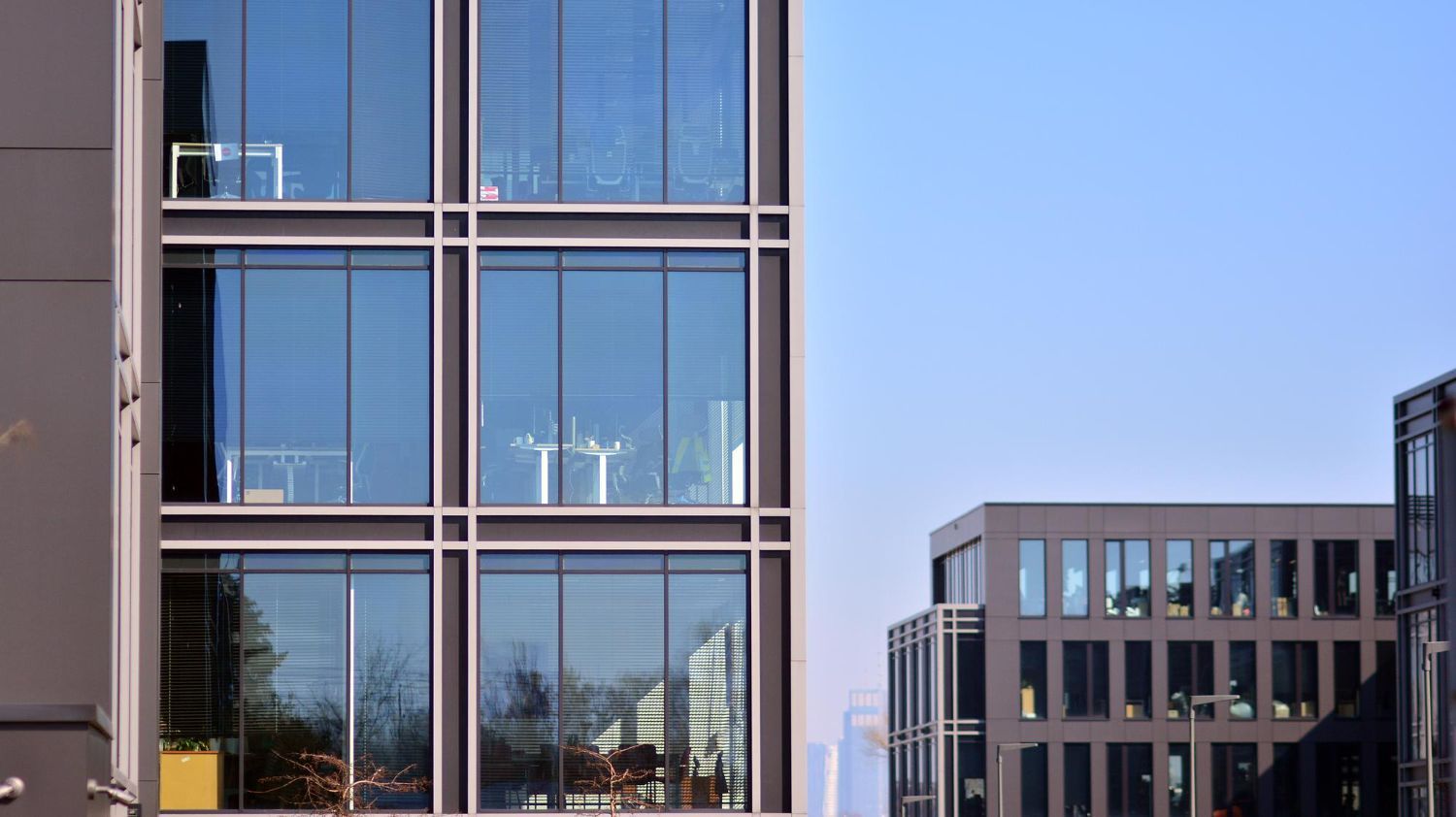
In a building where tenants control their own blinds and shades, the exterior quickly looks chaotic. Some windows are covered, some are open, some have aging curtains visible from the street. Applying window film uniformly eliminates that visual inconsistency and makes the facade look intentional and modern. For a developer marketing a commercial building to premium tenants or listing a residential project at the top of the market, that exterior presentation matters.
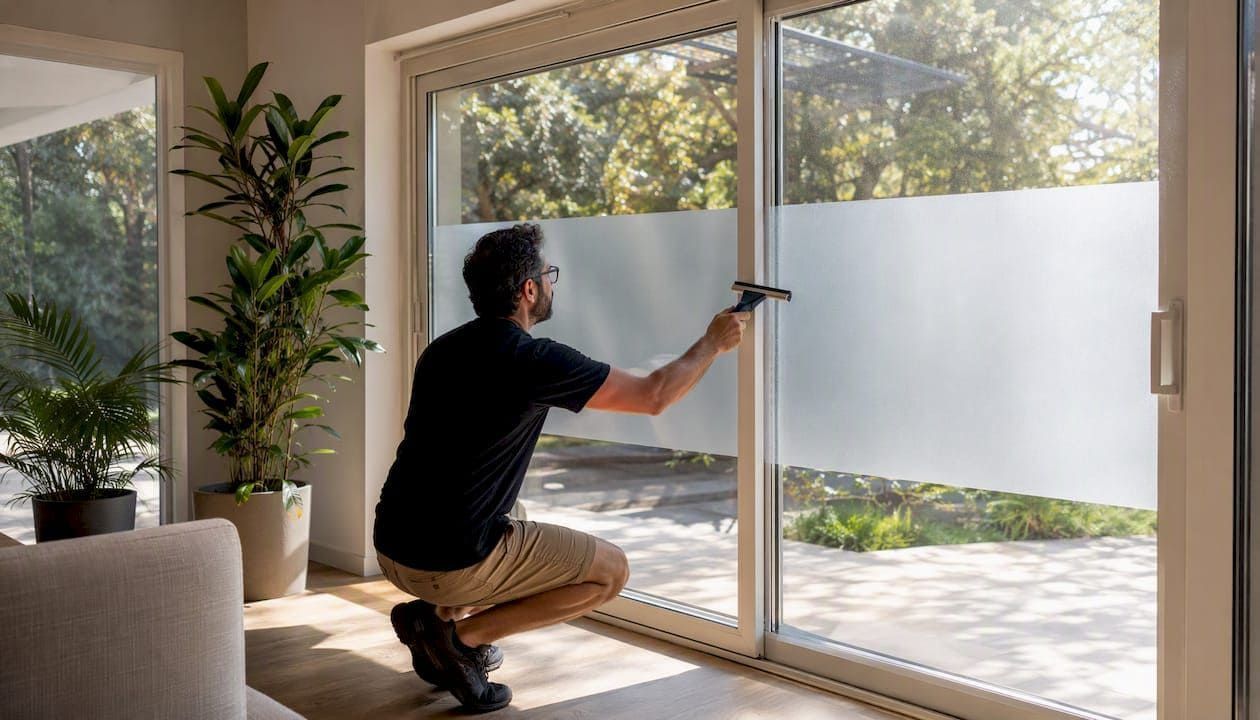
Beyond uniformity, tinting and property value connect through privacy and spatial perception. Reflective or lightly tinted films give ground-floor retail and office tenants visible privacy from street traffic without blocking their own views out. Tenants pay a premium for that. They also appreciate that the building requires no bulky interior window treatments, which opens up wall and window space and makes interiors feel larger.
| Feature | Without tinting | With window film |
|---|---|---|
| Exterior facade | Mixed blinds and shades look inconsistent | Uniform, intentional, modern appearance |
| Ground-floor privacy | Relies on interior blinds or frosting | Built-in one-way visibility from inside out |
| Interior natural light | Often sacrificed for privacy or glare control | Maintained with glare and heat managed |
| Perceived unit quality | Standard finish | Premium, polished feel |
For renovation projects, tinting is one of the highest-impact changes per dollar spent on exterior presentation. You are not replacing glass, not adding screens, and not repainting. A professional installation updates the entire look of a building's glazing system in days.

Safety and security benefits developers often overlook
This is the property tinting advantage that surprises most developers when they learn the specifics. Standard window film provides solar control. Safety-rated security films do that and much more.
Safety-rated films hold fractured glass together upon impact rather than allowing it to shatter and scatter. In practical terms, that means a break-in attempt at a storefront takes significantly longer, since a would-be intruder cannot simply knock out a pane and step through. It also means that in an accidental impact, a storm, or a seismic event, occupants are protected from flying glass shards. These safety film benefits apply to both residential and commercial properties.
For developers, the safety film discussion involves several specific applications:
- Ground-floor retail and office spaces where smash-and-grab risk is real and insurance exposure is high
- Residential units in storm-prone areas where wind-driven debris creates a genuine safety hazard
- High-traffic common areas like lobbies and atrium spaces where glass failure could affect many occupants at once
- Buildings near industrial areas or high-traffic roads where accidental impact risk is elevated
One financial angle that does not get enough attention: insurance premiums may be reduced after installing safety window films as part of a documented risk mitigation strategy. The conversation is worth having with your insurance provider before specification, since the documentation of security film installation can factor into policy pricing.
Safety-rated films deliver a multi-dimensional upgrade, combining security, comfort, and solar control without major renovations. That is a rare combination in building improvement work.
Practical guidance for specifying tinting in your project
Getting the most out of tinting solutions for developers means making the right decisions before installation begins. Here is how to approach it systematically.
- Audit your glass inventory. Identify glass types, coatings, and ages across the building. Some existing glass, particularly certain low-E coatings, can crack under film if the combination creates excessive heat absorption. A qualified installer will catch this, but you need to know it going in.
- Match the film to your climate and exposure. As the Department of Energy notes, films are most beneficial in high-cooling-demand climates. If your project sits in a mixed climate, specify lighter films on north-facing glass and higher-performance solar control on south and west exposures.
- Evaluate total lifecycle cost, not just installation price. The combination of energy savings, reduced interior wear, and tenant satisfaction delivers strong lifecycle value that the upfront number does not reflect.
- Coordinate with your mechanical engineer early. Tinting changes your solar heat gain coefficients, which affects HVAC sizing. If you are specifying tinting on a new build, your engineer needs those numbers before finalizing equipment selection.
- Check local building codes and HOA requirements. Some municipalities and associations restrict reflectivity levels on exterior glass. Verify before specifying so you do not end up with a film that fails inspection.
- Consider sustainability certification alignment. Window film contributes to energy performance credits in LEED and similar certification programs. Document the performance specifications at installation to support your certification submittal.
My take: tinting is infrastructure, not decoration
I have watched developers specify tinting as an afterthought for years, something added during the punch list phase when the real design decisions are already locked in. That sequencing leaves real money on the table, and it produces worse outcomes.
When you bring tinting into the conversation at design development, you can right-size your HVAC system around the reduced solar load. You can plan your facade treatment with the film as part of the aesthetic system rather than a retrofit applied over whatever windows you already chose. And you can evaluate safety film for ground-floor glazing before those details are finalized.
In my experience, the developers who get the best return from tinting are the ones who treat it the way they treat other building envelope systems. They do not ask "should we add tinting?" They ask "which film specification is right for this building?" That shift in framing changes the quality of the decisions that follow.
The argument that tinting is "just cosmetic" is also one of the more persistent misconceptions I keep seeing, and it costs developers who accept it at face value. The energy data, the tenant satisfaction research, and the security performance all point in the same direction. This is infrastructure. The buildings that will lease fastest and hold value best are the ones whose developers understood that early.
Ready to specify the right film for your next project?
If you are evaluating tinting solutions for an upcoming development or renovation, Surfacetint makes it easy to see what different films actually look like on your building before committing. Use the commercial film viewer tool to explore solar control, safety, and decorative privacy film options visually. For residential development projects, the residential film viewer walks you through the same options scaled to multifamily and single-family work.
Surfacetint serves property developers and investors throughout Southern New Hampshire and the Greater Boston Area as an exclusive LLumar SelectPro Dealer. When you are ready to get numbers for a specific project, request a commercial tinting estimate directly, and the team will assess your glass, your climate exposure, and your goals before recommending a specification.
FAQ
Why do property developers use tinting instead of other solutions?
Window tinting delivers energy savings, tenant comfort, privacy, and safety upgrades in a single installation that does not require structural changes. The payback period of 2 to 4 years makes it more cost-effective than many alternative energy efficiency upgrades.
How much can tinting reduce energy costs for a commercial building?
High-performance window films reduce solar heat gain by 50 to 75%, typically translating to 10 to 20% savings on commercial cooling costs depending on climate and glass area.
Does window film affect how a building looks from the outside?
Yes. Uniform window film creates a consistent, modern facade by eliminating the chaotic look of mixed tenant blinds and shades. Most commercial-grade films maintain visibility from inside while adding a clean, intentional exterior appearance.
What is the difference between solar control film and security film?
Solar control film primarily manages heat and glare. Security-rated film is engineered to hold glass together after impact, delaying forced entry and protecting occupants from glass shards in storms or accidents. Many films combine both functions.
Can window tinting support LEED or green building certifications?
Window film contributes to energy performance metrics used in LEED and similar programs. Documenting the solar heat gain coefficient of your specified film at installation supports credits related to building envelope performance and energy reduction.
Recommended