
7 Reasons to Upgrade Window Glass in Your Home
TL;DR:
- Upgrading window glass significantly improves energy efficiency, safety, UV protection, and comfort in homes. Full window replacements are necessary for impact resistance and long-term durability, while glass-only upgrades are suitable for minor repairs. Window films serve as cost-effective supplements for UV control, heat reduction, and privacy enhancement.
Most homeowners put off window upgrades because the upfront cost feels hard to justify. But the reasons to upgrade window glass go well beyond fixing a draft or patching a crack. Modern glass technology has advanced significantly, and the gap between older single-pane windows and today's high-performance glazing now translates into real dollars, real comfort, and real safety gains that accumulate every single year you stay in your home. If you're questioning whether it's time to upgrade windows, this article gives you the concrete evidence to decide confidently.

Table of Contents
- Key takeaways
- 1. The top reason to upgrade window glass: energy efficiency
- 2. Improved home safety and security
- 3. UV protection and interior preservation
- 4. Noise reduction and year-round comfort
- 5. Higher resale value and curb appeal
- 6. Recognizing when seal failure changes everything
- 7. Glass-only replacement vs. full window upgrade
- My honest take on window upgrades
- Take the next step with Surfacetint
- FAQ
Key takeaways
| Point | Details |
|---|---|
| Energy savings are measurable | Replacing single-pane windows with ENERGY STAR models can cut heating and cooling costs by up to 13% annually. |
| Safety requires full assembly upgrades | Glass-only swaps won't satisfy impact-resistance standards. The entire window system, including the frame, must be certified. |
| UV protection preserves interiors | Low-E coatings block up to 99% of UV rays, protecting floors, furniture, and artwork from fading. |
| Comfort and noise go together | Better-sealed, multi-pane glass eliminates drafts and reduces outside noise, improving daily living quality. |
| Glass-only vs. full replacement matters | Fogged or failed seals require full window replacement, not just glass swaps, to restore energy performance. |
1. The top reason to upgrade window glass: energy efficiency
The single most compelling reason homeowners and property managers choose to upgrade window glass is the reduction in energy costs. Older single-pane glass offers almost no resistance to heat transfer. In winter, heat escapes through the glass constantly. In summer, solar heat pours in, forcing your air conditioner to work overtime.
ENERGY STAR-certified replacements can cut heating and cooling costs by roughly 13% per year, which translates to between $126 and $465 in annual savings depending on your climate and how deteriorated your current windows are. In colder regions like Southern New Hampshire, the savings lean toward the higher end of that range.
The technology behind modern window glass energy efficiency comes down to three components working together:
- Double or triple panes trap a layer of insulating air or gas between sheets of glass
- Low-E coatings reflect infrared heat while still letting visible light pass through
- Argon or krypton gas fills between panes slow heat conduction better than air alone
These elements improve the U-factor of a window, which is the measure of how fast heat moves through it. A lower U-factor means better insulation. High-performance coatings combined with inert gas fills and tight sealing are what produce the real-world thermal improvements that manufacturers advertise.
Pro Tip: Frame material matters as much as the glass itself. Aluminum frames conduct heat rapidly and undercut even the best glass technology. Vinyl and fiberglass frames perform significantly better and should be part of any serious upgrade decision.
2. Improved home safety and security
Upgrading your window glass can meaningfully improve how safe your home is, but this is where most homeowners make a costly mistake. Many assume that swapping in impact-resistant glass is enough to qualify for safety certifications or insurance discounts. It is not.
Impact resistance is tested on complete window assemblies, which means the glass, the frame, the hardware, and the installation method all factor into whether a window meets code. Installing impact glass alone in an old frame leaves you with no certification and none of the insurance benefits.
Modern replacement windows deliver safety upgrades beyond just impact resistance:
- Stronger locking mechanisms that resist forced entry
- Tighter construction that reduces gaps exploited during break-ins
- Reduced dust and allergens entering through deteriorated seals, which benefits occupants with respiratory conditions
- Laminated glass options that hold together rather than shattering into sharp fragments
Choosing glass-only upgrades for safety without verifying full window assembly certification may result in noncompliance and reduced protection. Always confirm that your installer is working with certified whole-window systems if safety compliance or insurance credits are part of your goal.
Pro Tip: When shopping for impact-resistant windows, ask your supplier for the NOA (Notice of Acceptance) or PG (Performance Grade) rating for the entire window unit, not just the glass specification sheet.
3. UV protection and interior preservation
The sun does not just warm your rooms. Over time, unfiltered UV radiation fades hardwood floors, bleaches upholstery, and degrades artwork, all damage that accumulates slowly and becomes very expensive to reverse or replace.
Low-E glass coatings address this directly. Quality low-E coatings block 95% to 99% of harmful UV rays while maintaining clear visibility and natural light transmission. For a home with significant investment in flooring, custom furniture, or original artwork, that protection is worth a substantial amount over the life of the windows.
The aesthetic benefits extend further. Older or damaged glass often appears hazy or discolored, which dulls natural light and makes interiors feel smaller and less inviting. Fresh, clear glass with a high visible light transmittance rating can transform a room's character without any interior renovation.
Here is a quick look at how glass upgrade options compare on interior protection:
| Glass type | UV blocking | Visible light | Interior fading risk |
|---|---|---|---|
| Standard single-pane | Less than 25% | High | Very high |
| Standard double-pane | 40–60% | High | Moderate |
| Low-E double-pane | 95–99% | Moderate to high | Low |
| Window film on existing glass | 99% | Adjustable | Very low |
Pro Tip: If full glass replacement isn't in your budget yet, high-quality solar control window film can deliver comparable UV blocking at a fraction of the cost. It's a practical first step that also pairs well with eventual glass upgrades.
4. Noise reduction and year-round comfort
Ask anyone who has lived near a busy road, a school, or a neighbor with a lawn service about the value of a quiet home. Multi-pane windows make a measurable difference. New windows with gas fills and tighter seals absorb sound vibrations more effectively than single-pane glass, reducing the transmission of traffic noise, voices, and mechanical sounds.
The comfort gains go beyond noise. Upgrading your glass eliminates the cold spots and drafts that make certain rooms uncomfortable in winter, no matter how high you set the thermostat. Better air sealing keeps conditioned air inside where it belongs, which means your HVAC system runs less frequently and your rooms maintain a more consistent temperature throughout the day.
In climates with both harsh winters and hot summers, like the Greater Boston area, the combination of insulation and sound control makes triple-pane glass worth considering. You'll notice the difference on the first cold or stormy night.
Pro Tip: For urban properties or homes near highways, look for windows with a high STC (Sound Transmission Class) rating in addition to a strong U-factor. These two metrics together tell you how well a window handles both thermal and acoustic performance.
5. Higher resale value and curb appeal
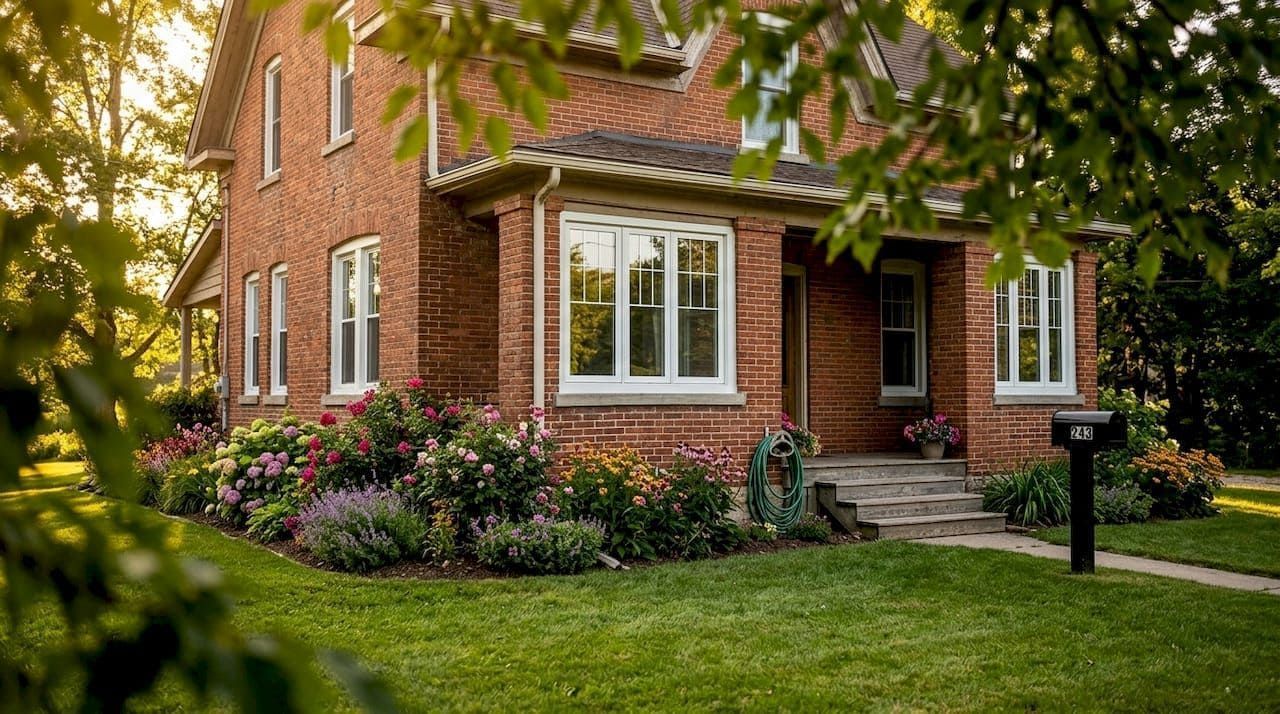
Upgraded windows are one of the few home improvements that deliver both quality-of-life benefits while you live in the home and financial returns when you sell. Vinyl replacement windows recoup over 73% of the project cost at resale, a solid return compared to many other renovation categories.
Beyond the numbers, fresh windows change how a home looks from the street. Fogged glass, peeling frames, and mismatched window styles are the kind of details prospective buyers notice immediately. Replacing outdated or failing windows signals that the property has been well maintained, which supports higher asking prices and faster sale timelines.
For property managers, the math is slightly different but equally compelling. Updated windows reduce tenant complaints about comfort, lower utility costs in units where landlords cover heating and cooling, and extend the interval between maintenance calls related to drafts, leaks, and broken seals.
6. Recognizing when seal failure changes everything
Not every window upgrade starts with a clear performance problem. But one signal should push you to act immediately: fogging between the panes of your insulated glass unit. That fog means the seal has failed and the insulating gas has escaped.
Once insulated glass seals fail, the window's thermal performance drops sharply, often performing worse than single-pane glass. Repeated glass-only repairs become uneconomical quickly. At that point, full window replacement is the smarter financial decision because you restore both energy performance and structural integrity at the same time.
This is a detail that matters a lot for older homes and investment properties where deferred maintenance is common. A window that looks intact from the outside may be bleeding heat silently all winter.
7. Glass-only replacement vs. full window upgrade
Understanding this difference is one of the most practical upgrade window glass advantages you can walk away with. Glass-only replacement makes sense in a narrow set of circumstances: the frame is structurally sound, the seals are intact, and the goal is simply to swap a broken pane in an otherwise functional window.
For anything beyond that, the case for full replacement gets strong fast. Window performance depends on the frame, spacer seals, and installation interface working together. Focusing on glass alone misses the factors that matter most for energy savings, safety certification, and long-term durability.
Here is how the two options compare at a glance:
| Factor | Glass-only replacement | Full window replacement |
|---|---|---|
| Cost | Lower upfront | Higher upfront |
| Energy performance | Partial improvement | Maximum improvement |
| Safety certification | Not achievable | Achievable with certified unit |
| Lifespan | Depends on existing frame age | Full system lifespan reset |
| Best for | Single broken pane, intact frame | Failed seals, old frames, compliance goals |
Energy savings vary widely by climate and existing window conditions, so getting a professional assessment before choosing between these two paths will save you from spending money on the wrong solution.
My honest take on window upgrades
I've worked with enough homeowners to know that window upgrades almost always get evaluated the wrong way. People focus on the glass, compare prices per pane, and forget that the glass is only one part of a system that includes frames, seals, spacers, and the installation itself.
The homeowners who get the best results are the ones who assess the whole window, not just what they can see from inside. That means asking installers about U-factor ratings for the full assembly, not just the center-of-glass value that manufacturers often promote because it looks more impressive.
I also want to push back on the idea that you have to do everything at once. Phased upgrades make real financial sense. Start with the windows that face your worst solar exposure or the rooms you use most. A window security and energy guide can help you identify which upgrades deliver the most value for your specific home type and climate.
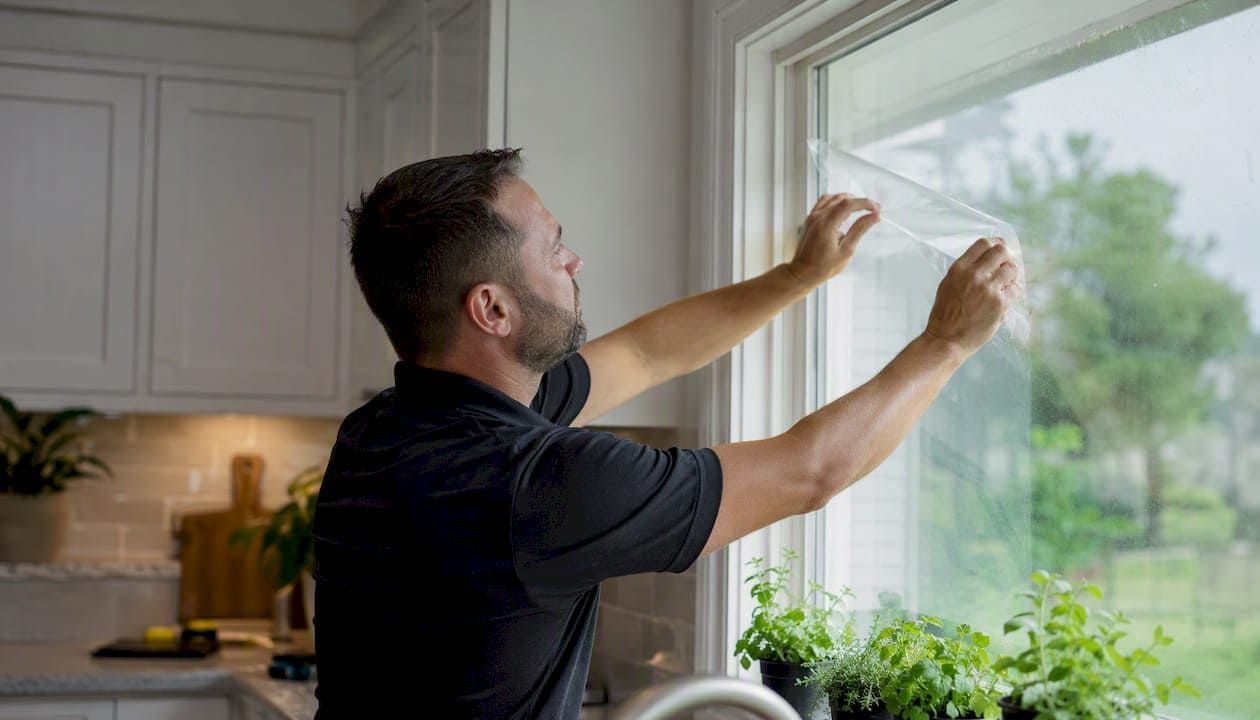
One more thing: window film is not a consolation prize for people who can't afford glass replacement. It's a genuinely effective complement to glass upgrades, especially for UV control, solar heat reduction, and privacy. I've seen homes transform their comfort levels with film on top of already decent double-pane glass. Don't overlook it as part of the plan.
Take the next step with Surfacetint
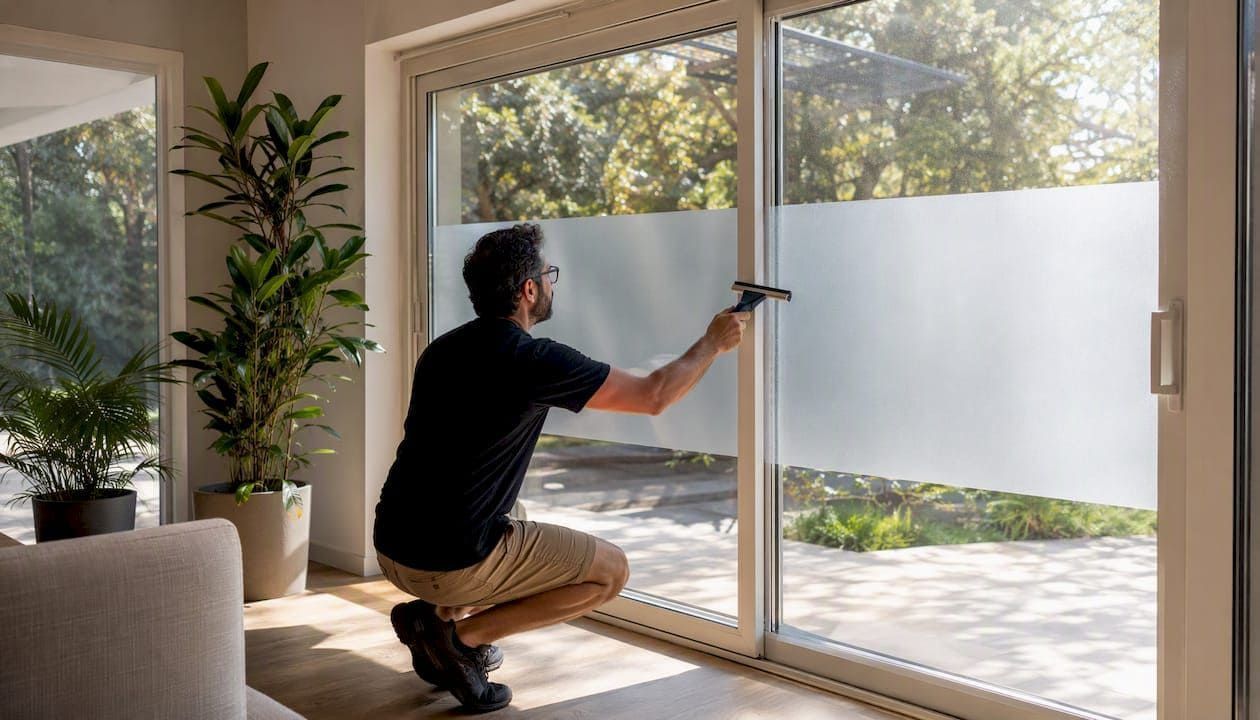
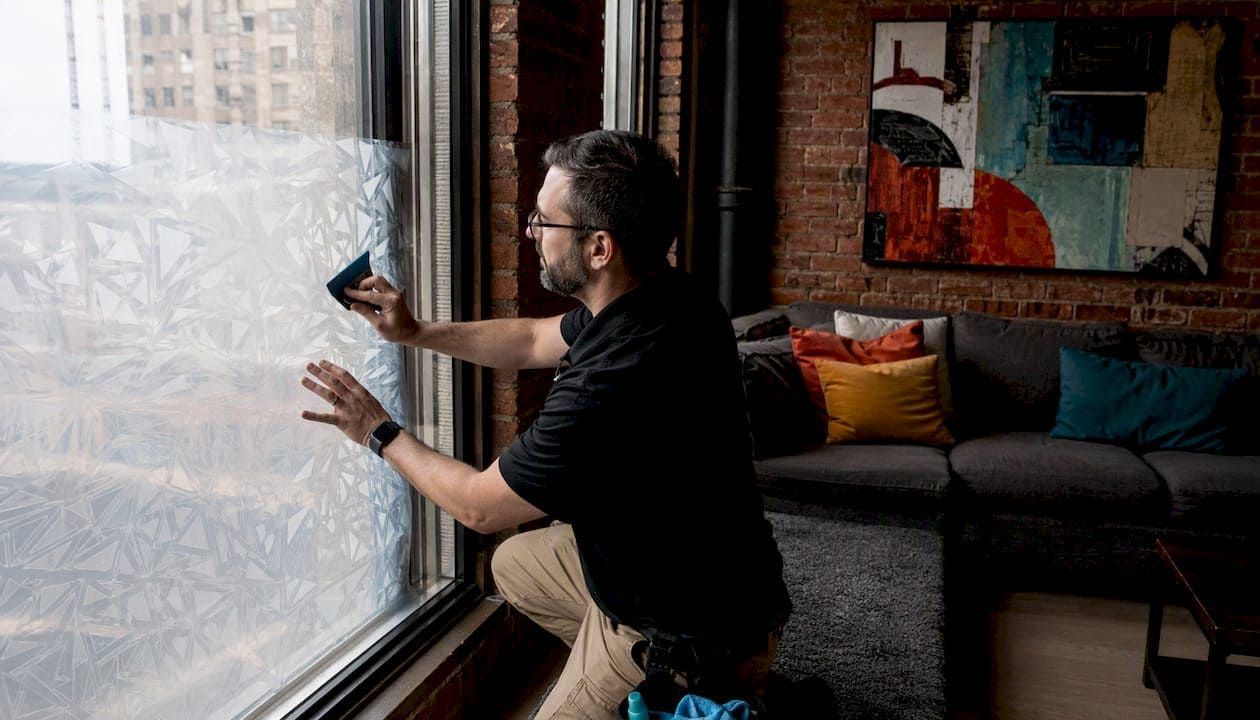
If the benefits covered here have you thinking seriously about improving your windows, Surfacetint offers professional solutions that work with your existing glass or alongside a full window upgrade. As an exclusive LLumar SelectPro dealer, Surfacetint installs Solar Control Films that reduce heat and glare, Safety and Security Films that reinforce glass against break-ins and impacts, and Decorative Privacy Films that add style without sacrificing light.
Whether you want to cut cooling costs, protect your furniture from UV fading, or add a layer of shatter resistance to your home, Surfacetint's team serves homeowners and property managers across Southern New Hampshire and the Greater Boston Area. You can calculate your energy savings to see what window film can do for your utility bills, or go straight to booking a free window tinting estimate and let a specialist assess your property in person.
FAQ
How much can new window glass reduce energy costs?
Replacing single-pane windows with ENERGY STAR-certified models can reduce heating and cooling costs by roughly 13%, saving between $126 and $465 per year depending on your climate and the condition of your existing windows.
Does replacing just the glass count as an impact-resistant upgrade?
No. Impact resistance is certified at the full window assembly level, including the frame and installation method. Glass-only swaps do not qualify for safety certifications or related insurance discounts.
How do I know if my window needs glass repair or full replacement?
If you see permanent fogging between the panes, your insulated glass seal has failed and full replacement is almost always more cost-effective than repairing or replacing only the glass.
Can window film provide similar benefits to new window glass?
Window film delivers comparable UV blocking (up to 99%) and meaningful solar heat reduction at a lower cost than full glass replacement, making it a strong complement or a practical interim step for homeowners on a phased upgrade plan.
What types of window glass upgrades offer the best return?
Low-E double-pane windows with argon gas fills offer the strongest combination of energy savings, UV protection, and comfort improvement for most climates. Triple-pane glass adds acoustic and thermal benefits worth considering in extreme climates or urban settings.
Recommended