
What is tinting compliance? A guide for NH and Boston
TL;DR:
- Tinting compliance involves legal and safety standards governing window tint application, light transmission, and certification in vehicles and buildings. Vehicle laws specify minimum VLT percentages, with stricter requirements in New Hampshire and Massachusetts, while building codes focus on safety glazing, energy efficiency, and historic district approvals. Proper documentation, professional installation, and adherence to federal standards are essential for maintaining compliance and avoiding fines or removal.
Most people assume tinting compliance is simply about how dark your windows can go. In reality, what is tinting compliance comes down to a specific set of legal and safety standards that govern where tint can be applied, how much light must pass through, and whether your film is certified for the job. For homeowners and property managers in Southern New Hampshire and the Greater Boston Area, the rules are layered: vehicle tinting laws, building codes, historic district permits, and federal commercial vehicle standards each operate on their own terms. Get it wrong, and you're facing fines, failed inspections, or costly removal.
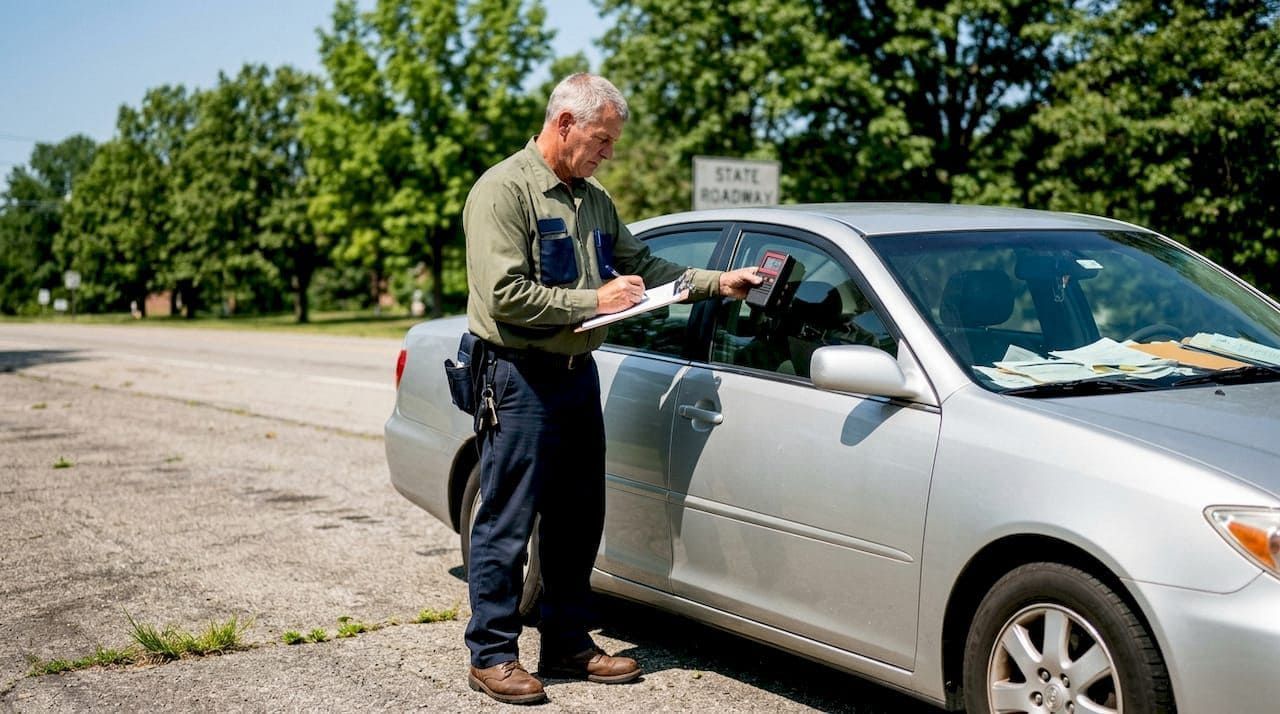
Table of Contents
- Understanding tinting compliance for vehicles: key rules in New Hampshire and Massachusetts
- Compliance considerations for building window tinting in Southern New Hampshire and Greater Boston
- Federal standards and commercial vehicle tinting compliance essentials
- How to ensure tinting compliance: practical tips for homeowners and property managers
- Comparing tinting compliance for vehicles versus building windows
- The overlooked realities of tinting compliance for property owners
- Get compliant window tinting solutions for your home or business
- Frequently asked questions
Key Takeaways
| Point | Details |
|---|---|
| Tinting compliance defined | Tinting compliance means adhering to legal limits for window tint darkness and placement to ensure safety and legality. |
| Vehicle tint laws vary | New Hampshire and Massachusetts have specific visible light transmission limits and restrictions on where tint can be applied on vehicles. |
| Building window film rules differ | Building tint compliance involves meeting safety glazing codes and local permits, distinct from vehicle tint laws. |
| Federal rules affect commercial vehicles | Commercial vehicles must meet FMVSS 205 standards including minimum 70% light transmission on driver-adjacent windows. |
| Professional guidance is key | Consulting experts and using certified films helps property owners avoid legal issues and ensures effective, compliant tinting. |
Understanding tinting compliance for vehicles: key rules in New Hampshire and Massachusetts
The foundation of vehicle tinting compliance is a measurement called Visible Light Transmission, or VLT. VLT is simply the percentage of visible light that passes through your window and film combined. The higher the number, the more light gets through. A window tint compliance standard is typically expressed as a minimum VLT percentage, meaning your tint cannot block more light than the law allows.
In New Hampshire, the tinting legal requirements are stricter than many drivers realize. NH vehicle tinting law requires that front side windows allow at least 70% VLT, and windshield tint is restricted to a strip no wider than 6 inches at the top with a minimum of 35% VLT. Rear side windows and the rear windshield have no VLT restriction, but if any rear window is tinted, the vehicle must have dual side mirrors. That last detail catches a lot of drivers off guard.
Massachusetts takes a slightly different approach. Massachusetts tinting guidelines allow 35% VLT minimum on front and rear side windows, with non-reflective tint permitted on the top 6 inches of the windshield. The reflectance limit also matters: tint cannot create a mirror-like appearance that would compromise visibility for other drivers or law enforcement.
Here is a quick summary of what tinting compliance means for vehicles in this region:
- NH front side windows: 70% VLT minimum
- NH windshield: top 6-inch strip only, 35% VLT minimum
- MA front and rear side windows: 35% VLT minimum
- MA windshield: non-reflective tint on top 6 inches only
- Rear window tinting in NH: requires dual side mirrors
- Medical exemptions: NH allows permit applications for darker tint with documented medical need
Enforcement happens at inspection stations and traffic stops, where officers use calibrated tint meters to measure light transmission. Tinting law differences between the two states mean that a car compliant in Massachusetts may still fail a New Hampshire inspection.
Pro Tip: Always ask your installer for a written record of the VLT reading for each window. That documentation can prevent disputes during inspections and serve as proof of compliance if you ever receive a citation.
If you are curious about how compliant films also cut heat and protect your interior, the benefits of home window tinting carry over in interesting ways from vehicles to residential glass.
Compliance considerations for building window tinting in Southern New Hampshire and Greater Boston
Building window tinting compliance is a different world from vehicle tint laws. For residential and commercial properties, building window film compliance centers on safety glazing codes, energy efficiency standards, and local permit requirements rather than VLT limits set by motor vehicle law.
Safety glazing codes specify what types of glass and film combinations are acceptable in locations where human contact is likely, such as doors, sidelights, and low windows. Films used in these locations must meet specific impact resistance standards. Using an uncertified film in a safety glazing location is not just a code violation. It is a liability.
Energy codes in New Hampshire and Massachusetts also influence film selection. Films that reduce solar heat gain contribute to compliance with energy efficiency standards for new construction and major renovations. The specific metrics that matter include Solar Heat Gain Coefficient (SHGC) and visible light reflectance, which an experienced installer will match to your window orientation and local climate.
Historic districts add another layer entirely. Properties in Boston-area historic neighborhoods face additional scrutiny. Historic district film approvals often require presenting the film as removable protective glazing, complete with detailed product specifications and a written removal plan. Commissions care deeply about exterior appearance, so film color, reflectance, and opacity all come under review.
Common compliance pitfalls for building window tinting include:
- Skipping permit applications for properties in regulated districts
- Using non-certified films that lack documented safety glazing ratings
- Ignoring reflectance limits that affect neighboring properties and street appearance
- Assuming removable film needs no approval in historic districts (it often still does)
- Overlooking HOA rules that may restrict tint appearance on residential properties
Pro Tip: Before purchasing any window film for a building, contact your local building department and, if applicable, your historic commission. A five-minute call can save you weeks of rework and potential removal costs.
For a thorough look at how certified films satisfy both safety and energy codes, the window tint certifications guide is worth reviewing before you select a product. Property managers handling commercial spaces should also explore the broader picture of commercial window tinting benefits alongside the compliance requirements.
Federal standards and commercial vehicle tinting compliance essentials
If you manage a fleet or operate commercial vehicles in Southern New Hampshire or Massachusetts, a separate set of rules applies. The federal standard that governs this space is FMVSS 205, which sets the material and performance requirements for all glazing used in motor vehicles, including aftermarket replacements.
For commercial vehicles specifically, 49 CFR §393.60 requires that glazing in windows adjacent to the driver, including windshields and front side windows, maintain at least 70% parallel luminous transmittance. This is a stricter standard than what Massachusetts applies to passenger cars, and it is federally enforced. Non-compliant glazing can trigger out-of-service orders during DOT inspections.
DOT certification markings on the glass itself are not optional. Any replacement or aftermarket glazing material must carry the appropriate certification marks proving it meets FMVSS 205. If a film is applied and those marks are obscured or the film is uncertified, the vehicle may be flagged during inspection.
Steps commercial vehicle operators should follow to verify tinting compliance:
- Check the existing glazing markings on every window for current DOT certification status before adding any film.
- Request FMVSS 205-compliant product documentation from your film supplier before installation.
- Measure VLT after installation with a certified tint meter to confirm the combined reading meets the 70% threshold.
- Retain all documentation including installer records, film certifications, and post-installation VLT readings.
- Schedule a compliance review before any DOT inspection or annual vehicle registration.
"No person shall operate a commercial motor vehicle unless the windshield, and each window on either side of the driver, provides unobstructed view to the driver and complies with Federal Motor Vehicle Safety Standard No. 205." (49 CFR §393.60)
The rules are strict for good reason. Driver visibility in a 40-ton truck is not a preference. It is a public safety requirement. Explore the full range of commercial window films designed to meet these federal thresholds while still delivering meaningful heat and glare control for drivers.

How to ensure tinting compliance: practical tips for homeowners and property managers
Understanding what are tint limits is step one. Staying compliant through the life of your window film is another matter. Tint meters used by law enforcement measure actual VLT at the time of inspection, not the film's rated VLT from the factory. Film can degrade, bubble, or be applied over existing tint, all of which change the reading.
Here is what a reliable compliance process looks like:
- Verify VLT specifications in writing from your film supplier before committing to a product.
- Hire certified installers who document pre- and post-installation VLT readings.
- Check local building codes and permit requirements before any commercial or residential building tinting project.
- Keep all compliance documentation in a file you can access quickly during inspections or permit reviews.
- Understand medical exemption processes in New Hampshire if you have a condition requiring reduced light exposure in your vehicle.
- Avoid layering films without professional measurement, since two films together can drop VLT below legal thresholds.
Common mistakes worth calling out directly: DIY tinting using uncertified film, skipping permits for building projects, and assuming that what was legal in your last state is legal in New Hampshire or Massachusetts. Tinting law differences between states are real and consequential.
Pro Tip: Set a calendar reminder to visually inspect your window films every 12 months. Bubbling, peeling, or significant discoloration are signs the film has degraded and may no longer meet the VLT it was installed to achieve.
A professional installer will also help you select decorative window films for homes that balance privacy, aesthetics, and code compliance without guesswork. For larger properties, commercial window films offer solutions built around the stricter standards commercial spaces require.
Comparing tinting compliance for vehicles versus building windows
The two worlds of tinting compliance share some vocabulary but almost nothing else in terms of rules, enforcement, and approval processes. Here is a side-by-side look:
| Factor | Vehicle window tinting | Building window tinting |
|---|---|---|
| Governing authority | State DMV, NH RSA 266, MA motor vehicle law, federal DOT | Local building departments, historic commissions, energy codes |
| Key metric | VLT percentage (visible light transmission) | VLT, SHGC, reflectance, safety glazing rating |
| Permitted VLT range (NH/MA) | 35%–70% depending on window and state | No universal limit; varies by code and district |
| Enforcement method | Tint meters at inspections and traffic stops | Permit reviews, code inspections, commission approvals |
| Typical penalty for non-compliance | Citation, failed inspection, required removal | Stop-work order, required removal, fines |
| Historic preservation rules | Not applicable | Required review in designated districts |
| Documentation needed | VLT records, installer certification | Product specs, permits, removal plans if required |
| Medical exemptions available | Yes, NH permits medical exemptions | Not typically applicable |
The table makes clear why treating vehicle and building compliance as interchangeable creates problems. A film appropriate for your home's south-facing windows may be completely wrong for your car's front side windows, and vice versa.
For homeowners looking to connect compliance with visual design goals, top window tinting ideas for homes shows how the right film choices can satisfy both requirements at once.
The overlooked realities of tinting compliance for property owners
Here is something most tinting articles will not tell you: compliance is not just about the film. It is about the underlying glass too.
Most property owners focus entirely on picking the right film and assume the glass itself is already sorted. But compliance requires attention to certified glazing, specific window locations, and the interaction between the existing glass and the applied film. Older glazing that lacks current safety certifications can create liability even when a compliant film is applied over it.
Historic district approvals are where misunderstandings about glass versus film cause the most delays. Commissions often conflate the permanence of replacing glass with the application of removable film. Installers who arrive at a review without a detailed reversibility plan, written product specifications, and a clear explanation of exterior appearance changes often leave without approval. That is not a film problem. It is a presentation problem, and it is preventable.
Another reality that does not get discussed enough: "eyeballing" tint darkness is not a compliance strategy. Enforcement officials use calibrated meters, not personal judgment. A film that looks light enough to pass may still fail measurement. The only way to know is to measure.
Commercial fleet managers face a particularly unforgiving version of this challenge. Passenger car rules and commercial vehicle federal standards diverge significantly, and a vehicle that passes state inspection may still fail a DOT roadside check if the driver-adjacent windows fall below 70% combined VLT.
The practical takeaway is this: engage professionals before you buy film, not after you install it. Early consultation on both window tint certifications and applicable codes prevents the most common and costly compliance mistakes.
Common misconceptions that lead to compliance failures:
- "My neighbor did it, so it must be fine" (your neighbor may be non-compliant too)
- "The film says 35% VLT, so I'm covered" (film VLT plus glass VLT creates a different combined reading)
- "Historic buildings can't be tinted" (they can, with proper approval and reversible installation)
- "Darker tint means better privacy and energy savings" (darker is not always better, and it may push you out of compliance)
Understanding tinted glass for privacy and efficiency means recognizing that the best-performing films are not necessarily the darkest ones.
Get compliant window tinting solutions for your home or business
Navigating tinting compliance across vehicle laws, building codes, and federal commercial standards is genuinely complex. The good news is that you do not have to figure it out alone.
At Surface Dynamics Window Tinting, we specialize in professional window film installation for residential and commercial properties throughout Southern New Hampshire and the Greater Boston Area. As an exclusive LLumar SelectPro Dealer, we install Vista Films that carry the certifications required for both building code compliance and energy performance standards. Whether you need a residential window tinting estimate for your home or want to explore commercial window tinting options for your business, our team assesses your specific windows, local code requirements, and project goals before recommending a single product. We also walk you through permit and historic district requirements where applicable. Learn more about what certified films mean for your property's safety and efficiency in our window tint certifications guide, then reach out for a free consultation.
Frequently asked questions
What does tinting compliance mean for my vehicle in New Hampshire?
Tinting compliance means your vehicle's window tint must meet NH's legal limits, including a minimum of 70% VLT on front side windows and windshield tinting restricted to a top strip no wider than 6 inches with at least 35% light transmittance. Non-compliant tint can result in a failed state inspection and a required removal.
Are vehicle tinting laws the same as building window tinting rules?
No. Vehicle tinting laws focus on visible light transmission and window location for driver safety, while building window film rules center on safety glazing codes, energy standards, and local building permits that vary by municipality and historic district. The two systems are governed by entirely different authorities.
How is window tint light transmission measured for compliance?
Light transmission is measured using a tint meter that calculates the percentage of visible light passing through the combined glass and film. Non-compliant tint readings result in inspection failures or citations, and measurements are taken at the glass itself rather than from the film specification sheet.
Can I install window tint on historic buildings in Greater Boston?
Yes, but you must meet local historic district guidelines that typically require detailed product specifications, a reversible installation plan, and commission approval before installation. Presenting the film as removable protective glazing with documented exterior appearance details significantly improves approval outcomes.
What should commercial vehicle operators know about federal tinting compliance?
Commercial vehicles must meet FMVSS 205 glazing standards and maintain at least 70% parallel luminous transmittance on driver-adjacent windows. Proper DOT certification markings on all glazing materials are required, and non-compliant vehicles can be placed out of service during federal DOT inspections.
Recommended