
Architectural Window Coatings: A Homeowner's Guide
TL;DR:
- Architectural window coatings, mainly Low-E films, enhance building comfort and energy efficiency by controlling heat, light, and UV transmission. Choosing the right type and specifications based on climate, orientation, and application ensures maximum performance and cost savings over the coating's lifespan. Proper professional installation and maintenance are essential to preserve coating effectiveness and durability.
Architectural window coatings are specialized films or layers applied to glass that control heat, light, and UV transmission to improve building comfort and energy efficiency. In the industry, these products are most commonly called Low-E (low-emissivity) coatings, though the category also includes solar control films and decorative window films. Explaining architectural window coatings clearly matters because the wrong choice for your climate or building orientation can cost you money instead of saving it. This guide covers how they work, which types exist, what they deliver, and how to pick the right one for your property.

How do architectural window coatings work?
Low-E coatings function as a thermal mirror on glass, reflecting infrared radiation back toward its source while allowing visible light to pass through. That distinction matters. Infrared radiation is what makes a sun-drenched room feel like an oven. Visible light is what lets you read without turning on a lamp. A well-specified coating gives you one without the other.
The physical structure behind this performance is surprisingly precise. Low-E coatings are stacks of microscopically thin layers, including silver and dielectric materials like ceramic, arranged in a specific sequence on the glass surface. Each layer is measured in nanometers. Triple-silver coated glass uses 12 or more of these nanoscale layers to achieve peak performance.
Here is what those layers actually do:
- Silver layers reflect long-wave infrared radiation, which is the radiant heat that moves between warm and cool surfaces inside a building.
- Dielectric layers protect the silver and fine-tune which wavelengths pass through.
- The glass substrate provides the structural base for the entire coating stack.
The result is measurable. Modern Low-E coatings transmit almost 70% of sunlight while blocking up to 75% of infrared and UV energy. That means you keep natural daylight without the heat load or the UV damage to furniture and flooring.
There are two functional categories worth knowing. Passive Low-E coatings are designed for cold climates. They allow some solar heat gain to assist with winter heating. Solar control Low-E coatings are designed for hot climates or sun-facing facades. They prioritize heat rejection over passive solar gain. Choosing between them is not a matter of preference. It is a matter of where you live and which direction your windows face.
Pro Tip: Ask your installer for the coating's emissivity value, not just the brand name. Emissivity values range from 0.84 on uncoated glass down to as low as 0.04 on advanced soft-coat products. The lower the number, the better the thermal performance.
What are the main types of architectural window coatings?
Two coating types dominate the market: soft-coat (sputtered) Low-E and hard-coat (pyrolytic) Low-E. Each has a distinct manufacturing process, performance profile, and ideal application context.
Soft-coat coatings are applied in a vacuum chamber after the glass is manufactured, a process called magnetron sputtering. This method deposits ultra-thin silver layers with exceptional precision. The trade-off is fragility. Soft-coat Low-E coatings must be sealed inside insulating glass units (IGUs) to prevent the silver layers from oxidizing when exposed to air or moisture. They are never used on exposed single-pane glass.
Hard-coat coatings are applied during glass manufacturing while the glass is still hot, bonding the coating chemically to the surface. This makes them far more durable and suitable for exposed applications. The performance trade-off is real, though. Hard-coat emissivity sits around 0.10, while soft-coat products can reach as low as 0.02. That gap translates directly into energy bills.
| Coating Type | Durability | Thermal Performance | Typical SHGC | Best Use Case |
|---|---|---|---|---|
| Soft-coat (sputtered) | Moderate, requires IGU | Superior | 0.20–0.28 | Sealed double or triple pane windows |
| Hard-coat (pyrolytic) | High, exposed surfaces | Good | 0.35–0.45 | Single pane, exposed or retrofit glass |
| Solar control film | High, surface applied | Good to excellent | Varies by product | Retrofit on existing windows |
Emerging materials are entering the market as well. Tin-based nanocomposite coatings and transparent thermal insulation materials (TTIM) are being tested in commercial projects. These products aim to close the performance gap between hard-coat and soft-coat options while maintaining durability for exposed applications. They are not yet widely available for residential projects, but they signal where the industry is heading.
Pro Tip: For new construction or full window replacement, specify soft-coat Low-E inside a sealed IGU. For retrofitting existing single-pane windows, a high-performance solar control film applied to the glass surface is the practical alternative.
What are the key benefits for homeowners and property managers?
The benefits of window coatings are concrete and measurable, not theoretical. Low-E coatings reduce radiant heat transfer by 30–50% compared to uncoated double-pane glass. That reduction directly lowers the demand on your HVAC system, which is where most of the cost savings show up on your utility bill.
Here is a summary of what properly specified coatings deliver:
- Energy savings: Up to 30–50% reduction in radiant heat transfer, cutting heating and cooling loads year-round.
- UV protection: Coatings block UV light that causes fading in flooring, furniture, artwork, and textiles. This protection is built into the selective energy-blocking properties of the coating itself.
- Glare reduction: Solar control coatings cut visible glare without making rooms feel dark, improving screen visibility and occupant comfort.
- Comfort improvement: Eliminating hot spots near windows makes rooms usable that were previously uncomfortable in summer or winter.
- Aesthetic options: Films and coatings are available in neutral, bronze, gray, and reflective finishes, giving property managers control over the building's exterior appearance.
The cost picture is straightforward. Windows with high-performance Low-E coatings typically cost 10–15% more than standard glazing. That premium pays back through reduced energy loss over the window's lifespan, which commonly runs 20 years or more. For property managers overseeing large commercial facades, the math favors the upgrade quickly. For homeowners, the comfort improvement alone often justifies the cost before the energy savings are even calculated.
Upgrading your windows also has a documented impact on resale value. Buyers and tenants increasingly factor energy performance into property decisions. You can explore the full case for upgrading windows to see how coatings fit into a broader renovation strategy.
How do you choose the right window coating?
Choosing the right coating requires matching two performance numbers to your building's specific conditions: the U-value (how well the window resists heat flow) and the Solar Heat Gain Coefficient, or SHGC (how much solar heat the window lets in). Specifying based on U-value alone is insufficient. SHGC must be balanced against climate and building orientation to get the result you want.
Follow these steps to evaluate your needs:
- Identify your climate zone. Hot climates like Southern New Hampshire summers need low SHGC (0.25–0.35) to reject solar heat. Cold climates benefit from higher SHGC (0.50 or above) on south-facing glass to capture passive solar heat in winter.
- Map your window orientations. South-facing windows receive the most direct sun in winter and summer. West-facing windows take the hardest afternoon heat load in summer. Each orientation may call for a different coating specification.
- Set your U-value target. For cold climates, prioritize a low U-value (below 0.30) to minimize heat loss through the glass. For mixed climates, balance both metrics.
- Review manufacturer performance data. Request the NFRC (National Fenestration Rating Council) label data for any product you are considering. This standardized data lets you compare products accurately.
- Avoid the common pitfall. Do not choose a coating based on appearance or price alone. A low-cost hard-coat product may look fine but underperform a soft-coat IGU by a significant margin in a cold climate.
For a practical walkthrough of matching coatings to your property's conditions, the guide on choosing the right window tint covers climate-specific selection in detail.
What do installation and maintenance actually involve?
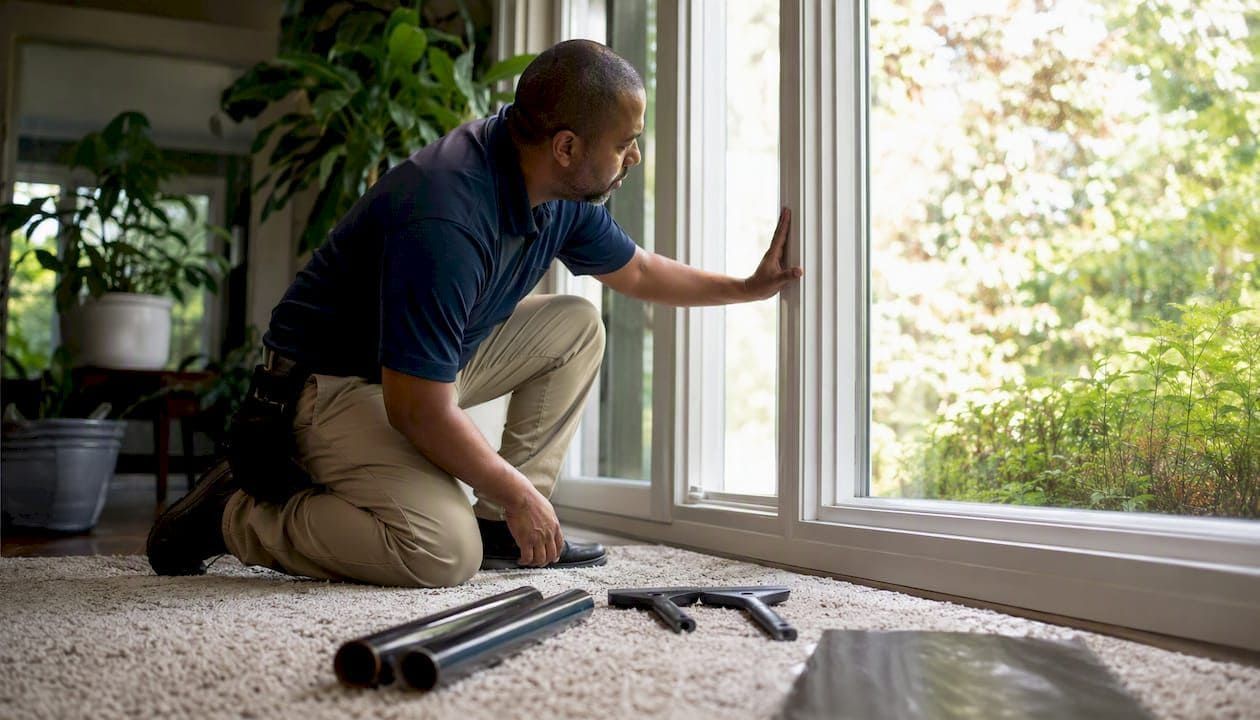
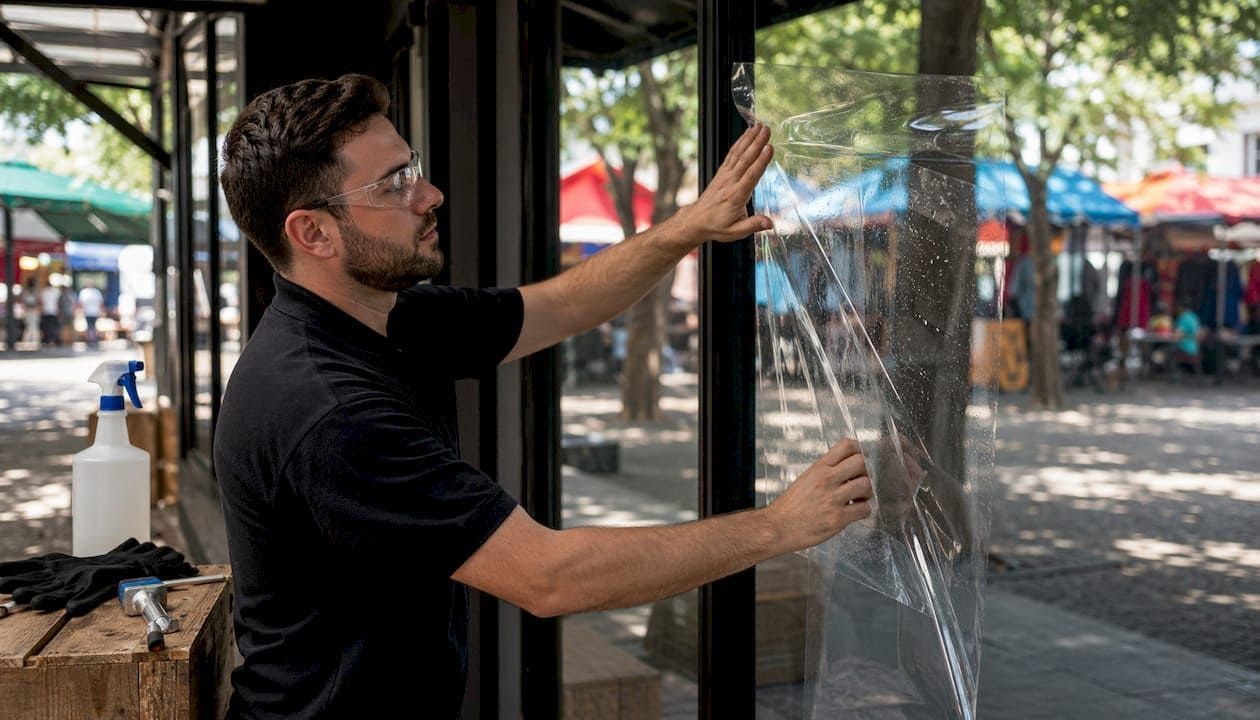
Installation quality determines whether a coating performs as specified or degrades prematurely. Professional installation preserves warranty and performance by ensuring proper sealing of coatings within IGUs and correct application of surface-applied films. Misinstallation is not a minor issue. A failed IGU seal allows moist air to reach the silver layers in a soft-coat product, causing permanent oxidation and visible fogging between the panes.
Key durability and maintenance points to understand:
- Soft-coat coatings have no maintenance requirements once sealed inside an IGU, but the IGU seal itself must be inspected periodically. Seal failure is the primary failure mode.
- Hard-coat coatings on exposed glass can be cleaned with standard glass cleaners. They resist scratching and weathering better than soft-coat products.
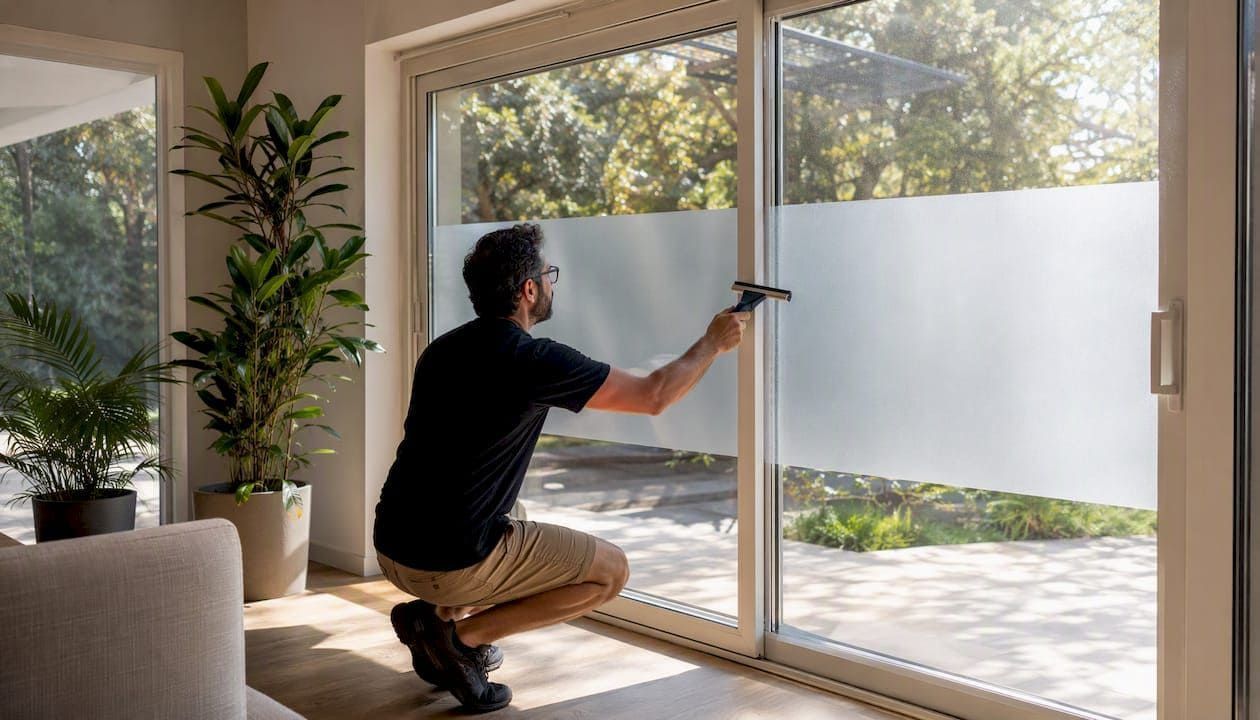
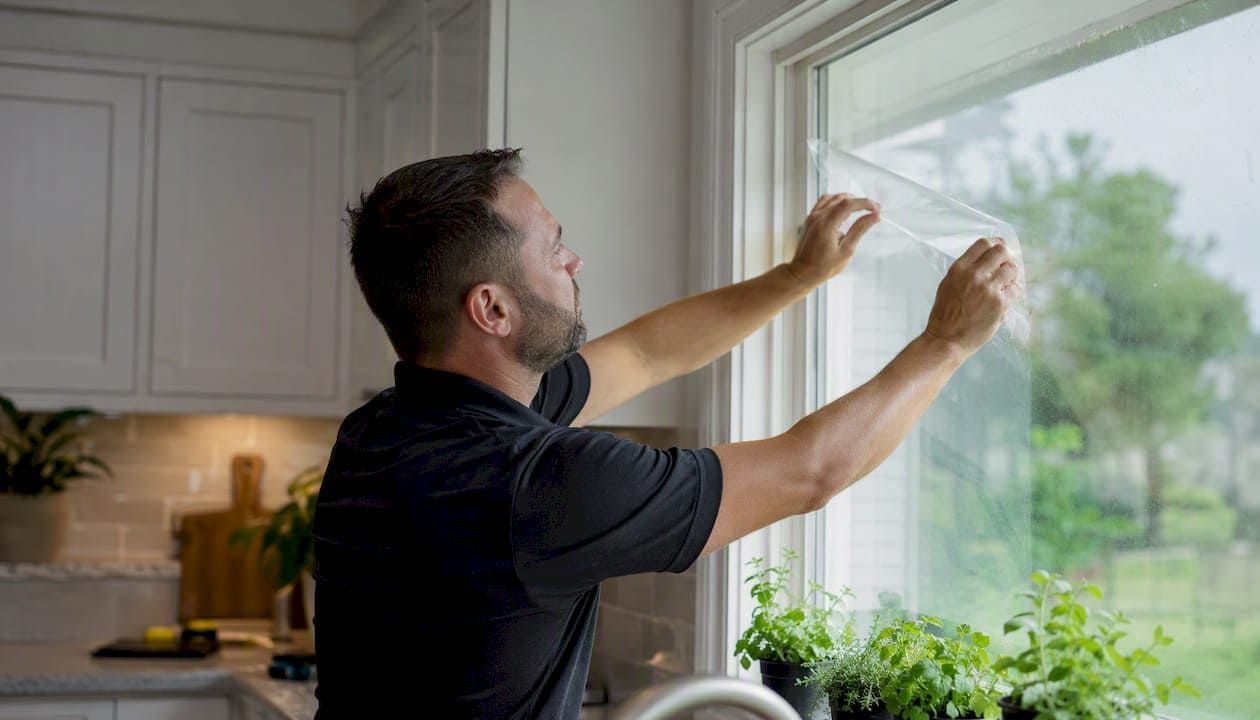
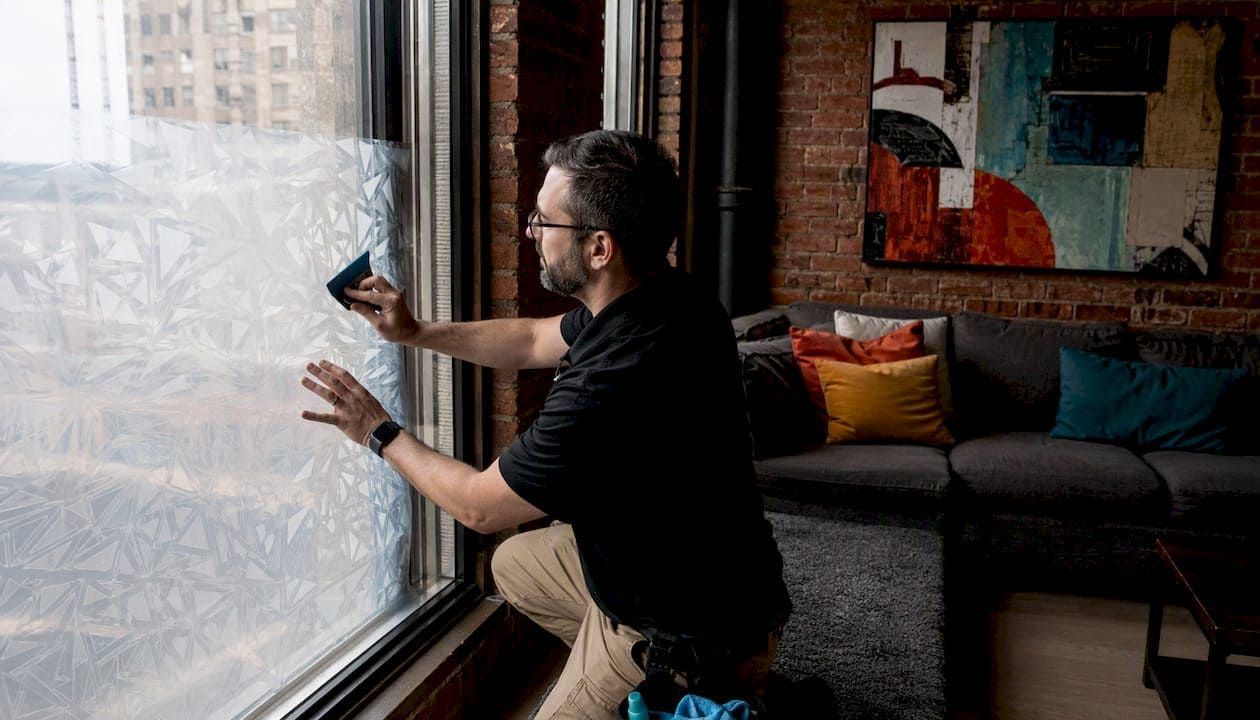
- Surface-applied window films (the retrofit option) typically carry manufacturer warranties of 10–15 years. Longevity depends on film quality, installation technique, and local climate conditions.
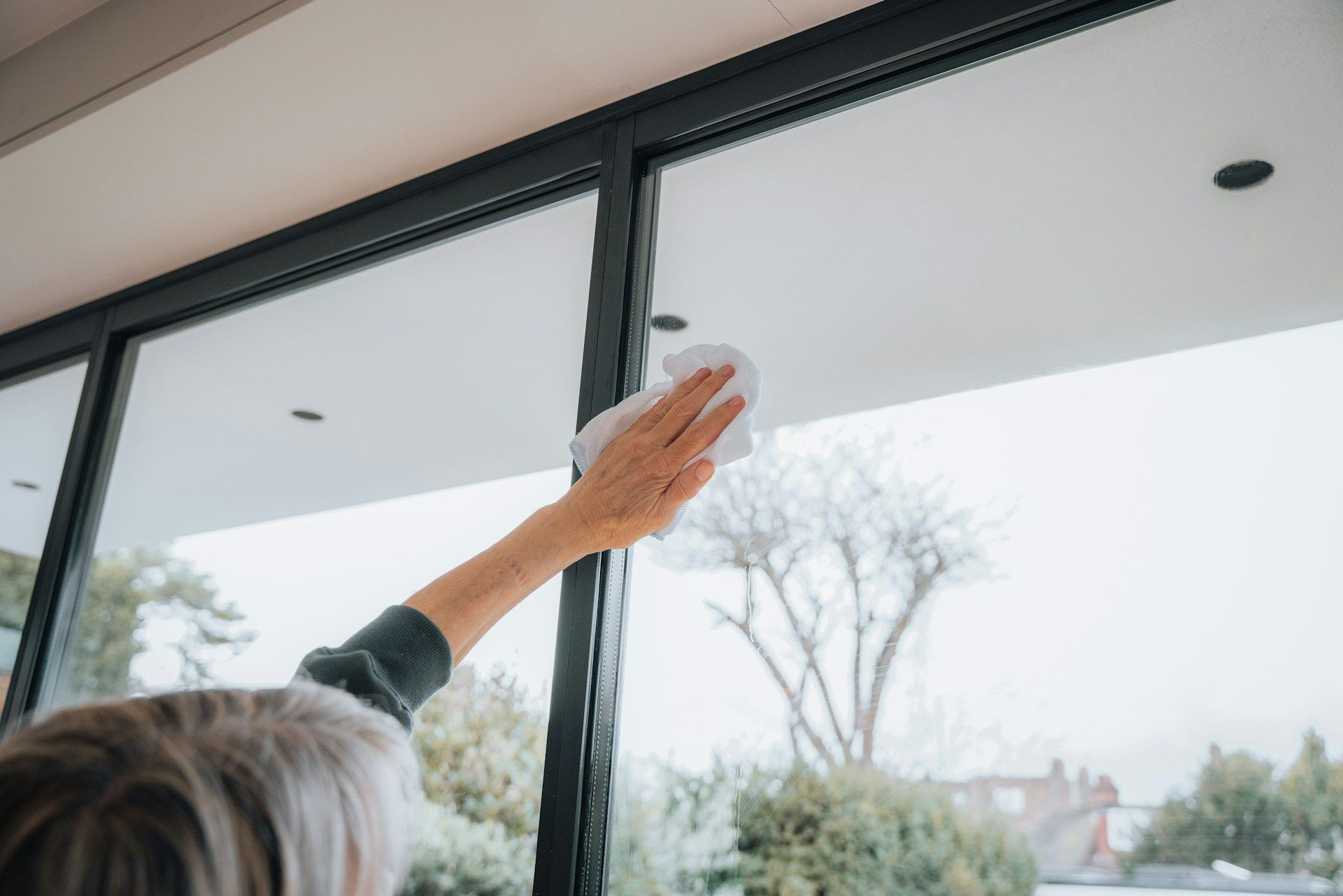
- Avoid abrasive cleaners on any coated glass surface. Scratching the coating degrades both appearance and performance.
Pro Tip: In New England climates, thermal stress from rapid temperature swings can accelerate IGU seal failure. Ask your installer about spacer bar material. Warm-edge spacers made from materials like Swiggle Seal or TGI reduce thermal conductivity at the edge of the glass unit, extending seal life.
For a deeper look at window film longevity in New England, the conditions specific to this region matter more than most homeowners realize.
Key takeaways
Architectural window coatings deliver measurable energy, comfort, and protection benefits when specified correctly for climate, orientation, and building type.
| Point | Details |
|---|---|
| Low-E coatings reduce heat transfer | Advanced coatings cut radiant heat transfer by 30–50% versus uncoated double-pane glass. |
| Soft-coat outperforms hard-coat thermally | Soft-coat emissivity reaches 0.02 versus 0.10 for hard-coat, but requires sealed IGU protection. |
| SHGC and U-value must both be specified | Choosing by U-value alone misses solar heat gain, which drives cooling costs in warm climates. |
| Professional installation protects performance | Seal failure from poor installation permanently degrades soft-coat coatings and voids warranties. |
| Cost premium pays back over time | A 10–15% higher upfront cost typically returns savings through reduced energy loss over 20-plus years. |
Why most people spec window coatings wrong
After working with homeowners and property managers across Southern New Hampshire and the Greater Boston Area, the pattern I see most often is this: people pick a coating based on what the window looks like in the showroom, not what the performance data says. A slightly tinted glass looks "energy efficient." It may not be.
The specification error that costs the most money is choosing a high SHGC coating for a west-facing facade in a mixed climate. You end up with a window that lets in afternoon heat all summer and barely helps in winter. The fix is not expensive. It just requires reading the NFRC label before you commit.
The other thing I would push back on is the idea that window coatings are a luxury upgrade. In a New England winter, a properly specified soft-coat IGU is doing real thermal work every single day. The comfort difference in a room with uncoated glass versus a room with a 0.04-emissivity coating is not subtle. It is the difference between a room you avoid and a room you use.
My honest advice: work with an installer who asks about your orientation and climate before recommending a product. If they lead with aesthetics and skip the performance data, find someone else.
See what the right coating can do for your property
Surfacetint installs premium LLumar Vista window films for residential and commercial properties across Southern New Hampshire and the Greater Boston Area. As an exclusive LLumar SelectPro Dealer, Surfacetint works with Solar Control Films, Safety and Security Films, and Decorative Privacy Films, all backed by manufacturer warranties and professional installation.
If you are planning a renovation or managing a commercial property, a professional assessment takes the guesswork out of coating selection. Surfacetint evaluates your building's orientation, climate exposure, and goals before recommending a product. Request a free estimate and get a clear picture of what the right coating will do for your energy costs, comfort, and interior protection.
FAQ
What is a low-e window coating?
A Low-E (low-emissivity) coating is a microscopically thin multilayer film applied to glass that reflects infrared heat while transmitting visible light. It reduces radiant heat transfer by 30–50% compared to uncoated double-pane glass.
How do window coatings reduce energy costs?
Window coatings lower HVAC demand by blocking solar heat gain in summer and reducing heat loss in winter, cutting the energy your heating and cooling system needs to maintain a comfortable indoor temperature.
What is the difference between soft-coat and hard-coat low-e?
Soft-coat Low-E offers superior thermal performance with emissivity as low as 0.02 but must be sealed inside an insulating glass unit. Hard-coat Low-E has emissivity around 0.10, is more durable, and can be used on exposed glass surfaces.
Can window coatings be added to existing windows?
Yes. Surface-applied solar control films are a retrofit option for existing single-pane or older double-pane windows. They deliver meaningful heat rejection and UV protection without replacing the entire window unit.
How long do architectural window coatings last?
Soft-coat coatings inside sealed IGUs last as long as the IGU seal holds, typically 20 or more years with quality installation. Surface-applied window films carry manufacturer warranties of 10–15 years depending on the product and climate conditions.
Recommended