
What to Know About Tinting Glass Patio Doors for Summer Sun
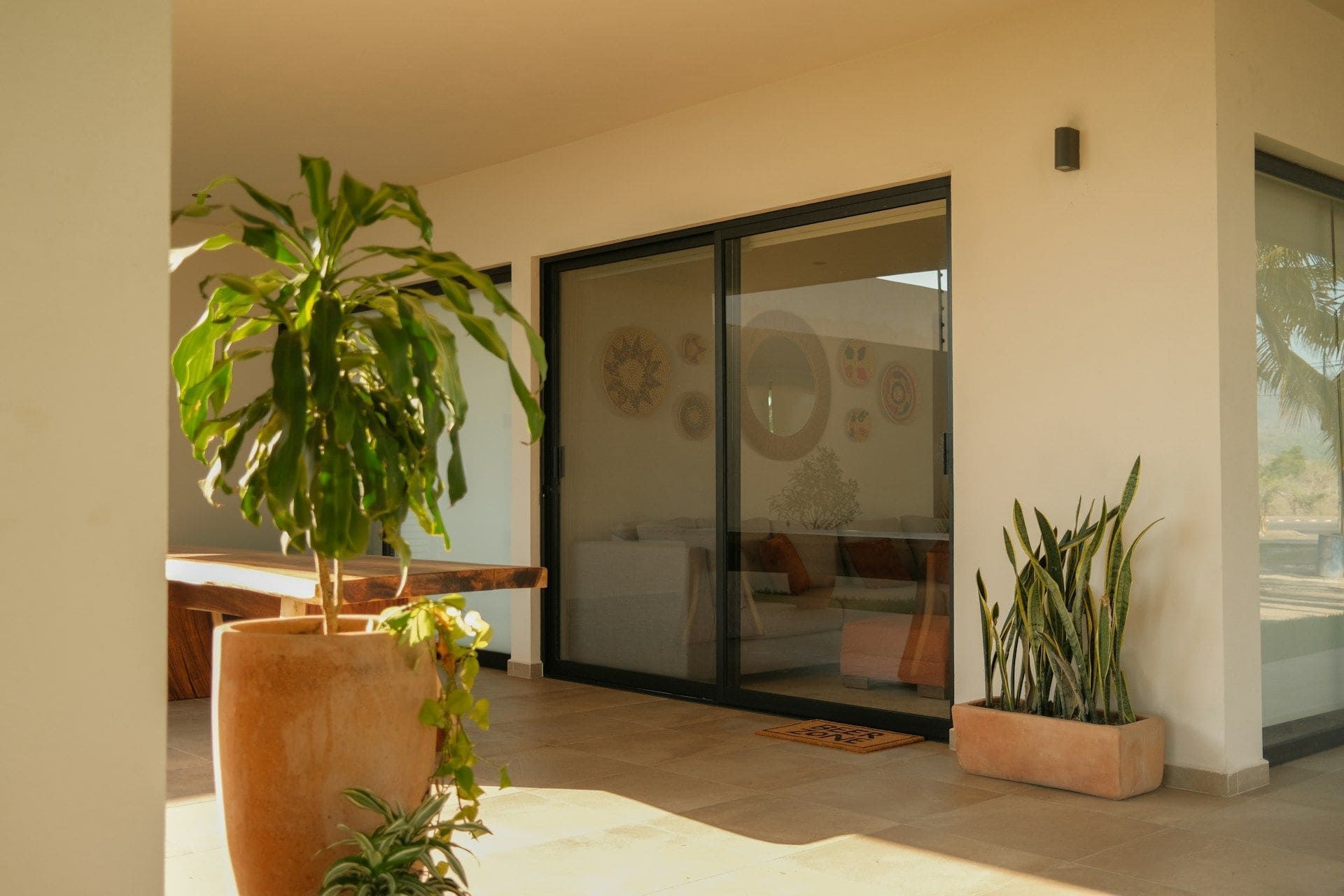
During the summer months, sunlight through glass patio doors can warm a room in no time. What starts as pleasant morning light quickly turns into a hot beam that heats up the floors, the air, and just about anything in its path. The bigger the glass, the more heat it brings in, especially on sunny afternoons.
That’s where something like sliding door window tinting can help. It’s a simple adjustment to how your glass works, yet it makes a real difference in how the space feels when the sun’s at its strongest. As the hottest days of the year roll into Southern New Hampshire and the Greater Boston Area, now’s a good time to think through whether your patio doors are really ready. A little tint goes a long way, especially if it helps you stay cool without giving up your view or privacy.
Why Glass Patio Doors Heat Up Fast in Summer
Glass lets in light, which many of us love, but it also brings heat. Unlike a wall, which blocks sunlight straight out, glass acts almost like a magnifier. That big clear surface captures rays and gives them direct access to your space.
There are a few reasons some glass doors heat up more than others:
- Bigger panes collect more sunlight, so wide sliders or French doors gather extra heat
- Doors that face south or west get hit the hardest during peak sun hours
- Dark-colored patios or decks nearby can bounce warmth back toward the glass
In places like Southern New Hampshire and Boston, where summer afternoons often sit in the 80s and spike higher during heat waves, that solar load builds fast. By the time lunch rolls around, rooms connected to glass patio doors can feel like tiny greenhouses. The heat doesn’t just make you sweat, it can change how often you open the shades, rely on fans, or run the AC.
How Sliding Door Window Tinting Can Help
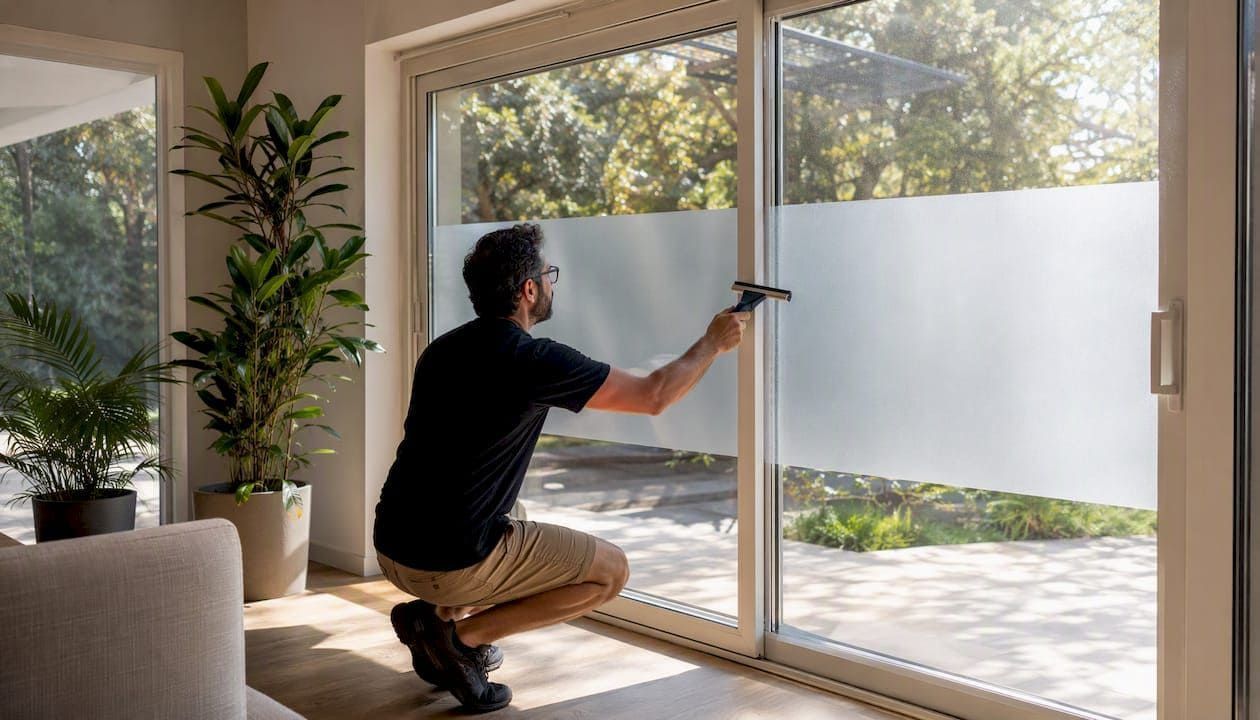
Like sunglasses for your glass, window tint limits how much heat and glare passes through. It doesn’t block your view the way curtains or shades do, but it softens how much light comes into the room.
Here’s what that can look like for your sliding patio doors:
- Less brightness bouncing off floors and furniture, making it more comfortable during the day
- Lower indoor temperatures, especially in rooms that stay sunlit for hours
- A bit more privacy during the day without losing natural light
Most tinting films work by filtering out part of the sun’s spectrum. Some are nearly invisible, while others add a tinted or reflective finish. Good films don’t make the room pitch black. Instead, they cut the sharp edge off the sunlight, making it easier to sit near the door without needing sunglasses inside.
For homes in more populated areas, there’s the added bonus of privacy. Sliders that open to shared backyards or face sidewalks often feel too open. A subtle tint can take the edge off the view and help you feel more at ease inside.
What to Look for in a Good Patio Door Tint
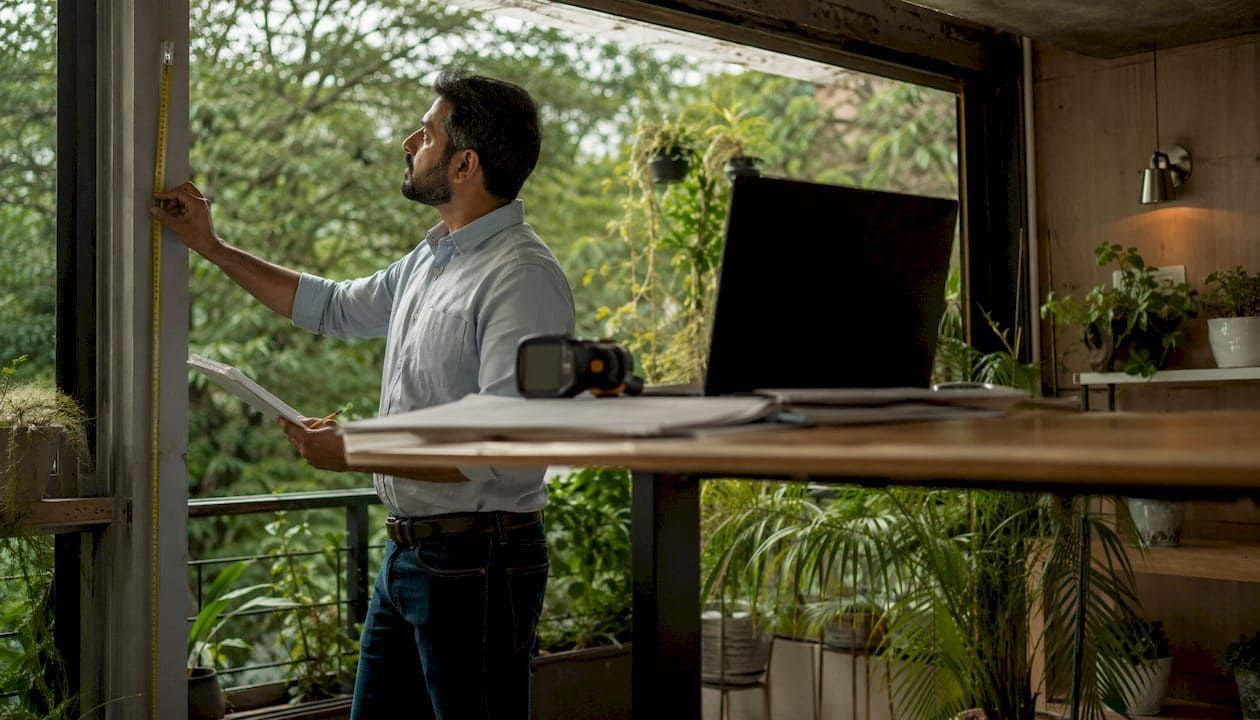
Not all window tints are the same. Some focus more on glare, while others are built for heat blocking or added safety. The right fit for a patio door usually depends on how much light you want to keep and what kind of sun the door gets.
Here’s what we pay attention to when thinking about tinting patio doors:
- Clarity: Some films are clear, others are gently shaded. Clearer films maintain views, while darker options add shade and privacy
- UV protection: Quality tint blocks nearly all UV rays, which helps protect floors and furniture from fading
- Shade level: Films range from low to high heat rejection. That number guides how much warmth comes through
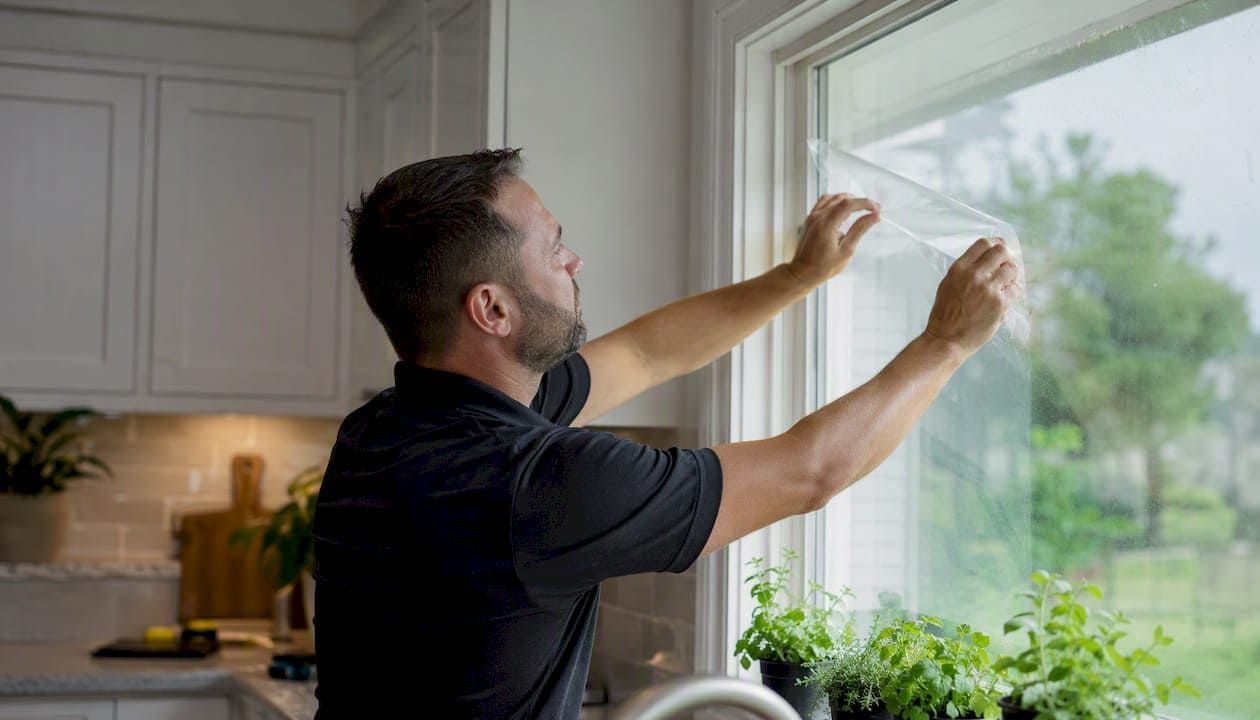
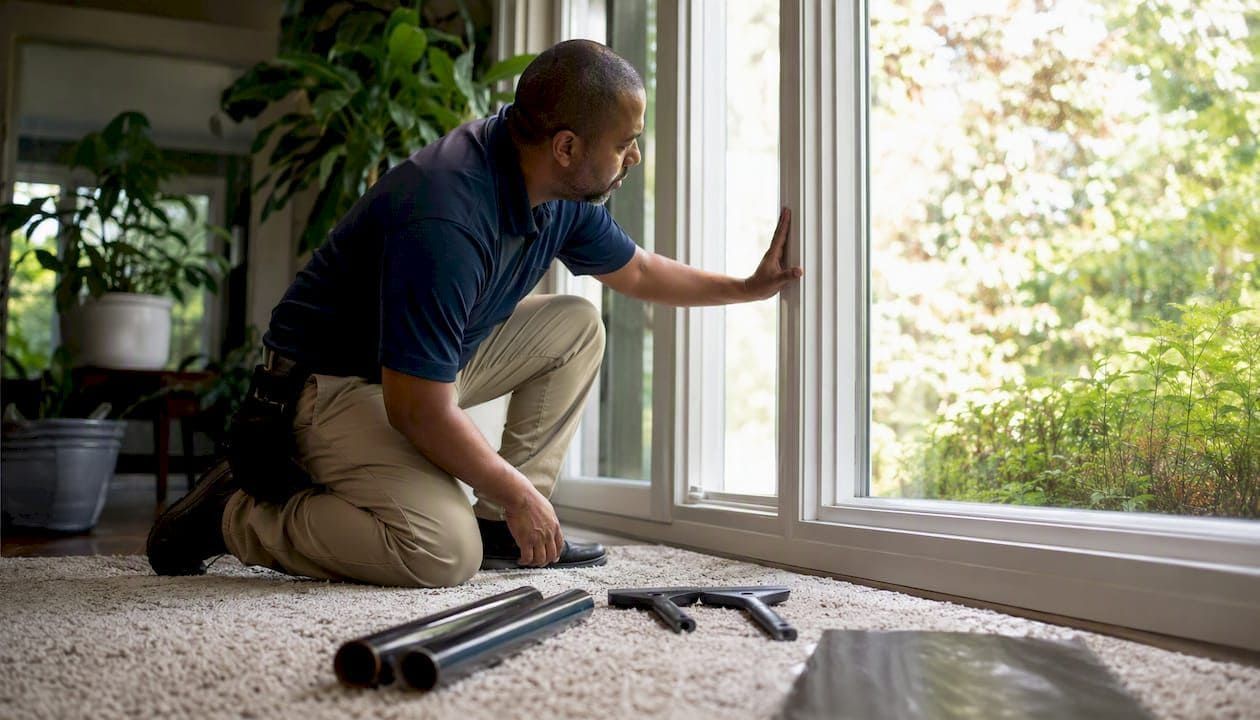
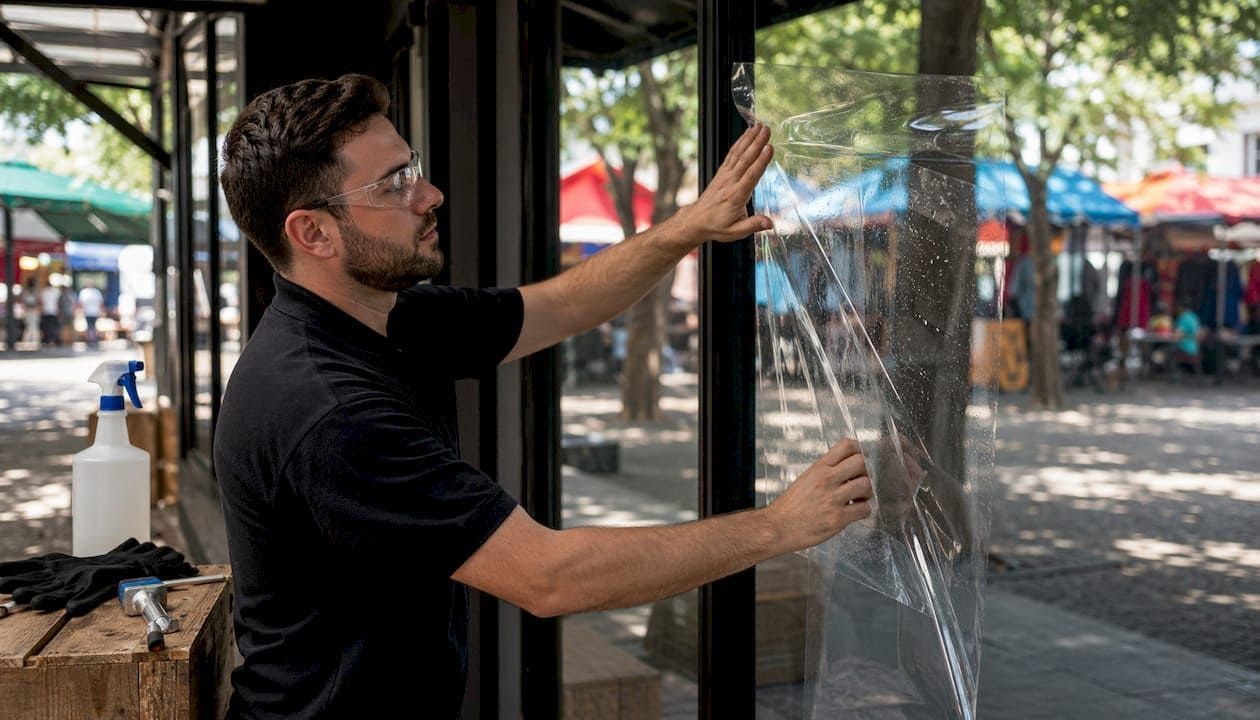
Because sliding doors often move and get opened daily, the edges of the film need to be tight and secure. A poor fit can bubble, peel, or interfere with how the door slides. That’s where having a film installed by someone familiar with patio door movement really matters. It keeps things clean-looking, long-lasting, and safe.
Where Tinting Makes the Most Sense Around the Home
Not every glass surface needs tinting, but there are some spots where the benefits stand out fast. Glass patio doors are one of them, especially if they’re part of your everyday living areas.
Popular areas for tinting include:
- Kitchen sliders that open to backyard patios
- Sunroom doors with strong afternoon light
- Family rooms with big glass facing the yard or garden
- Sliders near pool decks where glare and heat build quickly
In many homes around Boston and towns in Southern New Hampshire, sliding doors open up to decks, driveways, or side yards. Those doors tend to face southwest and get bright sun from mid-morning to dusk. Tinting helps balance things out, so you’re not constantly adjusting blinds or avoiding that side of the room.
People often notice things feel calmer and quieter after tinting, too. There’s a visual softness that comes with the filtered light. The space doesn’t feel cave-like, just cooler and easier to enjoy.
Sun Protection Without Losing Your View
Sliding door window tinting gives you a simple way to stay more comfortable in summer. It tones down glare, cuts indoor heat, filters UV rays, and can even boost daytime privacy. Best of all, it doesn’t stop you from enjoying the outdoor view or soaking in natural light.
The goal isn’t to change how your patio doors look but to make them work better during the long stretches of sun and heat. For homes in the Northeast, especially as we move deeper into the warmer part of the year, that’s a smart step that doesn’t ask for much change but pays off when temperatures rise.
Summer living can be more comfortable without changing your home's style. Our window tinting reduces heat from large patio doors that often absorb more warmth than expected during long afternoons. A well-chosen film lowers temperatures, reduces fading, and still lets in plenty of natural light. You can learn more about how
sliding door window tinting helps create cooler, more livable spaces year-round. Contact
Surface Dynamics Window Tinting when you're ready to get started.