
Best privacy film for buildings: top options compared
Choosing a privacy film sounds simple until you're standing in a showroom facing frosted, reflective, blackout, and smart film options with no clear framework for deciding. Every property is different. A street-facing office in Manchester, NH has completely different needs than a bathroom in a Brookline home or a medical clinic lobby in Boston. The right film balances daylight, aesthetics, and security without sacrificing one for another. Privacy window films range from frosted and translucent options for round-the-clock coverage to reflective films for daytime-only privacy and smart switchable films for on-demand control. This guide walks you through each type so you can make a confident, informed decision.
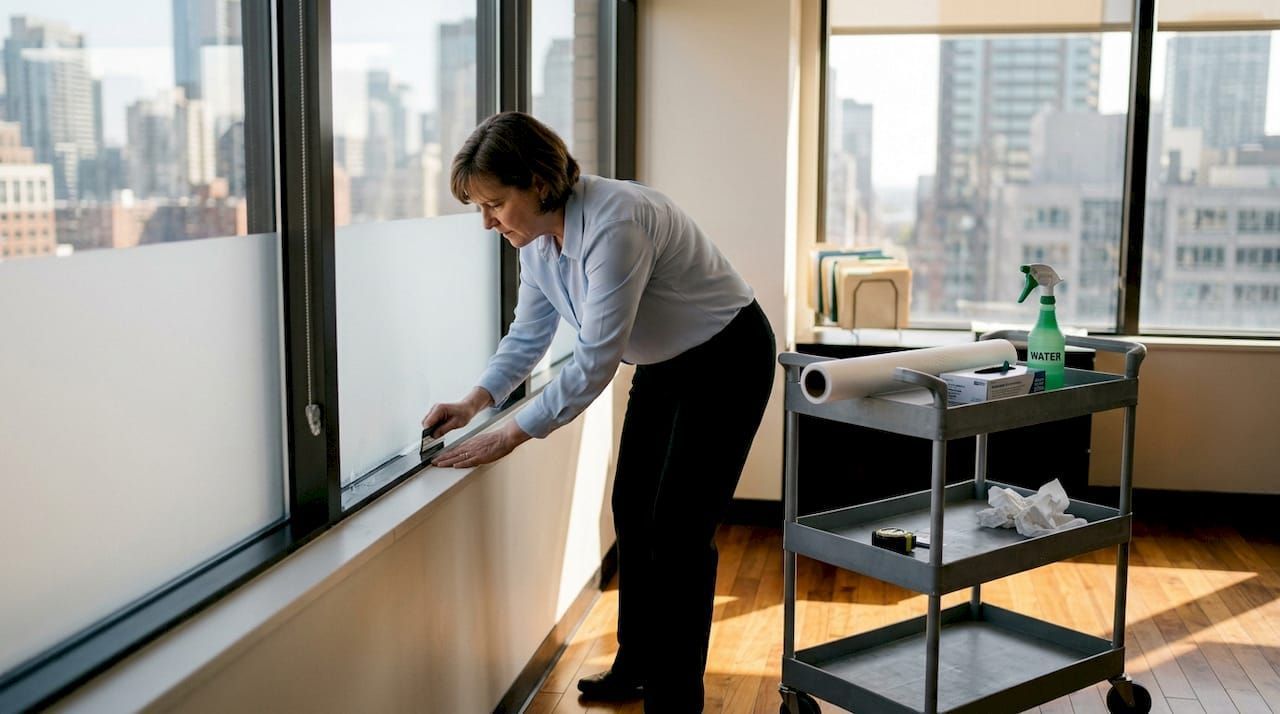
Table of Contents
- How to evaluate privacy film options: Key decision criteria
- Frosted and translucent films: Reliable privacy and light diffusion
- Reflective and one-way mirror films: Daytime privacy with style
- Blackout, opaque, and patterned films: Total privacy or custom designs
- Smart and switchable privacy films: Technology on demand
- Comparing privacy film types: Performance, pros, and cons
- How to choose and install privacy film for homes or businesses
- Ready to find the right privacy film for your property?
- Frequently asked questions
Key Takeaways
| Point | Details |
|---|---|
| Choose by privacy need | Match film type to whether you want 24/7 privacy, just daytime, or flexible control. |
| Consider light and aesthetics | Some films preserve natural daylight and décor, others achieve total block—know your goal before deciding. |
| Reflective films not for night | Daytime mirror films stop working after dark, so combine with other solutions for full-time coverage. |
| Professional installation matters | Certified pros ensure privacy film performs well and lasts over a decade—with fewer bubbles and defects. |
| Performance goes beyond privacy | Quality films block UV, reduce heat, and cut glare for added comfort and energy savings. |
How to evaluate privacy film options: Key decision criteria
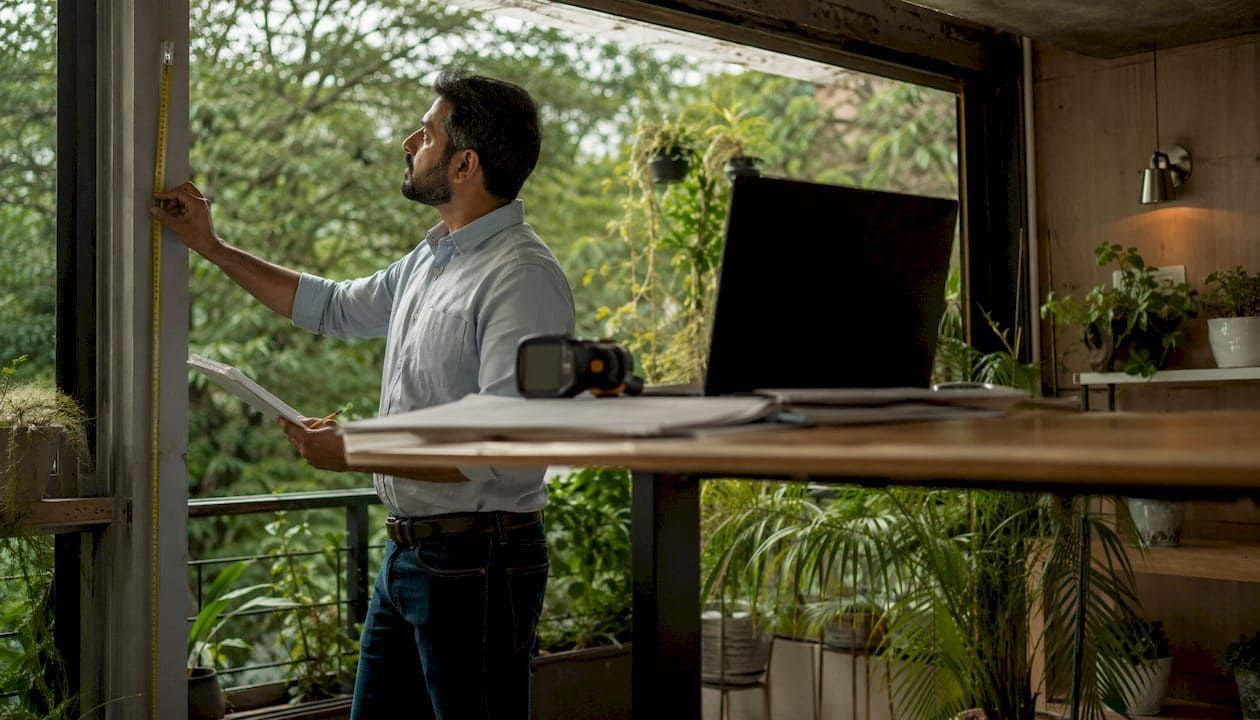
Before picking a product, you need a clear set of criteria. Three performance metrics matter most: VLT (visible light transmission, the percentage of light that passes through), TSER (total solar energy rejected, how much overall solar energy the film blocks), and SHGC (solar heat gain coefficient, a measure of how much heat enters through the glass). Lower SHGC and higher TSER mean better heat control. VLT and reflectivity determine how the mirror effect and opacity work in practice.
Beyond the numbers, think about when you need privacy. Do you need it 24 hours a day, only during business hours, or just in specific zones like a conference room or bathroom? Your answer immediately narrows the field. You also want to weigh how much natural light you want to keep, whether aesthetics matter for branding or curb appeal, and how much glare reduction you need.
Durability is another factor that separates budget films from premium ones. Top-tier films carry warranties of 10 to 20 years. Our guide to residential window film covers what to look for in product specs, and our comparison of solar vs. privacy film helps clarify which performance goal to prioritize.
Key criteria to assess before buying:
- Privacy schedule: 24/7, daytime only, or on-demand
- VLT range: how much light you want inside
- Heat and glare control: TSER and SHGC targets
- Aesthetics: neutral, reflective, frosted, or patterned
- Warranty length and installer certification
Pro Tip: Always ask your installer for the film's spec sheet before committing. A certified installer in Southern NH or Greater Boston can match the right VLT and TSER to your window orientation and local sun angles.
Frosted and translucent films: Reliable privacy and light diffusion
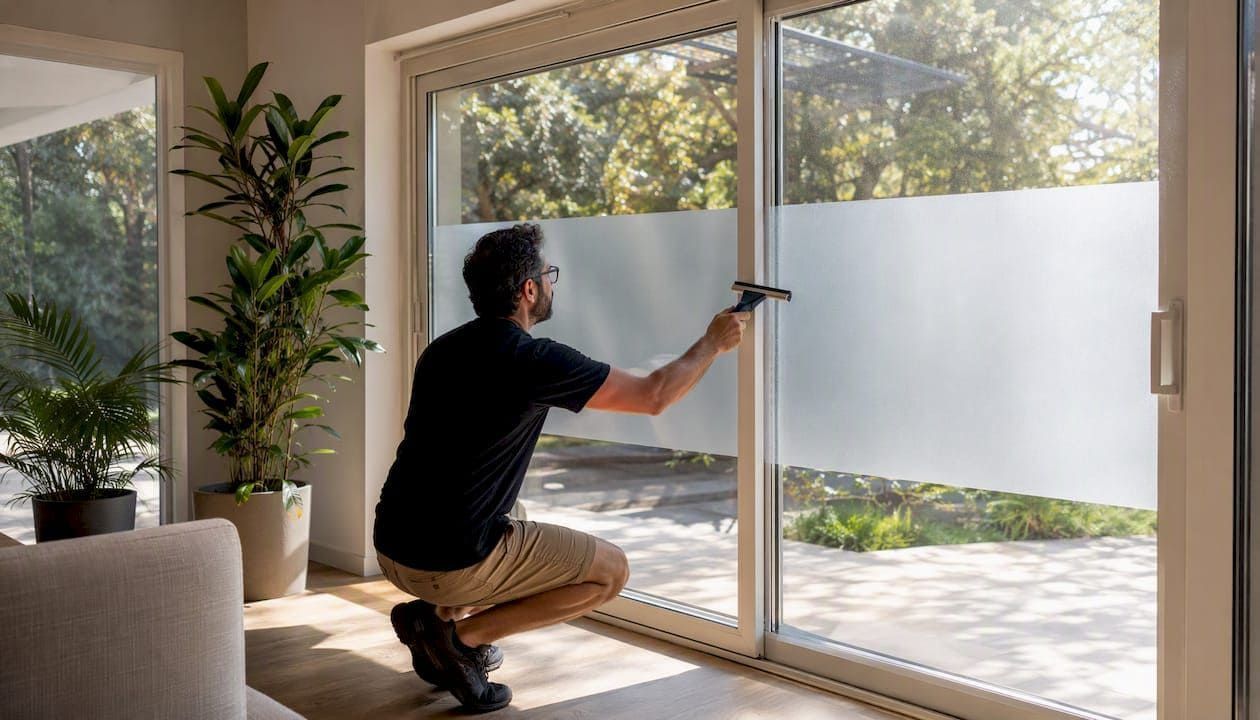
Frosted and translucent films are the most straightforward privacy solution available. They scatter incoming light rather than blocking it, which means your space stays bright while views in both directions are obscured. Frosted films are ideal for bathrooms, conference rooms, sidelights next to entry doors, and any street-level window where consistent privacy matters.
The biggest advantage is reliability. Unlike reflective films, frosted options work equally well at night and during the day. There is no lighting differential to worry about. The tradeoff is that you lose the ability to see out clearly, which is fine for a bathroom but less ideal for a living room where you enjoy the backyard view.
Best use cases for frosted and translucent films:
- Bathroom and powder room windows
- Office sidelights and interior glass partitions
- Conference rooms and private meeting spaces
- Street-level retail or residential windows
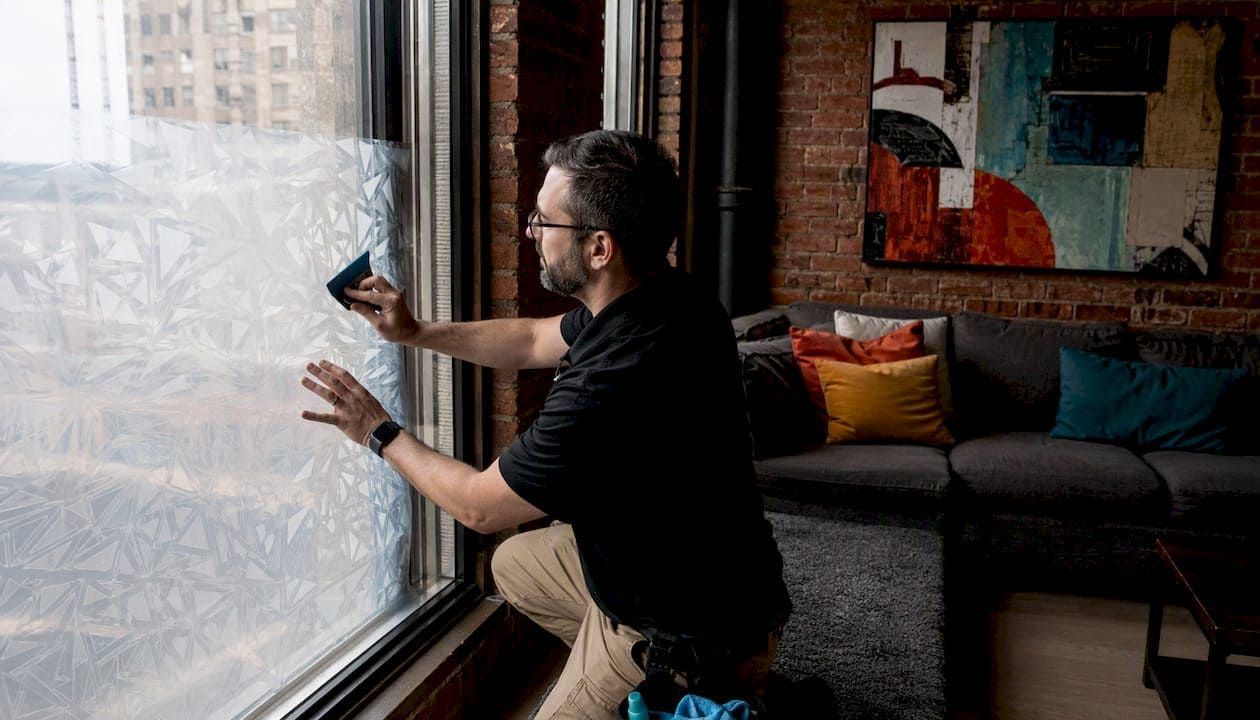
Decorative frosted options add a design layer on top of the privacy function. Etched patterns, geometric designs, and custom graphics let you match your film to your interior style. Explore decorative window films for homes and decorative window film options to see how far the aesthetic possibilities stretch.
Frosted film gives you privacy without the darkness. It is one of the few solutions that works equally well in a New Hampshire winter with low sun angles as it does in a bright Boston summer.
Reflective and one-way mirror films: Daytime privacy with style
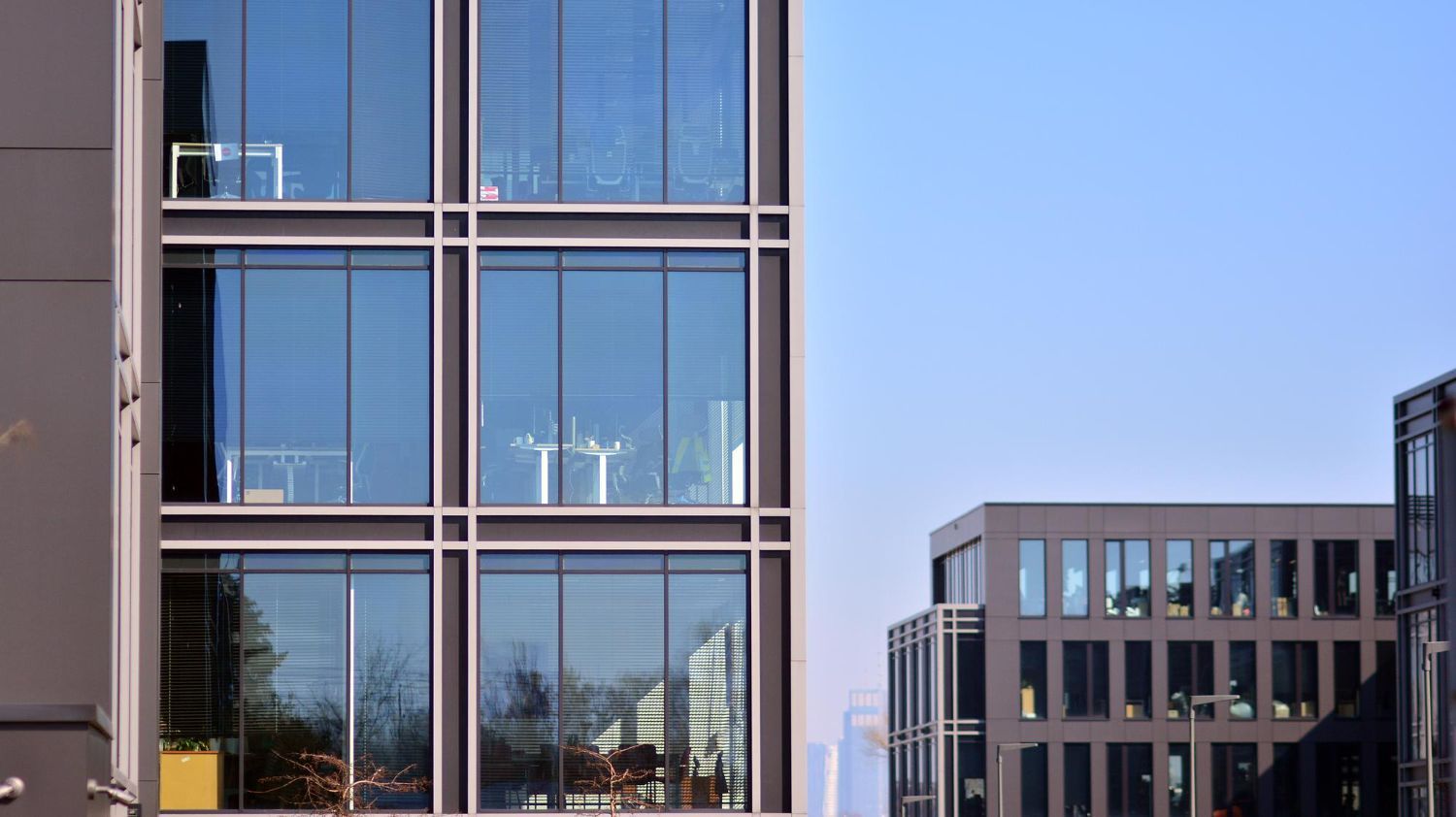
Reflective films work by exploiting a lighting differential. When the exterior is brighter than the interior, the film acts like a mirror on the outside while remaining relatively clear from within. One-way window film typically requires about a 4:1 exterior-to-interior light ratio to maintain the effect.
This makes reflective films excellent for sun-drenched, street-facing office windows or south-facing residential glass during the day. They also deliver meaningful energy benefits by reflecting solar heat before it enters the building. Our solar vs. privacy film comparison explains how these dual benefits interact.
The critical limitation: reflective films fail at night when interior lights are on. The mirror effect reverses, and anyone outside can see in clearly. Cloudy days with low contrast also reduce effectiveness. If you need nighttime privacy, pair reflective film with curtains or blinds.
Pros and cons at a glance:
- Pros: Modern metallic aesthetic, strong UV and heat reduction, daytime privacy without darkening the room
- Cons: No nighttime privacy, reduced effectiveness on overcast days, requires pairing with window treatments for full coverage
Pro Tip: Reflective film is a strong choice for commercial spaces in Greater Boston where energy savings matter and the building is occupied primarily during daylight hours. Check our window tinting energy savings calculator to estimate your ROI.
Blackout, opaque, and patterned films: Total privacy or custom designs
When partial privacy is not enough, blackout and opaque films step in. Blackout films block light entirely, making them ideal for storage rooms, server rooms, security-sensitive spaces, or any area where complete visual isolation is the goal. Blackout and opaque films offer total view obstruction, while patterned and decorative films blend privacy with design flair for more public-facing applications.
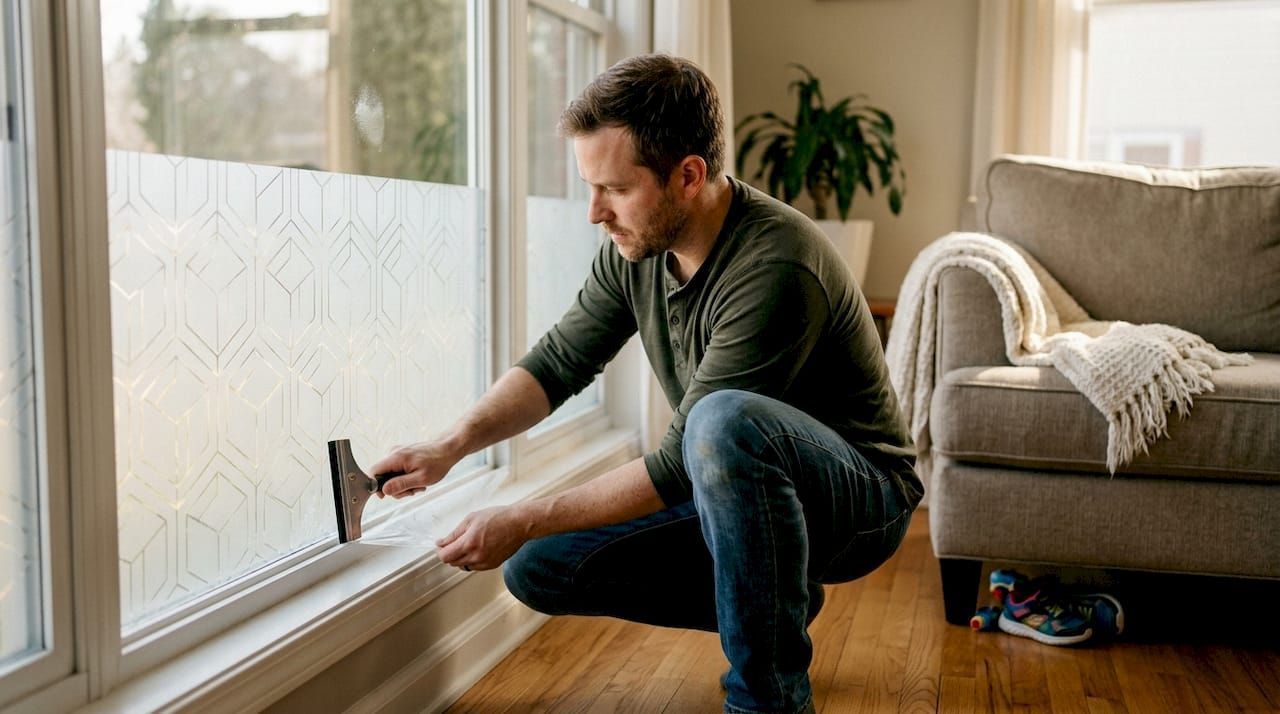
Patterned and graphic films are popular in retail, healthcare lobbies, and corporate offices where branding and aesthetics matter as much as privacy. You can apply a company logo, a nature scene, or a geometric pattern that provides partial privacy while keeping the space visually interesting. These films can also be replaced as trends or branding evolves, making them a flexible long-term investment.
Common applications by film type:
| Film type | Best application | Light control | View through |
|---|---|---|---|
| Blackout | Storage, security rooms | Blocks 100% | None |
| Opaque | Offices, healthcare | Blocks most light | None |
| Patterned/graphic | Retail, lobbies, branding | Partial | Selective |
For homeowners, adding style and privacy with patterned film is a cost-effective alternative to frosted glass. You can also browse window film ideas for modern homes for inspiration on how these films work in contemporary interiors. For additional context on how film compares to fabric treatments, window treatment fabric tips offer a useful reference.
Smart and switchable privacy films: Technology on demand
Switchable films, sometimes called smart glass film or PDLC (polymer dispersed liquid crystal) film, change from clear to opaque at the flip of a switch or through an app. When electricity runs through the film, the liquid crystals align and the glass becomes transparent. Cut the power and the crystals scatter, turning the glass frosted. Smart and switchable films are premium options used mostly in commercial settings.
How switchable film works, step by step:
- Film is applied to existing glass or installed in new glazing
- A low-voltage electrical current is connected to the film
- When powered on, the film is clear
- When powered off (or triggered by a sensor or remote), the film turns opaque
- Automation systems can tie the film to schedules, motion sensors, or voice control
The use cases are compelling: boardroom walls that switch from open to private during sensitive meetings, medical exam rooms that eliminate the need for blinds, or luxury home bathrooms with a single tap on a smartphone. The tradeoff is cost. Switchable film is significantly more expensive than static options, and installation is more complex.
Pro Tip: If you are managing a commercial property in Greater Boston and want switchable film in a high-traffic area, work with a certified installer who has experience integrating the film with your building automation system. Poor wiring is the most common failure point. Explore our privacy, security & style guide for more on advanced film options.
Comparing privacy film types: Performance, pros, and cons
Here is a side-by-side look at how the major film types perform across the criteria that matter most to homeowners and property managers in Southern NH and Greater Boston.
| Film type | 24/7 privacy | Natural light | Daytime only | Nighttime privacy | Relative cost |
|---|---|---|---|---|---|
| Frosted/translucent | Yes | Diffused | Yes | Yes | Low to mid |
| Reflective/one-way | No | Maintained | Yes | No | Mid |
| Blackout/opaque | Yes | Blocked | Yes | Yes | Low to mid |
| Patterned/decorative | Partial | Partial | Yes | Partial | Mid |
| Smart/switchable | On demand | Adjustable | Yes | Yes | High |
For solar performance benchmarks, 3M Prestige films reject up to 97% of infrared heat, block 99.9% of UV, and achieve TSER values between 50% and 69% with SHGC as low as 0.23. These numbers illustrate what premium film can deliver when heat and UV control are priorities alongside privacy. Learn more about home privacy with clear film as another option that keeps views intact while adding protection.
How to choose and install privacy film for homes or businesses
With all the options on the table, here is a practical path to making your decision and getting it installed correctly.
- Define your privacy goal. Is it 24/7, daytime only, or on-demand? This single question eliminates most of the wrong options immediately.
- Assess your window orientation. South and west-facing windows in New Hampshire get intense afternoon sun, making heat rejection a priority alongside privacy.
- Set your light preference. Do you want diffused light, full brightness, or complete blockage? Match this to frosted, reflective, or blackout film accordingly.
- Consider aesthetics. For commercial spaces, branded or patterned films add value. For homes, frosted or decorative options blend with existing decor.
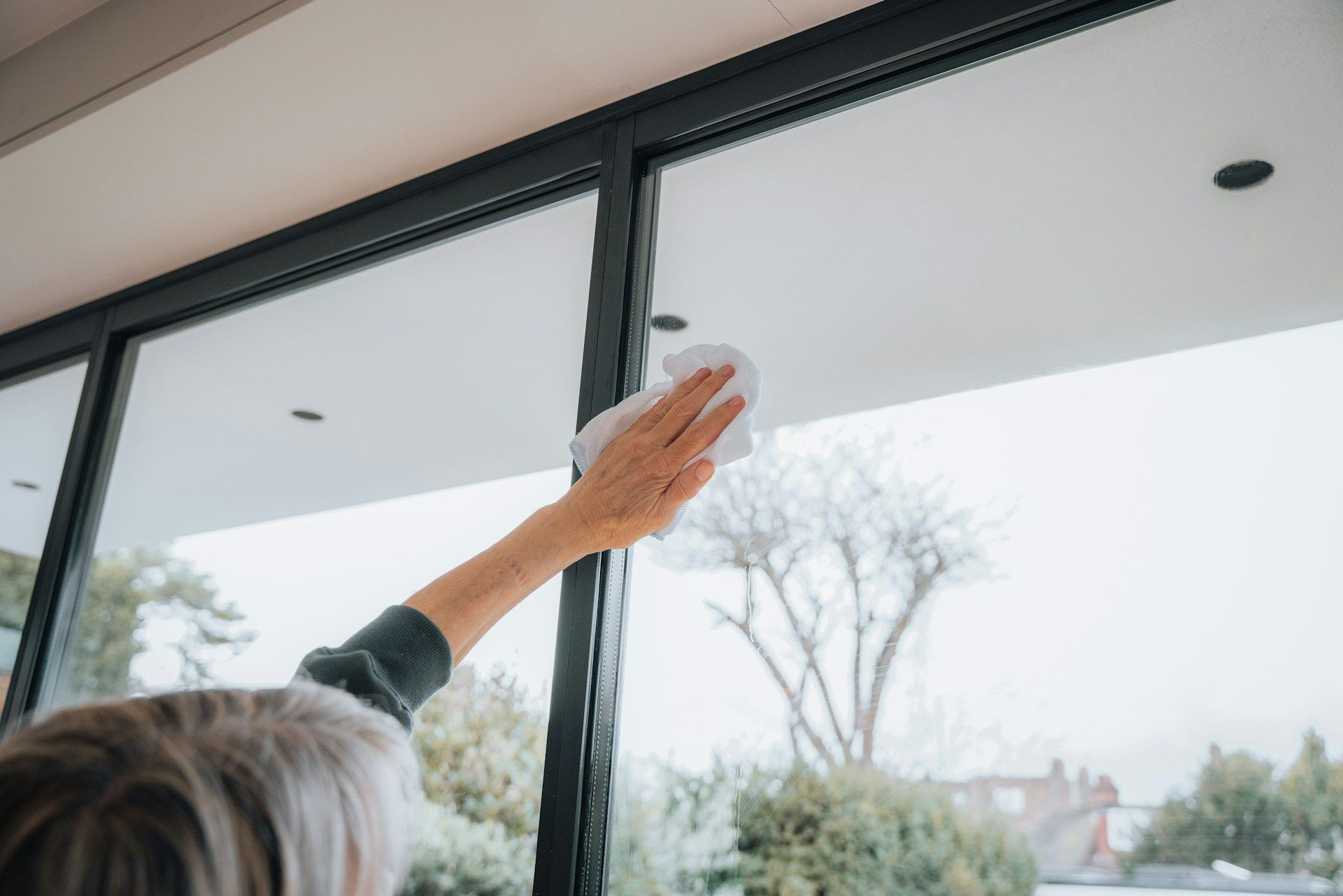
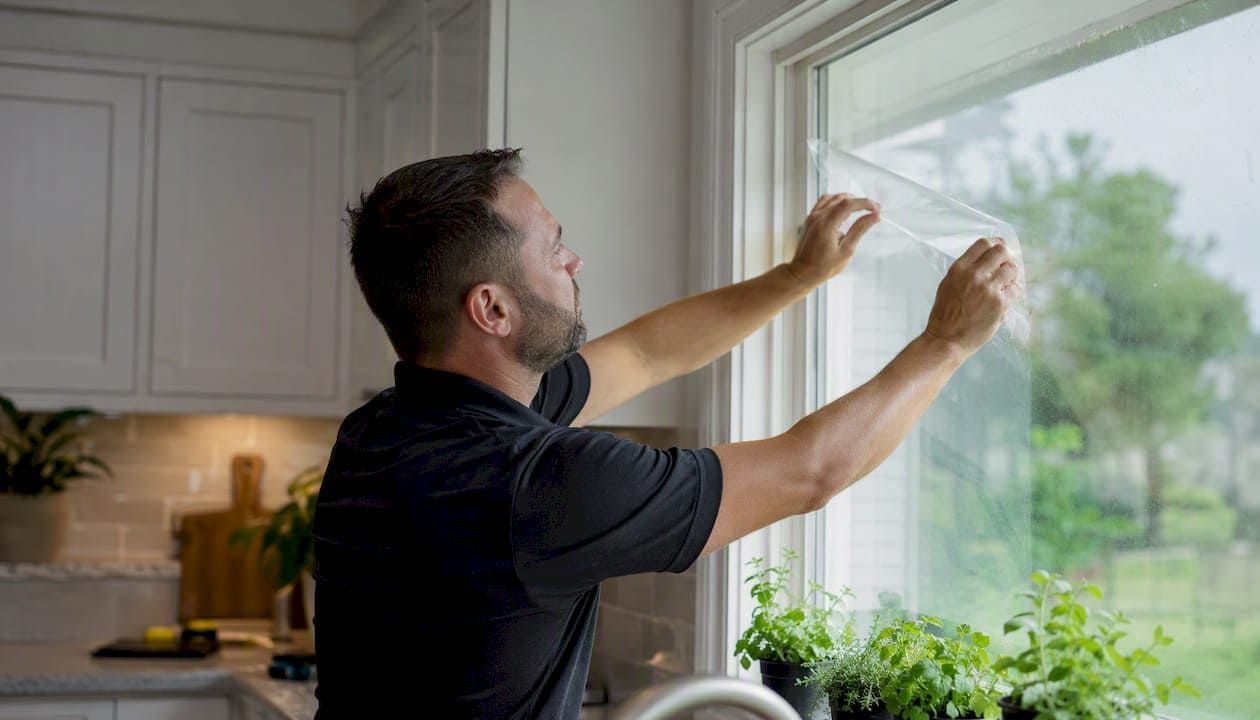
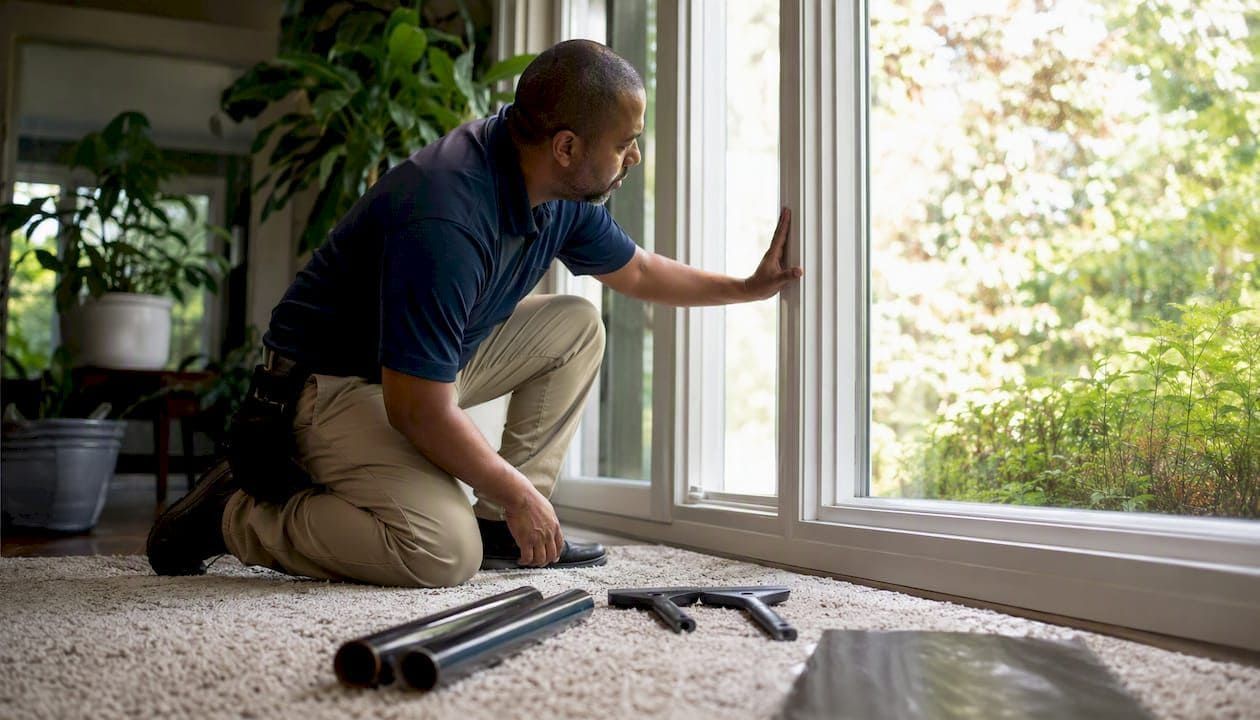
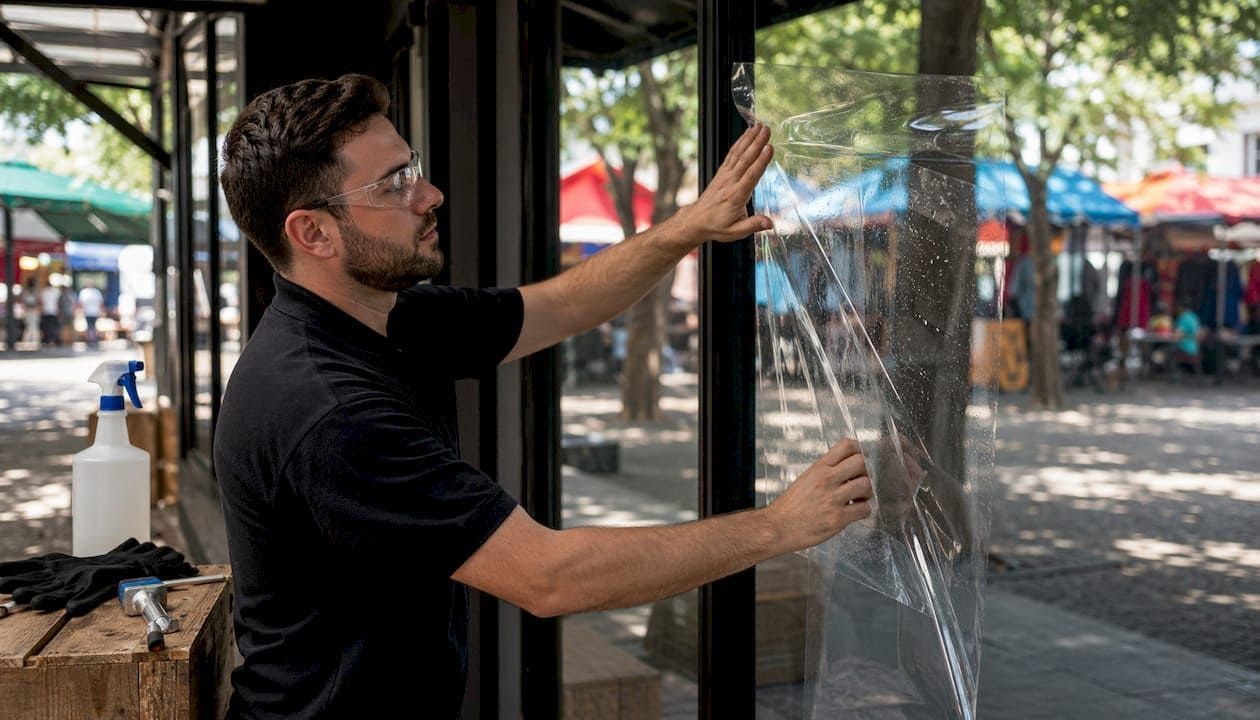
- Plan your installation. Interior installation is preferred because it protects the film from weather and extends its lifespan. Professional installation is strongly recommended for large or commercial windows to avoid bubbles and adhesion failures.
For smaller residential windows, DIY kits are available, but the margin for error is real. Bubbles, misalignment, and poor edge sealing are common problems that shorten film life and reduce performance. Compare your options between decorative films vs. traditional window treatments before committing to either path. For broader comfort context, window treatments for comfort is a helpful resource.
In Southern NH and Greater Boston, working with a certified, authorized installer is not just a convenience. It is the difference between a film that lasts 15 years and one that peels in three.
Ready to find the right privacy film for your property?
At Surface Dynamics Window Tinting, we work with homeowners and commercial property managers across Southern New Hampshire and the Greater Boston Area to match the right film to every window and every goal. As an exclusive LLumar SelectPro Dealer, we install Vista Films including Safety and Security Films, Solar Control Films, and Decorative Privacy Films, all backed by industry-leading warranties.
Whether you need frosted film for a bathroom, reflective film for a sun-drenched office, or a full decorative privacy solution for a commercial lobby, we bring the expertise and the product lineup to get it right the first time. Contact us to schedule a consultation and get a personalized recommendation for your property.
Frequently asked questions
Will reflective or one-way privacy film work at night?
No. Reflective films reverse at night when interior lights are on, making the inside visible from outside. Pair them with curtains or blinds for full coverage after dark.
How long do premium window films typically last?
Top privacy films typically last 10 to 20 years and carry substantial manufacturer warranties, especially when installed by a certified professional.
Can privacy window film help lower energy costs?
Yes. Premium films can block up to 97% of infrared heat and 99.9% of UV radiation, reducing cooling loads and protecting furnishings from fading.
Is DIY privacy film installation a good idea?
DIY works for small windows, but professional installation is recommended for larger or commercial applications to prevent bubbles, poor adhesion, and premature failure.
Do privacy films come in styles that won't block all natural light?
Yes. Frosted and decorative films diffuse light rather than block it, keeping interiors bright while maintaining consistent privacy throughout the day and night.
Recommended