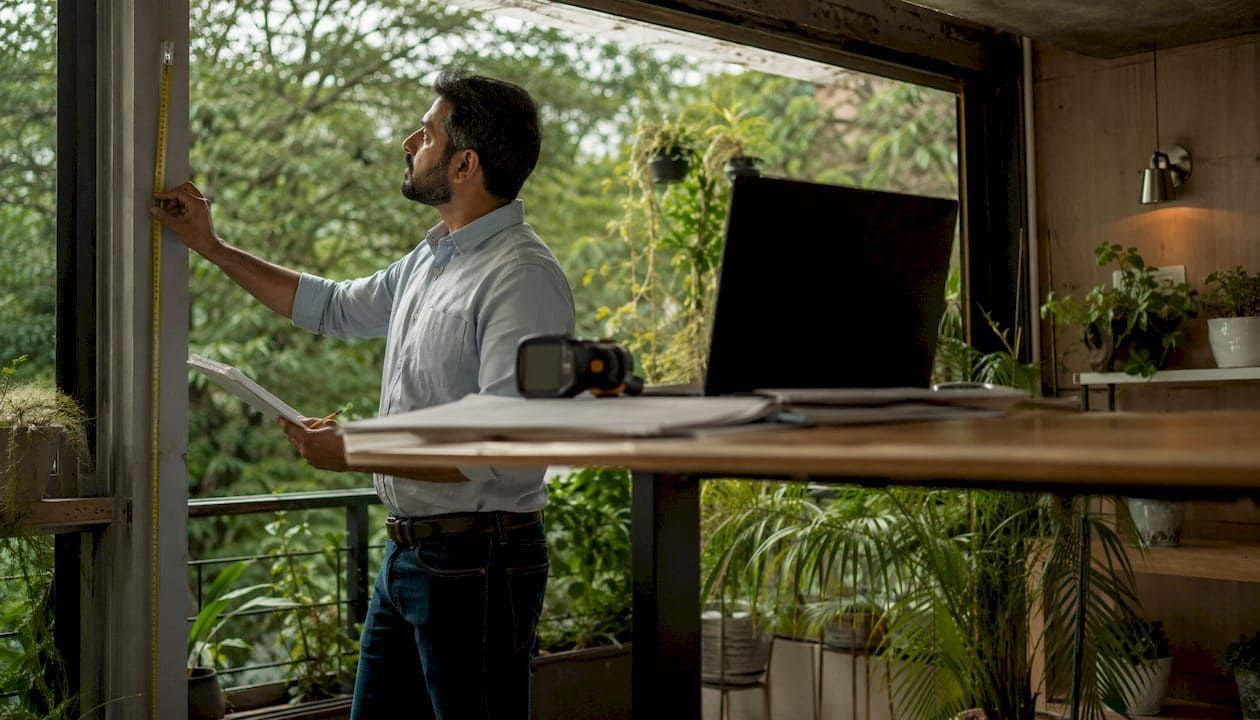

Top UV protection best practices for safer, greener properties
Most people associate UV damage with beach vacations, not a Tuesday afternoon in Manchester or a winter morning in Boston. But UV rays penetrate glass year-round, quietly fading your furniture, stressing your HVAC system, and exposing your family or employees to cumulative health risks. The good news: window films block up to 99% of harmful UV rays, and when combined with the right shading and glass strategies, you can build a protection system that pays for itself in comfort, energy savings, and peace of mind.
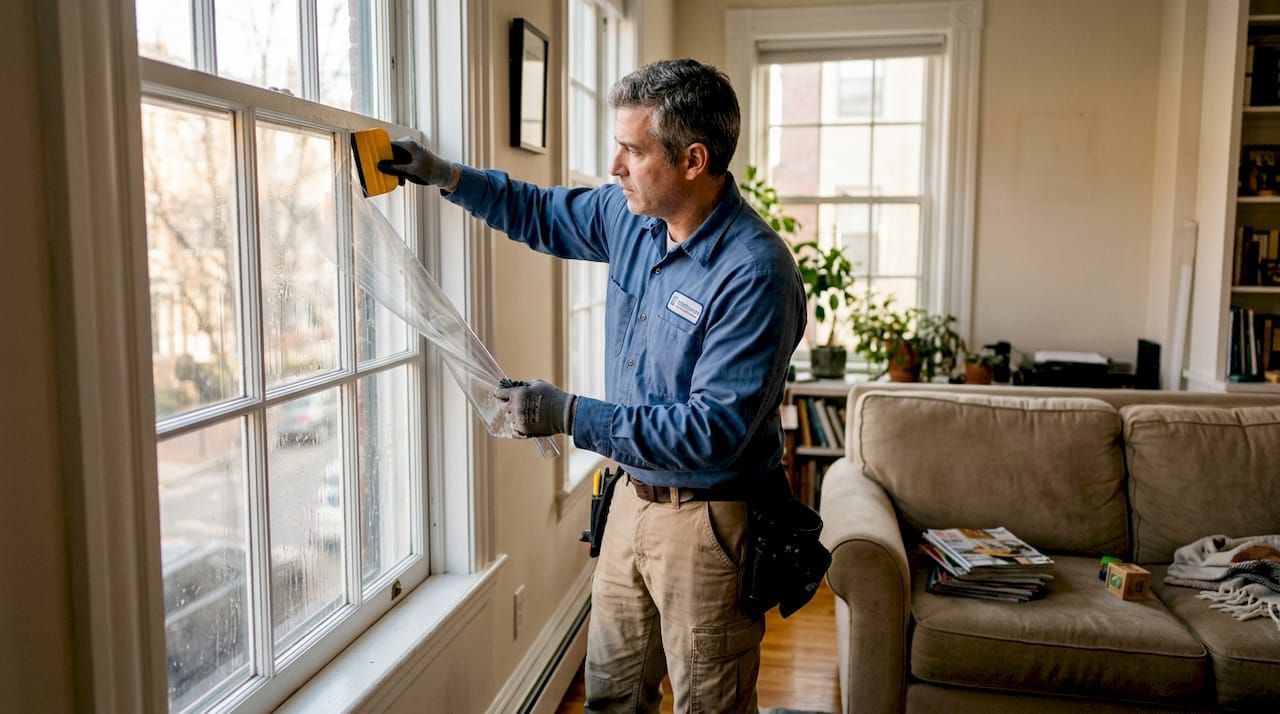
Table of Contents
- Understanding UV risks and criteria for protection
- Best practice #1: Exterior window shades and awnings
- Best practice #2: High-performance window films
- Best practice #3: Interior window treatments and UV-protective shades
- Best practice #4: Supplemental strategies, coatings, glass, and warranties
- Comparison of top UV protection strategies for New England
- Tailored tips for Southern NH and Greater Boston properties
- Ready to protect your property? Get a free local estimate
- Frequently asked questions
Key Takeaways
| Point | Details |
|---|---|
| Layer solutions | The most effective UV protection uses a multi-layer approach, starting with exterior shades and adding films and interior treatments. |
| Maximize energy savings | High-performance window films and automated shades can significantly reduce utility costs while improving comfort. |
| Choose local expertise | Regional installers offer specialized products and long-term warranties suited for Southern NH and Greater Boston. |
| Regular maintenance matters | Inspect south and west windows yearly to maintain peak UV protection and energy performance. |
Understanding UV risks and criteria for protection
UV radiation does not take a season off. Even on overcast winter days in Southern NH and Greater Boston, UVA rays pass through standard glass and accumulate inside your home or office. Over time, this causes flooring to bleach, artwork to fade, and upholstery to break down. More seriously, UV exposure indoors causes fading and real health risks for occupants spending long hours near windows.
Energy performance is equally affected. Windows without UV protection allow solar heat to build up in summer and let warmth escape in winter, forcing your heating and cooling systems to work harder. ASHRAE and IECC codes prioritize exterior shading, optimized solar heat gain coefficients (SHGC), and insulation for climates exactly like ours here in New England.
Before choosing any solution, evaluate it against these core criteria:
- UV rejection percentage: Look for 99% UVA/UVB block as the benchmark
- Solar Heat Gain Coefficient (SHGC): Lower values reduce summer heat; higher values help in winter
- Glare control: Especially important for offices and south-facing living spaces
- Aesthetics and visibility: Solutions should not compromise your views or curb appeal
- Warranty length: Reputable products carry 10 to 15-year coverage
- Installer expertise: Regional knowledge matters for cold-climate performance
"Multi-layered UV protection strategies consistently outperform single solutions in both energy savings and occupant comfort across mixed climates."
Exploring home window tinting benefits and understanding what works best in cold climates will help you narrow down the right combination for your property.
Best practice #1: Exterior window shades and awnings
The most effective UV protection starts before sunlight even touches your glass. Exterior shades, awnings, and overhangs intercept solar radiation at the source, preventing heat and UV from entering your building in the first place. Exterior shades provide the strongest first line of defense against UV and heat gain.
For Southern NH and Greater Boston properties, south and west-facing windows receive the most intense afternoon sun. Prioritizing exterior shading on these exposures delivers the biggest return. Here is what to look for:
- Retractable awnings: Flexible for seasonal use; ideal for residential patios and storefronts
- Fixed overhangs: Permanent and low-maintenance; best for south-facing commercial facades
- Exterior roller shades: Motorized options allow precise control based on sun angle and time of day
- Lifespan: Quality exterior shading typically lasts 10 to 20 years with routine maintenance
"Blocking UV before it enters is always more efficient than managing it after it passes through the glass."
Pro Tip: If you cannot install exterior shading on every window, start with south and west exposures. These two orientations account for the majority of UV-driven heat gain and fading in New England properties.
Pairing exterior shading with residential window tinting options creates a layered system that handles both direct and diffuse UV throughout the year.
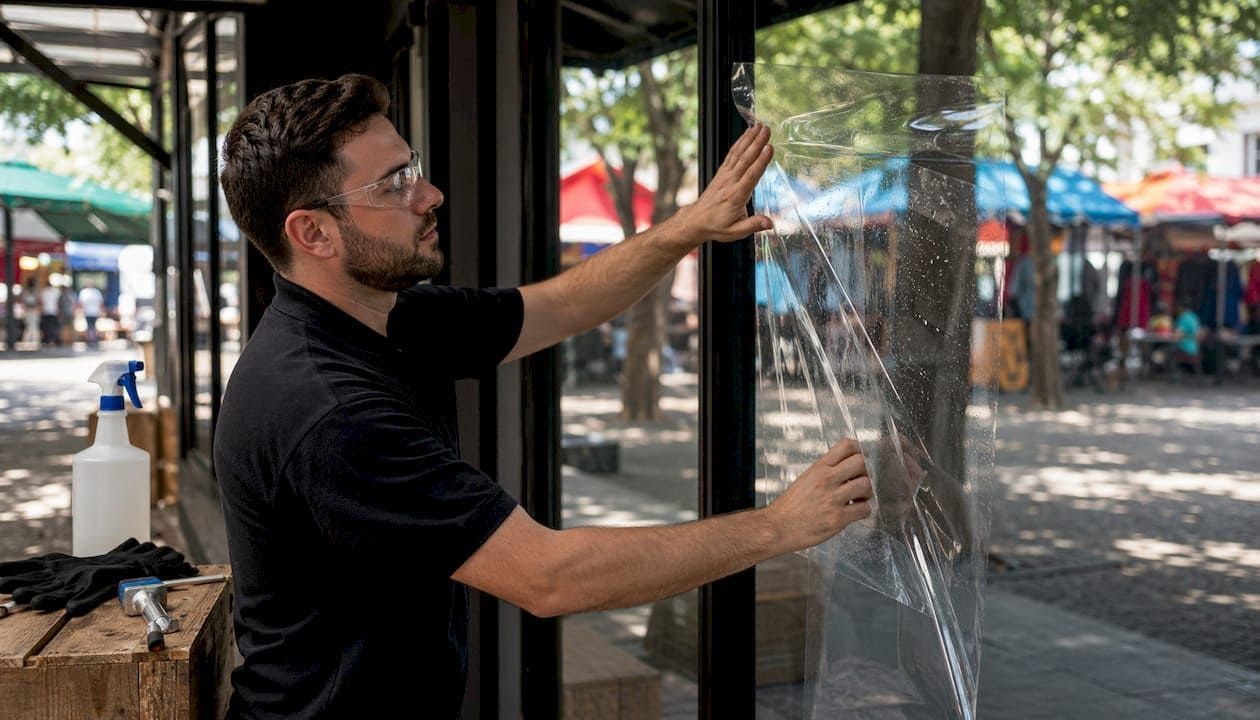
Best practice #2: High-performance window films
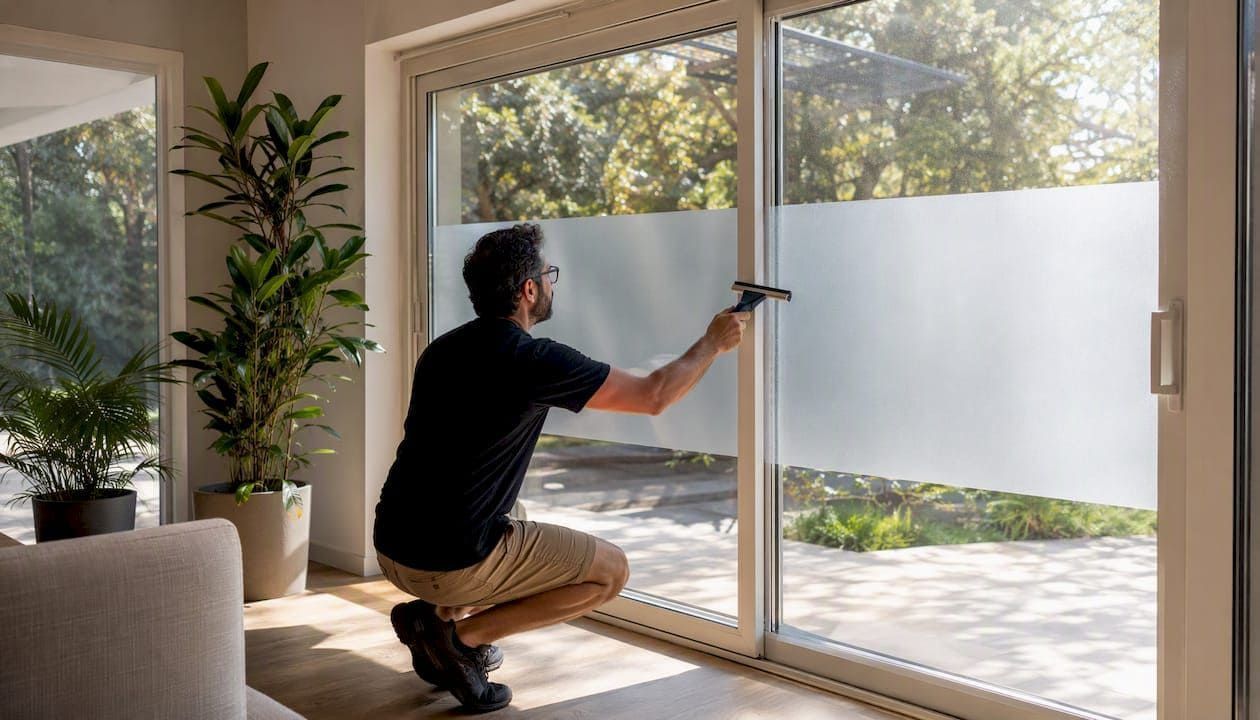
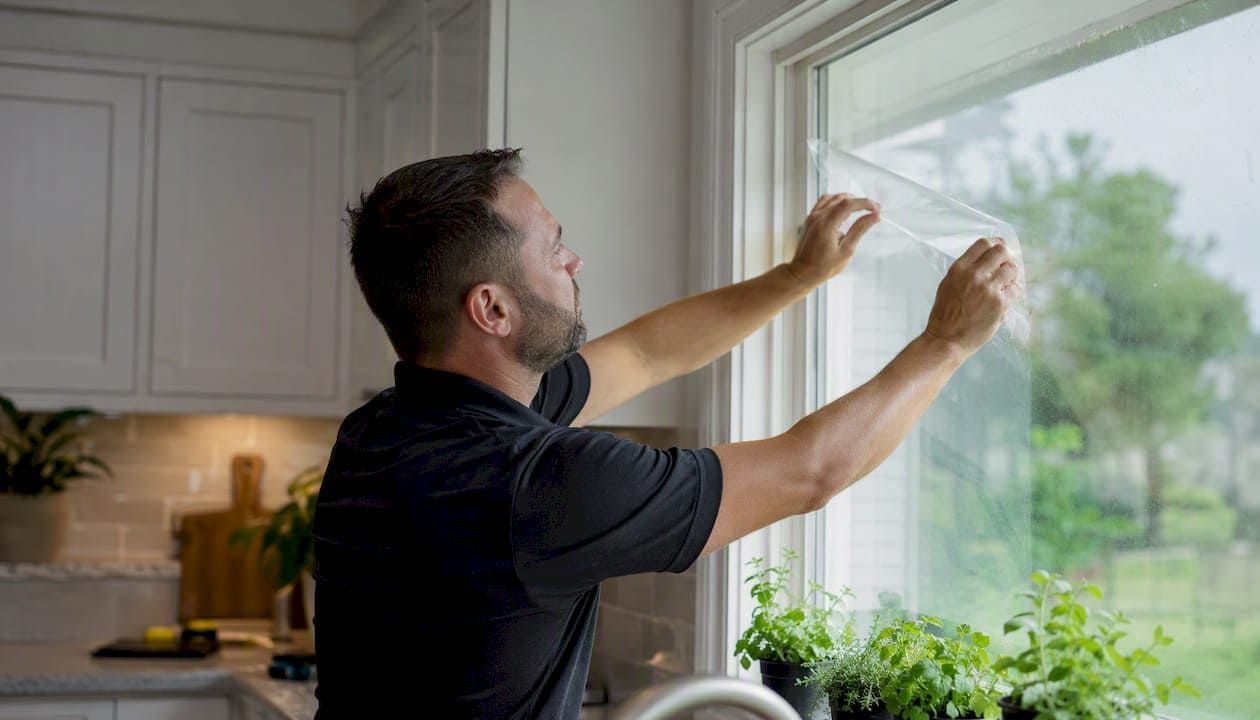
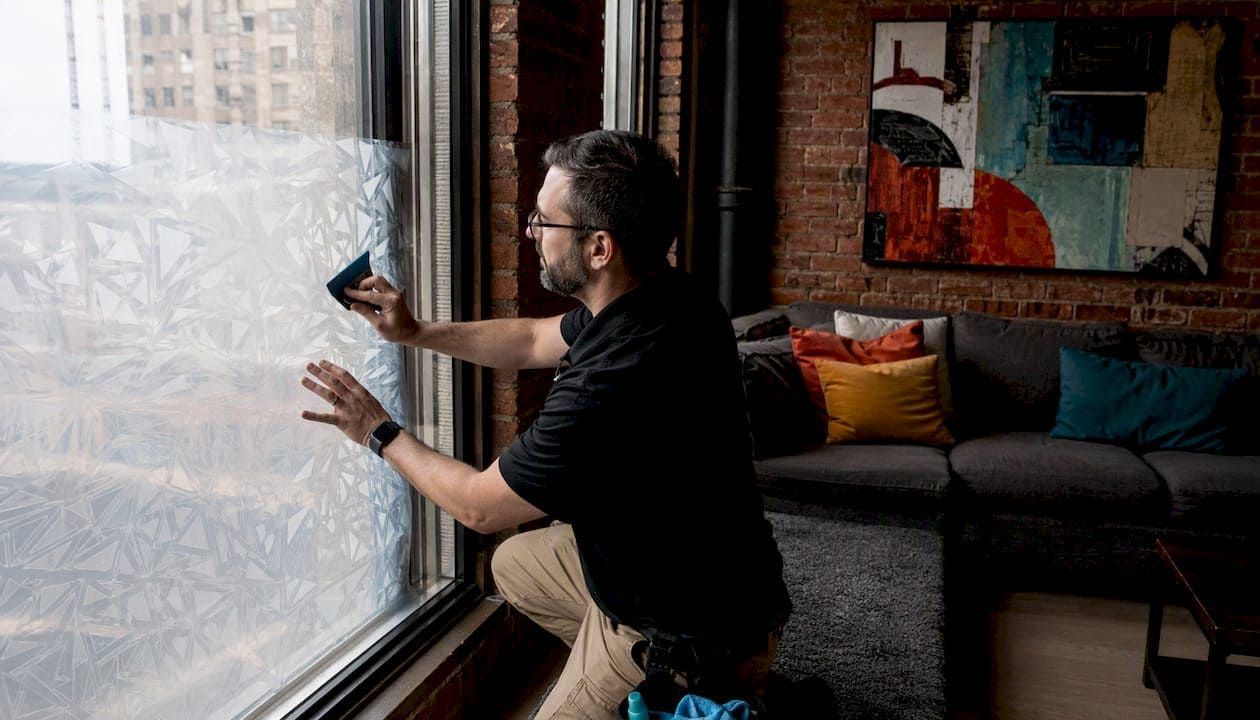
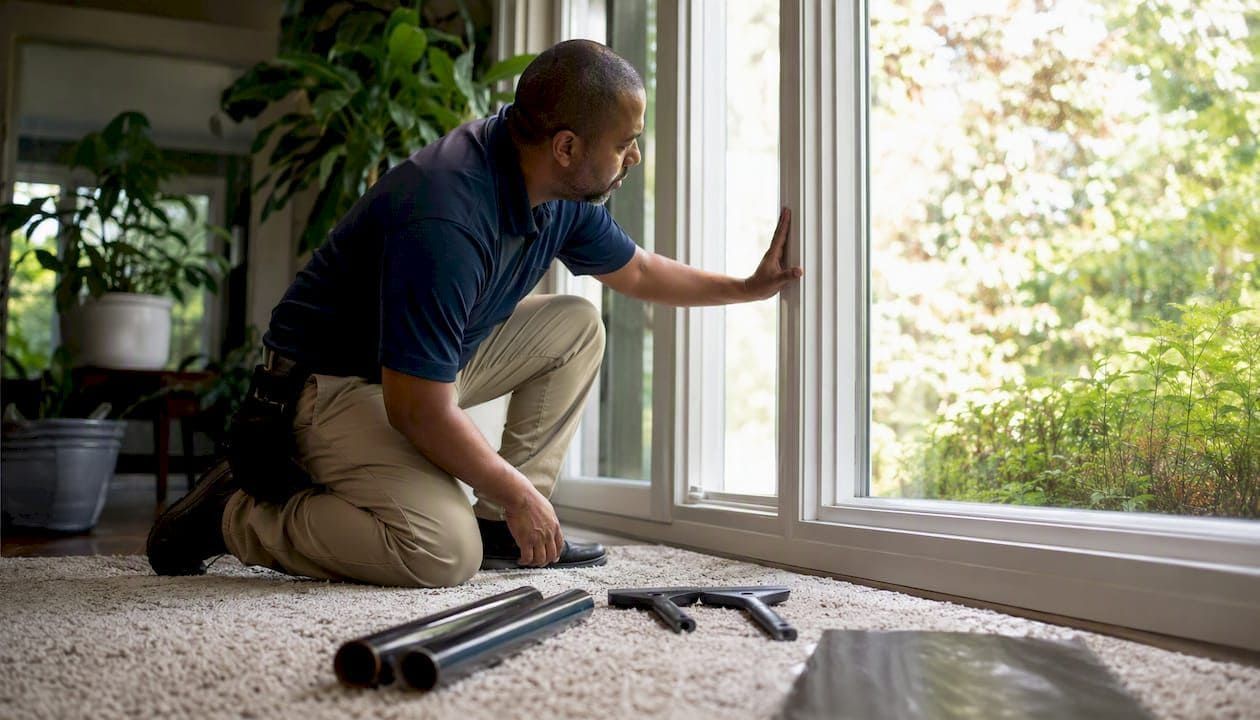
Exterior shade is your first defense, but effective protection does not stop there. High-performance window films offer year-round benefits that exterior solutions alone cannot match, especially during New England winters when you still want solar warmth but need UV blocked.
Modern films work by absorbing or reflecting UV and infrared radiation at the glass surface. The results are measurable. Window films block up to 99% of UVA/UVB, save 416 to 422 kWh per month, and reduce CO2 output significantly. That is not a marketing claim; it is an empirical benchmark from energy research.
| Film type | UV rejection | Visible light | Best use |
|---|---|---|---|
| Clear safety film | Up to 99% | 90%+ | Skylights, north-facing windows |
| Lightly tinted solar film | Up to 99% | 70-85% | South/west residential windows |
| Reflective solar film | Up to 99% | 40-70% | Commercial storefronts, offices |
| Ceramic film | Up to 99% | 50-80% | High-glare zones, premium installs |
Key benefits of professional film installation include:
- No view obstruction: Clear films maintain your sightlines while blocking UV
- Energy payback: Use the window tinting energy savings calculator to estimate your specific return
- Year-round performance: Films balance heat rejection in summer with passive warmth in winter
- Health protection: The Skin Cancer Foundation recommends window films as a credible UV defense for indoor spaces
Pro Tip: For cold-climate properties, choose a film with a moderate SHGC rather than the lowest available. You want UV blocked but some solar heat gain preserved for winter comfort. Our team can help you find that balance. Learn more about solar window films and how they reduce energy costs in Boston winters.
Best practice #3: Interior window treatments and UV-protective shades
With window films providing strong passive defense, you can further upgrade your property by introducing complementary interior solutions. Interior treatments add a third layer of UV control while also improving privacy, insulation, and room aesthetics.
UV-absorbing blinds, cellular shades, and lined drapes intercept any residual UV that passes through the glass and film. They also give you real-time control over light levels throughout the day. Key benefits include:
- Glare reduction: Especially valuable in home offices and conference rooms
- Added insulation: Cellular shades trap air near the window, reducing heat loss in winter
- Privacy: Sheer UV-blocking screens maintain views while limiting visibility from outside
- Décor integration: Interior treatments can match your design without compromising performance
For maximum performance, follow this layered approach:
- Install exterior shading on south and west windows first
- Apply high-performance window film to all primary glazing
- Add interior UV-absorbing shades or blinds for zoned control
- Consider motorized systems for automated adjustment based on time of day
Automated shades can boost annual energy savings by 20 to 35% when integrated with smart controls. For commercial properties, this kind of automation is especially valuable across large glazed facades. Explore how commercial window film solutions pair with interior treatments for office and retail environments.
Best practice #4: Supplemental strategies, coatings, glass, and warranties
Beyond shades and films, several advanced solutions can provide even greater or longer-lasting UV protection for your property.
Glass technology upgrades are worth considering during renovations or new construction. Here is how common options compare:
| Glass type | UV rejection | Heat control | Cost level |
|---|---|---|---|
| Standard single pane | Low | Poor | Low |
| Low-E double pane | Moderate | Good | Medium |
| Laminated glass | High | Moderate | High |
| Tinted glass | Moderate | Moderate | Medium |
| Film-treated standard glass | Up to 99% | Excellent | Low to medium |
Film-treated standard glass consistently delivers the best UV rejection at the lowest cost, making it the practical choice for most existing properties in Southern NH and Greater Boston.
Roof and glass coatings deliver added UV defense and are worth verifying with supplier warranties for long-term coverage in the 10 to 15-year range. Always ask your installer for documentation.
Pro Tip: Schedule a visual inspection of your south and west-facing windows every two years. Look for film bubbling, seal failures on double-pane units, or fading near window edges. Catching these early extends the life of your entire protection system. Our window tinting experts can walk you through what to look for during a free onsite visit. For deeper reading on glass performance standards, the solar heat gain coefficient optimization resource is a solid reference.
Comparison of top UV protection strategies for New England
Now that you have seen each method in detail, here is how these solutions stack up side by side for properties in Southern NH and Greater Boston.
| Strategy | UV rejection | Avg. cost | Lifespan | Best for |
|---|---|---|---|---|
| Exterior shades/awnings | 70-90% | $500-$3,000 | 10-20 years | South/west residential and commercial |
| High-performance window film | Up to 99% | $8-$20/sq ft | 10-15 years | All window types, year-round |
| Interior UV shades | 40-70% | $200-$1,500 | 5-10 years | Supplemental control, privacy |
| Low-E glass upgrade | 60-80% | $400-$900/window | 20+ years | New construction or full renovation |
| Laminated glass | Up to 99% | $600-$1,200/window | 20+ years | High-security or premium installs |
Exterior shades, window films, and interior treatments together offer the highest combined protection and energy savings. For most homeowners and business owners, window film is the fastest, most cost-effective entry point, with exterior shading added where budget allows.
For commercial properties, the calculus shifts slightly. Large glazed facades benefit most from reflective or ceramic films combined with automated interior shades. Review the office window film benefits to see how these combinations perform in real business environments. And if you want to separate fact from fiction before deciding, the UV protection myths resource from the Skin Cancer Foundation is worth a read.
Tailored tips for Southern NH and Greater Boston properties
With a clear comparison in mind, let us apply these best practices to the specific conditions you face here in New England.
Our climate is unique. Winters are cold enough that you want some solar heat gain, but summers bring intense UV and heat that can overwhelm unprotected interiors. Layering approaches in cold-zone properties maximizes both comfort and efficiency across all four seasons.
Here are the most actionable local recommendations:
- South-facing windows: Apply solar control film with moderate SHGC plus exterior shading for summer; this combination handles both UV and seasonal heat shifts
- West-facing windows: These catch the hottest afternoon sun; prioritize reflective or ceramic film here
- North-facing windows: Clear UV-blocking film is usually sufficient; heat gain is not a concern
- East-facing windows: Morning sun is mild; lightly tinted film or interior shades work well
- Skylights: Often overlooked, but they receive direct overhead UV all day; clear safety film is the best solution
Pro Tip: When interviewing installers, ask specifically about their experience with cold-climate film selection. A film that performs well in Florida may not be the right choice for a Manchester home that needs passive solar warmth in January.
Always request a written warranty that covers both the film product and the installation labor. Reputable providers stand behind their work for at least 10 years.
Ready to protect your property? Get a free local estimate
Knowing the best practices is one thing. Getting them installed correctly, with the right products for your specific windows and climate, is where local expertise makes all the difference.
At
Surface Dynamics Window Tinting, we serve homeowners and business owners across
Southern New Hampshire and the Greater Boston Area as an exclusive LLumar SelectPro Dealer. That means you get access to premium Vista Films backed by industry-leading warranties, installed by a team that understands New England's unique seasonal demands. Whether you are starting with a single south-facing room or outfitting an entire commercial building, we offer a
free window tinting estimate with no obligation. Browse our
window tinting project gallery to see real results from local properties, or explore our full lineup of solar window films for homes to find the right fit before we even arrive.
Frequently asked questions
How much energy can window films really save in New England?
Window films save 416 to 422 kWh per month and reduce CO2 output by up to 255 kg per month in documented studies. Pairing films with interior shades pushes those numbers even higher.
What's the best UV protection for south-facing windows?
A combination of exterior shading and solar control window film delivers the strongest results. Exterior shading is the primary defense for high-exposure windows, and film fills in the gaps year-round.
Will UV-blocking film make rooms too dark?
No. Films with 99% UV rejection are available in virtually clear options that preserve your views and maintain natural daylight levels throughout the day.
How long do window treatments and films last, and are they worth it?
Quality window films carry 10 to 15-year warranties and deliver energy and comfort benefits that typically pay back the installation cost well within that window.
Are there local experts for UV protection installation in Southern NH and Greater Boston?
Yes. Surface Dynamics Window Tinting specializes in residential window films and commercial installations across the region, with free onsite estimates and LLumar-backed product warranties.
Recommended
- Top 5 Benefits of Tinting Your Home Windows
- Top Benefits of Commercial Window Tinting for Businesses
- Signs Your Commercial Building Needs Solar Window Film Upgrades
- Maximize commercial window tinting value with warranties
- Planning for UV Light Installation with Plumbing Services in Tampa, FL | Home Therapist
- Sustainable lighting solutions for UK architect homes