
How tinting protects your home and business assets
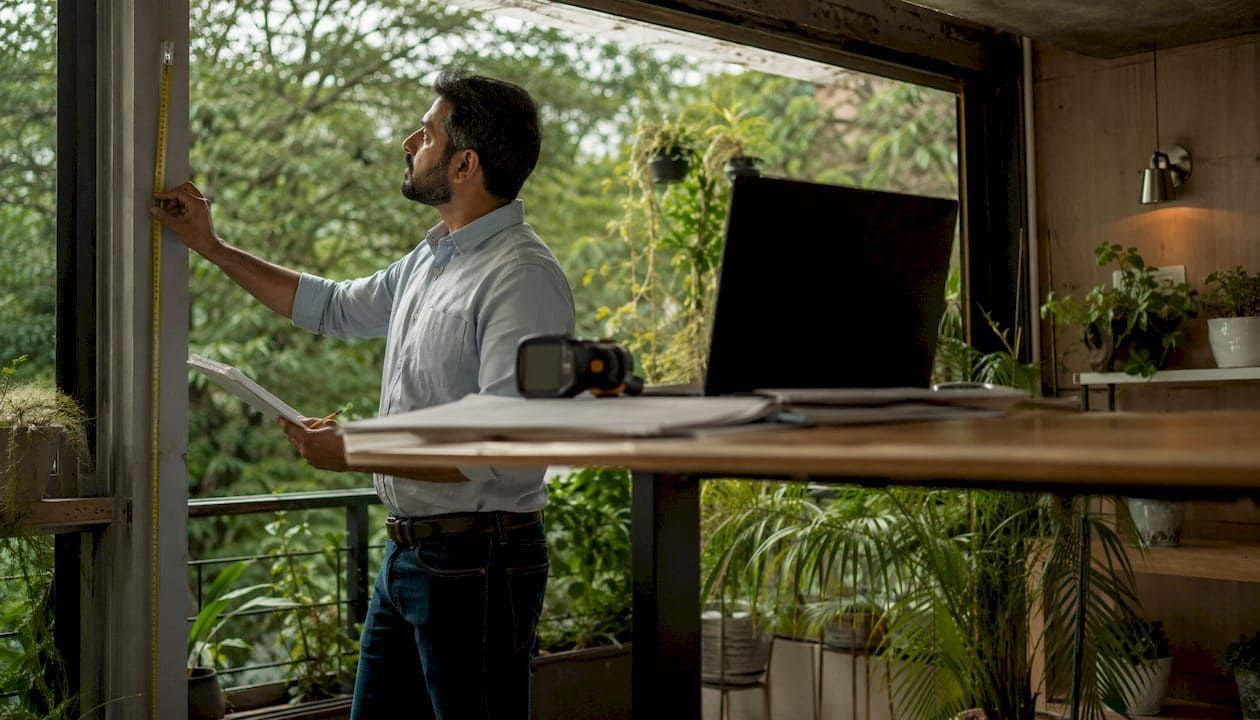
Most property owners think of window tinting as a cosmetic upgrade or a way to cut down on glare. What they often miss is how tinting serves as a frontline defense for your most valuable assets. From delaying forced entry attempts to blocking UV rays that silently damage interiors, window films deliver measurable protection that goes far beyond aesthetics. Whether you manage a commercial building in Greater Boston or own a home in Southern New Hampshire, understanding how tinting safeguards your property can help you make smarter decisions about security, energy efficiency, and long-term asset preservation.
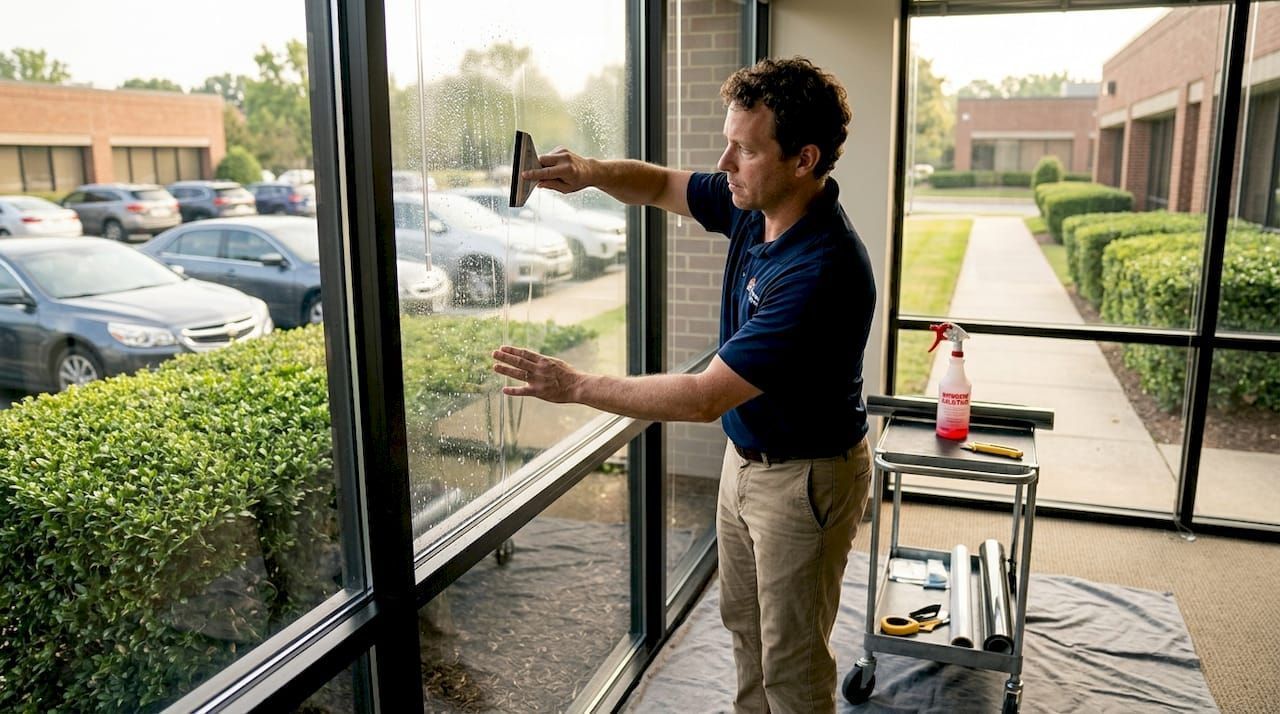
Table of Contents
- Key takeaways
- How window tinting enhances asset security
- Energy efficiency and UV protection benefits of window tinting
- Choosing the right window tint for your property: security, solar, or both?
- Maximizing tinting benefits through professional installation and maintenance
- Professional window tinting services in Southern NH and Greater Boston
- Frequently asked questions about tinting and asset protection
Key Takeaways
| Point | Details |
|---|---|
| Delays forced entry | Security films hold shattered glass together and delay entry, buying time for a response. |
| Edge anchoring essential | Structural edge anchors perimeter sealant to the frame to prevent pane removal during forced entry. |
| Professional installation essential | Trained installers ensure proper cleaning, alignment, curing, and adhesion to maximize protection and preserve warranties. |
| Complements other safety measures | Tinting should be part of a broader security plan and not relied on alone for full asset protection. |
| Energy efficiency and UV protection | Window tinting reduces UV damage and improves energy efficiency for measurable savings. |
How window tinting enhances asset security
Security window films are constructed from multi-layered polyester films bonded with adhesives applied directly to glass surfaces. These films range from 4 to 14 mils thick, with thicker options providing greater impact resistance. The polyester layers are designed to hold shattered glass together when struck, delaying entry and deterring opportunistic intruders. This buys you critical time to respond or for authorities to arrive.
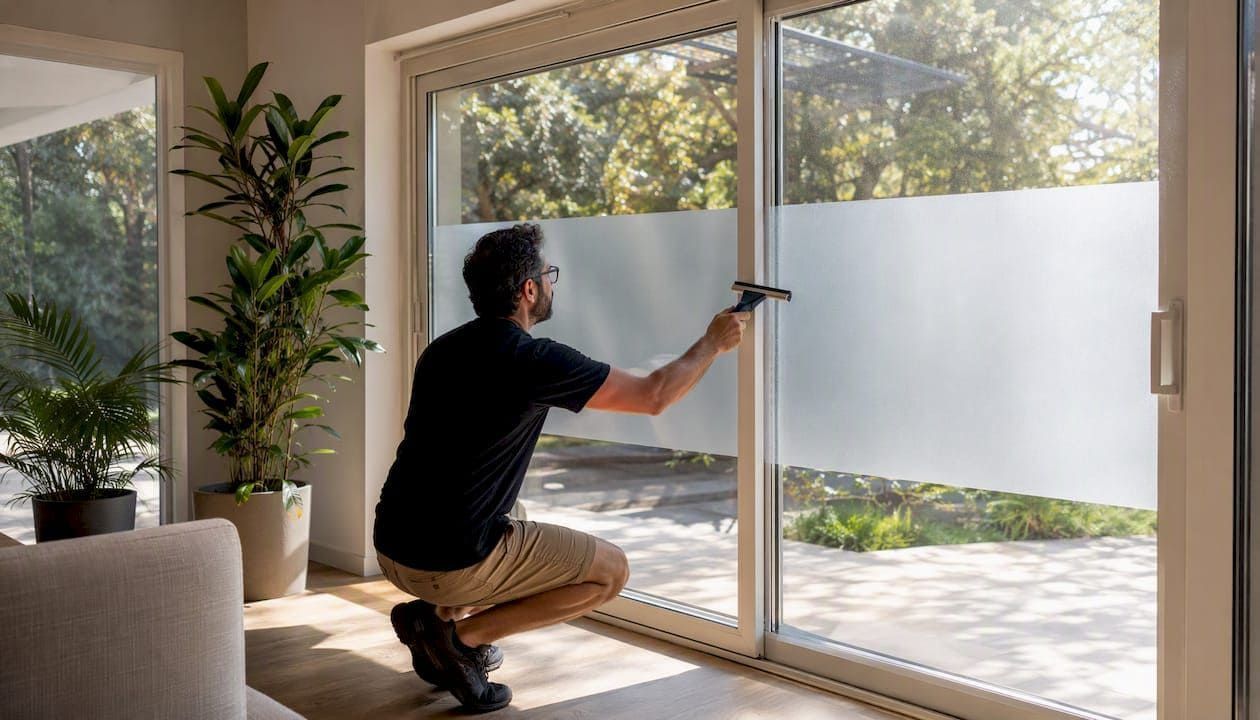
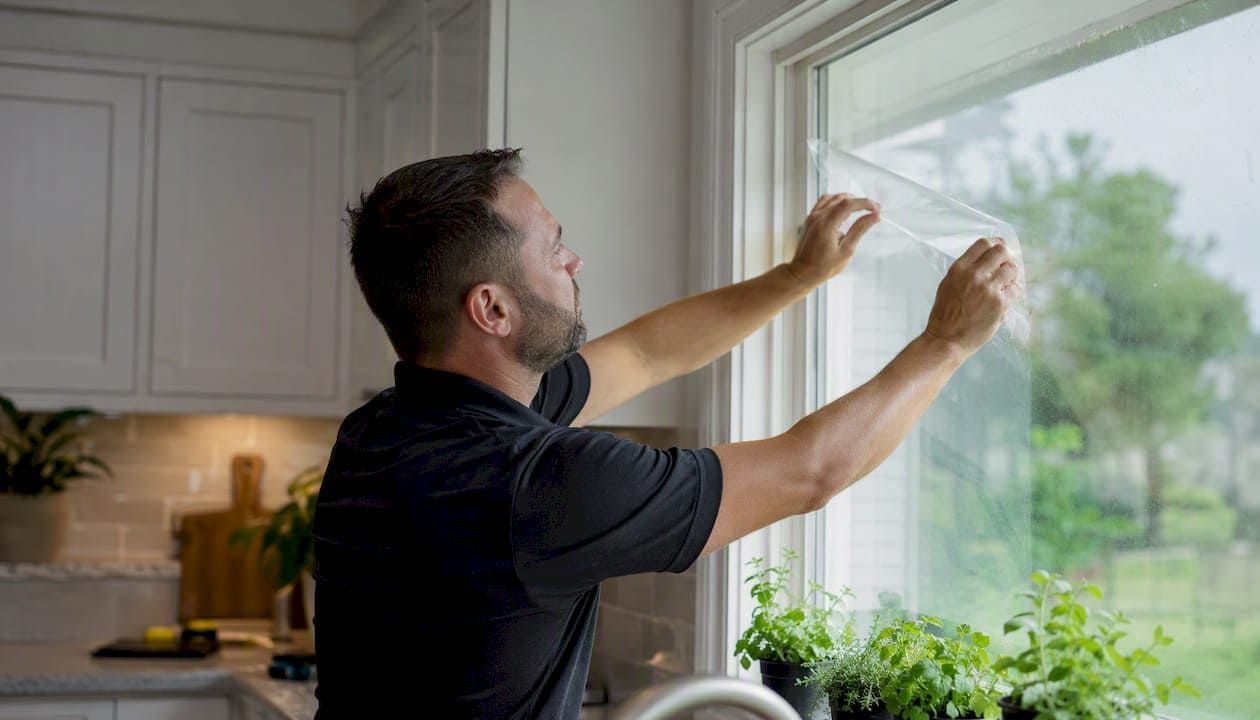
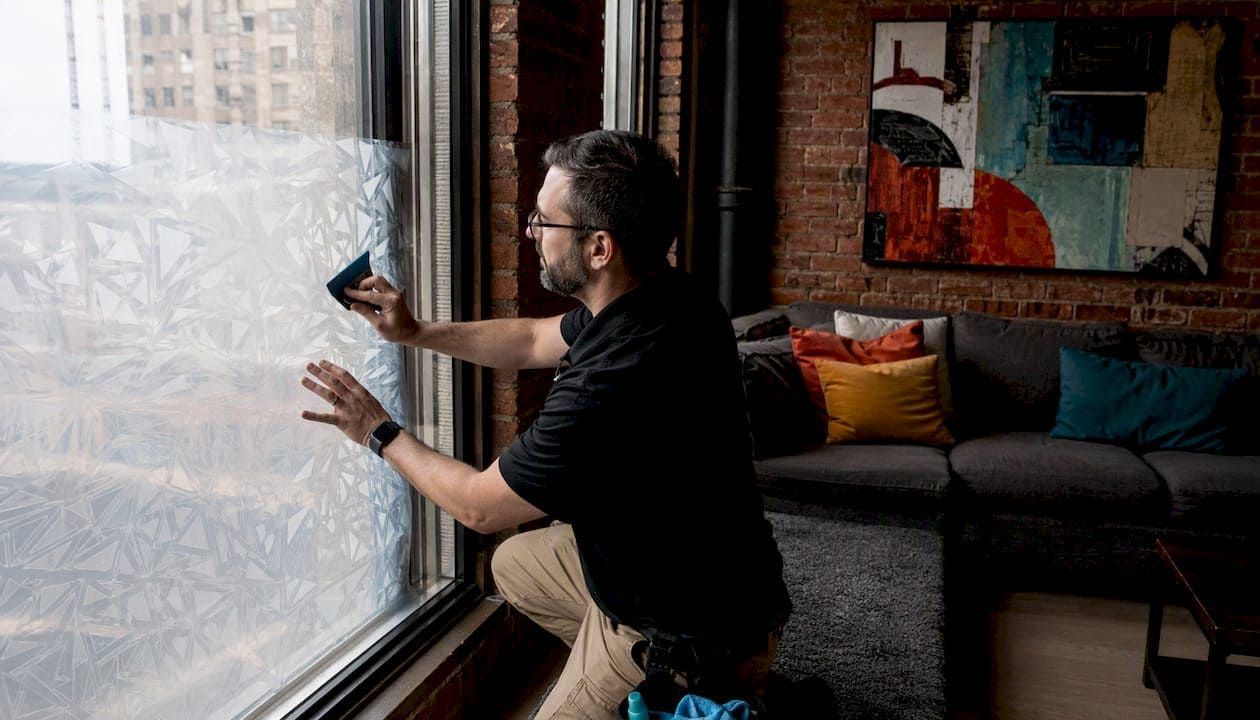
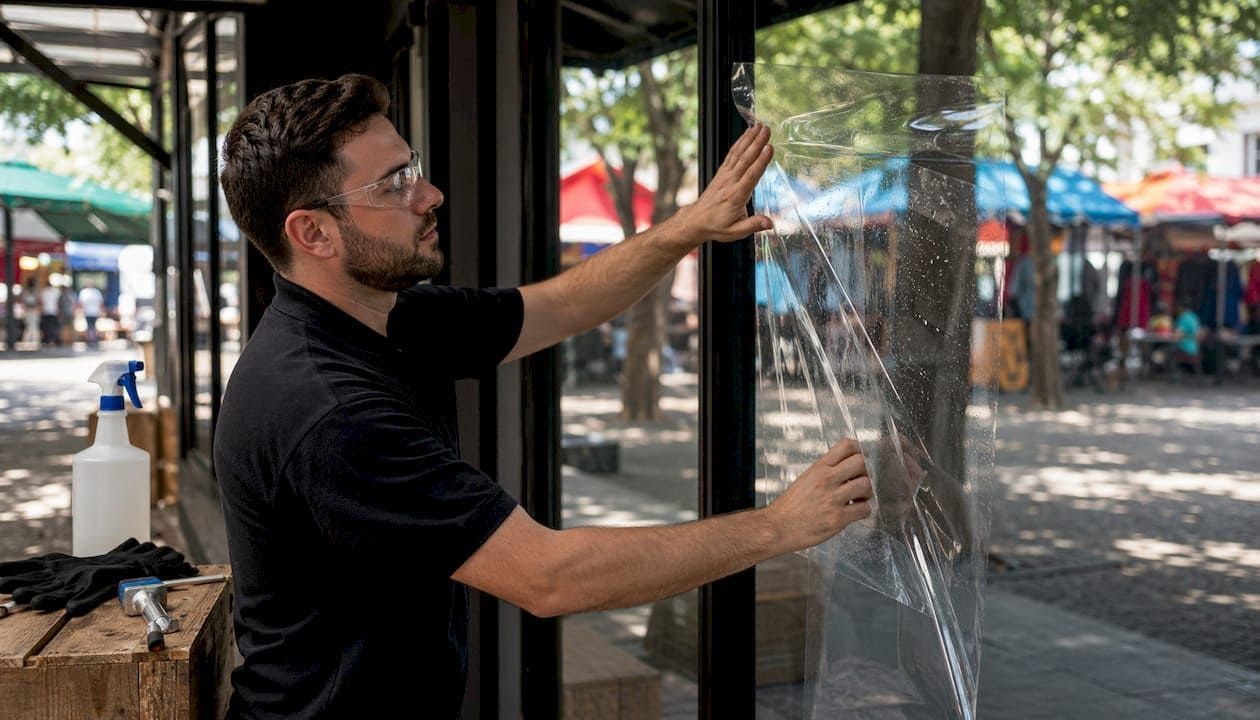
Installation involves several precise steps. The glass surface must be thoroughly cleaned to remove dirt, oils, and residues. A soapy solution is then applied to both the glass and the adhesive side of the film, allowing the installer to position the film without immediate bonding. Using a squeegee, the installer carefully removes air bubbles and excess solution, working from the center outward. Finally, the film is trimmed to fit the exact dimensions of the glass pane.
Edge anchoring takes security to the next level. By applying a structural sealant around the perimeter of the film, installers secure the film to the window frame, not just the glass. This prevents the entire pane from being pushed inward during a forced entry attempt. Without edge anchoring, even thick security films can be bypassed by removing the entire glass unit from the frame.
Security tint is not unbreakable. It delays and deters, but it will not stop a determined attacker indefinitely. Films perform best on annealed glass, which is standard for most residential and commercial windows. Tempered or laminated glass may already have some impact resistance, but adding security film still provides an extra barrier. The key is setting realistic expectations and viewing tinting as one component of a broader security strategy.
Pro Tip: Always verify that your installer uses edge anchoring for security films. This step is often skipped in budget installations, significantly reducing the film's effectiveness.
Professional installation is essential to avoid common pitfalls. Poorly applied films can peel, bubble, or fail to adhere properly, voiding warranties and leaving your property vulnerable. Experienced installers know how to handle different glass types, environmental conditions, and film specifications to enhance home security with window film effectively.
"Security films are a visible deterrent. Intruders often move on to easier targets when they see reinforced windows."
Common installation mistakes include:
- Failing to clean the glass thoroughly before application
- Applying film in direct sunlight or extreme temperatures
- Not allowing adequate curing time before exposure to stress
- Skipping edge anchoring or using substandard sealants
- Cutting corners on film thickness to reduce costs
When done right, security tinting becomes a passive yet powerful asset protection tool that works around the clock without requiring monitoring or maintenance beyond basic cleaning.
Energy efficiency and UV protection benefits of window tinting
Window tinting reduces solar heat gain by reflecting and absorbing infrared radiation before it enters your building. This means your HVAC system works less to maintain comfortable indoor temperatures, translating to lower energy bills. Energy savings of around 2.76% annually have been documented in office settings, with even higher reductions possible in climates with intense sun exposure like Southern New Hampshire summers.
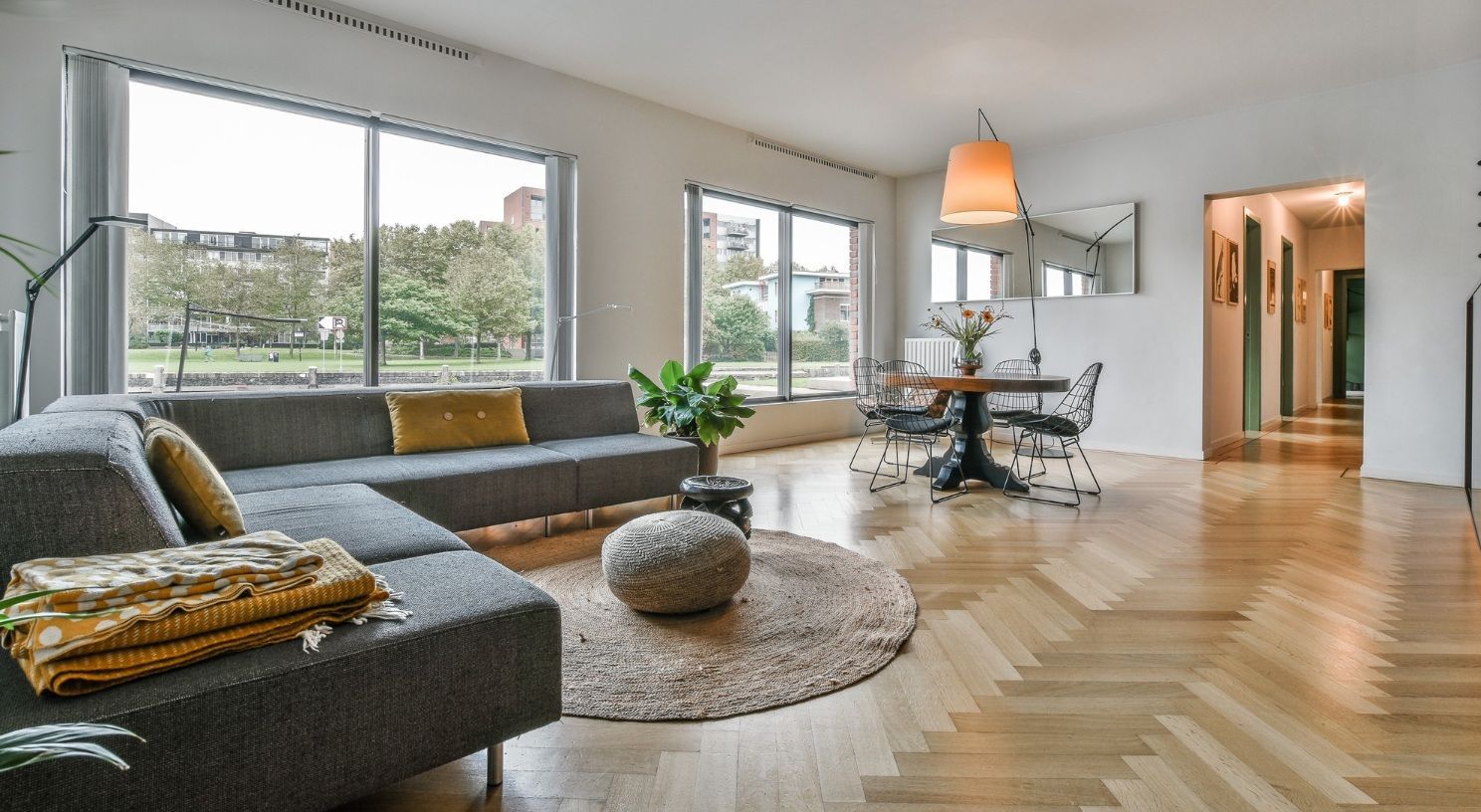
UV radiation is a silent destroyer of interiors. It fades furniture, discolors flooring, degrades artwork, and even damages merchandise in retail spaces. Quality window films block up to 99% of harmful UV rays, preserving the appearance and value of everything inside your property. For homeowners, this means your hardwood floors and upholstery last longer. For commercial property managers, it means protecting inventory and creating a more appealing environment for customers.
Comfort improvements are immediate and noticeable. By reducing interior temperatures and cutting glare, tinting creates a more pleasant space for occupants. Studies have shown interior temperature reductions up to 41°F in vehicles, and similar principles apply to buildings with large glass surfaces. Employees work more productively, customers linger longer, and residents enjoy their homes without constant adjustments to blinds and thermostats.
Energy savings vary based on climate, building orientation, and film type. Exterior films offer higher heat reduction than interior films because they reflect heat before it penetrates the glass. However, exterior films face harsher environmental conditions and may require more frequent replacement. Interior films are more durable and easier to maintain, making them a practical choice for most residential and commercial applications.
| Film Type | Heat Reduction | UV Block | Durability | Best Use Case |
|---|---|---|---|---|
| Interior Solar | Moderate | 99% | High | Residential, low maintenance |
| Exterior Solar | High | 99% | Moderate | Commercial, maximum cooling |
| Security | Low | 95-99% | Very High | Asset protection, impact resistance |
| Dual Purpose | Moderate to High | 99% | High | Comprehensive protection |
Pro Tip: Calculate your potential energy savings using a home window tinting energy savings calculator before selecting a film type. This helps you choose a solution that balances upfront cost with long-term savings.
For property owners in Greater Boston and Southern New Hampshire, solar window films for homes provide a cost-effective way to combat seasonal temperature swings while protecting interiors year-round. The combination of energy efficiency and UV protection makes tinting a smart investment that pays dividends over time.
Key energy and UV benefits include:
- Lower cooling costs during summer months
- Reduced HVAC strain and extended equipment lifespan
- Protection of furnishings, flooring, and artwork from fading
- Improved occupant comfort with reduced glare and hot spots
- Environmental benefits from decreased energy consumption
Choosing the right window tint for your property: security, solar, or both?
Security films and standard solar tint films serve different purposes. Security films are thick, impact-focused products designed to hold glass together during breakage. They provide minimal heat reduction and are primarily installed for safety and asset protection. Standard solar tint films address heat, glare, and UV exposure but offer little impact resistance. Understanding this distinction is critical when selecting the right film for your needs.
Security tint alone is not bulletproof. Even the thickest films will eventually fail under sustained attack. Anchoring is critical for effectiveness, as it prevents the entire glass pane from being pushed inward. Without proper anchoring, security films provide only marginal protection. This is why professional installation and consultation are essential to ensure you get the protection you expect.
Exterior films deliver better heat savings than interior films by reflecting solar energy before it enters the building. However, they are exposed to rain, wind, and temperature fluctuations, which can shorten their lifespan. Interior films are protected from the elements and typically last longer, but they allow more heat to penetrate the glass before being absorbed or reflected back outside. The choice depends on your priorities and budget.
Combining security and solar tint yields comprehensive asset protection. Dual-purpose films are engineered to provide both impact resistance and energy efficiency, making them ideal for property owners who want maximum value from a single installation. These films cost more upfront but eliminate the need for separate applications and deliver benefits across multiple categories.
| Feature | Security Film | Solar Film | Dual-Purpose Film |
|---|---|---|---|
| Thickness | 4-14 mils | 1.5-4 mils | 4-8 mils |
| Impact Resistance | High | Low | Moderate to High |
| Heat Reduction | Low | High | Moderate to High |
| UV Block | 95-99% | 99% | 99% |
| Cost | Moderate to High | Low to Moderate | High |
Professional consultation helps you navigate these options and select the best film type for your specific property needs. An experienced installer will assess your building orientation, glass type, security concerns, and budget to recommend a tailored solution. For example, a retail storefront in downtown Boston may prioritize security and UV protection, while a residential property in Southern New Hampshire may focus on energy savings and comfort.
Considerations when choosing a film type:
- What are your primary concerns: security, energy, privacy, or all three?
- What type of glass do you have: annealed, tempered, or laminated?
- What is your budget for upfront installation versus long-term savings?
- Do you need edge anchoring for maximum security?
- Are there local building codes or HOA restrictions on film appearance?
Understanding the differences between solar film vs privacy film can also help you make an informed decision. Privacy films add an extra layer of discretion without sacrificing natural light, while solar films focus purely on heat and UV control. Combining these with security features creates a well-rounded asset protection strategy.
Maximizing tinting benefits through professional installation and maintenance
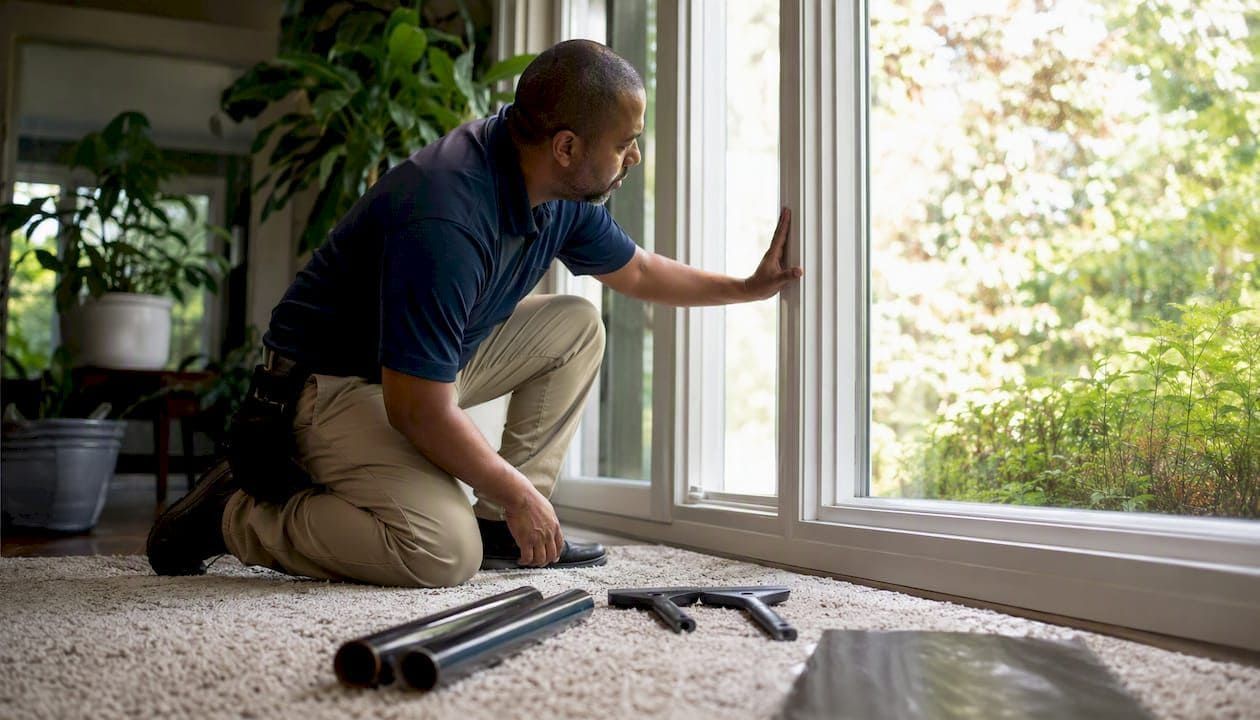
Professional installers follow specific cleaning and application methods to ensure optimal adhesion and performance. The glass must be spotless, the film must be positioned precisely, and the squeegee work must be thorough to eliminate air pockets. Shortcuts in any of these steps lead to premature failure, warranty voidance, and wasted investment. This is not a DIY project if you want results that last.
Common installation issues include bubbles, peeling, and warranty voidance. Bubbles form when air or moisture is trapped under the film during application. Peeling occurs when the adhesive fails to bond properly, often due to contamination or improper curing. Most manufacturers void warranties if the film is not installed by a certified professional, leaving you without recourse if problems arise. Choosing a reputable installer protects your investment and ensures you get the performance you paid for.
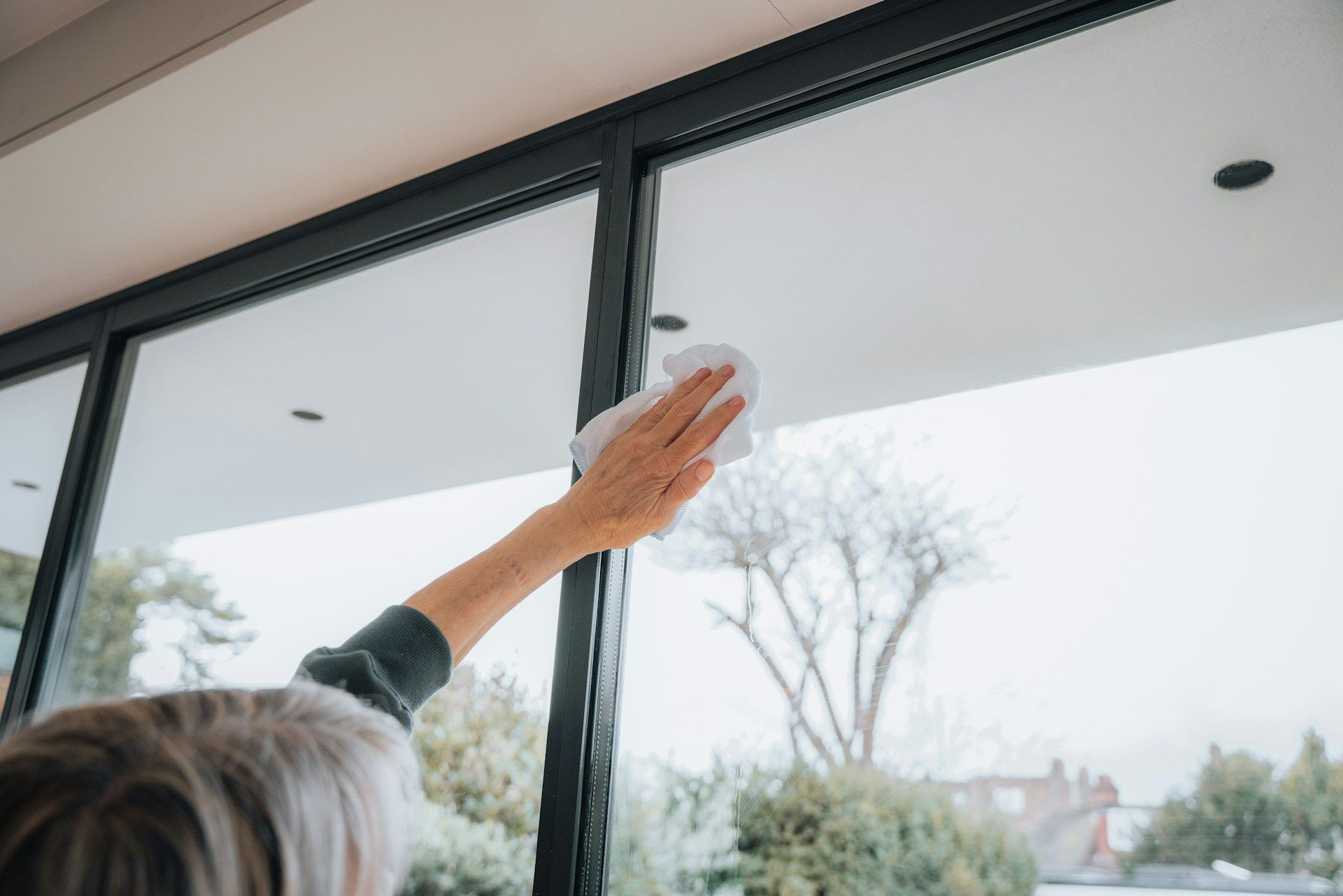
Maintaining tint films is straightforward but essential. Clean the film with a soft cloth and a mild, ammonia-free cleaner. Avoid abrasive materials that can scratch the surface. Inspect the edges and seals regularly for signs of peeling or separation. If you notice any issues, contact your installer immediately. Prompt attention to minor problems prevents them from becoming major failures.
Combining window tint with cameras and alarms creates a comprehensive security system. Tint with alarms and cameras provides layered defense that addresses multiple attack vectors. Tinting delays entry, cameras capture evidence, and alarms alert you and authorities. This integrated approach is far more effective than relying on any single measure.
Proper installation and maintenance maximize energy savings and asset protection over time. A well-installed film can last 10 to 20 years with minimal upkeep, delivering ongoing benefits without recurring costs. In contrast, a poorly installed film may fail within months, requiring costly replacement and leaving your property vulnerable.
Pro Tip: Schedule an annual inspection with your installer to check for wear, peeling, or seal degradation. Catching issues early extends the life of your film and maintains its protective properties.
Steps to ensure long-term tinting performance:
- Choose a certified installer with experience in your film type and building application.
- Verify that the installer uses manufacturer-approved techniques and materials.
- Request a detailed warranty that covers both the film and the installation labor.
- Clean the film regularly with approved products and methods.
- Inspect the film annually for signs of wear, peeling, or seal failure.
- Integrate tinting with other security measures like alarms, cameras, and lighting.
For property managers and homeowners in Southern New Hampshire and Greater Boston, working with a trusted local provider ensures you get expert advice, quality materials, and reliable service. Surface Dynamics Window Tinting specializes in both residential and commercial applications, offering tailored solutions that address your unique needs. Understanding the benefits of commercial window tinting can help business owners make informed decisions about protecting their assets and improving building performance.
Key maintenance practices:
- Use only ammonia-free cleaners to avoid damaging the film
- Clean with a soft microfiber cloth to prevent scratches
- Inspect seals and edges quarterly for signs of peeling
- Avoid placing adhesive materials directly on the film
- Contact your installer immediately if you notice bubbles or separation
Professional window tinting services in Southern NH and Greater Boston
Protecting your home or business assets starts with the right partner. Local providers in Southern New Hampshire and Greater Boston offer expert security and solar tint solutions tailored to your property's unique needs. Whether you need impact-resistant films for a retail storefront or energy-efficient tinting for a residential property, working with experienced professionals ensures you get maximum protection and performance.
Free estimates are available for both residential and commercial properties, making it easy to explore your options without commitment. Professional service guarantees proper installation, warranty coverage, and long-term durability. Trusted local expertise means faster response times, personalized recommendations, and ongoing support for maintenance and inspections. Explore commercial window films and residential window films to find the solution that fits your asset protection goals.
Frequently asked questions about tinting and asset protection
How effective is security window film at preventing break-ins?
Security film delays forced entry by holding shattered glass together, buying you time to respond or for authorities to arrive. It is not unbreakable but serves as a strong deterrent when combined with edge anchoring and other security measures.
Do I really need professional installation for window tinting?
Yes. Professional installation ensures proper adhesion, prevents bubbles and peeling, and maintains warranty coverage. DIY installations often fail prematurely and void manufacturer warranties, costing you more in the long run.
How much can I save on energy costs with window tinting?
Energy savings vary by climate, building orientation, and film type, but studies show annual savings around 2.76% in office settings. Homes with large south-facing windows in sunny climates can see even greater reductions in cooling costs.
How do I maintain window tint to ensure it lasts?
Clean the film regularly with a soft cloth and ammonia-free cleaner. Inspect edges and seals quarterly for peeling or separation. Avoid abrasive materials and contact your installer immediately if you notice any issues.
Can I combine security and solar tint on the same windows?
Yes. Dual-purpose films provide both impact resistance and energy efficiency, offering comprehensive asset protection. These films cost more upfront but eliminate the need for separate installations and deliver benefits across multiple categories.
Does window tinting work on all types of glass?
Most films work best on annealed glass, which is standard for residential and commercial windows. Tempered and laminated glass may require specific film types or installation techniques. A professional installer will assess your glass and recommend the appropriate solution.
Recommended
- Top 5 Benefits of Tinting Your Home Windows
- Top Benefits of Commercial Window Tinting for Businesses
- Why Retail Window Tint is a Must-Have for Store Owners
- Smart Window Tint Solutions for Retail Storefronts
- How waterproofing protects your property investment
- Roof Coatings Explained: Extending Roof Life and Value - Liberty Roofworks