
Building Security Film Upgrades: A Property Manager's Guide
TL;DR:
- Building security film upgrades apply specialized polyester to existing glass to delay forced entry, improve safety, and enhance energy efficiency. Proper system design, professional installation, and threat-matched film selection are essential to ensure optimal performance and safeguard property. Costs vary based on film thickness, system complexity, and security needs, with thicker, anchored films providing higher protection.
Building security film upgrades are specialized polyester film systems applied directly to existing glass to bond shattered fragments, delay forced entry, and improve privacy and energy performance. Unlike alarm systems or cameras, these films work passively, around the clock, with no ongoing maintenance required. LLumar Vista Films, 3M security films, and similar commercial-grade products meet ASTM F1233 forced-entry ratings, making them a credible first line of defense for commercial and residential properties alike. The right upgrade is not just a film choice. It is a complete system decision that depends on glass type, frame construction, threat level, and professional installation.
1. What are the best security film options for building window upgrades?
Security films are classified primarily by thickness, measured in mils (thousandths of an inch). Thickness directly affects how long a film system delays forced entry and how well it retains glass fragments after impact.
The three main tiers are:
- 4–6 mil films: Entry-level safety films. These meet ANSI/CPSC 16 CFR 1201 safety glazing standards and reduce injury from accidental glass breakage. They are not designed for forced-entry resistance.
- 7–9 mil films: Mid-grade security films. These provide meaningful fragment retention and moderate intrusion delay. A solid choice for storefronts, office lobbies, and ground-floor commercial windows.
- 10–15 mil films: High-performance security films. When combined with frame anchoring and edge sealing, these meet ASTM F1233 forced-entry ratings at higher classification levels. GSA-compliant installations typically require this tier.
Multi-layered polyester construction is the industry standard for security-grade films. Single-layer films of equivalent thickness perform noticeably worse under attack because the laminated layers distribute impact energy more effectively.
LLumar Vista Safety and Security Films, available through Surfacetint as an exclusive LLumar SelectPro Dealer, span this full thickness range and carry documented performance certifications. That matters when you need to satisfy insurance requirements or building code compliance.
Pro Tip: Thicker film alone does not guarantee better security. Pair any film rated 8 mil or above with mechanical frame anchoring and edge sealing to achieve the forced-entry delay performance the film is rated for.
2. How installation methods and system design affect security film performance
Security film effectiveness depends heavily on system design, not just film thickness. A 12 mil film installed without proper edge sealing or frame anchoring will fail under attack far sooner than a well-installed 8 mil system.
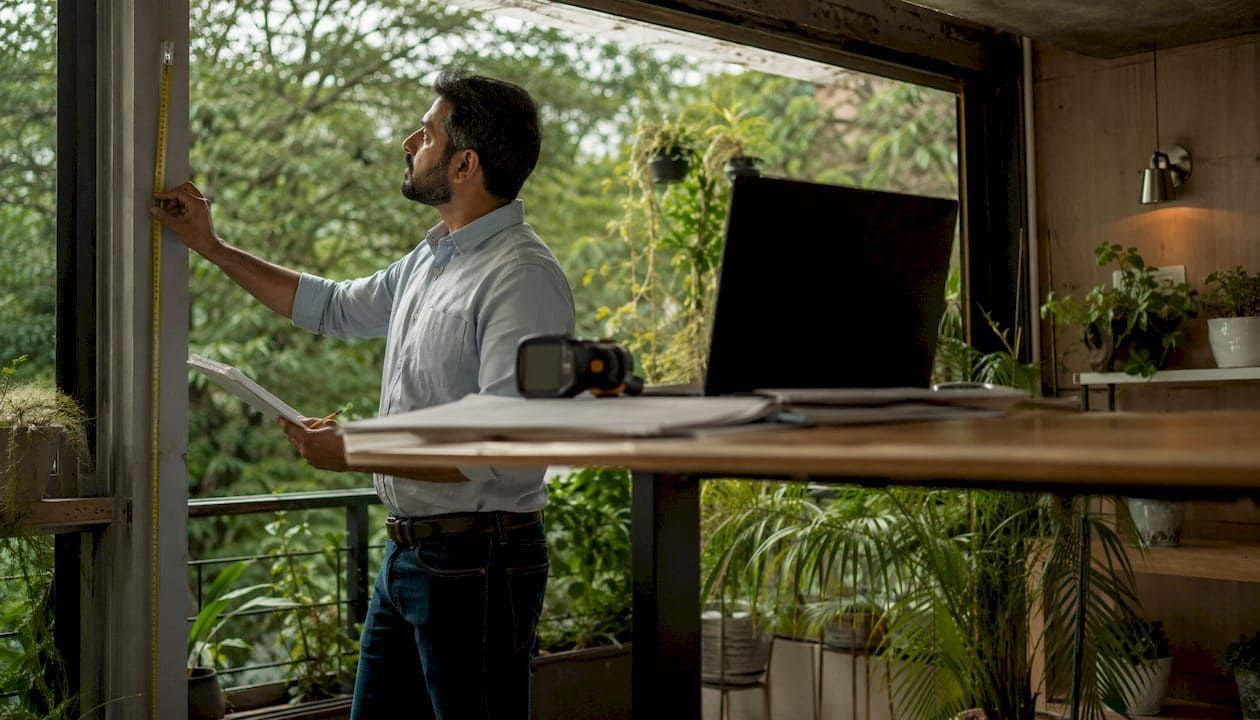
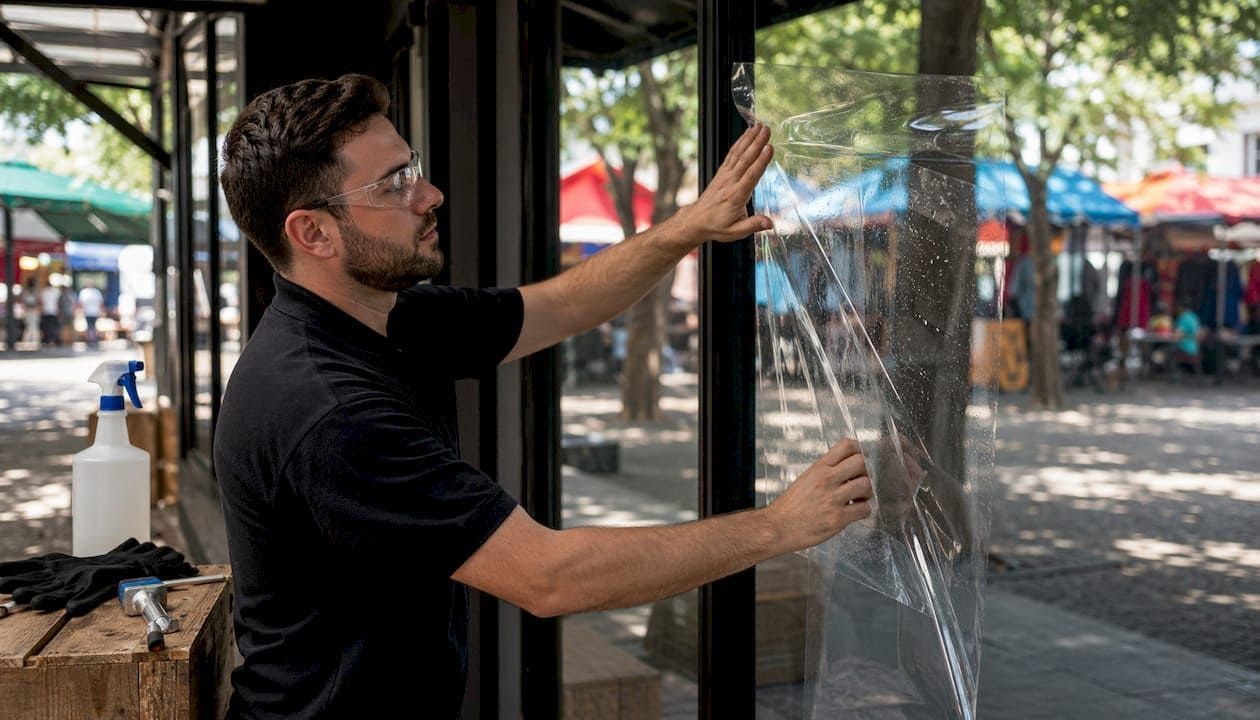
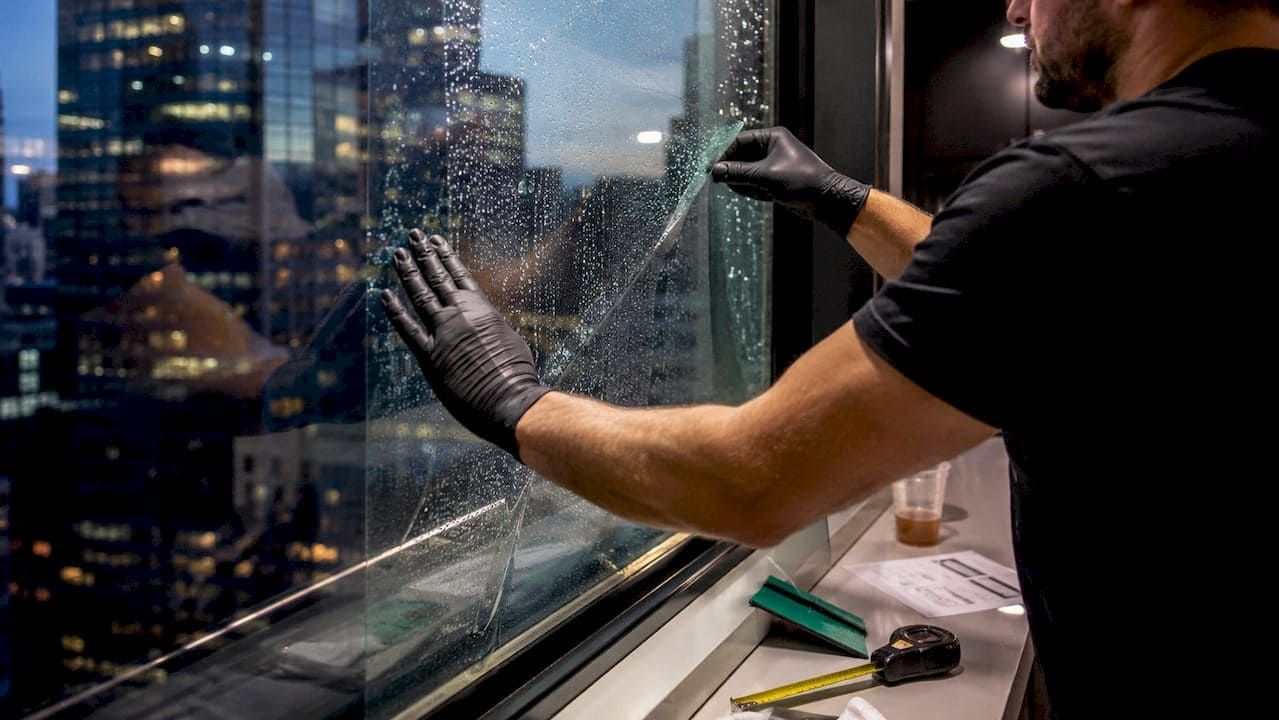
Here is what a professional security film installation involves:
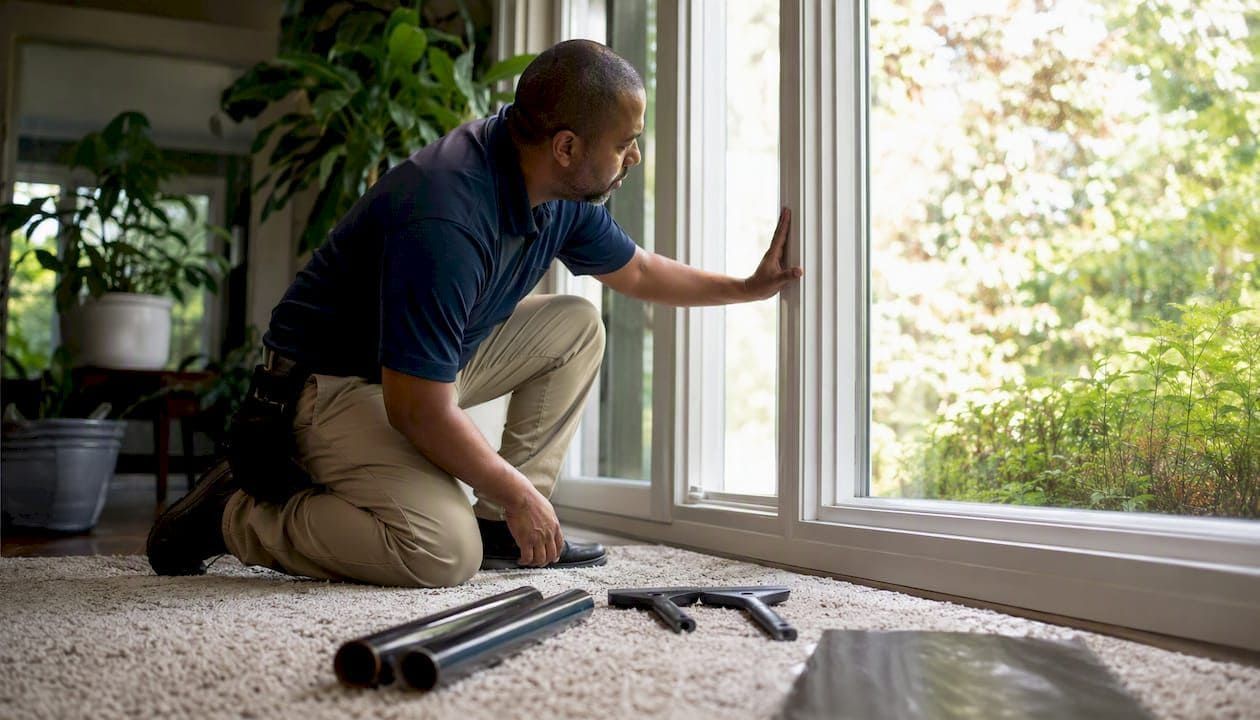
- Glass and substrate assessment. The installer confirms glass type, thickness, and frame material before selecting a compatible film. Mixed glass applications, such as tempered plus annealed in the same building, require separate compatibility confirmation to maintain warranty validity.
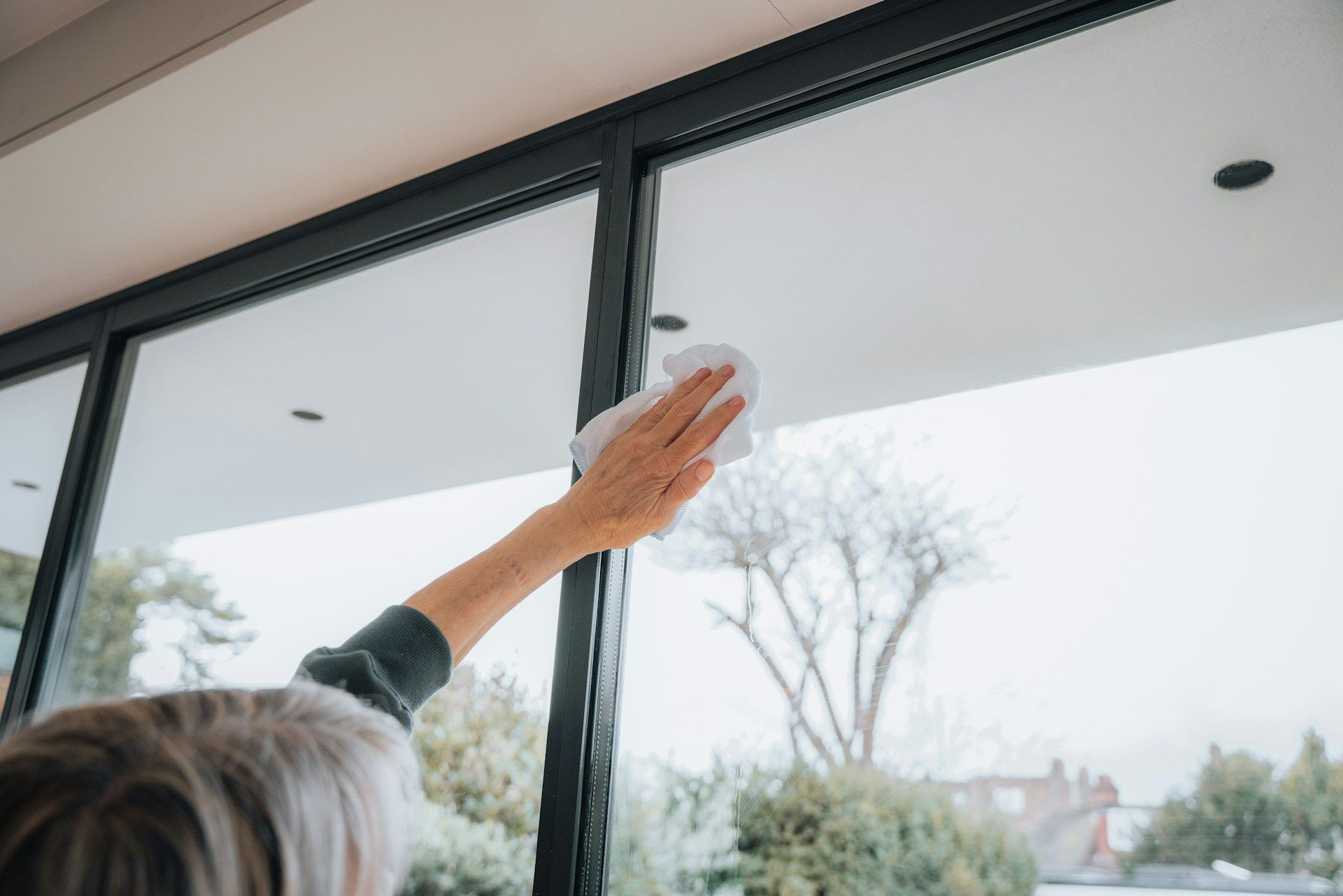
- Surface preparation. Glass is cleaned thoroughly to remove contaminants that would trap air bubbles or weaken adhesive bonding.
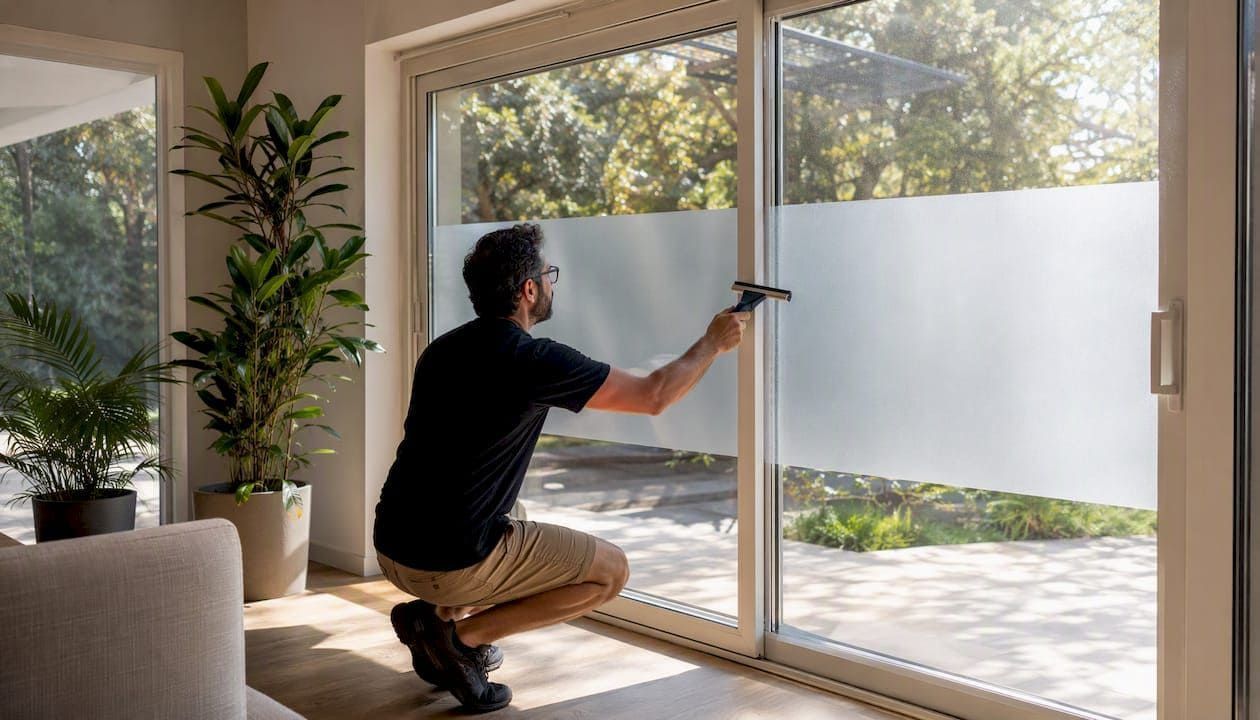
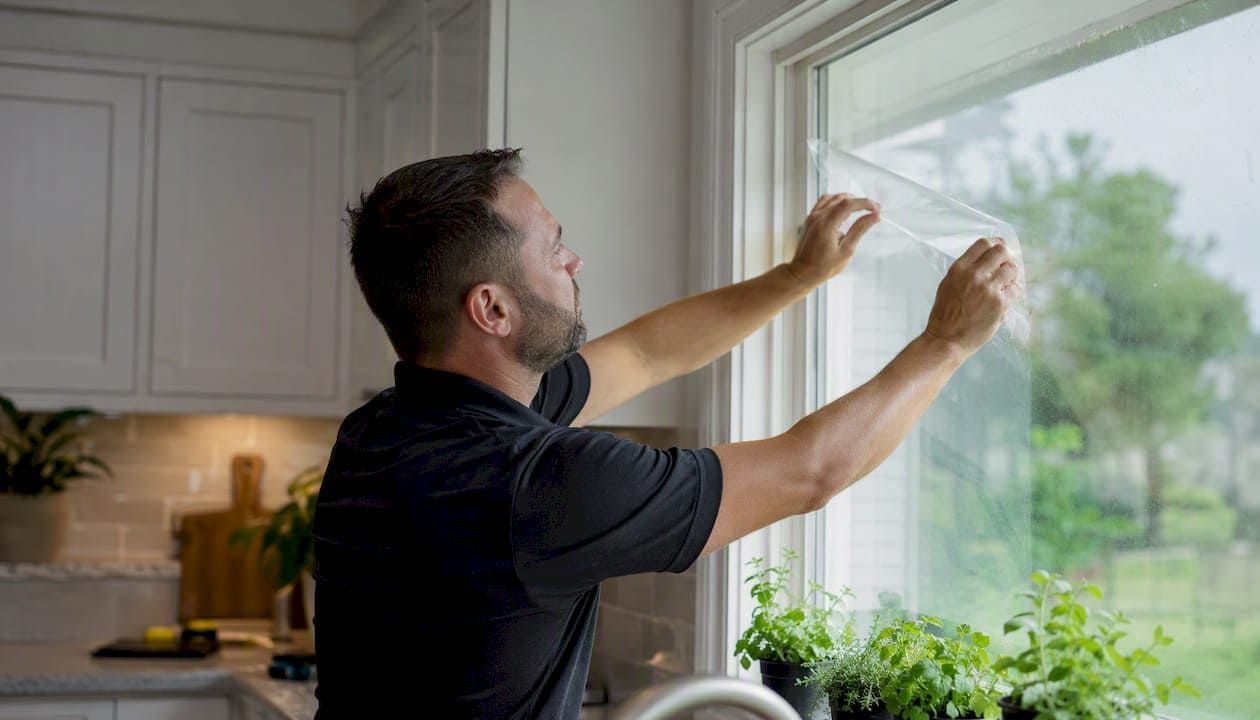
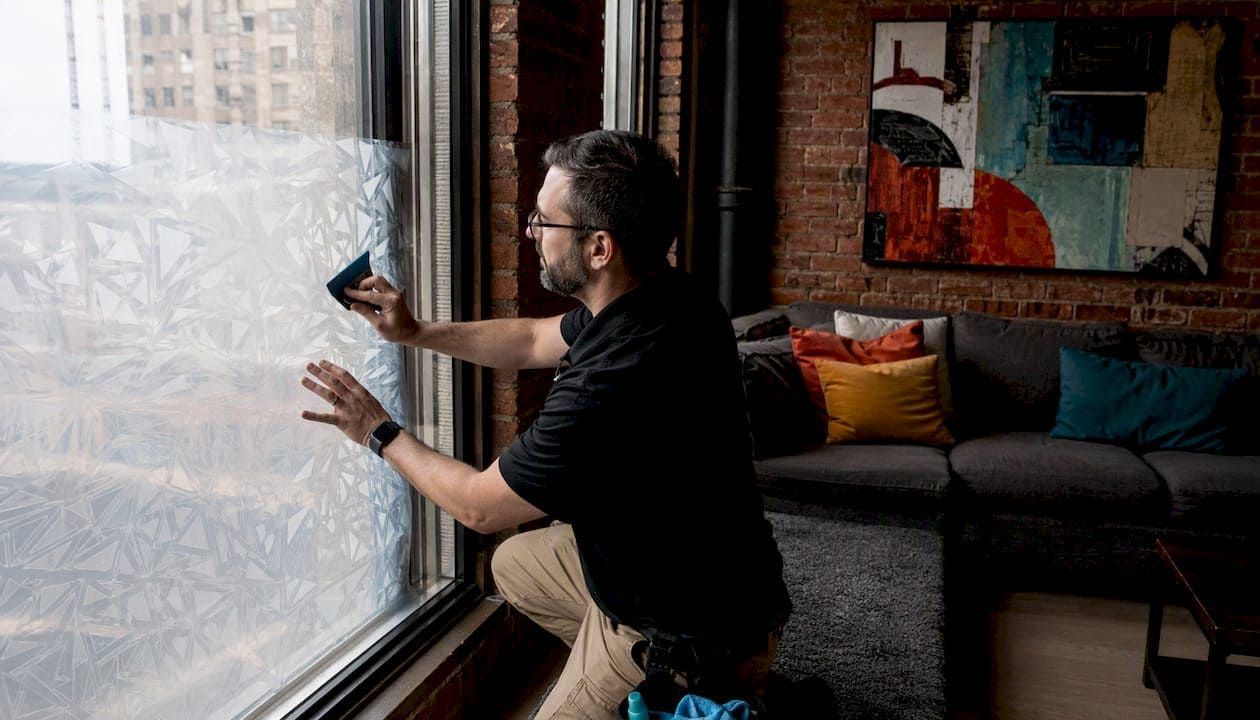
- Film application. The film is applied wet, squeegeed to remove moisture, and trimmed to fit the glass opening precisely.
- Edge sealing. A structural sealant is applied along the film perimeter where it meets the frame. This step is the most commonly skipped and the most critical. Without it, the film peels away from the edge under attack, eliminating most of its protective value.
- Frame anchoring. For high-security applications, the film is mechanically attached to the frame using a structural silicone or anchoring system. Thicker films combined with frame anchoring deliver substantially improved forced-entry delay and meet GSA and ASTM certification requirements.
- Curing period. Full adhesive curing takes 3–7 days under normal conditions and can extend to 14 days in cold or humid environments. Do not clean the film surface during this window.
Pro Tip: When writing specifications for a commercial project, require documented attachment methods, sealant product names, and substrate compatibility confirmation in writing. This holds installers accountable and protects your warranty.
3. What performance standards should guide your film selection?
Not all security films are tested to the same standard. Matching your film to the right certification is the only way to know whether it will perform under a real threat.
| Standard | What it tests | Who it applies to |
|---|---|---|
| ASTM F1233 | Forced-entry resistance by tool, technique, and time delay (Levels I–V) | Security films for intrusion delay |
| ANSI/CPSC 16 CFR 1201 | Safety glazing for impact injury reduction | Safety films for accidental breakage |
| GSA/FBI standards | Blast and ballistic resistance for federal facilities | High-security government buildings |
The ASTM F1233 standard evaluates resistance based on the type of tool used, the attack technique, and the time an intruder takes to breach the opening. A Level I rating means the film resisted a basic hand-tool attack for a defined period. Level V means it withstood power tools and sustained assault.
Safety glazing films and forced-entry security films are different products. A film rated to ANSI/CPSC 16 CFR 1201 protects occupants from accidental glass injury. It will not meaningfully delay a determined intruder. Threat mapping is required to specify the correct film performance for your building.
Your insurance carrier or local building code may specify a minimum standard. Always confirm this before selecting a product.
4. What additional benefits do security films provide beyond forced entry?
The security case is strong on its own. The energy and comfort benefits make the investment easier to justify to stakeholders who are not focused on threat modeling.
- UV protection. Many commercial security films block approximately 99% of UVA and UVB radiation. That level of UV blocking protects interior furnishings, flooring, and artwork from fading, and reduces occupant exposure to harmful rays.
- Solar heat reduction. Solar control features built into security films can reduce cooling energy costs by up to 30%. For large commercial buildings with significant glass exposure, that figure translates directly to lower utility bills year over year.
- Daytime privacy. Tinted and reflective security films limit sightlines into ground-floor offices, retail spaces, and lobbies without blocking natural light from inside. This is a meaningful benefit for tenant comfort and data security in open-plan workspaces.
- No ongoing maintenance. Unlike alarm systems or access control hardware, security film requires no maintenance after the curing period. There are no subscriptions, no battery replacements, and no monitoring fees.
- Integration with broader security strategies. Security film works alongside physical barriers, access control, and surveillance systems. It does not replace them. Think of it as the layer that buys time for every other system to respond.
For a detailed look at how UV protection and occupant comfort benefits stack up, Surfacetint's guide on UV protection window film covers the full picture.
5. What does a building security film upgrade realistically cost?
Pricing for security film installation varies by film thickness, glass type, frame condition, and installation complexity. Here are realistic installed cost ranges based on current market data:
| Film tier | Thickness | Installed cost per sq ft |
|---|---|---|
| Entry-level safety | 4–6 mil | $8–$15 |
| Mid-grade security | 7–9 mil | $15–$25 |
| High-security anchored | 10–12+ mil | $25–$45+ |
These figures reflect Oregon market pricing data and are broadly representative of the U.S. market. Regional labor costs, building access complexity, and frame repair needs will push prices toward the higher end of each range.
Frame anchoring adds cost but is not optional for high-security applications. Mechanical attachment is what separates a film that delays entry from one that peels away under sustained attack. Factor it into your budget from the start, not as an afterthought.
Professional installation also protects your warranty. Most film manufacturers void performance warranties on self-installed or improperly installed products.
Pro Tip: If budget is a constraint, prioritize ground-floor windows, entry points, and any glazing adjacent to high-value assets. Covering your most vulnerable openings first delivers the highest security return per dollar spent.
Key takeaways
Building security film upgrades deliver the most value when system design, professional installation, and threat-matched film selection work together as a complete package.
| Point | Details |
|---|---|
| System design over thickness | Edge sealing and frame anchoring matter more than mil rating alone for forced-entry performance. |
| Match film to threat level | Use ASTM F1233 ratings for intrusion delay; ANSI/CPSC 16 CFR 1201 covers safety glazing only. |
| Curing timeline is non-negotiable | Allow 3–7 days (up to 14) before cleaning to protect adhesive bond strength. |
| Secondary benefits are real | Security films block up to 99% of UV rays and can cut cooling costs by up to 30%. |
| Prioritize vulnerable openings | Ground-floor entry points and high-value adjacencies should be upgraded first when budgets are limited. |
What I've learned from watching security film projects go wrong
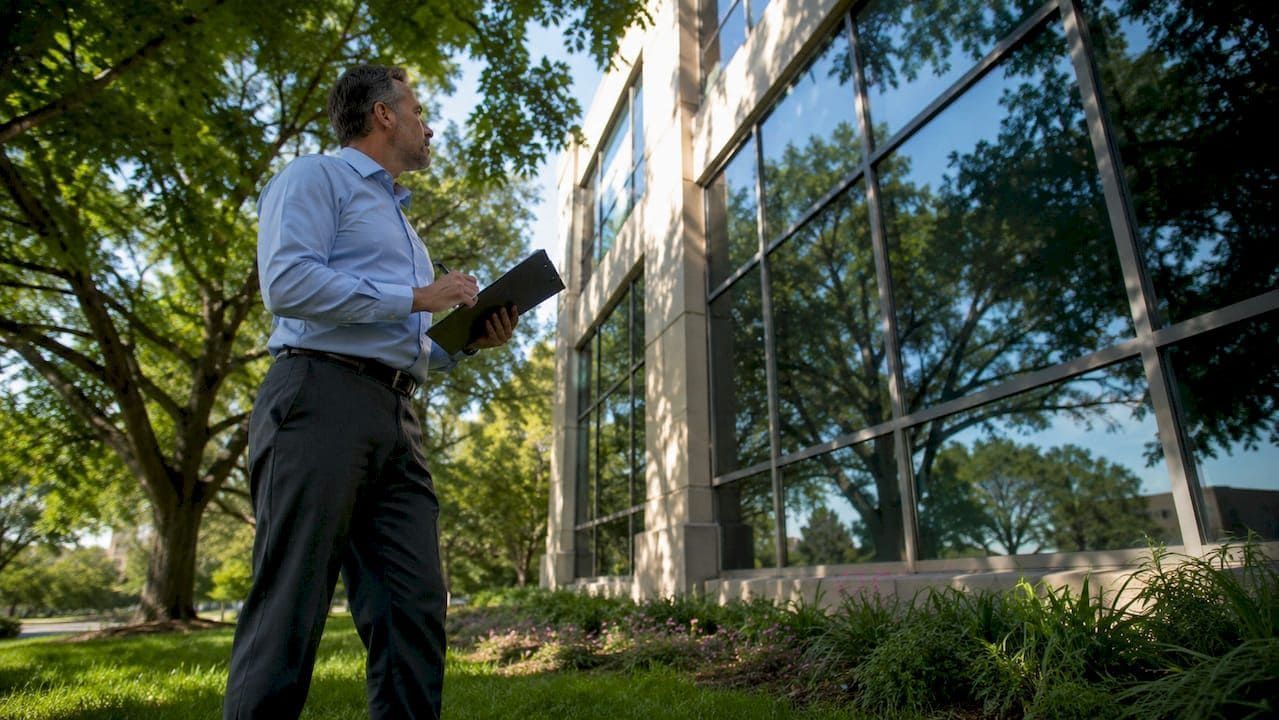
I've reviewed enough commercial security film projects to know that the film itself is rarely the problem. The failure almost always traces back to edge sealing that was skipped to save time, or a substrate compatibility issue that nobody checked before installation day.
The most common mistake property managers make is treating this like a product purchase rather than a system installation. They compare mil ratings, pick the thicker film, and assume the job is done. It is not. A 12 mil film with no frame anchoring and poor edge sealing will underperform a properly installed 8 mil system every time. Specification writing that requires documented attachment methods and test certifications is the single best protection against this outcome.
The curing timeline also gets ignored more than it should. Operations teams want the windows cleaned and the building back to normal immediately. Cleaning during the 3–7 day curing window weakens the adhesive bond in ways you cannot see until the film starts to fail under stress. Respect the timeline.
My honest advice: start with a thorough threat assessment, write a performance specification before you talk to any installer, and verify substrate compatibility on every glass type in your building. The film is the easy part. The system is what protects you.
Ready to upgrade your building's window security?
Surfacetint serves commercial and residential properties across Southern New Hampshire and the Greater Boston Area as an exclusive LLumar SelectPro Dealer. Every installation uses LLumar Vista Safety and Security Films, professionally applied with proper edge sealing, frame anchoring, and documented substrate compatibility checks.
Whether you manage a single storefront or a multi-building portfolio, Surfacetint tailors film selection to your specific glass types, threat level, and energy goals. You can explore the full range of commercial security film options or request a free estimate to get a project-specific recommendation with no obligation. Professional installation means your film performs as rated and your warranty stays intact.
FAQ
What is building security film, and how does it work?
Building security film is a polyester film applied to existing glass that bonds shattered fragments together and delays forced entry. It does not make glass unbreakable. It buys time for occupants to respond and for law enforcement to arrive.
How thick should security film be for a commercial building?
Mid-grade buildings typically use 7–9 mil film for meaningful intrusion delay. High-security applications require 10–15 mil film paired with mechanical frame anchoring to meet ASTM F1233 forced-entry ratings.
Does security film require maintenance after installation?
Security film requires no ongoing maintenance after the curing period of 3–7 days. Unlike alarms or access control systems, it works passively with no subscriptions or hardware upkeep.
Can security film also reduce energy costs?
Yes. Solar control features in many security films can reduce cooling energy costs by up to 30%, and most commercial-grade films block approximately 99% of UV radiation, protecting interiors and reducing heat gain.
What is the difference between safety film and security film?
Safety film meets ANSI/CPSC 16 CFR 1201 standards for impact injury reduction from accidental breakage. Security film is rated under ASTM F1233 for forced-entry resistance. They serve different threat scenarios and should not be used interchangeably.
Recommended