
Window Enhancements in Commercial Real Estate: 2026 Guide
TL;DR:
- Window enhancements in commercial real estate improve energy efficiency, tenant comfort, and property value without full window replacement.
- Properly installed films and coatings reduce heat gain and glare, boosting occupant productivity and satisfaction.
- A phased upgrade approach, focusing on high-impact zones, maximizes savings and minimizes tenant disruption.
Window enhancements in commercial real estate are defined as applied films, coatings, and glazing upgrades that improve a building's energy performance, appearance, and occupant comfort without full window replacement. The role of window enhancements in commercial real estate has grown significantly as property managers face rising energy costs, tighter ESG reporting requirements, and tenants who expect more from their workspace. Products like LLumar Vista Solar Control Films, ceramic window films, and electrochromic smart glass now give building owners measurable control over heat gain, glare, UV exposure, and even security. This guide breaks down how each technology works, what the numbers look like, and how to build a phased upgrade plan that protects your budget.

How do window enhancements improve energy efficiency in commercial buildings?
Energy efficiency is the primary driver behind most commercial window upgrade decisions. Ceramic window films can reject up to 80% of solar heat gain and block 99% of UV radiation on commercial facades without darkening interiors. That single metric translates directly into reduced HVAC runtime, lower utility bills, and a more consistent indoor temperature across floor plates.
The mechanism is straightforward. Solar control films absorb or reflect infrared radiation before it passes through the glass. Ceramic films do this without metallic particles, so they do not interfere with Wi-Fi or cellular signals, which matters in office towers and retail centers. Low-E coatings work differently: they apply a microscopically thin metallic layer to the glass surface that reflects radiant heat back toward its source, keeping heat inside during winter and outside during summer.
Triple-glazed low-E panels paired with thermally broken frames and advanced spacers deliver the highest energy savings and acoustic performance available today. That level of performance comes at a higher capital cost, which is why many property managers treat film as a first-phase investment and full glazing replacement as a longer-term capital project.
One critical point that gets overlooked: air leakage around window frames causes energy loss that glazing upgrades alone cannot fix. The U.S. Department of Energy emphasizes a holistic building envelope strategy, meaning films and coatings must be paired with proper sealing and insulation to capture their full efficiency potential. Pairing window upgrades with energy-efficient commercial roofing compounds the savings further.
Pro Tip: Start your energy audit by mapping which facades receive direct sun between 10 a.m. and 3 p.m. South-facing and west-facing glass typically account for the largest share of solar heat gain. Targeting those zones first delivers the fastest payback.
- Ceramic films: up to 80% solar heat rejection, no signal interference
- Low-E coatings: reflect radiant heat in both heating and cooling seasons
- Triple-pane glazing: highest performance, longest ROI timeline
- Air sealing: required to capture full efficiency gains from any glazing upgrade
What aesthetic and tenant experience benefits do window enhancements provide?
Tenant satisfaction is increasingly tied to the physical comfort of the workspace, and windows are the single largest variable in that equation. Window tinting reduces interior glare, protects furnishings from UV damage, and creates a consistent lighting environment that tenants in open-plan offices and retail spaces actively notice and appreciate. Glare reduction alone has a measurable effect on workplace productivity, particularly for screen-heavy work environments.
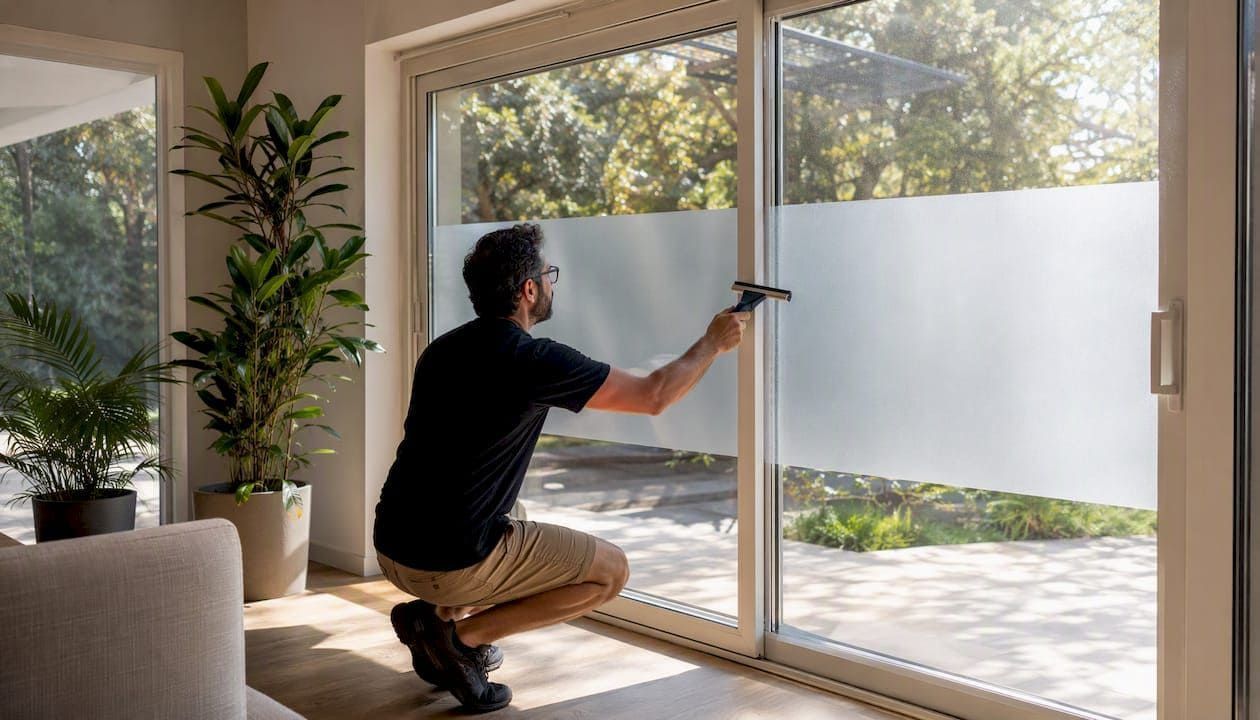
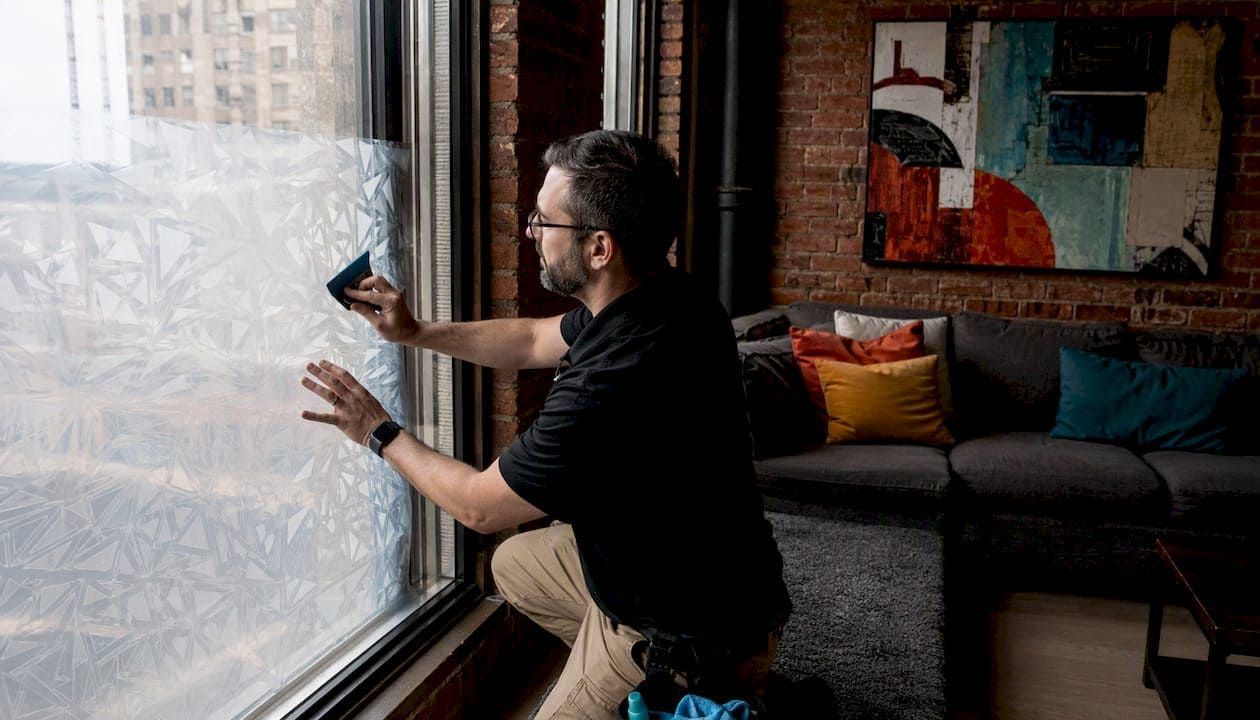
From a curb appeal standpoint, uniform window film gives a building a cleaner, more intentional exterior appearance. Decorative and privacy films from product lines like LLumar Vista allow property managers to reinforce brand identity at storefronts, create frosted conference room partitions, or add graphic elements without permanent structural changes. That flexibility matters when tenant mix changes and spaces need to be reconfigured quickly.
"Tenants increasingly evaluate buildings not just on square footage and location, but on how the space feels to work in every day. Glare, heat near windows, and faded furnishings are friction points that drive lease renewal decisions more than most landlords realize." — Commercial property management industry observation
Smart glass technology takes the aesthetic and comfort argument further. Electrochromic and photochromic glazing automatically adjusts tint in response to light levels or manual controls, eliminating the need for blinds and giving occupants a clear view while managing glare and heat. The visual effect is modern and signals a commitment to occupant experience that resonates with Class A office tenants.
Modern window films also provide anti-shatter security benefits, which adds a layer of tenant satisfaction that goes beyond comfort. For ground-floor retail and accessible storefronts, security film keeps glass fragments contained during impact events, reducing injury risk and property damage. That feature directly supports tenant retention conversations and property insurance discussions.
The impact of windows on real estate value is not purely functional. A building that looks well-maintained, controls glare effectively, and offers modern glass aesthetics commands higher asking rents and attracts tenants who stay longer.
How do window enhancement options compare for commercial properties?
Choosing between window films, full replacement, and smart glass requires a clear view of performance trade-offs, cost, and installation complexity. The table below gives you a working comparison across the options most relevant to commercial property managers.
| Option | Solar heat rejection | Upfront cost | Installation time | Durability | Best use case |
|---|---|---|---|---|---|
| Ceramic solar film | Up to 80% | Low to moderate | Hours per floor | 10–15 years | Retrofit on existing glass |
| Low-E coating (retrofit) | Moderate to high | Moderate | Days | 10–20 years | Older single-pane buildings |
| Smart glass (electrochromic) | Variable, automated | High | Weeks | 20+ years | Class A new construction |
| Double/triple-pane replacement | Highest | High | Weeks to months | 25–30 years | Storm-damaged or aged windows |
Full window replacement delivers the best long-term performance but carries a slower payback timeline from energy savings alone. That makes targeted film upgrades the smarter near-term investment for most existing commercial buildings, particularly when the existing frames are structurally sound.
Retrofit films integrate with building management systems when paired with automated shading controls, which aligns with ESG reporting goals by providing documented energy reduction data. Smart glass goes further by connecting directly to HVAC and lighting systems, allowing dynamic adjustments that optimize energy use throughout the day. The growing adoption of smart glass in commercial buildings reflects the broader trend toward integrated building performance management.
Pro Tip: When evaluating full replacement versus film, request a thermal imaging scan of your current windows first. If the frames show significant air leakage, replacement makes more financial sense. If the glass is the primary problem, film delivers 80% of the benefit at 20% of the cost.
Frame material matters more than most property managers expect. Aluminum frames without thermal breaks conduct heat directly through the frame, undermining even the best glazing upgrade. Specifying thermally broken aluminum or fiberglass frames during any replacement project is not optional if energy performance is the goal.
What is the best approach for implementing window enhancements in commercial properties?
A phased implementation strategy is the most practical path for most commercial property managers. It controls capital outlay, generates early ROI data, and minimizes tenant disruption during active lease periods.
- Conduct a building audit. Map all window orientations, identify single-pane or aged glazing, and document current energy costs by zone. This baseline is what you present to stakeholders to justify the investment.
- Prioritize high-impact zones first. South-facing and high-glare perimeter zones deliver the most immediate tenant comfort improvements and energy savings. Start there to generate early wins and document measurable results.
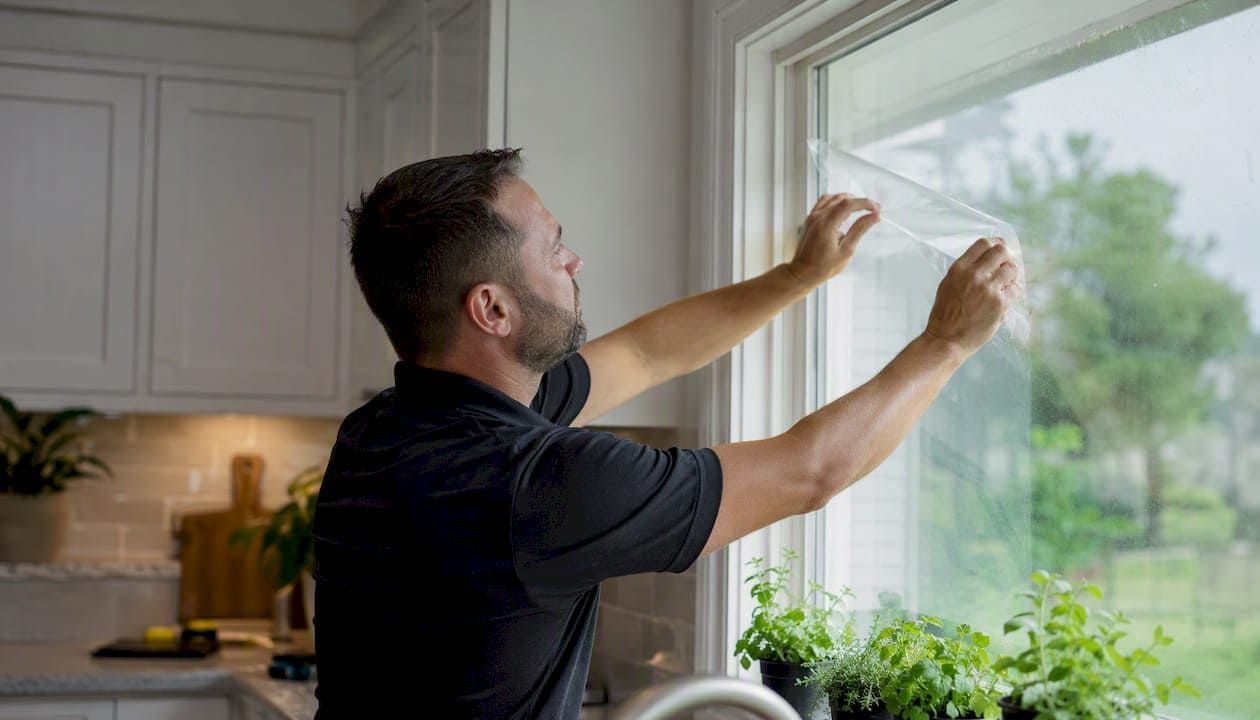
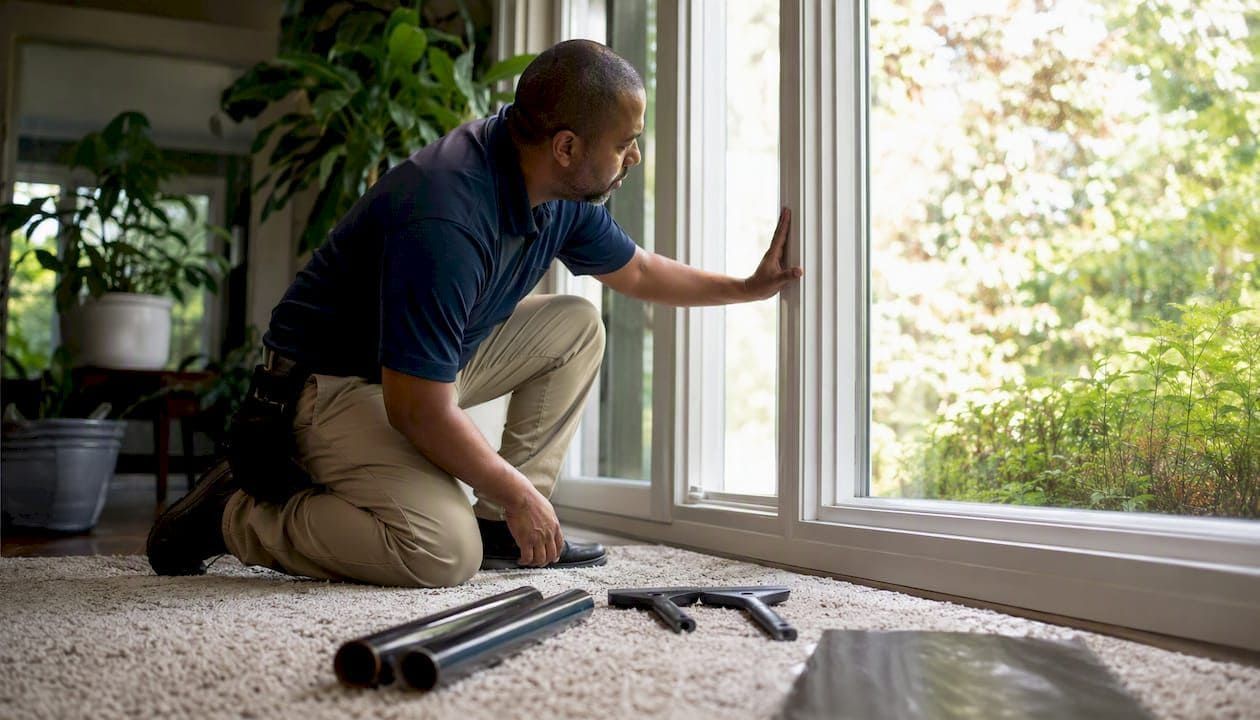
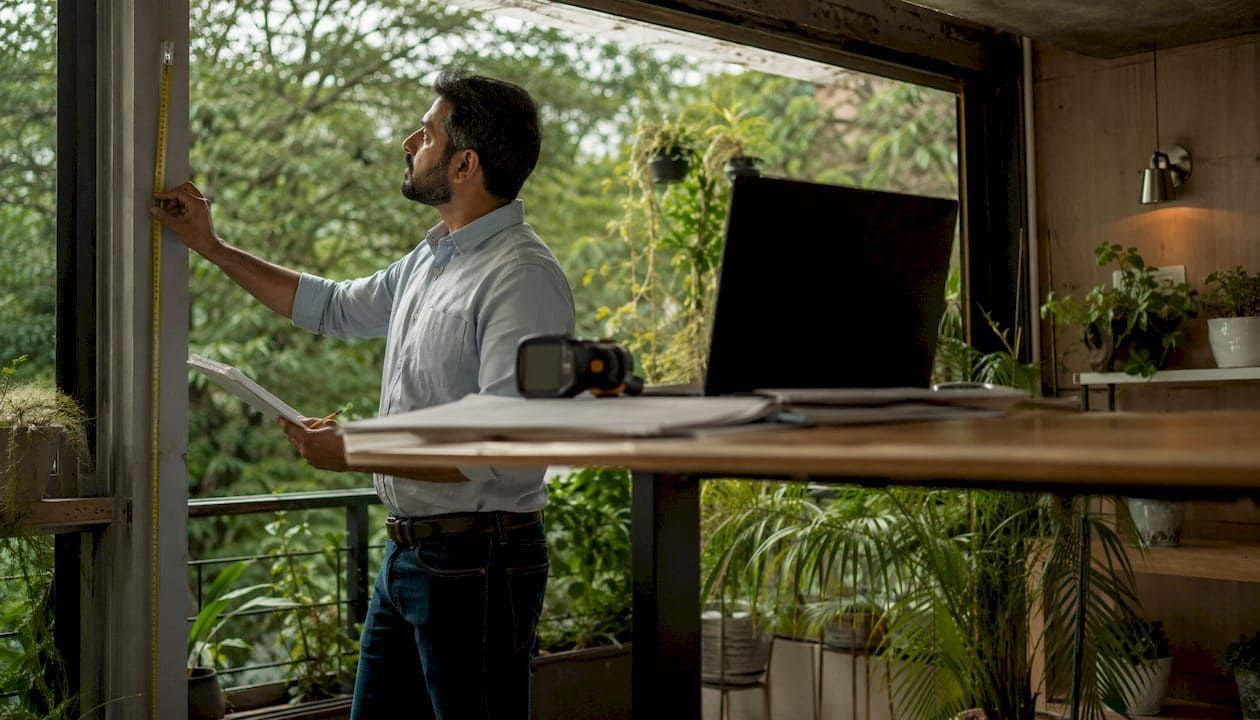
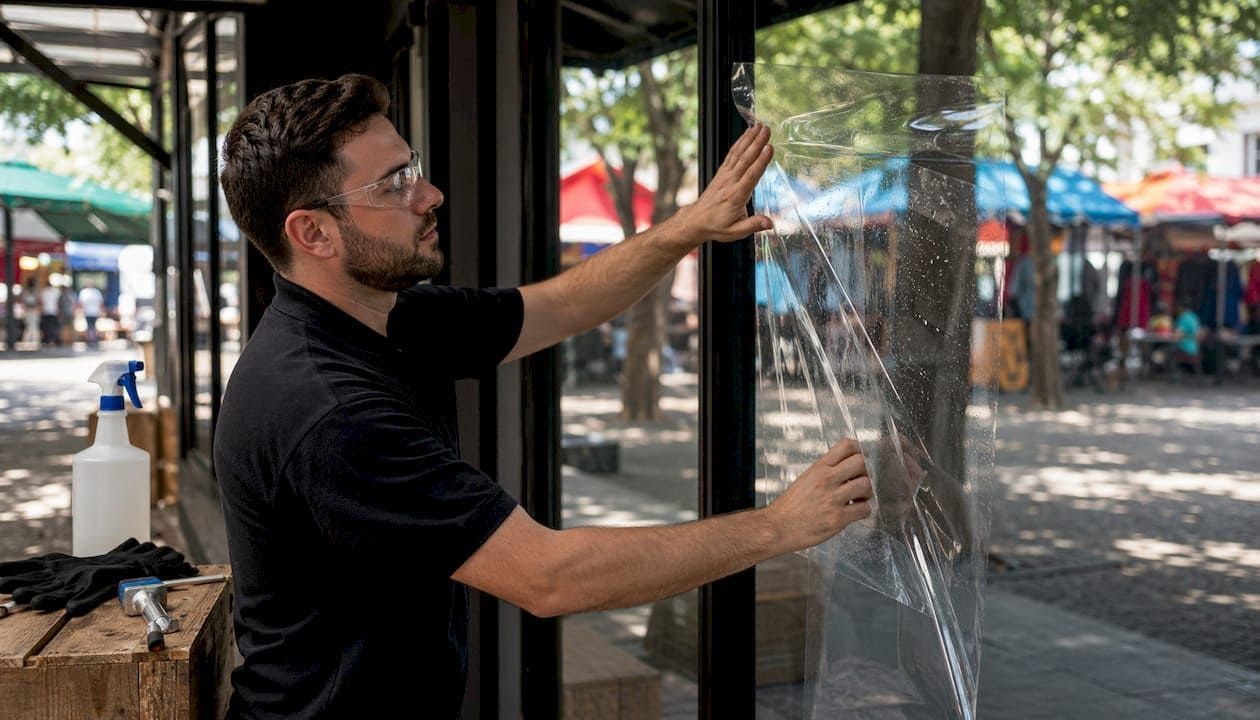
- Schedule installation around tenant activity. Professional window film installation on a standard commercial floor takes hours, not days. Work with your installer to schedule during low-occupancy periods, early mornings, or weekends to avoid disrupting tenants.
- Document and report early gains. Capture energy bills before and after the first phase. Use that data to build the business case for subsequent phases and to satisfy ESG reporting requirements for investors and lenders.
- Expand to secondary zones. Once the first phase is complete and ROI is documented, extend upgrades to north-facing glass, interior partitions, and any remaining single-pane areas.
This approach also gives you flexibility to test different film products across zones before committing to a building-wide specification. You can compare LLumar Vista Solar Control Films against low-E retrofit options on different facades and let real performance data guide the final decision.
Pro Tip: Include your largest tenants in the planning conversation early. When tenants understand that the upgrade will reduce glare and heat near their workstations, they become advocates rather than obstacles. That goodwill pays dividends at lease renewal.
Roofing insulation upgrades completed alongside window enhancements close the remaining gaps in the building envelope and maximize the energy savings from both investments. Treating windows and roof as a coordinated project rather than separate line items produces better outcomes and a stronger ROI story.

Key takeaways
Window enhancements in commercial real estate deliver the strongest returns when ceramic films or low-E coatings are applied to high-solar-load facades first, paired with air sealing and documented for ESG reporting.
| Point | Details |
|---|---|
| Ceramic films deliver fast ROI | Up to 80% solar heat rejection at a fraction of full replacement cost. |
| Air sealing is non-negotiable | Glazing upgrades lose effectiveness without sealing frame-level air leaks first. |
| Phase by sun exposure | South-facing and west-facing zones produce the fastest energy and comfort gains. |
| Smart glass suits new builds | Electrochromic glazing integrates with building systems but requires higher upfront investment. |
| Document every phase | Early energy savings data secures stakeholder approval for subsequent upgrade phases. |
Why I think most commercial window upgrade projects start in the wrong place
After working with property managers across Southern New Hampshire and the Greater Boston Area, I have noticed a consistent pattern: most window upgrade conversations start with aesthetics and end with a budget conversation that kills the project. The sequence is backwards.
The projects that actually get funded and completed start with energy data. When you walk into a capital planning meeting with before-and-after utility bills from a pilot floor, the conversation changes. You are no longer selling a visual improvement. You are presenting a documented return on a capital investment. That framing gets approvals that aesthetic pitches never do.
The second mistake I see regularly is treating window upgrades as isolated decisions. A building that installs premium ceramic film on south-facing glass but ignores frame-level air leaks and an aging roof is leaving most of the efficiency gain on the table. The building envelope works as a system, and window enhancements only perform at their rated levels when the rest of that system is addressed.
The third thing worth saying directly: tenant comfort is a retention tool, not a soft benefit. Glare and heat near windows are among the most common complaints in open-plan offices. Fixing those problems with a film upgrade costs a fraction of what one tenant departure costs in lost rent and re-leasing expenses. The math is not close.
See how commercial window film looks on your building before you commit
Property managers in Southern New Hampshire and the Greater Boston Area use Surfacetint's expertise to specify and install LLumar Vista Solar Control Films, Safety and Security Films, and Decorative Privacy Films across commercial properties of every size. Before you commit to a product or a scope, you can visualize your options using the interactive commercial window film viewer tool.
Surfacetint's team of certified LLumar SelectPro installers handles everything from the initial building audit to final installation, with scheduling designed to minimize tenant disruption. If you are ready to move from planning to action, request a free estimate and get a scope built around your building's specific sun exposure, tenant mix, and budget timeline. The first conversation costs nothing and typically surfaces energy savings opportunities that pay for the project.
FAQ
What is the most cost-effective window enhancement for commercial buildings?
Ceramic solar control film is the most cost-effective option for most existing commercial buildings. It rejects up to 80% of solar heat gain at a fraction of full window replacement cost, with installation completed in hours rather than weeks.
How long does commercial window film last?
High-quality commercial window films typically last 10–15 years with proper installation and maintenance. LLumar Vista films carry manufacturer warranties that cover delamination, bubbling, and significant performance degradation.
Does window film work with existing building management systems?
Window film itself is passive, but it can be paired with automated shading controls that integrate with building management systems. Smart glass with electrochromic glazing offers direct BMS integration for dynamic, automated tint adjustment.
How do window enhancements affect commercial property value?
Window upgrades improve property value by reducing operating costs, improving tenant comfort, and supporting ESG compliance. Lower energy bills and documented efficiency gains are increasingly factored into cap rate calculations by commercial real estate investors.
Can window film be applied without disrupting tenants?
Professional window film installation on a standard commercial floor takes hours per zone. Scheduling during low-occupancy periods or early mornings allows most upgrades to be completed with minimal impact on tenant operations.
Recommended