
The Role of Sustainable Glazing in Energy-Efficient Buildings
TL;DR:
- Sustainable glazing reduces a building's energy use and carbon footprint by utilizing advanced thermal and solar control technologies.
- Choosing the right glazing involves evaluating whole-window performance, climate, and lifecycle impacts, with options like VIG and BIPV leading the market.
Sustainable glazing is defined as any window or glass system engineered to reduce a building's energy consumption, carbon output, and environmental footprint through advanced thermal and solar control technologies. The role of sustainable glazing goes far beyond aesthetics. Poor thermal insulation in windows can increase a building's heating and cooling energy demand by 30–50%, but optimized glazing cuts that consumption by up to 15%. Technologies like Low-E coatings, vacuum insulating glass (VIG), and thermochromic bifacial photovoltaic (PV) glazing are reshaping how architects, builders, and property owners think about windows. The industry term for this field is high-performance glazing, and understanding it is now a baseline requirement for any serious green building project.

How does sustainable glazing improve thermal performance?
Thermal performance in glazing is measured by two key metrics: U-value and g-value. The U-value measures how much heat escapes through the glass. The g-value (also called solar heat gain coefficient, or SHGC) measures how much solar energy passes through. Lower U-values mean better insulation. A g-value that is too high causes overheating in summer; too low and you lose free solar heat in winter.
Standard double-pane windows typically carry U-values around 1.2–1.4 W/m²K. Vacuum insulating glass achieves U-values as low as 0.5–0.8 W/m²K, matching the thermal resistance of a well-insulated wall. That performance level was unthinkable in standard glazing just a decade ago.
Several technologies drive these gains:
- Low-E coatings apply a microscopically thin metallic layer to the glass surface, reflecting infrared heat back into the room while allowing visible light through.
- ATO (antimony tin oxide) co-coatings combined with Low-E layers reduce total solar irradiance by up to 25%, cutting cooling loads without sacrificing daylight.
- Argon and krypton gas fills between panes slow convective heat transfer. Krypton is denser and more effective in thinner gaps, making it the preferred fill for slim-profile VIG units.
- Triple glazing adds a third pane and a second gas-filled cavity, pushing U-values below 0.8 W/m²K in standard configurations.
Frame material matters just as much as the glass itself. Frame quality and installation are frequently overlooked in project specifications, yet a thermally broken aluminum frame can undercut the performance of even the best glass unit. Timber and composite frames consistently outperform standard aluminum on thermal bridging.
Pro Tip: Specify the whole-window U-value, not just the center-of-glass U-value. The frame and edge spacer can account for 20–30% of total heat loss in a window unit.
What sustainable glazing technologies are available and how do they compare?
The market in 2026 offers a wider range of high-performance glazing options than ever before. Choosing the right one depends on climate, building type, orientation, and budget. The table below compares the major options across the metrics that matter most.
| Technology | U-value (W/m²K) | Solar heat gain reduction | Lifespan | Best application |
|---|---|---|---|---|
| Standard double glazing | 1.2–1.4 | Moderate | 20–25 years | General residential |
| Low-E double glazing | 0.8–1.1 | High | 25–30 years | Most climates |
| Triple glazing | 0.5–0.8 | High | 30+ years | Cold climates, passive house |
| Vacuum insulating glass (VIG) | 0.5–0.8 | High | 60+ years | Heritage buildings, slim profiles |
| Thermochromic bifacial PV glazing | Variable | Up to 62.6% | 25–30 years | Commercial facades, net-zero projects |
| Solar glass walls (BIPV) | Variable | Up to 62.6% | 25–30 years | Large commercial facades |
Thermochromic bifacial PV glazing represents the most significant shift in glazing technology right now. These systems change their tint automatically in response to temperature, blocking solar heat when it is not needed and allowing it in when it is. They also generate electricity from both sides of the glass. The result is a window that actively contributes to a building's energy supply rather than simply limiting losses.
FINEO vacuum glass with solar control coating achieves triple-glazing thermal performance in a unit as thin as 8mm. That makes it the only viable option for heritage buildings and listed properties where window profile dimensions are restricted by planning rules.
On the materials side, frame choice shapes the full environmental picture:
- Aluminum frames are durable and recyclable but carry high embodied carbon and conduct heat unless thermally broken.
- Timber frames offer low embodied carbon and excellent thermal performance but require regular maintenance.
- Composite frames (typically timber core with aluminum cladding) combine the thermal benefits of timber with the weather resistance of aluminum, making them the preferred choice for most high-performance new builds.
Pro Tip: For commercial facades with large glazed areas, BIPV glass laminates achieve over 90% recyclability by weight at end of life. That figure matters when your project is targeting LEED Platinum or BREEAM Outstanding certification.
How does lifecycle analysis shape glazing selection?
Lifecycle analysis (LCA) is the method of evaluating a product's total environmental impact from raw material extraction through manufacturing, use, and end-of-life disposal. For glazing, LCA reveals a tension that many specification decisions ignore: advanced glazing carries 15–30% higher embodied carbon than standard units, but operational savings offset that carbon within 3–6 years in most climates.
That payback period shrinks further with solar-active systems. Advanced solar glass walls and thermochromic PV glazing deliver energy payback periods of just 1.5–3.5 years, driven by the combination of heat gain reduction (up to 62.6%) and on-site electricity generation. After that payback point, every year of operation represents a net carbon gain.
Durability is the other side of the LCA equation. A standard double-glazed unit replaced every 20–25 years generates repeated embodied carbon hits over a building's 60-year lifespan. Vacuum insulating glass, with a service lifespan exceeding 60 years, eliminates two or three replacement cycles. That single factor can make VIG the lower-carbon choice over a building's full life, even though its upfront cost and embodied carbon are higher.
Retrofit and heritage projects add another layer of complexity. In these contexts, total cost of ownership models that include energy savings, maintenance costs, and carbon payback are the only reliable basis for decision-making. A simple payback calculation based on energy bills alone will consistently undervalue high-performance glazing.
| Glazing type | Embodied carbon offset period | Service lifespan | End-of-life recyclability |
|---|---|---|---|
| Standard double glazing | Baseline | 20–25 years | Moderate |
| High-performance Low-E | 3–6 years | 25–30 years | Moderate |
| Thermochromic PV / BIPV | 1.5–3.5 years | 25–30 years | 90%+ by weight |
| Vacuum insulating glass | 3–6 years | 60+ years | High |
What should architects and builders know before specifying sustainable glazing?
Specifying sustainable glazing correctly requires more than selecting the right glass unit. The following steps define a specification process that avoids the most common and costly mistakes.
- Set the whole-window performance target first. Define your U-value and SHGC targets before selecting products. Work backward from your building's energy model, not forward from a product catalog.
- Use the LSG ratio as your daylight filter. The Light-to-Solar Gain ratio above 1.2 confirms that a glazing product delivers strong daylight without excessive cooling loads. Any product below 1.2 will require additional mechanical cooling to compensate.
- Integrate glazing with the full building envelope. A high-performance window in a poorly insulated wall delivers a fraction of its potential benefit. Glazing specification must happen alongside wall, roof, and floor insulation decisions, not after them.
- Coordinate with the HVAC design team early. Reducing solar heat gain through better glazing directly reduces cooling plant size. That reduction lowers capital cost and operating energy. The savings often offset a significant portion of the glazing upgrade cost.
- Verify frame and installation specifications. Frame and installation quality determine whether the glass unit performs as rated. Specify thermally broken frames, warm-edge spacers, and continuous air sealing at the perimeter. Require third-party installation verification on large projects.
- Account for regulatory direction. Building codes in the United States, the United Kingdom, and across the European Union are tightening glazing performance requirements on a rolling basis. Specifying to current minimum standards means specifying to yesterday's targets. Design to the next code cycle to protect your client's investment.
For property owners considering upgrades rather than new builds, energy-efficient window upgrades follow a clear priority order: seal air leaks first, upgrade frames second, and replace glass units third. Skipping straight to glass replacement without addressing frame and seal failures wastes money and delivers disappointing results.

Key Takeaways
Sustainable glazing delivers its greatest value when specified with a full lifecycle perspective, not just upfront energy performance numbers.
| Point | Details |
|---|---|
| Thermal performance metrics | Specify whole-window U-value and g-value together; center-of-glass figures alone are misleading. |
| Technology selection | Match glazing type to climate and use case; VIG suits heritage buildings, BIPV suits large commercial facades. |
| Lifecycle carbon payback | High-performance glazing offsets its embodied carbon within 1.5–6 years depending on technology. |
| LSG ratio target | Specify glazing with an LSG ratio above 1.2 to balance daylight and cooling demand. |
| Frame and installation | Frame material and installation quality determine real-world performance; specify both explicitly. |
Why glazing is the most underrated decision in sustainable design
I have reviewed enough building specifications to say this plainly: glazing is where sustainable design intentions most often fall apart. Architects spend months optimizing insulation values and HVAC systems, then accept a glazing specification that was chosen primarily on cost. The window is the weakest thermal point in almost every wall assembly. Getting it wrong erases gains made everywhere else.
The shift I find most significant right now is the move toward dynamic glazing systems that respond to conditions in real time. Thermochromic and electrochromic glazing are no longer experimental. They are specified on commercial projects today, and their energy payback periods are short enough to justify the premium in most climates. The buildings hitting net-zero targets in 2026 are almost universally using some form of active glazing control.
The adoption barrier is not technical. It is specification inertia. Most project teams default to what they specified last time. The holistic lifecycle approach that the industry is moving toward demands that glazing be evaluated on 60-year performance, not 5-year payback. That shift in thinking is what separates buildings that achieve their sustainability targets from those that merely claim to.
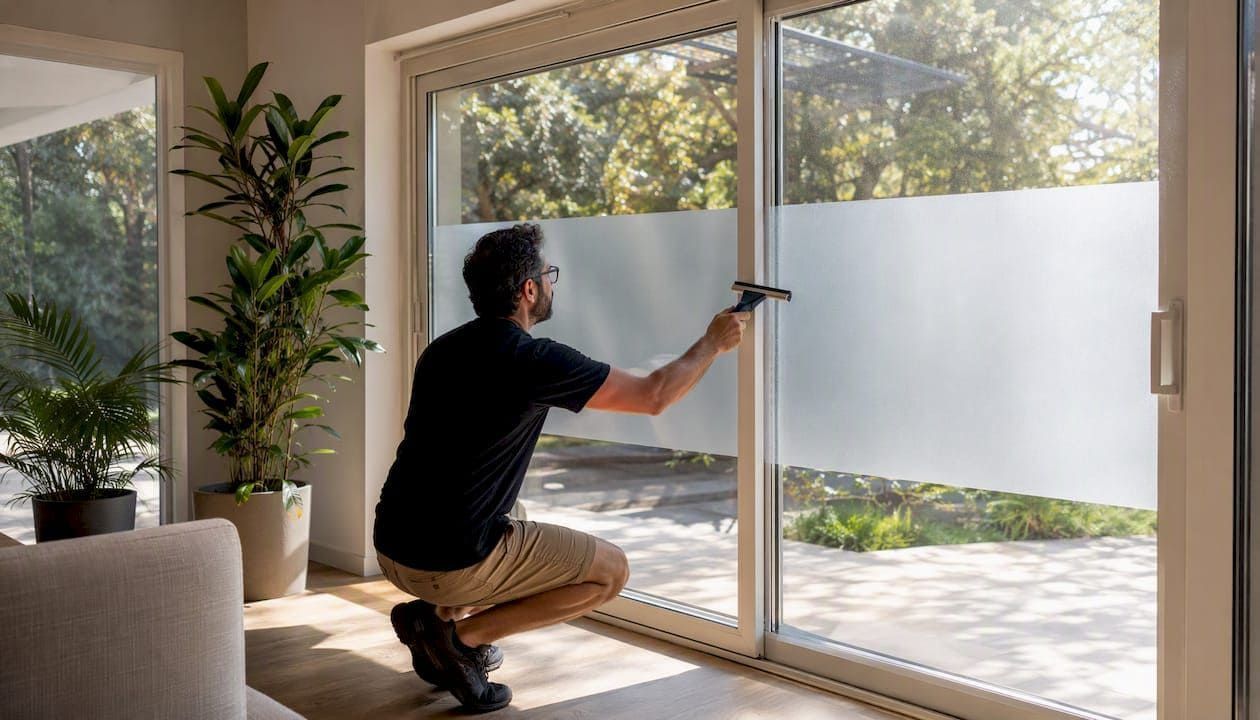
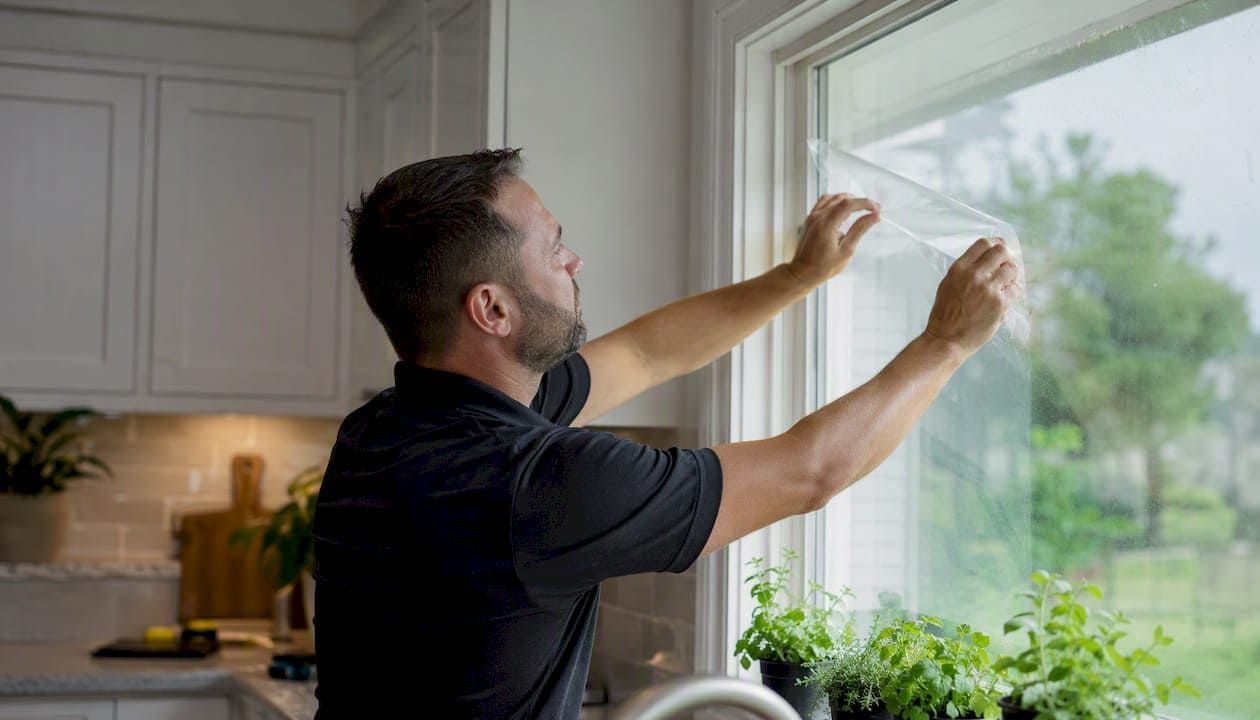
For property owners, the practical implication is simpler: a solar window film applied to existing glass is often the fastest and most cost-effective first step toward better glazing performance, especially in older homes where full window replacement is not yet in the budget.
How Surfacetint supports your sustainable glazing goals
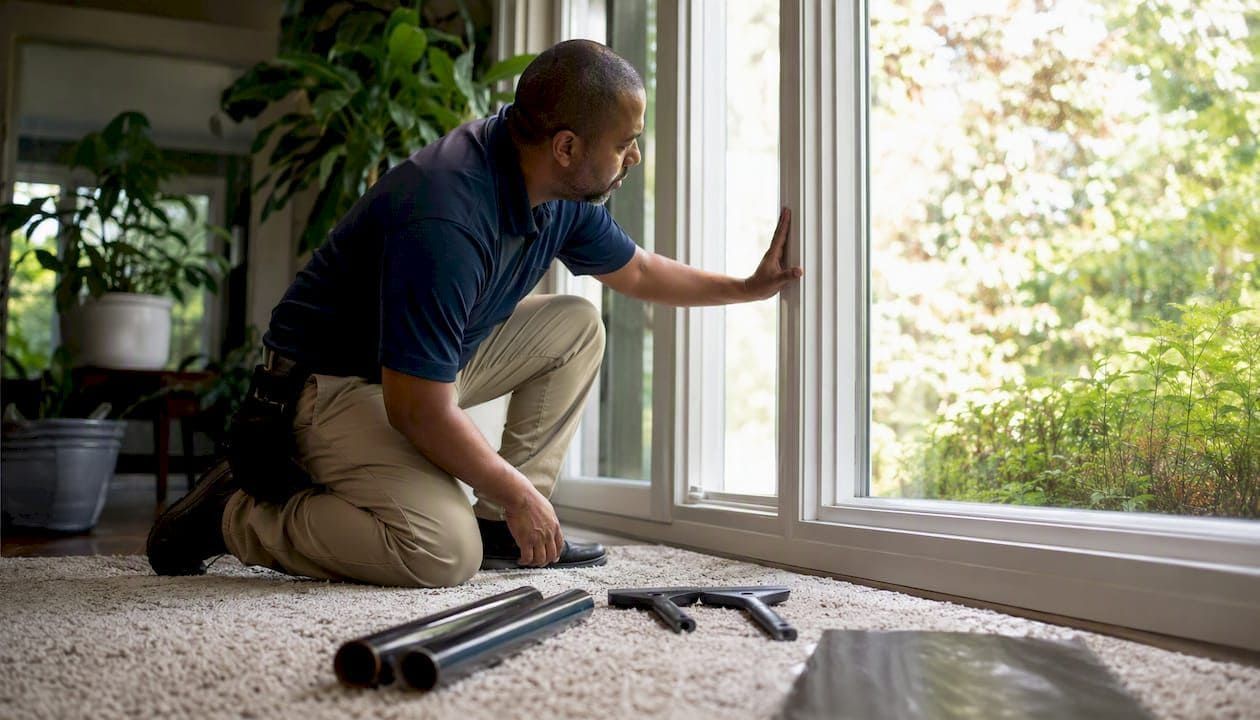
Surfacetint serves residential and commercial properties across Southern New Hampshire and the Greater Boston Area as an exclusive LLumar SelectPro Dealer. For property owners and building managers who want the performance benefits of sustainable glazing without full window replacement, Surfacetint's LLumar Vista Solar Control Films deliver measurable reductions in heat gain, glare, and UV exposure. These films work with your existing windows to lower cooling costs and protect furnishings from fading. You can estimate your potential savings before committing to any installation.
Whether you manage a commercial building or own a home, Surfacetint's team will assess your windows and recommend the right film for your climate, orientation, and budget. Request a free estimate and find out how much you could save this year.
FAQ
What is the role of sustainable glazing in green buildings?
Sustainable glazing controls heat transfer, solar gain, and daylight to reduce a building's energy consumption and carbon emissions. Optimized glazing can cut building energy use by up to 15% compared to standard windows.
How long does it take for high-performance glazing to pay back its carbon cost?
High-performance glazing typically offsets its higher embodied carbon within 3–6 years through operational energy savings. Solar-active systems like thermochromic PV glazing achieve payback in as little as 1.5–3.5 years.
What is the LSG ratio and why does it matter?
The Light-to-Solar Gain ratio measures how much daylight a glazing product admits relative to the solar heat it allows in. An LSG ratio above 1.2 confirms the product maximizes daylight without creating excessive cooling loads.
Is vacuum insulating glass worth the higher cost?
Vacuum insulating glass achieves U-values as low as 0.5–0.8 W/m²K with a service lifespan exceeding 60 years, making it the lowest-lifecycle-cost option for many projects despite its higher upfront price.
Can window film improve the sustainability of existing windows?
Yes. High-performance solar control films reduce solar heat gain and UV transmission through existing glass, lowering cooling energy demand without the cost or disruption of full window replacement. Surfacetint's LLumar Vista films are a proven option for both homes and commercial buildings.
Recommended