
Commercial Glass Improvement Tips for Property Managers
TL;DR:
- Professional window films improve commercial glass performance by enhancing safety, energy efficiency, and aesthetics without replacement.
- They provide security, reduce energy costs, block UV rays, and add privacy, with professional installation ensuring lasting results.

The fastest way to upgrade commercial glass performance
Professional window film is the most cost-effective path to better commercial glass. No replacement, no construction, no weeks of disruption. The right film addresses safety, energy costs, and aesthetics in a single installation, and the results are measurable from day one.
Here is what the best commercial glass upgrades cover:
- Safety and security: Security films hold shattered glass together, delaying forced entry and protecting occupants from flying shards
- Energy efficiency: Solar control films cut annual energy costs 5–15%, with payback typically in three to five years
- UV protection: LLumar Vista Films block over 99% of UV radiation, protecting interiors and reducing fading
- Aesthetics and privacy: Decorative and frosted films upgrade conference rooms, lobbies, and storefronts without touching the glass itself
- Comfort: Consistent interior temperatures reduce glare and hot spots that hurt productivity
Surface Dynamics Window Tinting, an exclusive LLumar SelectPro Dealer serving Southern New Hampshire and the Greater Boston Area, installs LLumar Vista Films across all these categories.
Table of Contents
- 1. Strengthen your glass against break-ins and impact
- 2. Cut energy costs with solar control films
- 3. Add privacy and style with decorative films
- 4. Follow a professional installation process
- 5. Maintain your window film correctly
- 6. Budget realistically for commercial glass upgrades
- 7. Know the building code requirements before you install
- 8. How to evaluate and choose a window film provider
- 9. Real-world results from commercial film projects
- Surfacetint brings LLumar expertise to your building
- Key Takeaways
1. Strengthen your glass against break-ins and impact
Security window film is measured in mil thickness, ranging from 4 mil for basic glass retention up to 14 mil for high-threat applications. Thicker films hold shattered panes together after impact, which matters most at ground-floor storefronts, school entryways, and healthcare lobbies where glass is the first line of defense.
Vista S-Series security films are tested to delay forced entry by several minutes, enough time for alarms to trigger and response to arrive. Anti-graffiti film adds another layer: it acts as a sacrificial barrier over the glass surface, peeled off and replaced after vandalism rather than requiring costly glass repair.
The installation quality matters as much as the film spec. A film applied with poor adhesion or missed edge sealing will not perform to its rated spec under impact.
Pro Tip: For storefronts and street-level offices, ask your installer about combining security film with 3M Impact Protection Attachment sealant, which anchors the film to the frame and significantly improves glass retention after a strike.
2. Cut energy costs with solar control films
Nearly two-thirds of office workers report a 25% drop in productivity when temperatures rise. Solar control window film addresses that directly by reducing heat gain through glass, stabilizing interior temperatures, and lowering the cooling load on HVAC systems.
The key performance metrics to review are Solar Heat Gain Coefficient (SHGC) and Total Solar Energy Rejected (TSER). Lower SHGC means less heat passing through. South- and west-facing facades benefit most from high-TSER films. North-facing glass often needs a lighter touch or a different film type entirely.
Buildings retrofitted with solar control films typically see 5–15% annual energy savings, with the investment paying back within three to five years. LLumar Vista Solar Control Films preserve daylight and outward views while handling the heat, so you are not trading one problem for another. Pairing window film with proper building ventilation compounds the efficiency gains further.
3. Add privacy and style with decorative films
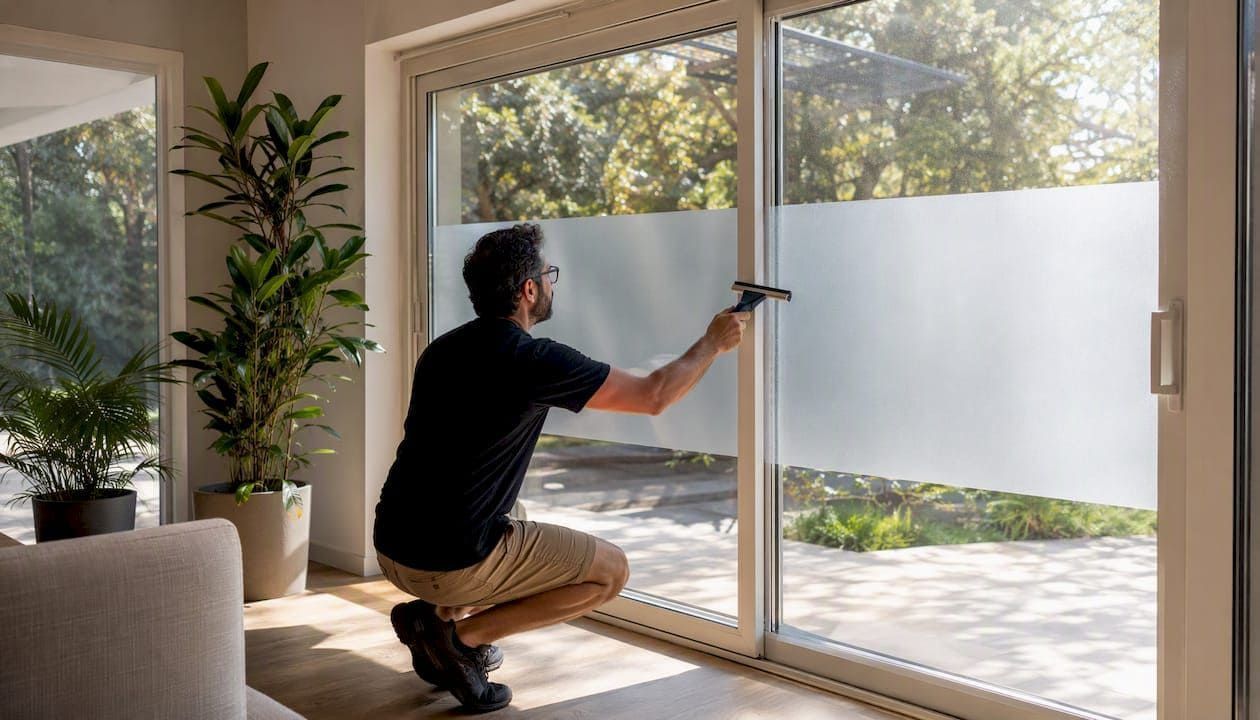
Decorative and privacy films do something glass replacement cannot: they let you change the look and function of existing glass without a renovation budget. Frosted, gradient, and patterned films are the most common choices for conference rooms, reception areas, and interior partitions.
- Frosted films provide consistent opacity regardless of lighting conditions, unlike reflective films that lose privacy after dark
- Gradient films create a polished, architectural look while obscuring sightlines at seated height
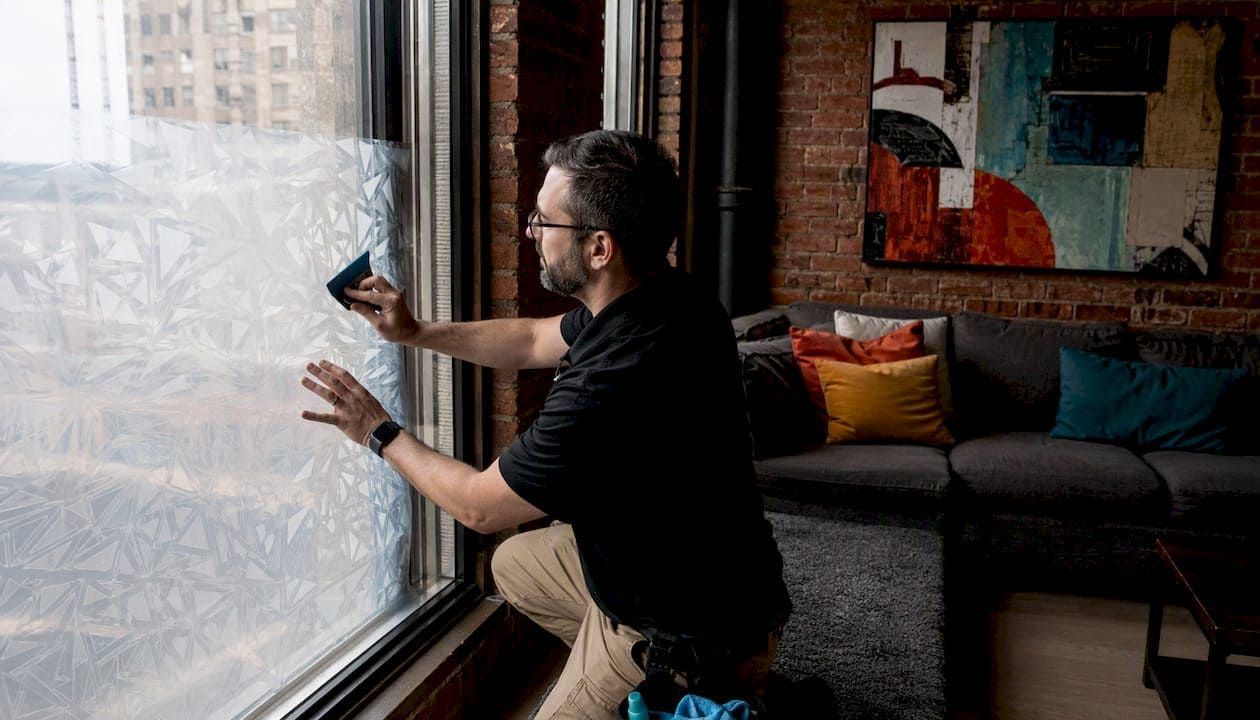
- Patterned and branded films let you incorporate logos or design elements directly onto glass surfaces
- Reflective privacy films work well for daytime privacy on exterior glass but require a secondary solution for after-hours use
The privacy enhancement options available through LLumar Vista include designs that can be layered with solar control or security films, so one pane can handle multiple functions at once.
4. Follow a professional installation process
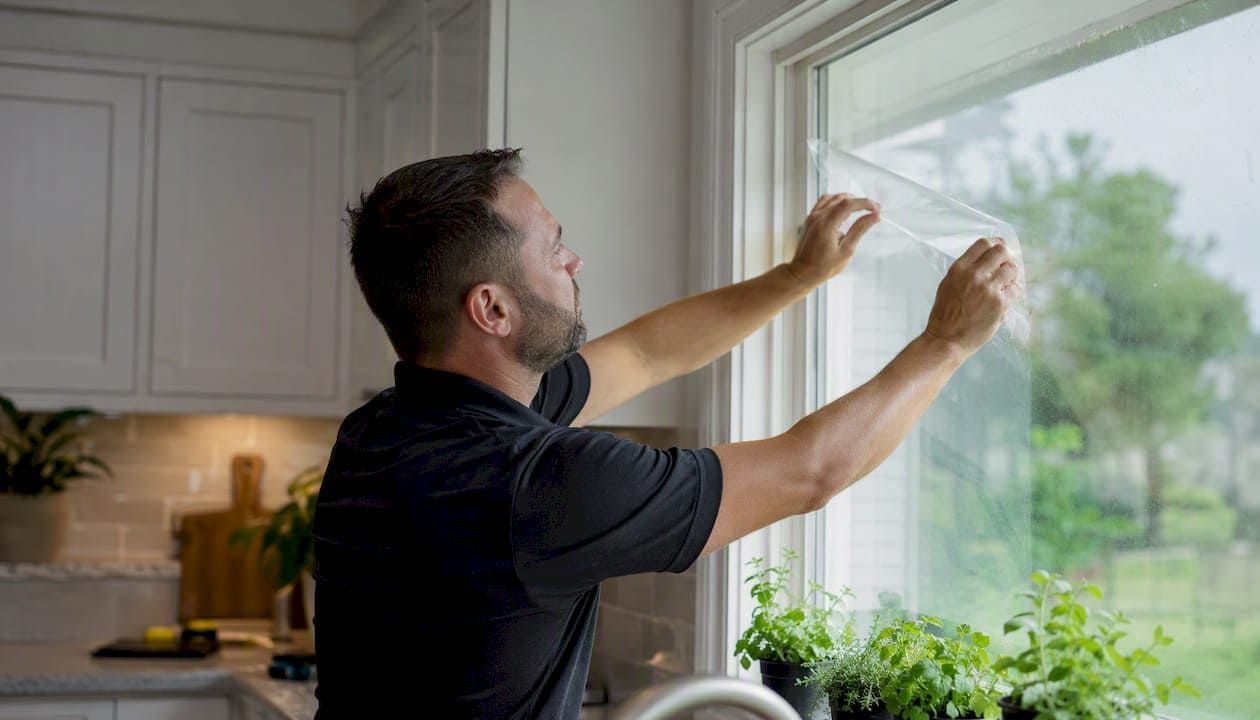
Commercial film installation is not a DIY project. The glass types in a commercial building, single-pane, dual-pane, tempered, laminated, low-e coated, each interact differently with film adhesives. The wrong film on dual-pane glass can trap heat between panes and cause seal failure.
A proper commercial tint installation follows this sequence:
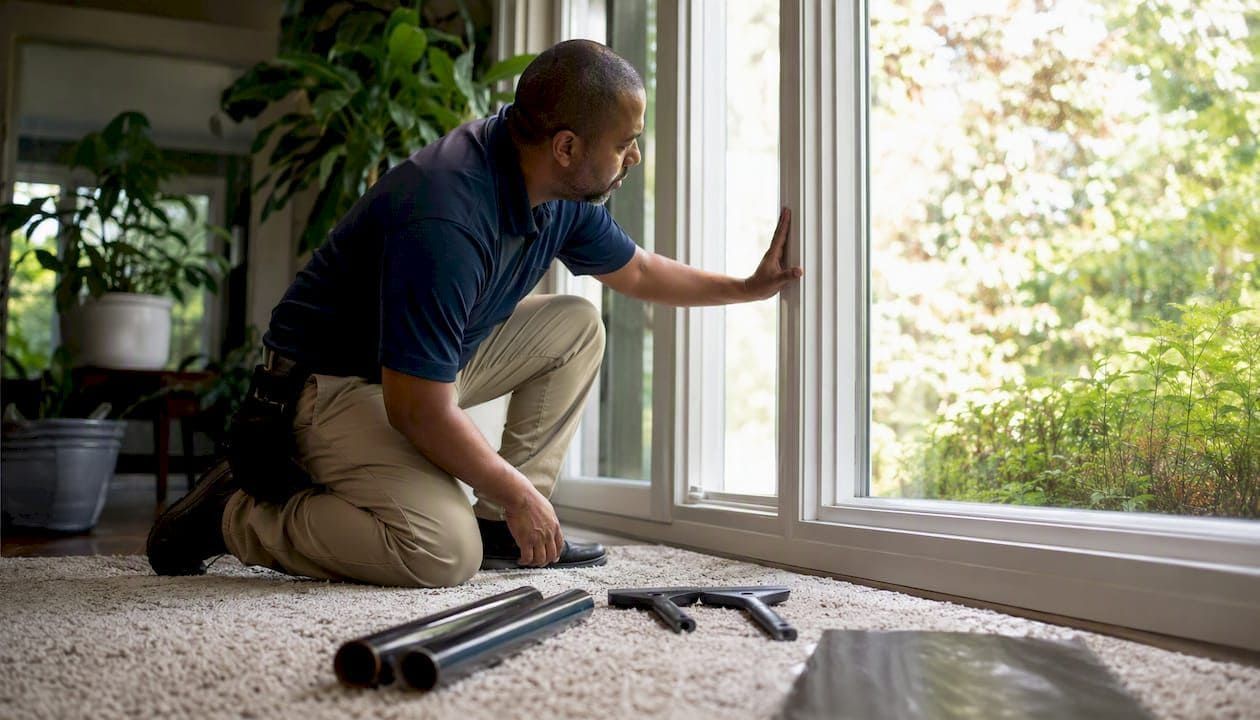
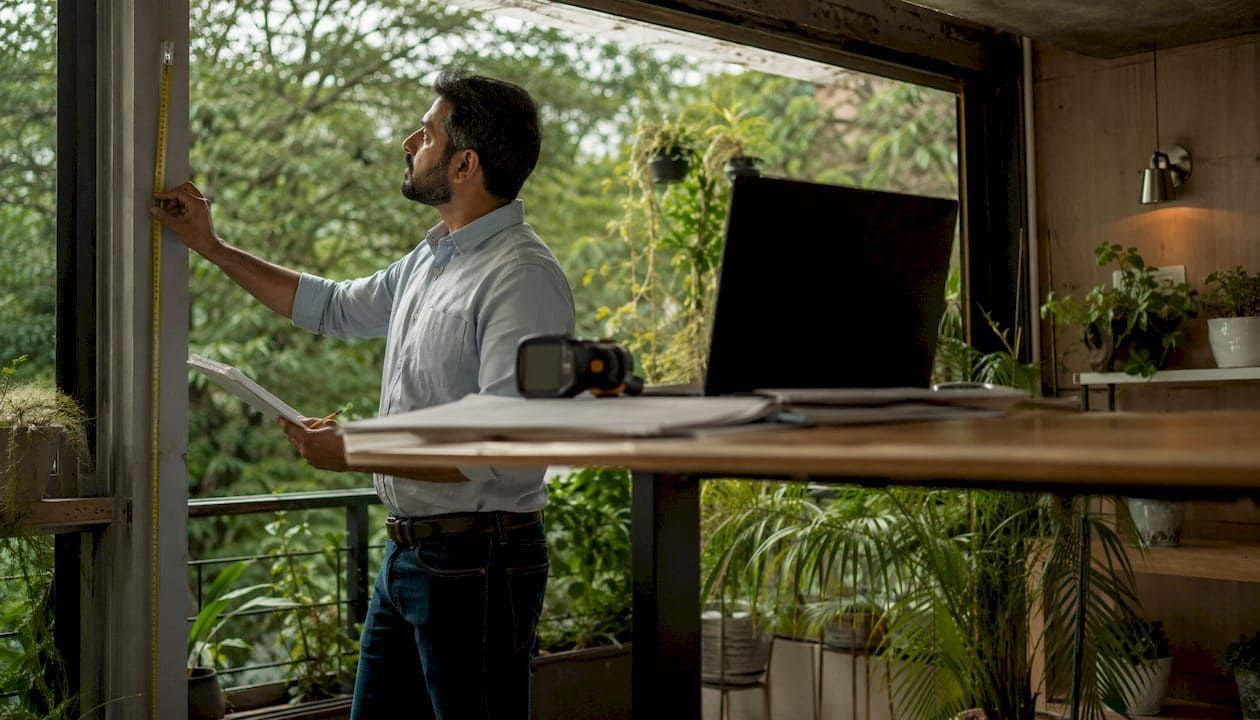
- Site assessment: Glass type, orientation, and condition are evaluated before any film is specified
- Surface preparation: Every pane is cleaned of dirt, adhesive residue, and hard water stains
- Precision cutting: Film is cut to exact dimensions, applied in single pieces on large panes to avoid seams
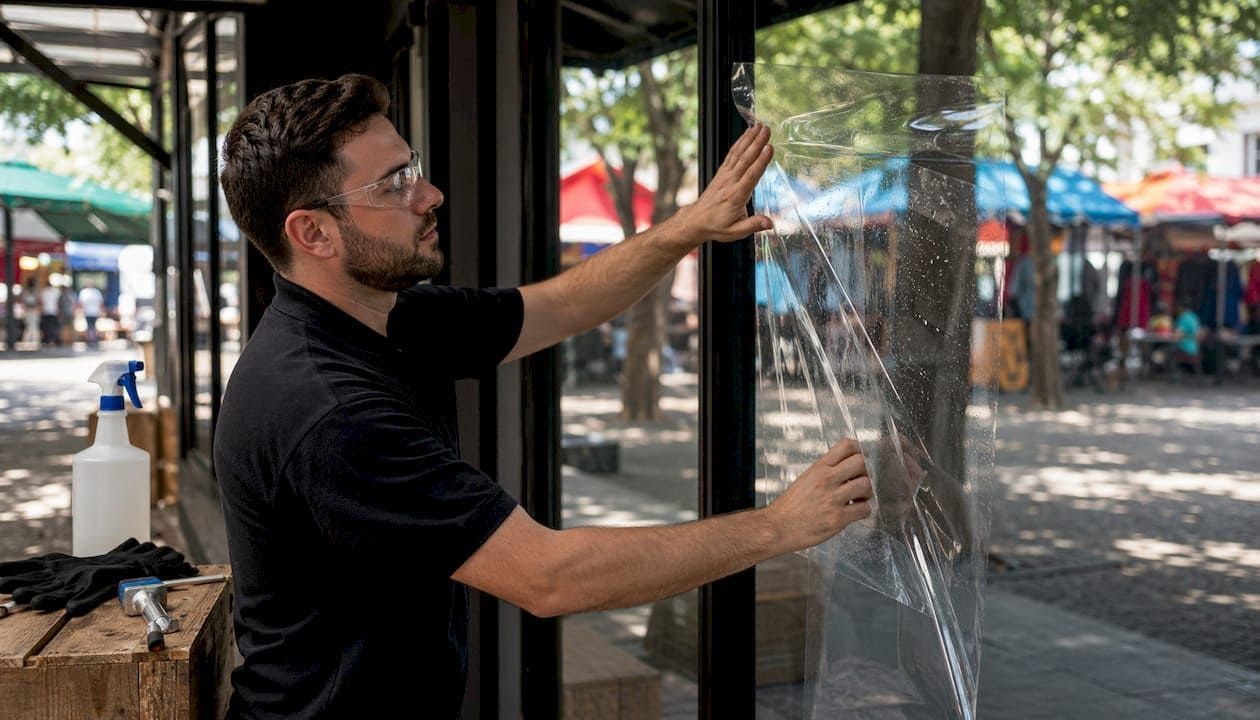
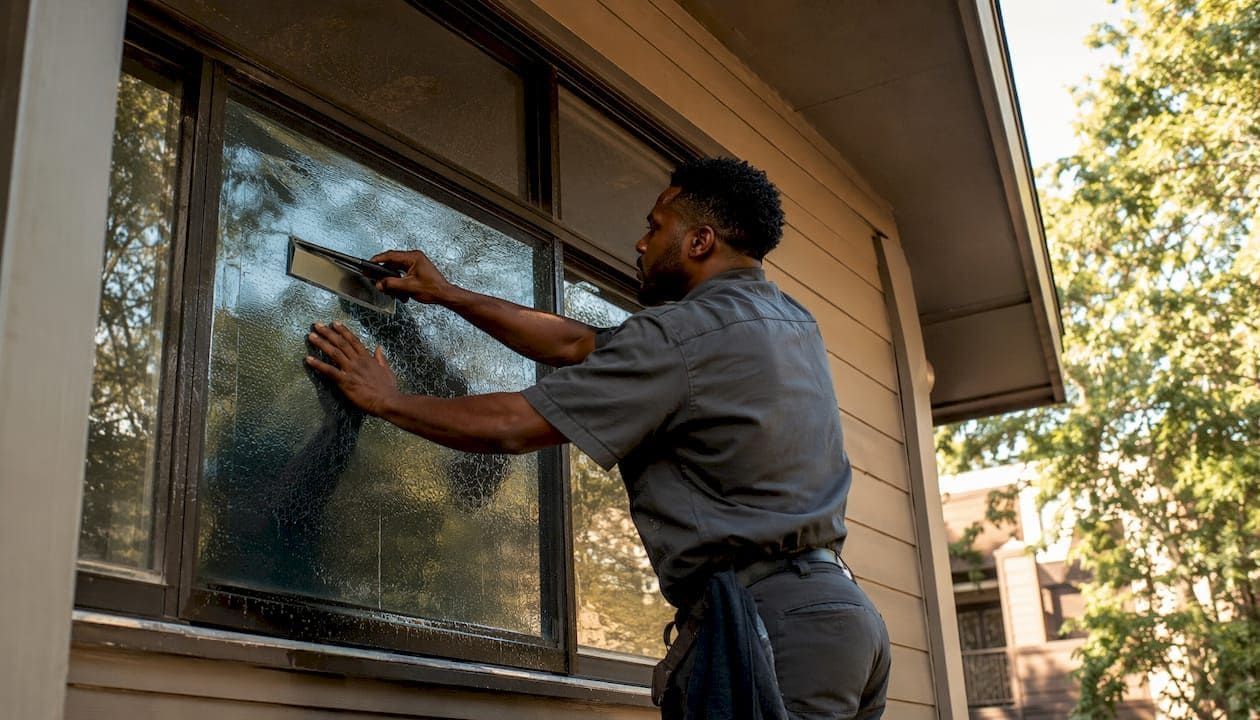
- Wet application and squeegeeing: Film is positioned on a wet surface, then pressed from center outward to remove air and water
- Edge trimming and inspection: Edges are trimmed to tolerance and each window is checked against IWFA visual quality standards
- Curing period: Small water bubbles are normal for the first 30–60 days as moisture works out through the adhesive
Project timelines range from half a day for a small suite under 2,000 square feet to multiple days for mid-rise floors, with high-rise projects phased over weeks. Surface Dynamics schedules after-hours and weekend installations to keep your operations uninterrupted.
5. Maintain your window film correctly
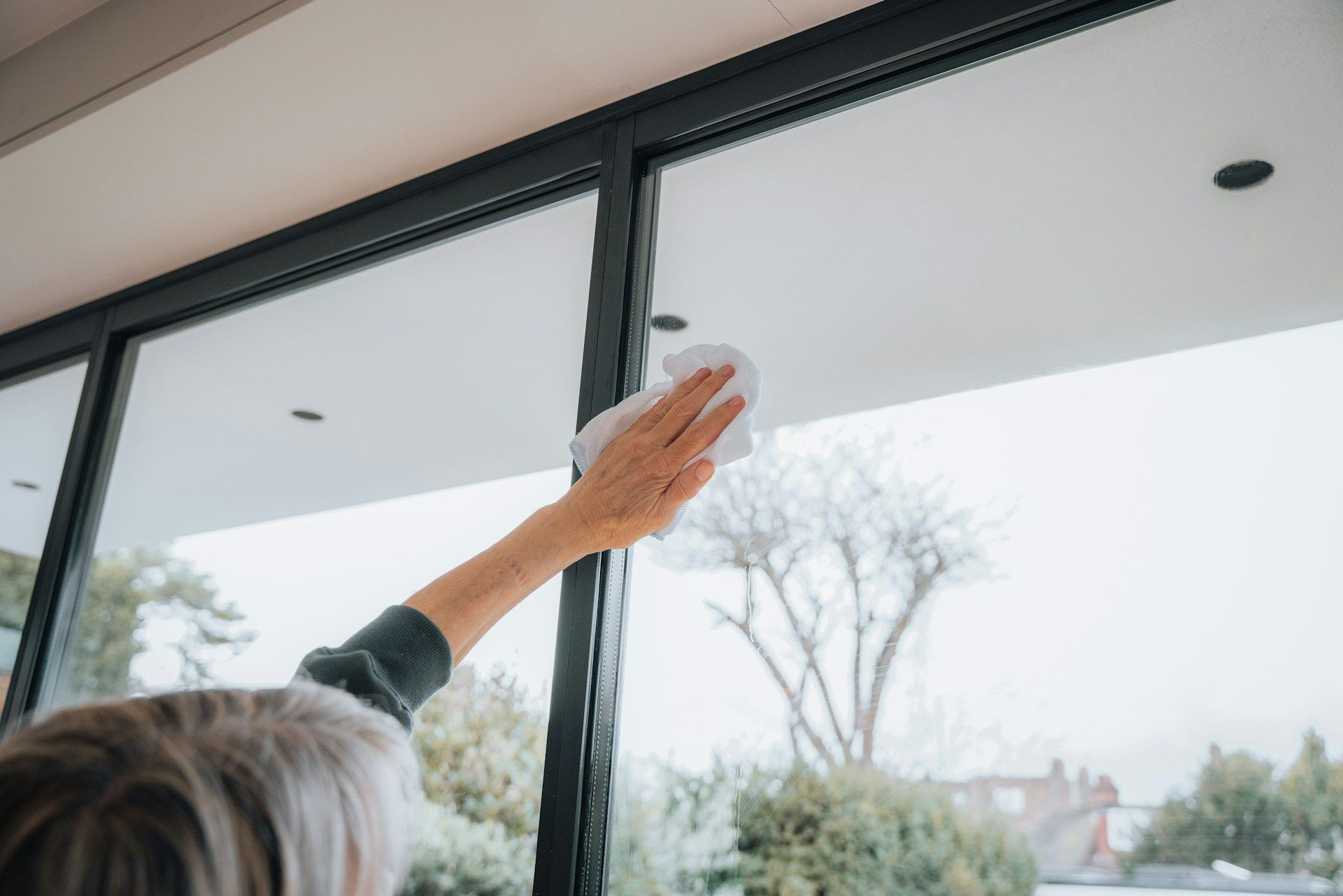
The 30-day curing window is the period where most damage happens. Cleaning too early, especially with ammonia-based products, disrupts the adhesive bond before it fully sets. After full curing, maintenance is straightforward.
- Use a soft microfiber cloth and any ammonia-free window cleaner
- Never use abrasive pads, razor blades, or scouring tools on filmed glass
- Schedule periodic inspections to catch any lifting, bubbling, or edge separation early
- Document any issues with photos and contact your installer promptly, since most workmanship warranties cover these defects
- Premium commercial films typically carry manufacturer warranties of 10–15 years covering peeling, cracking, and delamination
6. Budget realistically for commercial glass upgrades
Window film pricing varies by type and complexity. Solar control and decorative films generally run in the range of $8–$18 per square foot installed, while security and safety films range from $7–$25 per square foot depending on mil thickness. Anti-graffiti film sits between $8–$25 per square foot.
The total project cost depends on square footage, glass type, film specification, and access requirements for upper floors. High-quality films last 10–15 years, which spreads the cost over a long service life. Some utility providers offer rebates for energy-efficient film installations that can offset a portion of the upfront investment, so it is worth asking your installer to identify applicable programs before the project starts.
7. Know the building code requirements before you install
Commercial window film installations in the United States must comply with local building codes, fire codes, and in some cases, historic preservation guidelines. Visible Light Transmission (VLT) minimums and maximum reflectivity limits vary by municipality and building type. Some jurisdictions restrict how dark or reflective exterior-facing film can be.
A qualified installer will verify code compliance before specifying any film. For leased spaces, tenant improvement agreements may also restrict permanent modifications to glass, which is where removable decorative films become particularly useful.
8. How to evaluate and choose a window film provider
Not every installer works across every application type. An installer experienced in solar control may not have the same depth in security film systems or large-format decorative graphics. Ask these questions before signing a contract:
- Are you a certified dealer for the film brands you install?
- What glass types have you worked with, and how do you handle dual-pane or low-e glass?
- Can you provide manufacturer spec sheets for the films you are recommending?
- What warranties do you offer on workmanship, and how long do manufacturer warranties run?
- Do you handle utility rebate paperwork?
Surface Dynamics is an exclusive LLumar SelectPro Dealer, which means the films carry full manufacturer backing and the installation meets LLumar's certification standards. For commercial security film and solar applications in Southern New Hampshire and Greater Boston, that certification matters.
9. Real-world results from commercial film projects
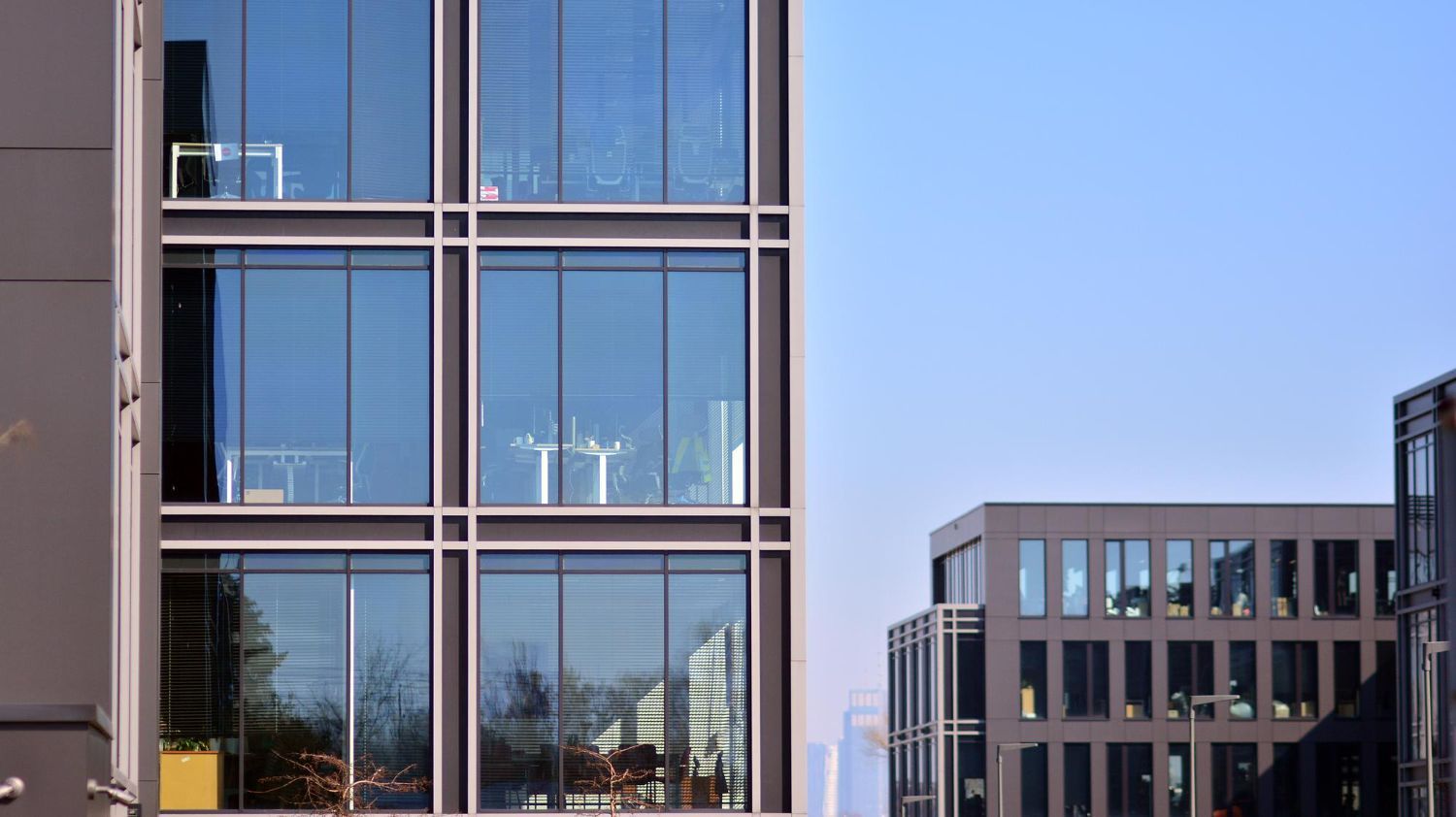
Retail storefronts with street-level glass are among the most common commercial film projects. Security film combined with anti-graffiti protection reduces both break-in risk and maintenance costs from vandalism. Office buildings with large south-facing facades see the most dramatic energy results, with solar control film stabilizing temperatures across floors that previously ran HVAC at full capacity all afternoon.
Healthcare facilities and schools prioritize safety film for its glass-retention properties, reducing injury risk in high-traffic areas. Conference rooms and financial offices use frosted or decorative film to create privacy without sacrificing the open feel of glass partitions. The commercial tinting photo gallery at Surfacetint shows completed projects across these categories in the Greater Boston region.
Surfacetint brings LLumar expertise to your building
Surface Dynamics Window Tinting gives commercial property owners in Southern New Hampshire and the Greater Boston Area direct access to LLumar Vista Films, installed by a certified LLumar SelectPro Dealer. That means the film spec is right for your glass type, the installation meets manufacturer standards, and your warranty is active from day one, with no guesswork about whether the work qualifies.
Whether your priority is commercial solar film, security glazing, or decorative privacy upgrades, Surfacetint handles the site assessment, film selection, and installation with minimal disruption to your operations. Request a free commercial estimate to get a zone-by-zone recommendation for your building.
Key Takeaways
Professional window film is the single most cost-effective upgrade for commercial glass, delivering safety, energy savings, and aesthetic improvements without replacing existing windows.
| Point | Details |
|---|---|
| Energy savings are real | Solar control films cut annual energy costs 5–15%, with payback typically in three to five years. |
| UV protection is near-total | LLumar Vista Films block over 99% of UV radiation, protecting interiors and reducing fading. |
| Security film buys time | Vista S-Series films delay forced entry by several minutes, enough for alarms and response. |
| Maintenance is simple | Wait 30 days after installation before cleaning; use ammonia-free cleaner and a microfiber cloth. |
| Surfacetint is the local expert | Surface Dynamics, an exclusive LLumar SelectPro Dealer, serves Southern New Hampshire and Greater Boston with certified commercial film installation. |
Recommended