
What Is Reflective Window Technology? Benefits Explained
Reflective window technology uses thin films engineered to bounce solar radiation away from glass before it enters a building, cutting heat gain, reducing glare, and blocking UV rays. The films incorporate metallic or ceramic layers that act like a partial mirror, reflecting a significant share of incoming solar energy back to the exterior. The result is a cooler interior, lower cooling bills, and protection for furnishings without blacking out your view. Research from Lawrence Berkeley National Laboratory confirms that reflective films outperform absorbing treatments in warm climates, and Surfacetint installs premium Vista Films from the LLumar SelectPro line to deliver those results for homes and businesses across Southern New Hampshire and the Greater Boston Area.
Key capabilities at a glance:
- Reflects solar radiation to reduce interior heat gain
- Blocks over 99% of UV rays, protecting floors, furniture, and artwork
- Creates a one-way mirror effect for daytime privacy
- Holds shattered glass together for added safety
- Available in standard reflective and dual-reflective formats for different aesthetic preferences

Table of Contents
- What are the main types of reflective window films?
- How much energy can reflective window films actually save?
- How do reflective films improve safety and security?
- What do reflective films do for aesthetics and privacy?
- What does professional installation involve, and how do you maintain the film?
- How does reflective film compare to tinted glass and low-e coatings?
- What does reflective window film cost, and when does it pay off?
- Surfacetint brings professional reflective film installation to Greater Boston
- Key Takeaways
What are the main types of reflective window films?
Reflective window film is a performance category, not a single product. The two primary formats are standard reflective and dual-reflective, and the difference between them matters more for how your space looks and feels than for raw heat rejection.
Standard reflective films use vacuum-sputtered metallic coatings that produce the same high reflectivity on both the interior and exterior surfaces. The classic Silver 15 is a good example: strong mirrored look inside and out, excellent daytime privacy, and very high solar energy rejection. If the mirror aesthetic works for your property, this format delivers maximum performance.
Dual-reflective films are engineered differently. The exterior side carries higher reflectivity for solar control, while the interior side is deliberately less reflective, giving you a clearer outward view with less of the silver cast. Ceramic dual-reflective films like the ComforTech series use nano-particle technology instead of metal, which reduces the "dungeon-like" interior effect that puts some homeowners off standard reflective options. Vista Dual-Reflective Safety films, installed by Surfacetint, combine this solar control with shatter resistance, making them a practical choice for both residential and commercial applications.
- Standard reflective: best for maximum heat and privacy where the mirror look is acceptable
- Dual-reflective: better for spaces where interior clarity and a subtler appearance matter
- Ceramic vs. metallic: ceramic avoids metal-related signal interference and tends to hold color stability longer
- Both types block over 99% of UV regardless of format
For a broader look at how different film types compare, the residential film types guide from Surfacetint walks through the options by use case.
How much energy can reflective window films actually save?
The short answer: quite a lot, especially in warm climates. LBNL modeling found that spectrally selective reflective films reduce HVAC energy use by up to 29% when applied to single-pane clear windows in warmer climates with mild winters. That figure beats absorbing films in every modeled configuration.
The physics explain why. Reflective films push solar energy back to the exterior before it ever enters the building. Absorbing films trap heat within the film itself, and when that film sits on the interior face of a double-pane window, the insulating gap slows heat dissipation outward, pushing more of it into the room instead. Reflective films sidestep that problem entirely.
Stat to know: Heat gain through windows accounts for 28% of cooling energy demand in US commercial buildings. Reflective films address that load directly.
A few practical considerations:
- Films perform best on single-pane clear glass in warm, sunny climates
- In colder climates, winter heating penalties can partially offset summer cooling savings
- Historic buildings with exterior wood trim may be better served by absorbing films, since reflected infrared radiation can damage painted wood
- Use Surfacetint's energy savings calculator to estimate your specific ROI before committing
The environmental upside follows the energy savings directly. Less cooling demand means lower carbon output, and films with lifespans of 15 years or more spread that benefit over a long period.
How do reflective films improve safety and security?
Safety is one of the less obvious benefits of reflective window film, and it tends to surprise people. When glass breaks, whether from an accident, storm, or forced entry attempt, an unfilmed window shatters into dangerous shards. A reflective film holds those shards together, reducing the risk of injury and slowing an intruder's ability to clear the opening quickly.
Vista Dual-Reflective Safety films installed by Surfacetint are specifically rated for this function. They help hold shattered glass together and slow unauthorized entry through glass, combining solar control with a genuine security layer. For homeowners and commercial property managers, that dual function makes the upgrade easier to justify. Learn more about window film for home security on the Surfacetint site.
Privacy is the third safety-adjacent benefit. During daylight hours, the exterior of a reflective film looks like a mirror to anyone outside, while occupants inside retain a clear outward view. That one-way effect depends entirely on the light differential: brighter outside than inside, and the mirror holds. At night, when interior lights are on and it is dark outside, the effect reverses, and curtains or blinds become necessary for privacy.
What do reflective films do for aesthetics and privacy?
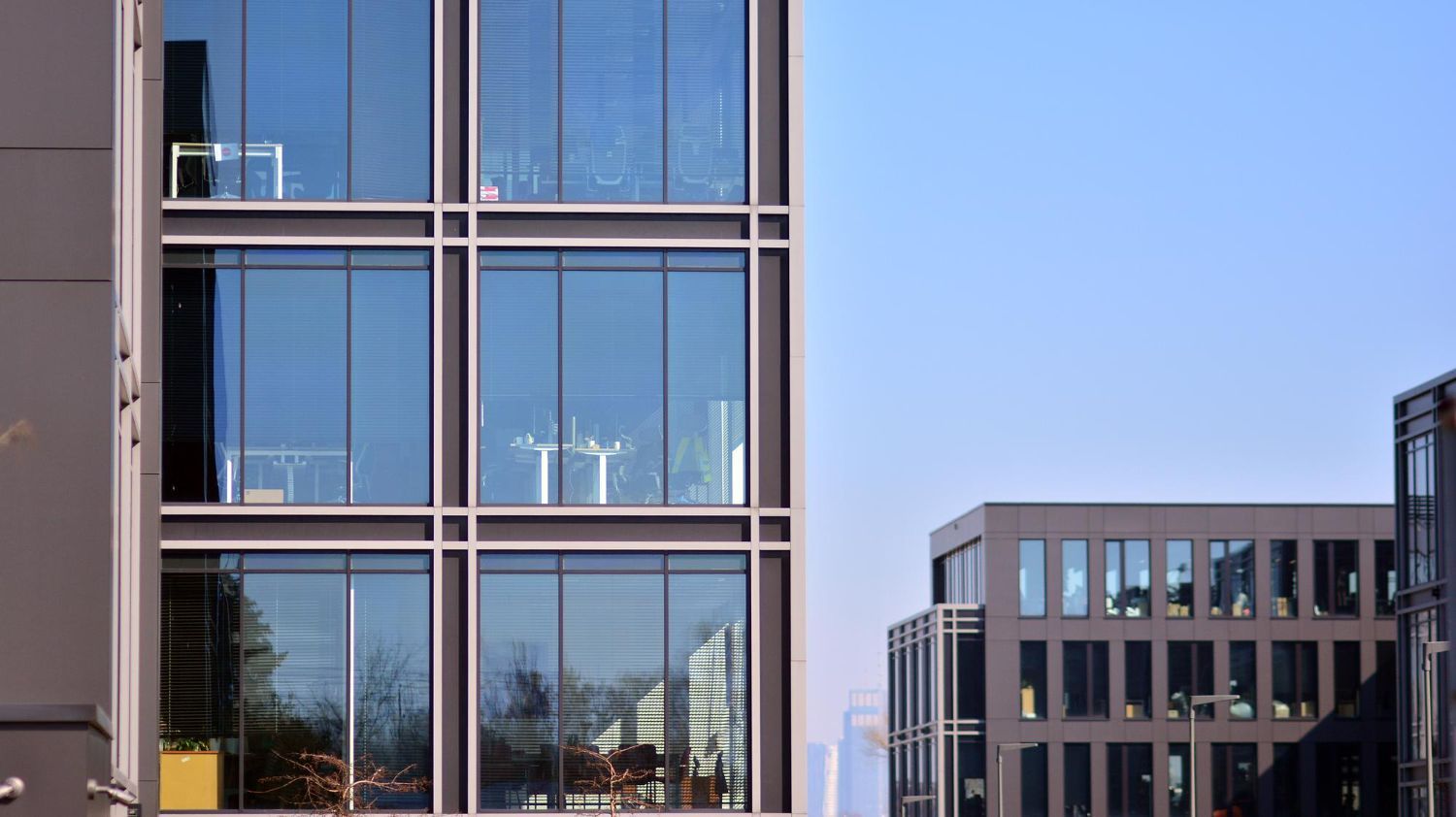
Curb appeal is a real consideration, and reflective films can work for or against it depending on the choice. Standard reflective films give a building a sleek, mirrored exterior that reads as modern and polished on commercial storefronts or contemporary homes. Dual-reflective films offer a subtler sheen that blends more naturally with traditional architecture, as seen in our Leaded Windows product line.
Inside, the difference is even more pronounced. Standard metallic films cast a noticeable silver tone across your interior view, which some occupants find distracting. Dual-reflective ceramic films reduce that interior reflectivity significantly, so rooms feel brighter and less like you are sitting behind a one-way mirror. For spaces where occupants spend long hours near windows, that distinction affects daily comfort.
Glare reduction is another aesthetic win. Screens, artwork, and simply reading become easier when direct sun is cut without closing blinds entirely. Films also protect interior finishes: flooring, upholstery, and artwork that would otherwise fade from UV exposure stay vibrant longer. Surfacetint's interactive window film viewer lets you preview how different film options will look on your actual windows before installation.
What does professional installation involve, and how do you maintain the film?
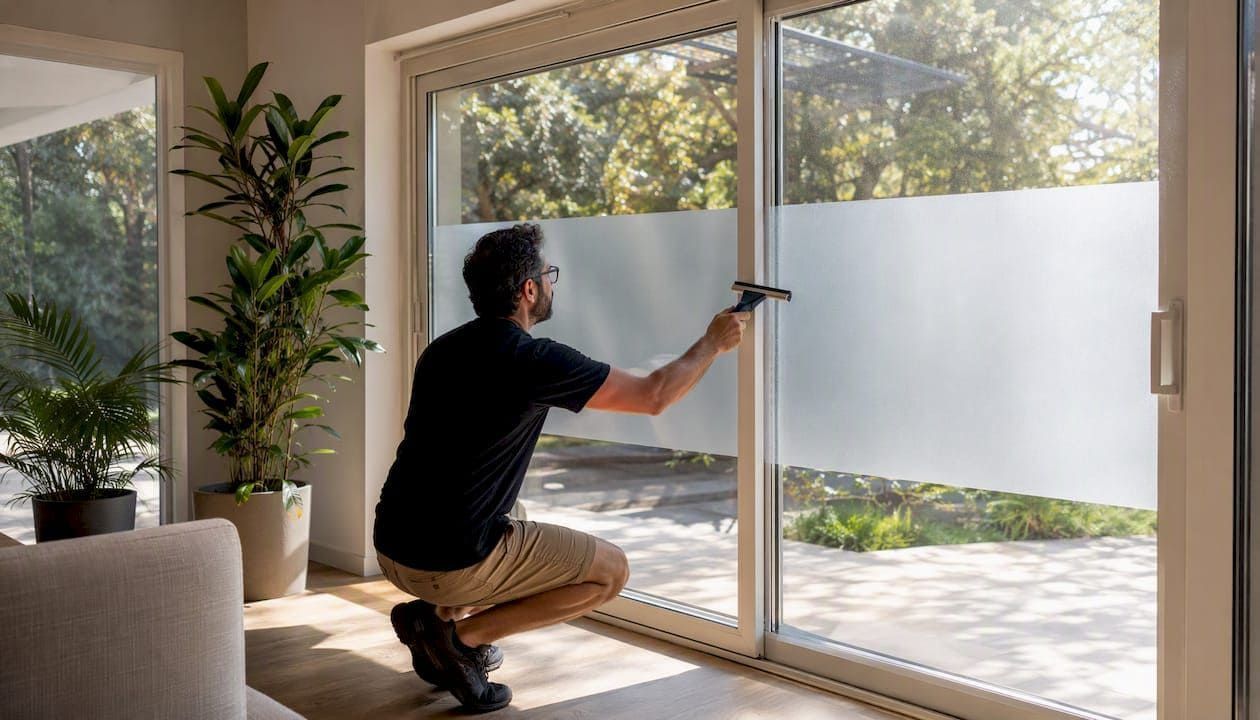
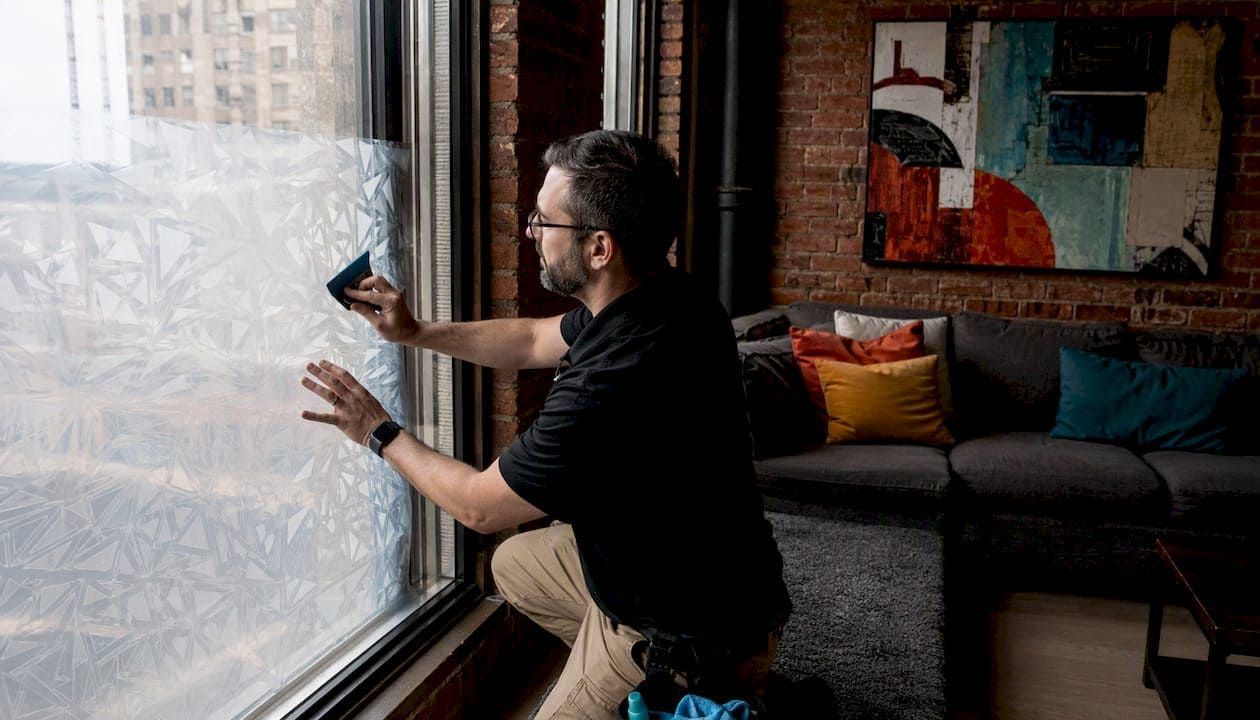
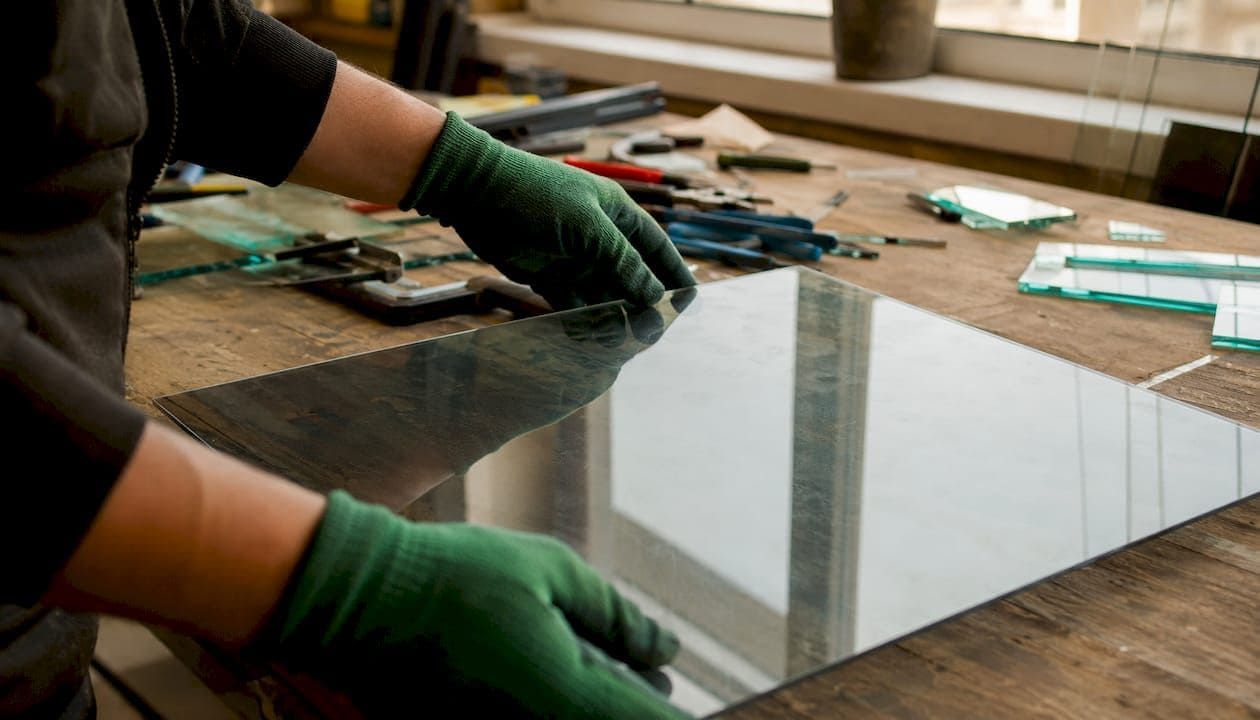
Professional installation typically takes a few hours for a standard residential job. The installer cleans the glass thoroughly, cuts the film to fit each pane, applies it to the interior surface with a slip solution, and uses a squeegee to remove air and moisture. Surfacetint's process for a home window film install follows this sequence with LLumar SelectPro materials, which carry manufacturer warranties and are rated for lifespans of up to 15 years.
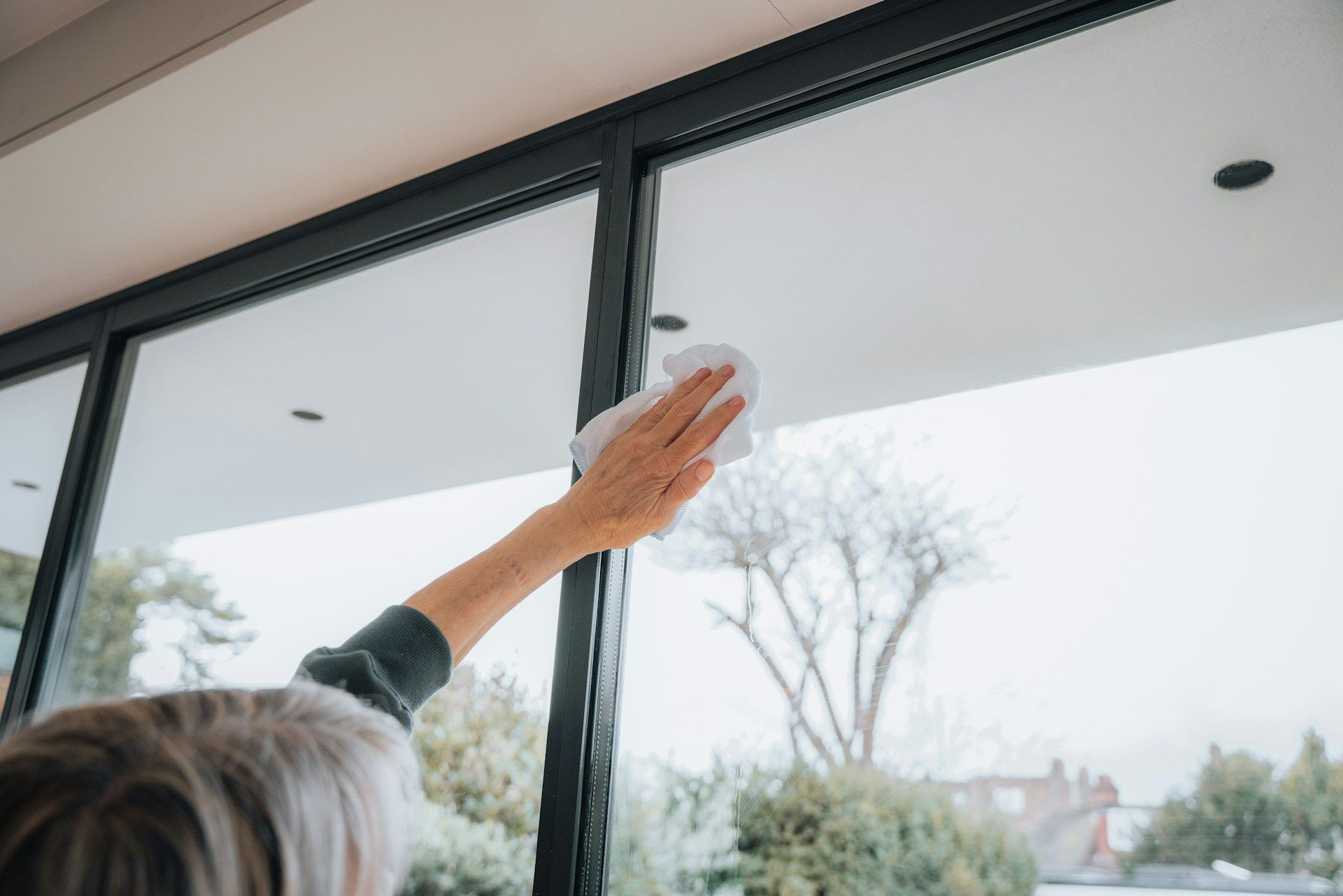
Maintenance is minimal. Clean filmed windows with a soft cloth and a mild, ammonia-free cleaner. Avoid abrasive pads, which can scratch the hard coat. Inspect edges annually for lifting or bubbling, which usually signals an installation issue rather than film failure. Properly installed films from reputable manufacturers hold their performance and appearance for years without reapplication.
How does reflective film compare to tinted glass and low-e coatings?
Each technology targets the same problem from a different angle. Standard window tint absorbs solar energy rather than reflecting it, which reduces glare and some heat but is less efficient than reflective film on single-pane glass, particularly in hot climates. Tint also tends to darken interiors more noticeably.
Low-e coatings, typically applied during glass manufacturing, work primarily by reducing radiant heat transfer, which makes them excellent for keeping heat inside during winter. They are less effective at blocking solar heat gain in summer compared to reflective films. Low-e glass also cannot be retrofitted to existing windows without replacement, while reflective film applies to any existing glass surface.
Reflective film sits in a practical middle ground: retrofittable, removable, and highly effective at solar heat rejection in warm climates. For buildings with single-pane windows in sunny regions, it is the most cost-effective solar control upgrade available without replacing the glass entirely.
What does reflective window film cost, and when does it pay off?
Film pricing varies by product type, glass area, and installer, so published ranges shift quickly. What stays consistent is the payback logic: lower cooling costs accumulate every month, and the film itself requires no ongoing expense beyond occasional cleaning. Commercial installations with large glass areas and high cooling loads tend to see the fastest payback. Residential jobs in sunny climates follow closely.
The energy savings calculator from Surfacetint gives a property-specific estimate rather than a generic range, which is a more honest starting point for evaluating ROI. Factor in UV protection for furnishings and flooring as a secondary financial benefit: replacing faded hardwood or upholstery costs far more than a film installation.
Surfacetint brings professional reflective film installation to Greater Boston
Reflective window film delivers real, measurable results, but only when the right product is matched to the right glass and installed correctly. That is exactly where Surfacetint specializes.
As an exclusive LLumar SelectPro dealer, Surfacetint installs premium Vista Films, including Solar Control Films, Safety and Security Films, and Decorative Privacy Films, for homeowners and commercial property owners across Southern New Hampshire and the Greater Boston Area. Every installation uses products rated for UV blocking above 99%, shatter resistance, and long-term color stability. Whether you want to cut cooling costs, add a security layer, or simply stop squinting at your screen by noon, Surfacetint matches the film to your specific windows and goals. Request a free estimate to get started.
Key Takeaways
Reflective window technology is the most effective solar control retrofit for single-pane clear windows in warm US climates, combining energy savings, UV protection, safety, and privacy in a single applied film.
| Point | Details |
|---|---|
| Energy savings potential | LBNL research shows reflective films reduce HVAC energy use by up to 29% in warm climates. |
| UV protection | Both metallic and ceramic reflective films block over 99% of UV rays, protecting furnishings and flooring. |
| Dual-reflective advantage | Dual-reflective films offer high exterior solar control with lower interior reflectivity for a clearer indoor view. |
| Nighttime privacy limit | The one-way mirror effect reverses at night when interior lights are on; curtains or blinds are needed after dark. |
| Surfacetint installation | Surfacetint installs LLumar SelectPro Vista Films for homes and businesses across Southern New Hampshire and Greater Boston. |
Recommended