
Decorative Tint Ideas for Businesses: 2026 Guide
TL;DR:
- Decorative window film provides privacy, branding, and solar control without permanent changes to glass.
- Different styles like frosted, gradient, and branded graphics solve specific problems and can enhance office aesthetics.
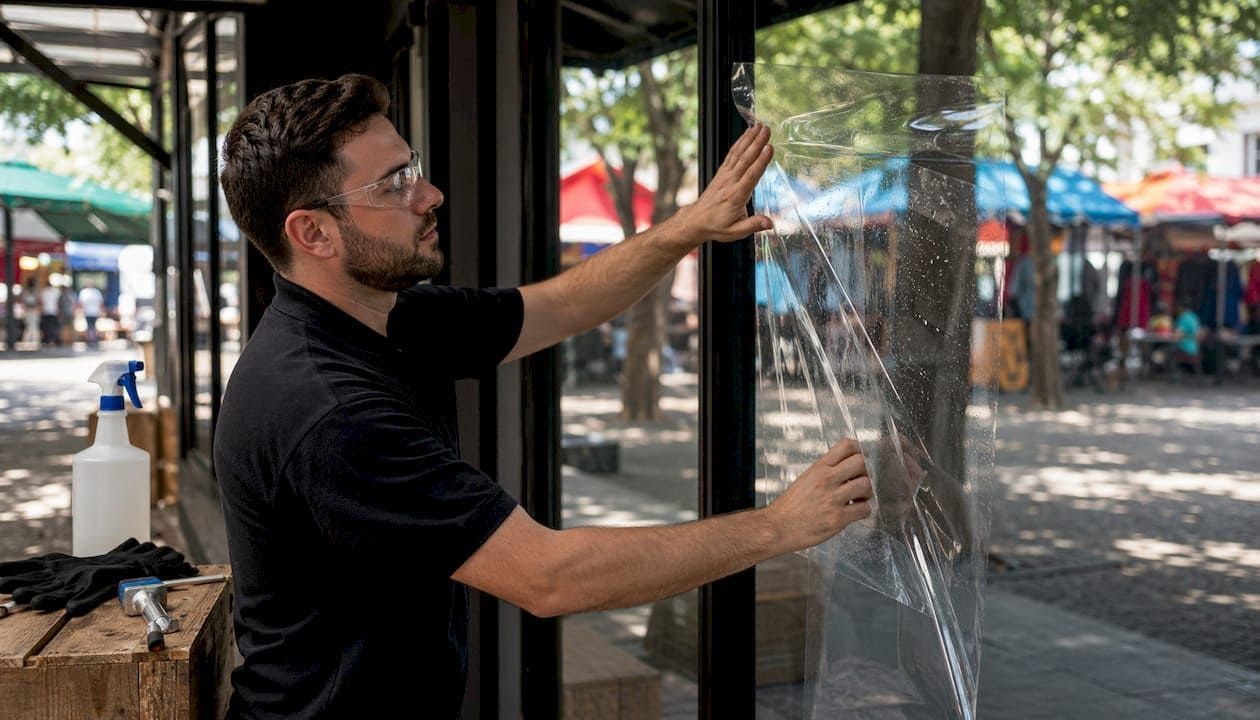
Decorative window film is a professionally applied glass treatment that delivers privacy, branding, and solar control without permanent structural changes. The industry term is architectural window film, though most business owners search for decorative tint ideas for businesses when planning office upgrades. The best options include frosted film, gradient film, custom branded graphics, and switchable smart film. Each solves a different problem: frosted film creates privacy, branded graphics reinforce identity, and solar control films cut cooling costs. Surfacetint, an exclusive LLumar SelectPro Dealer serving Southern New Hampshire and the Greater Boston Area, installs all of these film types for commercial properties.
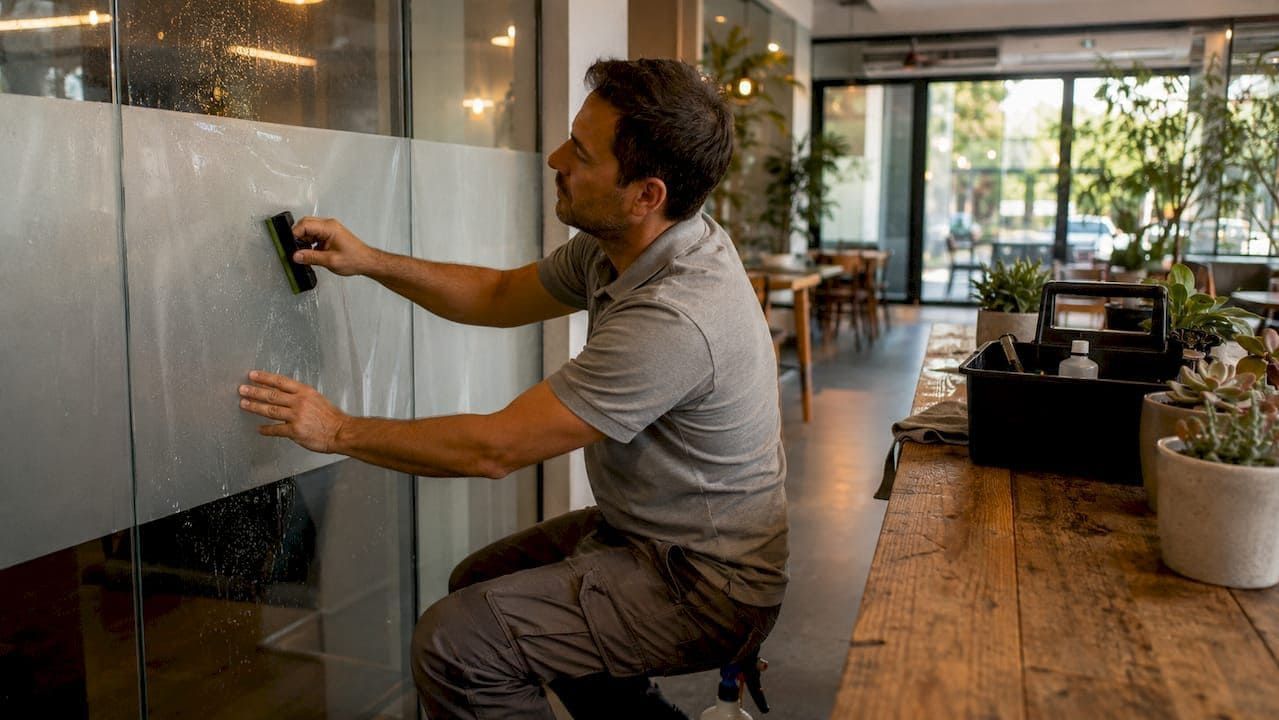
1. What are the top decorative tint styles for office privacy and aesthetics?
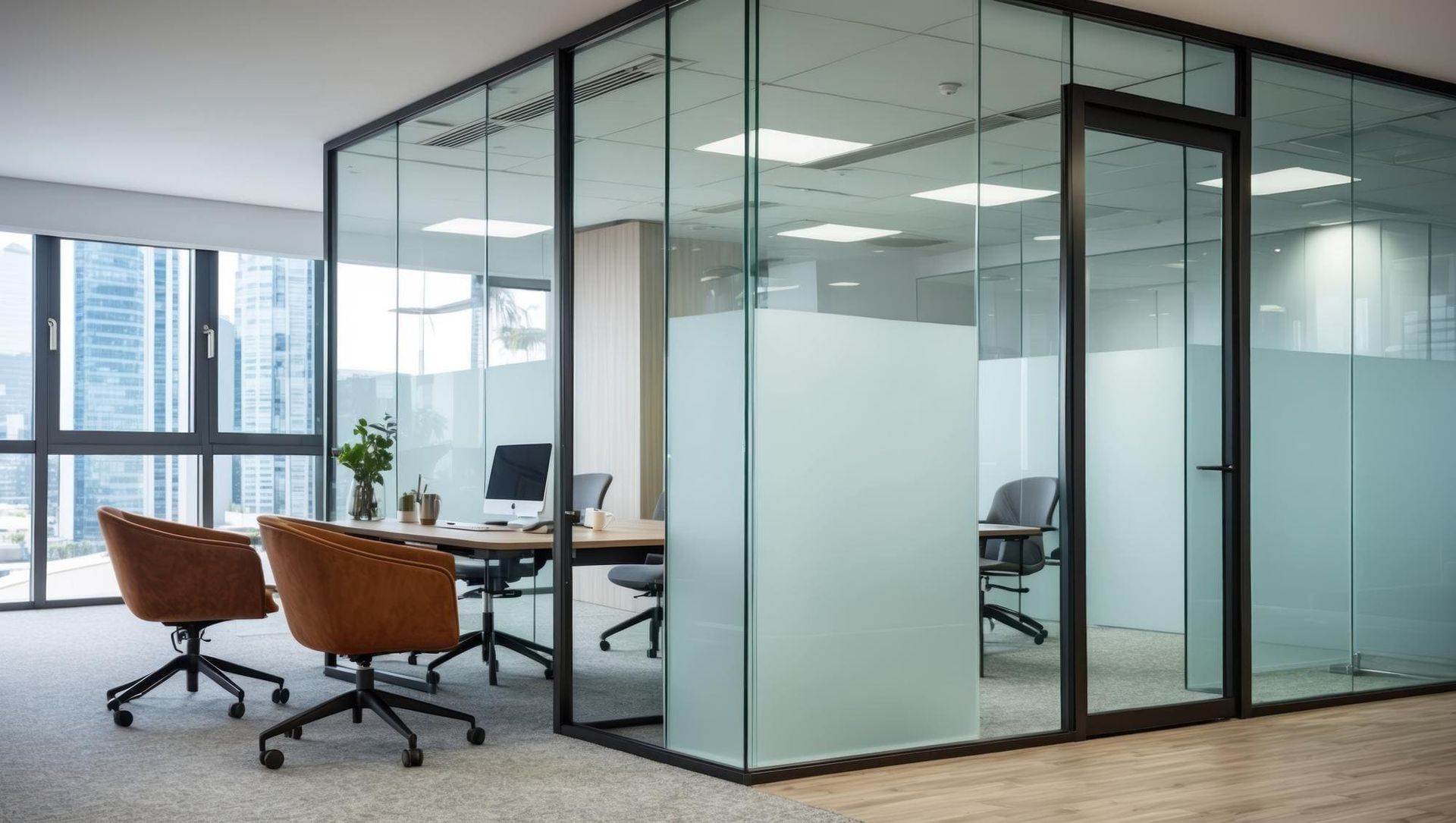
Frosted and etched films are the most widely used privacy solutions in commercial interiors. They scatter light rather than block it, so your space stays bright while sightlines through the glass disappear. Conference rooms, reception areas, and private offices all benefit from this approach.
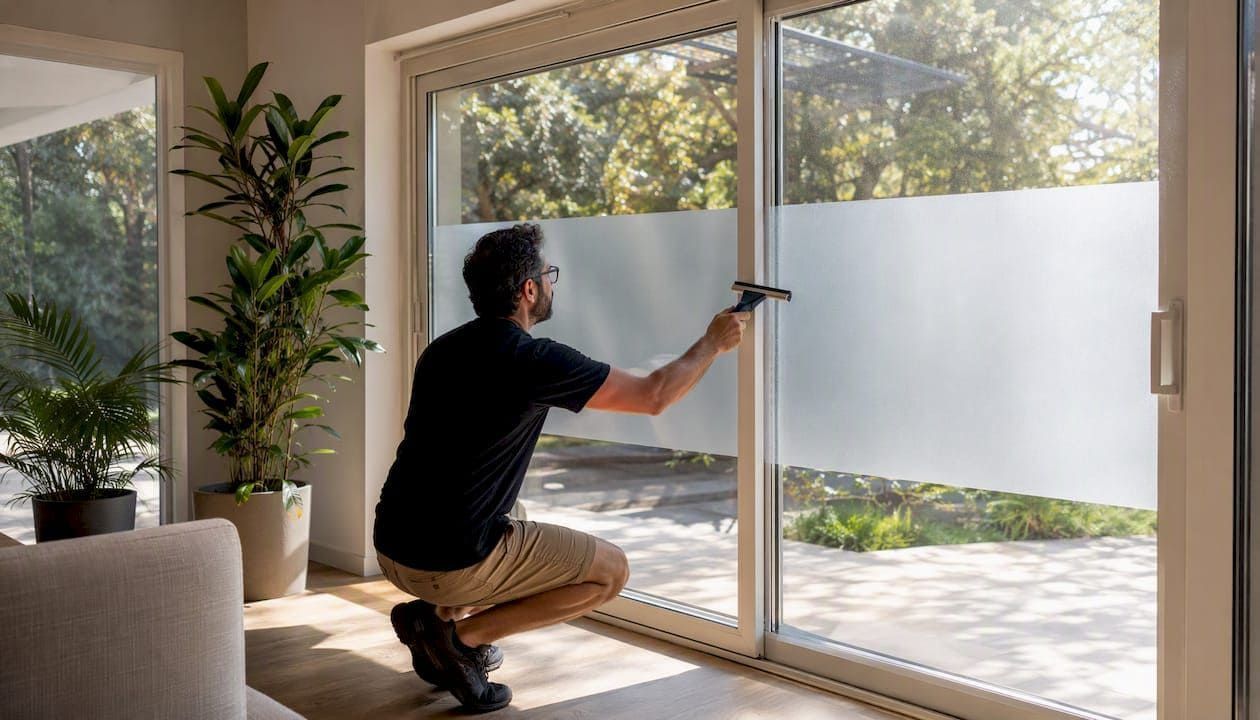
Gradient films take privacy a step further by transitioning from frosted at the bottom to clear at the top. This design targets seated sightlines while keeping the upper portion of the glass open to daylight. The result is a modern, layered look that feels intentional rather than utilitarian.
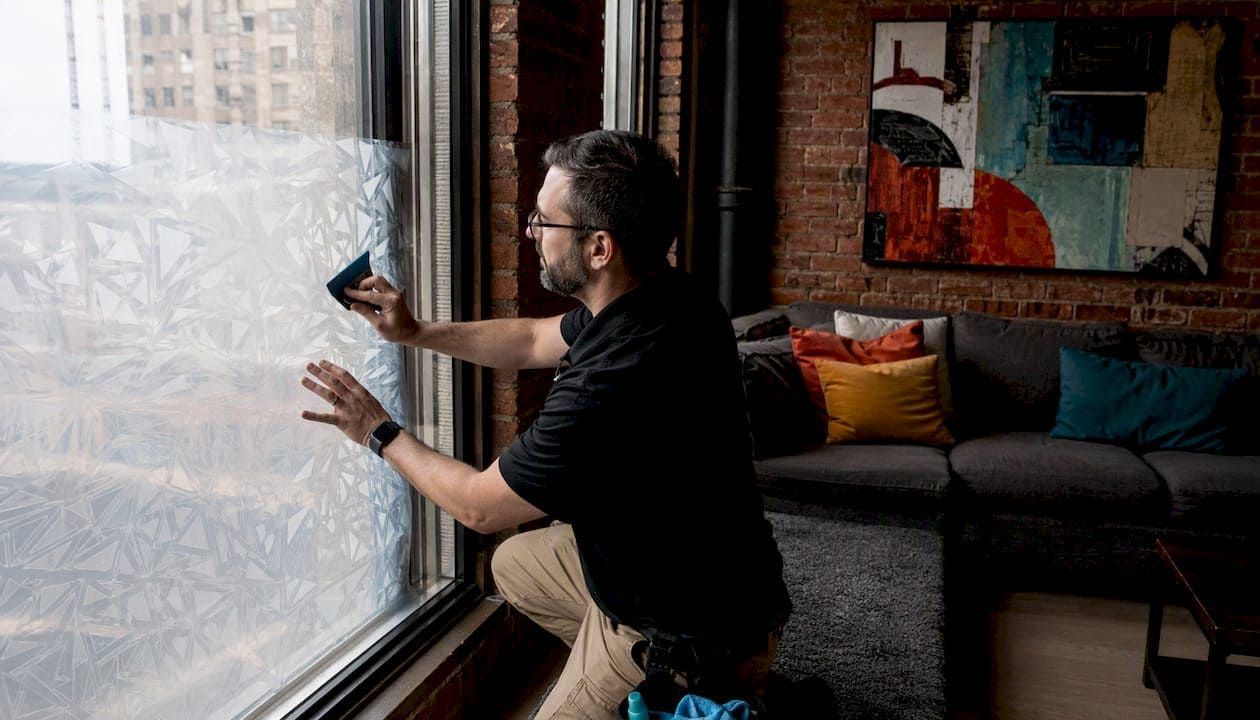
Patterned films add texture and subtle visual interest to otherwise plain glass. Geometric patterns, linen textures, and custom repeating motifs all work well in professional settings. These films preserve daylight and sightlines rather than fully blocking light the way heavy window coverings do.
- Frosted film: Best for conference rooms, private offices, and glass partitions
- Gradient film: Ideal for open-plan spaces where seated privacy matters most
- Patterned film: Works well in lobbies, corridors, and collaborative zones
- Etched film: Mimics sandblasted glass at a fraction of the cost and without permanent alteration
Pro Tip: Align your frosted band height with the seated eye level of your workstations, typically 42–48 inches from the floor, so the film blocks sightlines precisely where privacy is needed.
2. How can custom branded window films enhance business identity?
Custom branded decorative graphics integrate logos, typography, and brand colors directly onto glass surfaces using precision-cut and digitally printed film. This turns every window and glass partition into a branding surface. Storefronts, reception desks, and conference room glass are the three most common applications.
The practical advantage over traditional signage is reversibility. Film applies without drilling or permanent adhesive, so you can update your branding without replacing glass or repainting walls. That flexibility matters for growing businesses that rebrand or relocate.
Wide-format decorative films available in widths up to 71 inches minimize seams across large glass walls. Fewer seams mean cleaner graphics and a more professional finish. For floor-to-ceiling glass in a modern office, this detail separates a polished installation from an amateur one.
- Storefronts: Display hours, taglines, and logos without vinyl lettering that peels
- Reception areas: Reinforce brand identity at the first point of contact with clients
- Conference rooms: Add company values, project names, or wayfinding cues to glass walls
- Wayfinding: Use distinct patterns or colors to define zones in open offices without physical walls
Pro Tip: Request a digital proof overlaid on a photo of your actual glass before installation. What looks balanced on screen can feel off-center on a 10-foot glass wall.
3. What solar control and energy efficiency benefits do decorative films provide?
Decorative films are not just cosmetic. Many reduce glare, block UV radiation, and manage heat gain while simultaneously branding or beautifying glass. That dual function makes them a stronger investment than purely aesthetic treatments.
Two metrics define solar film performance. SHGC measures solar heat gain: a lower number means less heat enters the building. VLT measures visible light transmission: a higher number means more daylight passes through. The goal is a film that scores low on SHGC and high on VLT.
Balancing SHGC and VLT correctly avoids the common mistake of choosing an overly dark film that cuts glare but kills natural light. Ceramic films hit this balance well.
| Glass Type | SHGC | VLT | Heat Blocked |
|---|---|---|---|
| Untreated single-pane glass | 0.86 | 90% | Minimal |
| Standard tinted glass | 0.55 | 45% | Moderate |
| Ceramic window film | 0.27–0.40 | 40–60% | 51–82% of solar energy |
"The best decorative films for businesses do two jobs at once: they make the space look intentional and they reduce the load on your HVAC system. Choosing a film that only does one of those things leaves money on the table."
Ceramic films block 51–82% of solar energy while maintaining moderate visible light transmission. That performance directly reduces air conditioning demand during summer months in markets like Greater Boston, where cooling costs spike from june through september.
4. What are the advantages of switchable smart films for dynamic privacy control?
PDLC smart film transitions from clear to opaque in under one second with a visible light transmission of approximately 92% in its clear state. That speed and clarity make it the most versatile privacy solution available for commercial glass. One pane of glass can serve as an open window to the office one moment and a private meeting room wall the next.
Control options include wall switches, remote controls, and app integration. App control is particularly useful for facility managers who oversee multiple rooms or floors. You can schedule opacity changes, tie them to calendar events, or adjust them remotely.
Business applications where smart film performs best:
- Meeting rooms: Instant privacy on demand without blinds or curtains
- Medical and wellness spaces: Compliance with privacy requirements without permanent frosted glass
- Storefronts: Switch from transparent display windows to opaque after hours
- Executive offices: Maintain an open feel during the day with one-touch privacy for calls
Smart film installation complexity depends on power supply method, control wiring, and integration with existing building systems. Electrical planning is the primary cost driver, not the film itself. Budget for a licensed electrician as part of the project scope.
5. How to plan and select decorative tint solutions for your business
Successful commercial decorative film projects require a coordinated glazing strategy by zone, with privacy levels tuned to furniture heights and traffic patterns. A single film applied uniformly across all glass rarely serves every area well. Zone-based planning produces better results.
Follow this planning sequence:
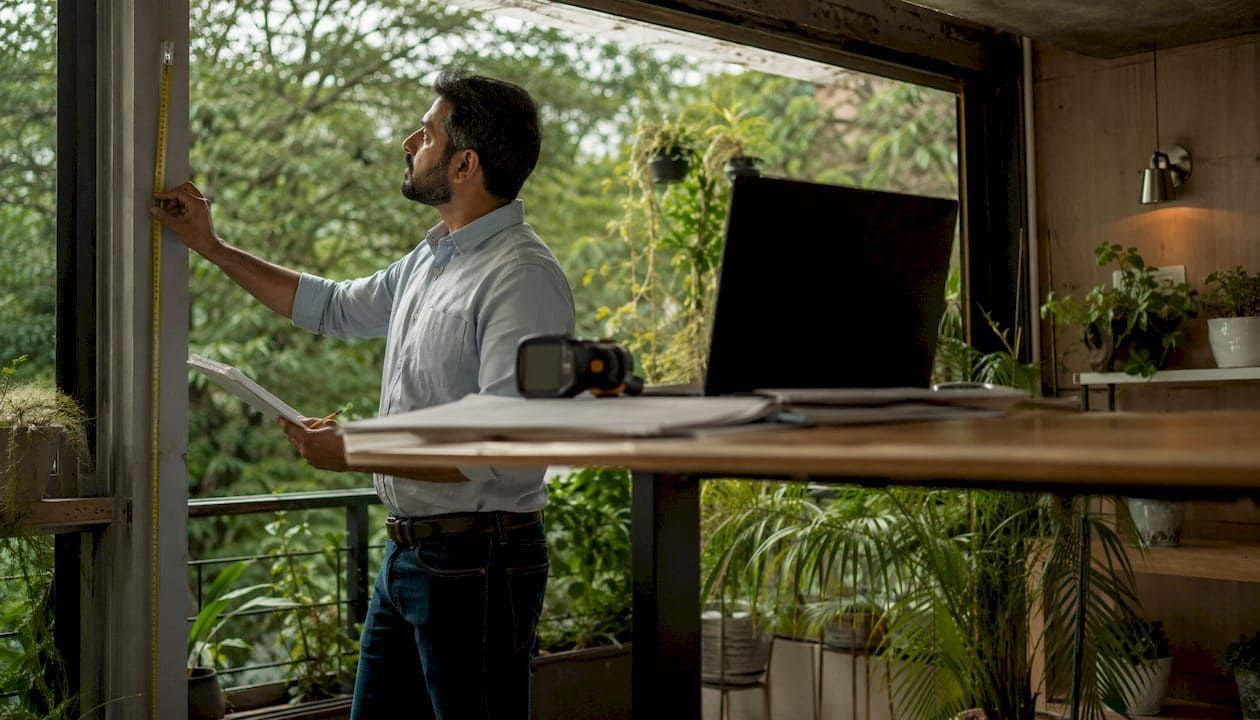
- Map your zones. Identify areas by function: reception, conference, open workspace, private offices, and storefronts. Each zone has different privacy and branding needs.
- Set sightline targets. Measure seated and standing eye levels in each zone. This determines where frosted or gradient bands should start and stop.
- Align film with furniture. A frosted band that ends below desk height provides no seated privacy. Match film placement to actual furniture positions, not just architectural drawings.
- Choose film widths strategically. Select wide-format films for large glass walls to minimize seams and maintain visual continuity across branded graphics.
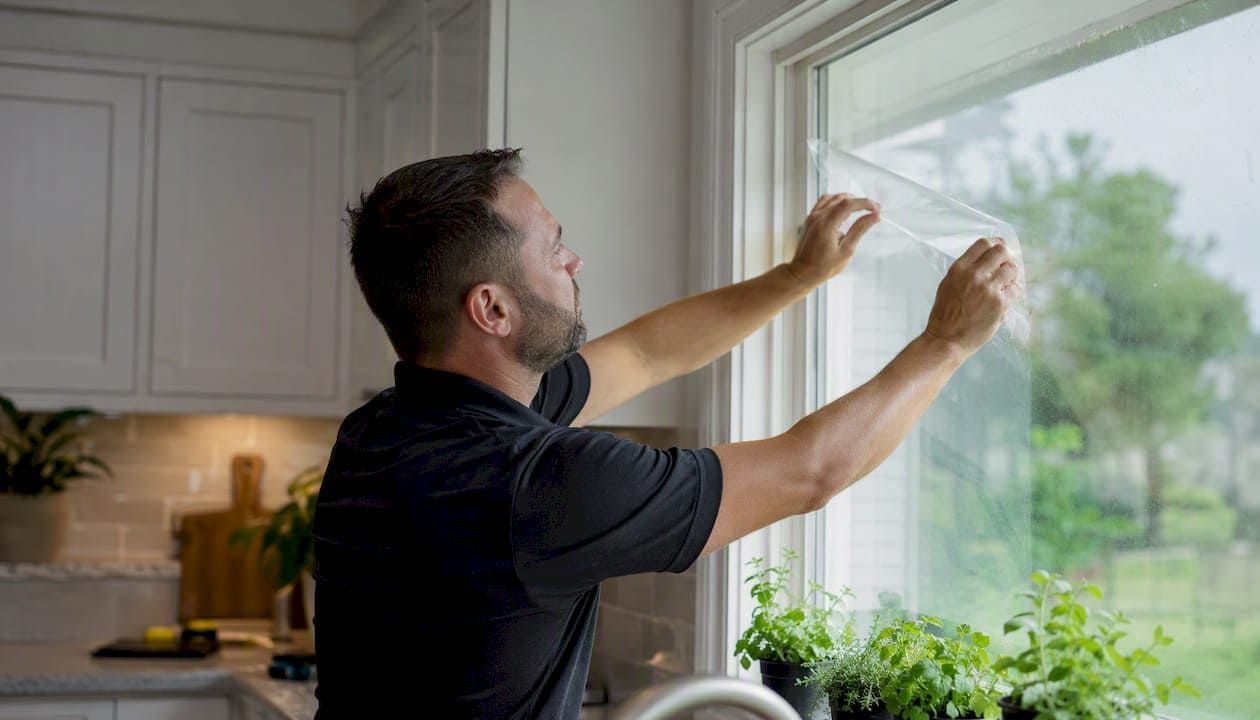
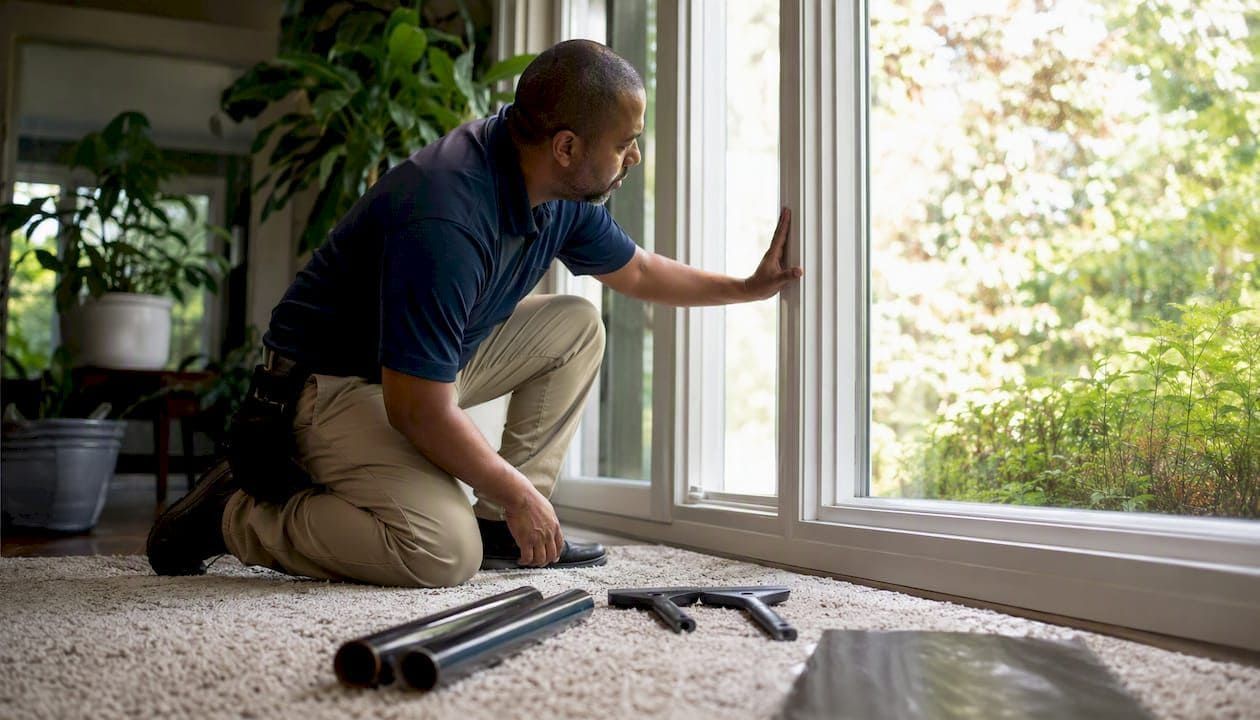
- Consult a professional installer. Accurate field measurements prevent costly errors. A professional also identifies glass types that require specific film adhesives or primers.
- Balance aesthetics, function, and budget. Frosted and gradient films cost less than custom branded graphics or smart film. Prioritize the zones with the highest visibility and privacy needs first.
The commercial interior design role of tinting extends beyond aesthetics. A well-planned film installation reduces glare at workstations, lowers energy costs, and communicates brand identity to every visitor who walks through the door.
Key takeaways
The most effective decorative tint strategy for businesses combines zone-based planning, brand-aligned film selection, and solar control performance to deliver privacy, identity, and energy savings from a single installation.
| Point | Details |
|---|---|
| Zone-based planning | Map each area by function and sightline before selecting any film type. |
| Frosted and gradient films | These are the most cost-effective options for office privacy while preserving natural light. |
| Custom branded graphics | Wide-format printed films turn glass into a branding surface without permanent alterations. |
| Solar control performance | Ceramic films block 51–82% of solar energy while maintaining useful visible light transmission. |
| Smart film complexity | PDLC smart film requires electrical planning; wiring is the primary cost driver, not the film itself. |
What I've learned from real commercial tint projects
The biggest mistake I see business owners make is treating all their glass the same. They pick one frosted film, apply it everywhere, and end up with a space that feels like a hospital corridor. Glass zoning is not a design luxury. It is the difference between a space that functions well and one that just looks like something was done to it.
The projects that turn out best are the ones where the client thinks about branding and solar control at the same time. A conference room with a custom logo band at eye level and a ceramic solar film underneath it solves three problems at once: it brands the space, it controls glare on the presentation screen, and it keeps the room cooler. That is the kind of thinking that makes decorative film worth the investment.
Smart film is genuinely impressive technology, but I caution clients not to lead with it. The electrical planning adds complexity and cost that surprises people. Start with frosted or gradient film in your highest-traffic areas, get comfortable with the results, and then consider smart film for the spaces where dynamic control truly matters, like a boardroom or a medical consultation room.
The clients who get the most value from decorative tinting are the ones who treat it as a design decision, not a procurement one. Bring your brand guidelines to the consultation. Know your furniture heights. Have a clear idea of which spaces need privacy and which need openness. That preparation cuts installation time and produces a result you will not need to redo in two years.
Surfacetint's commercial decorative film services
Surfacetint installs LLumar Vista decorative and solar control films for commercial properties across Southern New Hampshire and the Greater Boston Area. Every project starts with a site assessment and a free estimate, so you know exactly what you are getting before any film is ordered.
Whether you need frosted privacy film for a conference room, a custom branded installation for your storefront, or a full solar control upgrade for an open-plan office, Surfacetint handles measurement, design, and installation with minimal disruption to your operations. Browse the commercial tinting photo gallery to see completed projects, then request a free estimate to get started.
FAQ
What is decorative window film for businesses?
Decorative window film is an architectural film applied to glass surfaces to add privacy, branding, or solar control without permanent alterations. It covers options from frosted and gradient films to custom printed graphics and switchable smart film.
How long does decorative window film last?
Most professional-grade decorative films carry manufacturer warranties of 5–10 years for commercial installations. LLumar Vista films, used by Surfacetint, are rated for long-term performance against fading, peeling, and bubbling.
Can decorative film reduce energy costs for my business?
Yes. Ceramic decorative films block 51–82% of solar energy, which directly reduces cooling loads and air conditioning costs. Films with a low SHGC rating deliver the greatest heat reduction.
Does smart film require special installation?
Smart film requires a power supply and control wiring, which means a licensed electrician must be part of the installation team. The electrical planning is the primary cost variable, not the film material itself.
Will decorative film damage my existing glass?
No. Professional window film uses pressure-sensitive adhesives designed for clean removal without scratching or etching glass. This makes it a practical option for leased commercial spaces where permanent modifications are not permitted.
Recommended