
Why Glare Control for Businesses Matters in 2026
TL;DR:
- Glare control for businesses involves managing light to reduce discomfort and protect assets. Combining window films, low-UGR lighting, and surface treatments offers the best results for employee productivity. Addressing glare during design prevents costly fixes and promotes a comfortable, efficient work environment.
Glare control for businesses is the practice of managing natural and artificial light to reduce visual discomfort, protect interior assets, and improve employee productivity in commercial environments. The industry term for this practice is solar glare management, and it covers everything from window film installation to lighting fixture placement. Left unaddressed, glare drives up absenteeism, damages furnishings, and forces employees into constant, low-level distraction. Tools like LLumar Vista Solar Control Films, Guardian Glass glare-control glazing, and low-UGR lighting fixtures each approach the problem differently, but the most effective results come from combining them.

Why glare control for businesses is a productivity issue
Glare in a commercial space falls into two categories: discomfort glare and disability glare. Discomfort glare causes eye strain and headaches without fully blocking vision. Disability glare actually impairs sight, making it impossible to read a screen or document clearly.
A 2026 office study found a strong correlation between measured glare and employee-reported discomfort, with a correlation coefficient of r = 0.63. That number means glare is not a minor annoyance. It is a measurable, statistically significant driver of worker dissatisfaction.
The operational consequences are real. Employees who experience chronic eye strain take more breaks, make more errors, and report lower job satisfaction. The impact of glare on productivity compounds over time, especially in open-plan offices with large south or west-facing windows.
- Eye strain and headaches from sustained glare exposure reduce focus and increase error rates.
- Screen visibility problems force employees to reposition monitors or close blinds, interrupting workflow.
- Asset damage from UV-rich sunlight fades furniture, flooring, and branded displays over months.
- Thermal discomfort from solar heat gain through unprotected glass raises cooling costs and lowers comfort.
Business glare reduction is not a cosmetic upgrade. It is a direct investment in the conditions that allow your team to do their best work.
What are the best glare control methods for commercial buildings?
The importance of glare control becomes clear when you compare the available solutions side by side. No single method solves every problem, which is why facility managers who get the best results use a layered approach.
| Method | Glare Reduction | Maintenance | Disruption Risk |
|---|---|---|---|
| Solar window film (LLumar Vista) | Up to 80% | Very low | None |
| Roller blinds | Moderate | Medium | High (manual use) |
| Glare-control glass (Guardian Glass) | Moderate to high | Very low | None |
| Low-UGR lighting fixtures | High (electric glare) | Low | None |
| Matte surface treatments | Low to moderate | Low | None |
Professional glare-reduction window films can reduce glare by up to 80% while maintaining 40–60% visible light transmission. That balance is the key advantage: your team keeps natural daylight without the visual punishment of direct sun.
Roller blinds are the most common fallback, but they carry a hidden cost. Manual blind adjustments cause workflow disruptions every time an employee stops to raise or lower them. Those micro-breaks add up across a full workday. A small gap in a roller blind creates a "light halo" effect that concentrates glare into a sharp band across work surfaces, often making conditions worse than having no blind at all.
Layered glare control combining low-UGR fixtures, matte surfaces, and daylight management consistently outperforms any single solution. It also reduces the need for expensive retrofits after installation.
Pro Tip: Specify window film and lighting together at the design stage. Treating them as separate line items leads to mismatched solutions and post-installation complaints that are costly to fix.
How do you measure and specify glare control in offices?
The standard metric for electric lighting glare is the Unified Glare Rating, or UGR. Updated lighting standards recommend a UGR below 19 for office environments to minimize eye strain and productivity loss. A UGR of 19 is not a rough guideline. It is the threshold above which headaches and visual fatigue become statistically likely.
For daylight glare, the industry uses Daylight Glare Probability, or DGP. The 2026 office study cited above found that a DGP above 0.35 degrades user satisfaction significantly. Future specifications are moving toward the Daylight Glare Metric, or DGM, which better aligns with human perception than DGP, particularly for peripheral glare sources like low-angle winter sun.
Calculating UGR requires more than fixture data. Glare from electric lighting and daylight must be managed together, and the calculation includes mounting height, luminaire spacing, room surface reflectance, and actual user viewpoints. A fixture that performs well in a showroom can fail in a real office with light-colored walls and polished floors.
Realistic simulations including room materials and actual user viewpoints reduce expensive revisions after installation. Site-specific mockups are worth the upfront cost.
Pro Tip: Ask your window film installer or lighting designer for a room-specific UGR calculation, not just a product spec sheet. The product rating and the installed performance are often different numbers.

What are practical glare management ideas for businesses to implement today?
Business owners and facility managers do not need to wait for a full renovation to address glare. Several high-impact changes can be made immediately, and others can be planned into the next maintenance cycle.
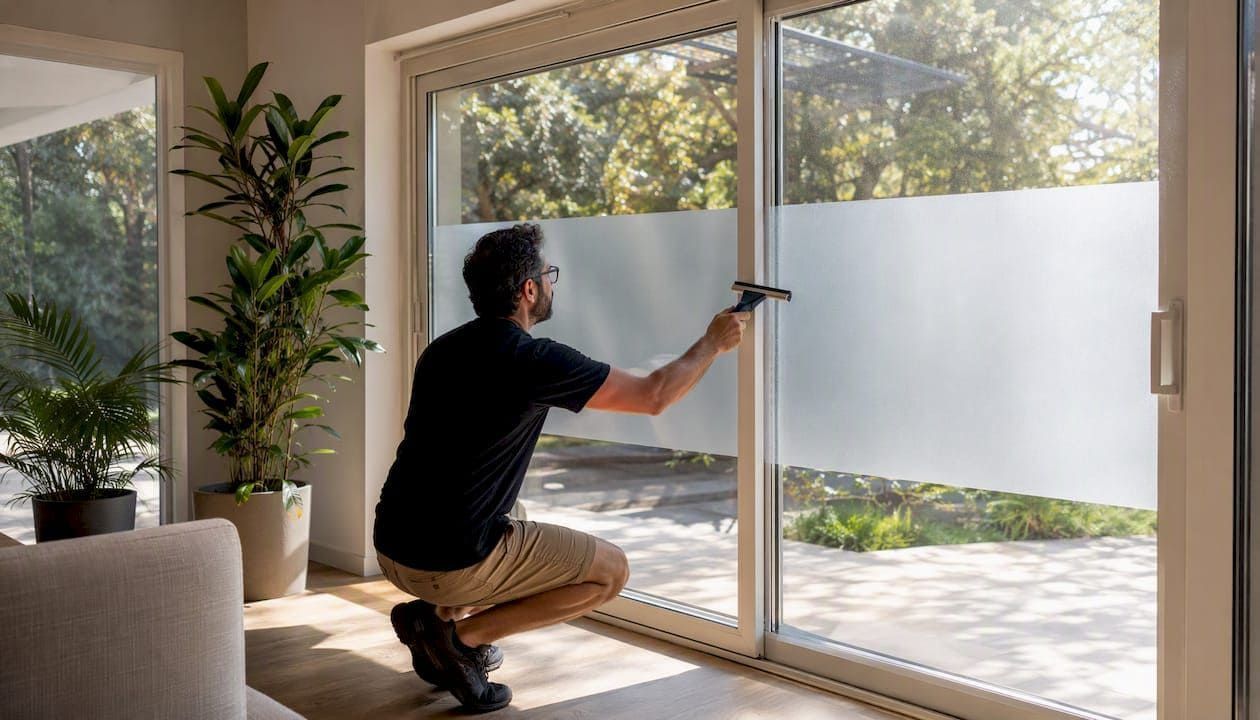
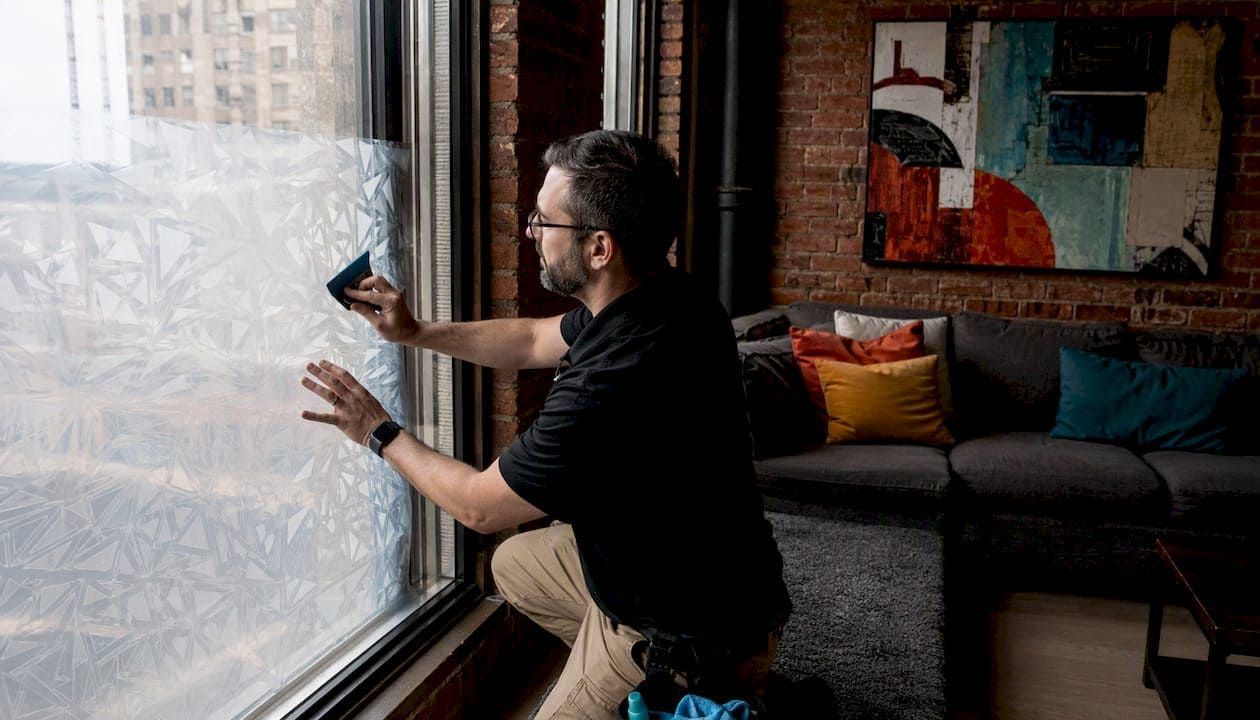
- Install professional solar window film. LLumar Vista Solar Control Films, available through Surfacetint, filter 40–70% of glare-causing light while preserving views and natural daylight. This is the single highest-impact change for south and west-facing offices. Surfacetint serves commercial properties across Southern New Hampshire and the Greater Boston Area with professional installation.
- Reposition monitors away from direct window lines. Screens placed perpendicular to windows rather than facing them reduce reflected glare without any hardware cost. This is the fastest fix available and takes less than an hour per workstation.
- Switch to automated blinds or motorized film systems. Automation eliminates the workflow disruption of manual adjustments and keeps glare control consistent throughout the day without relying on employee action.
- Specify low-UGR lighting fixtures for any new or renovated spaces. Fixtures rated UGR below 19 are widely available from commercial lighting suppliers and prevent electric glare from compounding daylight glare problems.
- Use matte finishes on walls, floors, and work surfaces. Glossy surfaces amplify glare from both natural and artificial light. Switching to matte paint or low-sheen flooring is a low-cost way to reduce overall room glare levels.
- Integrate glare control at the design stage. Post-installation adjustments frequently fail because light interacts with furniture, finishes, and room geometry in ways that are hard to predict. Early planning prevents the most expensive mistakes.
- Audit east-facing spaces in the morning. Low-angle morning sun through east-facing windows is one of the most overlooked glare sources in commercial buildings. A quick morning walkthrough reveals problems that afternoon assessments miss entirely.
For screen-specific glare problems in conference rooms and open-plan areas, Surfacetint's guidance on stopping screen glare covers targeted film and placement solutions.
Key Takeaways
Glare control for businesses requires a layered approach combining solar window film, low-UGR lighting, and surface treatments to protect employee productivity and interior assets.
| Point | Details |
|---|---|
| Glare reduces productivity | A 2026 study found a correlation of r = 0.63 between measured glare and employee-reported discomfort. |
| UGR below 19 is the standard | Offices should specify lighting fixtures rated UGR <19 to prevent eye strain and headaches. |
| Window film outperforms blinds | Solar films reduce glare by up to 80% with no workflow disruption, unlike manual roller blinds. |
| Layered solutions work best | Combining film, low-UGR fixtures, and matte surfaces prevents costly post-installation retrofits. |
| Early planning saves money | Integrating glare control at the design stage avoids the complex failures that follow post-build fixes. |
Glare control is a core business decision, not a finishing touch
Facility managers and business owners consistently underestimate glare until after installation. By then, the cost of fixing it is three to five times higher than addressing it during the design phase. I have seen offices with floor-to-ceiling glass and no solar management where employees rotate their desks seasonally just to stay comfortable. That is a failure of planning, not a feature of the building.
The most common mistake is treating glare control as a premium add-on. Glare control is fundamental to lifecycle value and brand perception. A workspace that is visually uncomfortable signals to employees and clients alike that comfort was not a priority. That signal has real consequences for retention and first impressions.
The businesses that get this right do two things consistently. They specify glare management alongside HVAC and lighting in the initial build-out budget. And they choose layered systems combining fixture optics, daylight management, and surface treatments rather than relying on a single product to carry the load. Solar window film from a professional installer like Surfacetint is usually the most cost-effective starting point, but it works best when it is part of a coordinated plan. Pairing it with security best practices for property managers also makes sense, since many of the same window upgrades that reduce glare also improve building security.
Proactive glare management is not about aesthetics. It is about protecting the conditions that let your team perform at their best, every single day.
Surfacetint commercial window film for Greater Boston businesses
Surfacetint installs professional LLumar Vista Solar Control Films for commercial buildings, storefronts, and offices across Southern New Hampshire and the Greater Boston Area. These films reduce glare by up to 80%, lower cooling costs, block UV radiation that fades furnishings, and require zero daily maintenance from your team.
Whether you manage a single-floor office or a multi-story commercial property, Surfacetint's commercial solar window film services are sized to fit your building and your budget. See how Boston-area offices have already benefited from heat and glare control window film, then request a free estimate to get a site-specific recommendation for your property.
FAQ
What is glare control in a commercial building?
Glare control is the practice of managing natural and artificial light to reduce visual discomfort and protect employee productivity. It includes solar window films, low-UGR lighting fixtures, automated blinds, and matte surface treatments.
How much can window film reduce glare?
Professional solar window films can reduce glare by up to 80% while maintaining 40–60% visible light transmission. That means employees keep natural daylight without the eye strain caused by direct sun.
What UGR rating should offices target?
Offices should specify lighting fixtures with a Unified Glare Rating below 19. A UGR above 19 is associated with increased headaches, eye strain, and reduced employee focus.
Why are roller blinds not enough for business glare reduction?
Roller blinds require manual adjustment, which interrupts workflow throughout the day. Small gaps in blinds also create concentrated light halo effects that can worsen glare rather than reduce it.
When should glare control be addressed in a commercial build-out?
Glare control should be integrated at the design stage, before finishes and furniture are installed. Post-installation fixes are significantly more expensive and often fail due to complex interactions between light, surfaces, and room geometry.
Recommended