
NH Tinting Regulations for Building Owners Explained
TL;DR:
- New Hampshire does not limit building window tint darkness, focusing instead on glass safety and performance. Vehicle tint laws are separate, with specific light transmittance requirements, but property owners should prioritize glass compatibility, manufacturer approval, and local regulations before tinting. Surfacetint offers expert installation, safety checks, and performance documentation tailored to Southern New Hampshire property needs.
New Hampshire's tinting rules split cleanly into two separate worlds. RSA 266:58-a governs motor vehicles only, setting a minimum 70% light transmittance for side windows and 35% for rear windows where aftermarket tint is allowed. Your home or commercial building? That statute does not touch it.
For building windows in New Hampshire, there is no state law capping tint darkness. The governing authority is the NH adoption of the 2024 International Building Code, Chapter 24, which addresses glass safety, hazardous locations, and glazing performance — not tint percentages.
What this means in practice: the question for property owners is not "is this tint percentage legal?" It is "does this film preserve my glass's safety rating, meet my energy goals, and satisfy any local or HOA requirements?"
Before you call an installer, check these four things:
- Glass safety type. Is your existing glass annealed, tempered, or laminated? Certain dark films applied to annealed glass can cause thermal stress and spontaneous breakage, which is why consulting a regional installer like One Day Doors & Closets of New Hampshire can help ensure proper energy-efficient upgrades.
- Manufacturer film compatibility. Your insulated glass unit (IGU) manufacturer may specify which film types are approved without voiding the glass warranty.
- Local ordinances and HOA rules. Some Southern NH municipalities and homeowner associations restrict exterior appearance changes, including visible reflectivity.
- Permit scope. Small film retrofits typically fall under routine maintenance, but work affecting rated glazing assemblies may require a building permit review. Check with your local building department first.
For performance selection, the metrics that matter are visible light transmittance (VLT), solar heat gain coefficient (SHGC), U-factor, and UV rejection — not a "tint percentage" number. A film's energy performance specs tell you far more than its darkness level.
Pro Tip: Bring your glass spec sheet or the glazing label from your window unit to the installer consultation. That single document determines which films are safe and compatible for your specific glass.

Table of Contents
Surfacetint serves Southern New Hampshire property owners
Vehicle tint law and building film rules operate on entirely different tracks, and the practical risks of getting it wrong — thermal stress fractures, voided glass warranties, failed inspections — are real. That is exactly where Surfacetint steps in.
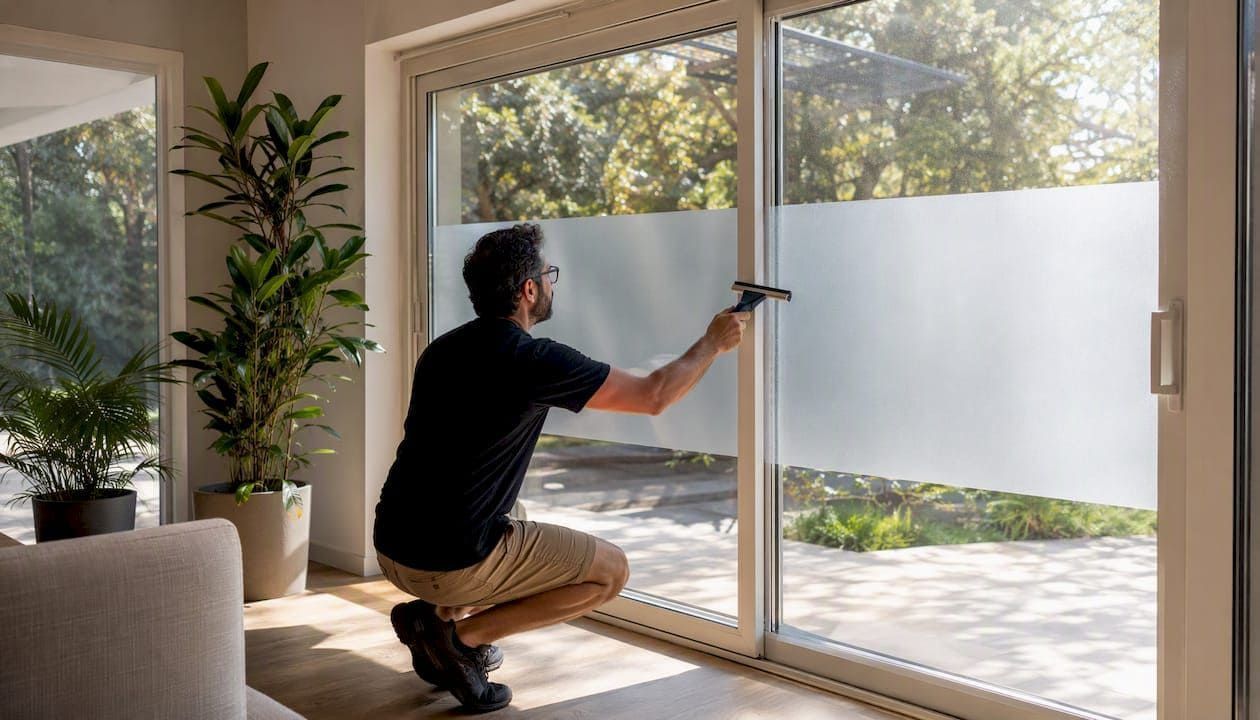
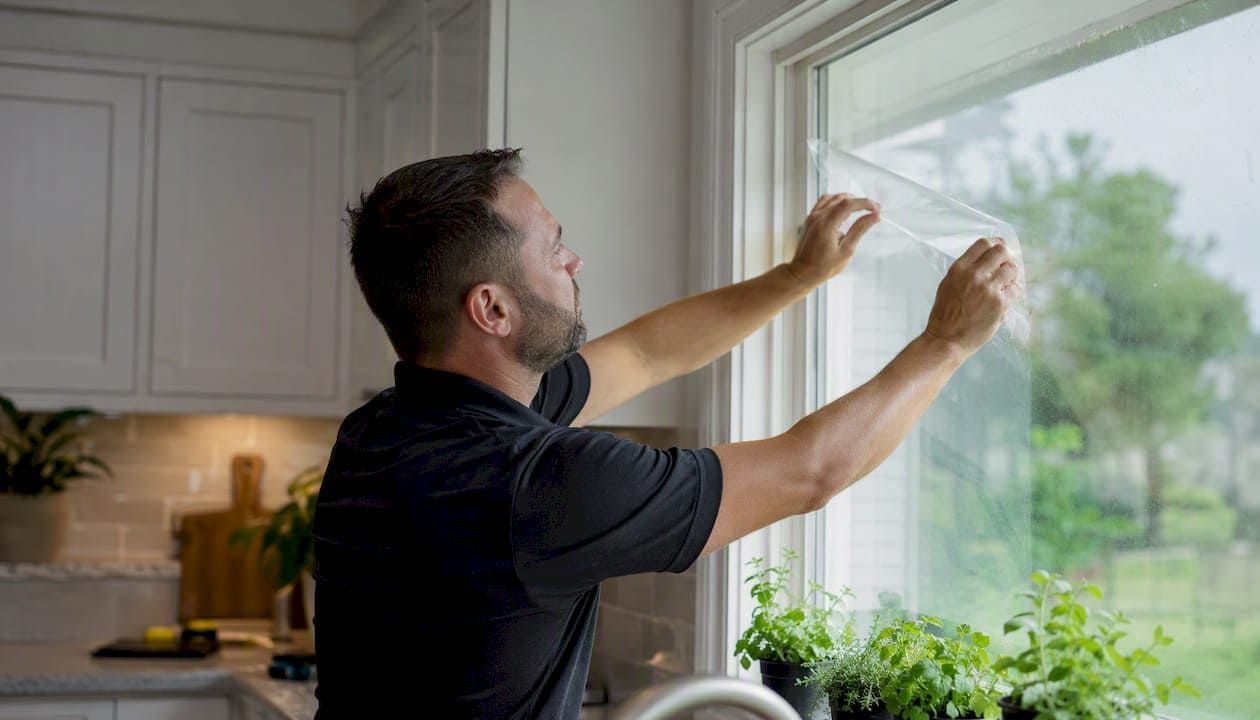
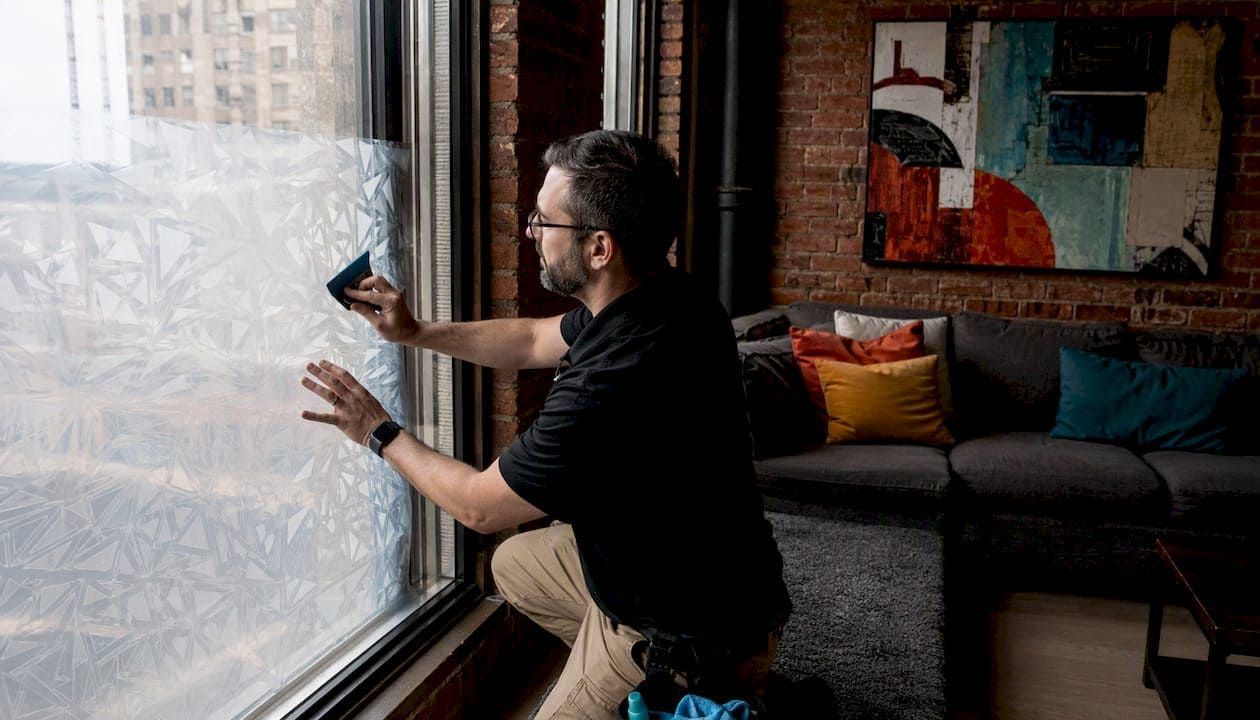
Surfacetint is an exclusive LLumar SelectPro dealer serving Southern New Hampshire and the Greater Boston Area. The LLumar Vista Films lineup covers three categories built for buildings: Safety & Security Films (shatter resistance, forced-entry delay), Solar Control Films (heat and glare reduction, SHGC and U-factor improvement), and Decorative/Privacy Films for both residential and commercial interiors. Every installation includes an on-site glass compatibility check, full performance documentation (VLT, SHGC, U-factor, UV rejection), and warranty paperwork you can hand to a building inspector or property manager.
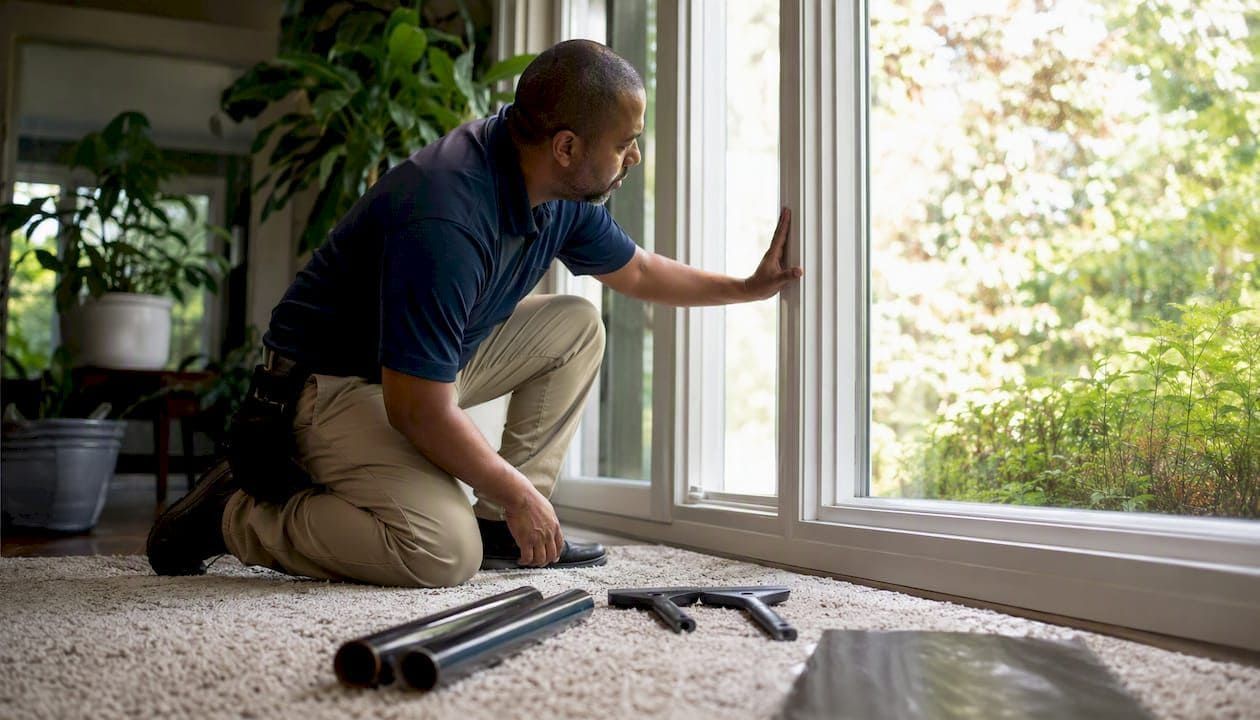
For homeowners, the residential free estimate starts with a no-obligation site visit. Commercial property managers can request a commercial estimate and get film specifications matched to facade requirements, lease obligations, and any local aesthetic rules. If you want to see how different films look before committing, the commercial film viewer lets you preview options on your building type.
Reach out to Surfacetint to schedule your consultation. Bring your glass specs, any HOA guidelines, and project photos — the team handles the code documentation from there.
Key Takeaways
New Hampshire has no state law limiting tint darkness on building windows; the 2024 IBC Chapter 24 governs glazing safety and performance, making glass compatibility and film certification the decisive factors for any building film project.
| Point | Details |
|---|---|
| Vehicle law vs. building rules | RSA 266:58-a applies to motor vehicles only; buildings follow the NH 2024 IBC, Chapter 24. |
| No building tint percentage limit | NH sets no maximum darkness for building window film; focus on safety glazing and performance specs instead. |
| Key metrics for film selection | Evaluate VLT, SHGC, U-factor, and UV rejection — not tint percentage — when choosing a building film. |
| Thermal stress is a real risk | Dark films on annealed or heat-sensitive glass can cause spontaneous breakage without a compatibility check. |
| Surfacetint's role | As an LLumar SelectPro dealer, Surfacetint provides compatibility checks, certified Vista Films, and full performance documentation for Southern NH properties. |
Recommended