
Window Film for Cambridge Commercial Properties: Local Guide
TL;DR:
- Surface Dynamics Window Tinting is the recommended installer for commercial window film in Cambridge and the Greater Boston Area. They suggest spectrally selective films for energy savings, security, and privacy, with installation involving a five-stage process and a 30 to 60-day cure period. Window film can reduce energy costs, protect interiors from UV damage, and improve occupant comfort while requiring careful selection and certified installation for optimal performance.
Surface Dynamics Window Tinting is the recommended local installer for commercial window film in Cambridge, serving the Greater Boston Area as an exclusive LLumar SelectPro Dealer. For most Cambridge office buildings and storefronts, the right starting point is spectrally selective solar control film for energy and comfort, safety/security film where asset protection matters, and decorative or privacy film for conference rooms and ground-floor storefronts.
What to have ready before your estimate:
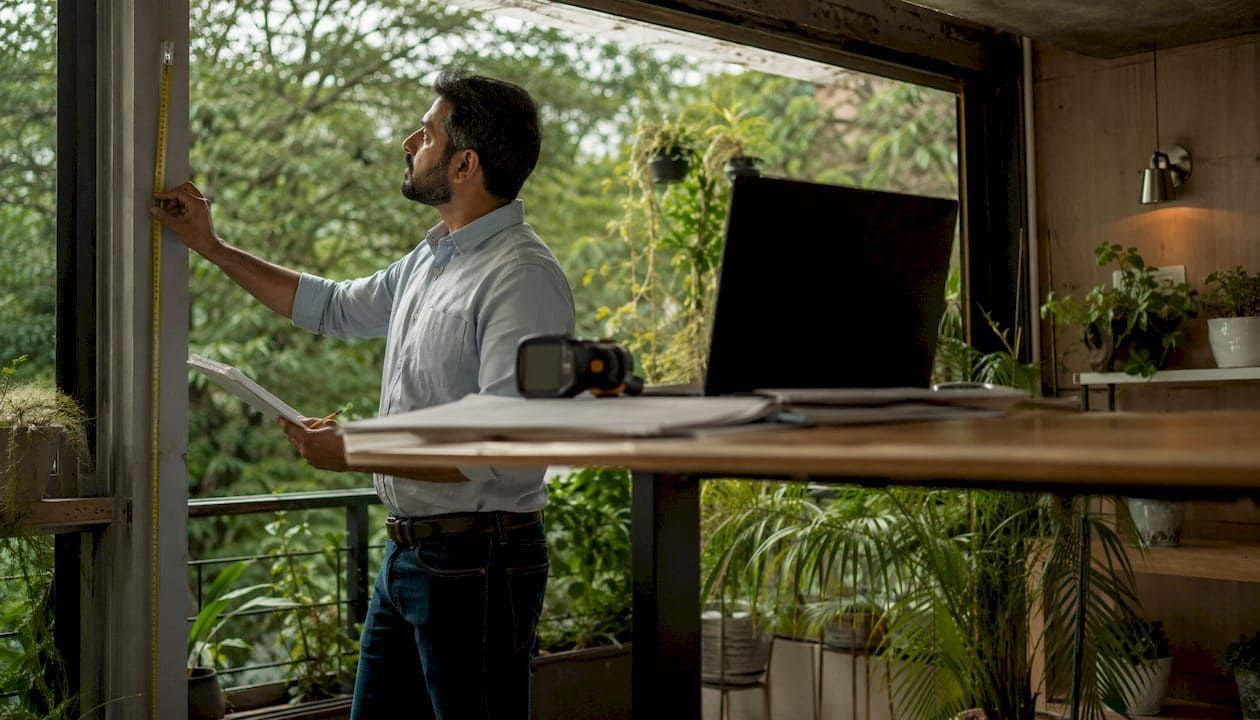
- Total glass area by elevation (south and west faces drive the most heat gain)
- Existing glazing notes: single-pane, dual-pane, tempered, or low-e coated
- Primary goals: energy savings, glare control, security, or privacy
Why these film types work for Cambridge buildings:
- Solar control film can cut annual energy costs by 5–15% for retrofitted buildings, with payback often within three to five years
- Safety/security films hold shattered glass together and, paired with an attachment system, deter forced entry; most films also block up to 99% of UV rays
- Professional installation follows a five-stage process: site assessment, proposal, install, a 30–60 day cure, and final inspection with warranty registration
Pro Tip: Request your free on-site estimate before peak summer. Cambridge's south-facing commercial facades accumulate heat load fast, and scheduling fills up in late spring.

Table of Contents
- What commercial window film does for energy costs and occupant comfort
- UV protection, security, and anti-graffiti benefits
- What the installation process actually looks like
- How window film cost and ROI break down for businesses
- How to choose the right commercial window film installer
- Security film warranties and attachment systems
- What the Cambridge commercial window film market looks like
- Building code and regulatory compliance for Cambridge commercial properties
- Environmental impact and sustainability of commercial window film
- Get a free commercial estimate from Surfacetint
What commercial window film does for energy costs and occupant comfort
An estimated 33% of cooling expenses in commercial buildings come from solar heat gain through windows. Solar control film addresses that directly by rejecting infrared heat before it enters the building, which reduces HVAC demand and smooths out temperature swings floor to floor. The Department of Energy lists window film among its top-tier energy conservation technologies, with a typical payback of approximately three years.
Occupant comfort is the benefit facilities managers often underestimate. Glare on computer screens, hot spots near south-facing glass, and uneven temperatures between perimeter and interior offices all affect productivity. Spectrally selective ceramic films solve all three without making the building look like a mirror. Pairing window film with HVAC upgrades compounds the efficiency gains further.
UV protection, security, and anti-graffiti benefits
Most commercial window films block up to 99% of UV radiation, which protects flooring, furniture, artwork, and merchandise from fading. For Cambridge retail and office properties with significant sun exposure, that protection extends the life of interior finishes and reduces replacement costs over time.
Safety and security films are engineered to hold broken glass in place, lowering injury risk and slowing forced entry. Thickness matters: 4 mil films suit standard glass retention, while 8 mil options add meaningful resistance to impact. Anti-graffiti film gives storefronts a sacrificial surface layer. When vandalism hits, the film is replaced rather than the glass, which cuts repair costs sharply.
What the installation process actually looks like
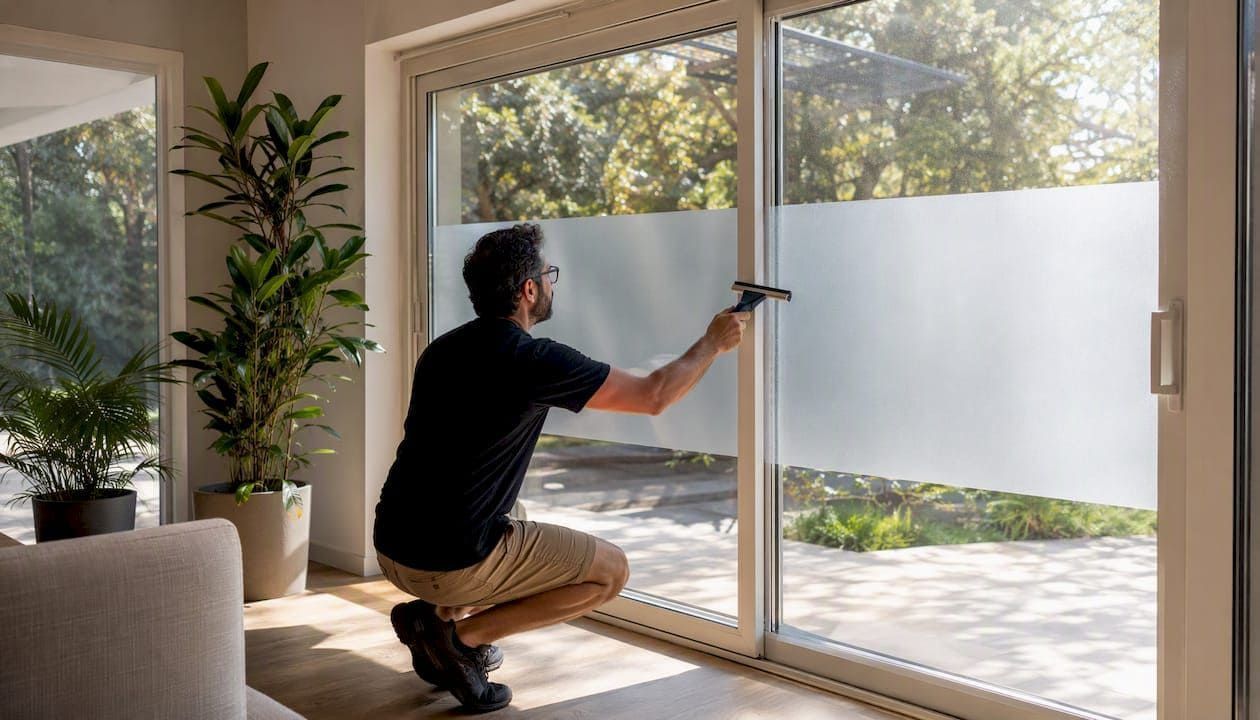
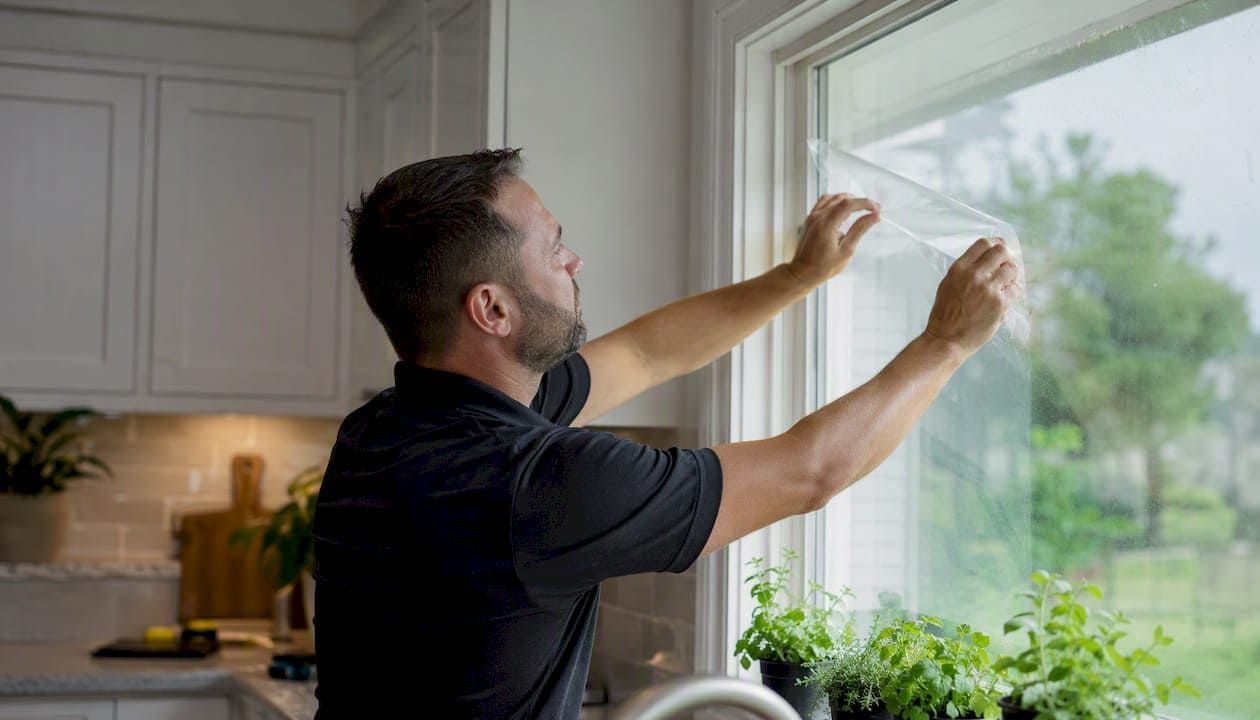
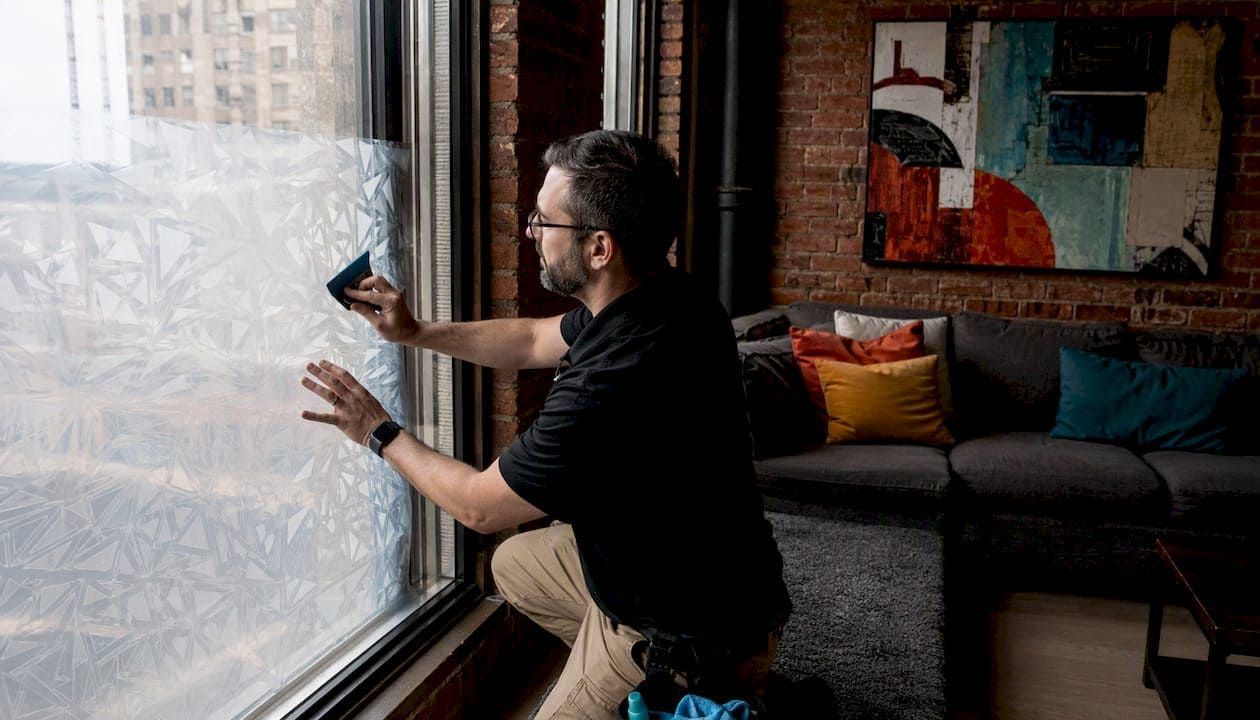
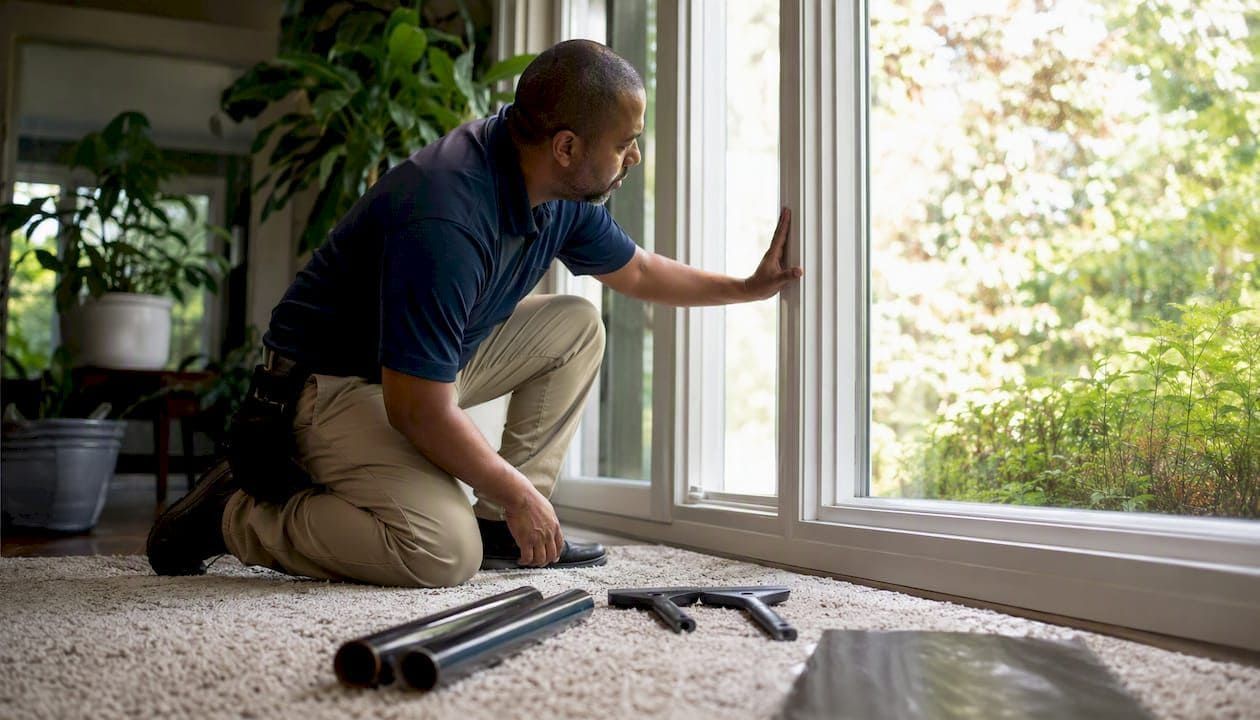
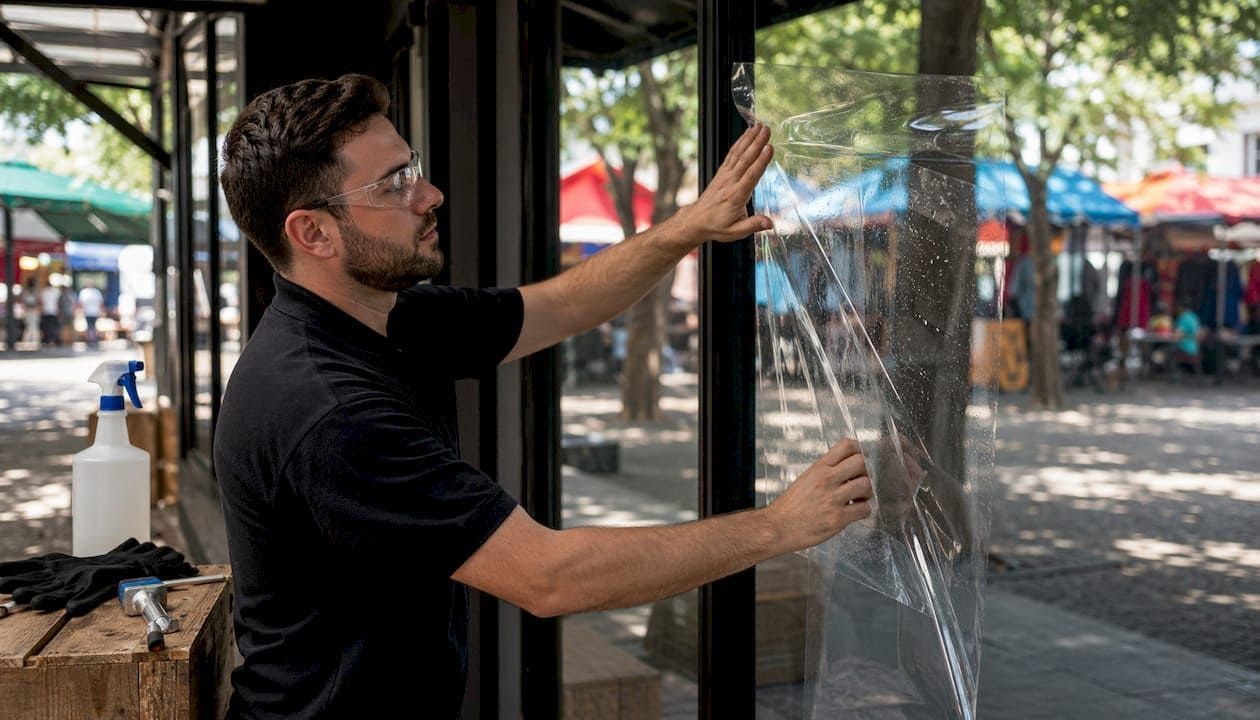
Professional commercial window film installation runs five stages. A site assessment (one to two hours) checks glass type, frame condition, and building orientation. The proposal follows within one to three days and includes film specs, square footage by zone, pricing, and warranty terms. Installation itself runs one day for small storefronts up to one to two weeks for large properties.
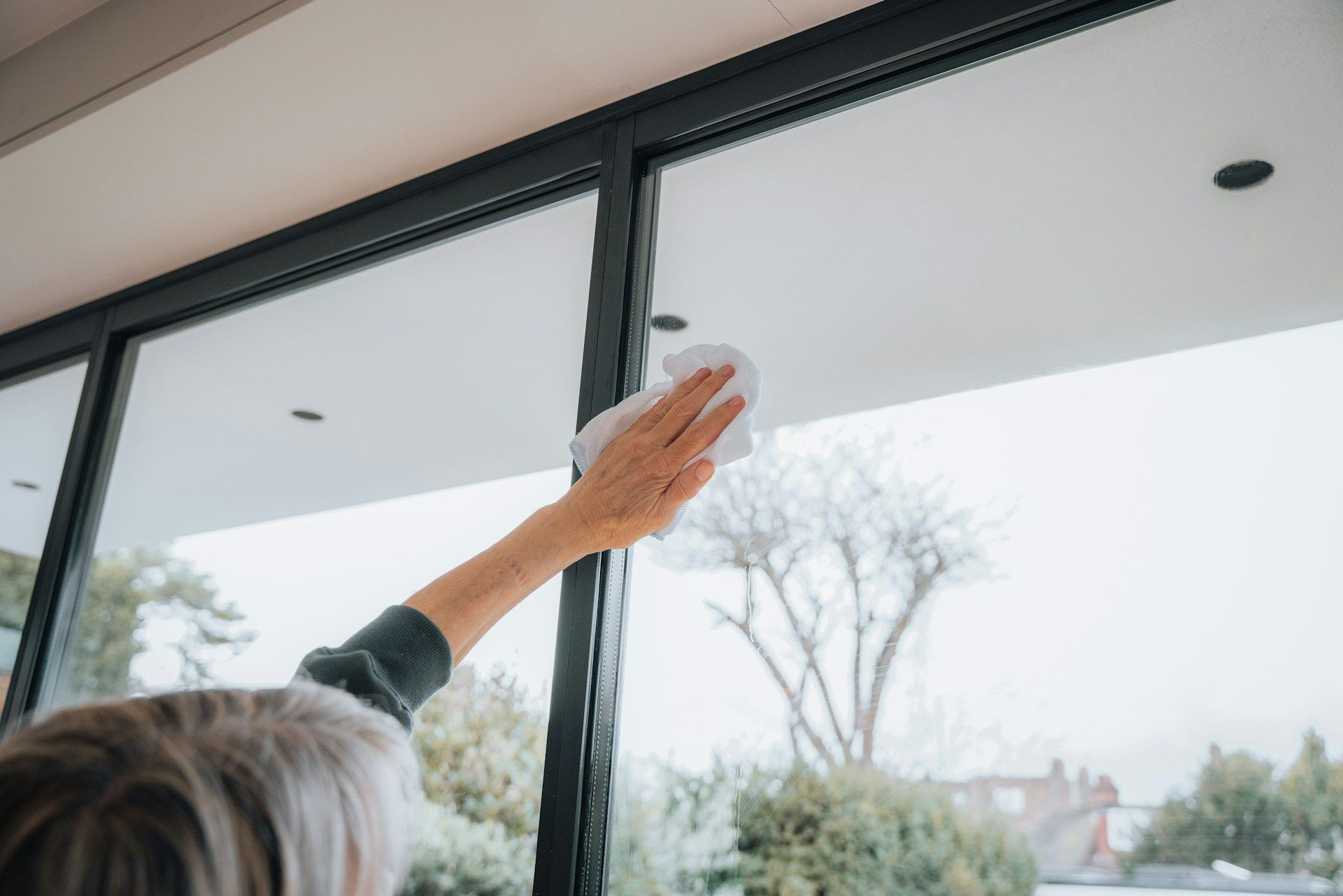
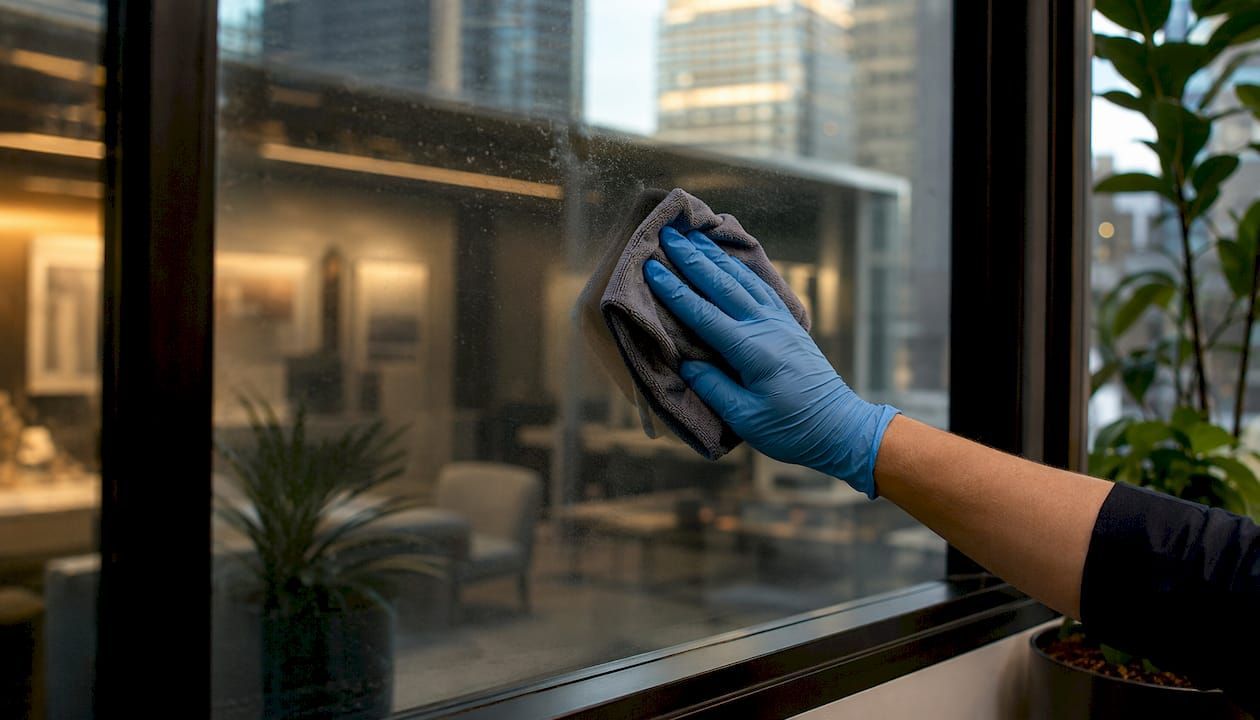
After installation, the film enters a 30–60 day curing period. Slight haziness or small water pockets during this phase are normal as the adhesive fully bonds. Cleaning during the cure can damage the film and void the warranty. The final inspection follows IWFA visual quality standards, and warranty registration is completed at that stage.
Large Cambridge commercial projects are typically phased floor by floor and scheduled after hours or on weekends to avoid disrupting tenants.
How window film cost and ROI break down for businesses
Window film cost for businesses depends on four variables: total glass area, film grade, glass access complexity, and whether after-hours scheduling is required. 3M guidance puts potential savings at $1–$2 per square foot of film installed, or up to 19 kWh per square foot of glass annually.
A large-scale case study at Century Plaza Towers showed a rapid payback after applying 3M Sun Control Window Film across many windows, aided by utility rebates. Cambridge-area properties may qualify for similar utility programs. Use Surfacetint's energy savings calculator to model your building's numbers before the estimate visit.
How to choose the right commercial window film installer
Certifications separate professional installers from general contractors who occasionally hang film. Look for manufacturer dealer status: LLumar SelectPro and 3M Certified Dealer programs require training, equipment standards, and ongoing performance reviews. Those certifications also determine whether the warranty comes from the manufacturer directly, which matters for a 10–15 year commercial film warranty.
Ask for references from comparable commercial projects, not just residential work. Red flags include installers who skip the site assessment, quote by phone without seeing the glass, or cannot provide manufacturer spec sheets showing VLT, UV rejection, and total solar energy rejected. Warranty terms should cover peeling, bubbling, cracking, and delamination from both the installer and the film manufacturer.
Security film warranties and attachment systems
Security film performance is a system, not just a film thickness number. 3M technical guidance specifies that certain safety applications require Impact Protection Attachment sealant bonding the film to the frame for windstorm, forced entry, and blast mitigation. Without the attachment system, even thick film can pull away from the frame on impact, defeating the purpose.
A certified dealer evaluates the frame condition and glass type before recommending whether an attachment system is needed. That assessment is what separates a professional security film installation from a DIY approach.
What the Cambridge commercial window film market looks like
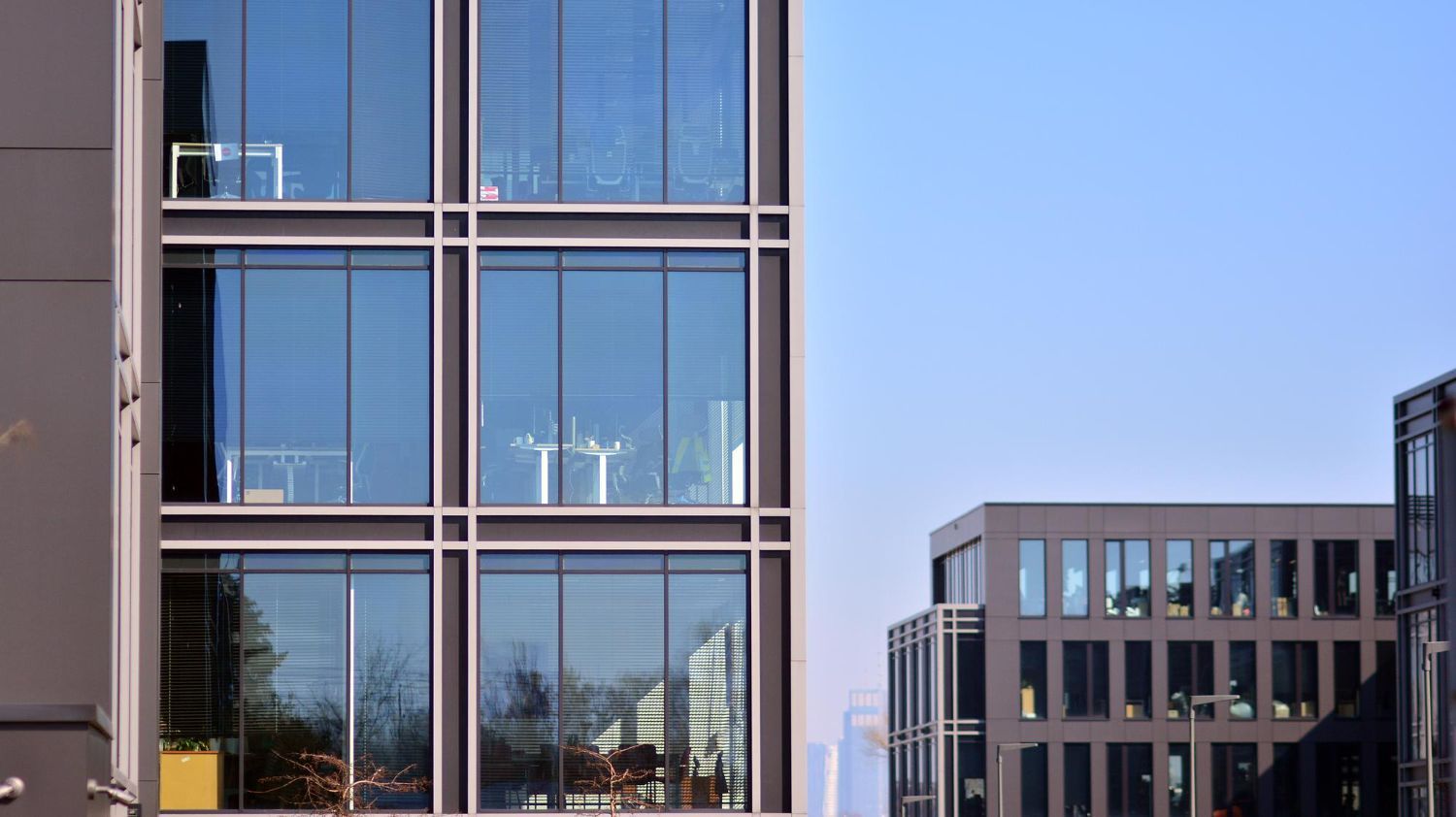
Cambridge has a mix of older brick-and-mortar office stock, newer lab and tech campuses, and ground-floor retail. That variety means film needs vary significantly by building age and glazing type. Older single-pane buildings benefit most from solar control and low-e films. Newer dual-pane buildings require careful film selection to avoid thermal stress on IGU seals.
Surfacetint serves Cambridge as part of its Greater Boston Area coverage, bringing LLumar Vista Films and certified installation to the local market. Generalist contractors occasionally offer window film as an add-on, but they typically lack manufacturer certification and the technical depth to assess complex glazing correctly.
Building code and regulatory compliance for Cambridge commercial properties
Massachusetts commercial buildings must comply with the International Energy Conservation Code as adopted by the state, which sets performance requirements for fenestration. Window film used as a retrofit does not typically require a building permit in Cambridge, but any modification to a historic building or a building in a historic district requires review by the Cambridge Historical Commission before work begins.
Film specifications should be documented for LEED or ENERGY STAR compliance purposes if the building participates in those programs. A certified installer provides manufacturer spec sheets that include the data points required for compliance documentation.
Environmental impact and sustainability of commercial window film
Window film extends the useful life of existing glazing rather than replacing it, which keeps glass and frame materials out of the waste stream. Nationwide commercial window upgrades show median site energy savings of 4%–6% for static retrofits, with buildings that have high window-to-wall ratios seeing the largest reductions in CO2 emissions.
Reduced HVAC runtime also extends equipment life and lowers refrigerant consumption. For Cambridge properties pursuing sustainability certifications or ESG reporting, window film is one of the faster, lower-disruption upgrades available with documented energy and emissions data to support the case.
Get a free commercial estimate from Surfacetint
Surfacetint gives Cambridge property managers a direct path to certified commercial window film installation, without the guesswork of vetting multiple contractors.
As an exclusive LLumar SelectPro Dealer, Surfacetint uses Vista Films across solar control, safety/security, and decorative/privacy categories, with manufacturer warranty registration handled at project close. After-hours and weekend scheduling is available for occupied buildings. Request a free commercial estimate to get a site assessment, film recommendations by elevation, and a detailed proposal. You can also browse the commercial project gallery to see completed Greater Boston installations before committing.
| Point | Details |
|---|---|
| Start with film type by goal | Solar control for energy/comfort, safety film for security, decorative for privacy. |
| Energy ROI is documented | LLumar reports 5–15% annual savings; 3M cites $1–$2 savings per square foot of film. |
| Cure period is non-negotiable | Allow 30–60 days after install before cleaning; early cleaning voids the warranty. |
| Security film needs a system | Attachment sealant bonded to the frame is required for forced-entry and windstorm applications. |
| Surfacetint serves Cambridge | LLumar SelectPro Dealer covering Greater Boston with certified installation and warranty support. |
Recommended