
How to improve window privacy with professional tinting
Many homeowners in Southern New Hampshire and Greater Boston struggle with balancing natural light and privacy. Traditional curtains and blinds block views entirely, while leaving windows uncovered exposes your home's interior to passersby and potential security risks. Professional window tinting offers a practical middle ground, reducing outward visibility during daylight hours while preserving your views and allowing sunlight to filter through. This guide walks you through how tinting works, what film types deliver the best privacy, and how to select options that comply with local regulations while enhancing your home's comfort and security.
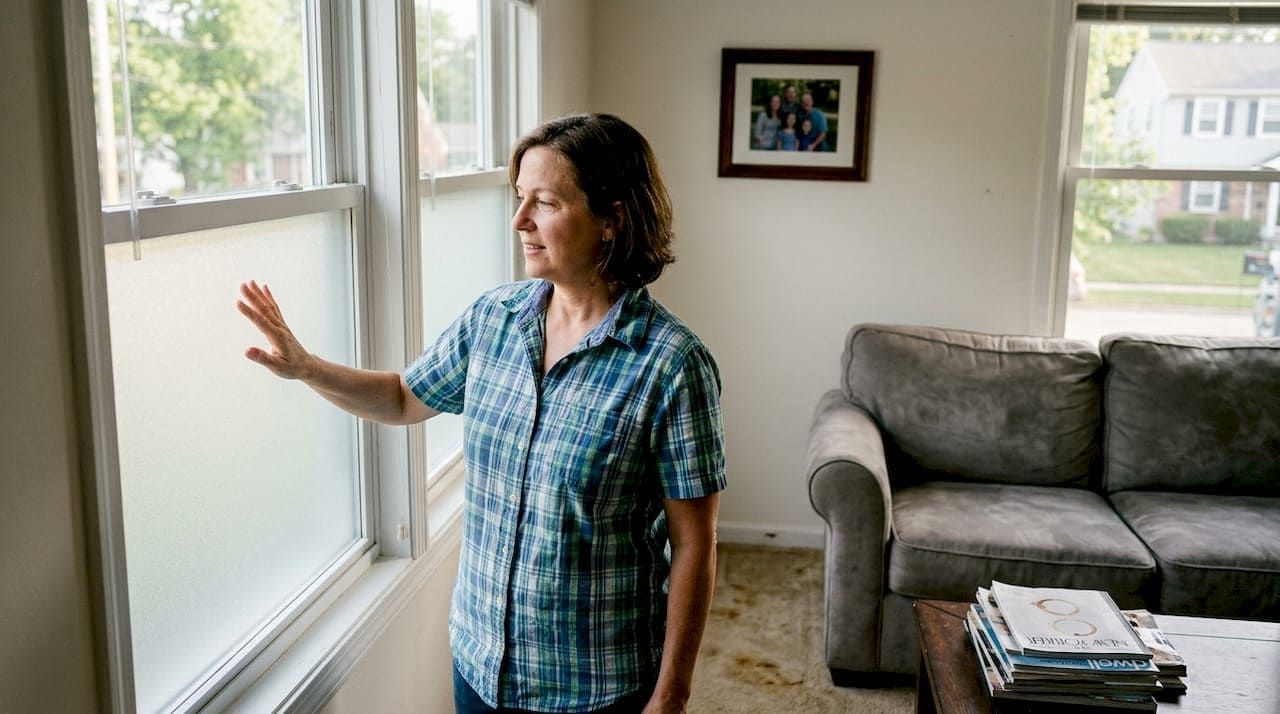
Table of Contents
- Key takeaways
- Understanding how window tinting improves privacy and security
- Choosing the right tint shade: balancing privacy, visibility, and legal compliance
- The professional installation process: what to expect and tips for success
- Maximizing privacy and energy savings with advanced ceramic films
- Enhance your home's privacy today with professional window tinting services
- How to improve window privacy: frequently asked questions
Key Takeaways
| Point | Details |
|---|---|
| Daytime privacy | Daytime privacy improves as films reduce outward visibility during the day while preserving your view of the outdoors. |
| Security benefits | Tinting strengthens glass by holding shards together during breakage, slowing entry and reducing risk from accidents or storms. |
| VLT balance | Choosing films with different VLT levels helps balance privacy and night visibility, with lower VLT offering more privacy and higher VLT offering more light. |
| Professional installation | Professional installation ensures durability, a clean appearance, and compliance with local tint laws. |
| Local tint laws | NH and MA regulate VLT thresholds for different windows, requiring compliant tint levels to avoid penalties. |
Understanding how window tinting improves privacy and security
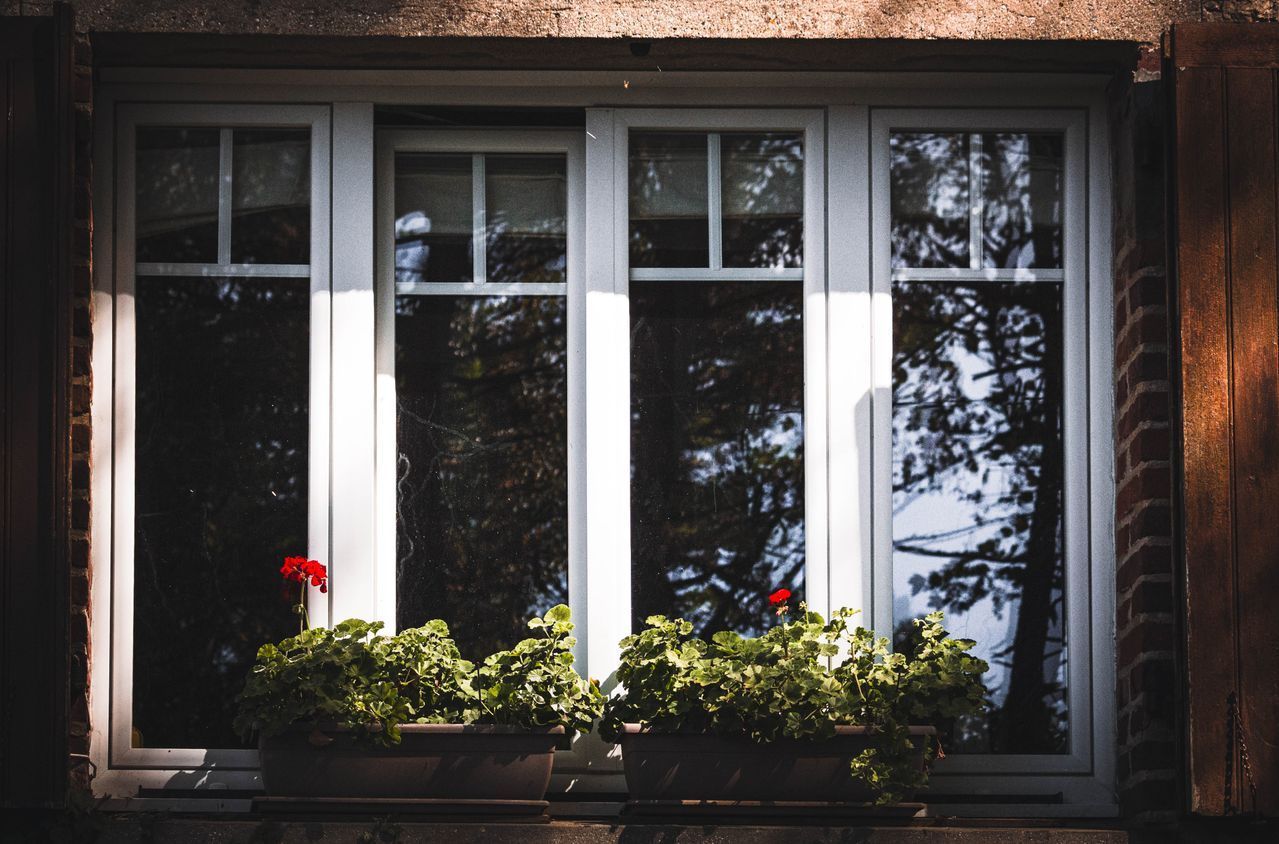
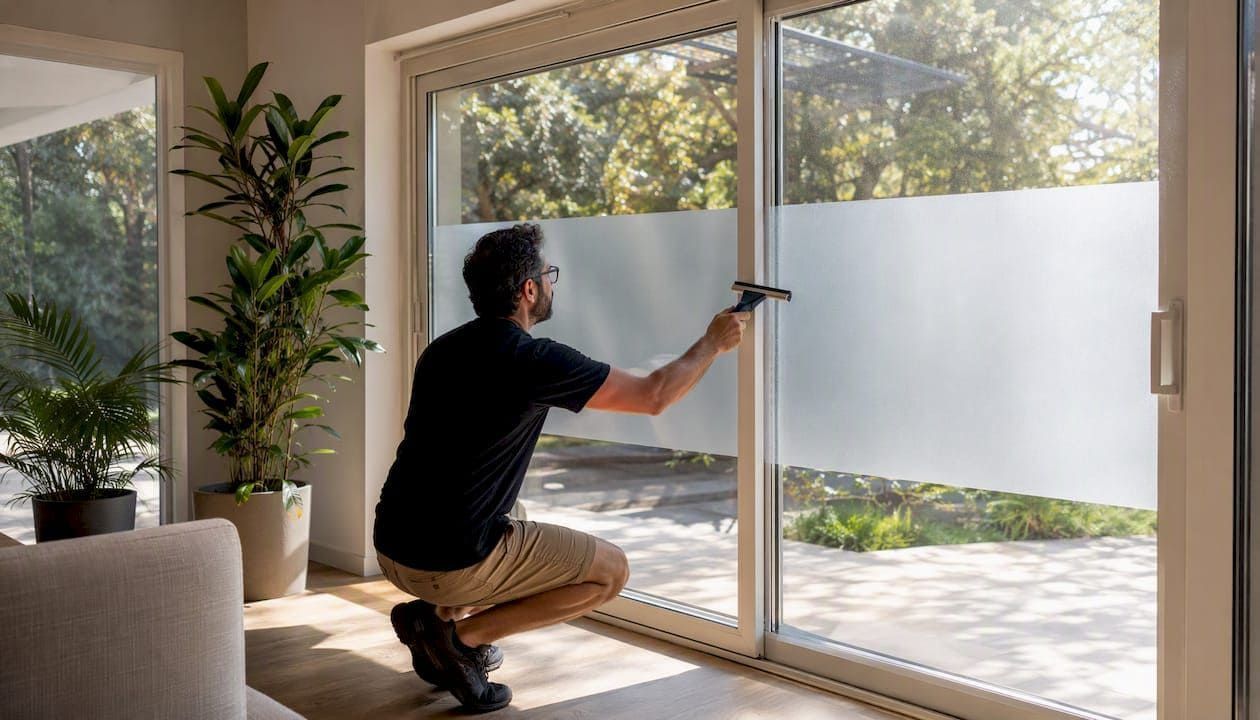
Window films create privacy by controlling how much light passes through glass and how clearly people can see inside your home. During daylight, professional window tinting improves privacy by using films with low Visible Light Transmission that block outward visibility while allowing you to see outside clearly. The contrast between bright outdoor light and darker interiors makes it nearly impossible for passersby to view inside during the day.
Different film types serve specific privacy needs. Frosted films scatter light to create an opaque appearance without blocking brightness entirely. Reflective and mirror films bounce light back outward, creating a one-way mirror effect during daylight. Privacy films use darker tints to reduce visibility from both directions, offering the strongest daytime privacy while sacrificing some inward views.
Beyond privacy, window tinting enhances security by holding shattered glass together when windows break. This shatterproof effect slows forced entry attempts and protects your family from flying glass during accidents or storms. Security films add blast and impact resistance, making windows significantly harder to breach. Reduced interior visibility also deters potential burglars by obscuring valuables from street view.
Window films deliver additional benefits that improve comfort and protect your investment:
- Block up to 99% of harmful UV rays that fade furniture, flooring, and artwork
- Reduce heat gain during summer months, lowering cooling costs
- Minimize glare on screens and reflective surfaces
- Add a uniform, polished appearance to exterior windows
Pro Tip: Combine privacy films on ground-level windows with lighter tints on upper floors to maximize security where it matters most while preserving brightness in bedrooms and living spaces.
"Privacy window films transform how your home interacts with the outside world. You maintain control over natural light and views while creating a barrier that protects your family's privacy and security throughout the day." — Window Film Expert
Exploring the top 5 benefits of tinting your home windows reveals how professional installation addresses multiple concerns simultaneously, from energy efficiency to UV protection.
Choosing the right tint shade: balancing privacy, visibility, and legal compliance
Visible Light Transmission percentage determines how much light passes through your window film. Higher VLT numbers mean more light transmission and less privacy, while lower VLT creates stronger privacy but reduces visibility from inside at night. Understanding this balance helps you select films that meet your privacy goals without compromising safety or comfort.
Privacy effectiveness depends on VLT: films with 35-50% VLT provide moderate daytime privacy with minimal impact on night visibility, 20-35% VLT delivers high privacy, and films below 20% VLT maximize privacy but significantly reduce your ability to see outside after dark. Most homeowners find 30-40% VLT offers the best balance for living spaces.
| VLT Range | Privacy Level | Night Visibility | Best Applications |
|---|---|---|---|
| 50-70% | Light | Excellent | Upper floors, north-facing windows |
| 35-50% | Moderate | Good | Living rooms, kitchens |
| 20-35% | High | Fair | Bathrooms, bedrooms |
| Below 20% | Maximum | Poor | Ground-level windows, street-facing rooms |
New Hampshire and Massachusetts enforce specific tinting regulations. NH law limits front sides to 70% or higher VLT, requiring relatively light tint that allows clear visibility. Rear windows must maintain 35% or higher VLT. Reflective films are prohibited entirely. Medical exemptions exist for documented light sensitivity conditions. Massachusetts enforces similar restrictions with slight variations in enforcement.
Ceramic films help maintain compliance while delivering superior performance. These advanced films reject heat effectively even at higher VLT percentages, letting you meet legal requirements without sacrificing comfort. Ceramic technology blocks infrared radiation that causes heat buildup, reducing cooling costs while preserving brightness.
Pro Tip: Request film samples from installers to test VLT levels in your actual home lighting conditions. What looks acceptable in a showroom may appear too dark or too light once installed, especially in rooms with limited natural light.
Curved or non-standard windows require professional fitting and heat shrinking to prevent bubbling, peeling, or gaps. Technicians use specialized tools to shape film precisely to window contours, ensuring seamless coverage that maintains both appearance and effectiveness. DIY installations on complex window shapes typically fail within months.
Consider these factors when selecting your tint shade:
- Room function and privacy needs
- Window orientation and daily sun exposure
- Local regulations and compliance requirements
- Night visibility importance for safety
- Aesthetic preferences and exterior appearance
Learn more about enhancing your home's privacy with clear window film options that deliver security benefits without dramatically altering light transmission. Compare solar film vs privacy film for your home to understand which technology addresses your specific concerns.
The professional installation process: what to expect and tips for success
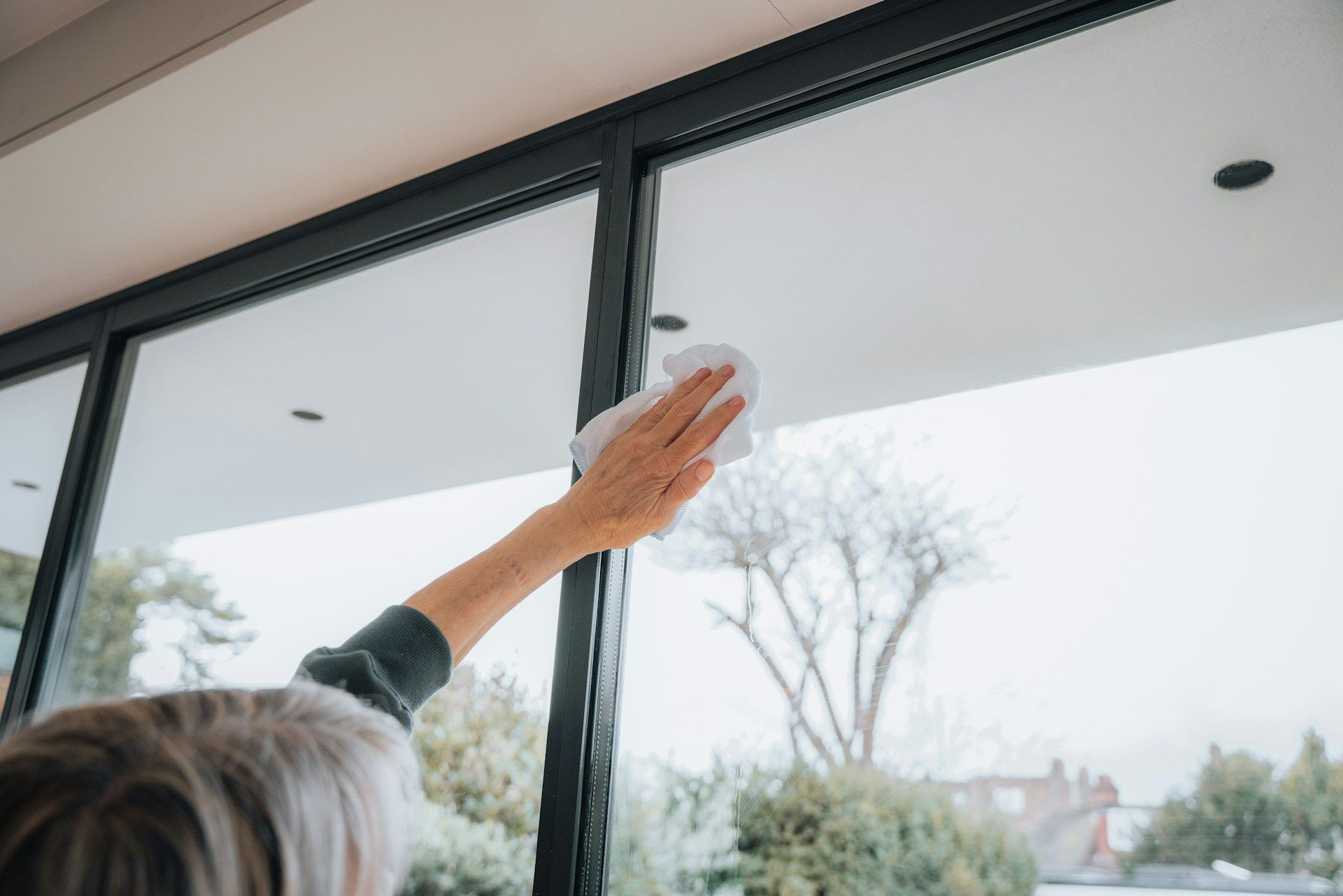
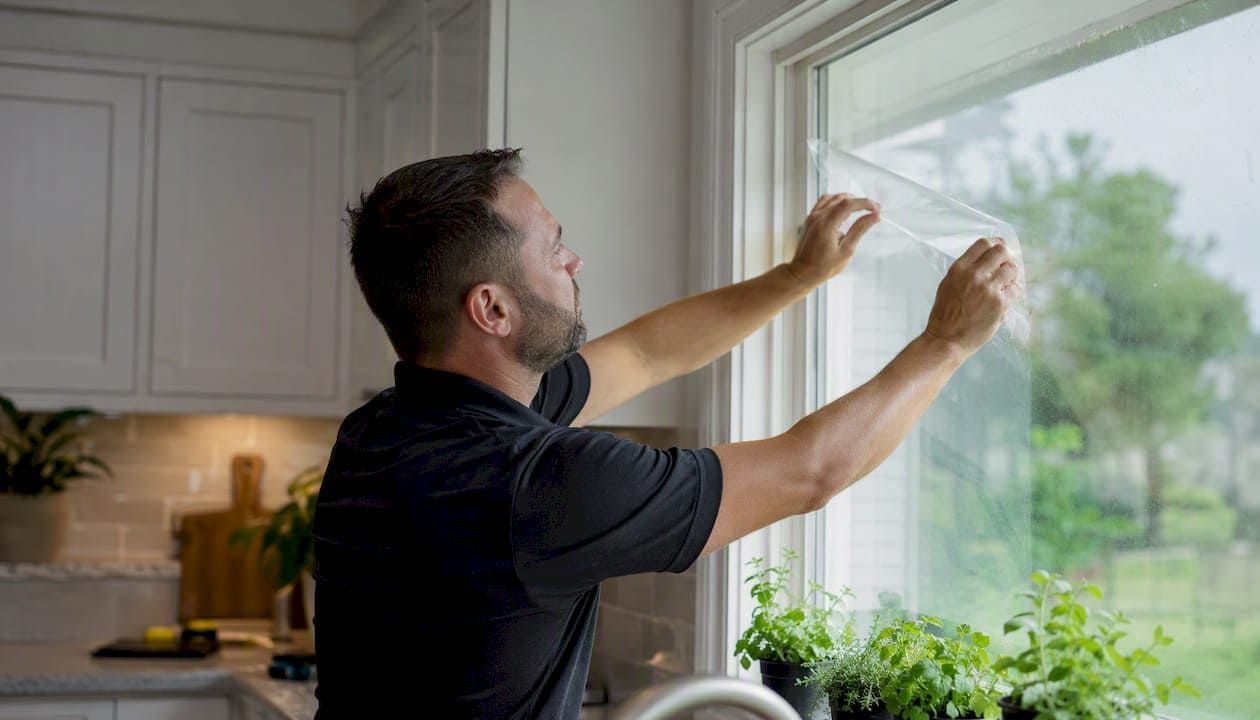
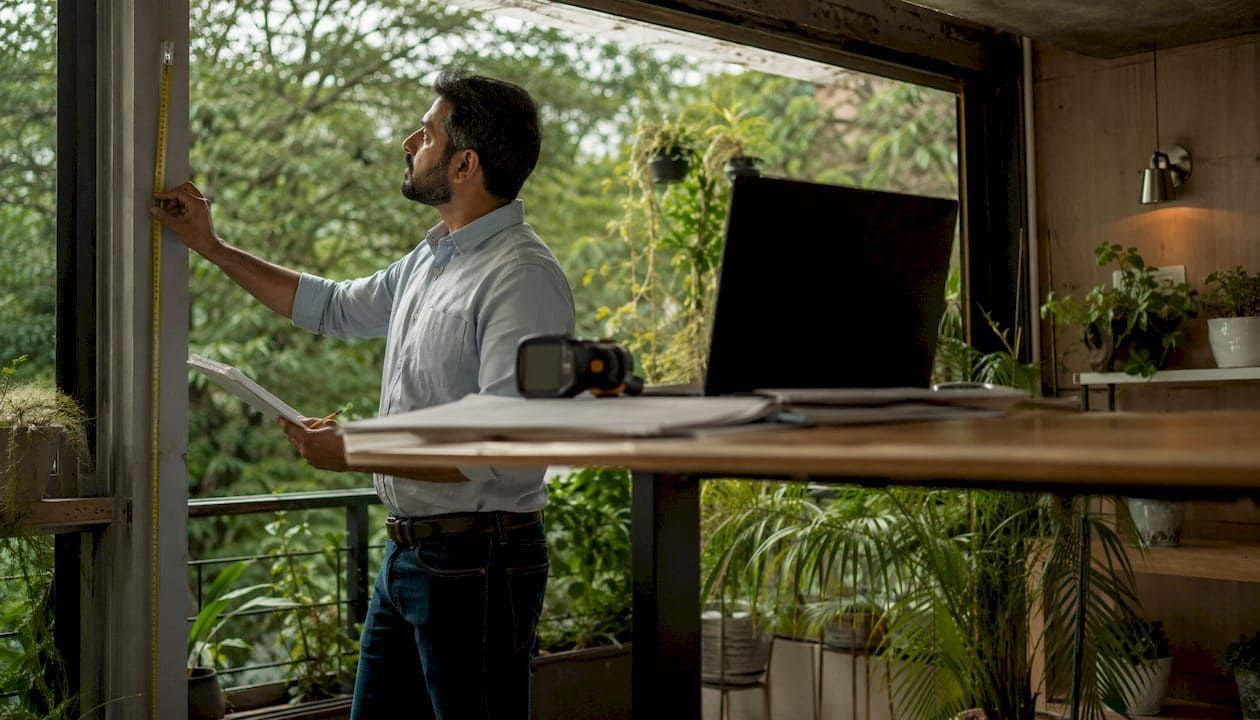
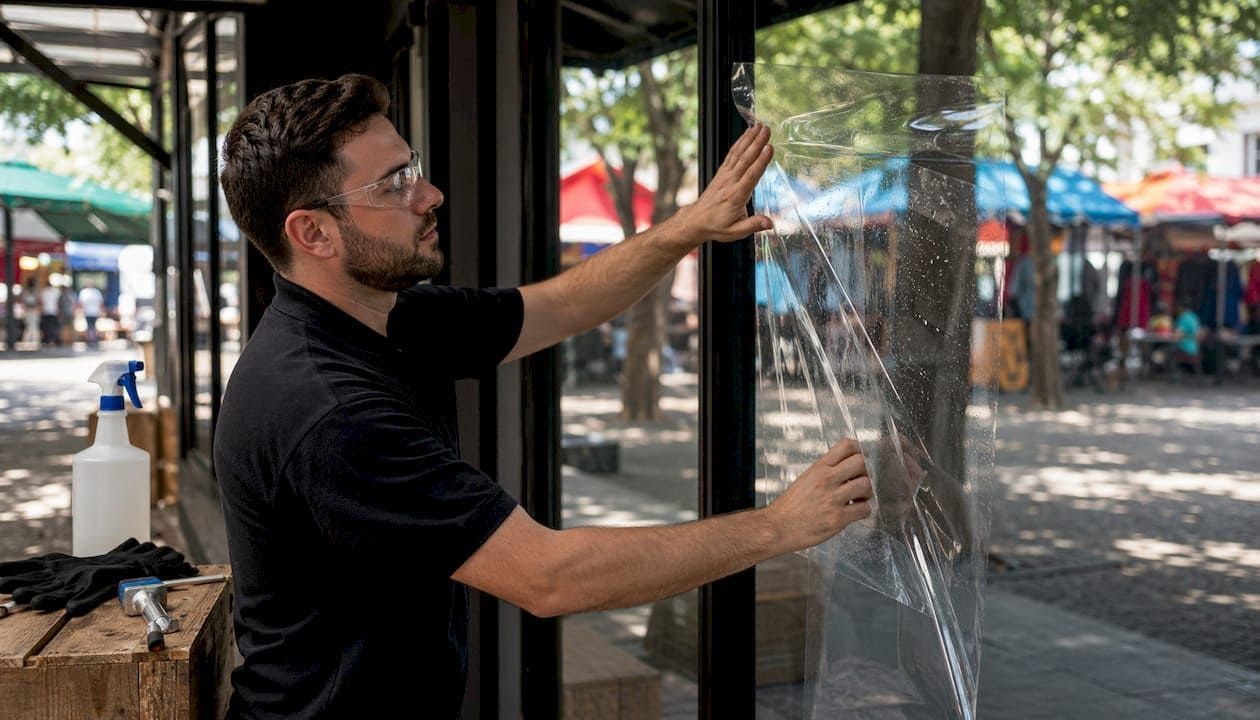
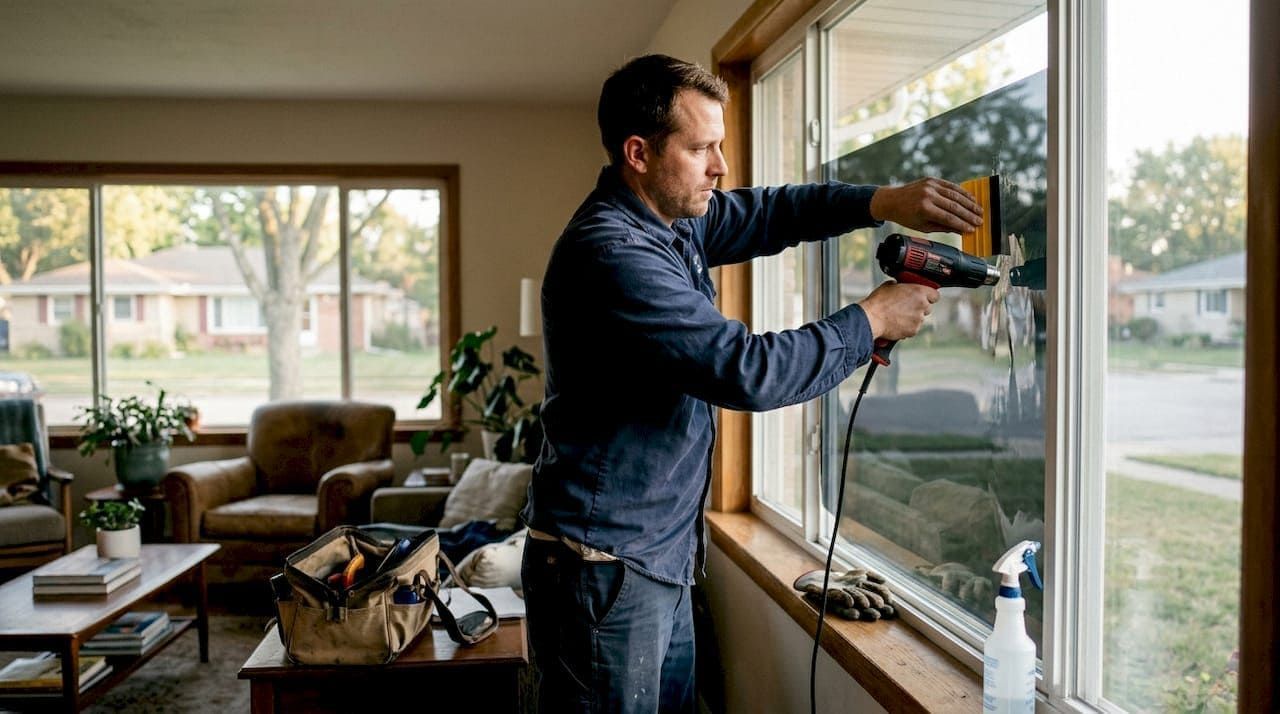
Professional installation ensures your window film performs correctly and lasts for years. The installation methodology involves thorough glass cleaning with razor blades and specialized solvents to remove all dirt, oils, and residue that could prevent proper adhesion. Even microscopic debris creates bubbles or causes film to peel prematurely.
Technicians follow a precise sequence:
- Measure each window carefully and cut film to exact dimensions
- Clean glass surfaces multiple times using different solutions
- Apply slip solution to both glass and film for positioning flexibility
- Place film on glass and adjust position before adhesive activates
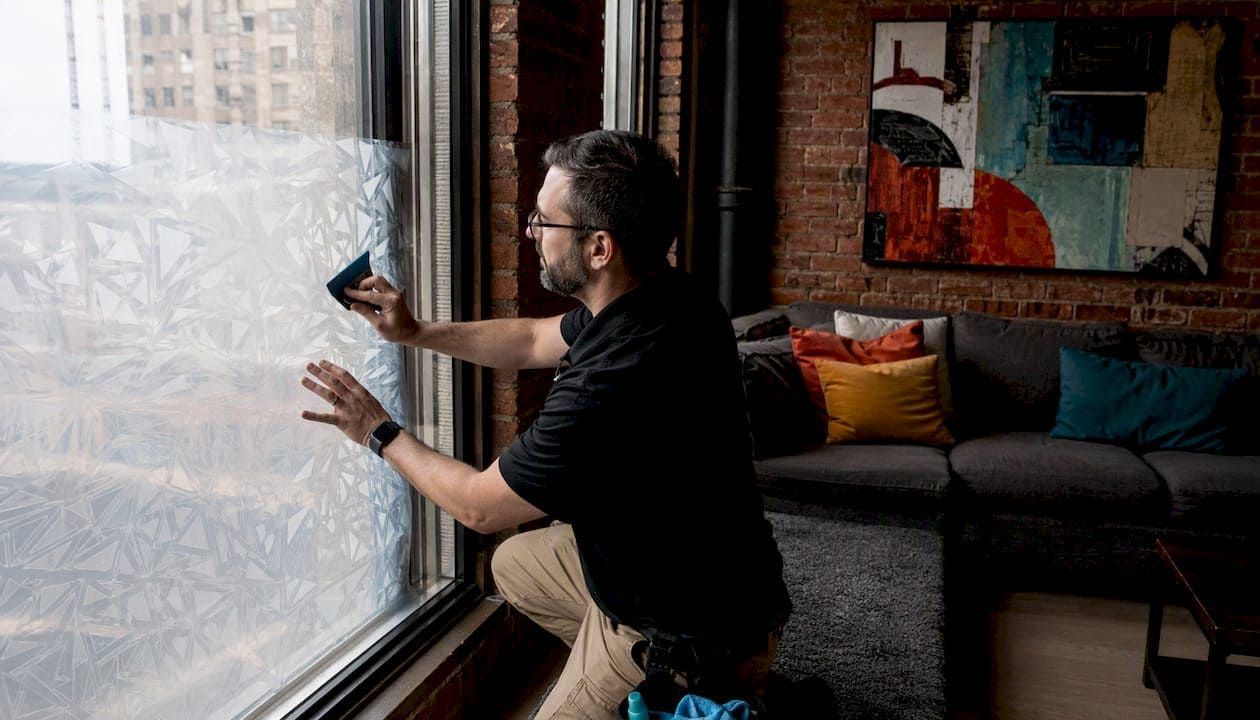
- Squeegee out all moisture and air bubbles using professional tools
- Trim excess film and seal edges for a clean finish
- Perform final inspection and quality check
Heat shrinking shapes film to curved windows without wrinkles or distortion. Installers use heat guns to carefully shrink film while stretching it into place, creating seamless coverage on bay windows, arched glass, and other complex shapes. This specialized technique requires training and experience to avoid damaging film or creating visible imperfections.
A curing period of 2-5 days is critical after installation. During this time, avoid rolling down windows, cleaning glass, or touching film surfaces. Moisture trapped between film and glass gradually evaporates as adhesive fully bonds. Disturbing film before curing completes causes bubbles, peeling, or permanent damage.
Pro Tip: Schedule installation during mild weather when you can leave windows closed comfortably for several days. Extreme heat or cold during the curing period can affect adhesive performance and final appearance.
Professional install takes 3-8+ hours for typical homes, depending on window count, sizes, and complexity. Technicians work methodically to ensure quality rather than rushing through the process. DIY installations risk bubbles, peeling, poor appearance, and potential legal noncompliance if VLT percentages are measured incorrectly.
After the curing period, maintain your tinted windows by:
- Cleaning with ammonia-free solutions and soft cloths
- Avoiding abrasive scrubbers or harsh chemicals
- Inspecting edges periodically for lifting or damage
- Addressing any issues promptly to prevent further deterioration
Understanding how to choose the right window film before installation helps you communicate effectively with technicians and make informed decisions about film types, VLT percentages, and warranty coverage.
Maximizing privacy and energy savings with advanced ceramic films
Ceramic films represent the latest advancement in window tinting technology, delivering superior performance across multiple metrics. Ceramic films offer heat rejection of 58-63% even at lighter VLT percentages, making them ideal for NH and MA legal compliance while maximizing privacy and security without visibility loss. This performance comes from nano-ceramic particles that block infrared radiation without requiring dark tints.
Traditional metallic films create privacy through reflective coatings but interfere with cell phone signals, GPS, and radio reception. Ceramic films contain no metal, eliminating these electronic interference issues while still delivering excellent heat rejection. This makes ceramic the preferred choice for modern homes filled with wireless devices and smart home systems.
Compare film technologies:
| Feature | Dyed Films | Metallic Films | Ceramic Films |
|---|---|---|---|
| Heat rejection | 30-40% | 40-50% | 58-63% |
| UV protection | 95-99% | 95-99% | 99%+ |
| Electronic interference | None | Significant | None |
| Glare reduction | Moderate | High | High |
| Legal compliance (NH/MA) | Varies | Often prohibited | Excellent |
| Durability | 3-5 years | 5-7 years | 10+ years |
Ceramic films block up to 99% of UV rays that cause furniture fading, floor discoloration, and skin damage. This protection extends the life of your interior furnishings while reducing health risks from prolonged sun exposure through windows. The combination of UV blocking and heat rejection significantly improves energy efficiency, reducing cooling costs during New England summers.
Key advantages for Southern NH and Greater Boston homeowners:
- Meet strict regional tinting laws while maximizing performance
- Maintain clear views and natural light without sacrificing privacy
- Reduce energy costs in both summer and winter months
- Protect valuable interiors from sun damage
- Eliminate hot spots near south and west-facing windows
"Ceramic window films solve the traditional tradeoff between privacy and brightness. Homeowners no longer need to choose between dark tints that create cave-like interiors and light tints that provide minimal privacy or heat rejection." — Energy Efficiency Consultant
Ceramic films cost more upfront than dyed or metallic alternatives, but their extended lifespan and superior performance deliver better long-term value. Most professional installations include warranties of 10-15 years for ceramic films compared to 3-7 years for traditional options.
For cold climate performance, explore the best window film for cold climates to understand how ceramic technology helps retain heat during winter while blocking heat gain in summer, creating year-round comfort and efficiency.
Enhance your home's privacy today with professional window tinting services
Professional window tinting combines privacy, security, energy savings, and aesthetic enhancements in a single upgrade.
Surface Dynamics Window Tinting offers expert installations with custom fitting for homes throughout
Southern New Hampshire and the Greater Boston Area, ensuring your tint meets regional regulations while delivering the performance you need.
As an exclusive LLumar SelectPro Dealer, Surface Dynamics uses Vista Films engineered for superior heat rejection, UV protection, and durability. These premium products outperform standard films while maintaining the clarity and appearance homeowners expect. Professional installation ensures proper adhesion, seamless coverage on complex window shapes, and warranty-backed results that last for years.
Request a free window tinting estimate to explore your options and find the best film for your specific needs. Technicians assess your home's orientation, window types, privacy concerns, and budget to recommend solutions that deliver maximum value. Get a detailed home window tinting free estimate with no obligation to help you make an informed decision.
View the residential window tinting photo gallery to see real installations and find inspiration for your privacy upgrade. These completed projects demonstrate how professional tinting transforms home appearance while addressing practical concerns about security, energy efficiency, and comfort.
How to improve window privacy: frequently asked questions
What level of tint provides the best privacy without sacrificing night visibility?
Films with 30-40% VLT offer the best balance for most homeowners, delivering strong daytime privacy while maintaining adequate night visibility for safety. This range blocks outward views during daylight hours when interior lighting is dimmer than outdoor brightness, but still allows you to see outside clearly after dark. Ground-level windows facing streets may benefit from lower VLT (20-30%) for maximum privacy, while upper-floor windows can use lighter tints (40-50%) that preserve brightness.
Can I install window tint myself or should I hire a professional?
Professional installation is strongly recommended for residential window tinting. DIY attempts typically result in bubbles, peeling edges, poor appearance, and potential legal issues if VLT percentages are measured incorrectly. Curved or large windows require specialized heat shrinking techniques and tools that most homeowners lack. Professional installers also ensure compliance with New Hampshire and Massachusetts regulations, provide warranties, and complete the job in hours rather than days. Get a home window tinting free estimate to compare professional costs against DIY risks.
Are there legal restrictions on window tinting in New Hampshire?
Yes, New Hampshire enforces specific tinting regulations. Front side windows must maintain 70% or higher VLT, allowing only light tints. Rear windows require 35% or higher VLT. Reflective films are prohibited entirely on all windows. Medical exemptions exist for documented conditions requiring reduced light exposure, but require physician certification and state approval. Violations result in fines and potential requirements to remove noncompliant tints. Professional installers ensure your film selection meets these legal requirements.
How does window tinting affect energy efficiency in cold climates?
Window tinting improves energy efficiency year-round in New England climates. During summer, films block heat gain and reduce cooling costs by rejecting infrared radiation before it enters your home. In winter, certain films help retain interior heat by adding an insulating layer to windows, reducing heat loss through glass. Ceramic films deliver the best cold climate performance, blocking summer heat while minimizing winter heat loss. Learn about choosing the right window film for optimal seasonal performance.
What types of window films offer the best security benefits for my home?
Security films, typically 4-8 mil thickness, provide the strongest protection by holding shattered glass together during breakage attempts. These films slow forced entry, protect against storm damage, and reduce injury risks from flying glass. Privacy films with lower VLT percentages add security by obscuring interior views, deterring potential burglars from targeting your home. Ceramic films combine security features with heat rejection and UV protection for comprehensive performance. Professional installers can recommend film combinations that address your specific security concerns.
Recommended