
Top window tinting ideas for homes to save energy and boost privacy
Choosing the right window tinting for your Southern New Hampshire or Greater Boston home can feel overwhelming with so many film types, performance claims, and installation options available. Homeowners want solutions that genuinely reduce energy bills, enhance privacy, and complement their home's style without sacrificing natural light or requiring constant maintenance. This guide cuts through the confusion by presenting practical, expert-backed window tinting ideas tailored to New England's unique climate and the specific needs of local homeowners seeking comfort, efficiency, and curb appeal.
Table of Contents
- Key takeaways
- How to choose the right window tint for your home
- 6 top window tinting ideas for Southern New Hampshire and Greater Boston homes
- Comparison of window tinting options for energy savings, privacy, and style
- Choosing the best window tint for your Southern New Hampshire or Greater Boston home
- Discover professional window tinting services near you
- FAQ
Key Takeaways
| Point | Details |
|---|---|
| Match film to orientation | Choose window films based on which windows face south or west to maximize heat control and glare reduction. |
| Consider glass type | Matching film to glass type prevents thermal stress and protects manufacturer warranties. |
| Define goals clearly | Identify whether you want energy savings, privacy, glare reduction, or aesthetics to guide film selection. |
| Professional installation matters | Professional installation ensures optimal performance, proper edge sealing, and warranty protection for high performance films. |
| Get an energy audit | Request a professional energy audit before selecting film to target high impact windows and maximize return on investment. |
How to choose the right window tint for your home
Selecting the best window film starts with evaluating your home's specific conditions and priorities. Begin by assessing your home's orientation, noting which windows face south or west and receive the most intense sunlight throughout the day. These high-exposure windows benefit most from solar control or ceramic films that block heat and glare without darkening rooms excessively. North and east-facing windows typically need less aggressive heat rejection but may still benefit from UV protection to prevent furniture fading.
Next, clarify your primary goal: energy efficiency, privacy, glare reduction, or aesthetic enhancement. Homeowners focused on lowering utility bills should prioritize low-E or ceramic films that reduce winter heat loss and summer heat gain. Those seeking privacy without heavy tinting can explore decorative or frosted films that obscure views while maintaining light transmission. Understanding your glass type is equally important, as matching film to glass type prevents thermal stress that can crack panes or void manufacturer warranties.
Consider these key factors when evaluating window tinting options:
- Determine which rooms experience the most temperature fluctuations or glare issues throughout the day
- Identify windows with existing low-E coatings or tempered glass that require compatible film types
- Assess your budget for both materials and professional installation to avoid cutting corners on performance
- Consider how much natural light you want to preserve versus how much heat rejection you need
- Evaluate whether you need daytime privacy only or require additional nighttime solutions
Pro Tip: Request a professional energy audit before selecting window film to identify which windows contribute most to heat loss or gain, allowing you to prioritize high-impact installations and maximize return on investment.
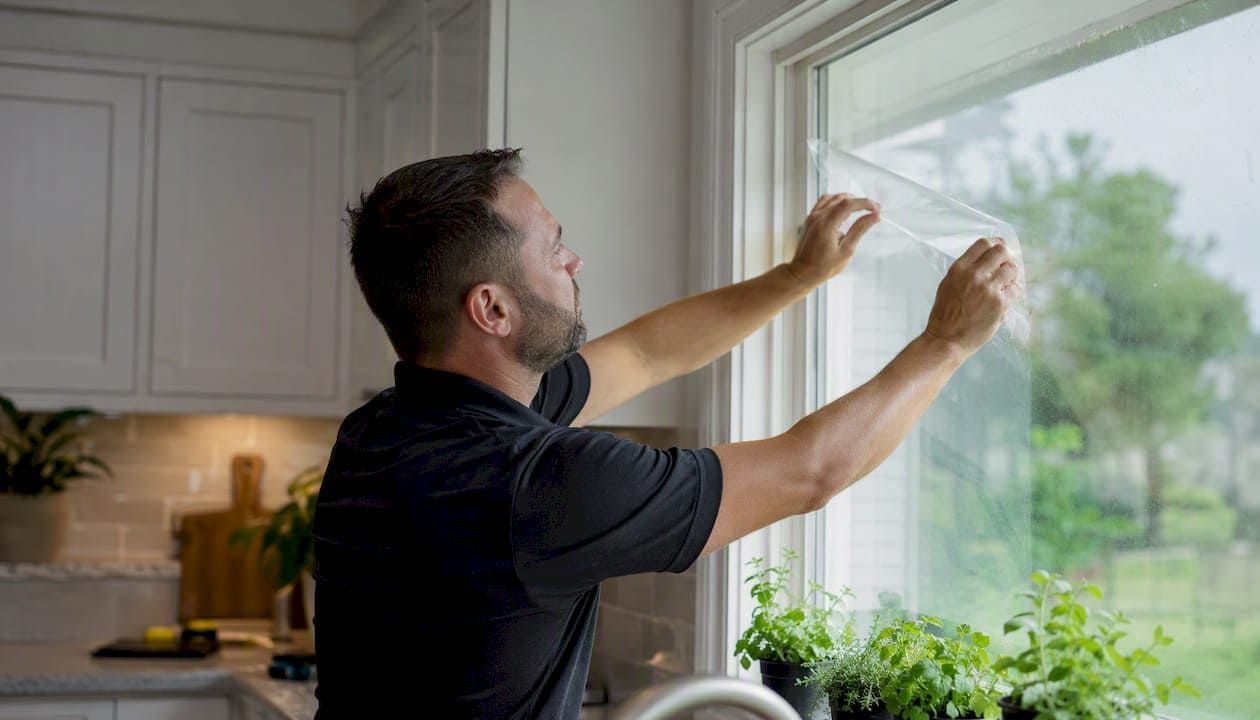
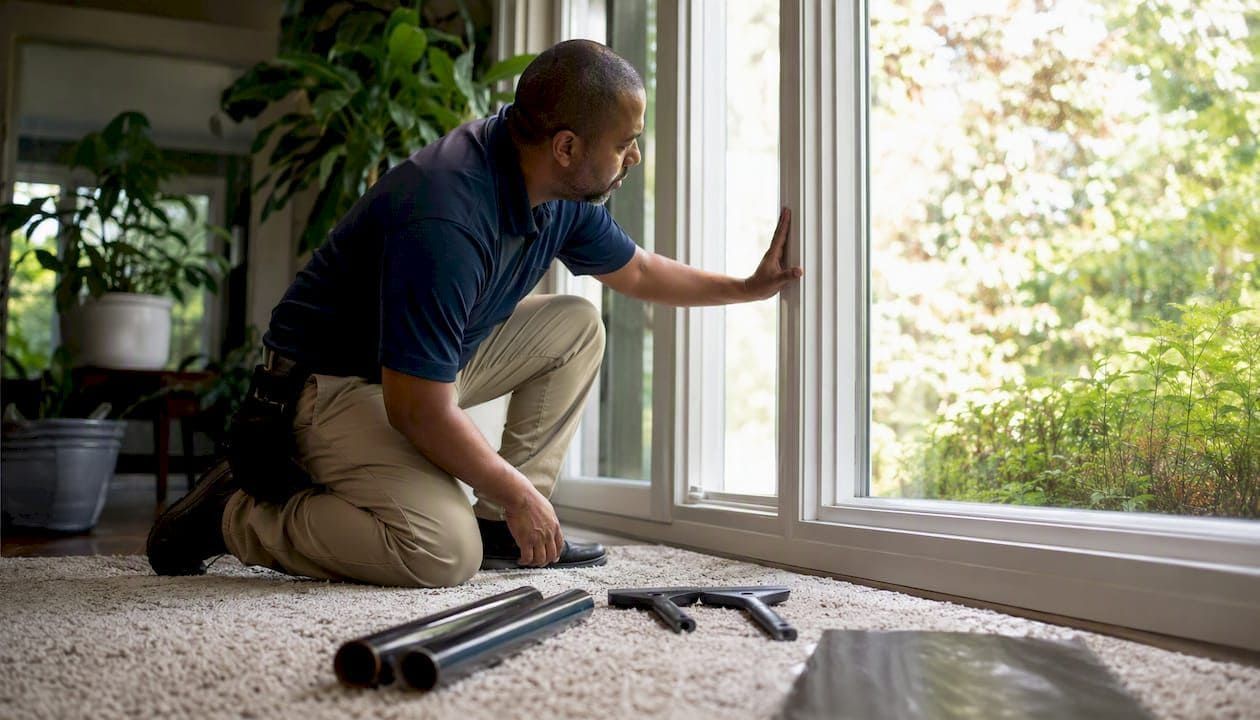
While DIY installation may seem cost-effective for simple decorative films, professional installation is strongly recommended for energy-efficient or safety films. Experts have the tools and experience to apply films without bubbles, ensure proper edge sealing, and provide warranties that protect your investment. For complex glass types like dual-pane low-E or tempered windows, professional assessment prevents costly mistakes. Homeowners in Southern New Hampshire and Greater Boston can benefit from window film for cold climates that specifically addresses the region's heating demands and seasonal temperature swings.
6 top window tinting ideas for Southern New Hampshire and Greater Boston homes
Understanding the range of available window films helps you match solutions to your home's specific needs. Each film type offers distinct advantages for energy efficiency, privacy, or protection, and many homeowners combine multiple film types across different rooms to optimize performance throughout their property. Window films include solar control, low-E, ceramic, decorative, privacy, and safety types that address diverse residential challenges.
- Solar control films excel at blocking heat and glare on south and west-facing windows that receive direct afternoon sun. These films reject up to 80% of solar heat while maintaining reasonable visible light transmission, making rooms more comfortable during summer months without creating a cave-like atmosphere. They are particularly effective in sunrooms, home offices, and bedrooms where glare interferes with screen visibility or sleep quality.
- Low-E films specialize in reducing winter heat loss by reflecting interior warmth back into living spaces rather than allowing it to escape through glass. These films improve insulation performance significantly, helping New England homeowners reduce heating costs during long winters. Low-E films work year-round by also blocking summer heat, making them versatile choices for homeowners seeking maximum energy efficiency across all seasons.
- Ceramic films deliver superior year-round performance by combining high heat rejection with excellent clarity and no signal interference for electronics. Unlike metallic films that can disrupt cell phone or WiFi signals, ceramic films use non-metallic nano-ceramic particles to block infrared heat while allowing visible light to pass through. They represent premium options for homeowners who refuse to compromise on performance or aesthetics.
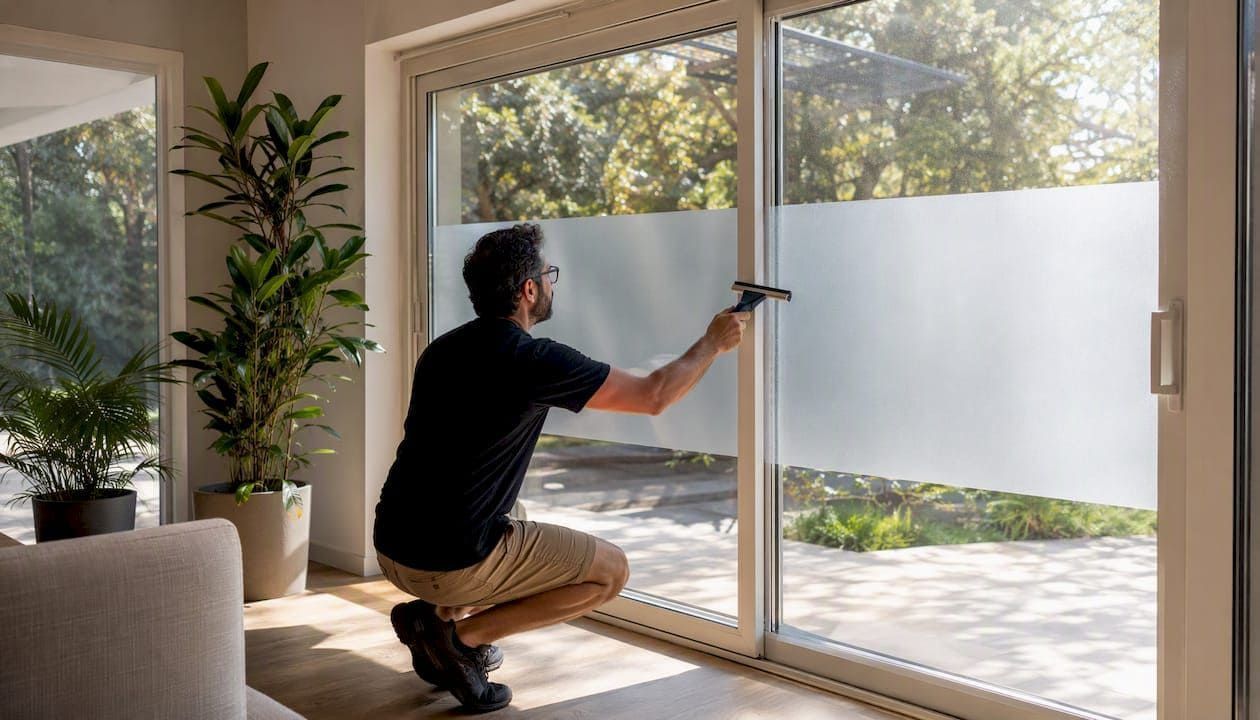
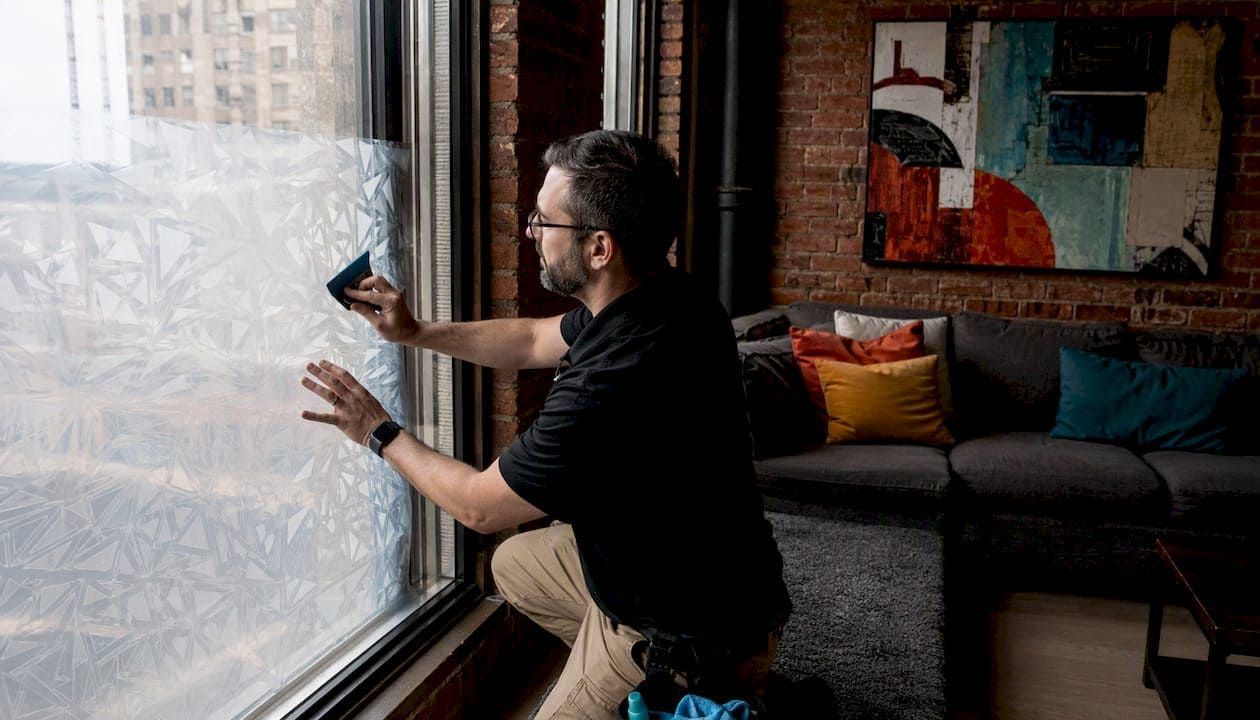
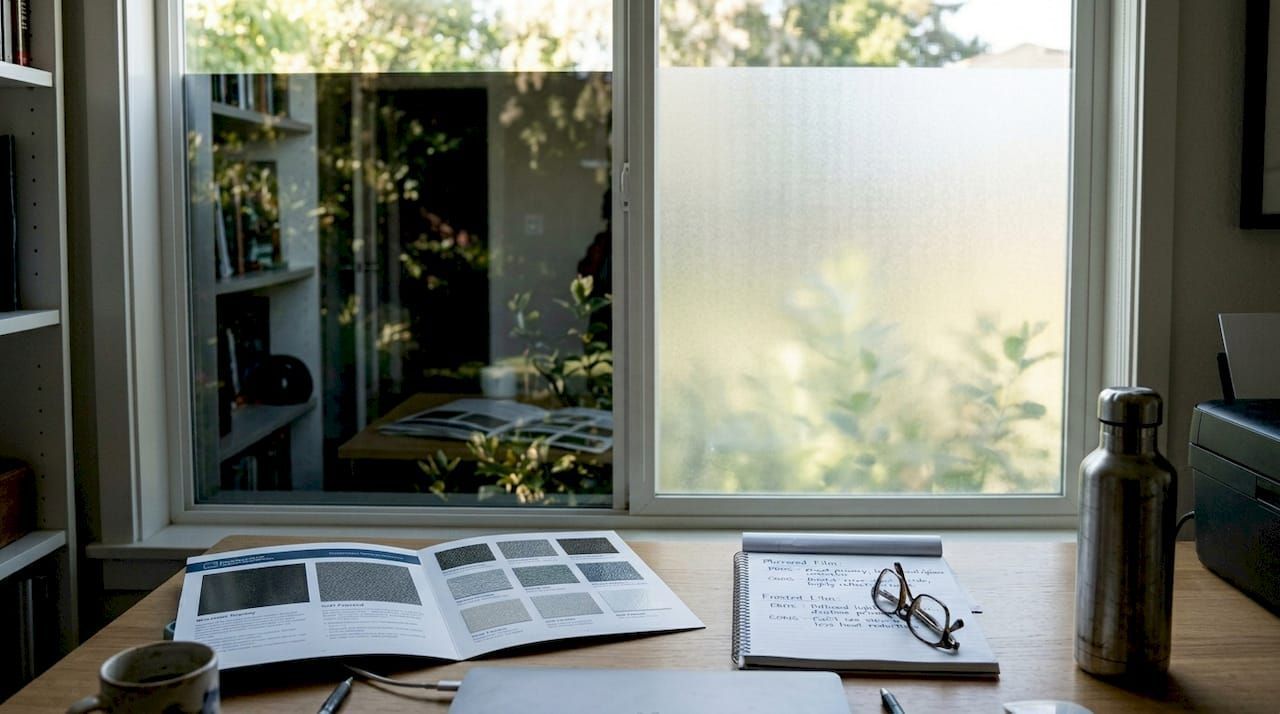
- Decorative films add privacy and visual interest without heavily reducing natural light or requiring expensive glass replacement. Available in frosted, etched, patterned, and textured designs, these films transform plain windows into design features while obscuring views from outside. They are ideal for bathrooms, entryways, and street-facing windows where privacy matters but maintaining brightness is equally important.
- Privacy films create one-way visibility during daylight hours, allowing you to see out while preventing outsiders from seeing in. These films work by reflecting more light on the brighter side, typically the exterior during daytime. However, this effect reverses at night when interior lights make rooms visible from outside, requiring supplemental window treatments for complete 24-hour privacy.
- Safety and security films strengthen glass by holding shattered pieces together during impacts, preventing dangerous shards from scattering. These thicker films deter break-ins by making windows harder to penetrate and protect occupants during storms or accidents. Many homeowners combine safety films with other film types to achieve both protection and energy efficiency in a single installation.
Exploring residential window films reveals how these options can be customized and combined to address multiple concerns simultaneously. For homeowners interested in aesthetic enhancements alongside functional benefits, decorative window films for homes offer extensive design possibilities that complement any interior style.
Comparison of window tinting options for energy savings, privacy, and style
Comparing window film performance across key criteria helps you identify which options align with your priorities and budget. Energy savings range from 10-25% winter heat retention and up to 80% summer heat rejection depending on film type and climate, making proper selection critical for maximizing return on investment. The following comparison highlights how different films perform across essential homeowner concerns.
| Film Type | Winter Heat Retention | Summer Heat Rejection | UV Blocking | Privacy Level | Light Reduction | Maintenance |
|---|---|---|---|---|---|---|
| Solar Control | Moderate | High (70-80%) | 99%+ | Low | Moderate (20-40%) | Low |
| Low-E | High (15-25% savings) | Moderate | 99%+ | Low | Low (10-20%) | Low |
| Ceramic | High | Very High (80%+) | 99%+ | Low | Low (15-25%) | Very Low |
| Decorative | Low | Low | Variable | High | Variable | Low |
| Privacy | Low | Moderate | 99%+ | High (daytime) | Moderate | Low |
| Safety/Security | Moderate | Low | 99%+ | Low | Low | Moderate |
When evaluating these options, consider how each film's characteristics match your home's specific challenges:
- Homes with high heating costs benefit most from low-E or ceramic films that retain warmth during New England winters
- Properties with intense afternoon sun exposure require solar control or ceramic films to reduce cooling loads
- Street-facing windows or homes close to neighbors gain privacy from decorative or reflective films
- Families with young children or homes in storm-prone areas should prioritize safety films for protection
- Homeowners sensitive to natural light should favor ceramic or low-E films that minimize visible light reduction
Pro Tip: Nighttime privacy requires combining reflective or privacy films with interior window treatments like cellular shades or curtains, as no film alone prevents visibility when interior lights are on and exterior is dark.
Professional installation becomes increasingly important as film performance demands increase. While decorative static cling films can be DIY projects, energy-efficient and safety films require precise application to avoid bubbles, edge lifting, or thermal stress that voids warranties. Reputable installers provide guarantees covering both materials and workmanship, protecting your investment and ensuring films perform as specified. Understanding the benefits of home window tinting helps homeowners appreciate why professional installation delivers superior long-term value despite higher upfront costs.
Choosing the best window tint for your Southern New Hampshire or Greater Boston home
Matching window film to your home's specific conditions ensures you achieve desired results without overspending or underperforming. For new construction or major renovations, integrate low-E or ceramic films during the building phase to maximize energy efficiency from day one. Prioritize low-E or ceramic films on south and west-facing windows where solar heat gain and loss are most significant, reserving less expensive options for north and east exposures that experience lower thermal stress.
Consider these tailored recommendations based on common homeowner scenarios:
- Older homes with single-pane windows gain dramatic efficiency improvements from low-E films that add insulation value without requiring full window replacement
- Modern homes with existing low-E glass benefit from ceramic films that enhance performance without risking thermal stress from incompatible coatings
- Bathrooms and entryways need decorative or frosted films that provide privacy while maintaining natural light and visual appeal
- Home offices and media rooms require glare-reducing solar control films that improve screen visibility and occupant comfort
- Families with children or homes in high-crime areas should invest in safety films that strengthen glass and deter break-ins
Combining window film with complementary energy upgrades like weatherstripping, insulation, and programmable thermostats multiplies efficiency gains. Window film alone cannot overcome poor insulation or air leaks, but it significantly reduces the thermal load on heating and cooling systems when integrated into a comprehensive efficiency strategy. Reserve DIY installation for decorative static cling films that require no adhesive and can be easily repositioned or removed. Performance films demanding permanent adhesive application and precise techniques should always be handled by certified professionals who guarantee results.
Get free estimates from trusted local providers who understand New England's climate demands and can recommend films proven to perform in cold winters and humid summers. Reputable installers assess your home's specific conditions, explain trade-offs between film types, and provide written warranties covering both materials and labor. Exploring residential window tinting options with local experts ensures you receive personalized guidance rather than generic recommendations that may not suit your property's unique characteristics.
Discover professional window tinting services near you
Now that you understand which window films best serve your energy, privacy, and style goals, connecting with experienced local professionals makes implementation straightforward and stress-free. Surface Dynamics Window Tinting specializes in residential projects throughout Southern New Hampshire and Greater Boston, offering customized solutions that address the region's specific climate challenges. As an exclusive LLumar SelectPro Dealer, they provide access to premium Vista Films with superior performance against heat, glare, UV rays, and security concerns.
Whether you need solar control films for west-facing rooms, decorative films for bathroom privacy, or safety films for storm protection, local experts deliver tailored recommendations backed by free estimates and professional installation. Explore home window tinting free estimate options to receive personalized assessments of your property's needs and detailed proposals outlining costs, timelines, and expected performance improvements. For homeowners seeking aesthetic enhancements alongside functional benefits, custom decorative window tinting transforms ordinary glass into design features that complement any interior style. Discover how solar window films for homes reduce energy costs and improve comfort year-round with solutions proven effective in New England's demanding climate.
FAQ
What is the best window tint for homes in cold climates?
Low-E and ceramic films excel in cold climates by reducing heat loss through windows while blocking drafts that make rooms feel colder than actual temperatures. These films reflect interior warmth back into living spaces, improving insulation performance and reducing heating costs during long New England winters. They also provide year-round benefits by blocking summer heat gain, making them versatile investments for homeowners seeking maximum energy efficiency across all seasons. Learn more about best window film for cold climates to understand which specific products perform best in your area.
Can I install window tint myself or should I hire a professional?
DIY installation is viable for simple decorative static cling films that require no adhesive and can be easily repositioned if mistakes occur. However, performance films demanding permanent adhesive application risk bubbles, edge lifting, and thermal stress that void manufacturer warranties when installed improperly. Professional installation ensures proper surface preparation, precise application, and warranties covering both materials and workmanship, protecting your investment and guaranteeing films perform as specified. For energy-efficient or safety films, professional expertise delivers superior long-term value despite higher upfront costs. Understand the full home window tinting benefits that professional installation protects, and review heritage window repair considerations for specialized glass types requiring expert handling.
Does window tinting affect natural light and night privacy?
Window tinting reduces glare and blocks harmful UV rays while allowing substantial visible light transmission, though darker films do decrease interior brightness noticeably. Ceramic and low-E films minimize light reduction while maximizing heat rejection, preserving natural daylight without compromising energy efficiency. At night, privacy becomes limited because reflective and privacy films work by reflecting light from the brighter side, typically the exterior during daytime. When interior lights are on and exterior is dark, this effect reverses, making rooms visible from outside. Homeowners requiring 24-hour privacy should combine window films with interior treatments like cellular shades or curtains that provide nighttime coverage. Explore decorative window films that balance privacy and light transmission for spaces needing both qualities.
How long does professional window tinting last?
Professionally installed window films typically last 10 to 20 years depending on film quality, installation precision, and exposure conditions. Premium ceramic and low-E films from manufacturers like LLumar Vista often carry warranties extending 10 to 15 years, guaranteeing performance against peeling, bubbling, or discoloration. Proper maintenance, including cleaning with non-abrasive solutions and avoiding sharp objects near film edges, extends lifespan significantly. Films on south and west-facing windows exposed to intense sun may show wear sooner than those on shaded exposures, making regular inspections important for identifying early signs of degradation.
Do window films work on all glass types?
Most window films work on standard annealed glass, but specialized glass types like tempered, laminated, low-E coated, or dual-pane insulated glass require careful film selection to avoid thermal stress or coating incompatibility. Applying incompatible films can cause glass to crack from uneven heating or void existing low-E coating warranties. Professional installers assess your glass type and recommend films proven compatible, often conducting thermal stress analyses for complex installations. Homeowners with specialty glass should always consult certified professionals before purchasing or installing any window film to prevent costly damage and ensure optimal performance.
Recommended
- Top 5 Benefits of Tinting Your Home Windows
- Bathroom Window Tint Ideas That Let Light In and Block Views
- Reduce Heat and Glare with Home Window Tinting Solutions
- Why Retail Window Tint is a Must-Have for Store Owners
- Exploring Double Glazing: Benefits And Functionality - Log Cabin Kits To Buy Online