
LEED Certification and Window Film: A Property Manager's Guide
TL;DR:
- Window film helps buildings earn up to nine LEED credits by reducing solar heat gain, cooling loads, and glare.
- Proper documentation of NFRC-certified performance data is essential for LEED credit approval and successful implementation.
LEED certification is a third-party green building rating system developed by the U.S. Green Building Council (USGBC) that scores buildings on measurable sustainability performance. Window film is a retrofit technology applied directly to existing glass that reduces solar heat gain, blocks UV radiation, and cuts cooling loads without replacing windows. Together, understanding what is LEED certification and window film means recognizing that a single film installation can earn a building up to 9 LEED credits across Energy and Atmosphere, Indoor Environmental Quality, and Materials and Resources categories. For property managers in Southern New Hampshire and the Greater Boston Area, this combination offers one of the most cost-effective paths to green building certification available today.

How does window film contribute to LEED credits and energy efficiency?
Window film earns LEED credits primarily by reducing the Solar Heat Gain Coefficient (SHGC) of existing glass assemblies. SHGC measures how much solar heat passes through a window. A lower SHGC means less heat enters the building, which directly reduces the cooling load on HVAC systems.
High-performance solar control films reject 30–80% of solar infrared heat depending on the product selected. That range matters because it means even a modest film upgrade on a south-facing commercial facade can meaningfully shift a building's energy model. The reduction in cooling demand is what qualifies a project for the Optimize Energy Performance credit under LEED's Energy and Atmosphere category.
The LEED certification process requires buildings to outperform ASHRAE 90.1 energy baselines. Window film delivers 5–15% cooling load reductions compared to those baselines. That performance gap is exactly what LEED energy modelers need to document credit eligibility.
Beyond energy, window film also supports Indoor Environmental Quality (IEQ) credits. Spectrally selective solar control films reduce glare by over 70%, which improves occupant comfort and visual acuity. LEED rewards this under its IEQ category because glare directly affects worker productivity and tenant satisfaction.
The key LEED credit categories window film can influence include:
- Energy and Atmosphere: Optimize Energy Performance through reduced cooling loads
- Indoor Environmental Quality: Glare control, daylight quality, and occupant comfort
- Materials and Resources: Avoiding full window replacement reduces construction waste
- Innovation: Documented performance improvements beyond standard credit thresholds
Pro Tip: Specify films with a high Visible Light Transmission (VLT) rating alongside low SHGC values. This combination preserves natural daylight and views, which protects your LEED daylight credits while still cutting heat.
What types of window film exist and how do they differ?
Window film is not synonymous with dark tint. Modern high-performance films include spectrally selective products engineered to reject infrared heat and UV radiation while keeping interiors bright and clear. This distinction matters for LEED projects because films that darken a space too much can actually hurt IEQ credits by reducing daylight quality.
The four main film categories each serve a different function on LEED projects:
| Film Type | Primary Function | LEED Relevance |
|---|---|---|
| Spectrally selective solar control | Rejects infrared heat, high VLT | Energy and Atmosphere, IEQ |
| Standard solar control | Reduces heat and glare, moderate VLT | Energy and Atmosphere |
| Safety and security film | Holds glass together on impact | Materials and Resources, Innovation |
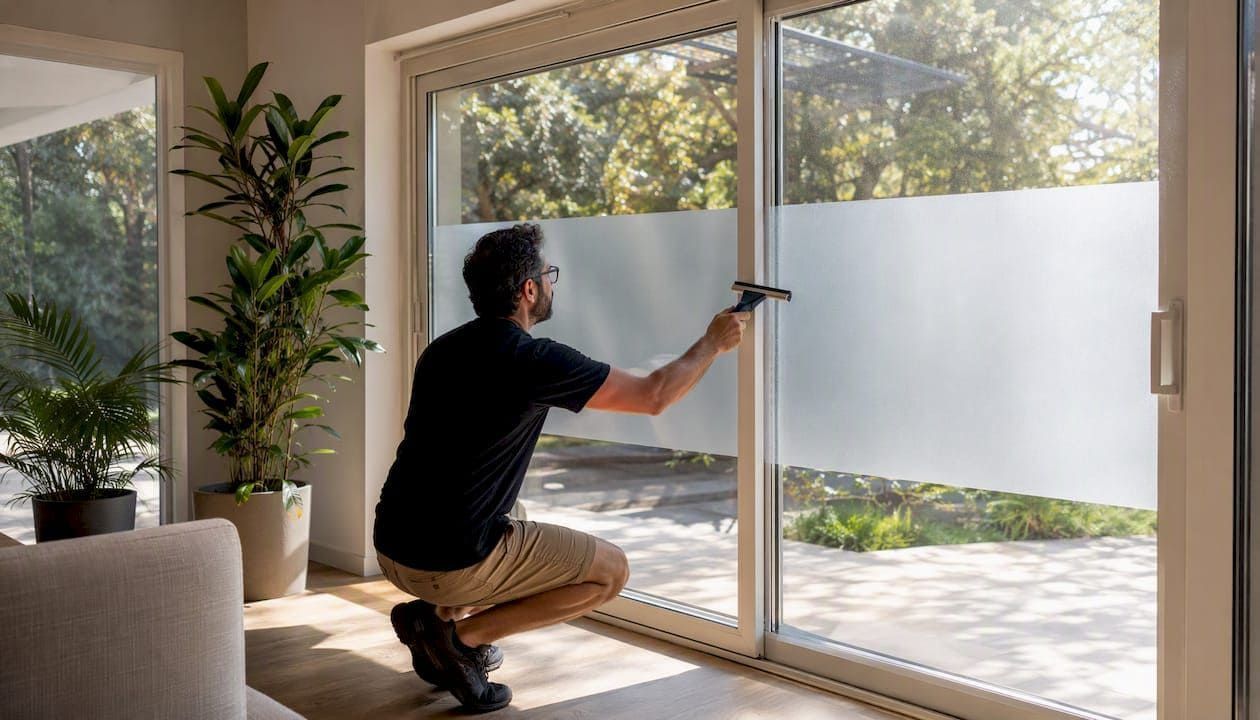
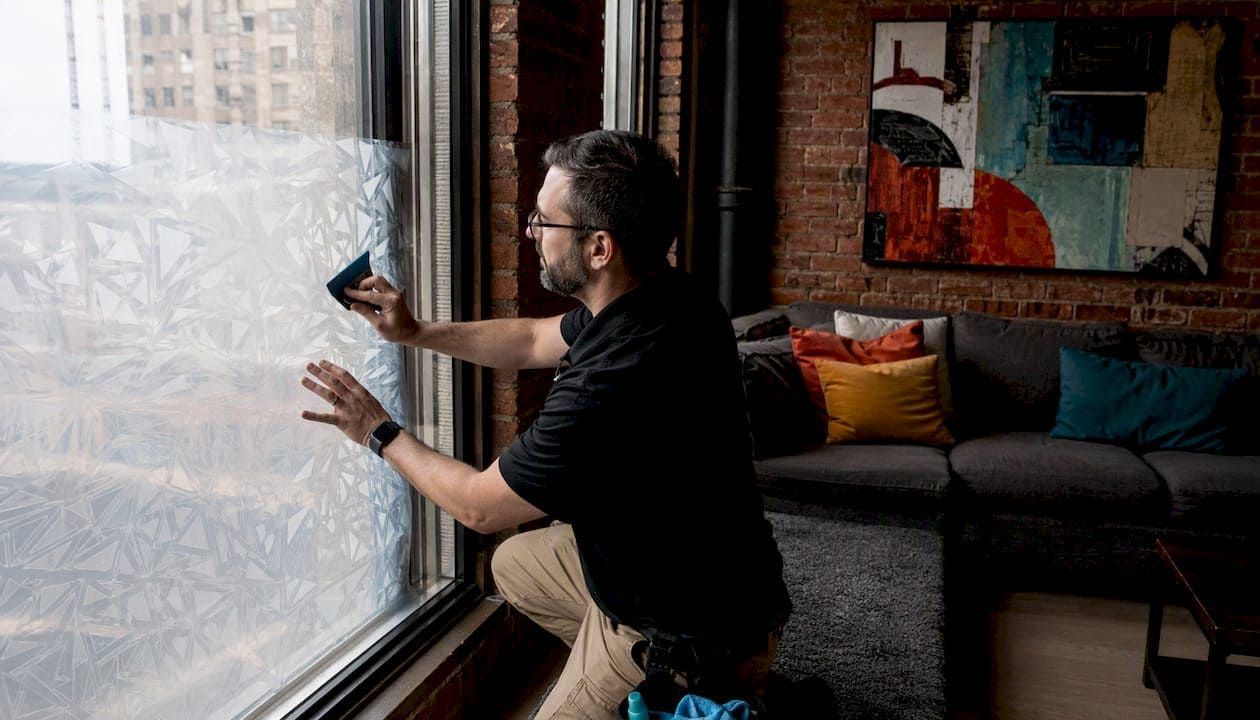
| Decorative and privacy film | Controls sightlines and aesthetics | IEQ, occupant experience |
Spectrally selective films are the top choice for most LEED commercial projects. They target the infrared spectrum specifically, so they cut heat without cutting light. LLumar Vista Films, available through Surfacetint as an exclusive LLumar SelectPro Dealer, include solar control options engineered for exactly this performance profile.
Matching film to glass type is non-negotiable. Applying the wrong film to tempered, laminated, or low-e glass can cause thermal stress fractures or void manufacturer warranties. A qualified installer reviews the existing glass specification before recommending any product.
Pro Tip: Ask your installer for the NFRC label data for the specific film-and-glass combination on your project. Generic film specs are not acceptable for LEED submissions. You need assembly-specific numbers.
What are the best practices for LEED documentation with window film?
Getting window film to count toward LEED credits requires more than good performance. The documentation process is specific, and errors at the submission stage are the most common reason credits get rejected.
- Obtain NFRC-certified, assembly-specific SHGC data. Energy modelers must use NFRC-certified data for the exact film-and-glass combination installed on the project. Generic manufacturer brochure data does not qualify. Request the certified performance report for your specific glass type before installation begins.
- Build the energy model around the film's performance. Your LEED energy consultant runs a simulation comparing the building's energy use with and without the film against the ASHRAE 90.1 baseline. The model must show the cooling load reduction clearly. Provide the NFRC data to your modeler before they finalize the baseline comparison.
- Classify the project correctly. Window film is best documented as a commissioning or retrofit improvement, not as a new construction material replacement. This classification affects which credit pathways are available and how the improvement is scored in the LEED submission portal.
- Include compliance language in your RFP. Mandating NFRC-certified assembly data in bid documents prevents compliance gaps after installation. If you hire an installer who cannot provide certified performance data, you lose the credit regardless of how well the film performs.
- Document waste avoidance for Materials and Resources. If window film replaces a planned full window upgrade, calculate the weight of glass and framing materials avoided. LEED's Materials and Resources category rewards waste reduction, and this is a frequently overlooked credit opportunity.
- Coordinate early with your LEED consultant. Window film added late in a project often misses the energy modeling window. Bring it into the sustainability strategy at the design or pre-retrofit phase so the performance data can be incorporated into the full submission.
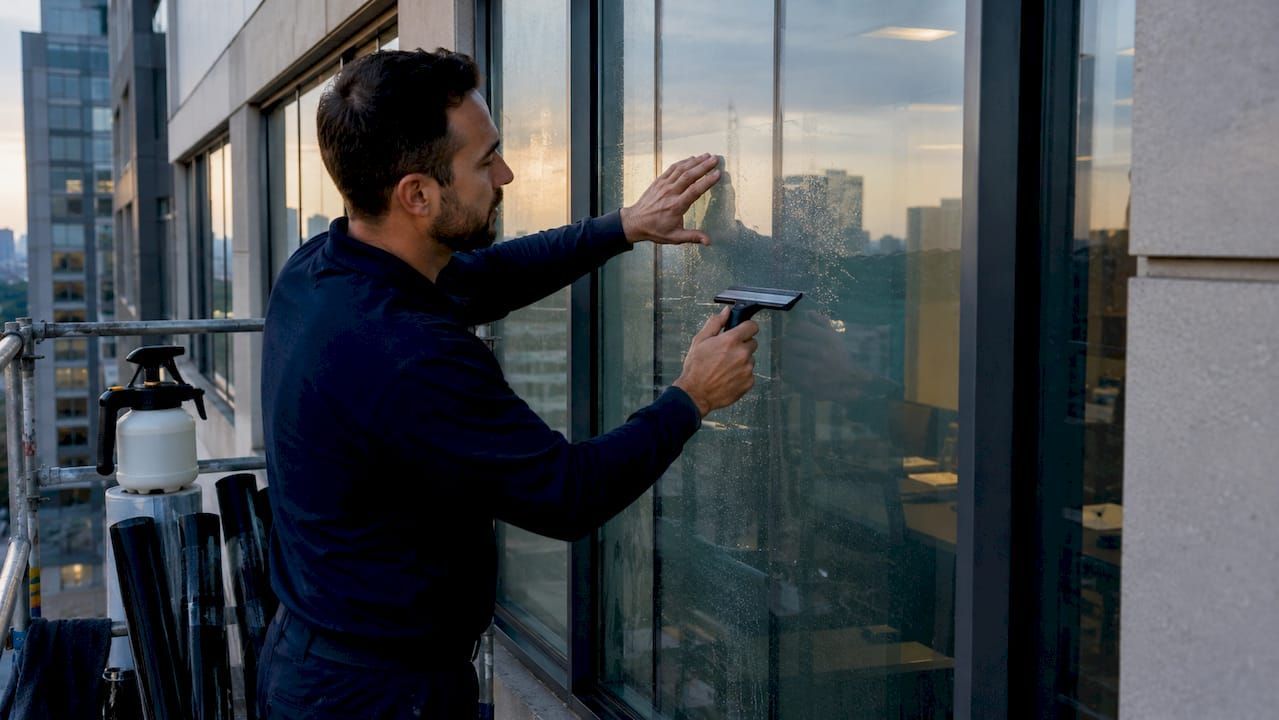
What are the financial and environmental benefits of window film for LEED projects?
Window film offers the lowest cost per LEED credit compared to other building envelope upgrades like full glass replacement or structural shading systems. That cost efficiency is why sustainability consultants consistently recommend it for projects where budget constraints limit more capital-intensive upgrades.
The financial benefits extend well beyond the certification itself:
- Lower HVAC operating costs: Reduced cooling loads translate directly to lower electricity bills every month the building operates.
- Extended HVAC equipment life: Less demand on air conditioning systems reduces wear and defers replacement costs.
- Improved tenant retention: Glare reduction and consistent interior temperatures increase occupant comfort, which reduces turnover in commercial leases.
- UV protection for interiors: Window film blocks the UV radiation that fades flooring, furniture, and artwork, reducing replacement costs for building finishes.
- Compliance with local carbon laws: Buildings in markets like New York City face penalties under Local Law 97 for exceeding carbon emission thresholds. Window film's energy reduction contribution helps owners stay under those caps.
"Window film shifts a simple material specification into an integrated building performance strategy that helps meet aggressive sustainability goals and local carbon caps." — CoolVu
The environmental case is equally direct. Avoiding full window replacement eliminates the manufacturing, shipping, and disposal waste associated with new glass and aluminum framing. Sustainability consultants choose window film for LEED projects because it delivers effective credits per dollar with minimal material waste. For property managers trying to meet sustainability goals without a full renovation budget, that combination is hard to beat.
You can estimate your potential energy savings before committing to a project using the energy savings calculator on the Surfacetint website.
Key Takeaways
Window film is the most cost-effective retrofit technology available for earning LEED credits, delivering up to 9 credits through measurable reductions in solar heat gain, cooling loads, and glare.
| Point | Details |
|---|---|
| LEED credit potential | Window film can contribute up to 9 LEED credits across Energy, IEQ, and Materials categories. |
| Energy performance | Solar control films reduce cooling loads by 5–15% beyond ASHRAE 90.1 baselines. |
| Documentation is critical | NFRC-certified, assembly-specific SHGC data is required; generic specs will fail LEED review. |
| Film type selection matters | Spectrally selective films cut heat without reducing daylight, protecting IEQ credits. |
| Cost efficiency | Window film delivers the lowest cost per LEED credit compared to full window replacement. |
Why I always recommend window film early in any LEED conversation
Property managers often come to me after their LEED consultant has already finalized the energy model. At that point, adding window film means reopening the model, re-running simulations, and potentially delaying the submission timeline. The fix is simple: put window film on the table at the first sustainability planning meeting, not the last.
The other mistake I see constantly is treating all window film as dark tint. A client once rejected film entirely because they assumed it would make their office look like a car window. Modern films serve diverse roles including glare and UV control with minimal visual impact. Spectrally selective products can be nearly invisible while still cutting solar heat gain dramatically. Showing a client a sample on their actual glass changes the conversation immediately.
The coordination piece between the film installer, the energy modeler, and the LEED consultant is where most projects either succeed or fall apart. All three need to be working from the same NFRC-certified performance data for the specific glass assembly on the project. When that data chain is clean, the credit capture is straightforward. When it is not, you are resubmitting documentation and hoping the reviewer is patient.
My honest recommendation for any property manager considering LEED certification: get a commercial window film consultation before you finalize your sustainability budget. The credits per dollar are real, the installation is non-invasive, and the operational savings start the day the film goes on the glass.
Get LEED-ready window film installed by Surfacetint
Surfacetint installs LLumar Vista Solar Control Films for commercial and residential properties across Southern New Hampshire and the Greater Boston Area. Every installation comes backed by a manufacturer warranty, and Surfacetint provides the NFRC-certified, assembly-specific performance data your LEED energy modeler needs for a clean credit submission. No generic specs, no documentation gaps.
Whether you are pursuing LEED certification on a commercial building or looking to reduce energy costs on a residential property, Surfacetint's team handles the film selection, installation, and performance documentation from start to finish. Request a free estimate and get the project-specific data your LEED submission requires.
FAQ
What is LEED certification?
LEED (Leadership in Energy and Environmental Design) is a third-party green building rating system developed by the U.S. Green Building Council that scores buildings on energy efficiency, water use, materials, and occupant health.
How many LEED credits can window film earn?
Commercial window film can contribute up to 9 LEED credits across Energy and Atmosphere, Indoor Environmental Quality, and Materials and Resources categories.
What data is required to claim LEED credits for window film?
LEED submissions require NFRC-certified, assembly-specific SHGC data for the exact film-and-glass combination installed. Generic manufacturer data is not accepted and will result in credit rejection.
Does window film darken a building's interior?
Spectrally selective solar control films reject infrared heat and UV radiation while maintaining high Visible Light Transmission, so interiors stay bright. Not all window film is dark tint.
Is window film cost-effective for LEED projects?
Window film delivers the lowest cost per LEED credit compared to full glass replacement or structural shading upgrades, making it the preferred retrofit choice for budget-conscious LEED projects.
Recommended