
Streamline commercial window security workflow: 47% safer buildings
Commercial properties in Southern New Hampshire and the Greater Boston Area face a dual challenge: windows that compromise both security and energy efficiency. Every unsecured window represents a potential entry point for intruders and a leak in your building's thermal envelope, driving up utility costs by thousands annually. This guide delivers a proven workflow to optimize window security using professional film solutions, helping property managers and business owners protect assets while cutting energy waste. You'll learn exactly what materials you need, how to execute installation correctly, and how to verify lasting results that keep your facility safer and more cost-effective.
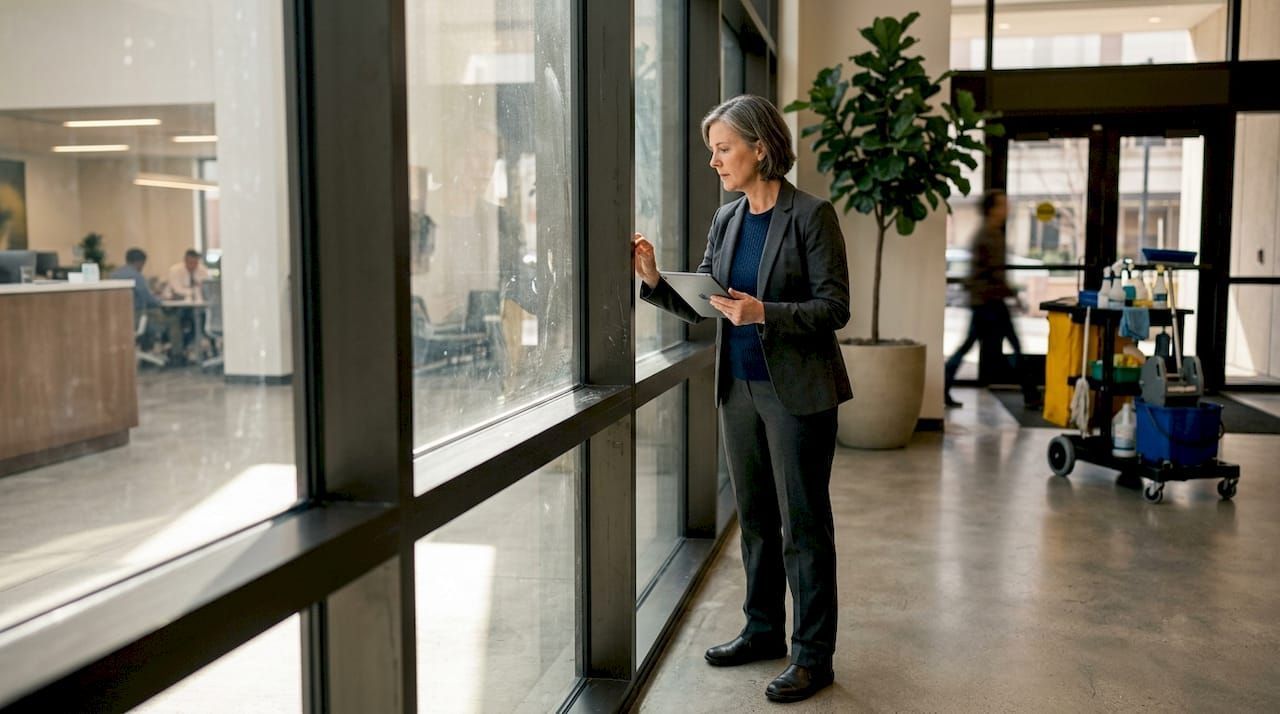
Table of Contents
Key Takeaways
| Point | Details |
|---|---|
| Assess risks first | A thorough site evaluation highlights vulnerabilities and guides effective window security solutions. |
| Choose the right film | Selecting safety or solar films based on property needs delivers both protection and energy efficiency. |
| Avoid common mistakes | Skipping professional installation or regular maintenance can reduce ROI and weaken security. |
| Verify and document results | Routine checks and clear documentation ensure lasting safety and performance for your commercial property. |
| Connect with experts | Local professionals help customize your security workflow and maximize investment value. |
Understanding commercial window security risks
Windows remain the most vulnerable points in commercial buildings. Statistics show that window film solutions add protection against break-ins and natural disasters while improving comfort and reducing energy costs. Most forced entries occur through ground-level windows, where glass provides minimal resistance to determined intruders.
Beyond security threats, windows contribute significantly to energy loss. Single-pane glass and older installations allow heat transfer that forces HVAC systems to work harder, increasing operational costs. Weather events, from nor'easters to summer storms, can shatter unprotected glass and create safety hazards for occupants and passersby.
Key vulnerabilities in commercial properties:
- Ground-floor windows accessible from parking areas or sidewalks
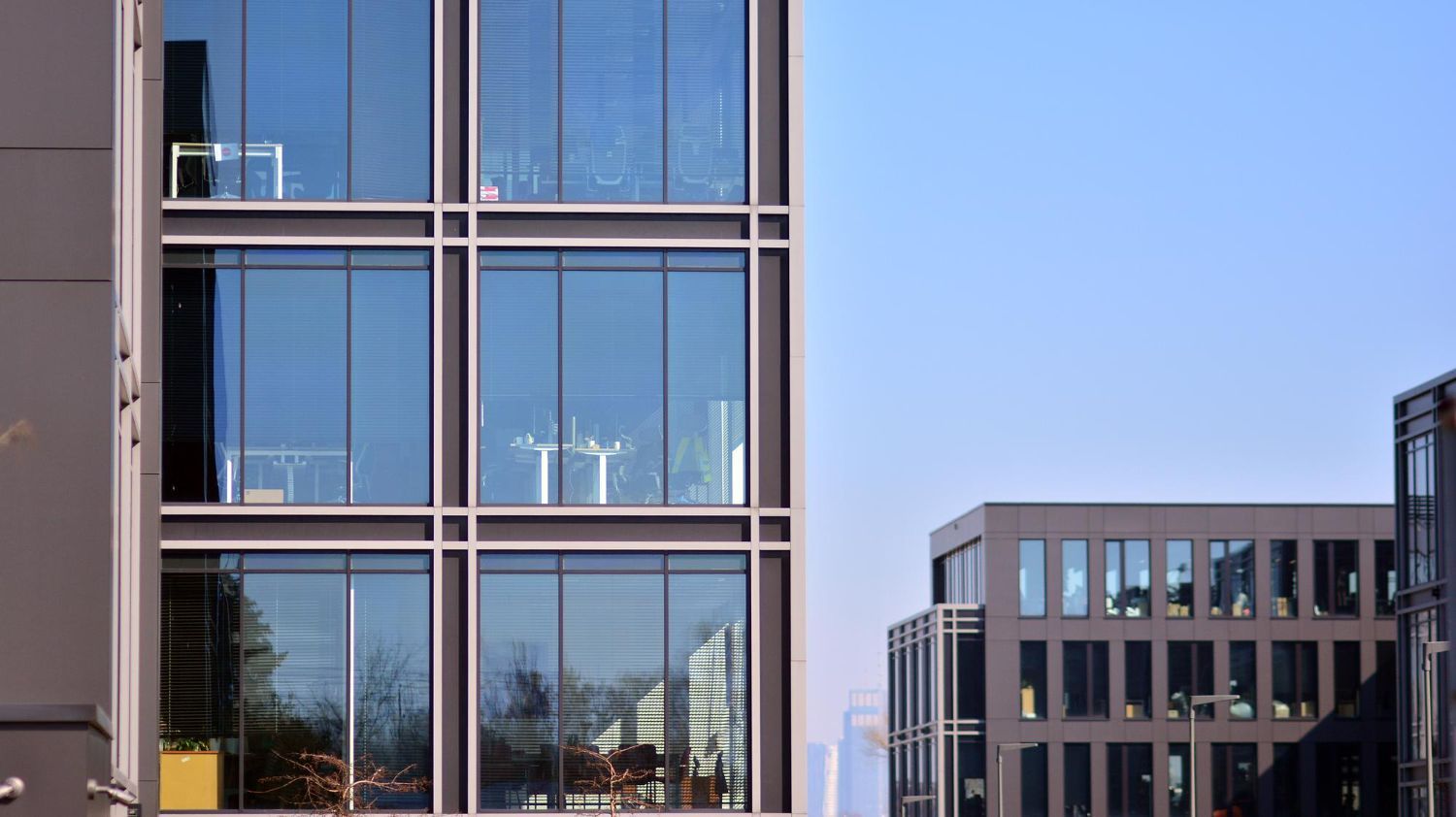
- Large glass facades in retail and office spaces
- Aging window systems with compromised seals
- High-traffic areas where accidental impacts occur
- Windows facing direct sun exposure during peak hours
Professional commercial safety window film addresses these challenges simultaneously. Security films reinforce glass to resist impact and hold shattered pieces together, preventing easy entry and reducing injury risk. Solar control films reject heat while maintaining visibility, cutting cooling costs without sacrificing natural light.
"The right window film transforms your building's weakest points into reinforced barriers that deter crime and improve occupant comfort year-round."
Understanding these risks helps you prioritize which windows need immediate attention and which film types deliver the best return on investment. A window film types comparison reveals how different products serve specific security and efficiency goals.
What you need for a successful workflow
Before starting any window security project, gather the right information and materials. A comprehensive approach ensures you select appropriate films and execute installation correctly.
Essential preparation checklist:
- Complete site security assessment identifying vulnerable windows
- Measurements of all window dimensions and glass types
- Documentation of current energy costs for baseline comparison
- Local building codes and safety regulations
- Budget allocation for materials and professional installation
Consulting with window film experts helps you match products to your specific needs. Professional-grade window films outlast standard solutions and deliver added safety, privacy, and energy savings. LLumar Vista Films, available through SelectPro dealers, offer superior performance backed by manufacturer warranties.
| Material Category | Purpose | Typical Specifications |
|---|---|---|
| Safety & Security Film | Impact resistance, intrusion deterrence | 4-14 mil thickness, tear-resistant polyester |
| Solar Control Film | Heat rejection, glare reduction | 35-70% visible light transmission, 99% UV block |
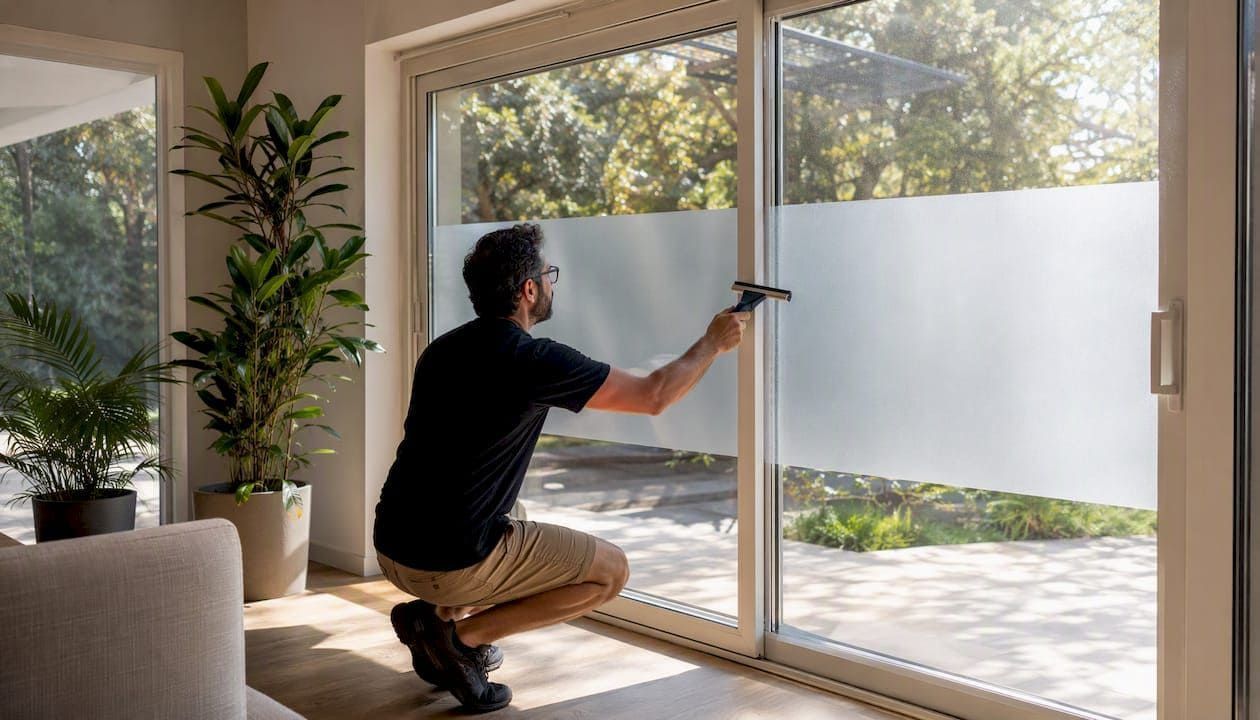
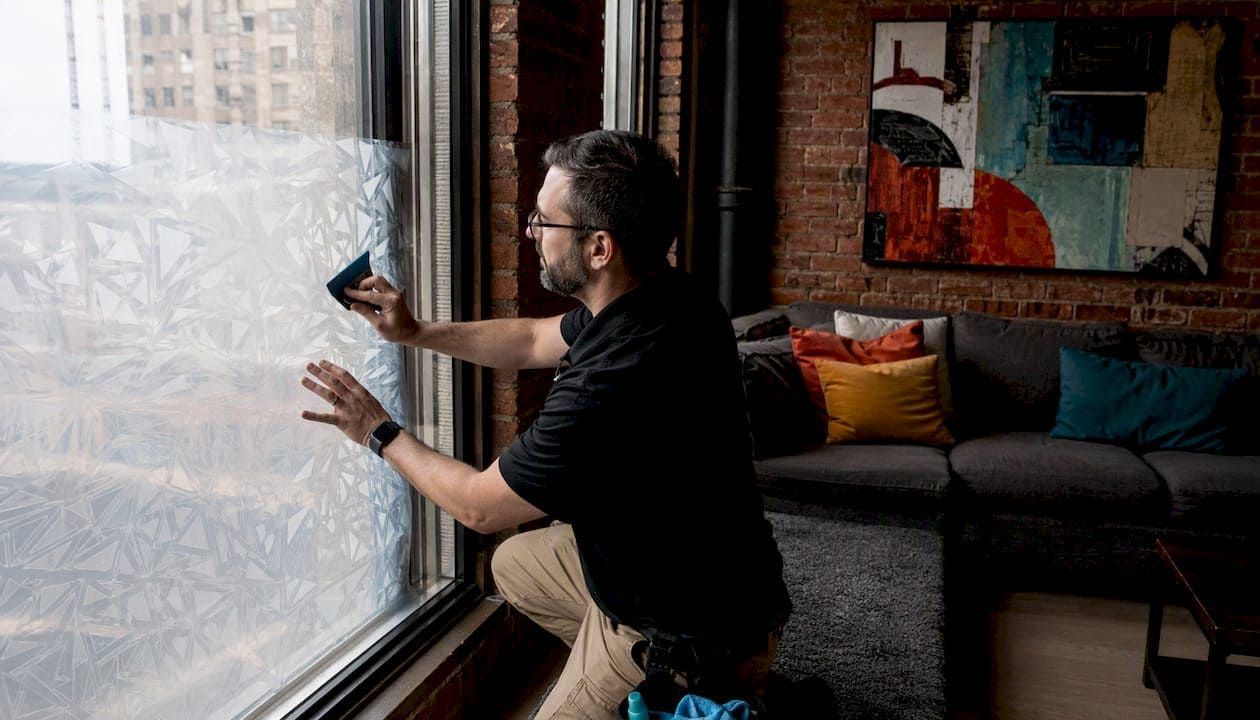
| Decorative Privacy Film | Visual privacy, aesthetic enhancement | Frosted, patterned, or gradient designs |
| Cleaning Supplies | Surface preparation | Lint-free cloths, professional-grade solution |
| Installation Tools | Precise application | Squeegees, cutting tools, measurement devices |
The commercial film viewer lets you preview how different films look on your windows before committing to installation. This visual tool helps stakeholders understand the aesthetic impact alongside functional benefits.
Pro Tip: Schedule your security assessment during different times of day to observe how sunlight affects various windows. This reveals which areas need solar control in addition to security features.
Gather photos of your current windows and any existing damage or concerns. These images help installers prepare appropriate solutions and provide accurate estimates. Review the commercial tinting gallery to see completed projects similar to your facility type.
Local regulations may require permits for certain window modifications, especially in historic districts or buildings with specific architectural standards. Verify requirements with your municipality before proceeding. Professional installers familiar with Southern New Hampshire and Greater Boston Area codes can navigate these requirements efficiently.
Step-by-step commercial window security workflow
Executing a systematic workflow ensures consistent results across your entire facility. Follow these steps to optimize window security and energy performance.
1. Conduct comprehensive site audit
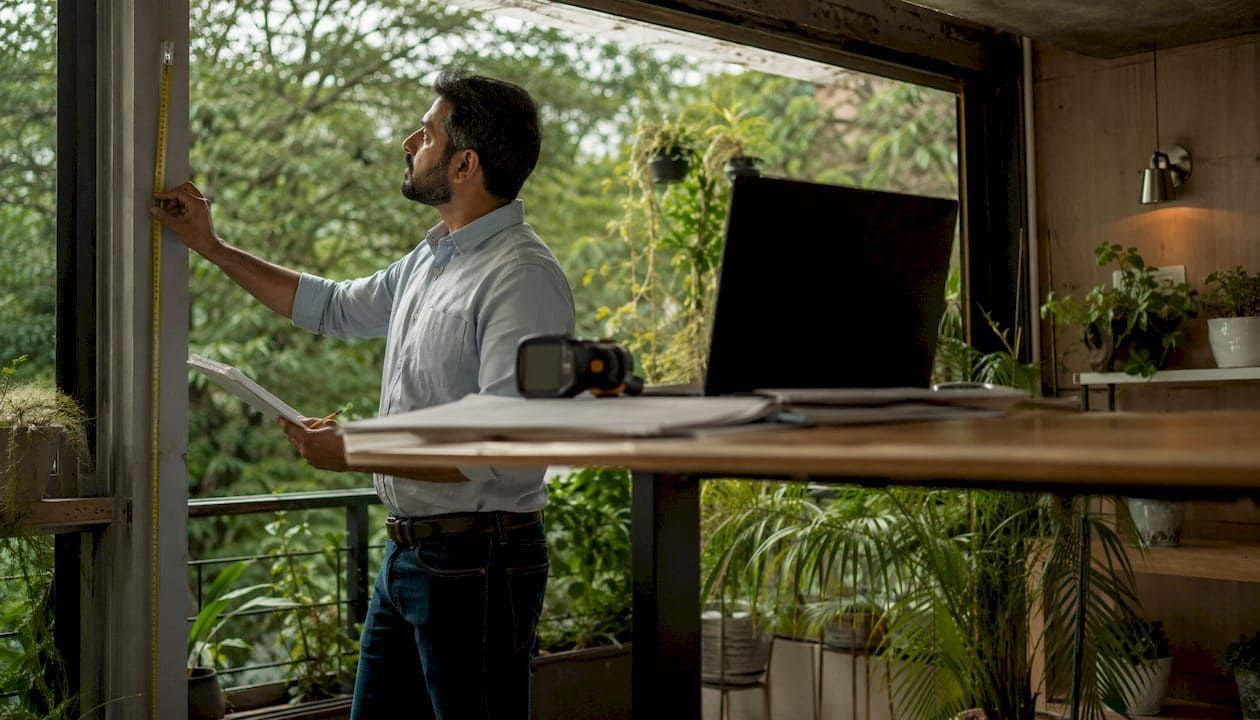
Walk your property's perimeter and interior spaces, documenting every window. Note accessibility, existing damage, sun exposure, and security concerns. Map vulnerable entry points and high-traffic areas where accidents might occur. This audit forms the foundation for prioritizing which windows receive treatment first.
2. Select appropriate film solutions
Match film types to specific window functions and risks. Ground-floor windows in accessible areas need security films with higher impact resistance. South and west-facing windows benefit from solar control to reduce cooling loads. Conference rooms and private offices may require decorative privacy films.
| Window Location | Primary Concern | Recommended Film Type | Expected Benefit |
|---|---|---|---|
| Ground floor, street-facing | Forced entry | 8-14 mil security film | 85% intrusion deterrence |
| Upper floors, south exposure | Heat gain | Solar control film | 30-50% cooling cost reduction |
| Conference rooms | Privacy | Decorative frosted film | Complete visual screening |
| Retail storefronts | Both security & visibility | Clear security + solar film | Protection without darkening |
3. Schedule professional installation
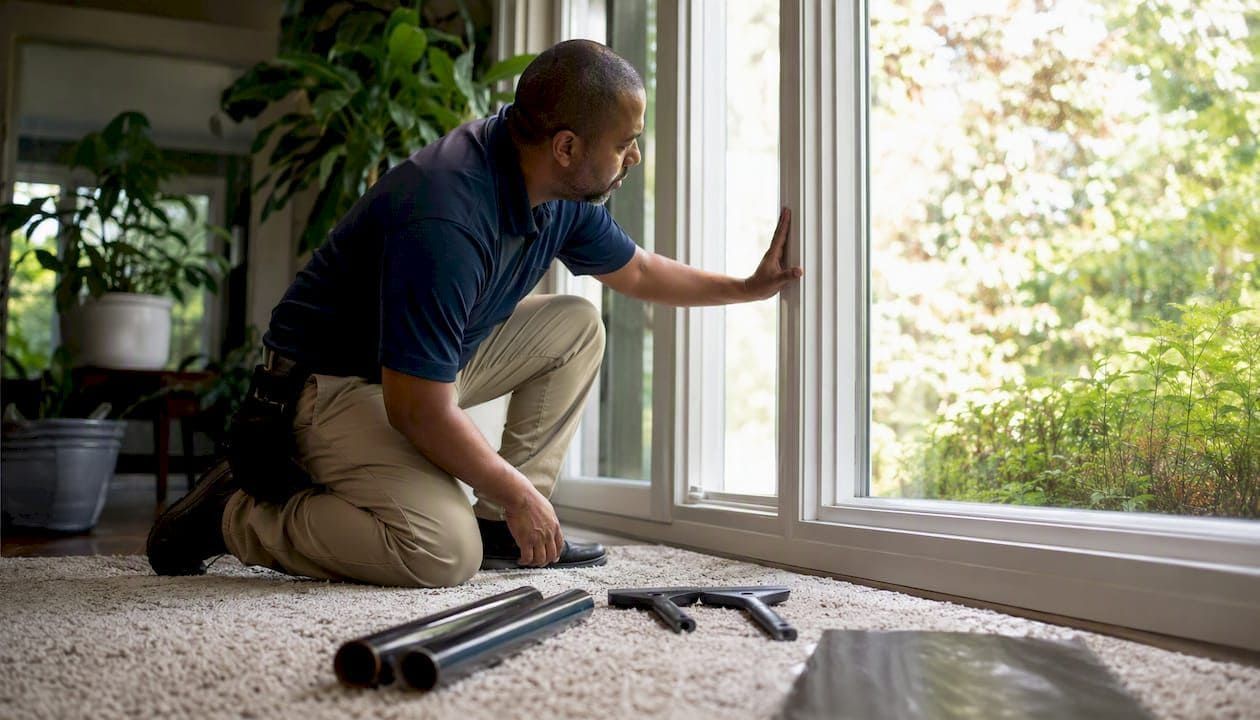
Expert installation ensures maximum effectiveness and warranty protection for commercial window films. Coordinate timing to minimize business disruption. Many installers work during off-hours or weekends for retail and office environments.
4. Prepare windows for application
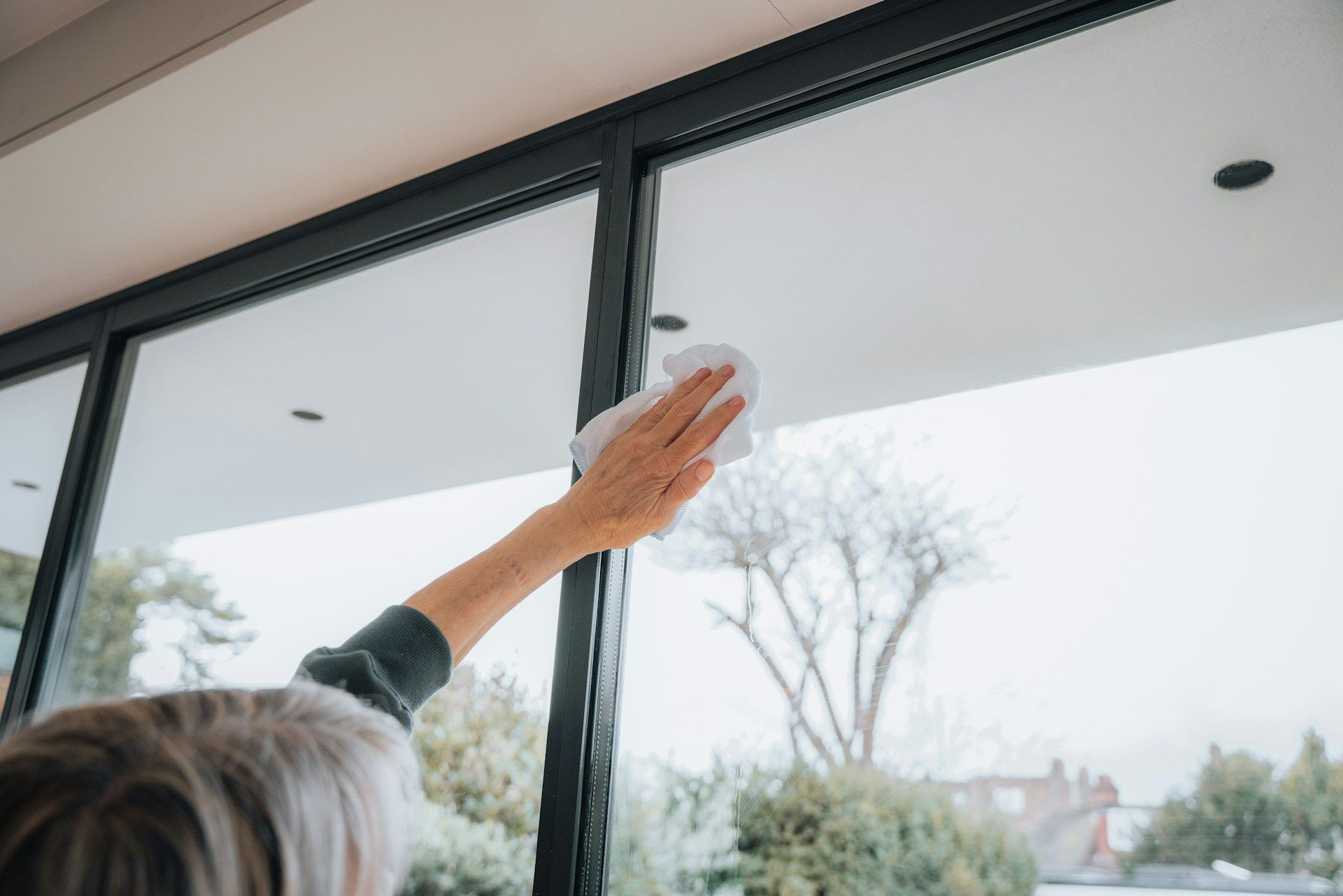
Thorough cleaning removes dirt, debris, and residues that prevent proper adhesion. Professional installers use specialized solutions and techniques to ensure glass surfaces are perfectly clean. Any existing damage should be documented, as films cannot repair structural issues.
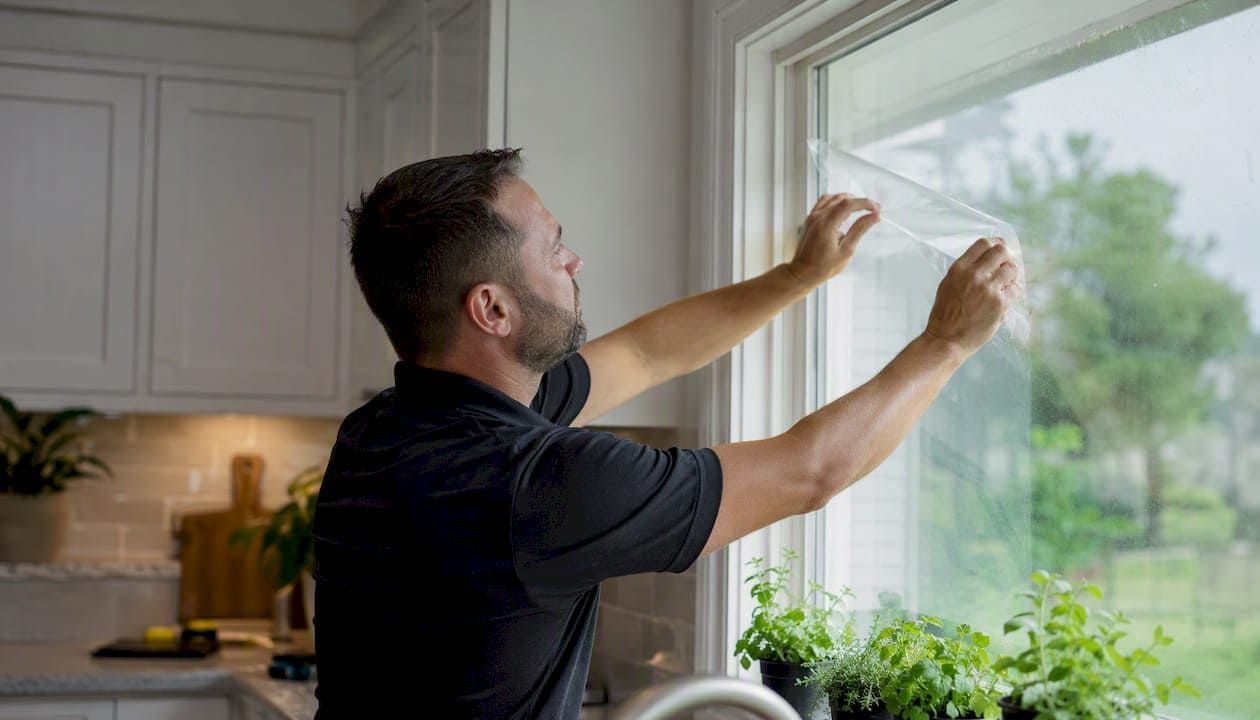
5. Apply film with precision
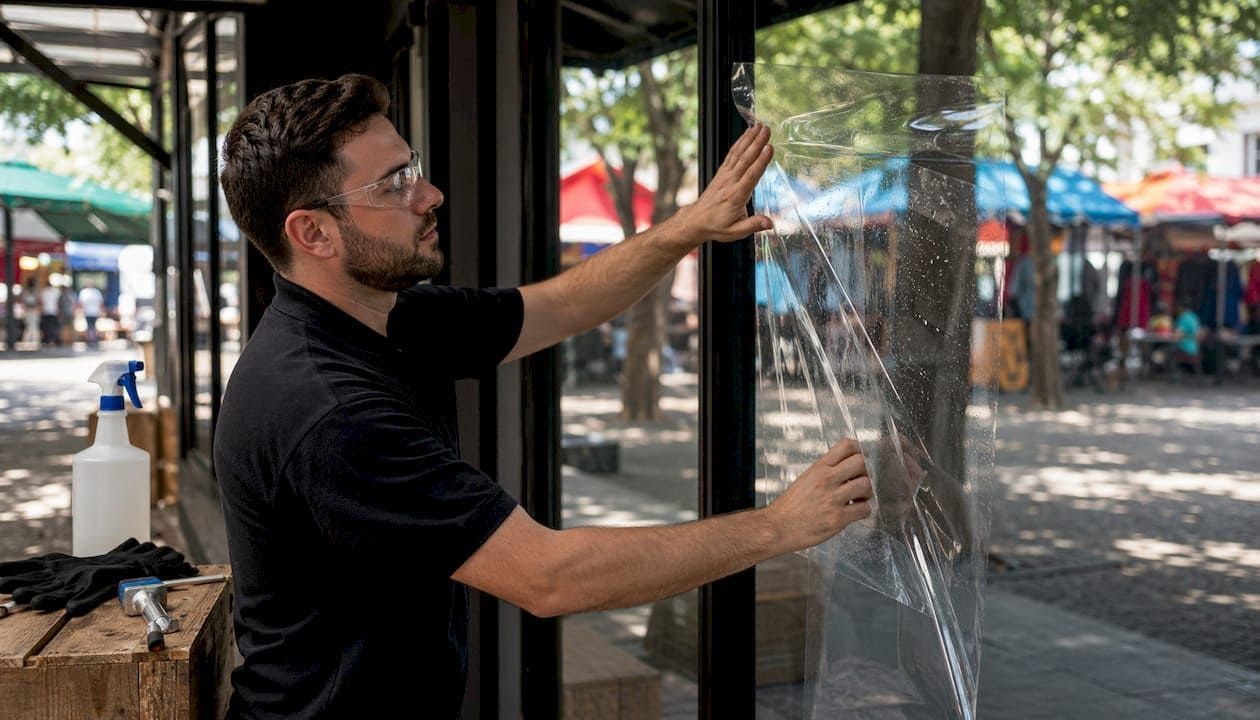
Professional application involves careful measurement, cutting, and positioning. Installers use slip solutions to adjust film placement before final squeegee work removes air bubbles and excess moisture. Edge sealing ensures long-term adhesion and prevents peeling.
6. Inspect and document results
After installation, verify that films adhere properly without bubbles, gaps, or misalignment. Document completed work with photos showing before and after conditions. This creates a baseline for future maintenance and warranty claims.
Pro Tip: Request that installers mark installation dates on inconspicuous areas of each window. This helps track warranty periods and schedule future maintenance.
The complete window security workflow guide provides additional details on each step, including seasonal considerations for New England climates. Properties with ground-floor vulnerabilities should prioritize ground-floor security film installation to address the most immediate risks.
Common mistakes and troubleshooting tips
Avoiding installation pitfalls protects your investment and ensures films perform as expected. Learn from common errors that compromise window security projects.
Skipping thorough site assessment: Rushing into film selection without understanding your building's specific vulnerabilities leads to mismatched solutions. Some windows need security features while others require solar control. Treating all windows identically wastes resources and leaves gaps in protection.
Choosing films based solely on price: Budget constraints matter, but incorrect installation or film selection reduces effectiveness and may void warranties. Lower-cost films often lack the impact resistance and longevity of professional-grade products. Calculate total cost of ownership, including energy savings and replacement frequency.
Attempting DIY installation on commercial projects: While residential applications might seem manageable, commercial installations require specialized tools, training, and experience. Improper technique creates bubbles, gaps, and premature failure. Professional installers complete work faster with guaranteed results.
Ignoring climate-specific requirements: New England weather demands films that withstand temperature extremes and moisture. Products designed for milder climates may fail during harsh winters or humid summers. Select films rated for your regional conditions.
Neglecting maintenance protocols: Window films require minimal but essential care. Using abrasive cleaners or rough materials damages film surfaces. Establish cleaning procedures using approved products and techniques.
Pro Tip: Create a maintenance log for each window, tracking cleaning dates and any issues observed. This documentation helps identify patterns and supports warranty claims if problems develop.
Troubleshooting common issues:
- Bubbles or haze after installation: Usually resolves within 30 days as moisture evaporates. Persistent issues indicate improper installation requiring professional correction.
- Edge peeling: Results from inadequate surface preparation or exposure to excessive moisture. Requires reapplication of affected areas.
- Reduced visibility: May indicate wrong film selection for the application. Review the comparing window film types guide to understand transmission ratings.
- Film discoloration: Rare with quality products but can occur from chemical exposure or manufacturing defects. Document and contact installer immediately.
Address problems promptly to prevent minor issues from becoming major failures. Most reputable installers provide warranties covering workmanship and materials, giving you recourse if performance falls short of expectations.
Verifying outcomes and maintaining security
Post-installation verification ensures your window security workflow delivers promised results. Systematic checks and ongoing maintenance maximize your investment.
Immediate post-installation verification:
- Visual inspection: Examine each window for proper film adhesion, uniform appearance, and clean edges. Look for bubbles, gaps, or misalignment that indicate installation issues.
- Adhesion testing: Gently press film edges to confirm secure bonding. Properly installed films should feel firmly attached without lifting or movement.
- Clarity assessment: View through windows from multiple angles and lighting conditions. Films should maintain specified visibility levels without distortion.
- Documentation review: Confirm installer provided warranty information, maintenance instructions, and product specifications for each window.
Ongoing monitoring strategies:
Schedule quarterly inspections of all filmed windows, focusing on high-traffic areas and ground-level installations most vulnerable to damage. Routine checks and team training maximize benefits of window security films.
Train facility staff to recognize signs of film degradation or damage. Early detection prevents small problems from compromising security or requiring complete replacement. Designate a team member responsible for coordinating maintenance and reporting issues.
Maintenance best practices:
- Clean filmed windows monthly using approved solutions and soft cloths
- Avoid ammonia-based cleaners that degrade film adhesives
- Report any damage or peeling immediately for prompt repair
- Document energy costs monthly to track efficiency improvements
- Review security incident logs to measure deterrence effectiveness
Compare utility bills from before and after installation to quantify energy savings. Most commercial properties see measurable reductions in cooling costs within the first season. These savings help justify the initial investment and support future facility improvements.
Update your security protocols to reflect enhanced window protection. While films significantly improve resistance to forced entry, they work best as part of comprehensive security measures including alarms, cameras, and access controls.
The window film investment analysis shows typical payback periods for different film types and building configurations. Use this information to plan future phases if you're implementing security improvements gradually across multiple properties.
Take the next step with local window film experts
Optimizing commercial window security requires expertise that goes beyond product selection. Local professionals who understand Southern New Hampshire and Greater Boston Area building characteristics deliver tailored solutions that address your specific challenges.
Surface Dynamics Window Tinting brings specialized knowledge of regional climate conditions, architectural styles, and security concerns common to commercial properties in this market. As an exclusive LLumar SelectPro Dealer, we provide access to Vista Films engineered for superior performance in demanding applications.
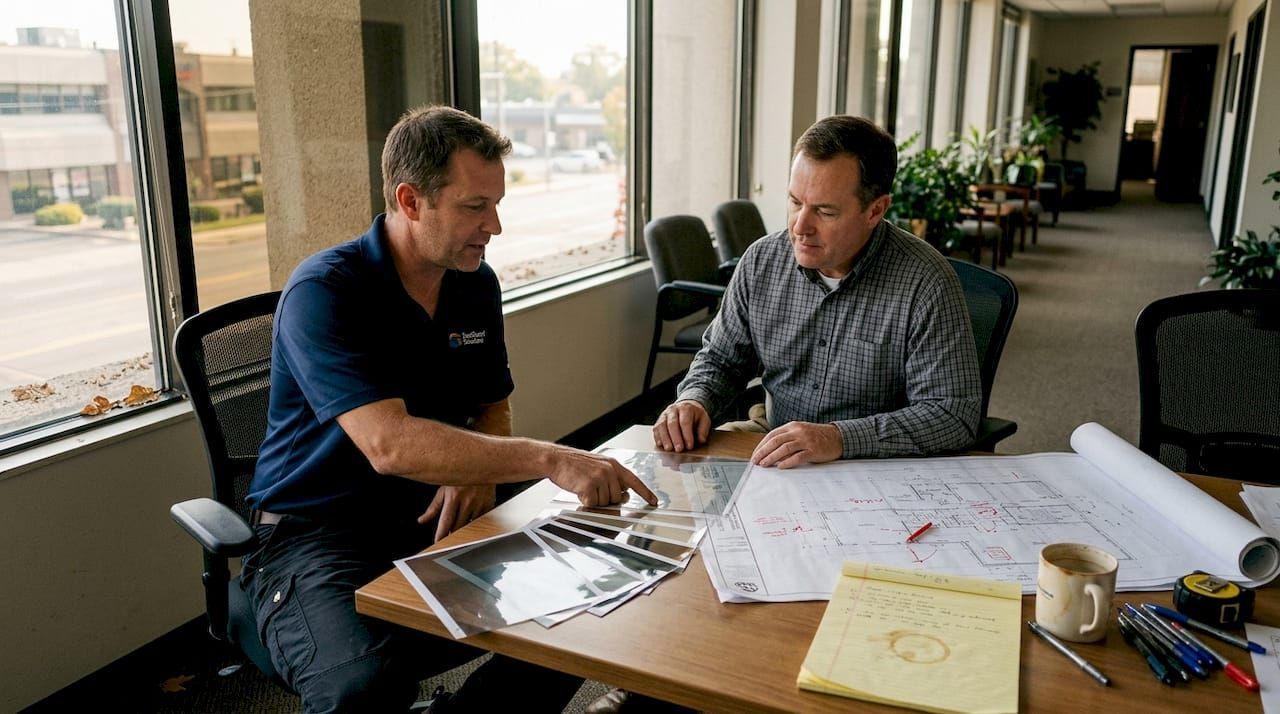
Our team conducts thorough site assessments that identify vulnerabilities you might overlook. We measure windows precisely, evaluate sun exposure patterns, and recommend film combinations that maximize both security and energy efficiency. Professional installation ensures proper adhesion and warranty protection, giving you confidence in long-term performance.
Explore our commercial window tinting photo gallery to see completed projects similar to your facility. From office buildings to retail storefronts, we've helped property managers throughout the region enhance security while reducing operational costs.
Ready to strengthen your building's defenses? Request a free window tinting estimate to learn how commercial safety film can transform your property's security profile. Our consultations include detailed assessments, product recommendations, and transparent pricing with no obligation.
Frequently asked questions
What types of window film are best for commercial security?
Safety and security films are specially designed to reinforce glass and deter intrusion in commercial spaces. Safety and security window films protect against break-ins and accidents with impact-resistant polyester layers.
Can window film installation improve energy efficiency as well as security?
Yes, modern window films reduce energy loss, lower utility costs, and add security benefits simultaneously. Window film solutions add protection against break-ins while improving comfort and reducing energy costs.
How often should commercial window security be reviewed?
Window security should be reviewed annually and after any major weather event or facility change. Routine checks and team training maximize the benefits of window security films.
Do I need professional installation, or can I install window film myself?
Professional installation is recommended to ensure adhesive quality and warranty coverage for commercial films. Expert installation ensures maximum effectiveness and warranty protection for commercial window films.
Recommended