
Why Regulate Solar Heat Gain: A 2026 Property Guide
TL;DR:
- Controlling solar heat gain reduces cooling costs, energy consumption, and occupant discomfort in buildings. Exterior shading methods are most effective, blocking up to 90% of heat before it enters the space. Building codes increasingly mandate SHGC limits tailored to climate zones to promote energy efficiency and grid stability.
Solar heat gain regulation is the practice of controlling how much solar radiation enters a building through its windows and glazing to reduce cooling loads, lower energy costs, and maintain occupant comfort. The solar heat gain coefficient, or SHGC, is the industry's standard metric for this control. It measures the fraction of solar radiation that passes through a window, on a scale from 0 to 1. A lower SHGC means less heat enters. For property owners and managers in 2026, understanding why regulate solar heat gain matters is no longer optional. Building codes, energy standards, and rising utility costs make it a core operational concern.

Why does solar heat gain affect building energy use?
Uncontrolled solar heat gain is one of the largest drivers of cooling energy waste in commercial and residential buildings. When sunlight passes through glass, it converts to heat inside the space. That heat raises indoor temperatures, forces HVAC systems to work harder, and drives up electricity bills during peak summer months.
The numbers are significant. Regulating solar heat gain through exterior shading or low-SHGC glazing reduces cooling energy demand by 15–30% in hot climates, especially on west-facing commercial facades. That range represents thousands of dollars annually for a mid-size commercial property.
West-facing windows are the most problematic. Low-angle afternoon sun hits them directly, generating intense heat gain during the hottest part of the day. This creates peak cooling loads that strain HVAC equipment and shorten its service life.
The solar heat gain impact on energy extends beyond monthly bills:
- Peak demand charges : Utilities charge commercial properties more per kilowatt during peak hours. Uncontrolled afternoon solar gain drives up these charges directly.
- HVAC wear : Systems running at maximum capacity during heat spikes wear out faster, increasing capital replacement costs.
- Occupant productivity : Studies consistently link thermal discomfort to reduced focus and output in office environments.
- Carbon footprint : Higher cooling demand means more grid electricity consumed, which increases a building's carbon emissions profile.
Relying only on mechanical cooling to offset solar heat gain increases energy demand and emissions. That approach treats the symptom rather than the source.
What are the best methods to manage solar heat gain?
The most effective strategies block solar radiation before it contacts the glass. Once sunlight passes through a window and converts to heat, interior solutions can only trap or redistribute it. They cannot remove it.
Exterior shading is the most effective method, reducing solar heat gain by 60–90%. Awnings, solar screens, and architectural overhangs intercept radiation at the source. The physics are straightforward: heat blocked outside never enters the thermal envelope.
Here is how the primary methods compare:
| Method | Heat Reduction | Best Use Case |
|---|---|---|
| Exterior shading (awnings, screens) | 60–90% | New builds and retrofit with structural access |
| Low-SHGC glazing | 30–50% | Window replacement projects |
| High-performance window films | Up to 78% heat blocked | Retrofit without window replacement |
| Interior blinds or shades | 10–25% | Supplemental only |
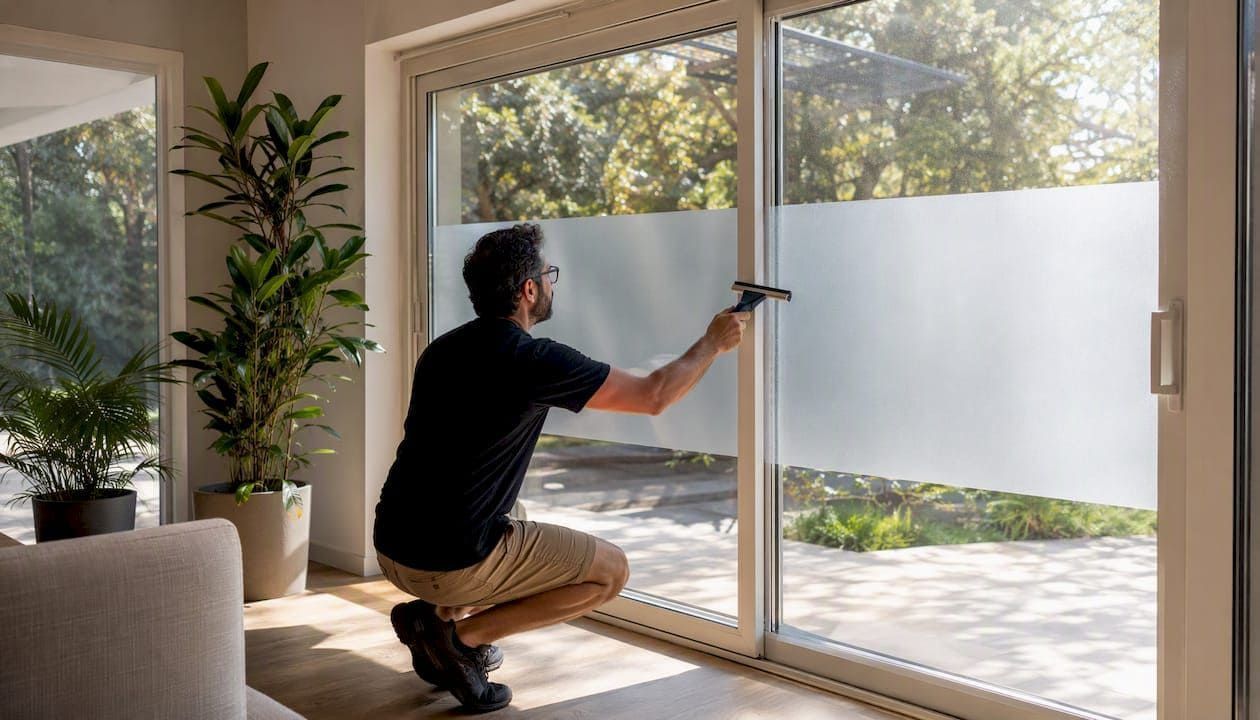
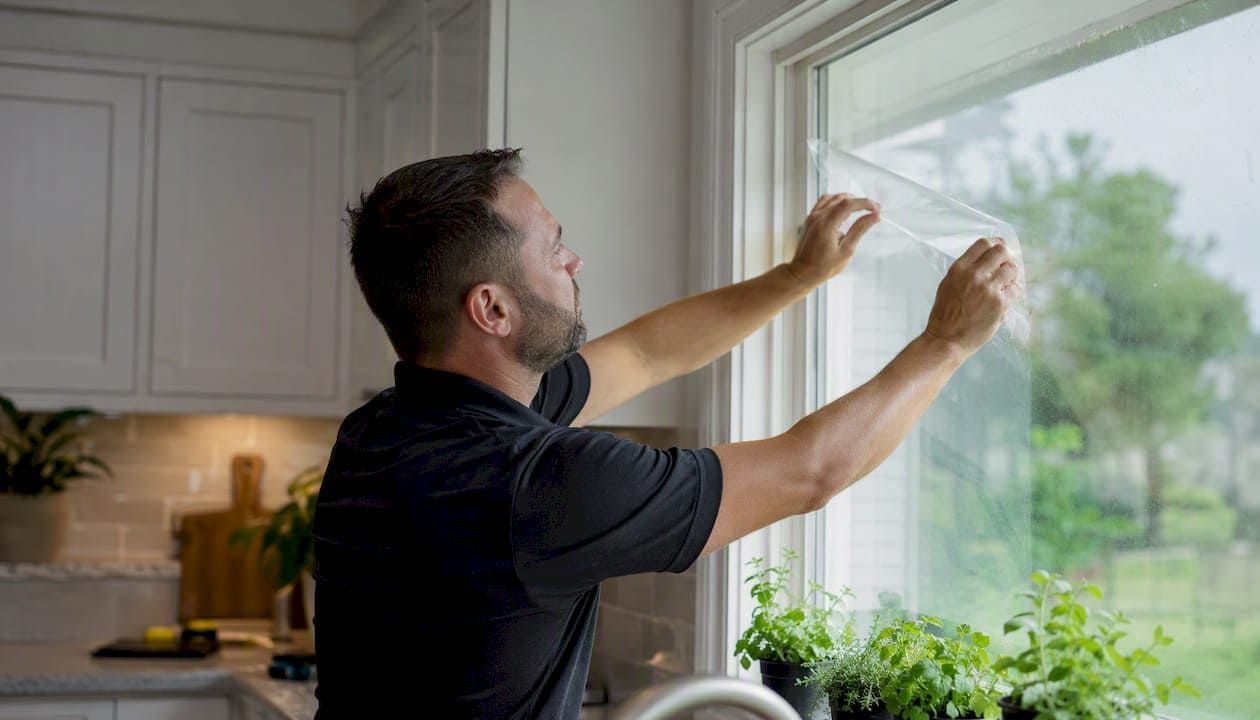
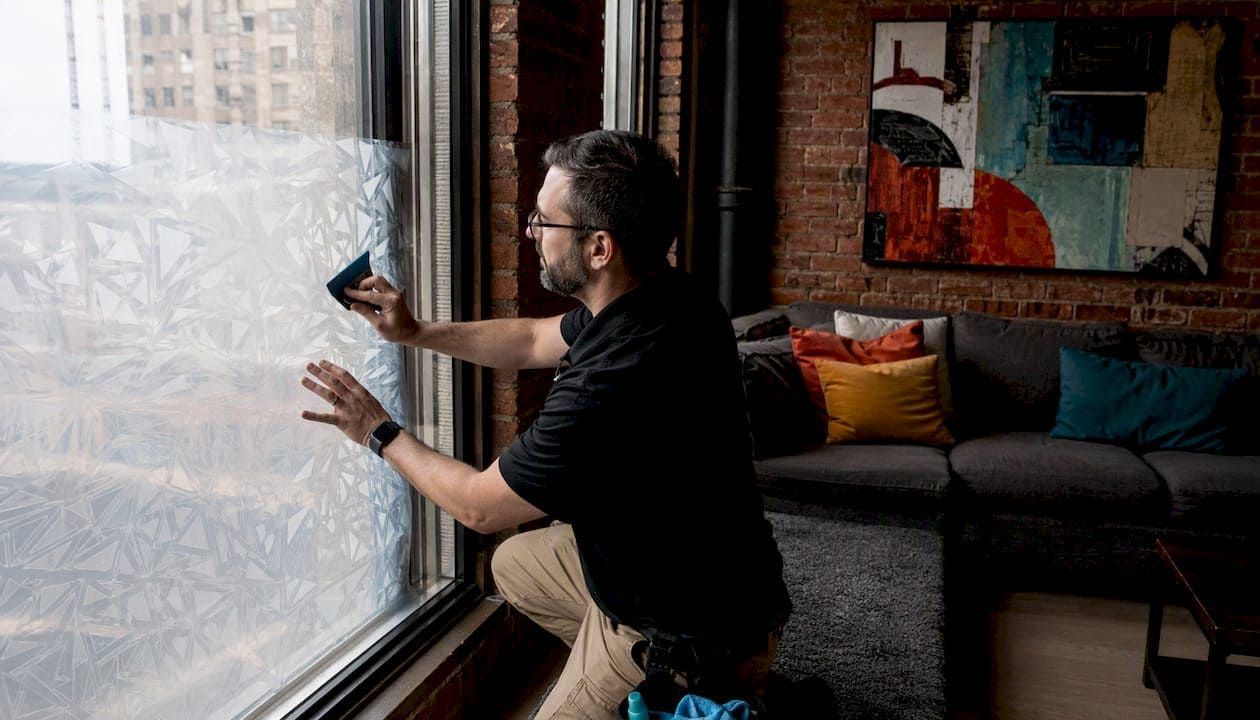
High-performance window films block up to 78% of incoming heat and reduce cooling costs by 10–25% when combined with exterior shading. For existing buildings where window replacement is cost-prohibitive, LLumar Vista Solar Control Films offer a practical retrofit path. They preserve natural light while cutting heat transmission significantly.
Interior solutions like blinds are the weakest option because sunlight has already entered and converted to heat before the blind intercepts it. They provide privacy and glare control, but minimal thermal benefit.
Pro Tip: Combine exterior shading with a high-performance window film for maximum results. The exterior barrier handles the bulk of solar radiation, while the film manages residual heat and UV transmission. This layered approach outperforms either solution alone.
Why is solar heat gain regulated in building codes?
Building codes mandate SHGC limits because individual property decisions aggregate into grid-wide energy demand. When thousands of buildings in a hot climate run air conditioning at full capacity on the same afternoon, the regional grid faces stress that can trigger outages and price spikes.
The importance of controlling heat gain at the code level reflects three regulatory goals:
- Energy efficiency targets : ASHRAE 90.1 and the International Energy Conservation Code (IECC) set maximum SHGC values by climate zone. Hot and mixed climates require lower SHGC ratings to reduce cooling loads across the building stock.
- Carbon reduction commitments : Buildings account for a substantial share of U.S. energy consumption. Regulating solar heat gain at the building envelope level is one of the most direct levers for reducing commercial and residential carbon output.
- Occupant health and safety : Overheated indoor spaces create health risks, particularly for elderly occupants and workers in non-air-conditioned environments.
The regulatory challenge is balance. Lowering SHGC reduces daylight, which increases the need for electric lighting. Code writers must set thresholds that cut heat gain without pushing buildings into artificial lighting dependence. That trade-off is why SHGC requirements vary by climate zone and window orientation rather than applying a single national standard.
How do climate and orientation shape regulation strategy?
Solar heat gain regulation needs climate-specific tailoring. A strategy that works in Phoenix will penalize a property in Boston if applied without adjustment.
In hot and humid climates, the priority is minimizing solar gain year-round. Low-SHGC glazing combined with exterior shading delivers the best results. Low-E coatings with low SHGC ratings reflect solar heat while maintaining visible light transmission, making them well suited to southeastern U.S. climates.
In cold climates, the calculation reverses. South-facing windows with higher SHGC values capture passive solar heat in winter, reducing heating demand. Specifying low SHGC windows in cold climates without accounting for orientation increases heating costs. This is a common and costly mistake in retrofit projects.
| Climate Zone | Recommended SHGC | Primary Strategy |
|---|---|---|
| Hot/Humid (e.g., Miami, Houston) | Below 0.25 | Low-E film, exterior shading |
| Mixed (e.g., Boston, Chicago) | 0.25–0.40 | Orientation-specific glazing |
| Cold (e.g., Minneapolis, Denver) | 0.40–0.60 south-facing | Passive solar gain on south |
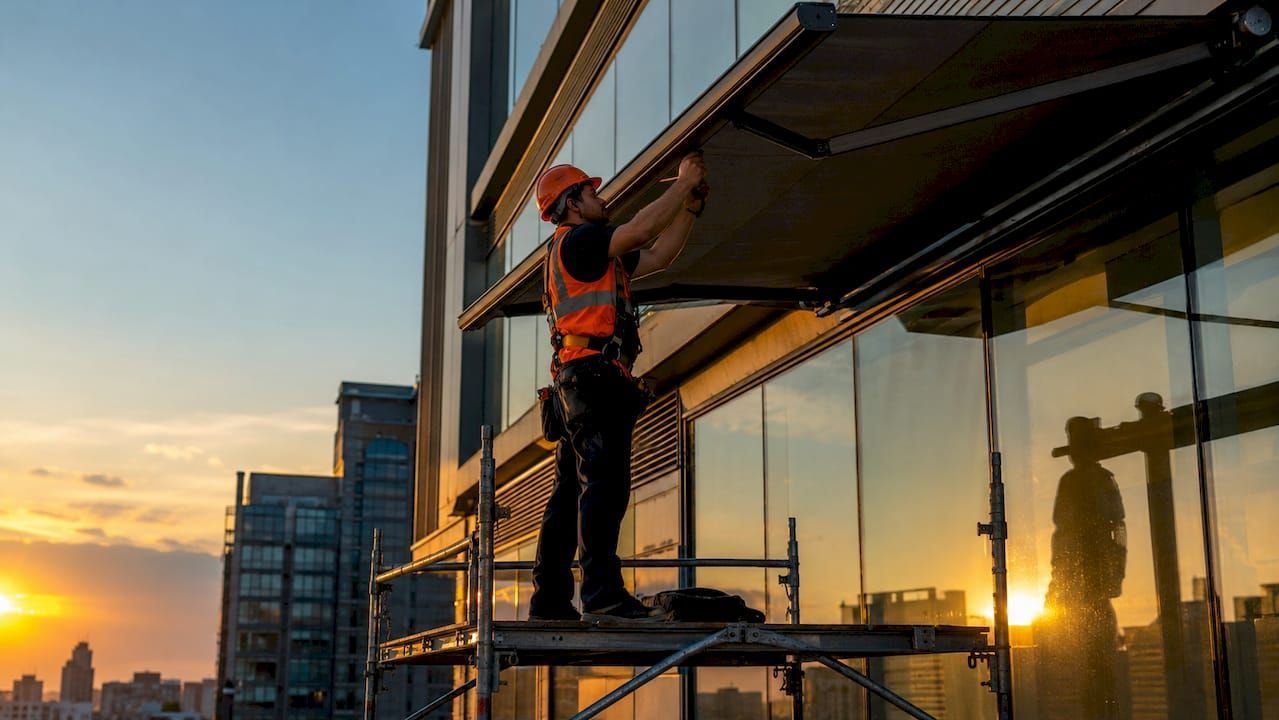
West-facing windows require dynamic or vertical shading because traditional horizontal overhangs cannot block low-angle afternoon sun. Motorized exterior screens or vertical fins are the most effective solutions for this orientation. For property managers in mixed climates like Southern New Hampshire and the Greater Boston Area, west-facing glazing deserves specific attention in any energy efficiency review.
What steps can property owners take to control solar heat gain?
Compliance with SHGC regulations and genuine comfort improvement require a structured approach. Start with an assessment before spending on solutions.
- Audit your glazing by orientation. Identify which windows face west and south. These are your highest heat gain exposures and the first priority for intervention.
- Measure current performance. A professional energy audit or thermal imaging scan reveals which windows are contributing most to cooling loads.
- Prioritize exterior shading where possible. External shading must be the first line of defense to reduce heat at the source. Awnings and solar screens on west-facing windows deliver the fastest return on investment.
- Install high-performance window film on remaining exposures. For windows where exterior shading is not practical, LLumar Vista Solar Control Films provide significant heat rejection without altering the building's exterior appearance.
- Combine solutions for retrofit buildings. Multi-layer approaches combining exterior barriers, glazing upgrades, and interior shading are the standard recommendation for existing properties.
- Monitor and adjust seasonally. Dynamic shading systems allow you to maximize solar gain in winter and block it in summer, which is particularly valuable in mixed climates.
Pro Tip: For commercial properties, check your local jurisdiction's current IECC climate zone requirements before specifying any glazing or film product. The 2021 and 2024 IECC updates tightened SHGC limits in several zones, and non-compliant installations can trigger issues during inspections or lease renewals.
For residential owners, solar window films for homes offer a cost-effective retrofit that does not require structural changes or window replacement.
Key takeaways
Regulating solar heat gain is the single most direct way to reduce cooling costs, protect occupants, and meet building code requirements in warm and mixed climates.
| Point | Details |
|---|---|
| SHGC is the core metric | Lower SHGC values mean less heat enters; codes set limits by climate zone. |
| Exterior shading leads | Blocking heat before it hits glass reduces solar gain by 60–90%, outperforming all interior options. |
| Window films fill the gap | High-performance films block up to 78% of heat and cut cooling costs by 10–25% in retrofit scenarios. |
| Climate determines strategy | Low SHGC is right for hot climates; cold climates benefit from higher SHGC on south-facing windows. |
| West-facing windows need special attention | Low-angle afternoon sun requires vertical or dynamic shading solutions, not standard overhangs. |
The regulation conversation most property owners are having too late
I have seen the same pattern repeat across dozens of commercial and residential properties. Owners invest in HVAC upgrades, add insulation, and replace roofing before they ever look at the windows. Then they wonder why the building still overheats every July.
The uncomfortable reality is that windows are the weakest point in most building envelopes, and solar heat gain through glass is responsible for a disproportionate share of cooling costs. The regulation conversation should happen at the design stage or the first major renovation, not after the HVAC system fails at 3 p.m. on a 95-degree afternoon.
What I find most interesting about the current moment is the shift toward dynamic shading. Motorized exterior screens and electrochromic glazing now allow buildings to respond to solar conditions in real time. That technology is moving from luxury commercial projects into mainstream retrofit applications. Property managers who understand SHGC today will be positioned to evaluate these systems intelligently as costs come down.
One warning I give consistently: do not over-specify low SHGC in cold climates. I have seen Boston-area properties install heavily tinted glazing on south-facing windows to reduce summer heat, only to pay more in heating costs all winter. The regulating solar heat benefits are real, but they require climate-aware specification. A blanket low-SHGC approach is not a strategy. It is a shortcut that creates a different problem.
The right approach is layered, climate-specific, and oriented toward the building's actual exposure. Start with exterior shading on the worst-performing facades. Add high-performance film where structural shading is not feasible. Then monitor performance across seasons before making further changes.
How Surfacetint helps you take control of solar heat
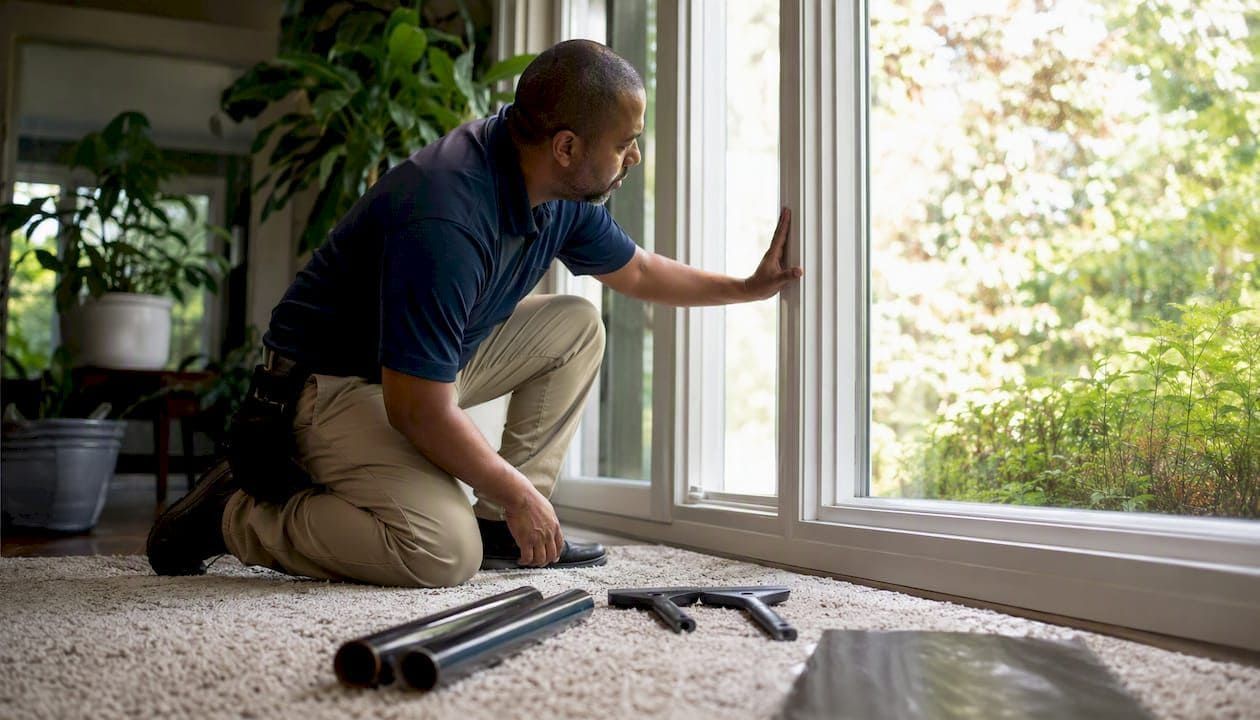
Managing solar heat gain in an existing building does not require a full window replacement. Surfacetint installs LLumar Vista Solar Control Films on residential and commercial properties across Southern New Hampshire and the Greater Boston Area, delivering measurable heat rejection without altering your building's appearance.
As an exclusive LLumar SelectPro Dealer, Surfacetint offers film options matched to your specific climate zone, window orientation, and performance goals. Whether you manage a commercial office with west-facing glazing or a home with sun-drenched south windows, the right film specification makes a real difference. See what your windows could look like with the residential film viewer tool, or request a free estimate to get a professional assessment of your property's solar heat exposure.
FAQ
What is solar heat gain coefficient (SHGC)?
SHGC measures the fraction of solar radiation that passes through a window, rated from 0 to 1. A lower number means less heat enters the building.
How much can regulating solar heat gain reduce energy costs?
Exterior shading and low-SHGC glazing reduce cooling energy demand by 15–30% in hot climates. Adding high-performance window film cuts cooling costs by an additional 10–25%.
Do building codes require specific SHGC values?
Yes. ASHRAE 90.1 and the IECC set maximum SHGC limits by climate zone. Hot climates typically require SHGC values below 0.25 for compliance.
Are window films as effective as replacing windows for heat control?
Window films block up to 78% of incoming heat and are significantly more cost-effective than full window replacement for retrofit buildings. They are the preferred solution when structural changes are not practical.
Why are west-facing windows the hardest to shade?
West-facing windows receive low-angle afternoon sun that horizontal overhangs cannot block. Vertical fins or motorized exterior screens are required for effective heat gain control on this orientation.
Recommended