
Top 7 security film benefits for homes and businesses in 2026
Choosing the right window protection for your Southern New Hampshire or Greater Boston property means balancing security needs with energy efficiency goals. Security window films offer a practical solution that addresses both concerns, reinforcing vulnerable glass while reducing heating and cooling costs through New England's temperature extremes. This guide walks you through the top benefits of security films, comparing options to help you select the best protection for your home or commercial space in 2026.
Table of Contents
- Criteria For Choosing Security Window Film
- Security Benefits Of Window Film
- Energy Efficiency And Comfort Advantages Of Security Film
- Comparison Of Popular Security Film Types For Regional Properties
- Making The Right Security Film Choice For Your Property
- Enhance Your Property Security And Efficiency With Expert Window Film Installation
- Frequently Asked Questions
Key takeaways
| Point | Details |
|---|---|
| Security films delay break-ins | Reinforced glass holds together under impact, extending entry time from seconds to minutes |
| Injury protection from shattered glass | Films contain glass shards during storms, accidents, or forced entry attempts |
| Energy savings through heat rejection | Solar control properties reduce cooling costs up to 19 kWh per square foot annually |
| UV protection preserves interiors | Blocks 99% of harmful rays that fade furniture, artwork, and flooring |
| Privacy without darkness | Tinted options enhance privacy while maintaining natural light flow |
Criteria for choosing security window film
Selecting the right security film requires evaluating multiple performance factors tailored to your property's specific needs. Impact resistance ratings like ANSI Z97.1 and UL 972 indicate how well films withstand forced entry, storms, and accidental impacts. These certifications matter because they verify real-world protection levels rather than marketing claims.
Energy performance becomes critical in our region's climate extremes. Films that reject solar heat reduce air conditioning loads during humid summer months, while low-absorption options prevent thermal stress on windows during harsh winter temperature swings. The best films balance security with climate-appropriate solar control, avoiding the window damage that can occur when dark films absorb too much heat on cold glass.
Consider these evaluation factors:
- Mechanical properties including elongation percentage and tear strength
- Safety glazing certifications for impact and blast resistance
- Solar heat rejection and UV blocking percentages
- Glare reduction capabilities for occupant comfort
- Privacy levels from clear to reflective tinting options
Pro Tip: Southern New Hampshire and Greater Boston properties face unique challenges from temperature extremes. Consult local professionals who understand home window tinting benefits specific to our climate, ensuring you select films that won't cause thermal stress while maximizing year-round energy savings.
Film composition directly affects durability and performance. Multi-layer polyester and urethane films bond to glass with pressure-sensitive adhesives, creating a reinforced barrier that stretches to absorb impact energy rather than shattering. This mechanical advantage transforms ordinary windows into protective barriers without the expense of replacing glass with security glazing.
Security benefits of window film
Security films fundamentally change how windows respond to forced entry attempts. Standard glass breaks in seconds under impact, but reinforced windows hold together for one to two minutes, giving occupants time to respond and authorities time to arrive. This delay effect makes properties significantly less attractive targets for opportunistic break-ins.
The protective mechanism works through adhesion and flexibility. When impact strikes filmed glass, the polyester or urethane layers stretch and absorb energy while the adhesive maintains the bond between film and glass. Shards stay attached to the film rather than scattering across floors and furniture, reducing injury risk from flying glass during storms, accidents, or security events.
Key security advantages include:
- Extended break-in time providing intervention opportunities
- Glass containment during severe weather events
- Protection against spontaneous glass breakage
- Blast mitigation for properties near roads or industrial areas
- Graffiti-resistant surfaces on ground-level commercial windows
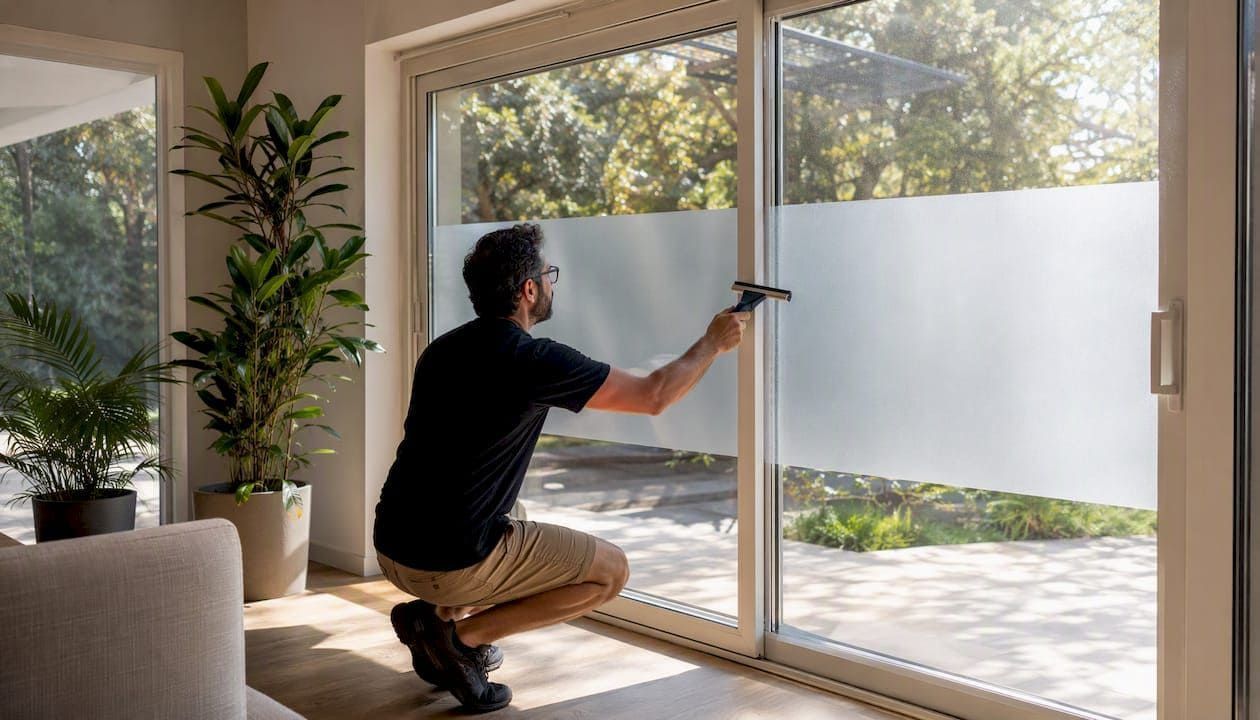
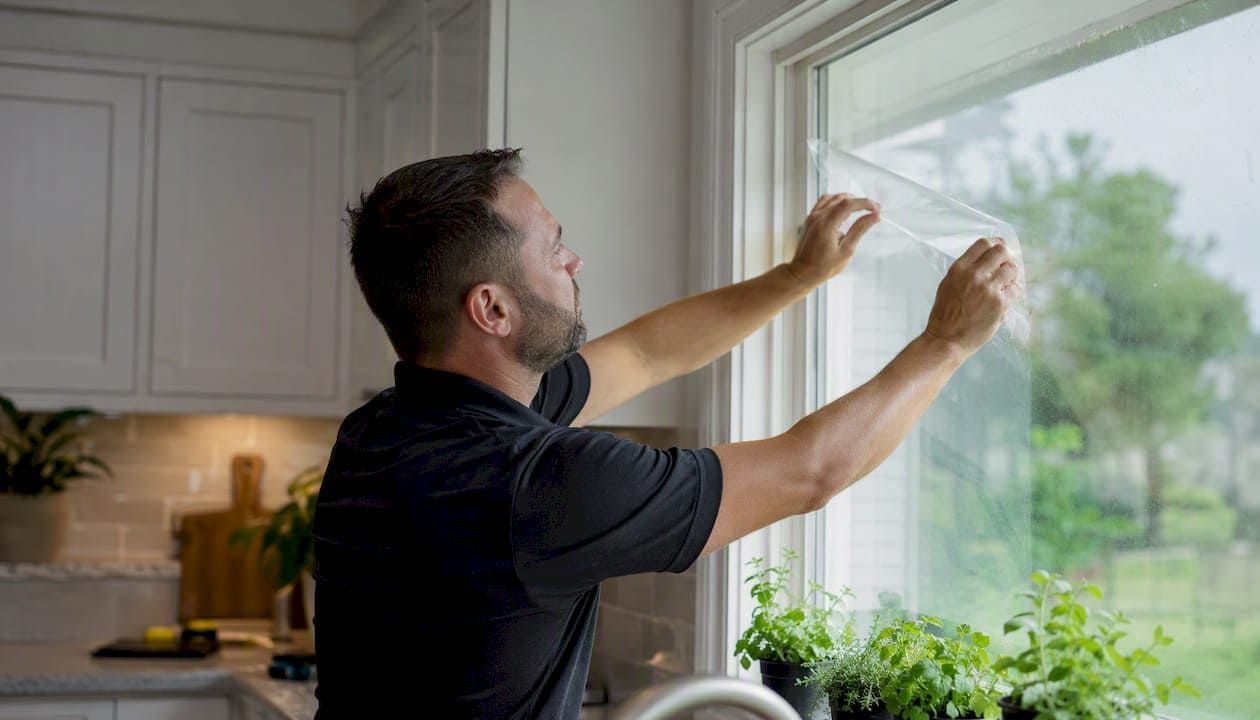
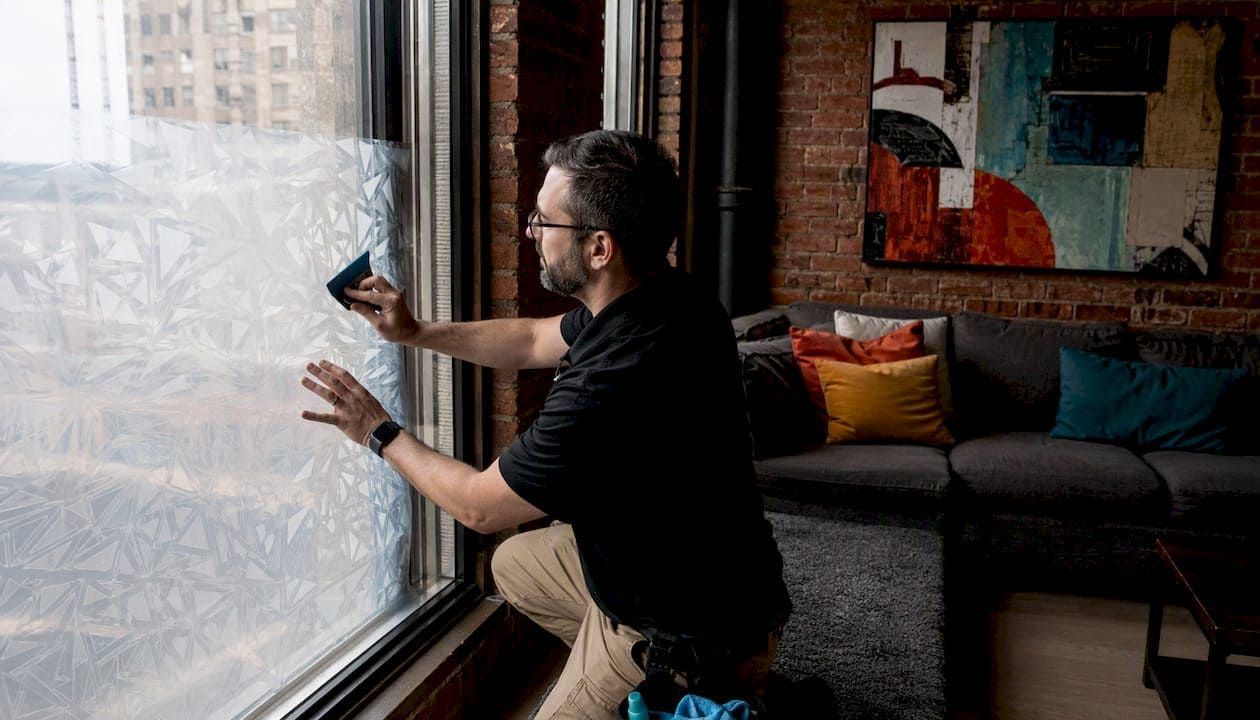
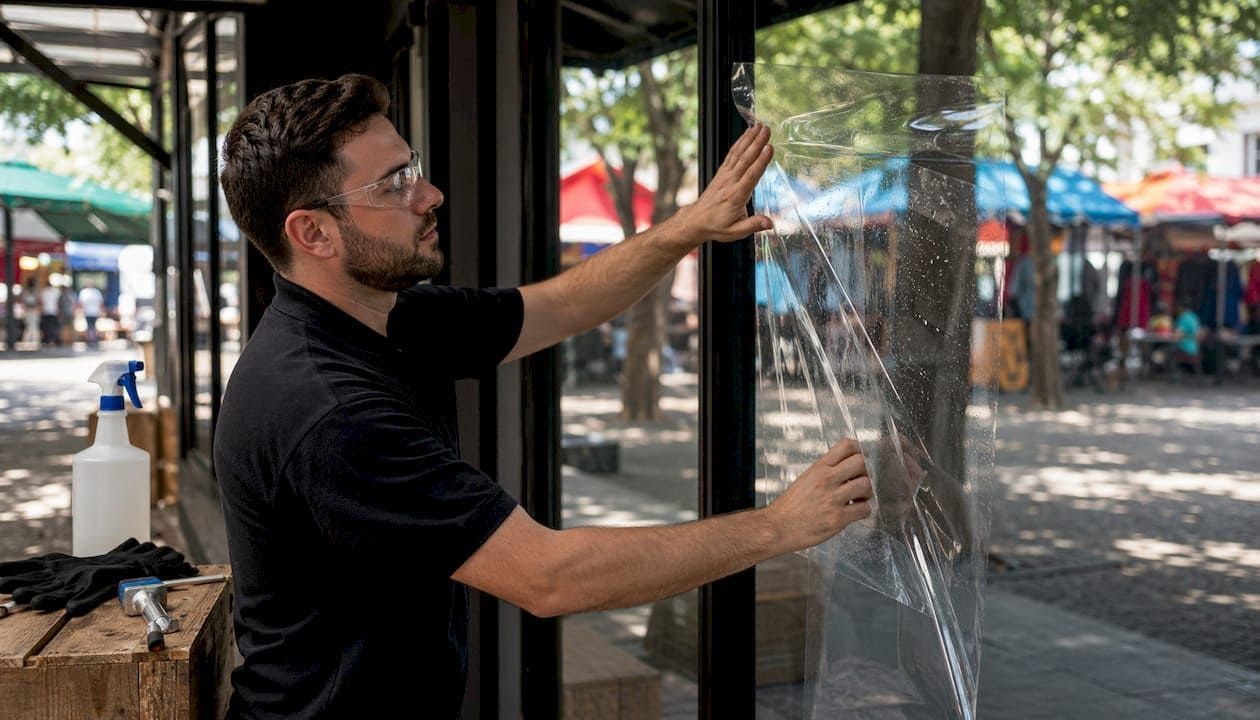
Proper installation amplifies these security benefits. Professional installers prepare glass surfaces thoroughly, ensuring complete adhesive contact without bubbles or gaps that could compromise performance. Edge-to-edge application maximizes the film's ability to hold glass together under stress, while attachment systems anchor the film to window frames for enhanced protection.
Security window films transform vulnerable entry points into protective barriers, buying critical time during emergencies while maintaining the aesthetic appeal of existing windows.
Commercial properties gain particular value from security films. Retail storefronts, ground-floor offices, and buildings with valuable equipment face higher break-in risks. Installing commercial safety and security window films costs far less than replacing windows with security glass, yet delivers comparable protection. Property managers appreciate the ability to enhance home security with window film without major construction disruption or changing building appearance.
The protection extends beyond human threats. New England storms bring high winds and flying debris that regularly damage unprotected windows. Security films keep glass intact during severe weather, preventing interior water damage and maintaining building envelope integrity when you need it most.
Energy efficiency and comfort advantages of security film
Security films deliver substantial energy benefits beyond their protective functions. Solar heat rejection reduces cooling costs up to 19 kilowatt-hours per square foot annually by blocking infrared radiation before it enters your space. This performance matters during Greater Boston's humid summers when air conditioning systems work overtime to maintain comfortable temperatures.
UV protection ranks among the most valuable yet overlooked film benefits. Standard window glass blocks some ultraviolet radiation, but security films block 99% of UV rays that fade furniture, artwork, flooring, and merchandise. Homeowners and retailers save thousands in replacement costs by preserving interior investments from sun damage.
| Energy Benefit | Performance Impact | Annual Savings |
|---|---|---|
| Solar heat rejection | Reduces cooling load 15-30% | Up to 19 kWh/sq ft |
| UV blocking | Prevents 99% of fading rays | Extends furnishing life 3-5 years |
| Glare reduction | Cuts screen glare 50-80% | Improved productivity and comfort |
| Insulation value | Reduces winter heat loss | 5-10% heating cost reduction |
Glare reduction improves daily comfort without sacrificing natural light. Tinted and reflective films cut harsh sunlight that creates screen glare and eye strain, particularly valuable in home offices and commercial spaces where employees work on computers. You maintain bright, naturally lit interiors while eliminating the squinting and headaches caused by direct sun exposure.
Comfort advantages include:
- Balanced temperatures across rooms with different sun exposure
- Reduced hot spots near south and west-facing windows
- Privacy enhancement without heavy curtains or blinds
- Acoustic dampening from outside traffic and urban noise
- Consistent interior lighting throughout the day
Pro Tip: Calculate your potential savings with a window tinting energy savings calculator before installation. Most properties see payback within three to five years through reduced HVAC costs, with security benefits as an added bonus rather than the primary expense.
Privacy options range from subtle to significant. Clear security films provide protection without changing window appearance, while tinted versions offer daytime privacy for bathrooms, bedrooms, and conference rooms. Reflective films create one-way visibility, letting you see out while preventing outsiders from viewing in during daylight hours. These home privacy with clear window film solutions maintain natural light flow unlike heavy curtains or blinds.
Acoustic benefits surprise many property owners. The added mass and damping properties of security films reduce outside noise transmission, creating quieter interior spaces in urban locations near busy streets or commercial areas.
Comparison of popular security film types for regional properties
Understanding film composition helps you select the right protection level for your security and energy goals. Multi-layer polyester films offer proven performance at moderate cost, while advanced urethane films deliver superior energy absorption for high-security applications.
| Film Type | Elongation | Tear Strength | Safety Rating | Best Application |
|---|---|---|---|---|
| Standard polyester | 120-150% | 1200-1500 N*mm | ANSI Z97.1 | Residential, light commercial |
| Premium polyester | 200-250% | 1800-2200 N*mm | ANSI + UL 972 | Storefronts, offices |
| Urethane composite | 560% | 2779 N*mm | GSA blast rated | High-security, government |
| Solar security hybrid | 180-220% | 1600-2000 N*mm | ANSI Z97.1 | Energy + security balance |
Urethane films elongate 560% under stress compared to 120-150% for standard polyester, absorbing far more impact energy before failure. This mechanical advantage explains why premium films pass GSA blast standards while maintaining flexibility and clarity. The Graves tear strength of 2779 N*mm in top-tier films significantly exceeds traditional polyester options.
Energy rejection capabilities vary by film construction:
- Clear security films block UV without affecting visible light transmission
- Lightly tinted films reject 30-50% of solar heat while maintaining views
- Reflective films reject 60-80% of heat with enhanced daytime privacy
- Spectrally selective films block infrared while passing visible light
Southern New Hampshire and Greater Boston properties benefit from climate-appropriate selection. Low-absorption films prevent thermal stress on windows during winter temperature swings, while high-rejection options maximize summer cooling savings. The ideal choice balances security requirements with seasonal energy performance, avoiding the window damage that occurs when dark films create excessive temperature differentials on cold glass.
Installation quality determines real-world performance regardless of film type. Professional application ensures proper surface preparation, complete adhesive contact, and edge-to-edge coverage that maximizes impact resistance. Amateur installation often leaves gaps, bubbles, or inadequate edge sealing that compromise both security and energy benefits.
Commercial applications often require specific film types. Retail storefronts benefit from clear or lightly tinted films that maintain product visibility while providing break-in protection. Office buildings prioritize glare reduction and energy savings alongside security. Property managers should review residential window films options with local experts who understand building codes and insurance requirements.
Making the right security film choice for your property
Matching film specifications to your actual security threats and energy goals prevents over-spending or under-protecting your property. Residential properties in low-crime neighborhoods may need only standard polyester films for storm protection and energy savings, while ground-floor commercial spaces require premium options with verified break-in delay performance.
Follow this decision framework:
- Assess your primary concern: security threats, energy costs, or balanced protection
- Evaluate window exposure: south and west faces need higher solar rejection
- Consider building type: older windows may need gentler low-absorption films
- Review budget constraints: premium films cost more but deliver superior performance
- Consult local professionals familiar with climate-specific film selection
- Verify installer credentials and warranty coverage before committing
- Plan for professional installation to maximize film performance and longevity
Budget considerations extend beyond initial cost. Premium films with superior mechanical properties last longer and perform better, often justifying higher upfront investment through extended service life and better energy savings. Standard films may need replacement sooner, particularly in harsh climates with extreme temperature cycling.
Pro Tip: Request free window tinting estimate consultations from multiple local installers to compare film recommendations and pricing. Experienced professionals assess your specific windows, sun exposure, and security needs rather than offering one-size-fits-all solutions.
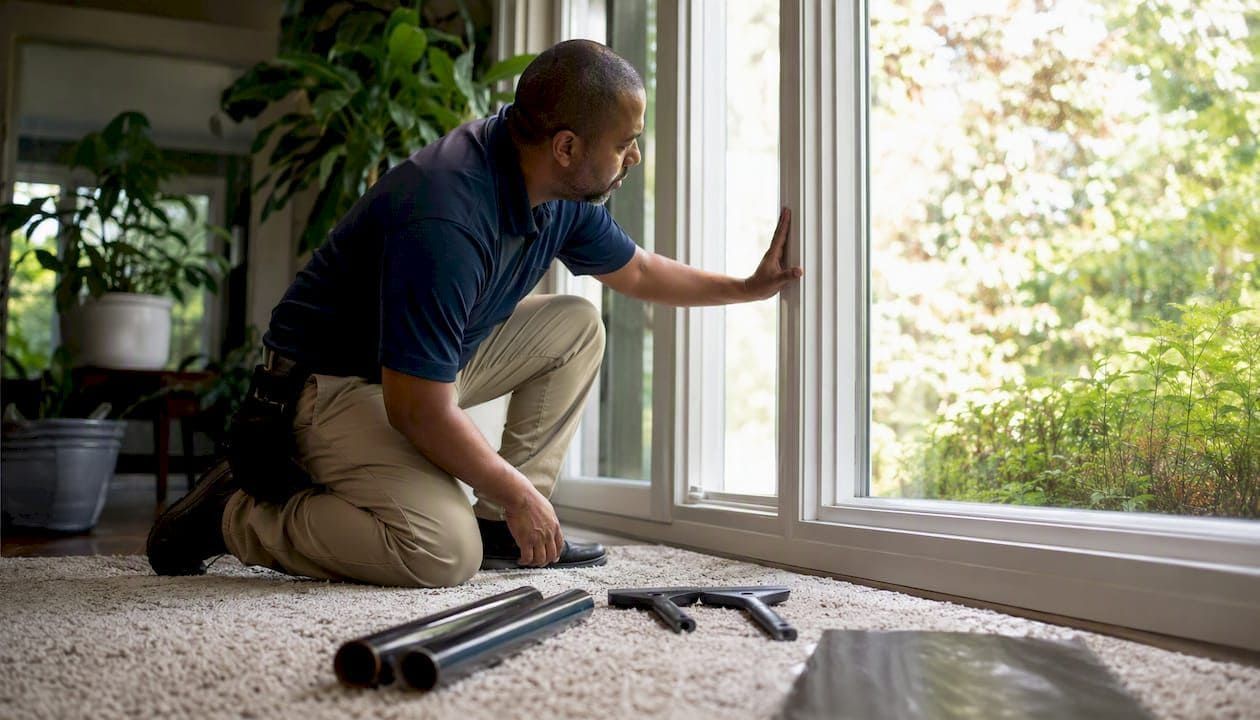
Professional installation proves critical for security applications. Proper surface preparation removes contaminants that prevent adhesive bonding, while skilled application eliminates bubbles and ensures edge-to-edge coverage. Many film warranties require professional installation, and amateur application often voids manufacturer guarantees.
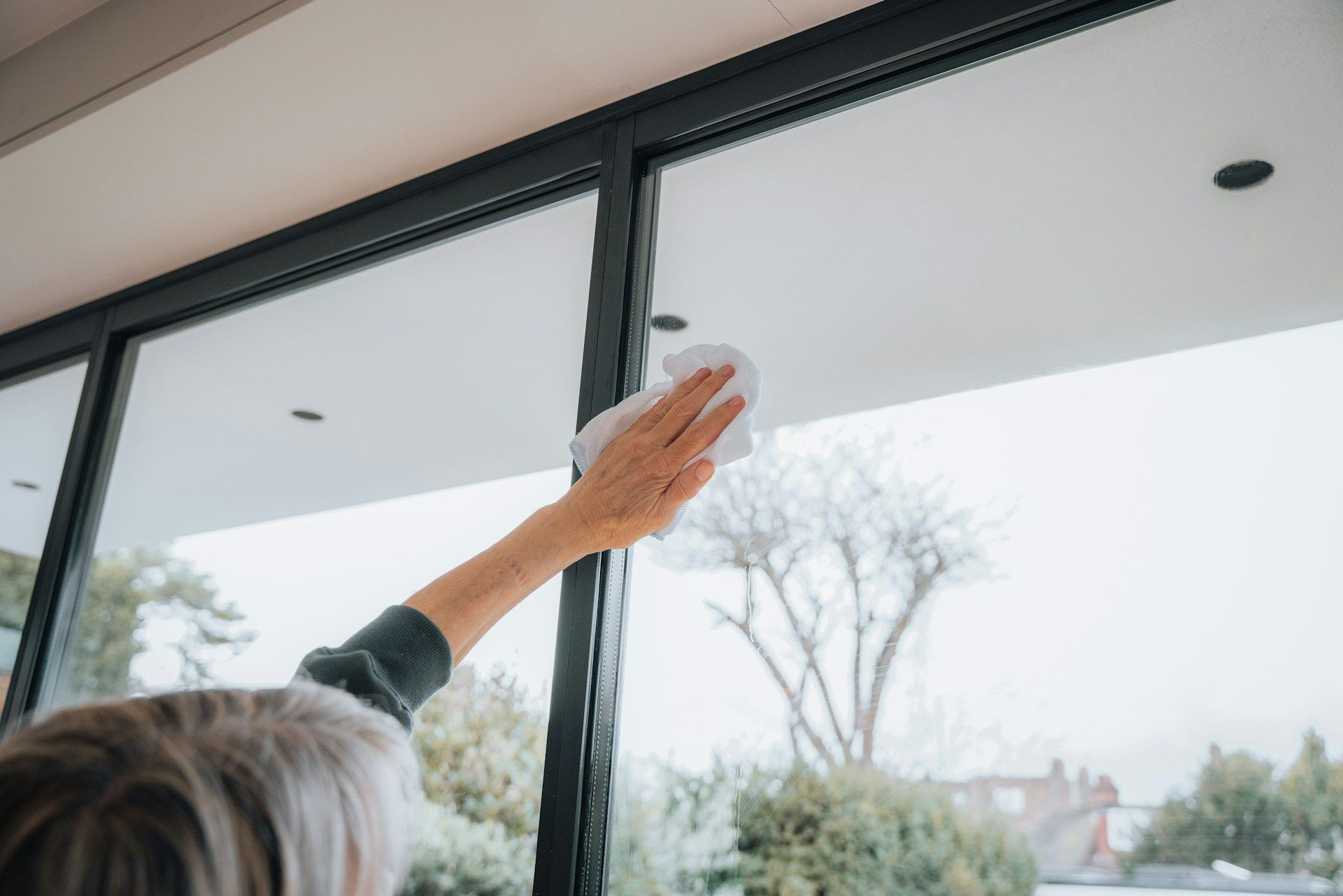
Maintenance requirements remain minimal but important. Clean filmed windows with soft cloths and ammonia-free cleaners to avoid damaging the film surface. Inspect edges periodically for lifting or peeling, addressing issues promptly to maintain protective integrity. Most quality films last 10-15 years with basic care, providing long-term value from your investment.
Property managers should coordinate film installation with regular maintenance schedules to minimize disruption. Home safety window film installation typically takes one to two days for average residential properties, while commercial projects require planning around business operations.
Enhance your property security and efficiency with expert window film installation
Protecting your Southern New Hampshire or Greater Boston property starts with choosing experienced local professionals who understand regional climate challenges and security requirements. Surface Dynamics Window Tinting specializes in home safety window film installation and commercial window film options tailored to New England properties, ensuring optimal performance through harsh winters and humid summers.
As an exclusive LLumar SelectPro Dealer, Surface Dynamics offers premium Vista Films with verified performance against break-ins, energy waste, and UV damage. Professional installation ensures maximum protection and energy savings, backed by manufacturer warranties and local expertise. Request your free window tinting estimate to discover how security films can transform your property's safety and efficiency in 2026.
Frequently asked questions
What is security window film and how does it work?
Security window film consists of multiple layers of polyester or urethane bonded to glass with pressure-sensitive adhesive. When impact strikes the window, the film stretches to absorb energy while holding glass shards together, preventing shattering and scattering.
Can security window film really prevent break-ins?
Security films do not make glass unbreakable but significantly delay forced entry from 10 seconds to one or two minutes. This extended time allows for intervention and makes properties less attractive targets. The delay factor often causes intruders to abandon attempts rather than risk extended exposure.
How does security film improve energy efficiency?
Films block solar heat and ultraviolet radiation entering through glass, reducing cooling costs up to 19 kWh per square foot annually. This reduces air conditioning load during summer while blocking 99% of UV rays that fade furnishings. Calculate potential savings with a window tinting energy savings calculator before installation.
Is security window film suitable for cold New England winters?
Modern films perform well in both cold winters and hot summers when properly selected. Local professionals recommend climate-specific films with low solar absorption to prevent thermal stress on windows during temperature extremes. Proper selection ensures year-round performance without risking window damage from temperature differentials.
Recommended