
Types of Commercial Window Coatings: 2026 Guide
TL;DR:
- Commercial window coatings improve energy efficiency, safety, privacy, and aesthetics on existing glass. Most buildings benefit from combining solar, safety, decorative, and Low-E films tailored to different zones. Proper zone-by-zone analysis and glass verification ensure optimal performance and long-term savings.
Commercial window coatings are specialized films applied directly to existing building glass to improve energy efficiency, enhance safety, control privacy, and elevate aesthetics. Unlike full window replacement, these retrofit solutions modify your current glazing at a fraction of the cost. The U.S. Department of Energy recognizes window films as a practical upgrade for commercial buildings, and projects meeting LEED certification standards increasingly rely on them to reduce HVAC loads. This guide covers every major type of commercial window coatings available in 2026, with cost ranges, performance benchmarks, and selection guidance built for property managers and business owners making real decisions.

1. Types of commercial window coatings: an overview
Commercial window coatings fall into five primary categories: solar control, safety and security, decorative and privacy, Low-E thermal films, and specialty coatings. Each category solves a different problem, and most commercial buildings benefit from combining two or more types across different zones. Retrofit films manage solar heat, glare, safety, and privacy without requiring glass replacement, which makes them the preferred choice for occupied buildings undergoing renovation. Understanding which category fits each area of your property is the first step toward a cost-effective project.
2. Solar control films: cutting heat and energy costs
Solar control films are the most widely installed commercial glass coatings, and for good reason. High-quality solar films reject up to 78–80% of incoming solar heat. That level of heat rejection translates directly into lower cooling loads and reduced HVAC runtime.
The energy savings are measurable. Cooling costs drop by 20–30% after professional solar film installation, with a return on investment typically reached within 2–4 years. For a multi-floor office building in Southern New Hampshire or the Greater Boston Area, that payback window is significant.
Three film technologies dominate this category:
- Ceramic films: No metal content, so they do not interfere with cell signals or electronics. They deliver high heat rejection with a neutral, non-reflective appearance. Ceramic is the preferred choice for modern office buildings where aesthetics matter.
- Metalized films: Contain metallic layers that reflect solar energy. They perform well but produce a mirror-like exterior finish that some tenants and landlords find too reflective.
- Dyed films: The most affordable option. They absorb rather than reflect heat, which makes them less effective in high-heat climates but suitable for moderate conditions.
Pro Tip: Select your solar film based on building orientation. South- and west-facing glass takes the most direct sun and benefits most from ceramic films with high solar heat gain coefficient (SHGC) rejection. North-facing glass rarely needs the same level of treatment.
Professional solar control installation typically runs $8–$18 per square foot, depending on film grade and building complexity.
3. Safety and security films: protecting occupants and property
Safety films hold shattered glass in place after an impact, blast, or attempted forced entry. Safety films retain glass shards during impacts or blasts, meeting ASTM standards and Florida Building Code requirements for commercial security applications. That standard applies broadly across commercial building codes nationwide.
Ground-floor glazing, lobby entrances, and retail storefronts carry the highest risk of glass breakage from accidents, weather events, or vandalism. Safety film on these surfaces does not prevent breakage, but it prevents the dangerous spray of glass fragments that causes most injuries.
Common commercial applications include:
- Lobby and entrance doors: High-traffic areas where accidental impact is most likely
- Retail storefronts: Protection against smash-and-grab theft and weather events
- Conference rooms and executive offices: Blast mitigation in high-profile buildings
- Schools and healthcare facilities: Safety films for schools meet the same rigorous ASTM and building code standards used in commercial security applications
Security film pricing runs $7–$25 per square foot, with thicker, higher-rated films at the upper end of that range. Surfacetint installs commercial safety and security films rated for both impact resistance and forced-entry delay.
Pro Tip: Pair safety film with an attachment system that anchors the film to the window frame. Without the attachment, the film holds glass together but the entire pane can still fall inward during a blast event.
4. Decorative and privacy films: aesthetics without replacing glass
Decorative films give property managers a cost-effective way to create privacy zones, reinforce branding, and improve interior aesthetics without replacing glass. Window film retrofit costs approximately $150 per window compared to $300–$1,000 for full window replacement. That cost gap makes decorative film the obvious choice for tenant improvements and lease renewals.
The main decorative film options include:
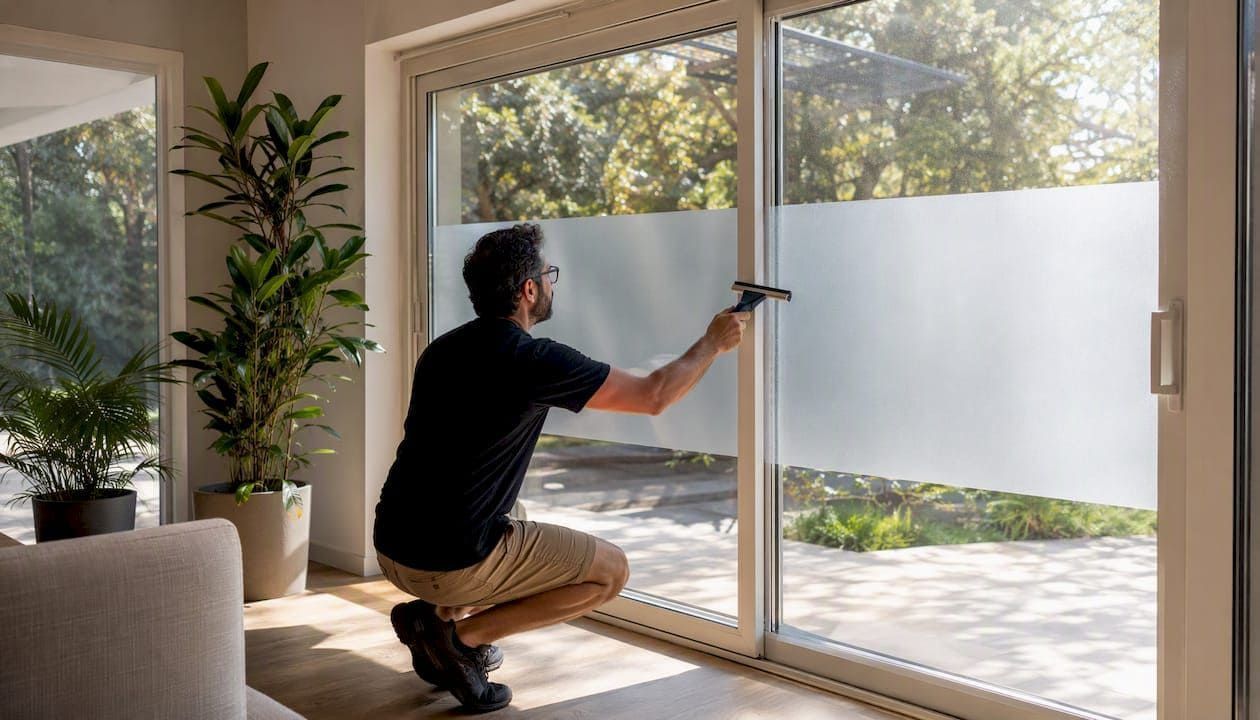
- Frosted and etched films: Mimic the look of acid-etched or sandblasted glass. Used widely in conference rooms, restrooms, and interior partitions.
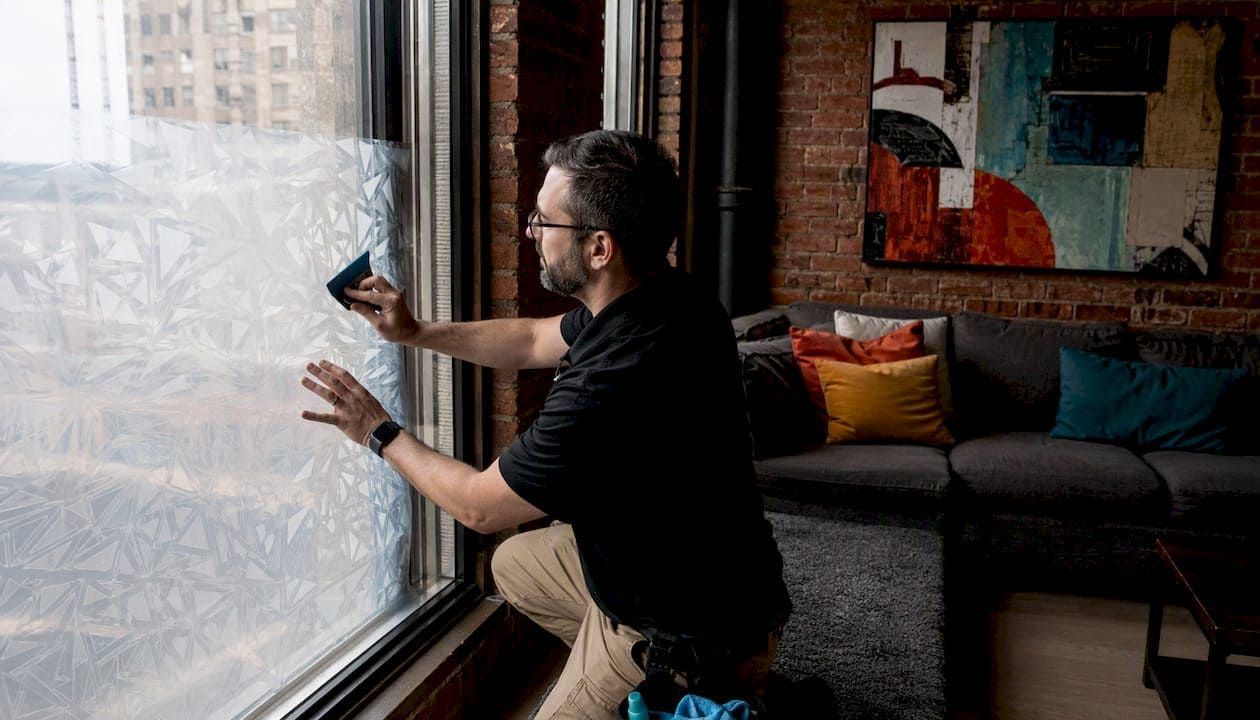
- Patterned films: Geometric or custom designs that add visual interest while controlling sightlines.
- Branded films: Custom-cut logos or graphics applied to glass storefronts or lobby windows. A practical branding tool that costs far less than custom signage.
- One-way mirror films: Allow occupants to see out while blocking visibility from outside during daylight hours. Effective for ground-floor offices facing busy streets.
Decorative films are also removable, which matters for tenants who need to restore the space to its original condition at lease end. Commercial decorative film options from Surfacetint include privacy gradients and custom patterns suited to office interiors and retail environments.
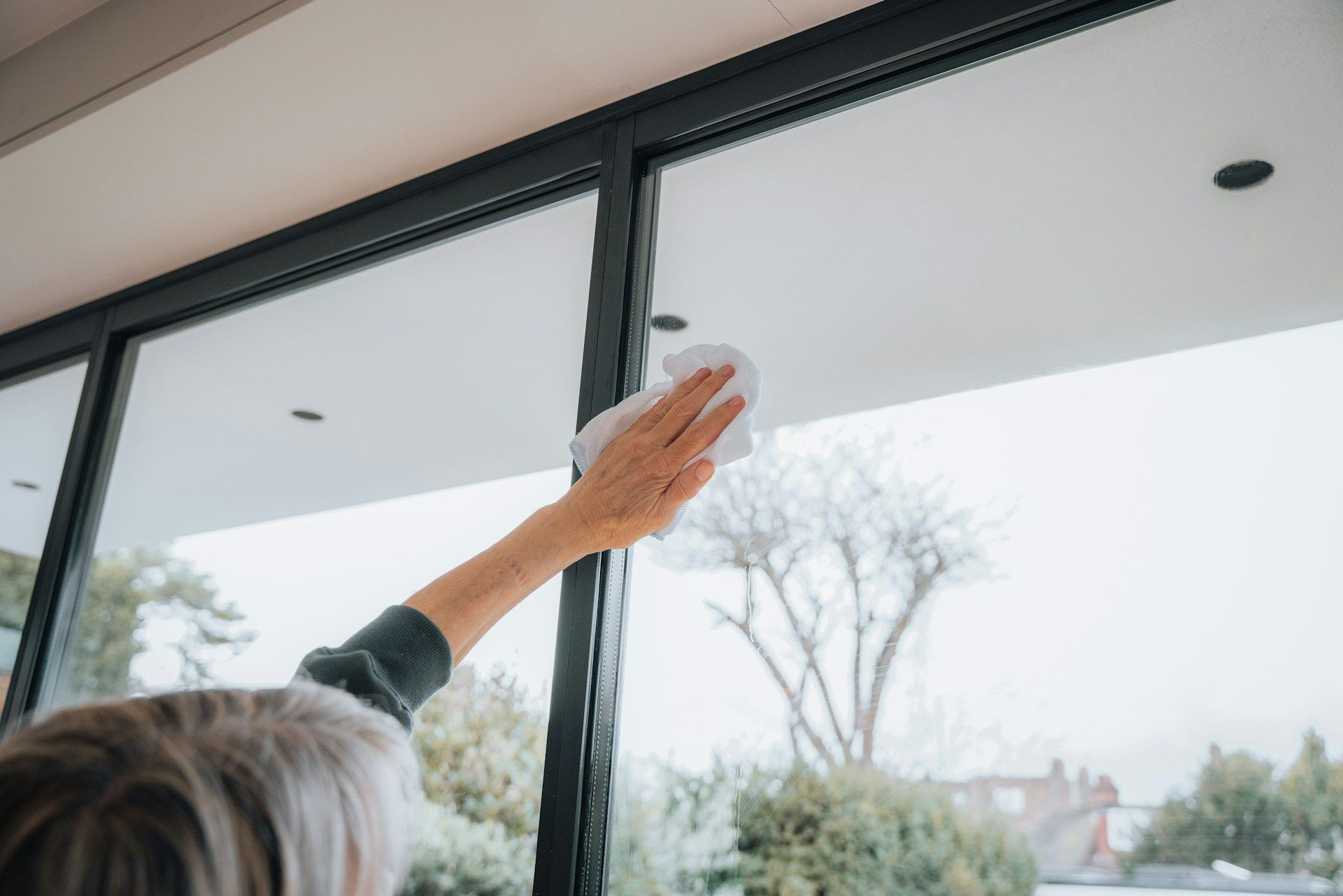
After installation, keeping glass surfaces clean extends film life significantly. Regular professional window cleaning prevents abrasive buildup that can degrade film adhesion over time.
5. Low-E films: year-round thermal performance
Low-E (low-emissivity) films reduce heat transfer through glass in both directions. In summer, they block solar heat from entering. In winter, they reflect interior heat back into the building. This dual-season performance makes them one of the best coatings for windows in climates with both hot summers and cold winters, including New England.
Hard coat Low-E glass carries an SHGC of 0.35–0.45, while soft coat Low-E glass achieves 0.20–0.28. Retrofit Low-E films applied to existing single-pane or older double-pane glass can bring performance closer to modern insulated glazing unit (IGU) standards. That is a meaningful upgrade for older commercial buildings that cannot afford full window replacement.
Business owners should distinguish factory-applied Low-E glass from retrofit films. Factory glass requires new window units. Retrofit films apply to existing glass and cost a fraction of replacement. For buildings with large single-pane curtain walls, Low-E film is often the only financially viable path to improved thermal performance.
6. Anti-graffiti, bird strike prevention, and smart films
These specialty coatings address specific problems that standard solar or safety films do not solve.
Anti-graffiti films
Anti-graffiti films create a sacrificial surface layer on glass and polished metal. When vandals etch or spray the surface, the film absorbs the damage. Property managers remove and replace the film rather than the glass. This approach works particularly well for transit facilities, parking structures, and ground-floor retail in urban areas.
Bird strike prevention films
Bird strikes on glass facades cause significant bird mortality and are increasingly subject to local ordinance requirements in cities like New York and San Francisco. Bird strike prevention films apply a pattern of UV-reflective dots or lines that birds detect but humans barely notice. The pattern breaks up the reflection that birds mistake for open sky.
Smart (switchable) films
Smart films, also called PDLC (polymer dispersed liquid crystal) films, switch from opaque to transparent when an electric current is applied. They replace traditional blinds in conference rooms and executive offices. Smart films run $50–$100 per square foot installed, making them the most expensive window coating option by a wide margin. That cost reflects the electrical integration required and the premium on-demand privacy they deliver.
| Film Type | Primary Function | Approximate Cost per Sq Ft |
|---|---|---|
| Solar control | Heat and glare reduction | $8–$18 |
| Safety and security | Impact and forced-entry protection | $7–$25 |
| Decorative and privacy | Aesthetics and visibility control | $8–$18 |
| Smart (PDLC) | Switchable on-demand privacy | $50–$100 |
7. How to choose the right window coating for your property
Selecting the right film starts with four factors: climate, glass type, building orientation, and project budget.
- Climate: Buildings in New England face both summer heat gain and winter heat loss. Low-E or high-rejection ceramic solar films address both. Buildings in purely hot climates can prioritize solar control alone.
- Glass type: Verify tempered versus annealed glass before applying dark films. Dark films absorb more heat, which can cause thermal stress fractures in annealed glass. A professional glass compatibility assessment prevents costly mistakes.
- Building orientation: South- and west-facing glass needs the strongest solar control. North-facing glass may need only decorative or safety film.
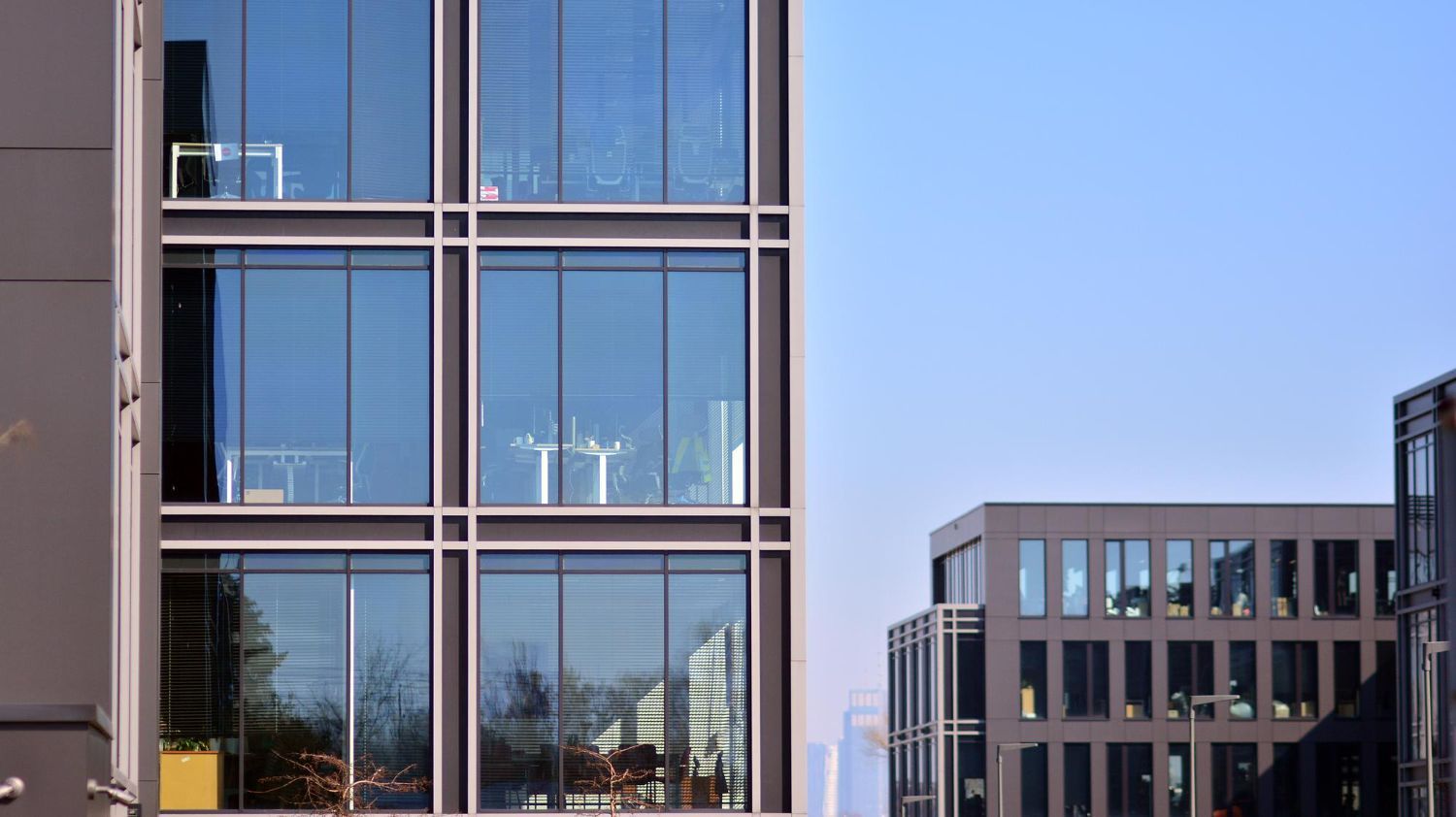
- Combining film types: Most commercial projects combine several film types tailored per building zone. Solar control on exterior curtain walls, privacy film on interior partitions, and safety film on lobby entrances is a common and effective combination.
Installation projects can be phased over 2–5 days with minimal disruption to building operations. Professional installers schedule work during nights and weekends for occupied commercial spaces. That flexibility removes the biggest operational objection most property managers raise.
Pro Tip: Request a glass compatibility report from your installer before signing a contract. Any reputable installer will provide one. If they skip this step, that is a red flag.
Window films contribute to LEED certification by reducing HVAC loads and carbon emissions without generating glass replacement waste. If your building is pursuing green certification, document the film specifications and energy modeling data before installation.
Key takeaways
The most effective commercial window coating strategy combines solar control, safety, and privacy films matched to each zone of the building rather than applying one film type across all glass.
| Point | Details |
|---|---|
| Solar films deliver fast ROI | Heat rejection up to 78–80% cuts cooling costs 20–30% with payback in 2–4 years. |
| Safety films meet ASTM standards | They hold shattered glass in place, protecting occupants in lobbies and storefronts. |
| Retrofit films cost far less than replacement | Film installation runs ~$150 per window versus $300–$1,000 for full replacement. |
| Glass type determines film compatibility | Always verify tempered versus annealed glass before applying dark or absorptive films. |
| Combining film types is standard practice | Most commercial buildings use multiple film categories across different zones and functions. |
What I've learned after years of commercial window film projects
Property managers consistently underestimate how much the selection phase matters. Picking the wrong film for a south-facing curtain wall is not just a performance problem. It can void the glass warranty and create thermal stress fractures that cost far more to fix than the film itself.
The other mistake I see regularly is treating window film as a single-product decision. The best commercial projects I have worked on always involve a zone-by-zone analysis. Conference rooms need privacy. Lobbies need safety. West-facing offices need the strongest solar rejection available. Treating every window the same wastes budget and leaves real performance gaps.
Sustainability pressure is also changing the conversation. Building owners pursuing LEED or similar certifications now ask about film specifications upfront, not as an afterthought. Films that reduce HVAC load without generating construction waste fit cleanly into net-zero building strategies. That shift is making window film a standard line item in commercial renovation budgets rather than an optional upgrade.
The one thing I tell every property manager before a project starts: get the glass compatibility report first. It costs nothing extra and prevents the one failure mode that no one wants to explain to a building owner.
Surfacetint's commercial window film services
Surfacetint serves commercial property managers and business owners across Southern New Hampshire and the Greater Boston Area as an exclusive LLumar SelectPro Dealer. Every project starts with a glass compatibility assessment and a zone-by-zone film recommendation, not a one-size-fits-all quote.
Surfacetint installs LLumar Vista Films across all major categories: Solar Control Films, Safety and Security Films, and Decorative Privacy Films. You can view completed projects to see real results on commercial buildings similar to yours. When you are ready to move forward, request a free commercial estimate and get a detailed recommendation tailored to your building's glass, orientation, and performance goals.
FAQ
What are the main types of commercial window coatings?
The five main types are solar control films, safety and security films, decorative and privacy films, Low-E thermal films, and specialty coatings such as anti-graffiti, bird strike prevention, and smart PDLC films. Most commercial buildings use a combination of two or more types.
How much do commercial window films cost to install?
Professional installation pricing ranges from $7–$25 per square foot for solar control and security films, and $50–$100 per square foot for smart switchable films. Film retrofit costs approximately $150 per window, compared to $300–$1,000 for full window replacement.
Do commercial window films qualify for LEED credits?
Window films contribute to LEED certification by reducing HVAC loads and carbon emissions without generating glass replacement waste. Document film specifications and energy modeling data before installation to support your certification application.
How long does commercial window film installation take?
Multi-floor commercial installations typically take 2–5 days. Professional installers can schedule work during nights and weekends to minimize disruption to building operations.
Can window film damage existing commercial glass?
Dark or absorptive films can cause thermal stress fractures in annealed glass. Always verify whether your glass is tempered or annealed before installation. A reputable installer will provide a glass compatibility report before any work begins.
Recommended