
Window Tinting's Role in LEED Standards Explained
TL;DR:
- Window tinting supports LEED credits by reducing energy use, improving indoor comfort, and extending glazing lifespan. Effective film selection depends on climate, performance data, and proper documentation during project planning. Proper early integration ensures LEED credit approval, cost savings, and occupant comfort.
Window tinting is a direct contributor to LEED certification, improving a building's energy performance and indoor environmental quality across multiple credit categories. The role of tinting in LEED standards spans the Energy & Atmosphere, Indoor Environmental Quality, and Materials & Resources credit categories under LEED v4.1 BD+C and O+M frameworks. For architects, construction professionals, and property developers, window film represents one of the most cost-effective paths to earning LEED points without structural changes. Understanding which performance metrics matter, how to document them, and how climate affects film selection determines whether your project earns those credits or misses them.

How does window tinting improve energy efficiency for LEED credits?
Window film earns LEED points primarily through the Energy & Atmosphere category by reducing a building's cooling and heating loads. The two metrics that matter most are Solar Heat Gain Coefficient (SHGC) and Visible Light Transmittance (VT). SHGC measures how much solar heat passes through glazing. VT measures how much visible light gets through.
Commercial window films reduce SHGC to 0.30 or better, dropping typical uncoated dual-pane glass from 0.65 down to as low as 0.20 post-installation. That reduction directly lowers cooling energy demand, which feeds into LEED's Optimize Energy Performance credit and can contribute 1–3 points depending on the modeled savings. Fewer cooling hours means smaller mechanical systems and lower utility costs over the building's life.
The benefits of window tinting extend beyond cooling. Films rated for blocking up to 99% UV radiation and rejecting up to 97% of infrared heat rays protect interior materials while contributing to energy, materials, and indoor quality credits simultaneously. That multi-credit impact is what makes film retrofits attractive on a cost-per-point basis.
Key performance metrics architects and developers should specify:
- SHGC: Target 0.30 or lower for meaningful cooling load reduction
- VT: Maintain above 0.40 to preserve daylight credit eligibility
- U-factor: Lower values improve thermal insulation, critical in cold climates
- Light-to-Solar Gain (LSG) ratio: Target above 1.25 for optimal daylight and heat rejection balance
Pro Tip: Specify spectrally selective films with an LSG ratio above 1.25. These films admit more daylight per unit of heat rejected, which means you can qualify for both daylight and energy credits without sacrificing one for the other.
What is the impact of tinting on indoor environmental quality?
Tinting's impact on LEED's Indoor Environmental Quality (IEQ) credits is significant and often underestimated. Window film controls glare, reduces thermal hot spots near glazing, and preserves natural light quality. All three factors directly affect occupant comfort scores and credit eligibility.
Spectrally selective films maintain VT above 0.40 while reducing heat gain, which keeps daylight zones functional without triggering glare complaints. LEED's Daylight credit requires that occupied spaces meet specific illuminance targets. Films that drop VT below 0.40 can disqualify a space from that credit entirely. Getting the VT specification right is not optional.
Temperature stratification near large glazing areas creates discomfort that drives occupants to adjust thermostats, increasing energy use. Window film reduces that stratification by cutting the radiant heat load at the glass surface. The result is a more uniform thermal environment across the floor plate, which supports LEED's Thermal Comfort credit.
Occupant comfort improvements from properly specified window film include:
- Reduced glare on screens and workstations without blocking views
- More consistent air temperatures across perimeter and interior zones
- Lower UV exposure, protecting occupants and furnishings from long-term damage
- Preserved quality views to the outdoors, supporting LEED's Quality Views credit
- Reduced reliance on blinds and shades, which often block views entirely
The energy savings calculator from Surfacetint helps quantify these comfort and efficiency gains before installation, giving project teams data to support energy modeling.
What documentation does LEED compliance require for window film?
Documentation is where most window film LEED submittals succeed or fail. Successful LEED submittals require pre-installation documentation that includes NFRC-rated performance data covering SHGC, U-factor, and VT, plus VOC declarations specific to the glazing configuration. Authorities Having Jurisdiction (AHJ) require documented proof of assembly performance compliance for retrofit credits. Missing any one of these items can result in credit denial.
Window film installation must also include commissioning records integrated into envelope verification to earn LEED Enhanced Commissioning credits under LEED v4.1 BD+C and O+M certifications. Commissioning confirms that the installed film performs as specified and provides the paper trail reviewers need.
Pro Tip: Engage your energy modeler and the film manufacturer before specifying a product. Manufacturers can provide NFRC simulation data for your exact glazing assembly, which is far more defensible in a LEED submittal than generic product data sheets. Early coordination prevents costly resubmittals.
The table below outlines the required documentation versus the most common compliance gaps:
| Required documentation | Common compliance gap |
|---|---|
| NFRC-rated SHGC, U-factor, VT data | Using manufacturer marketing specs instead of NFRC-certified values |
| VOC declaration for adhesive and film | Missing VOC data for the specific glazing assembly configuration |
| Pre-installation glazing baseline data | No documented baseline, making energy savings unverifiable |
| Commissioning records post-installation | Film installed without envelope commissioning integration |
| AHJ-specific performance compliance proof | Generic submittals not tailored to jurisdiction requirements |
For a broader look at how certifications and performance data work together, the window tint certifications guide from Surfacetint covers the key standards professionals need to reference.

How does climate affect window film selection for LEED projects?
Climate determines which film type delivers the most LEED-eligible energy savings. Applying the wrong film type for a given climate can actually reduce your modeled energy performance and cost you credits.
In cooling-dominant climates like Arizona or Texas, sun control films with low SHGC values are the primary tool. These films reject solar heat before it enters the building, cutting cooling loads during the long summer months when energy demand peaks. The LEED energy model rewards this directly through reduced cooling energy intensity.
In heating-dominant or mixed climates like New England or Pennsylvania, the calculus changes. Low-emissivity films improve thermal insulation during heating seasons, reducing winter heat loss through glazing. Products designed for insulating performance contribute to year-round energy savings, which is what LEED's energy modeling requires for mixed-climate documentation. Surfacetint serves the Southern New Hampshire and Greater Boston markets, where mixed-climate film selection is a real factor in project performance.
Climate-specific film selection guidance:
- Hot climates (Arizona, Texas, Florida): Prioritize low SHGC sun control films; target SHGC below 0.25 for maximum cooling credit impact
- Cold climates (Minnesota, Maine, Vermont): Prioritize low-emissivity films; focus on U-factor improvement to reduce heating loads
- Mixed climates (New England, Mid-Atlantic, Pacific Northwest): Combine sun control and low-E properties; energy modelers should run both heating and cooling season scenarios
- All climates: Maintain VT above 0.40 to protect daylight credit eligibility regardless of heat control priorities
Window film performance depends heavily on local climate and building orientation, and combining sun control with insulating films optimizes energy savings year-round. This detail is frequently missed in energy models that treat film as a single-season solution. Building orientation compounds the issue: south-facing glazing in Boston behaves very differently from west-facing glazing in the same building, and film specifications should reflect that difference.
For a broader regulatory perspective on how glazing energy compliance requirements vary by region, the building regulations energy savings guide provides useful comparative context.
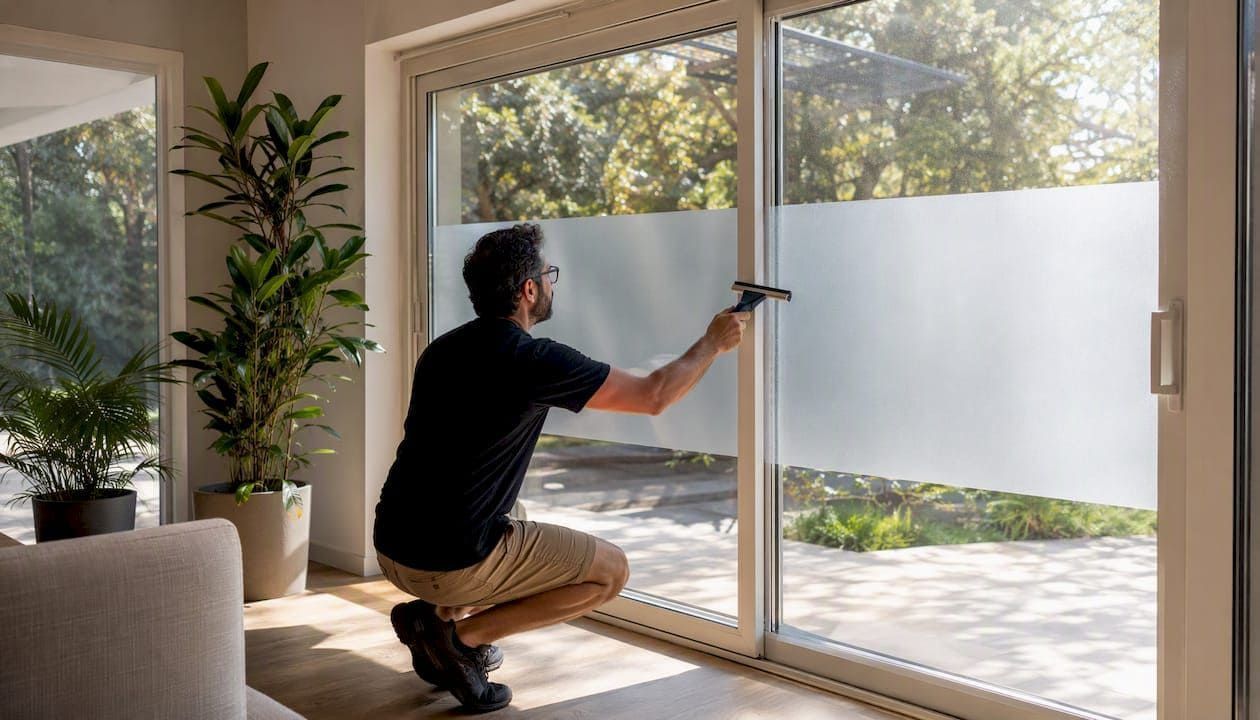
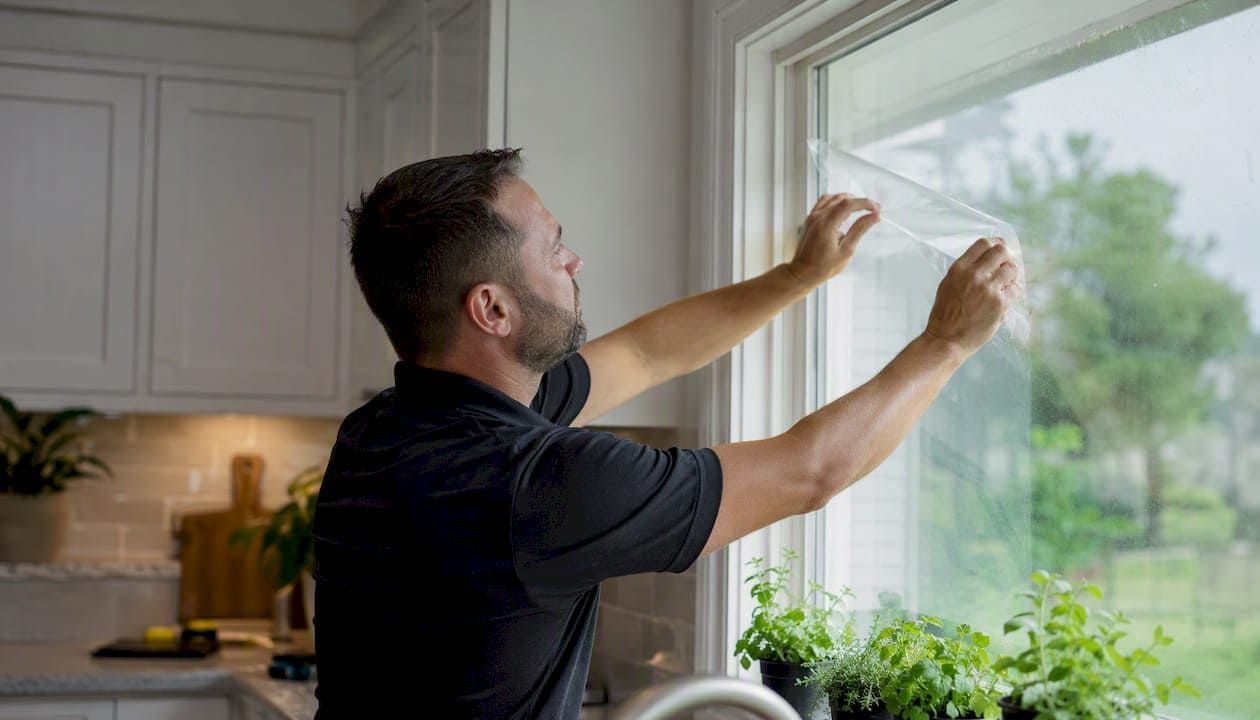
One more factor worth noting: window film installation takes days, not weeks, produces minimal waste, and requires no structural work or tenant relocation. That positions film as a Materials & Resources credit contributor by extending the lifecycle of existing glazing rather than replacing it. On a cost basis, commercial window film runs $7–$13 per square foot installed, compared to full window replacement costs that are typically five to ten times higher. The ROI case for film over replacement is strong on both the budget and the LEED scorecard.
Key Takeaways
Window tinting earns LEED credits across Energy & Atmosphere, Indoor Environmental Quality, and Materials & Resources categories when specified with NFRC-rated data, climate-appropriate film types, and complete pre-installation documentation.
| Point | Details |
|---|---|
| SHGC reduction drives energy credits | Target SHGC of 0.30 or lower to reduce cooling loads and earn LEED EA points. |
| VT above 0.40 protects daylight credits | Films that drop VT below 0.40 disqualify spaces from LEED Daylight credit eligibility. |
| Documentation determines credit approval | NFRC data, VOC declarations, and commissioning records are all required for LEED submittals. |
| Climate dictates film type | Use sun control films in hot climates and low-E films in cold or mixed climates for maximum credit impact. |
| Film retrofits outperform replacement on ROI | At $7–$13 per square foot, film earns LEED points at a fraction of full window replacement cost. |
What I've learned about tinting and LEED that most articles skip
The biggest mistake I see on LEED projects involving window film is treating it as a late-stage add-on. Teams finalize the energy model, realize they're short on EA credits, and then try to retrofit film into the submittal. That approach almost always creates documentation problems because the baseline glazing performance was never captured before installation.
The projects that go smoothly are the ones where the film specification enters the energy model at schematic design. When you run the model with and without film, you get a defensible delta that the LEED reviewer can verify. That delta is your credit. Without it, you're arguing from product data sheets instead of building-specific simulation, and reviewers notice the difference.
Glare control is the other benefit that gets undervalued. Architects focus on SHGC and VT numbers, but tenants care about whether they can see their screens at 2:00 PM. A film that solves the glare problem without closing the blinds permanently is worth more to occupant satisfaction scores than the energy numbers suggest. LEED's Quality Views credit exists precisely because views matter to people who work in buildings all day.
If you're working on a mixed-climate project in New England, I'd push hard for a product that handles both heating and cooling seasons rather than optimizing for one. The LEED certification property manager's guide covers this balance well and is worth sharing with your client before the specification is locked.
Professional window tinting for LEED-compliant commercial projects
Surfacetint provides commercial window film installation across Southern New Hampshire and the Greater Boston Area, with full documentation support for LEED submittals. As an exclusive LLumar SelectPro Dealer, Surfacetint installs Vista Solar Control Films rated and tested to NFRC standards, giving your project team the SHGC, U-factor, and VT data required for Energy & Atmosphere and IEQ credit documentation.
Every commercial project includes pre-installation consultation to match film type to your climate zone, glazing configuration, and LEED credit targets. Surfacetint's team works directly with energy modelers and project managers to prepare compliant submittal packages. Request a free commercial tinting estimate and get the performance data your LEED project needs from day one.
FAQ
What LEED credits does window film directly support?
Window film contributes to LEED Energy & Atmosphere (Optimize Energy Performance), Indoor Environmental Quality (Daylight, Thermal Comfort, Quality Views), and Materials & Resources (building product lifecycle extension) credits under LEED v4.1 BD+C and O+M.
What VT level does window film need for LEED daylight credits?
Films must maintain a Visible Light Transmittance above 0.40 to avoid penalizing daylight scores. Spectrally selective films with high LSG ratios above 1.25 achieve this while still rejecting significant solar heat.
Is NFRC certification required for window film in a LEED submittal?
NFRC-rated performance data for SHGC, U-factor, and VT is required for LEED submittals involving window film. Generic manufacturer specs without NFRC certification are frequently rejected by Authorities Having Jurisdiction.
How does climate affect which window film earns the most LEED points?
Sun control films with low SHGC values maximize credits in cooling-dominant climates, while low-emissivity films improve U-factor performance in cold or mixed climates. Energy modelers should run both heating and cooling season scenarios for mixed-climate projects.
How does window film compare to window replacement for LEED projects?
Commercial window film costs $7–$13 per square foot installed and earns LEED points across multiple credit categories without structural work or tenant disruption. Full window replacement costs significantly more and qualifies for fewer Materials & Resources credits because it generates waste rather than extending existing glazing lifecycle
Recommended