
What Is Thermal Insulation Film for Your Home?
TL;DR:
- Thermal insulation films are applied directly to glass surfaces to reduce heat transfer, block UV rays, and improve energy efficiency. They employ reflective coatings, Low-E technology, or nanoparticles to manage heat without significant bulk, making installation quick and non-invasive. Proper selection and professional installation ensure optimal performance, UV protection, and minimal signal interference in various climates.
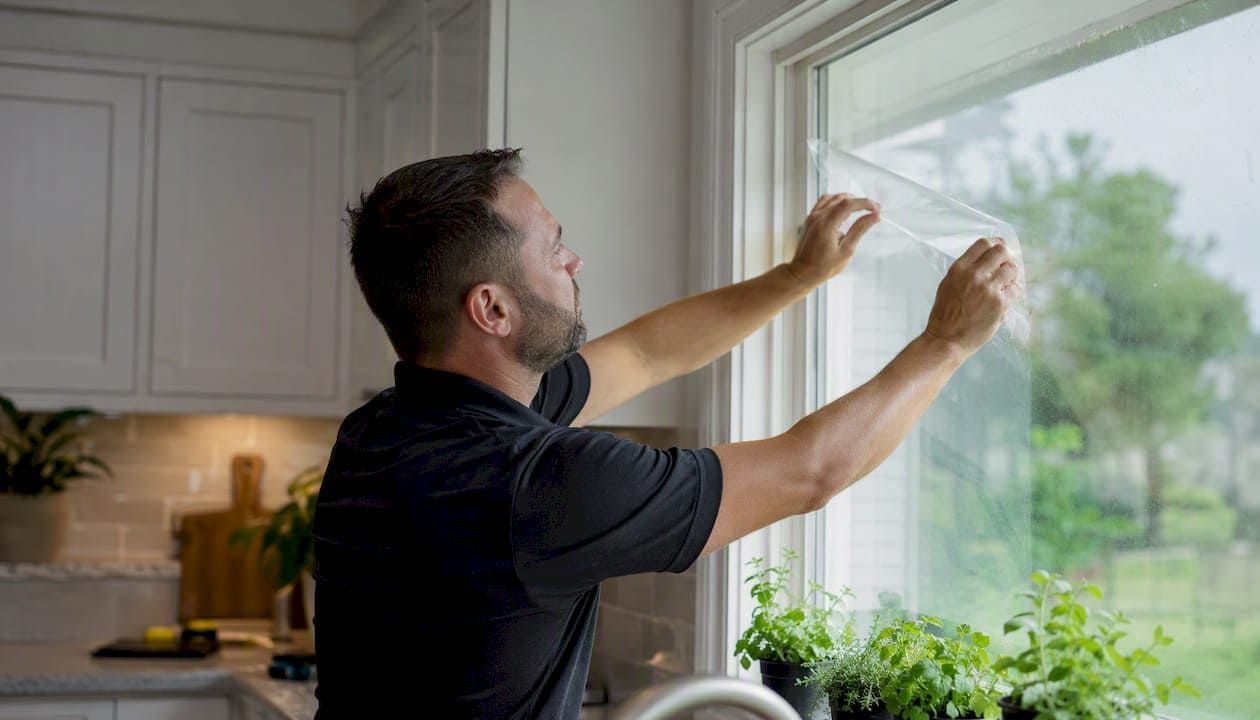
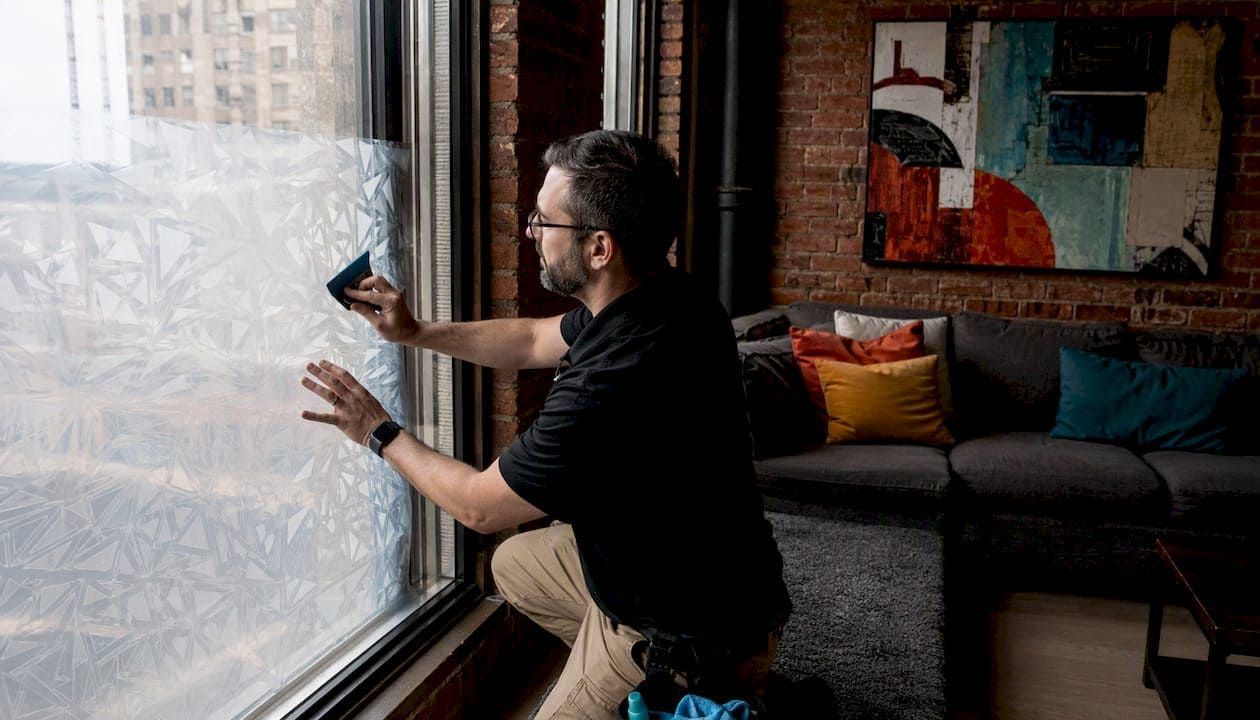
Thermal insulation film is a thin, multi-layer material applied directly to glass surfaces to reduce heat transfer, block UV radiation, and maintain comfortable indoor temperatures year-round. Unlike bulky traditional insulation, these films work through reflective coatings, Low-E (low-emissivity) technology, or rare-earth nanoparticles to manage how heat moves through your windows. The result is measurable: advanced films can reduce indoor temperatures by up to 10°C and deliver annual energy savings up to 130 MJ/m². For homeowners and property managers in climates like Southern New Hampshire and Greater Boston, where winters are brutal and summers are humid, that performance matters.

What is thermal insulation film and how does it work?
Thermal insulation film works by intercepting radiant heat before it passes through your glass. Standard window glass does almost nothing to stop infrared radiation. These films change that equation entirely.
The three core technologies each take a different approach:
- Metalized reflective films combine a polyester substrate with a thin aluminum coating. That aluminum layer blocks up to 94% of radiant heat and also acts as a vapor and moisture barrier, reducing condensation on interior glass surfaces.
- Low-E films apply a microscopically thin metallic coating that lowers the emissivity of the glass. Lower emissivity means the glass radiates less heat back into the room in summer and reflects more heat inward during winter.
- Rare-earth nanoparticle films use spectral-selective absorption. The nanoparticles target infrared wavelengths specifically, absorbing and dissipating heat without significantly reducing visible light. This technology blocks up to 99% of UV rays while maintaining a bright, natural interior.
The UV protection benefit is not cosmetic. Over 99% UV rejection prevents furniture, flooring, and artwork from fading. It also reduces occupant exposure to the UV radiation that causes skin damage over time.
Pro Tip: If your home has south-facing or west-facing windows, radiant heat gain is your biggest summer problem. A metalized or rare-earth film on those specific windows delivers the fastest return on investment.
What types of thermal insulation films are available?
Choosing the right film means understanding three key performance metrics: Total Solar Energy Rejection (TSER), Infrared Rejection (IRR), and Visible Light Transmittance (VLT). TSER measures the percentage of total solar energy blocked. IRR measures how much infrared heat is rejected. VLT tells you how much natural light still passes through.
Here is how the main film categories compare:
| Film Type | TSER | UV Rejection | VLT | Best Application |
|---|---|---|---|---|
| Metalized Reflective | Up to 79% | 99%+ | Low to moderate | South/west-facing windows, high heat climates |
| Ceramic Film | 50%–70% | 99%+ | High | Homes needing natural light with heat control |
| Low-E Film | 40%–65% | 99%+ | High | Cold climates, year-round insulation |
| Rare-Earth Nanoparticle | 53%–79% | 99%+ | High | Modern homes, signal-sensitive environments |
One detail most buyers miss: traditional metalized films can interfere with cell phone and GPS signals. Rare-earth nanoparticle films provide equivalent heat rejection without that drawback. For a home office or commercial space where wireless connectivity is non-negotiable, that distinction is worth the price difference.
Rare-earth films also solve a long-standing trade-off in window film design. Selective insulation films using rare-earth nanoparticles allow high visible light transmittance while delivering effective heat rejection. You get a bright room and a cooler room at the same time.
Pro Tip: In New England climates, Low-E films perform double duty. They keep heat inside during winter and reflect solar gain during summer. A single film investment covers both seasons.
How do insulation films compare to traditional insulation?
Thermal insulation films work through reflection rather than mass. That distinction separates them from every traditional insulation material on the market.
Mineral wool, rigid foam, and fiberglass batts all work by slowing conductive heat transfer through bulk thickness. A standard wall cavity needs 3.5 to 5.5 inches of material to achieve meaningful R-values. Films achieve their results in a layer thinner than a credit card. Insulation films achieve high energy-saving results through reflection and barrier technology rather than bulk thickness, making them viable for retrofits that require no demolition or renovation.
The practical advantages for homeowners are significant:
- No structural changes required. Film installs directly on existing glass with no framing, no drywall work, and no permits in most jurisdictions.
- Moisture and vapor control. Metalized films act as effective vapor barriers, reducing condensation that leads to mold growth on window frames and sills.
- Immediate performance. Unlike adding wall insulation, which requires opening walls, film installation is complete in hours and performs from day one.
- Lower upfront cost. Film installation costs a fraction of window replacement or wall insulation retrofits, with comparable energy savings on the glass surface itself.
"Films manage heat flow, condensation, and moisture effectively and contribute to resource conservation." — Alfipa Thermal Insulation Films
For property managers overseeing multi-unit buildings, the retrofit argument is especially strong. You can treat every window in a building without vacating tenants or scheduling major construction. The energy savings on Boston winters alone justify the investment across a full building envelope.

How to select and apply thermal insulation film
Selecting the right film requires matching performance specs to your specific building conditions. Here is a practical process:
- Identify your primary problem. Is it summer heat gain, winter heat loss, UV fading, or glare? Your answer determines whether TSER, IRR, or VLT should be your priority metric.
- Check local VLT regulations. Different regions have VLT legal limits, and installing a film that falls below the legal minimum creates compliance problems. A professional installer knows your local code.
- Assess window orientation. South and west-facing glass needs maximum TSER. North-facing glass in cold climates benefits more from Low-E films that retain heat.
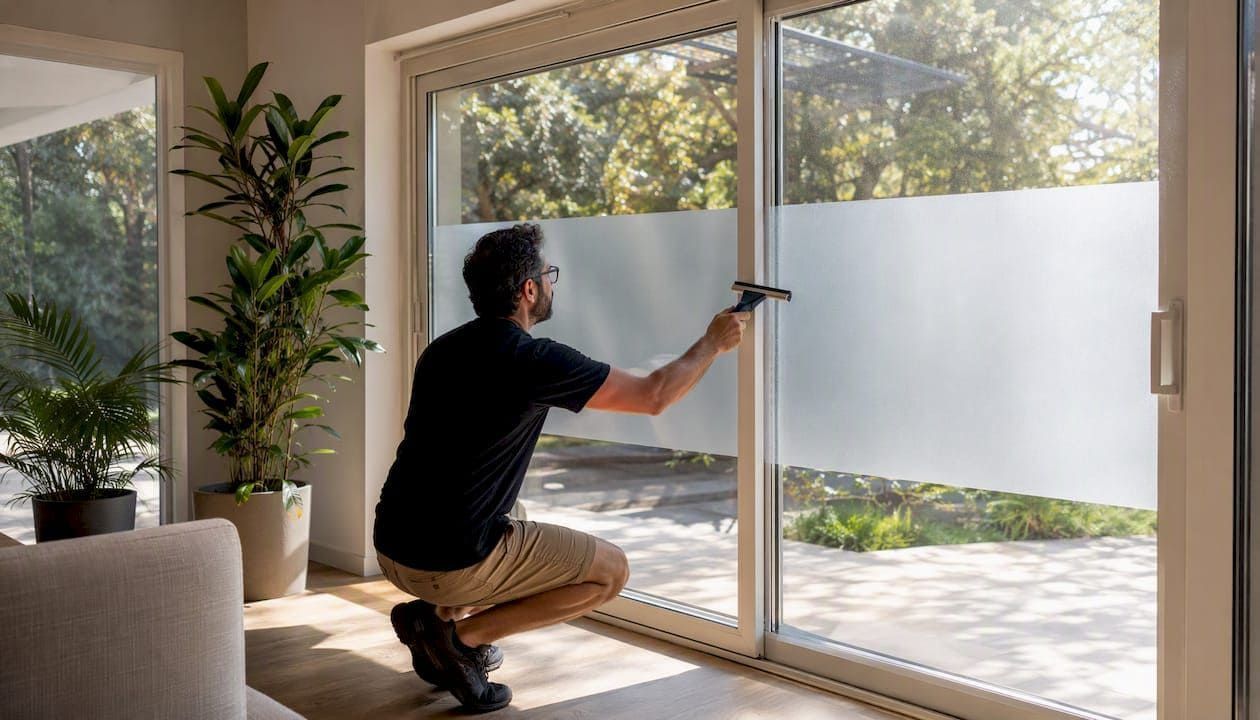
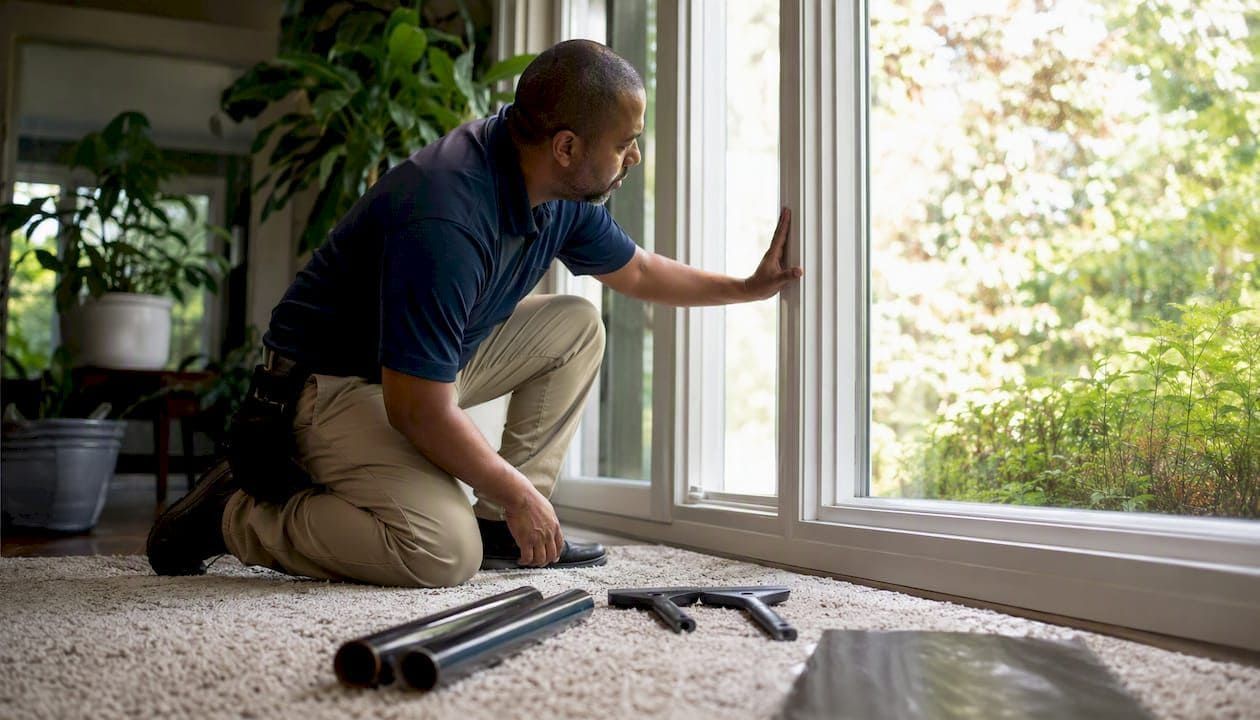
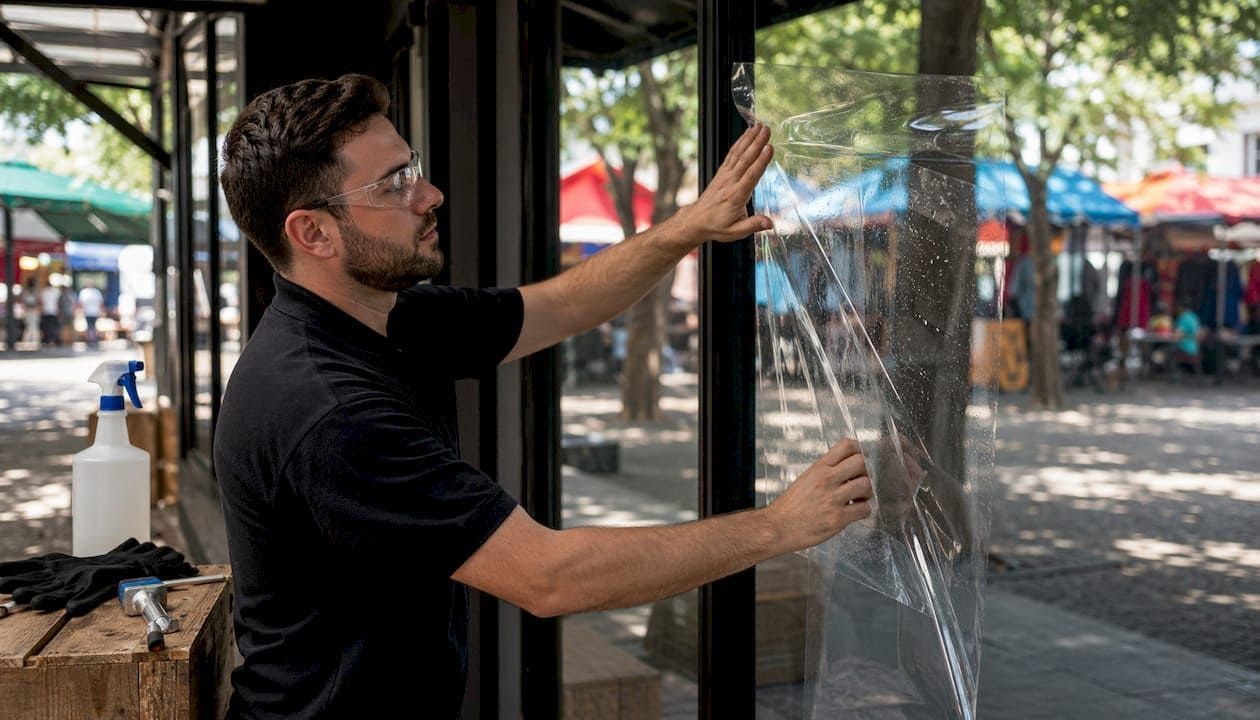
- Choose professional installation over DIY kits. Professional-grade films require specialized tools for installation and are difficult to remove once cured. DIY kits are polyester-based temporary solutions that peel, bubble, and degrade within one to two seasons.
- Verify edge sealing. Proper edge sealing and trimming during installation is critical to prevent premature peeling caused by thermal expansion differences between the glass, film, and window frame.
- Plan for maintenance. Clean installed films with a soft cloth and mild, non-abrasive cleaner. Avoid ammonia-based products, which degrade adhesive over time.
Pro Tip: Ask your installer for the film's published TSER and IRR data sheet before signing a contract. Any reputable installer using LLumar Vista Films or equivalent premium products will have this documentation ready.
For homeowners who want to estimate returns before committing, the energy savings calculator at Surfacetint gives you a property-specific projection based on your window count and orientation.
Key takeaways
Thermal insulation film reduces heat transfer, blocks UV radiation, and improves energy efficiency through reflective or nanoparticle technology applied directly to existing glass surfaces.
| Point | Details |
|---|---|
| Core mechanism | Films reflect or absorb radiant heat rather than blocking it with mass, unlike traditional insulation. |
| UV protection | Premium films block over 99% of UV rays, protecting furnishings and occupants from damage. |
| Film type selection | Match TSER, IRR, and VLT specs to your climate, window orientation, and connectivity needs. |
| Installation quality | Professional installation with proper edge sealing prevents peeling and ensures long-term performance. |
| Retrofit advantage | Films install on existing glass with no structural changes, making them ideal for occupied buildings. |
What most homeowners get wrong about window film
I have seen the same mistake repeat itself across dozens of consultations: homeowners pick a film based on how dark it looks in a sample swatch, not on its actual performance data. A darker film does not automatically mean better heat rejection. Some of the highest-performing rare-earth films on the market today look nearly clear on the glass.
The second mistake is treating all windows the same. A north-facing bedroom window in New Hampshire has completely different needs than a south-facing living room window in the same house. Applying a high-TSER reflective film to a north window in January will actually work against you, reducing the passive solar gain you want in winter.
The third thing people overlook is the signal interference issue. If you work from home or rely on a smart home system, a metalized film on your home office windows can degrade your Wi-Fi and GPS performance noticeably. Rare-earth films solve this without sacrificing heat rejection.
My honest recommendation: before you buy anything, get a professional assessment of your window orientations, your primary seasonal problem, and your local VLT code. The film that works best for your neighbor's house may be the wrong choice for yours. The best window film for cold climates is not a universal answer. It is a property-specific one.
Ready to find the right film for your property?
Surfacetint serves homeowners and property managers across Southern New Hampshire and the Greater Boston Area as an exclusive LLumar SelectPro Dealer. The team installs LLumar Vista Films, including Solar Control Films and Safety and Security Films, matched to your specific window orientation, climate, and performance goals.
You can explore film options visually before committing using the residential film viewer tool, which lets you see how different films look on your type of windows. When you are ready to move forward, Surfacetint offers a free home window tinting estimate with no obligation. Professional installation means proper edge sealing, code compliance, and a finished result that performs for years, not seasons.
FAQ
What is thermal insulation film made of?
Thermal insulation film is made from a polyester substrate combined with metallic coatings, Low-E layers, or rare-earth nanoparticles that reflect or absorb infrared radiation. The adhesive layer bonds directly to glass without damaging the surface.
Can thermal film reduce heat in summer and retain it in winter?
Yes. Low-E films reduce emissivity in both directions, blocking solar heat gain in summer and reflecting interior heat back inside during winter. This dual-season performance makes them particularly effective in climates with cold winters and warm summers.
How long does thermal insulation film last?
Professional-grade films installed by certified technicians typically last 10–15 years with proper maintenance. DIY temporary films degrade significantly faster, often within one to two seasons.
Does window film block UV rays effectively?
Premium thermal insulation films block over 99% of UV radiation, protecting furniture, flooring, and artwork from fading while reducing occupant UV exposure.
Do i need a professional to install thermal insulation film?
Professional installation is strongly recommended. Professional-grade films require specialized tools and precise edge sealing to prevent bubbling, peeling, and premature failure that DIY kits cannot reliably avoid.
Recommended