
Energy Efficiency Explained for Homeowners in 2026
TL;DR:
- Energy efficiency involves using less energy to achieve the same home comfort and performance.
- Sealing, insulating, and upgrading HVAC systems provide significant and cost-effective savings that build over time.
Energy efficiency is defined as using less energy to accomplish the same task or maintain the same level of comfort in your home. Proper air sealing and insulation alone reduce heating and cooling costs by 15% or more, with minor repairs cutting total energy waste by up to 30%. That kind of savings compounds year after year. This guide covers how energy efficiency works in residential buildings, which upgrades deliver the best return, and how homeowners and property managers can act on this knowledge right now, without guessing or overspending.

How does energy efficiency work in residential buildings?
Energy efficiency in a home depends on three interconnected systems: the building envelope, the HVAC system, and the appliances and lighting inside. When one system underperforms, the others compensate and wear out faster. Understanding how they interact is the foundation of any real savings strategy.
The building envelope
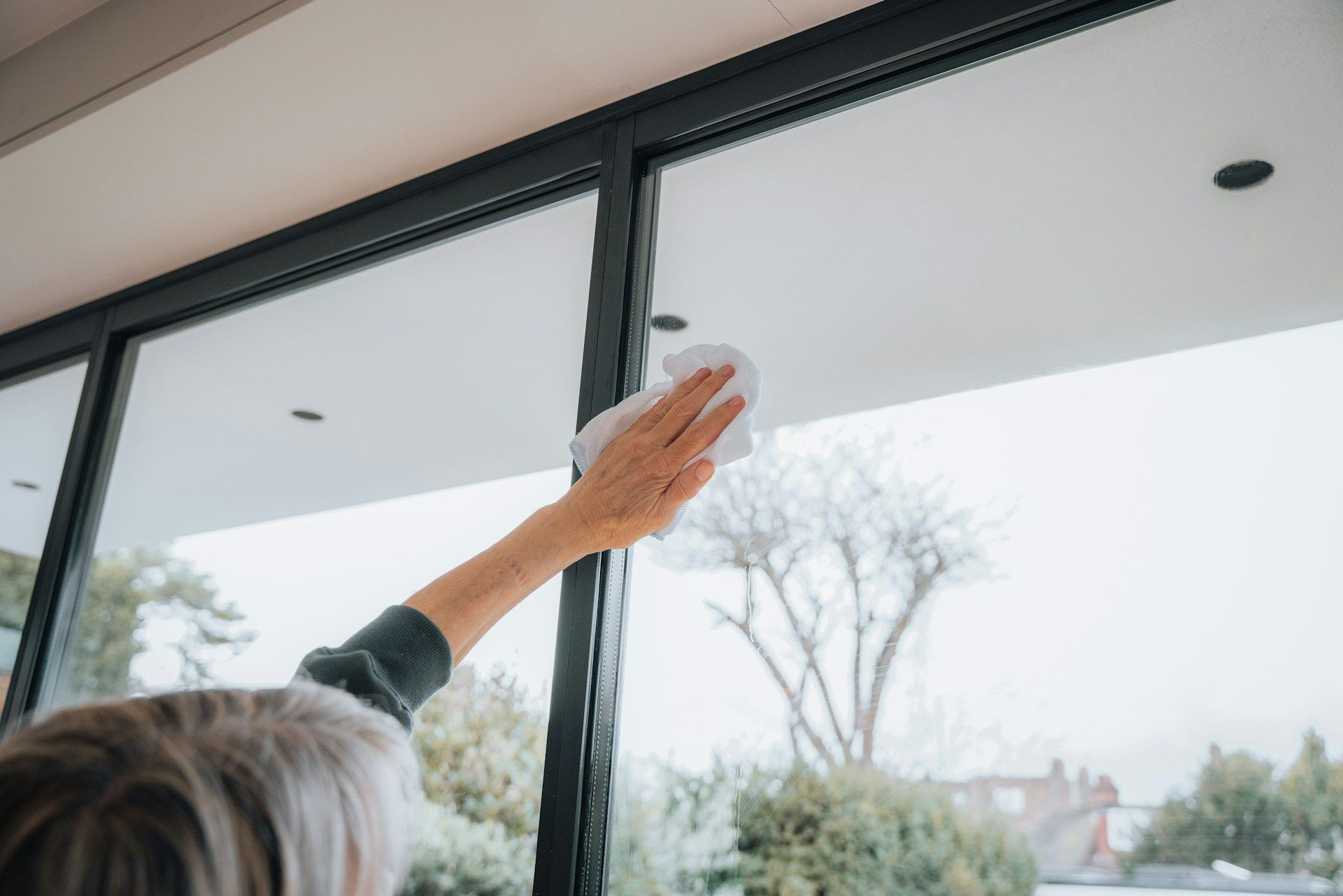
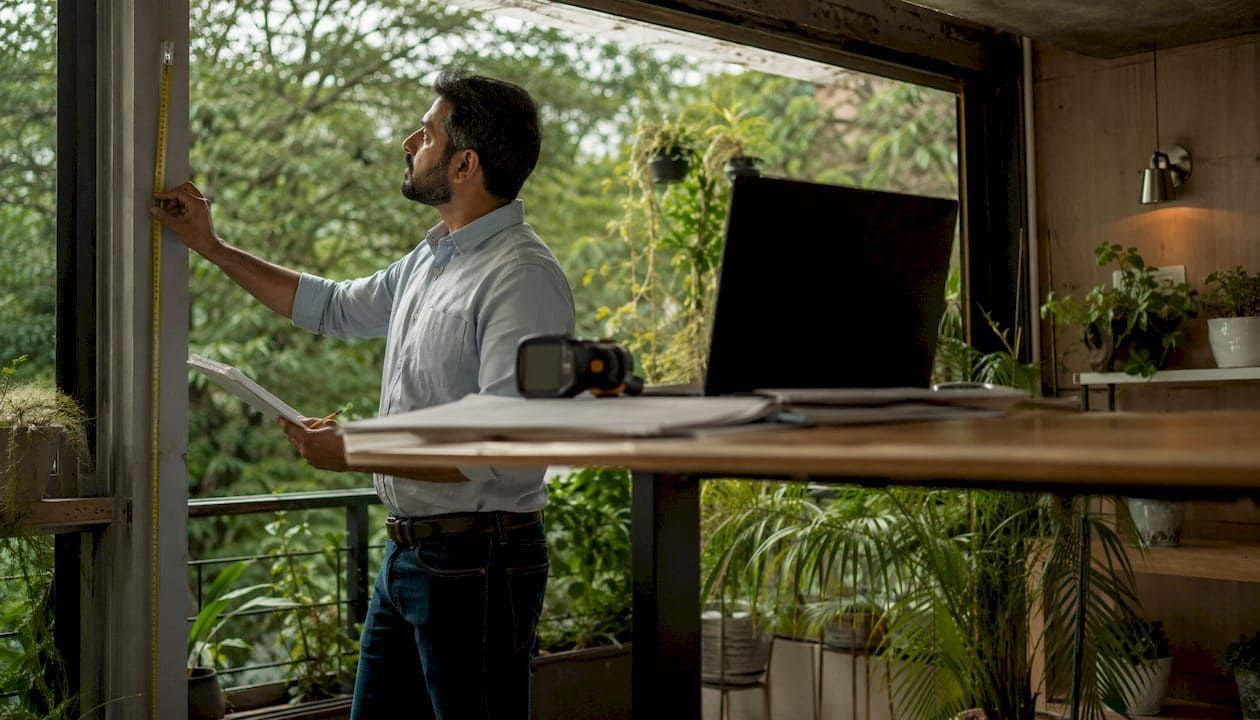
The building envelope is every surface that separates conditioned indoor air from the outdoors: walls, roof, floors, windows, and doors. Insulation slows heat transfer through these surfaces. Air sealing closes the gaps where conditioned air escapes and outdoor air sneaks in. Windows are the weakest link in most envelopes because glass conducts heat far more readily than an insulated wall. A home with poor insulation forces the HVAC system to run longer cycles just to hold a steady temperature, which stresses the system and shortens its lifespan.
HVAC: the biggest energy consumer
Heating and cooling account for the largest share of residential energy use. A well-maintained HVAC system running in a tight, well-insulated building uses far less energy than the same system fighting a leaky envelope. Bi-annual HVAC maintenance is the standard recommendation for keeping efficiency high and preventing costly failures. Filters, coils, and refrigerant levels all affect how hard the system works to move heat.
Appliances and lighting
Appliances and lighting fill in the rest of your energy bill. Energy Star certified appliances meet efficiency standards set by the U.S. Environmental Protection Agency and the U.S. Department of Energy. LED lighting uses roughly 75% less energy than incandescent bulbs and lasts significantly longer. Replacing older appliances with Energy Star models and switching to LED lighting are two of the fastest ways to reduce baseline consumption.
Pro Tip: Think of your home as a system, not a collection of separate parts. Fixing a drafty window while ignoring attic insulation is like patching one hole in a leaky bucket. Address the envelope first, then upgrade the HVAC, then tackle appliances.
What are simple, cost-effective ways to improve energy efficiency immediately?
The fastest wins in home energy efficiency cost very little and require no contractor. Behavioral changes and minor repairs deliver real results before you spend a dollar on equipment.
- Run a DIY energy audit. Walk your home on a cold or windy day and hold your hand near door frames, window edges, electrical outlets on exterior walls, and attic hatches. A smoke pencil or paper test detects air leaks precisely: if a piece of paper moves when held near a closed door, the weatherstripping needs replacing. This test costs nothing and identifies the highest-priority fixes.
- Seal gaps with caulk and weatherstripping. Air sealing with caulk and weatherstripping costs under $100 and typically delivers the highest return on investment of any home improvement. Focus on door frames, window frames, and any penetrations through exterior walls for pipes or wires.
- Change your HVAC filter and clean the coils. Regular filter changes and coil cleaning improve system efficiency by 15%–25% and prevent expensive breakdowns. Most filters should be replaced every 1–3 months depending on household conditions. For coil cleaning and refrigerant checks, consult HVAC maintenance resources to understand what a professional service covers and when to schedule it.
- Program your thermostat. Setting back the temperature by 7–10 degrees Fahrenheit for 8 hours a day can meaningfully reduce heating and cooling costs. If you have a manual thermostat, this is the single most impactful behavioral change you can make before buying any new equipment.
- Switch to LED bulbs. Replace the highest-use fixtures first: kitchen overhead lights, living room lamps, and outdoor fixtures that run for hours. The payback period on LED bulbs is typically under one year.
- Manage ventilation and close what you can. Closing doors to unused rooms, keeping fireplace dampers shut when not in use, and controlling ventilation are foundational habits that reduce energy waste before any hardware upgrade.
Pro Tip: Start your DIY audit at the top of the house and work down. Heat rises, so attic air sealing and insulation almost always deliver the fastest payback in cold climates like New Hampshire and greater Boston.
What major upgrades are worth the investment?
Once you have addressed the low-cost fixes, major upgrades deliver the next tier of savings. The key is sequencing them correctly.
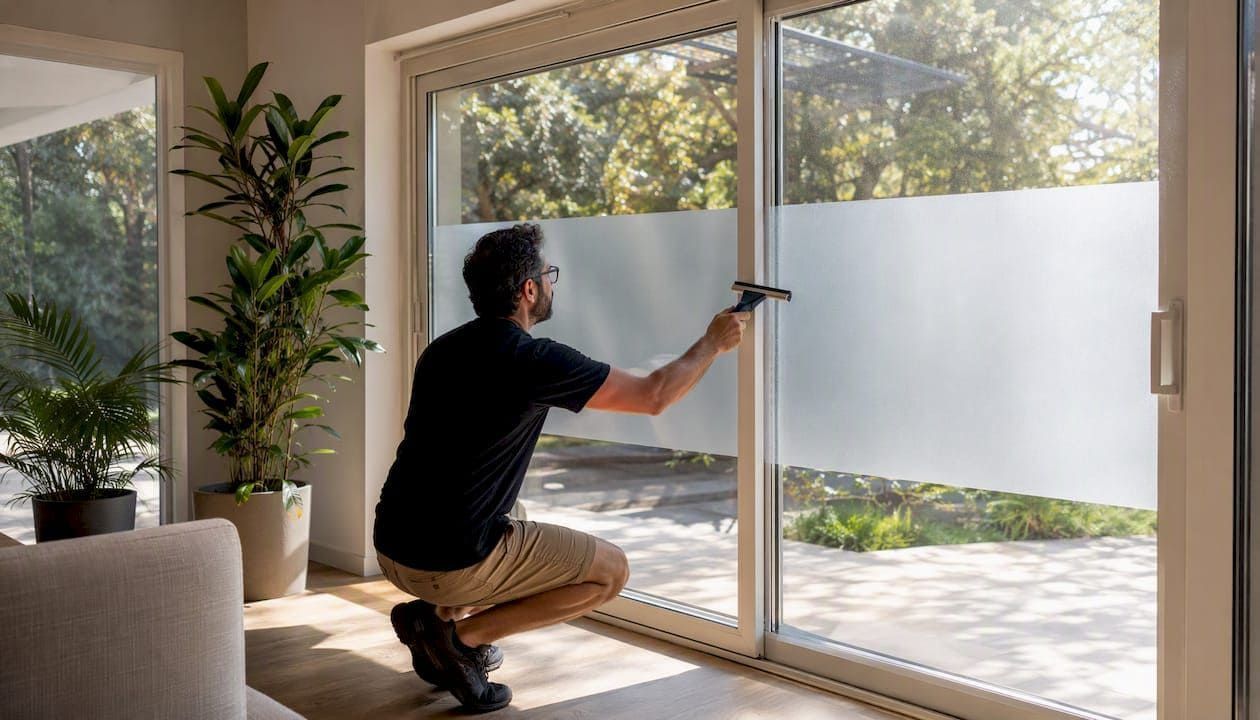
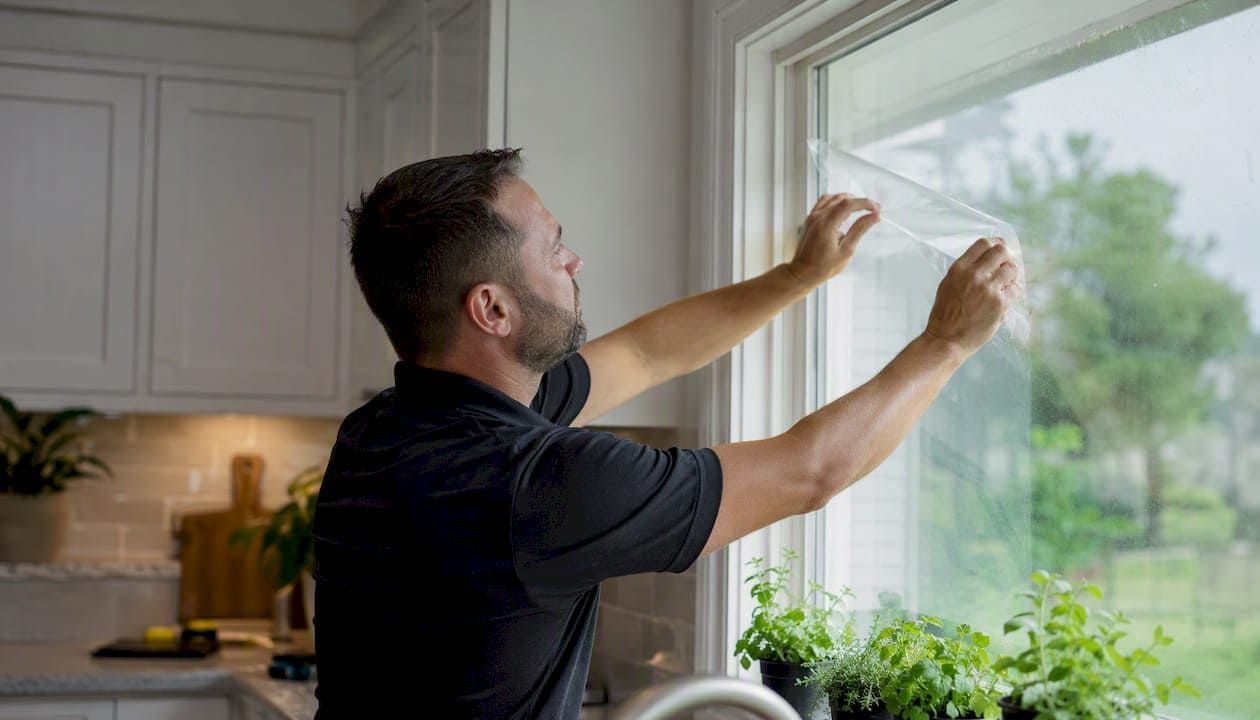
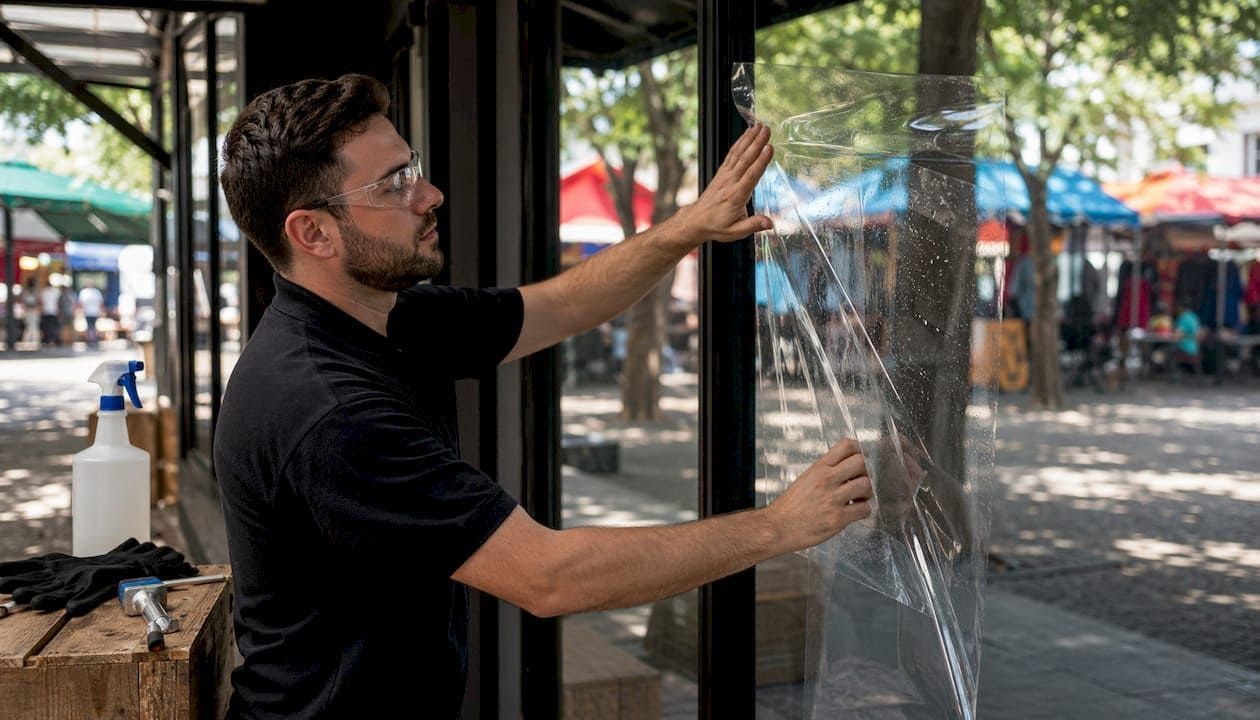
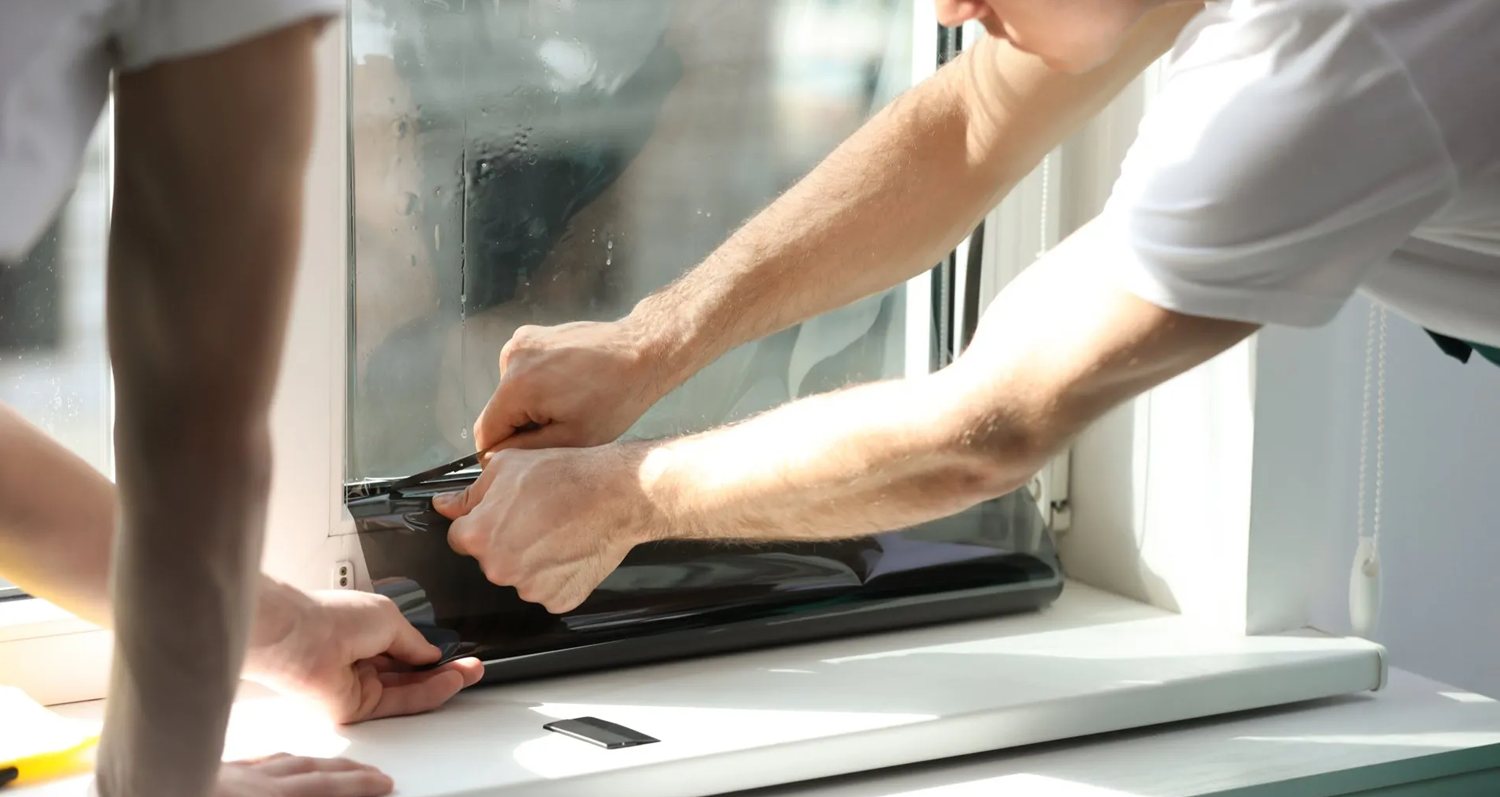
Start with the building envelope. Energy efficiency investment should begin with the building envelope before upgrading HVAC. Adding attic insulation to R-38 or R-60 (the recommended range for cold climates per the U.S. Department of Energy) and air sealing the attic floor reduces the load on your heating and cooling system. Window replacements with double or triple-pane, low-emissivity glass cut heat transfer significantly. Solar control window films are a cost-effective alternative when full window replacement is not in the budget.
Then upgrade the HVAC system. Heat pumps now cover both heating and cooling in a single system and perform efficiently even in cold climates. Smart thermostats costing $100–$150 learn occupancy patterns and reduce HVAC runtime automatically. Pairing a heat pump with a smart thermostat in a well-sealed home is the combination that delivers the biggest efficiency gains.
Replace water heaters and major appliances last. Heat pump water heaters use roughly half the energy of standard electric resistance models. When replacing refrigerators, dishwashers, or washing machines, choose Energy Star certified models.
| Upgrade category | Estimated cost range | Key benefit |
|---|---|---|
| Air sealing and weatherstripping | Under $100 DIY | Highest ROI, immediate draft reduction |
| Attic insulation upgrade | $1,500–$3,000 | Reduces heating and cooling load |
| Smart thermostat | $100–$150 | Automatic HVAC runtime reduction |
| Window film (solar control) | Varies by home size | Reduces solar heat gain without full replacement |
| Heat pump HVAC system | $5,000–$15,000 | Covers heating and cooling efficiently |
| Energy Star appliances | Varies by appliance | Lower baseline energy consumption |
Federal tax credits reduce the net cost significantly. Homeowners can claim an annual federal tax credit of up to $3,200 for qualifying improvements including insulation, windows, doors, and efficient HVAC systems. That credit applies each year you make qualifying improvements, not just once. Property managers should consult a tax professional to confirm eligibility for rental properties.
How do energy efficiency improvements affect comfort, costs, and property value?
The benefits of energy efficiency go well beyond a lower utility bill. Energy-efficient homes deliver consistent indoor temperatures, fewer drafts, better humidity control, and lower operating costs. These are the factors that directly affect how comfortable a home feels day to day.
For property managers, the business case is clear. Tenants in efficient buildings report fewer comfort complaints, which reduces turnover. A home with lower utility costs and modern systems is more attractive to prospective buyers and renters. Efficiency improvements also extend equipment lifespan, which reduces maintenance expenses over time.
Key comfort and financial benefits include:
- Consistent temperatures: Proper insulation and air sealing eliminate the cold spots and hot rooms that make occupants adjust the thermostat constantly.
- Lower utility bills: Combining envelope improvements with HVAC upgrades produces the largest bill reductions. Savings compound when systems work together.
- Longer equipment life: An HVAC system in a well-sealed home runs fewer hours per day. Fewer hours mean less wear and fewer emergency repairs.
- Higher resale value: Buyers increasingly factor energy costs into purchase decisions. Documented efficiency upgrades support a higher asking price.
- Improved indoor air quality: Controlled ventilation in a tight building reduces infiltration of outdoor pollutants and allergens.
Window treatments that cut energy costs also address uneven room temperatures, which is one of the most common comfort complaints in older homes. Addressing solar heat gain through windows is often the fastest way to fix a room that overheats in summer.
Key Takeaways
Treating your home as an interconnected system, starting with the building envelope and working inward, produces the highest energy savings and the fastest payback on every dollar invested.
| Point | Details |
|---|---|
| Envelope comes first | Seal and insulate before upgrading HVAC to get full benefit from new equipment. |
| Low-cost fixes deliver fast ROI | Air sealing under $100 and filter changes cut waste by up to 25% immediately. |
| Federal credits reduce upgrade costs | Claim up to $3,200 annually for qualifying insulation, windows, and HVAC improvements. |
| Comfort improves alongside savings | Consistent temperatures and fewer drafts are direct results of efficiency upgrades. |
| Behavior matters before hardware | Thermostat management, ventilation control, and LED lighting reduce waste at zero cost. |
What I have learned from watching homeowners get this wrong
The most common mistake I see is homeowners buying a new HVAC system before fixing the building envelope. They spend $10,000 on a heat pump, then wonder why their bills barely moved. The answer is always the same: the new system is still fighting a leaky, under-insulated shell. The equipment is efficient. The building is not.
The second mistake is treating efficiency as a one-time project. A home's envelope degrades over time. Weatherstripping compresses, caulk cracks, and insulation settles. A DIY audit every two or three years catches these issues before they become expensive. The smart window treatment strategies that work in year one still need to be reassessed as the home ages.
The third mistake is ignoring the federal tax credit. Most homeowners I talk to do not realize the $3,200 annual credit resets each year. You can claim it for insulation one year, windows the next, and an HVAC upgrade the year after. That is a phased investment strategy that makes major upgrades genuinely affordable.
My honest advice: start with the paper test on every exterior door and window this weekend. It costs nothing, takes 20 minutes, and will tell you exactly where your money is going. Then sequence your upgrades from the outside in, claim every credit available, and treat maintenance as non-negotiable.
How Surfacetint's window films fit into your efficiency plan
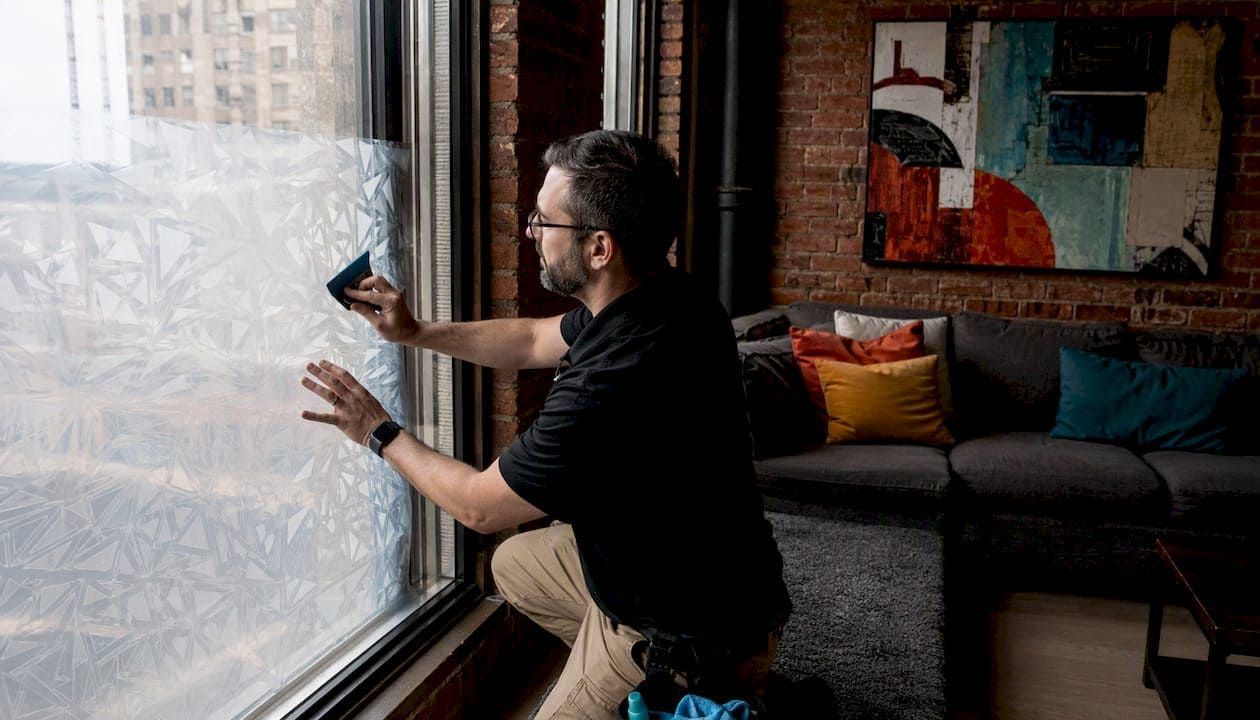
Solar control window films are one of the most cost-effective tools in a homeowner's efficiency toolkit, particularly when full window replacement is not practical or in the budget. Surfacetint installs LLumar Vista Solar Control Films that block a significant portion of solar heat gain before it enters the room, reducing the load on your air conditioning system and keeping interior temperatures more consistent.
Surfacetint serves homeowners and property managers across Southern New Hampshire and the Greater Boston Area. Films complement insulation and HVAC upgrades rather than replacing them, and they protect furnishings from UV fading as a secondary benefit. Use the residential window film viewer to see how different film options look on your home, or request a free home estimate to get specific recommendations for your property.
FAQ
What is energy efficiency in simple terms?
Energy efficiency means achieving the same result, such as a comfortable indoor temperature, while using less energy. It reduces waste, lowers utility bills, and extends the life of home systems.
How much can air sealing save on energy bills?
Proper air sealing and insulation reduce heating and cooling costs by 15% or more, with minor repairs cutting total energy waste by up to 30%.
What is the best order for energy efficiency upgrades?
Start with the building envelope: air sealing, weatherstripping, and insulation. Then upgrade the HVAC system. Replace appliances and water heaters last to get full benefit from each investment.
Can homeowners get tax credits for energy efficiency improvements?
Yes. The federal Energy Efficient Home Improvement Credit allows homeowners to claim up to $3,200 annually for qualifying upgrades including insulation, windows, doors, and efficient HVAC systems.
Do window films actually improve energy efficiency?
Solar control window films reduce solar heat gain through glass, which lowers cooling loads and helps maintain consistent indoor temperatures. They are a practical option when full window replacement is not feasible.
Recommended