
What Is Sustainable Glass Coating? A Homeowner's Guide
TL;DR:
- Sustainable glass coatings improve building energy efficiency by blocking UV and infrared rays while allowing visible light. They include sputtered Low-E coatings and films that lower HVAC demand, reduce carbon emissions, and protect interior materials. Reclaimed glass with coatings can be reused, supporting the circular economy and lowering embodied carbon.
Sustainable glass coating is a high-performance, eco-friendly layer applied to glass surfaces to control heat transfer, block ultraviolet rays, and reduce energy consumption. The industry term for the most common version is Low-Emissivity (Low-E) coating, though solar control films and nano ceramic window films fall under the same category. These coatings block over 99% of UV radiation, protecting furnishings and improving occupant comfort. For homeowners and property developers researching eco-friendly building materials, understanding what is sustainable glass coating is the first step toward making smarter, greener building decisions.
What is sustainable glass coating and how does it work?
Sustainable glass coatings work by selectively filtering light. They allow visible light to pass through while blocking the infrared and ultraviolet wavelengths that cause heat gain and UV damage. The result is a glass surface that looks clear but performs like a thermal barrier.
Low-E coatings act as a thermal mirror, reflecting long-wave infrared energy back toward its source rather than letting it pass through the glass. In summer, that means heat stays outside. In winter, interior warmth reflects back into the room instead of escaping through the window. This two-way thermal control is what makes Low-E technology central to energy-efficient building design.
Two main manufacturing processes produce these coatings. Sputtered coatings, also called soft coats, are applied in a vacuum chamber using magnetron sputtering technology. This process deposits multiple silver layers onto the glass surface, allowing precise control over solar heat gain coefficients and visible light transmission. Pyrolytic coatings, also called hard coats, are applied during the glass manufacturing process itself, fusing the coating directly into the surface at high temperatures.
Pro Tip: Sputtered coatings deliver higher energy performance, but they must be sealed inside an insulated glass unit (IGU) to prevent degradation. Pyrolytic coatings handle exposure better and work well in single-pane or retrofit applications.
| Coating type | Durability | Energy performance | Best application |
|---|---|---|---|
| Sputtered (soft coat) Low-E | Moderate, requires IGU sealing | Highest thermal control | New builds, double-pane windows |
| Pyrolytic (hard coat) Low-E | High, exposure-resistant | Good thermal control | Single-pane, retrofit projects |
| Solar control window film | Moderate, surface-applied | Up to 95% IR rejection | Existing windows, commercial glass |
| Nano ceramic film | High, no metal layers | High IR and UV rejection | Residential and commercial retrofit |
Solar control window films represent a practical retrofit option. High-performance films reject up to 95% of infrared heat while maintaining strong visible light transmission. That balance matters because blocking heat without darkening a room is the core challenge every eco-friendly glass coating must solve.
What are the environmental and energy benefits?
The environmental case for sustainable glass coatings rests on one core mechanism: temperature stabilization. When a coated window holds indoor temperatures steady, the HVAC system runs less. Stabilizing internal temperatures lowers HVAC demand and associated greenhouse gas emissions, which directly reduces a building's operational carbon footprint. That connection between glass performance and carbon output is why Low-E coatings appear in green building certification programs like LEED and ENERGY STAR.
Reducing HVAC load also cuts electricity consumption from power generation. Modern glass coatings reduce energy demand, effectively converting buildings into more autonomous climate units that rely less on mechanical systems. For a homeowner in Southern New Hampshire or the Greater Boston Area, that translates to lower utility bills during both hot summers and cold winters. You can estimate your potential savings using Surfacetint's home energy savings calculator before committing to an installation.
The UV protection benefit compounds over time. Blocking over 99% of UV radiation prevents fading in flooring, furniture, artwork, and fabrics. That protection extends the life of interior materials, reducing the frequency of replacement and the manufacturing energy that replacement requires. Fewer replacements mean less waste and lower embodied carbon from consumer goods.
The broader environmental benefits of eco-friendly glass coatings include:
- Reduced building energy footprint through lower heating and cooling loads
- Lower greenhouse gas emissions from decreased power plant demand
- Extended interior material lifespan, reducing replacement waste
- Improved occupant comfort without additional mechanical equipment
- Contribution toward green building certification thresholds
Pairing high-performance window coatings with efficient HVAC practices compounds the savings further. The two systems work together: the coating reduces the load, and a well-maintained HVAC system handles the remainder efficiently.
How does the circular economy apply to glass coatings?
The circular economy angle on glass coatings is newer and less understood, but it may be the most significant long-term development in sustainable glazing. The central question is whether coated glass can be reclaimed, recoated, and reused rather than sent to a landfill at the end of its life.
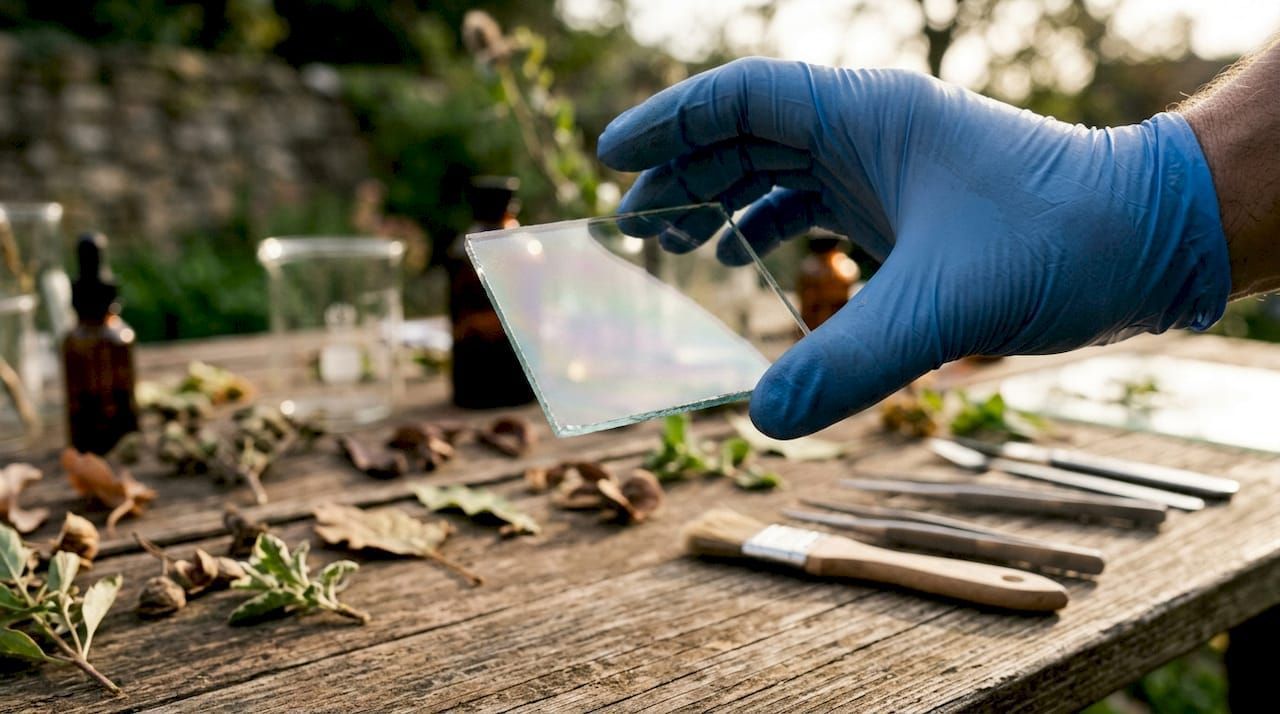
Research shows that reclaimed float glass coated with solar control layers performs like new glass when processed using magnetron sputtering. That finding is significant. It means the glass substrate itself does not need to be replaced, only the coating. Remanufacturing reclaimed float glass with high-quality coatings industrially marks a concrete advance for circular construction materials, reducing both embodied carbon and raw material demand.
Pro Tip: When specifying glass for a new build or major renovation, ask your glazing supplier whether the units are compatible with recoating at end of life. This question is becoming standard in green building procurement.
The challenge is recycling. Standard glass recycling streams struggle to separate rare metallic layers in Low-E coatings, particularly the silver used in sputtered products. Those metals are valuable but difficult to recover without specialized processing. The industry is responding by developing removable and separable coating technologies designed to work within circular material flows.
| Glass type | U-value (W/m²K) | Solar heat gain | Recyclability |
|---|---|---|---|
| New coated float glass | ~1.1 | Low to moderate | Limited (metal layers) |
| Reclaimed recoated float glass | Comparable to new | Low to moderate | Limited (same challenge) |
| Uncoated float glass | ~5.8 | High | Standard stream |
The data shows that reclaimed glass, once recoated, achieves thermal performance comparable to new coated glass. The recycling challenge applies equally to both. That means the circular benefit comes primarily from avoiding new glass manufacturing, not from easier end-of-life processing. Reducing embodied carbon through reuse is still a meaningful gain, even when the coating itself remains difficult to separate.
How to choose the right sustainable glass coating solutions
Choosing the right eco-friendly glass coating depends on four factors: climate, building type, existing window configuration, and performance goals. Getting this decision right determines whether you maximize energy savings or pay for performance you cannot fully use.
Climate is the starting point. In heating-dominated climates like New England, a high solar heat gain coefficient (SHGC) on south-facing windows captures passive solar warmth in winter. In cooling-dominated climates, a low SHGC on all exposures reduces summer heat gain. Most sustainable glass coating solutions offer a range of SHGC values, so matching the product to your climate zone is non-negotiable.
Your existing window configuration determines which coating type is practical:
- New construction or full window replacement: Sputtered Low-E coatings inside sealed IGUs deliver the highest thermal performance and longest service life.
- Existing single-pane windows: Pyrolytic hard coat Low-E or solar window films for homes offer a cost-effective upgrade without full window replacement.
- Commercial buildings with large glass facades: High-rejection solar control films reduce glare and heat gain across large surface areas with minimal disruption to operations.
- Historic properties: Surface-applied window films preserve original glass while adding modern thermal and UV protection.
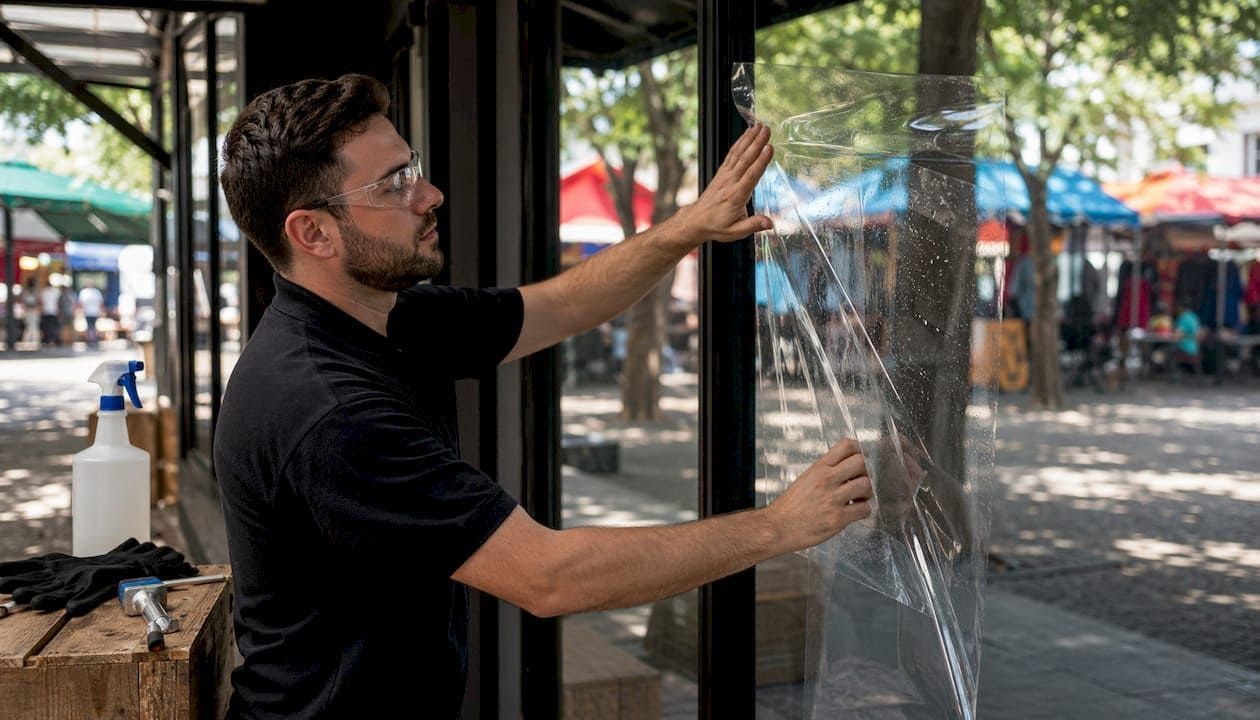
Durability requirements matter too. Sputtered coatings inside IGUs last the life of the window unit when properly sealed. Surface-applied films typically carry manufacturer warranties ranging from 5 to 15 years depending on product grade and installation quality. Professional installation is the single biggest factor in film longevity. A film applied with air bubbles or edge gaps will fail years before its rated lifespan.
Consult resources like the National Fenestration Rating Council (NFRC) ratings and ENERGY STAR certification labels when comparing products. These standards give you verified performance data rather than marketing claims. For window films specifically, look for products tested under the International Window Film Association (IWFA) protocols, which cover solar heat rejection, UV blocking, and optical clarity.
Key Takeaways
Sustainable glass coatings deliver measurable energy savings, UV protection, and carbon reduction by controlling heat transfer at the glass surface, making them one of the most cost-effective eco-friendly upgrades for homes and commercial buildings.
| Point | Details |
|---|---|
| Core technology | Low-E and solar control coatings act as thermal mirrors, blocking infrared and UV energy. |
| UV protection | Quality coatings block over 99% of UV radiation, protecting interiors and reducing replacement costs. |
| Energy and carbon impact | Stabilizing indoor temperatures lowers HVAC demand and cuts greenhouse gas emissions directly. |
| Circular economy potential | Reclaimed float glass recoated with magnetron sputtering performs comparably to new coated glass. |
| Selection criteriaDetails | Match coating type to climate, window configuration, and durability needs for best results. |
Why I think most homeowners underestimate this technology
Most homeowners think of window tinting as a cosmetic upgrade. After working in this space, I see it differently. The thermal mirror function of a quality Low-E or solar control film is one of the few building upgrades that pays back in multiple directions at once: lower energy bills, protected furnishings, and a smaller carbon footprint, all from a single layer of material applied to existing glass.
What surprises people most is the circular economy angle. The idea that reclaimed glass can be recoated to perform like new glass is not a future concept. It is happening in production trials now. That changes the calculus for developers who care about embodied carbon, not just operational energy. Specifying recoatable glass systems today positions a project well for the next generation of green building standards.
The practical step I recommend most often: before replacing windows entirely, get a professional assessment of what a high-quality solar control film can do for your existing glass. The performance gap between a bare window and a properly installed film is larger than most people expect, and the cost is a fraction of full window replacement. Surfacetint's solar film options for homes are a good starting point for that comparison.
Professional window film installation from Surfacetint
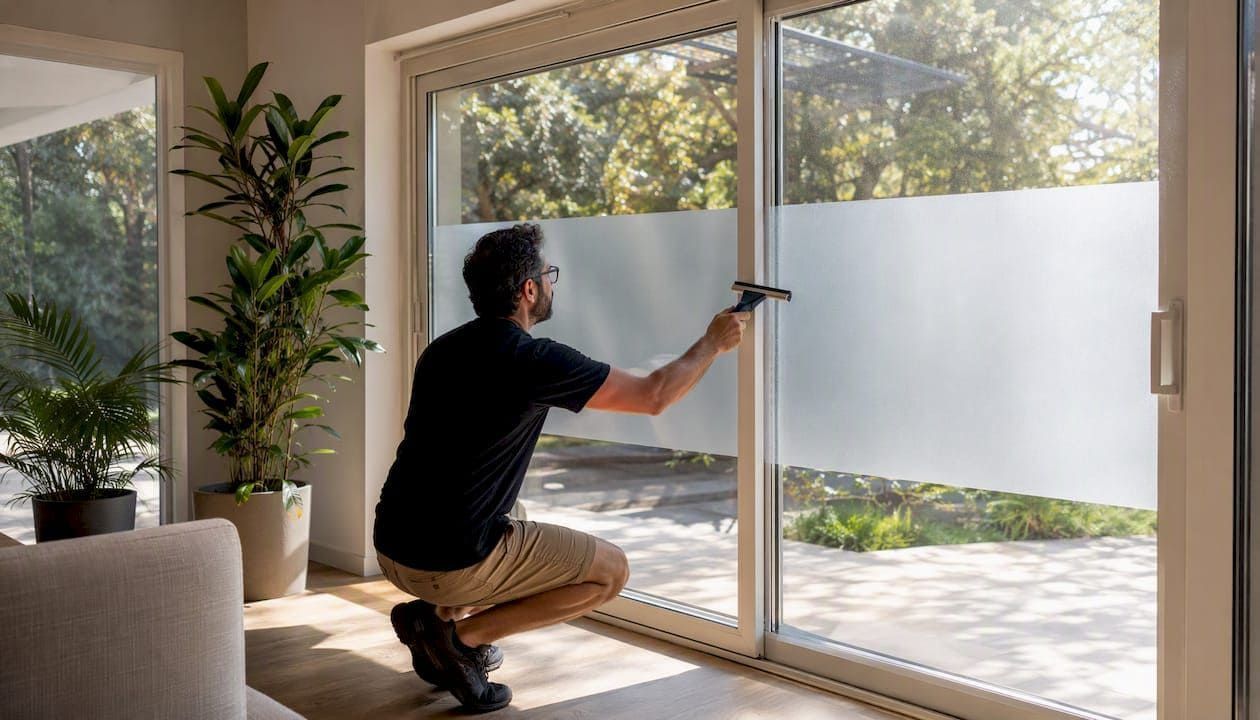
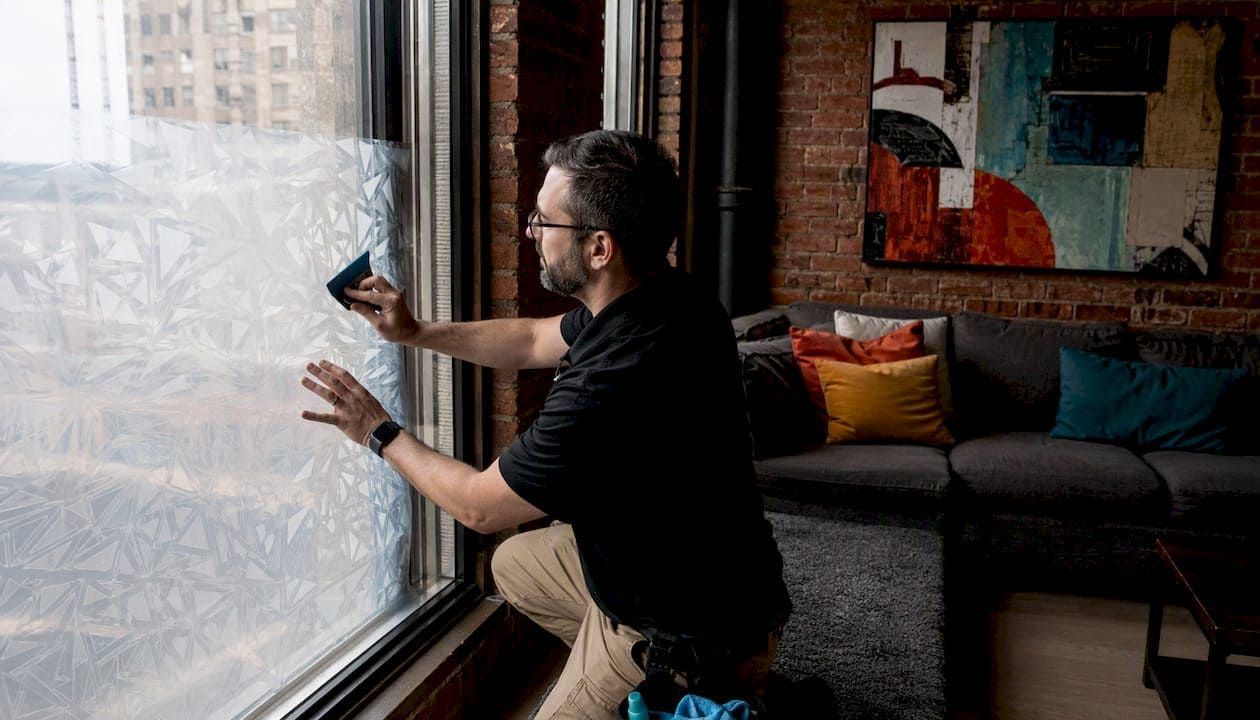
Surfacetint specializes in professional window film installation for residential and commercial properties across Southern New Hampshire and the Greater Boston Area. As an exclusive LLumar SelectPro Dealer, Surfacetint installs Vista Films including Solar Control Films, Safety and Security Films, and Decorative Privacy Films, all engineered for superior heat rejection, UV blocking, and glare control.
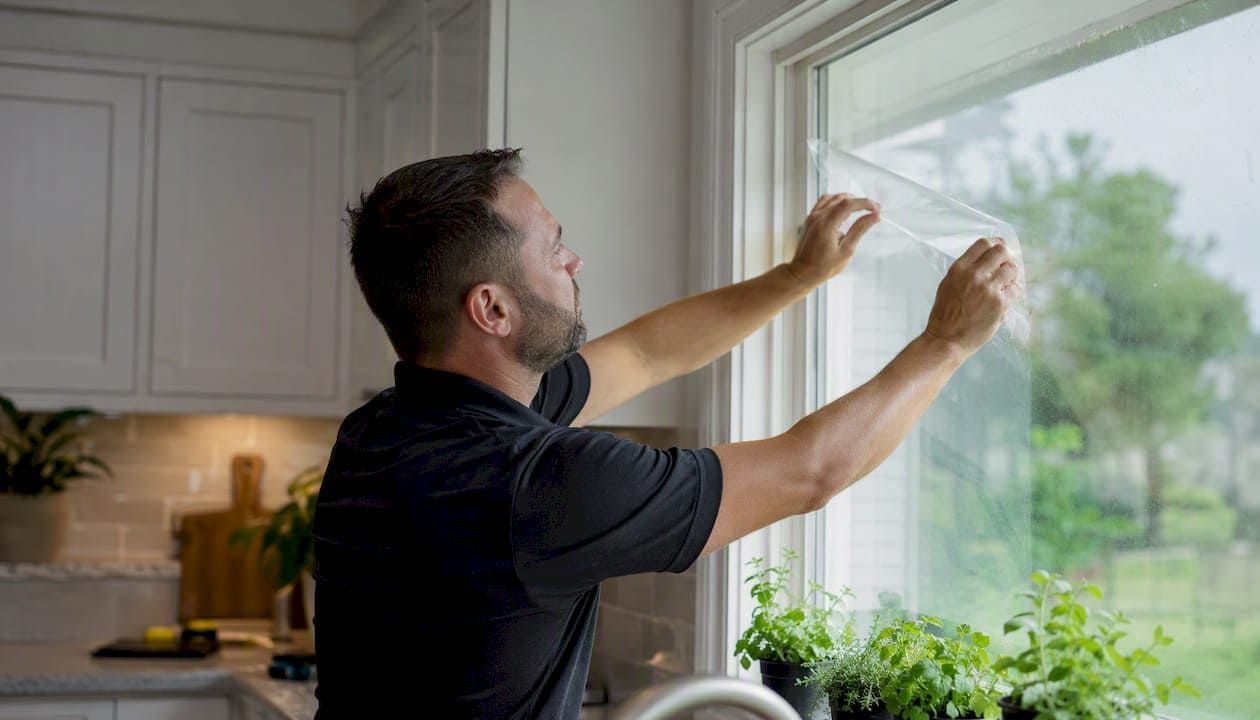
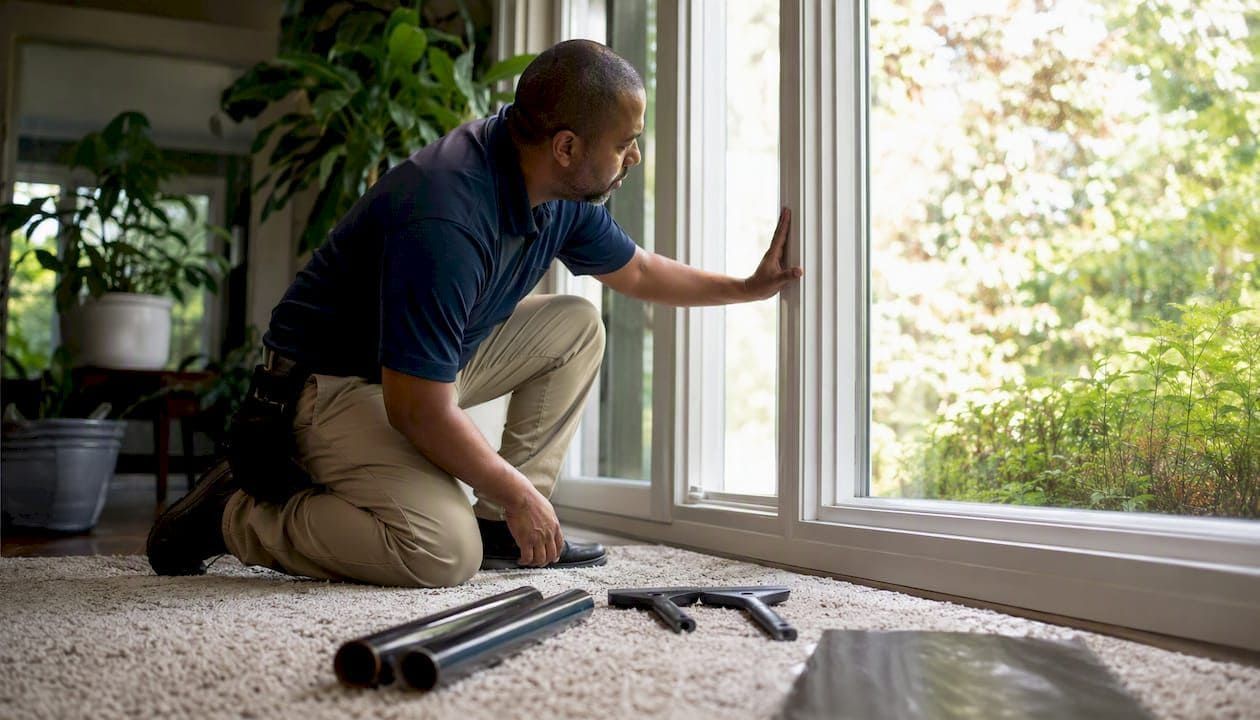
Professional installation makes the difference between a film that lasts a decade and one that fails in two years. Surfacetint's team handles surface preparation, precise application, and edge sealing to manufacturer specifications. Whether you are upgrading a single-family home or a multi-story commercial building, the right film, installed correctly, delivers the energy savings and comfort improvements these products are rated for. Request a free estimate and get a clear picture of what sustainable window film can do for your property.
FAQ
What is sustainable glass coating made of?
Sustainable glass coatings are made from microscopically thin metallic layers, typically silver, applied to glass using sputtering or pyrolytic processes. Solar control window films use polyester substrates with ceramic or metallic particles embedded in the film.
How long do eco-friendly glass coatings last?
Sputtered Low-E coatings sealed inside insulated glass units last the life of the window, typically 20 or more years. Surface-applied solar control films carry warranties ranging from 5 to 15 years depending on product grade and installation quality.
Can sustainable glass coatings be applied to existing windows?
Solar control window films apply directly to existing glass surfaces without replacing the window. Pyrolytic hard coat Low-E coatings are also available for single-pane retrofit applications, making both options practical for older homes and commercial buildings.
Do glass coatings really reduce energy bills?
Glass coatings reduce energy bills by stabilizing indoor temperatures, which lowers HVAC demand and the electricity needed to heat or cool a space. The reduction in operational carbon and utility costs is measurable and consistent across residential and commercial applications.
What is the difference between Low-E glass and solar control film?
Low-E glass has the coating embedded in or bonded to the glass during manufacturing, while solar control film is a surface-applied product installed on existing glass. Both block infrared and UV energy, but Low-E glass typically offers higher long-term durability while solar control film provides a lower-cost retrofit option.
Recommended