
What Makes Safety Film Different from Security Window Film?
Many homes and buildings in the Greater Boston area were built with large windows, letting in natural light and giving great views. But with glass everywhere, some people wonder how to stay safe without closing it all off. One option that comes up is safety film for windows. But this is where things get confusing. Is safety film the same as security film? Or do they protect in different ways?
We get this question a lot, especially during the spring months when storms and temperature shifts are more common. People want to get ahead of any issues before the summer rush. Here’s a breakdown of how
safety and security films work, what makes them different, and how to figure out which one is the right fit for your space.
What Is Safety Film and What Does It Do?
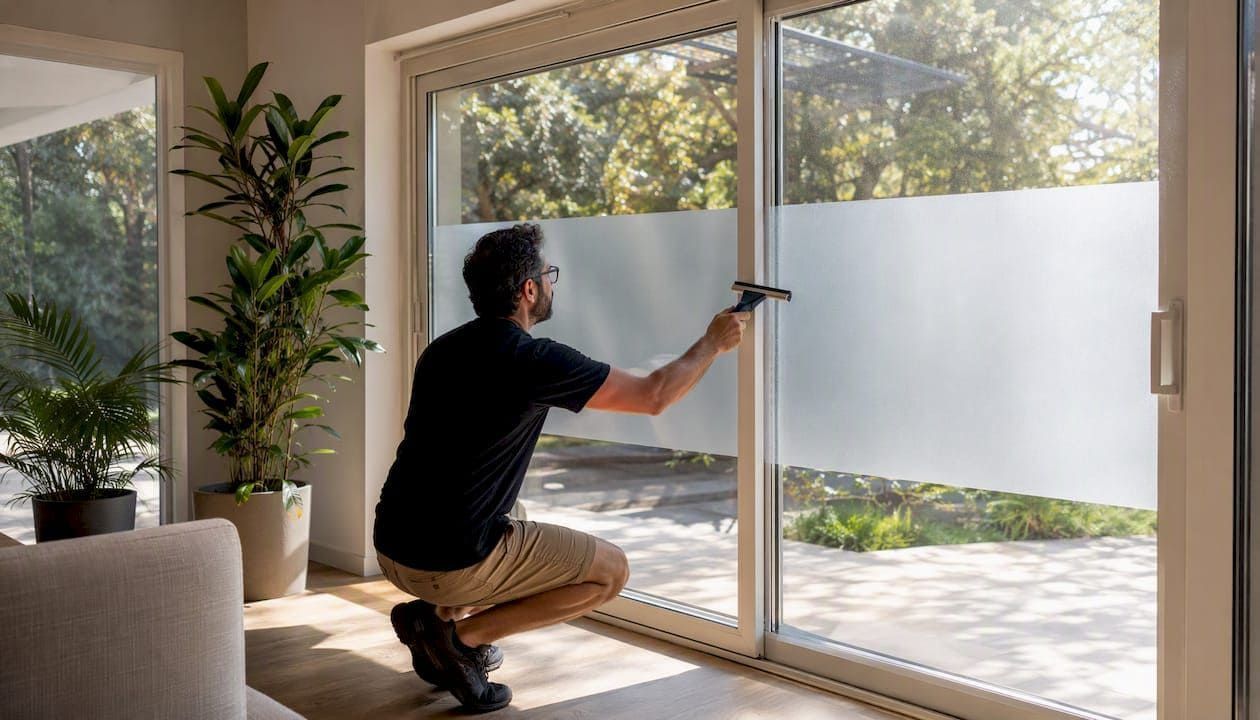
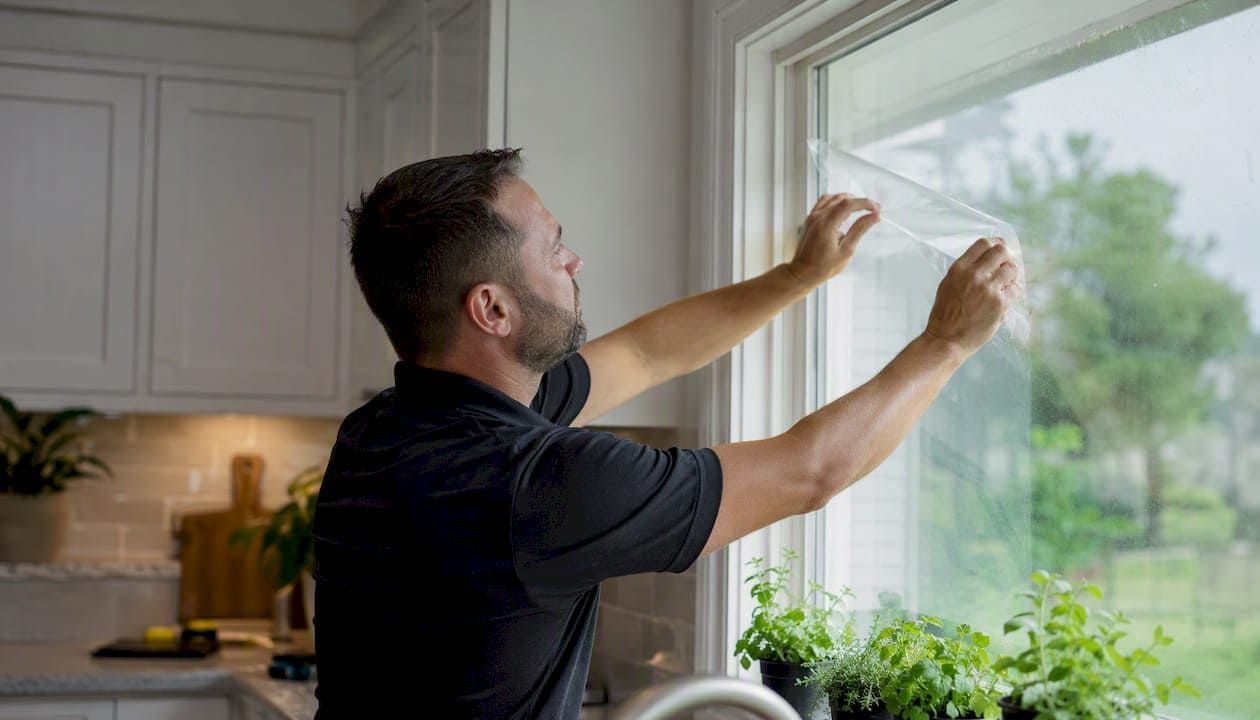
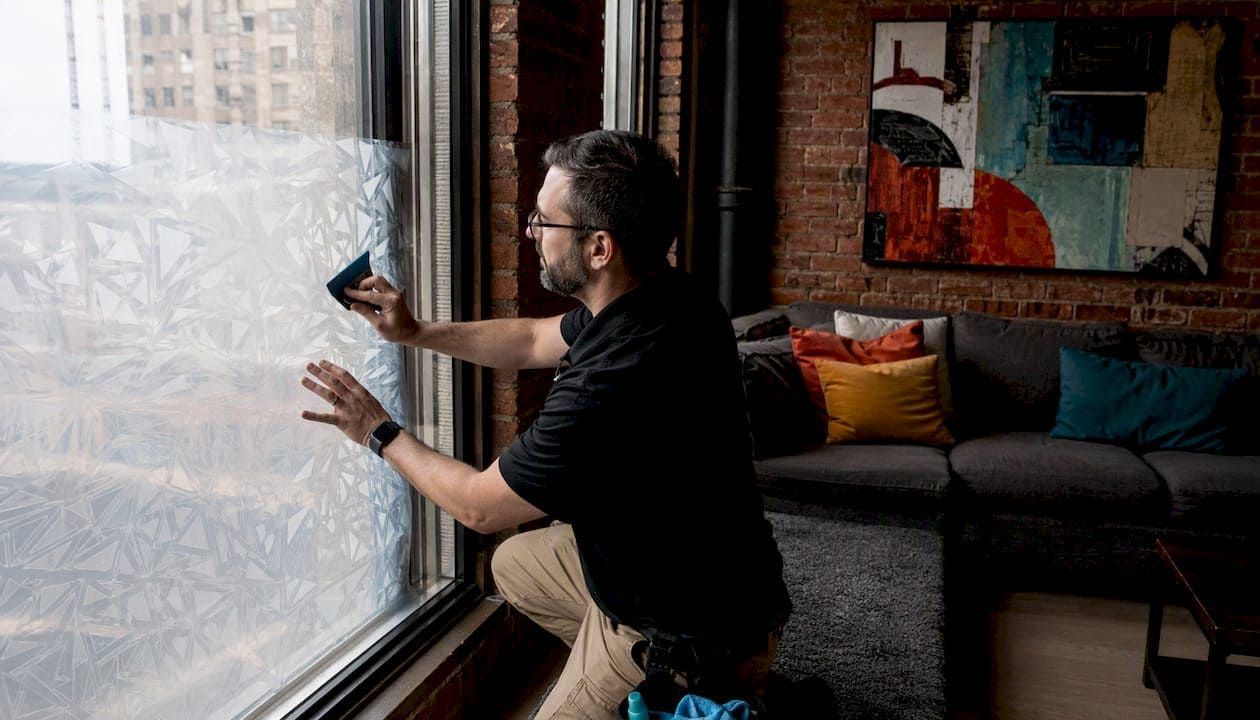
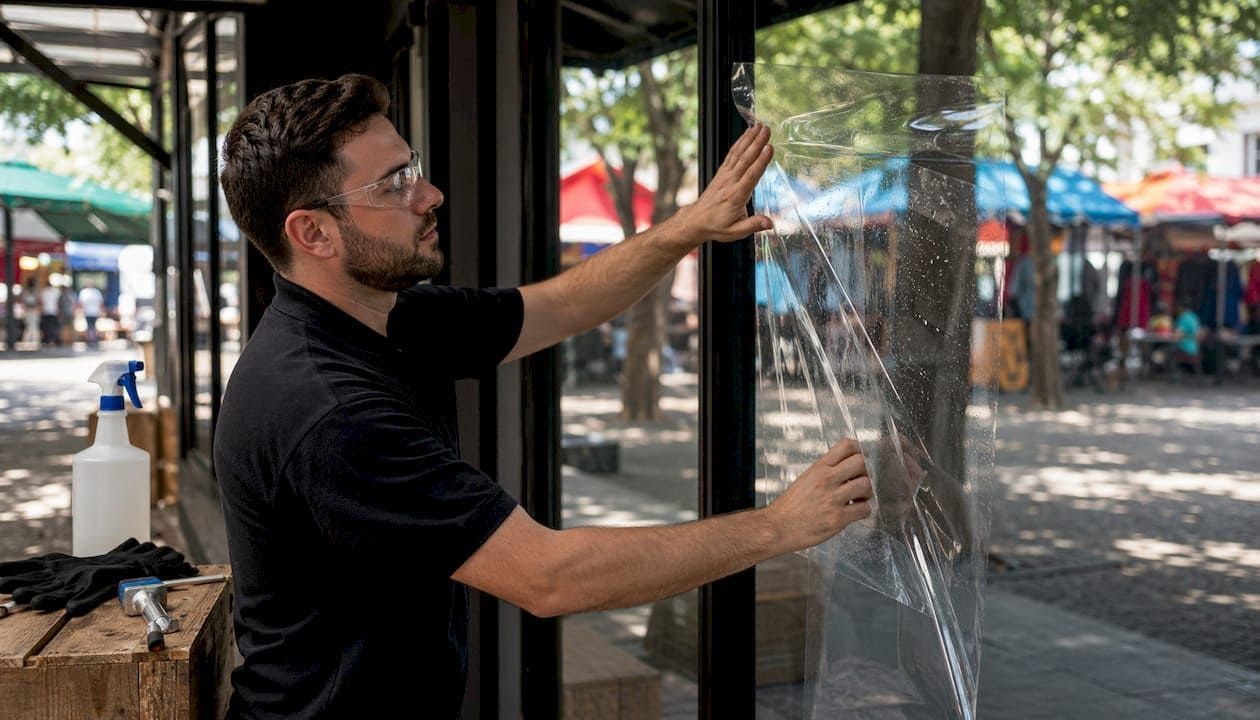
Safety film is made to stop glass from breaking into dangerous sharp pieces. It’s a thin, clear layer added directly to a window’s surface, holding the glass together if it cracks. This keeps the shattered glass stuck to the film instead of scattering inside your home or workspace.
We often see people use safety film in places where accidents tend to happen, such as:
- Sliding glass doors
- Bathroom mirrors and shower panels
- Glass walls or entry doors that children and pets run into
- Interior glass panels where foot traffic is frequent
It’s not just about preventing injury either. In everyday life, safety film gives peace of mind to people who want added protection without bulky hardware. It also helps some glass panels meet local safety codes without needing full window replacements. It’s a good way to make an existing window safer without changing how it looks or works. Safety film is an effective, invisible way to address these parts of the home or workplace where glass may be at risk.
What Makes Security Film Different?
Security film protects the glass like safety film, but it goes one big step further. It’s thicker and built to resist force. While safety film mainly keeps broken glass in place, security film makes it harder for the glass to break at all.
Security film is designed to slow down or stop things like:
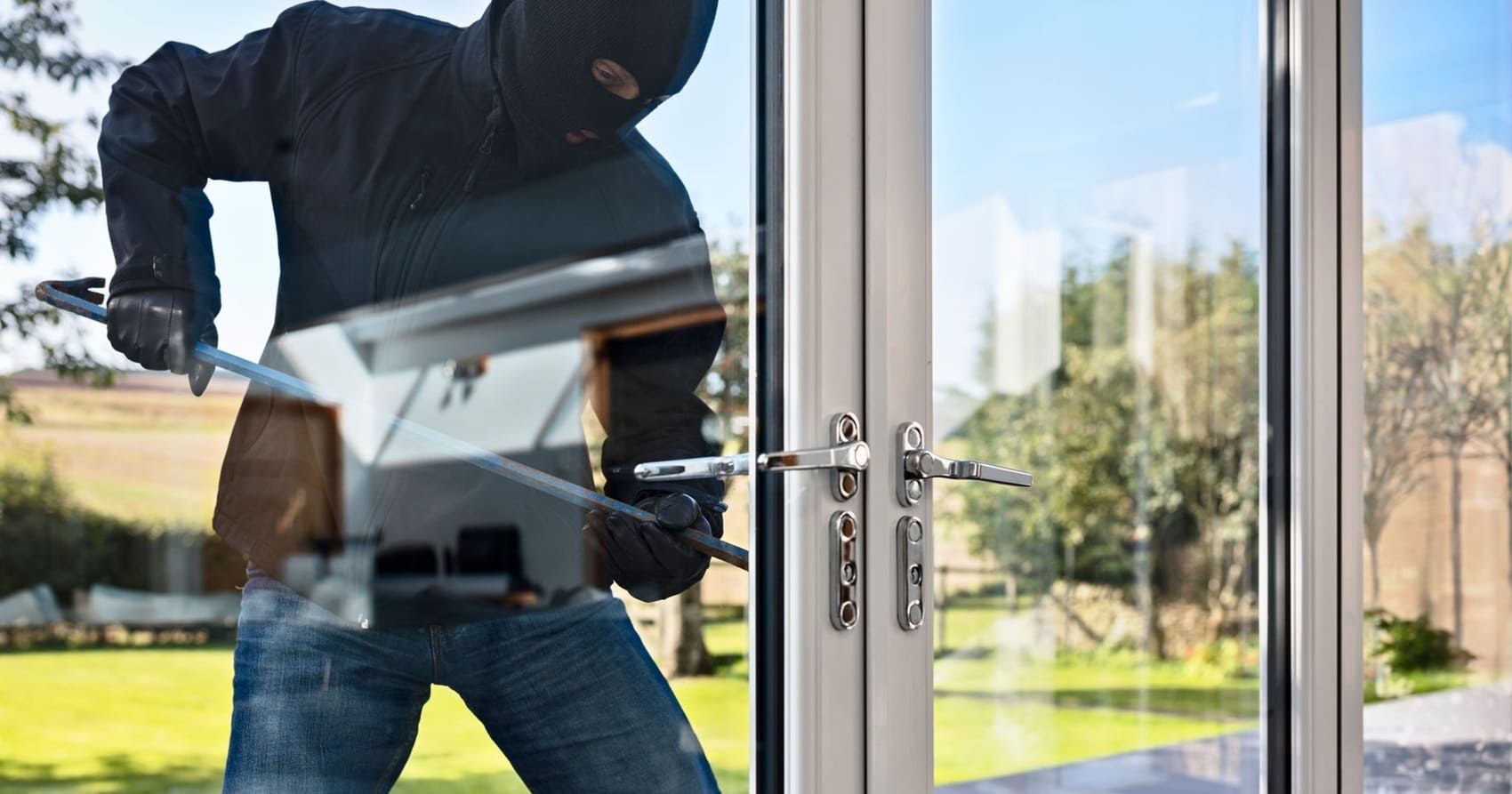
- Forced entry from someone trying to break in
- Windborne debris during strong storms
- Accidental hits from large objects or tools
Because it’s made of stronger material, installation often includes extra steps to keep the film snug at the glass edges. That way, even if someone tries to push the whole panel through, the film holds firm. At Surface Dynamics Window Tinting, we install LLumar Safety & Security films in several thickness options, including 4, 8, and 14 mil, so the level of protection can be matched to the amount of impact or intrusion risk at each window or door.
We usually recommend security film in spots where extra strength is needed, such as:
- Street-facing windows and doors
- Ground-floor windows at businesses
- Storage rooms, offices, or places with valuables
The goal is clear. Security film is about giving glass the grip it needs to hold out longer under pressure, either from people or from the weather. When selecting security film, it becomes easier to feel confident in areas where you worry about break-ins, theft, or rough seasonal storms. The added thickness and installation steps provide extra resistance, keeping people and belongings safer behind the glass.
Visual Differences and What You’ll Notice
At a glance, most people won’t spot the difference between safety film and security film. Both are made to look clear, and both let natural light pass through. But there are a few small things you might notice depending on where and how the film is installed.
Some windows may have a very slight tint or extra thickness that’s more noticeable from certain angles. When the sun hits just right, you might see a subtle reflection or edge. You might even feel a small difference if you touch the glass surface after the film is applied, especially with thicker security films.
The main visual cues to look for are:
- Edges that are reinforced or sealed for added hold
- A firmer feel when tapping the glass
- Slight dimming of glare depending on the film’s tint level
Installation finish can also vary. Some setups are nearly invisible and smooth, while others have minor outline seams depending on the film thickness and the installer’s method. Once cured and finished, both options are easy to clean and maintain like any regular window. This means that, whether you choose safety or security film, you keep the open, bright feeling in your space while having more peace of mind about accidental or intentional glass damage.
How to Decide Which Film Fits Your Windows
Choosing between safety and security film comes down to how you use your space. Ask yourself what kind of risk you’re trying to reduce. Is it likely that someone could trip and fall into a glass door? Or are you more concerned about break-ins from the sidewalk or damage from strong spring thunderstorms?
In areas around Boston, spring weather can bring gusty winds and fast-moving systems. That often leads people to think ahead about flying debris or tree branches. For businesses near high foot traffic or with large display windows, stronger protection becomes a bigger concern.
To find the best match for your space, it helps to look at:
- How high the risk is for impact or forced entry
- Whether the window is above ground level or easy to access
- What the glass protects (people, products, pets, or equipment)
- Past weather issues in the area and storm patterns
We always recommend a custom evaluation. A quick review of your property can help show which areas could benefit from which type of film. Not every window needs the same level of coverage, and in many cases, a mix of safety and security film might be the most sensible option. If you have different types of glass or varying needs in the same building, discussing each area can help you balance visibility, sunlight, and the need for added strength without making the space feel closed off.
A Smarter Way to Protect Your Glass
Glass is great for light and looks, but it needs the right support to stay safe. Whether you're housing a growing family or running a local storefront, knowing how your windows behave during impact is a smart step.
By learning how safety film and security film differ, it becomes easier to decide what level of protection matches your needs. Safety film for windows helps reduce small-day risks like injuries from accidental bumps and breaks. Security film adds defense you can feel during more serious situations, and these LLumar films are made to hold shattered glass together and help slow intruders for several minutes compared to standard glass. Either way, you’re not giving up visibility or comfort.
Good protection doesn’t have to take over a space. It just has to work where it counts. Getting the right film in place now means fewer glass-related troubles later, no matter what spring or summer bring.
At
Surface Dynamics Window Tinting, we understand how important it is to keep your home or
business safe without changing how it feels or functions. That's why we help you find the right blend of protection and clarity whether you're dealing with daily wear or preparing for unpredictable weather. If you're looking into added protection for glass but not sure where to begin, our page on
safety film for windows breaks down the options clearly. We're here to help you make the right choice for your space so
give us a call with any questions or to take the next step.