
The Real Impact of Tinting on Property Aesthetics
TL;DR:
- Many property owners mistakenly believe window tinting results in dark, unattractive interiors that clash with building design. Modern films, however, enhance aesthetics by sharpening visual profiles, ensuring design cohesion, and adding a polished look without full renovations. Selecting the right film type and professional installation is essential to achieve a seamless, high-quality appearance that complements architectural style and improves curb appeal.
Most property owners assume window tinting means dark, cave-like rooms and a one-size-fits-all look that clashes with their building's design. That assumption is wrong, and it's costing people one of the most versatile aesthetic tools available to them. The impact of tinting on property aesthetics goes well beyond simply blocking light. Modern window films can sharpen a building's visual profile, create design coherence across a facade, and give interiors a polished, intentional feel without a full renovation. If you manage or own property and haven't seriously looked at tinting as a design decision, this guide is built for you.
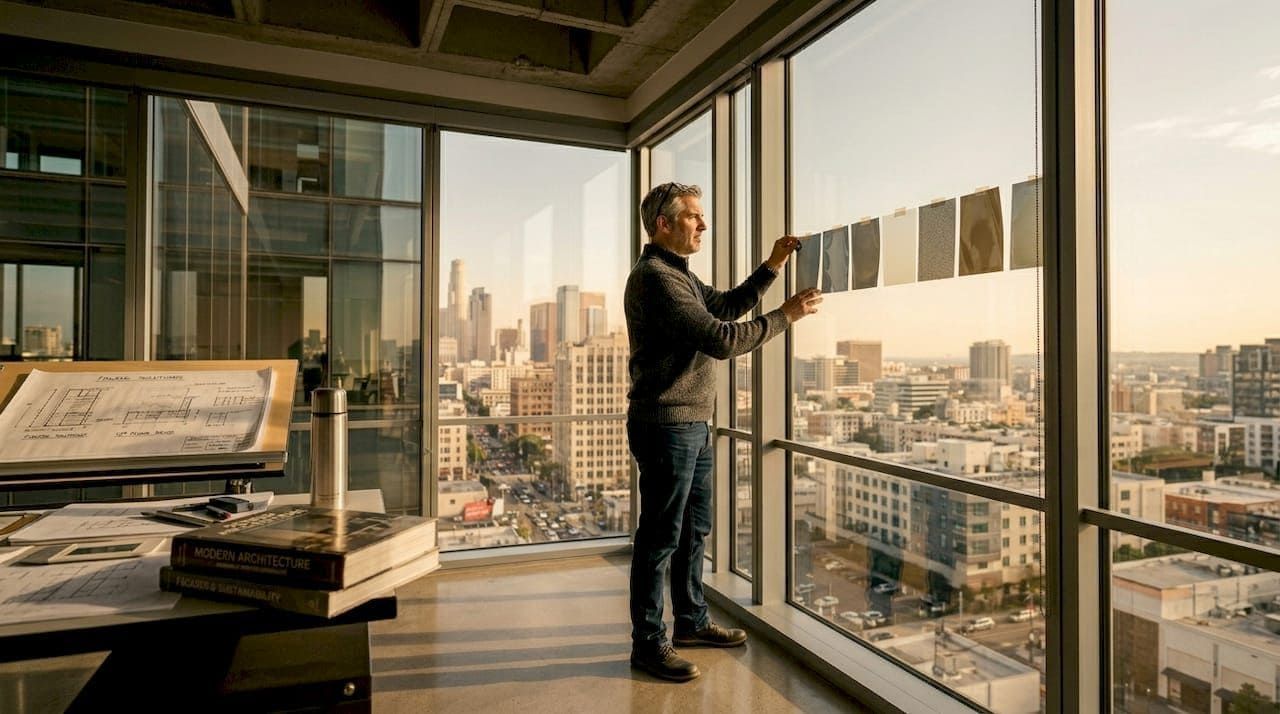
Table of Contents
- Key takeaways
- How tinting reshapes property aesthetics
- How tinting complements architecture and curb appeal
- Why professional installation defines the aesthetic result
- Balancing aesthetics with privacy, light, and energy goals
- My honest take on what property owners get wrong
- See the difference with Surfacetint
- FAQ
Key takeaways
| Point | Details |
|---|---|
| Tinting enhances, not darkens | Modern ceramic and spectrally selective films preserve daylight while improving the visual quality of windows. |
| Film type drives aesthetic outcomes | Choosing between decorative, ceramic, or solar films determines both the visual style and functional performance of your windows. |
| Professional installation is non-negotiable | Bubbles, dust, and uneven edges instantly undermine an aesthetic upgrade and reduce property value. |
| Tint complements architecture | Matching film tone and reflectivity to your building's facade creates visual cohesion that elevates curb appeal. |
| Balanced VLT is the sweet spot | Films with 35–70% visible light transmission deliver the best combination of privacy, brightness, and design impact. |
How tinting reshapes property aesthetics
The conversation around window tinting has changed significantly as film technology has advanced. For a long time, the default option was dyed film. It was inexpensive, widely available, and it did one thing reasonably well: reduced glare. The problem is that dyed films fade and degrade within three to five years, taking on a purple or brown tint that makes windows look neglected rather than polished.
Today's high-performance options tell a different story entirely. Here is a breakdown of the main film types and what they bring to your property visually:
- Dyed films: Low-cost entry point with flat, matte appearance. Tends to fade and discolor over time, which works against the aesthetic goal.
- Ceramic films: Non-metallic, non-reflective construction that reads as clean and neutral from the outside. Ceramic films reject up to 79% infrared heat while keeping visible light above 50%, meaning interiors stay bright.
- Spectrally selective films: Engineered to block specific wavelengths of solar energy while maximizing daylight. These films let you tune the glass effectively based on your building's orientation without darkening rooms.
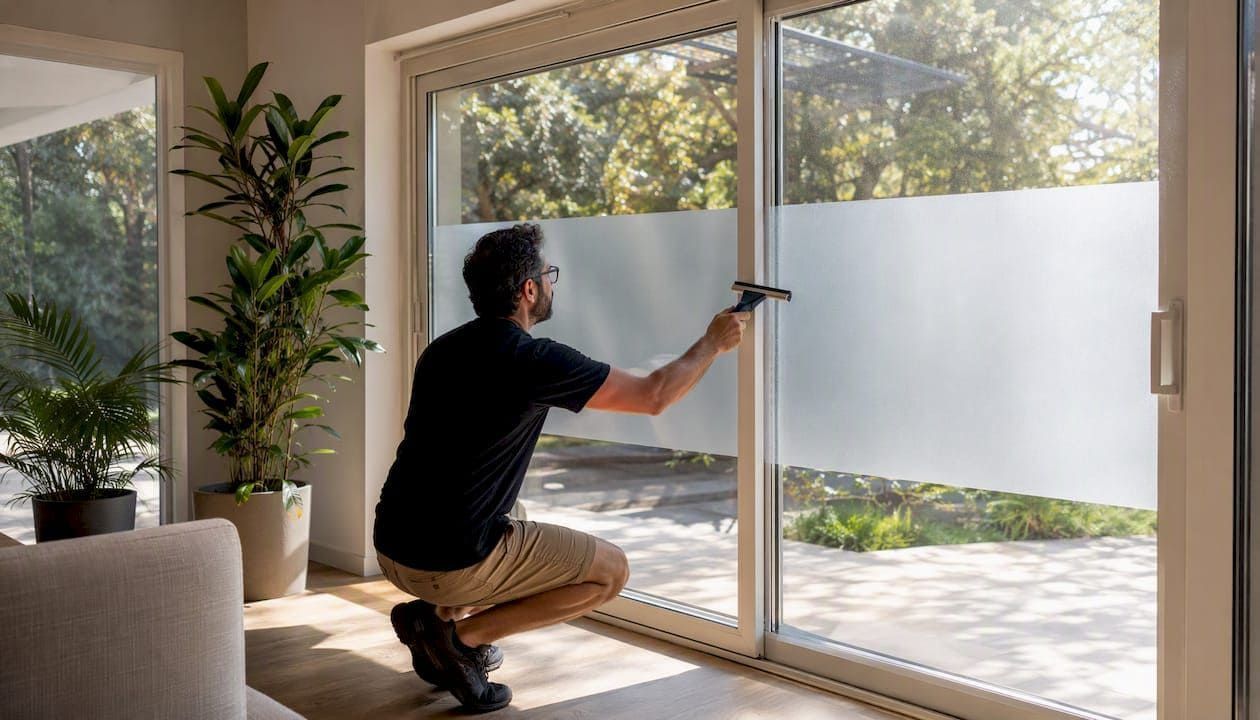
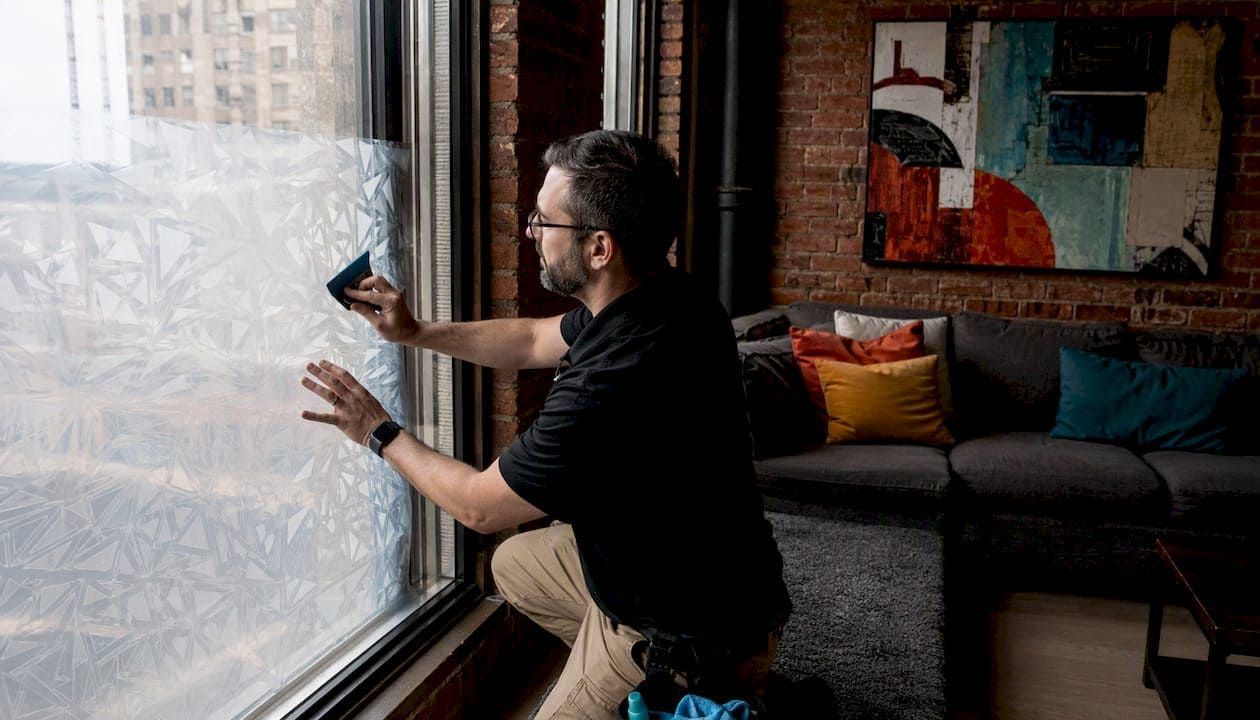
- Decorative films: Frosted, geometric, stained-glass, and gradient patterns that function as design statements. These are less about solar control and more about light diffusion and style, softening harsh shadows and adding character to plain glass.
- Safety and security films: Clear or lightly tinted layers that hold glass together on impact. They add a subtle sheen that can read as premium without dramatically altering the window's appearance.
The factor that ties all of these together aesthetically is VLT, or visible light transmission. This is the percentage of natural light a film allows through. A film at 70% VLT reads as nearly invisible from most angles, while a 15% VLT film creates a strong mirror effect that can look dramatic or oppressive depending on context. Getting this number right is one of the most important aesthetic decisions you will make.
Pro Tip: Before selecting a film, hold a sample against your existing glass in both bright daylight and overcast conditions. The way a film reads changes dramatically depending on light levels, and what looks sleek on a sunny day can look flat on a cloudy one.
How tinting complements architecture and curb appeal
Here is what most property owners miss: window tinting is not just about the glass. It is about how the glass interacts with everything around it. The right film choice pulls your facade together visually. The wrong one makes your property look patchy or unfinished.
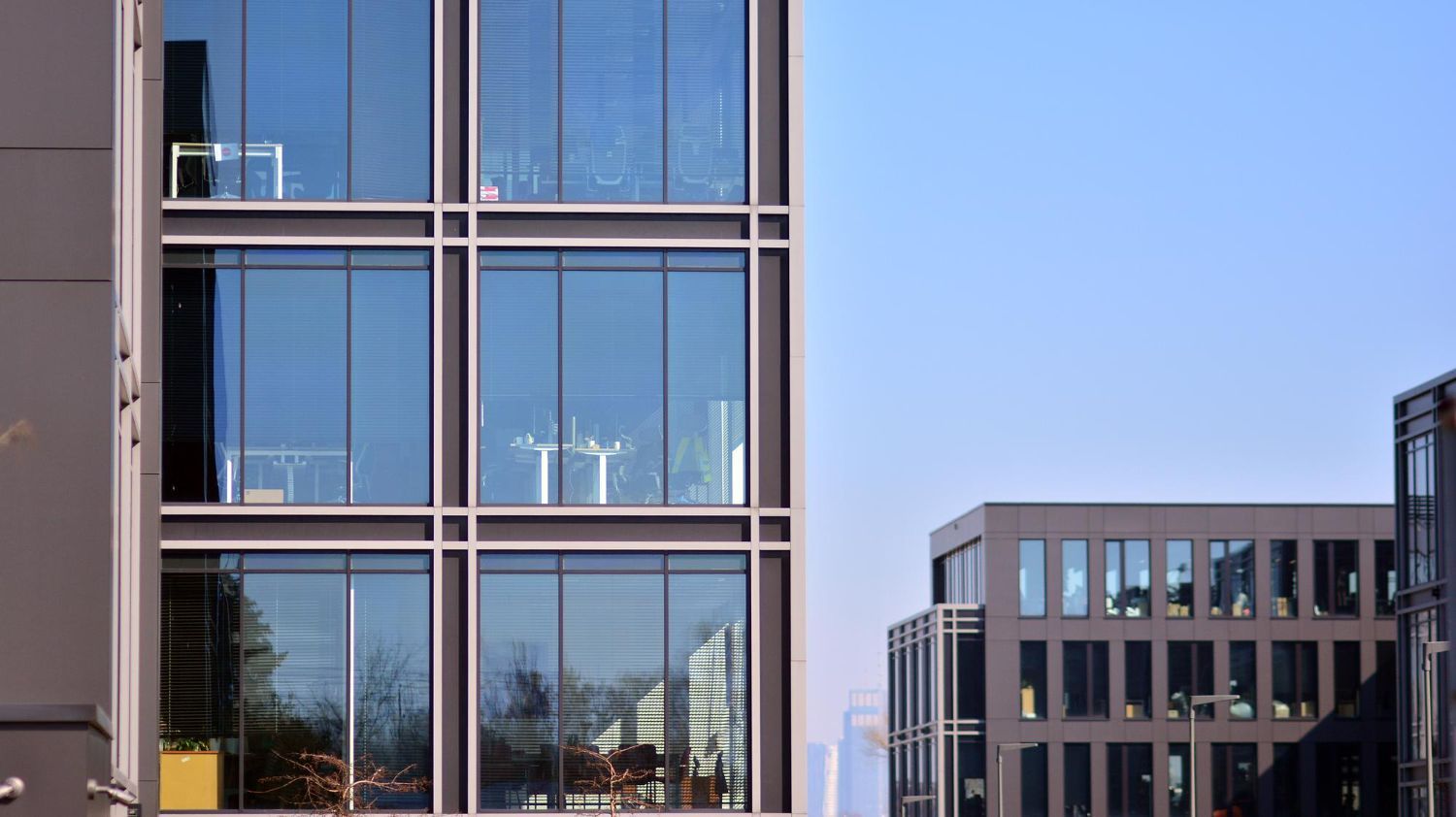
Uniform tint application across all glass surfaces creates a consistent, architectural quality that plain glass rarely achieves on its own. Think about how commercial office towers look from the street. That sense of visual cohesion comes almost entirely from uniformly tinted glass. You can apply the same principle to residential and smaller commercial properties at a fraction of the cost.
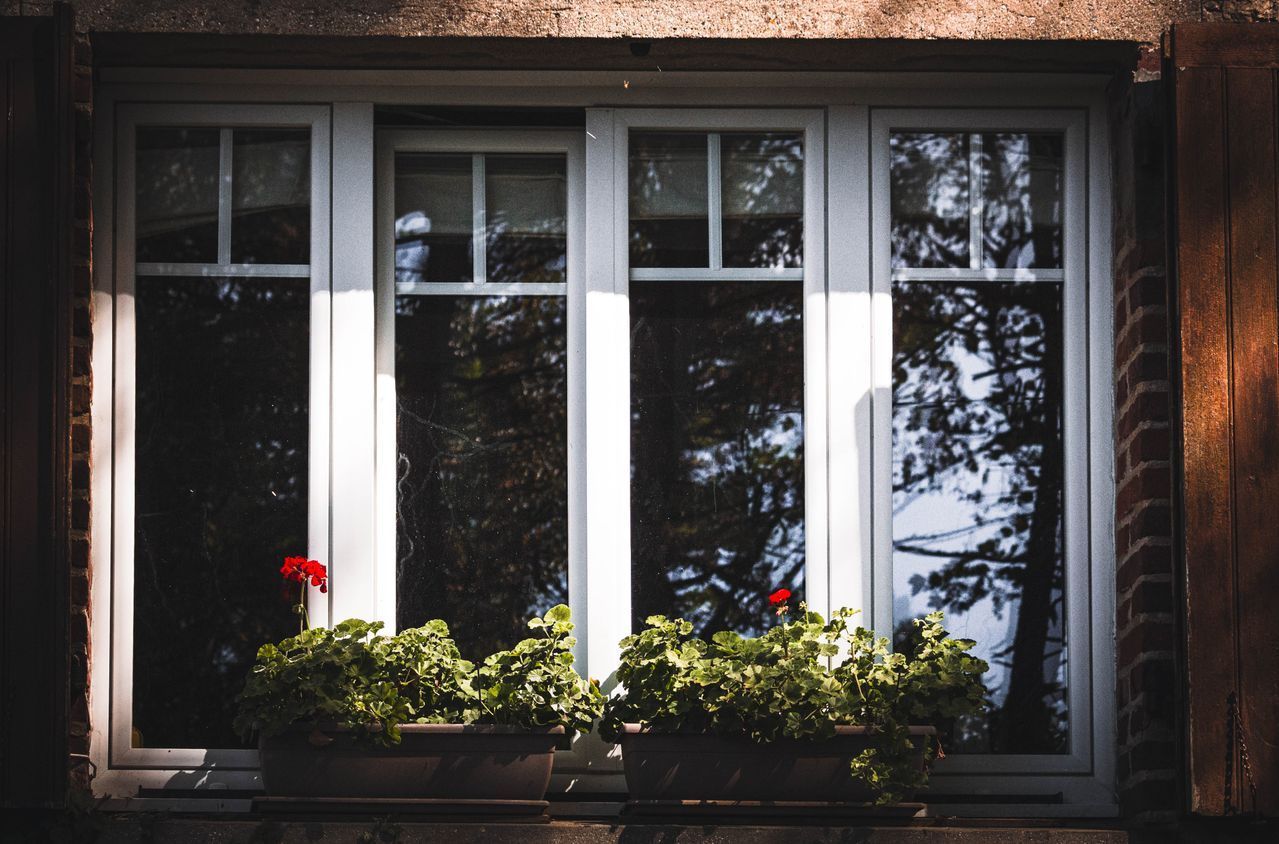
Tinting also gives you a practical way to address window aging without replacing glass. Older windows often develop surface hazing, mineral deposits, or discoloration that shows clearly from the outside. A well-matched decorative or solar film covers those flaws while adding a deliberate design layer. Decorative window films upgrade existing glass affordably, providing privacy and style without costly renovations.
The table below matches common film types to architectural styles where they tend to perform best aesthetically:
| Film type | Best match architectural style | Visual effect |
|---|---|---|
| Neutral ceramic, light VLT | Modern, minimalist, contemporary | Clean, low-reflectivity glass with uniform tone |
| Reflective solar film | Commercial, industrial, brutalist | Mirror or semi-mirror facade, bold and structured |
| Frosted decorative film | Craftsman, farmhouse, transitional | Soft, diffused light; privacy without visual weight |
| Bronze or gray tint | Traditional, colonial, Georgian | Warm or cool depth that complements brick and stone |
| Stained-glass or patterned film | Victorian, eclectic, historic | Decorative focal point that adds character and color |
Matching your film selection to your building's materials and color palette is what separates a professional result from a mismatched one. A reflective silver film on a warm brick traditional home will look out of place. A neutral bronze or gray on the same home will look deliberate and well-considered.
Pro Tip: When working on a multi-unit residential building, apply the same film across all units facing the same direction. Inconsistent tint across windows is one of the most common curb appeal mistakes, and it reads as disorganized from the street.
Why professional installation defines the aesthetic result
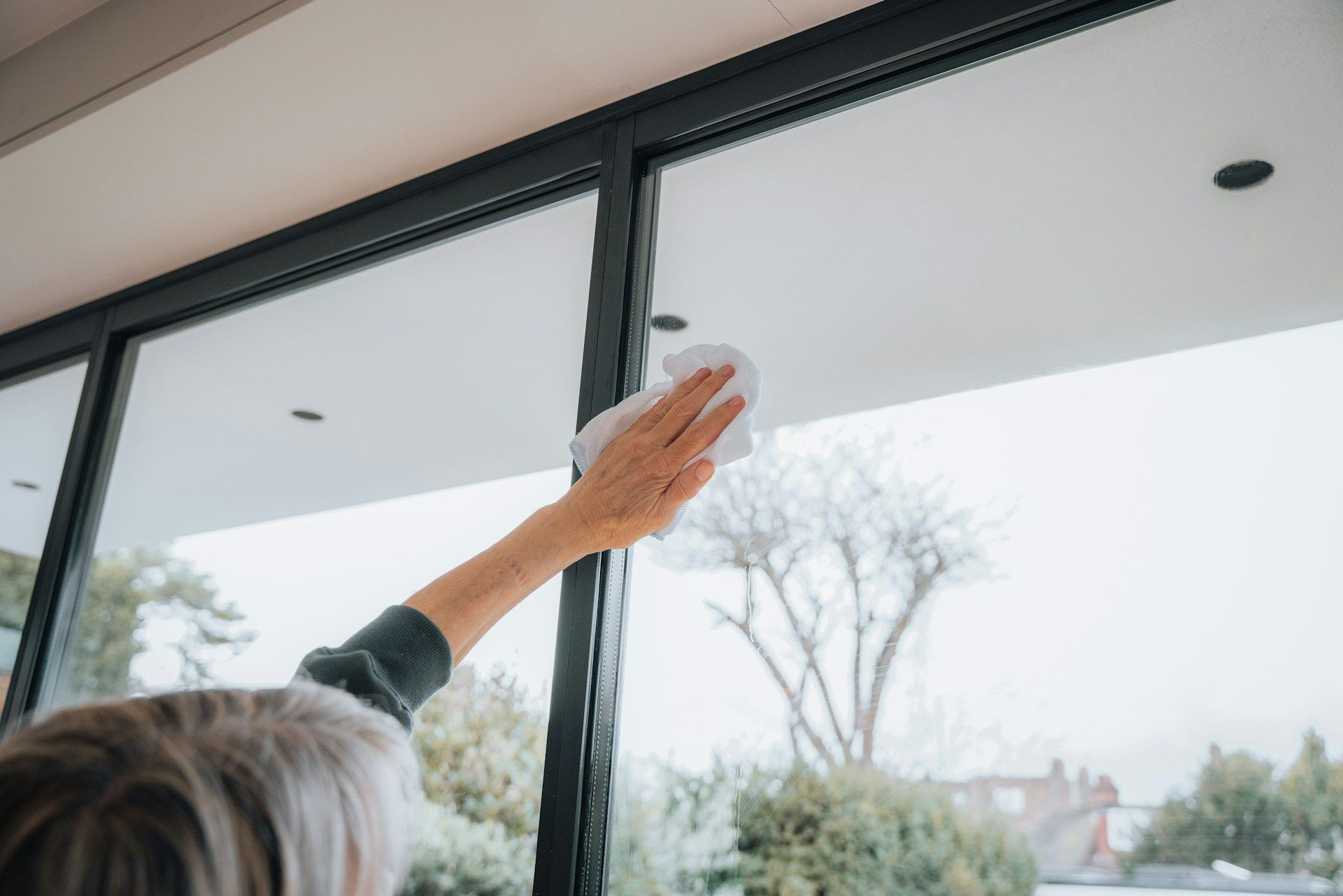
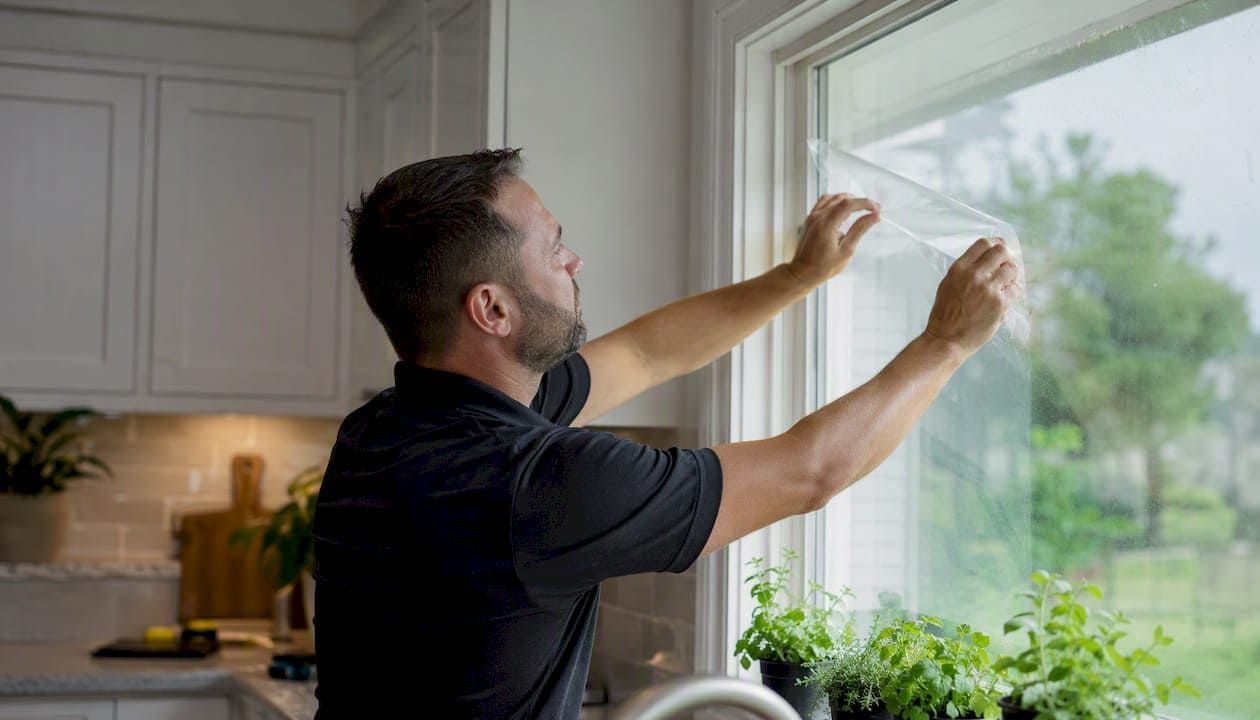
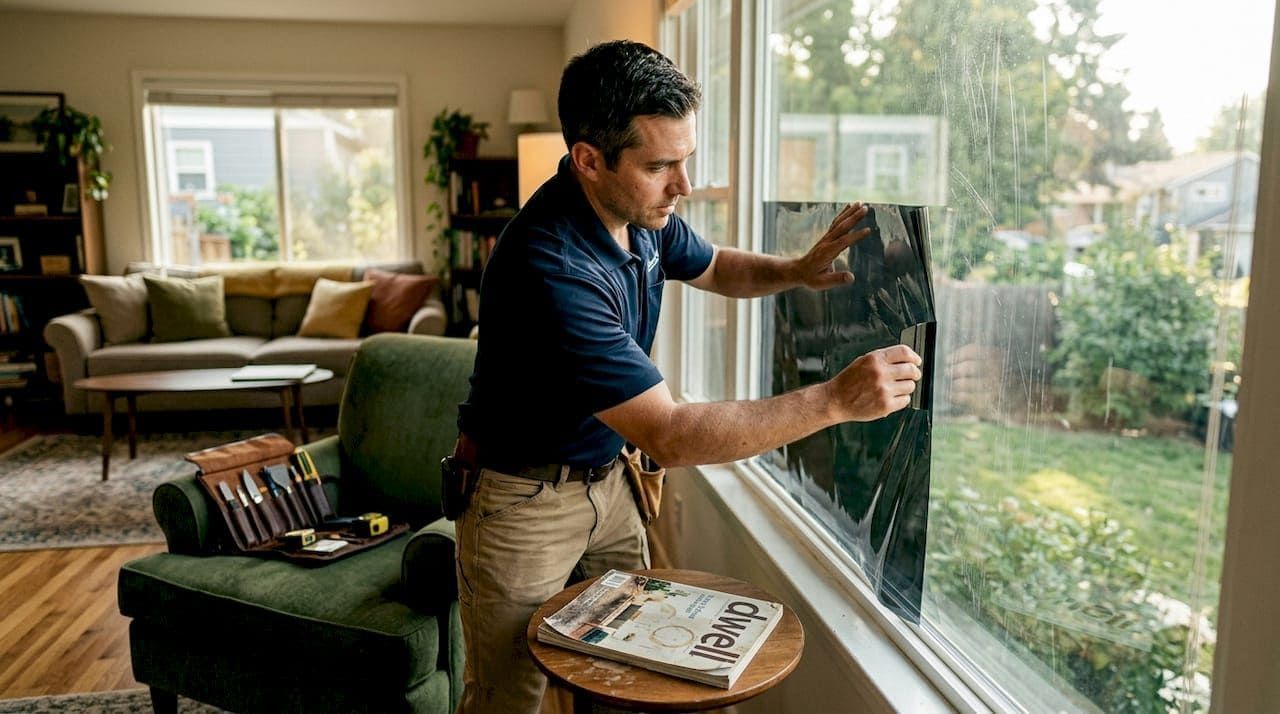
You can pick the most expensive, best-performing film on the market and still end up with a property that looks worse than before if the installation goes wrong. Skilled application ensures a flawless finish that holds up over time, and this is not a place to cut corners.
The risks of poor installation go further than bubbles and creases. Dust trapped beneath the film becomes visible as small raised dots the moment sunlight hits the glass at an angle. Uneven edges peel back within months, leaving a ragged border that draws the eye immediately. Film applied without accounting for the building's orientation can create uneven reflectivity across the facade, which actually highlights inconsistencies rather than concealing them.
There are also structural risks specific to certain window types. Incompatible films on dual-pane windows can cause thermal mismatch and seal failure, turning an aesthetic decision into a repair bill. Beyond that, some window manufacturers void window warranties when aftermarket films are applied without documentation of compatibility. A professional installer verifies glass type before selecting the film, which protects both the glass and the look you are going for.
Here is what to look for when evaluating a window tinting professional:
- Manufacturer certification, such as being a LLumar SelectPro dealer or an authorized Vista Films installer
- A portfolio showing residential and commercial installations comparable to your property
- Written documentation of film compatibility with your specific window type
- A product warranty that covers both the film and the installation labor
- A clean, dust-controlled application process with no shortcuts on surface prep
For a clear picture of what a professional job actually involves, reviewing what happens during installation helps you ask the right questions before signing any contract.
Balancing aesthetics with privacy, light, and energy goals
The aesthetic decisions you make around tinting do not happen in a vacuum. Privacy needs, natural light preferences, and energy efficiency targets all influence which film actually works for your property. The good news is that modern films make it possible to satisfy all of these requirements without sacrificing how your building looks.
Lighter tints in the 50 to 70% VLT range are ideal when your priority is preserving outdoor views and keeping rooms bright. These films read as nearly clear from most angles, providing subtle refinement rather than dramatic visual contrast. For properties in Southern New Hampshire and the Greater Boston area, where natural light is genuinely valued for half the year, this range often delivers the best overall result.
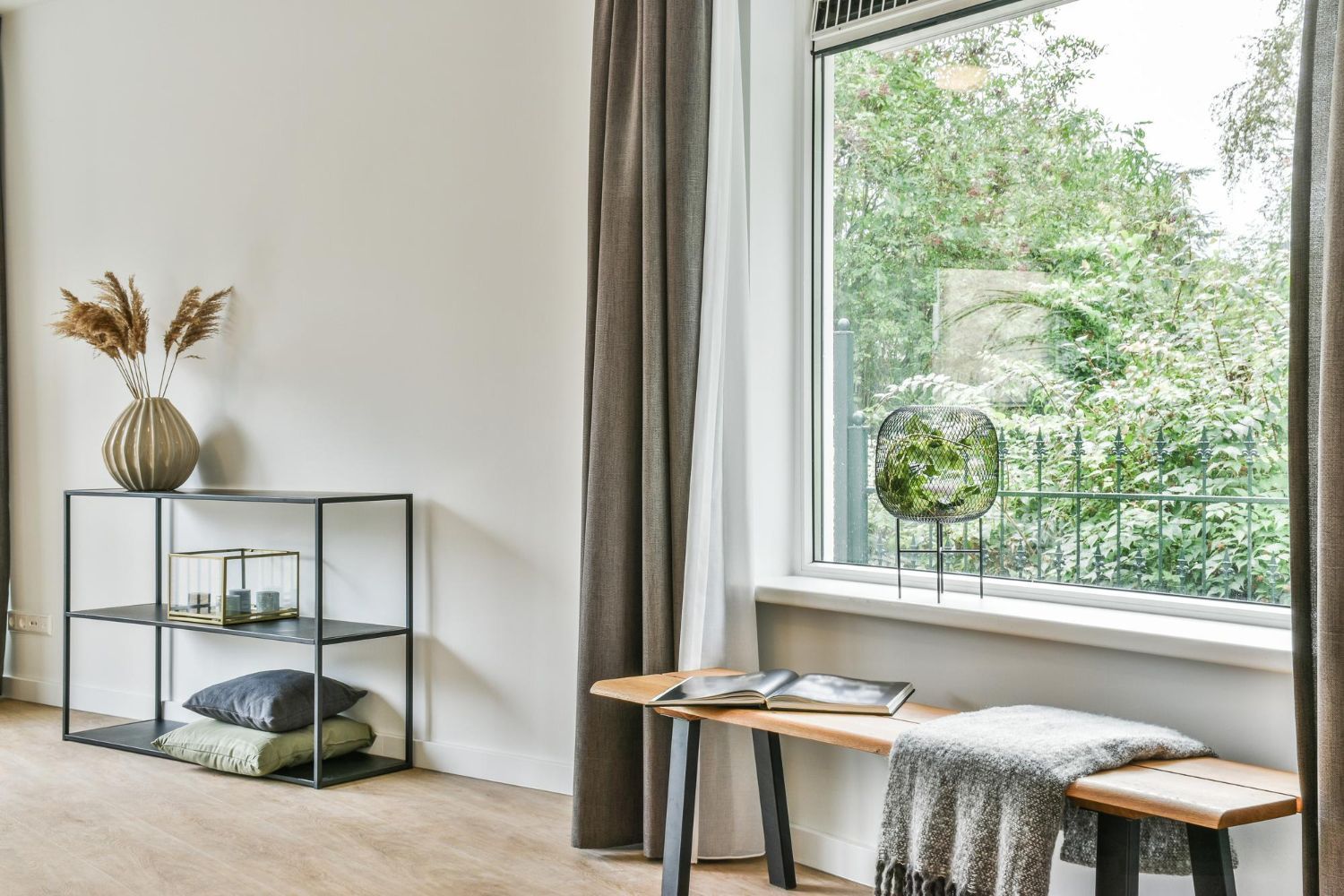
Decorative films occupy a different part of the spectrum. They create a cohesive indoor environment by diffusing light and reducing harsh shadows, functioning less like a solar product and more like an architectural material. Frosted or patterned films on sidelights, bathroom windows, or partial glass panels can define spaces as clearly as a wall treatment. You can explore how decorative films add style and privacy simultaneously to get a concrete sense of what this looks like in practice.
The table below gives you a reference for matching VLT levels to typical aesthetic and functional outcomes:
| VLT level | Privacy rating | Aesthetic effect | Best use case |
|---|---|---|---|
| 70% and above | Low | Nearly invisible, minimal tonal shift | Preserving views, subtle enhancement |
| 50–69% | Moderate | Light tonal depth, clean and contemporary | Balanced brightness with slight solar control |
| 35–49% | Good | Noticeable but refined darkening | Privacy-focused rooms, west-facing windows |
| 15–34% | High | Strong reflectivity or deep tone | Commercial facades, high-sun exposure |
| Below 15% | Very high | Mirror effect from exterior | Commercial buildings, statement facades |
Spectrally selective films sit in a category of their own because they deliver high heat and UV rejection without requiring a dark VLT. If your goal is to control heat and UV while keeping rooms visually open, these films represent the best intersection of performance and aesthetics currently available.
My honest take on what property owners get wrong
I've worked in and around the window film industry long enough to say this plainly: most property owners underestimate tinting's design potential, and the ones who do invest in it often make one of two predictable mistakes.
The first is choosing film based on price rather than fit. A cheap dyed film looks fine on installation day and becomes an embarrassment within a couple of years. The discoloration reads as neglect from the street. I've seen well-maintained properties lose curb appeal simply because the film turned purple and the owner didn't realize it until a prospective buyer pointed it out.
The second mistake is treating tinting as an afterthought. People spend months selecting exterior paint colors and weeks on window trim, then buy film from a hardware store and apply it on a Saturday. The result is uneven, bubbled, and looks nothing like the crisp lines you see on a professionally tinted building. Uniform film on a facade adds sleekness that most property owners simply aren't expecting until they see it done right.
What I find genuinely exciting is how much opportunity exists in the decorative film category. Most people haven't considered using window film as an actual design element, something that defines a room, marks an entry point, or ties a color palette together. When you start viewing tinting as a material choice rather than a utility decision, the design possibilities open up considerably. That shift in thinking is where the real aesthetic value lives.
See the difference with Surfacetint
If this article has you rethinking what window tinting could do for your property's look, the next step is seeing it firsthand. Surfacetint specializes in professional LLumar and Vista Film installations for residential and commercial properties across Southern New Hampshire and the Greater Boston Area. Every installation is designed to enhance your building's visual profile, not just its energy performance.
Browse the window tinting photo gallery to see real transformations on homes and commercial buildings similar to yours. When you're ready to talk specifics, you can request a free residential tinting estimate with no obligation. Surfacetint's team will assess your glass type, building orientation, and design goals to recommend a film that works for your property inside and out.
FAQ
Does window tinting make rooms look darker?
Not necessarily. Ceramic and spectrally selective films maintain high visible light transmission while blocking heat and glare, so rooms stay bright. Choosing a film with 50% or higher VLT typically results in no noticeable change in interior brightness.
What film type works best for curb appeal?
Neutral ceramic or spectrally selective films in lighter VLT ranges work best for most residential properties because they create clean, uniform glass without heavy reflectivity. For modern commercial buildings, reflective solar films can add a sleek, architectural look that strengthens facade design.
Can window tinting cover up damaged or aging windows?
Yes. Decorative and solar films can mask surface hazing, mineral buildup, and minor discoloration on older glass. This makes tinting a cost-effective way to refresh the appearance of windows without full replacement.
How does professional installation affect the final aesthetic?
Professional installation eliminates bubbles, dust inclusions, and uneven edges that become highly visible in direct sunlight. A clean, flawless application is what separates a polished design result from one that looks like a DIY project.
Will tinting void my window warranty?
It can. Applying an incompatible film to insulated glass units can cause thermal stress and seal failure, which some manufacturers use as grounds to void the warranty. A certified installer verifies glass compatibility before applying any film to prevent this outcome.
Recommended