
Anti-Reflective Glass Treatment: Benefits and Cost Guide
TL;DR:
- Anti-reflective glass treatment uses thin-film coatings that reduce surface reflection from 8% to less than 1%, improving light transmission and clarity.
- It employs multi-layer metallic oxide films to cancel reflected light waves through destructive interference, providing consistent performance across the visible spectrum.
Anti-reflective glass treatment is defined as a thin-film optical coating applied to glass surfaces that reduces surface reflection from approximately 8% down to less than 1% per surface. The result is dramatically improved light transmission, sharper visual clarity, and a near-invisible pane of glass. The industry term for this technology is an anti-reflection (AR) coating, and it appears in everything from museum display cases to architectural windows. If you are a homeowner, property manager, or business owner weighing glass treatment options, understanding how AR coatings work and what they cost will save you from a costly mismatch.
What is anti-reflective glass treatment and how does it work?
AR coatings operate on a principle called thin-film interference. When light hits a coated surface, some of it reflects off the top of the coating and some reflects off the bottom. The coating is engineered so those two reflected waves are exactly out of phase with each other. They cancel each other out, a process called destructive interference, and the result is that almost no light bounces back to the viewer.
The materials that make this possible are metallic oxide layers such as silicon dioxide (SiO2), titanium dioxide (TiO2), and zirconium dioxide (ZrO2). Each layer is deposited at a precise thickness, typically one quarter of the target wavelength of light. The thickness determines which wavelength gets canceled. A single layer handles one wavelength well but performs poorly across the rest of the visible spectrum.
That is why multi-layer coatings are the standard for high-performance AR glass. By stacking multiple thin films, each tuned to a different wavelength, manufacturers achieve broad-band suppression across the full 400–700 nm visible light range. The more layers, the flatter and more consistent the anti-reflection performance across all colors of light.
Applying these coatings at scale requires precision manufacturing. Magnetron sputtering is the dominant commercial method for large-format glass. It deposits thin films uniformly across wide surfaces and produces coatings with strong abrasion resistance, making AR glass practical for architectural and commercial display applications.
Pro Tip: Ask your glass supplier for the reflectance curve data on any AR product you are considering. A flat curve across the visible spectrum means consistent performance in all lighting conditions, not just in direct sunlight.
| Coating layer material | Role in AR performance |
|---|---|
| Silicon dioxide (SiO2) | Low-refractive-index layer; reduces overall reflection |
| Titanium dioxide (TiO2) | High-refractive-index layer; creates interference contrast |
| Zirconium dioxide (ZrO2) | Durable high-index layer; improves abrasion resistance |
| Magnesium fluoride (MgF2) | Single-layer AR applications; common in optics |
What is the difference between anti-reflective and anti-glare glass?
Anti-reflective and anti-glare treatments solve the same complaint, which is unwanted light interfering with visibility, but they solve it in completely different ways. Confusing the two leads to the wrong product for the job.
AR coatings cancel reflections optically through thin-film interference. The glass surface itself stays smooth and clear. Anti-glare (AG) coatings work by physically roughening the glass surface through chemical etching or sandblasting. That rough surface scatters incoming light in many directions, so no single bright reflection forms. The tradeoff is a slight haze that reduces image sharpness.
Here is how the two treatments compare across the factors that matter most for purchasing decisions:
- Optical clarity: AR glass delivers superior clarity and contrast. AG glass introduces mild diffusion that softens fine detail.
- Reflection control: AR coatings virtually eliminate mirror-like reflections. AG coatings reduce glare but do not eliminate reflections entirely.
- Durability: AG glass wins here. The etched surface is part of the glass itself and cannot be scratched off. AR coatings are surface films that can show wear over time.
- Fingerprints and smudges: AR glass shows fingerprints clearly because the surface is so transparent. AG glass hides smudges better due to its diffuse texture.
- Cost: Anti-glare alternatives are 30–50% cheaper than high-performance AR glass, making AG the budget-conscious choice for large installations.
- Best environment: AR glass excels in controlled lighting, such as museums, galleries, and retail showcases. AG glass performs better in bright, variable, or outdoor-adjacent environments.
For a deeper comparison with real-world examples, the AR vs. AG glass guide from Surfacetint covers both treatments side by side.
What are the main benefits and applications of AR glass?
AR coatings primarily increase light transmission and visual clarity rather than simply reducing glare. That distinction matters. A standard pane of glass reflects about 8% of incoming light per surface. A double-pane window reflects from both surfaces, losing a meaningful share of available light before it ever reaches the interior. AR-treated glass cuts that loss to under 1% per surface, which translates to noticeably brighter interiors and sharper views.
The practical applications span a wide range of industries:
- Retail display cases: AR glass lets customers see merchandise without fighting their own reflection in the glass.
- Museums and galleries: Museum-grade AR glass with UV filtering protects artwork from fading while keeping pieces fully visible under gallery lighting.
- Electronic displays: Touchscreens, monitors, and kiosks use AR coatings to maintain readability in bright ambient light.
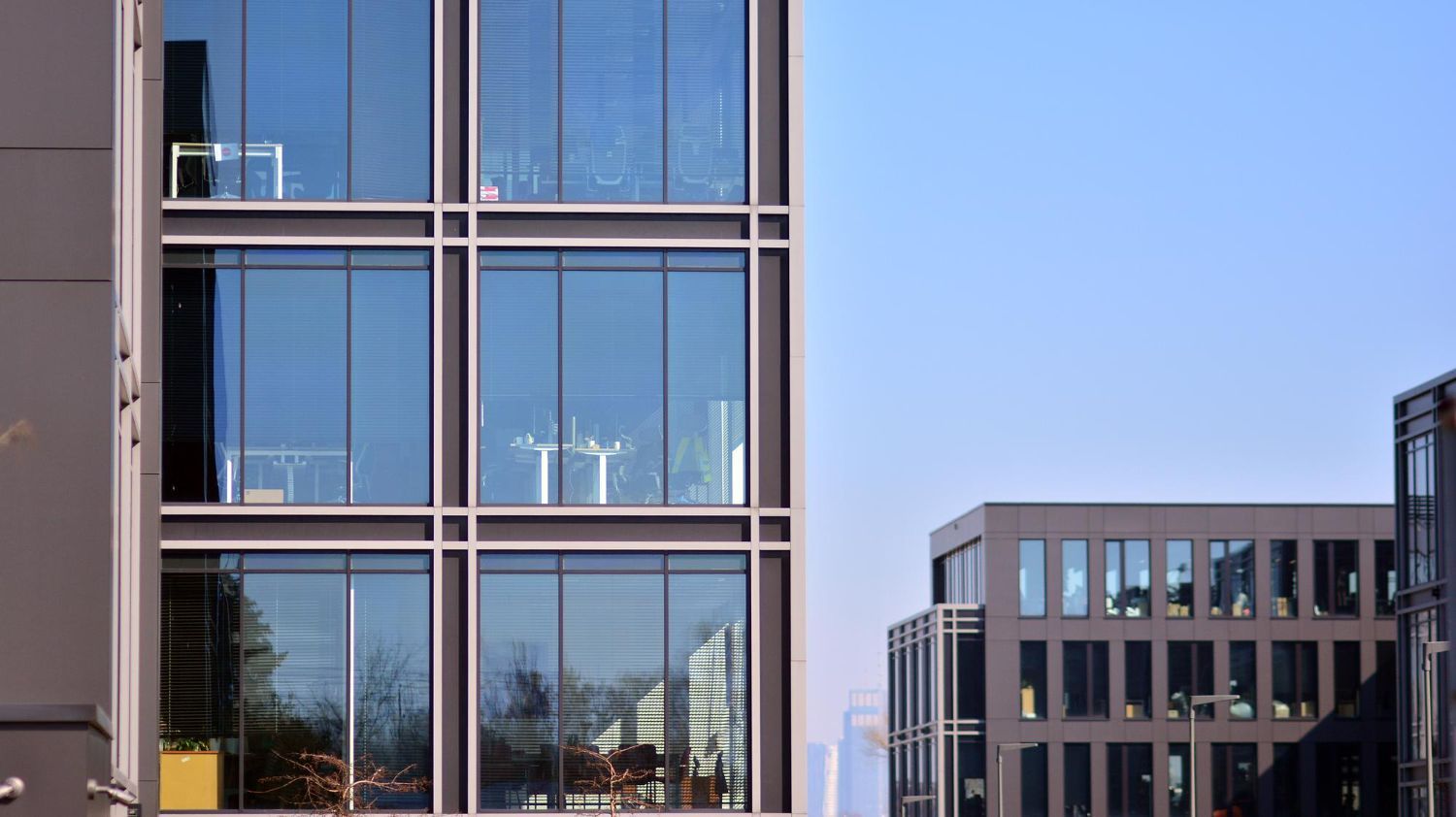
- Architectural glass: Office buildings and residential properties use AR-treated glazing to maximize natural light without the mirror effect that standard glass creates.
- Optical instruments: Camera lenses, microscopes, and eyeglasses all rely on AR coatings to reduce internal reflections that degrade image quality.
Pro Tip: For residential applications, AR-treated glass on south-facing windows can meaningfully increase the amount of usable natural light in a room without requiring structural changes. Pair it with a solar control film on the exterior for heat management.
The aesthetic benefit is just as real as the functional one. A retail showcase with AR glass looks cleaner and more professional. An office lobby with AR-treated partitions feels more open. For homeowners, the difference between standard glass and AR-treated glass in a picture frame or display cabinet is immediately visible. Surfacetint's work on home window clarity demonstrates how glass treatment choices directly affect how a space looks and feels.
Natural light quality also plays a role in how comfortable a space feels over time. Research on natural light in built environments consistently links better light transmission to improved occupant wellbeing, which is a factor worth considering for both residential and commercial projects.

How do cost and maintenance affect your AR glass decision?
Price is the most common reason buyers settle for a less effective option. Museum-grade AR glass with UV filtering carries roughly a $100 premium per unit over standard glass. That premium is justified for high-value artwork, irreplaceable documents, or premium retail displays where clarity and UV protection are non-negotiable.
For high-traffic or high-touch environments, the maintenance picture changes the calculation significantly:
- AR coatings show fingerprints and smudges more visibly than AG glass because the surface is so clear.
- Etched anti-glare glass is the better choice for surfaces that get touched frequently, such as interactive kiosks, school display cases, or retail counters.
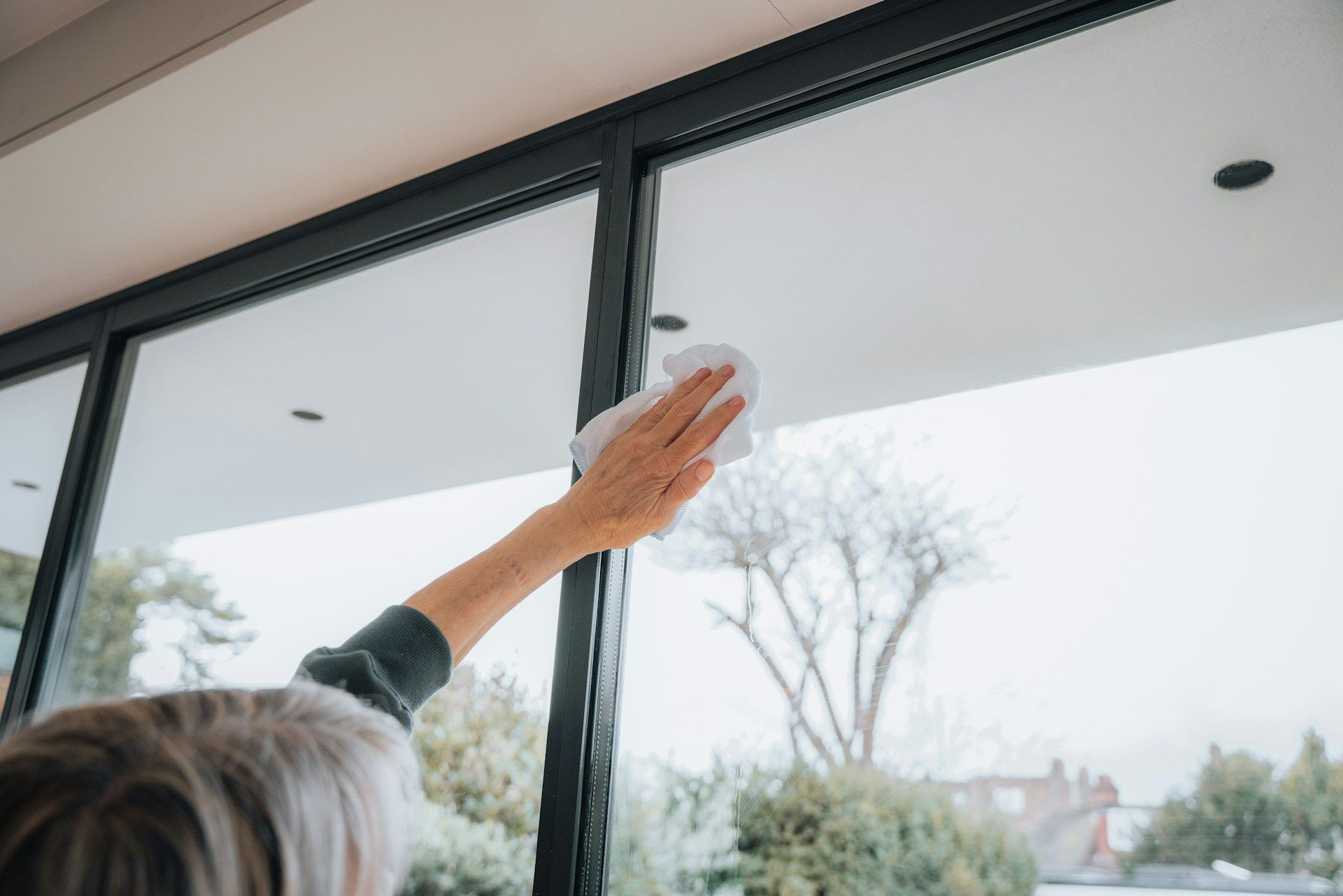
- AR coatings require gentle cleaning with microfiber cloths and non-abrasive solutions. Harsh cleaners degrade the coating over time.
- AG glass can be cleaned with standard glass cleaners and withstands more aggressive wiping without damage.
- For large commercial installations where budget is a constraint, AG glass at 30–50% lower cost often delivers acceptable performance with lower long-term maintenance costs.
The right choice depends on three factors: how much clarity you need, how often the surface will be touched or cleaned, and what your budget allows per unit. A museum protecting a Rembrandt needs museum-grade AR. A school hallway display case needs durable AG glass. Most residential and commercial applications fall somewhere between those two extremes, and that is where professional guidance adds real value.
For homeowners thinking about maximizing natural light without sacrificing privacy or comfort, the coating choice interacts with other window film decisions in ways that are worth discussing with a specialist before purchasing.
Key Takeaways
Anti-reflective glass treatment is the most effective way to increase light transmission and eliminate mirror-like reflections, but the right product depends on your environment, maintenance tolerance, and budget.
| Point | Details |
|---|---|
| AR coatings cut reflection dramatically | Surface reflection drops from approximately 8% to under 1%, maximizing light transmission. |
| Multi-layer coatings outperform single-layer | Stacked metallic oxide films cover the full visible spectrum for consistent clarity. |
| AR and AG solve different problems | AR cancels reflections optically; AG scatters light physically with a roughened surface. |
| Cost scales with performance | Museum-grade AR with UV filtering costs roughly $100 more per unit than standard glass. |
| Maintenance determines long-term value | High-touch surfaces need durable AG glass; controlled environments benefit most from AR coatings. |
What I have learned from watching people choose the wrong glass treatment
People consistently conflate "anti-reflective" and "anti-glare" because both terms describe a reduction in unwanted light. The confusion costs money. I have seen commercial clients install AR-coated glass in high-traffic lobbies, only to spend the next year fighting smudge complaints and premature coating wear. The physics were right. The application was wrong.
The most common mistake is prioritizing optical performance without accounting for who will interact with the glass and how often. AR glass is genuinely impressive in a museum or a high-end retail showcase where the environment is controlled and the glass is rarely touched. Put it in a school hallway or a busy office reception desk and the maintenance burden quickly outweighs the clarity advantage.
The second mistake is treating cost as the primary filter. AG glass is cheaper, and that matters. But in a gallery or a premium retail setting, the visual difference between AR and AG glass is immediately apparent to customers. Clarity is part of the brand experience in those environments, and the $100 per unit premium pays for itself in perceived quality.
My honest recommendation: define the environment first, then the performance requirement, then the budget. If you are protecting high-value items in a controlled space, invest in multi-layer AR with UV filtration. If the surface will be touched, cleaned repeatedly, or exposed to variable lighting, choose AG glass and redirect the savings elsewhere. The technology is mature and reliable in both categories. The decision is about fit, not quality.
Window treatments that go beyond standard glass
Choosing the right glass treatment is only part of the equation for residential and commercial properties. Surfacetint works with homeowners and business owners across Southern New Hampshire and the Greater Boston Area to match the right window film solution to each property's specific needs.
Whether you are managing glare in a commercial showroom, protecting furnishings from UV damage at home, or improving the clarity and appearance of your windows, Surfacetint's team of LLumar SelectPro-certified installers can assess your space and recommend the right solution. Browse the commercial window tinting gallery to see recent projects, or request a free estimate to get a professional assessment for your property.
FAQ
What is anti-reflective glass treatment in simple terms?
Anti-reflective glass treatment is a thin optical coating that cancels reflected light waves through destructive interference, reducing surface reflection from approximately 8% to under 1% and making glass appear nearly invisible.
How does anti-reflective glass differ from standard glass?
Standard glass reflects about 8% of light per surface, creating mirror-like effects. AR-treated glass reflects less than 1% per surface, delivering significantly higher light transmission and visual clarity.
Is anti-glare treatment the same as anti-reflective treatment?
No. Anti-glare coatings roughen the glass surface to scatter light diffusely, while anti-reflective coatings use thin-film interference to cancel reflections optically. AR glass offers sharper clarity; AG glass offers better durability and lower cost.
What are the main advantages of anti-reflective glass?
The primary advantages of anti-reflective glass are increased light transmission, elimination of mirror-like reflections, improved contrast, and enhanced visual clarity across retail, museum, architectural, and optical applications.
How much does anti-reflective glass cost compared to anti-glare glass?
Museum-grade AR glass with UV filtering costs roughly $100 more per unit than standard glass. Anti-glare alternatives are typically 30–50% less expensive than high-performance AR glass, making AG the more budget-friendly option for large installations.
Recommended