
Window Film Snow Glare Reduction for NH Homes
TL;DR:
- Snow reflects up to 80% of UV rays, causing severe winter glare and potential eye damage in New Hampshire. Properly selected solar control window films reduce glare and UV exposure while maintaining indoor brightness year-round. Professional installation and accurate room-specific assessment ensure optimal performance and long-lasting protection.
Window film designed for snow glare reduction is a specialized solar control treatment that blocks intense reflected UV rays and low-angle winter sunlight while preserving natural indoor light. In Southern New Hampshire, snow reflects up to 80% of UV rays back toward your windows, creating glare far more severe than most homeowners expect. That figure dwarfs the 25% UV reflection rate from sand, which means a snowy NH yard is more punishing on your eyes than a beach. Modern solar control films, including the LLumar Vista line installed by Surfacetint, block up to 99% of UV radiation while keeping rooms bright. For window film snow glare reduction in NH, the right film makes the difference between squinting through january and actually enjoying the view.

How does snow increase window glare during NH winters?
Snow glare is not simply bright light. It is a specific optical problem caused by the combination of high reflectivity, low sun angles, and the contrast between outdoor and indoor brightness.
The physics are straightforward. Fresh snow has a reflectivity rating, called albedo, that sends up to 80% of UV rays directly back toward any surface facing it, including your windows. That reflected energy enters your home as both visible glare and invisible UV radiation. The result is not just uncomfortable. It is damaging to your eyes, your furniture, and your flooring over time.
The contrast problem compounds the reflectivity issue. On a bright winter day, exterior brightness can reach up to 100,000 lux, while typical indoor lighting sits between 300 and 500 lux. Your eyes cannot adapt to both levels at once. That gap is what causes the headaches and eye strain NH homeowners report during winter months.
Low-angle winter sun adds a third layer of difficulty. Between november and february, the sun tracks low across the southern sky in New Hampshire. That angle sends direct sunlight straight through south-facing windows rather than hitting them at a steep angle that glass can partially deflect. South-facing living rooms and home offices take the worst of it.
The key factors driving winter snow glare in NH homes:
- High snow reflectivity. Snow reflects UV rays at rates far exceeding grass, pavement, or soil.
- Low sun angle. Winter sun enters windows more directly, bypassing the natural deflection that steep summer angles provide.
- Brightness contrast. The gap between outdoor and indoor light levels forces your eyes into constant, painful adjustment.
- Extended exposure. NH winters run from november through march, meaning homeowners face this problem for nearly five months each year.
What types of window film effectively reduce snow glare?
Spectrally selective films are the most effective category for NH winter glare. They filter out infrared and UV wavelengths while allowing high visible light transmission. That means your room stays bright while the painful, damaging portions of the light spectrum are blocked at the glass.
Ceramic films sit at the top of the performance range. They block blue light and UV rays without the metallic interference that older metalized films can cause with electronics. Ceramic films maintain optical clarity, which matters when you want to keep your view of the snow-covered yard without the glare that comes with it.
Solar control films cover a wide performance range. Professional solar control films reduce transmitted light by 30–70% and block up to 99% of UV radiation. That 99% UV blockage is the figure that protects your hardwood floors, artwork, and upholstery from fading, not just your eyes from strain.
Visible light transmission, or VLT, is the number you need to understand before selecting a film. A film with 70% VLT lets in most of the visible light while still cutting glare-causing UV and infrared. A film with 35% VLT provides stronger glare control but noticeably darkens the room. The right VLT depends entirely on the room, its orientation, and how much natural light you want to preserve.
| Film type | Glare reduction | UV blockage | Best use case |
|---|---|---|---|
| Spectrally selective | High | Up to 99% | South-facing rooms needing daylight |
| Ceramic | Very high | Up to 99% | Home offices, living rooms |
| Standard solar control | Moderate to high | Up to 99% | Rooms tolerating some darkening |
| Lightly tinted solar | Moderate | Up to 99% | North-facing or lower-glare rooms |
Pro Tip: For NH homes with south-facing windows, choose a spectrally selective film with a VLT above 50%. You get meaningful glare control without turning your living room into a cave during the short winter days.
The best window film for cold climates in NH also needs to perform in temperature swings. Films that crack or delaminate in freeze-thaw cycles waste your investment. LLumar Vista films, the product line Surfacetint installs, are engineered for exactly this kind of climate stress.
What does professional window film installation involve?
Professional installation is not just about applying film without bubbles. It starts with a light level assessment that determines which film VLT suits each room. Glare control is a room-specific decision. A south-facing home office with a monitor needs a different film than a north-facing kitchen that already feels dim in winter.
The professional installation process for anti-glare window film follows these steps:
- Window orientation assessment. The installer maps which windows face south, southeast, or southwest, since those receive the most intense snow-reflected light in NH winters.
- Light level measurement. Lux readings inside and outside help determine the VLT range that will reduce glare without over-darkening the space.
- Film selection. Based on the assessment, the installer recommends specific films from the available product range, matching performance specs to room needs.
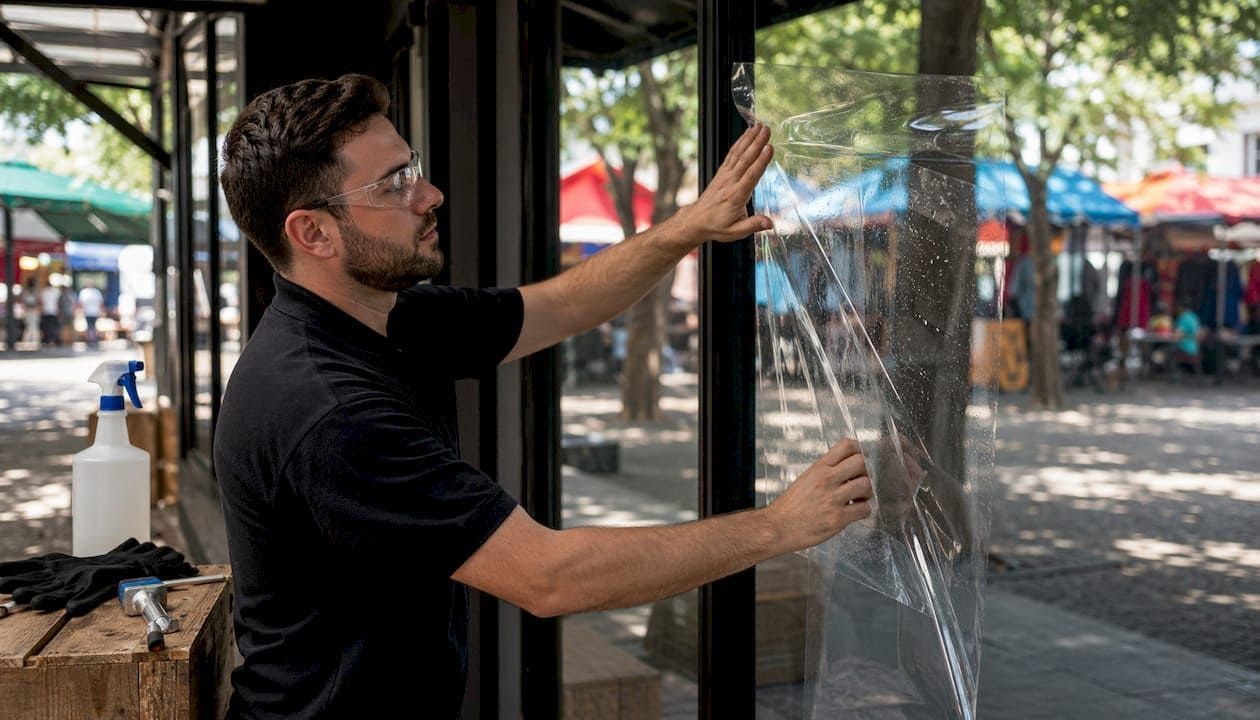
- Surface preparation. Glass is cleaned thoroughly to remove dust, oils, and residue. Any contamination under the film causes bubbles and reduces adhesion.
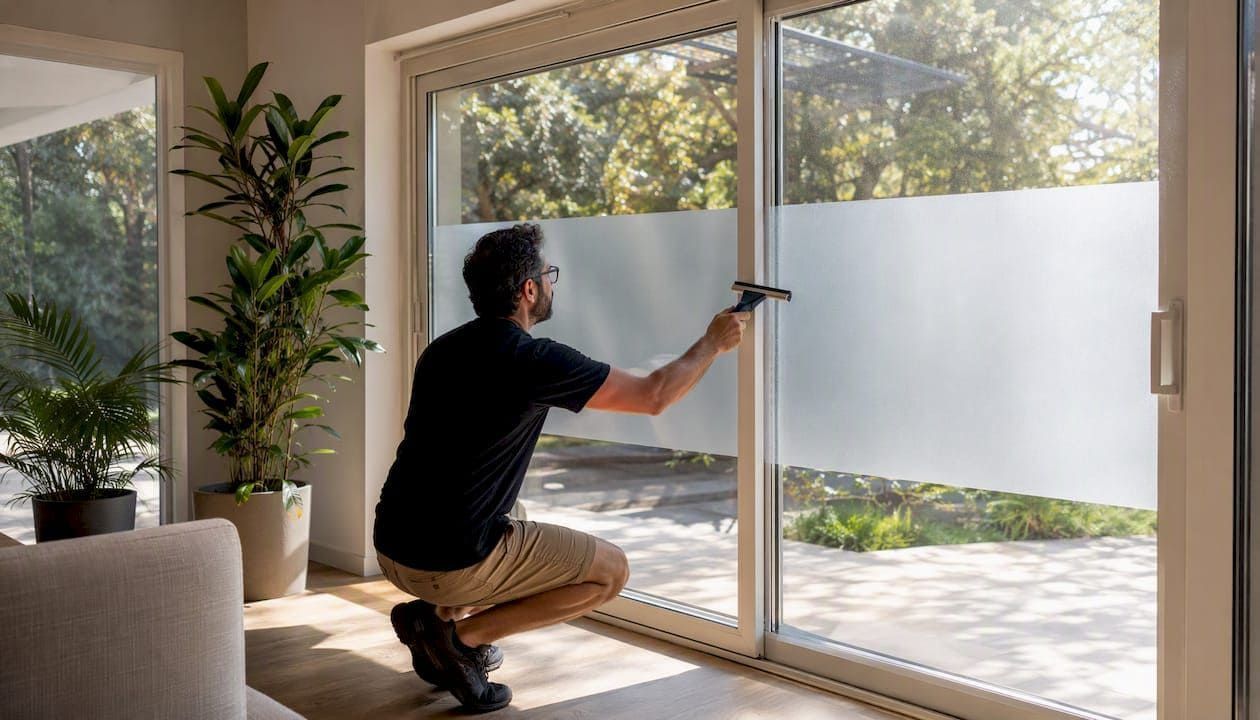
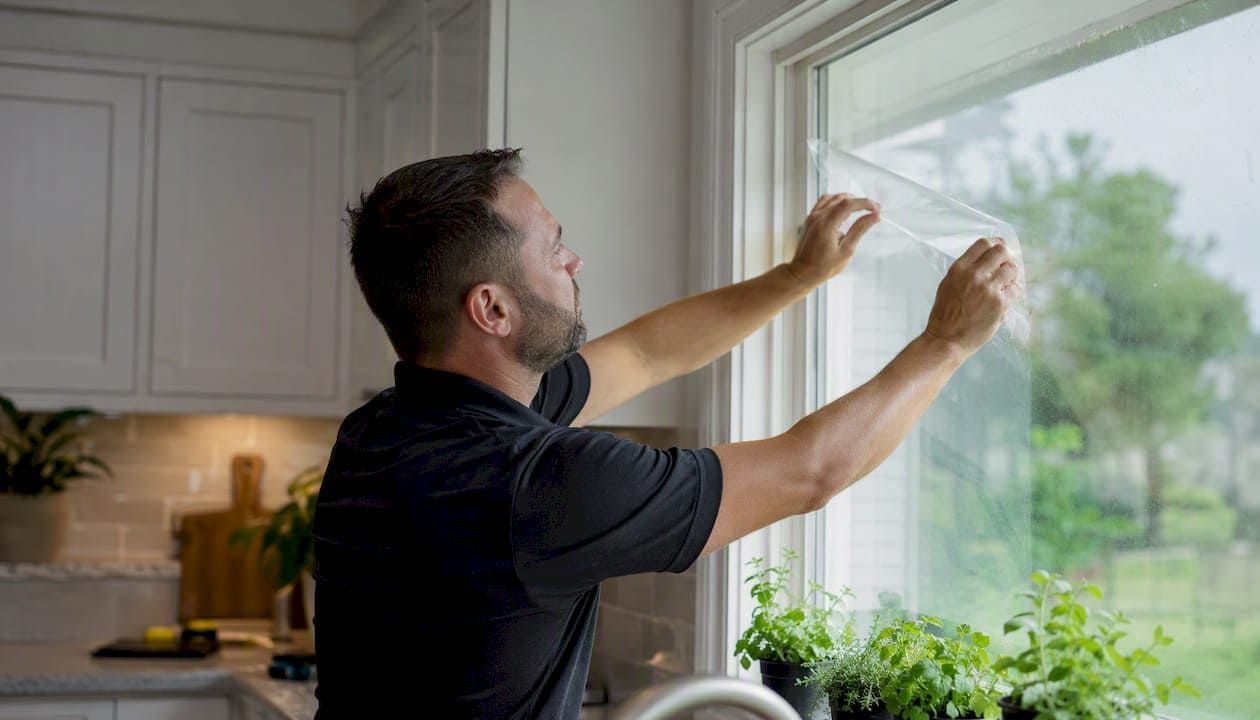
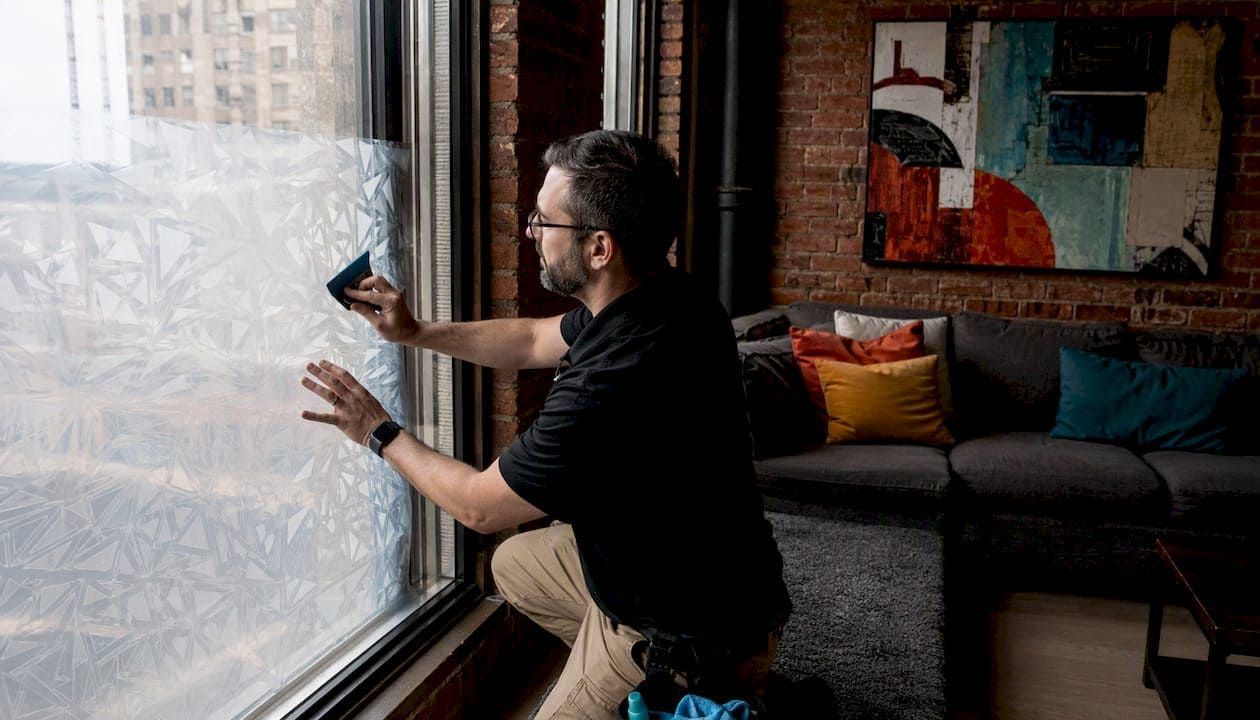
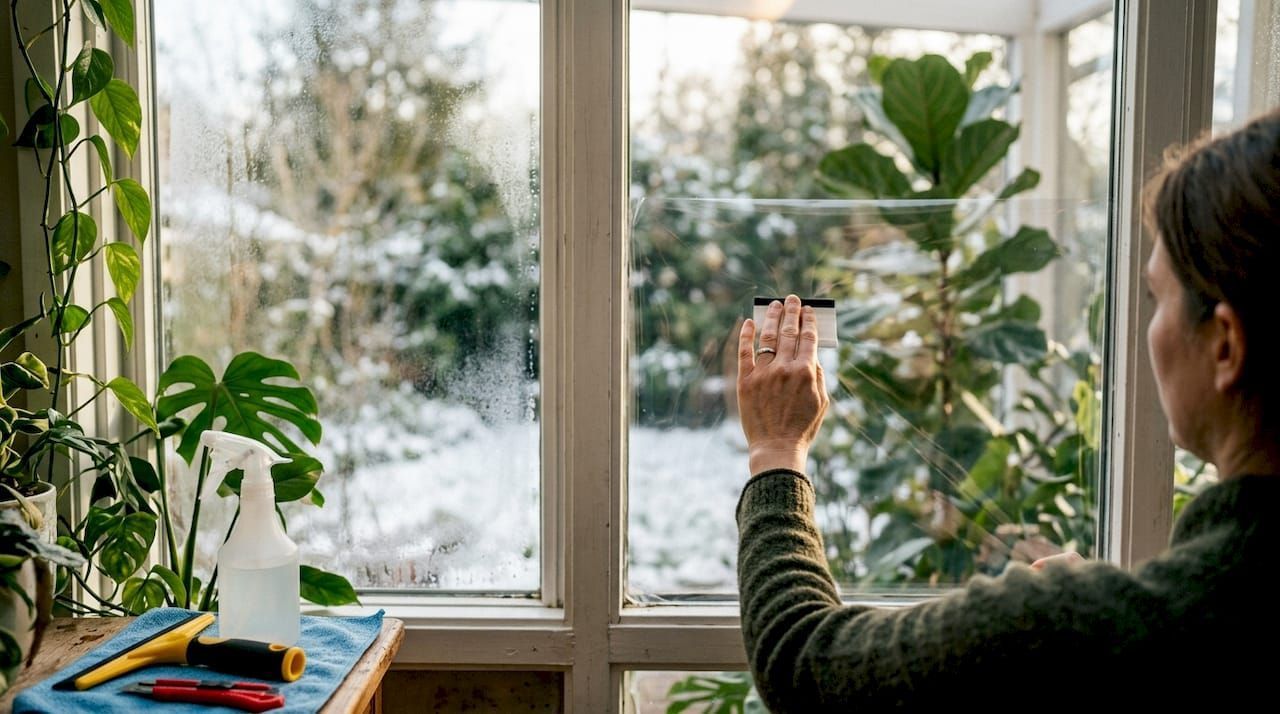
- Film application. The film is cut precisely to the glass dimensions and applied with a slip solution, then squeegeed flat to remove all air and moisture.
- Curing period. Most films require 30 days to fully cure and bond to the glass. During this period, minor haziness or small water pockets are normal and will clear.
Professional installation can be performed year-round, including during NH winters. You do not need to wait for warm weather to address a glare problem that peaks in january and february. Surfacetint schedules residential installations throughout the year across Southern New Hampshire.
Pro Tip: Schedule your installation before the first heavy snowfall of the season. You will have glare protection in place from the first bright winter day, rather than spending weeks squinting while you wait for a spring appointment.
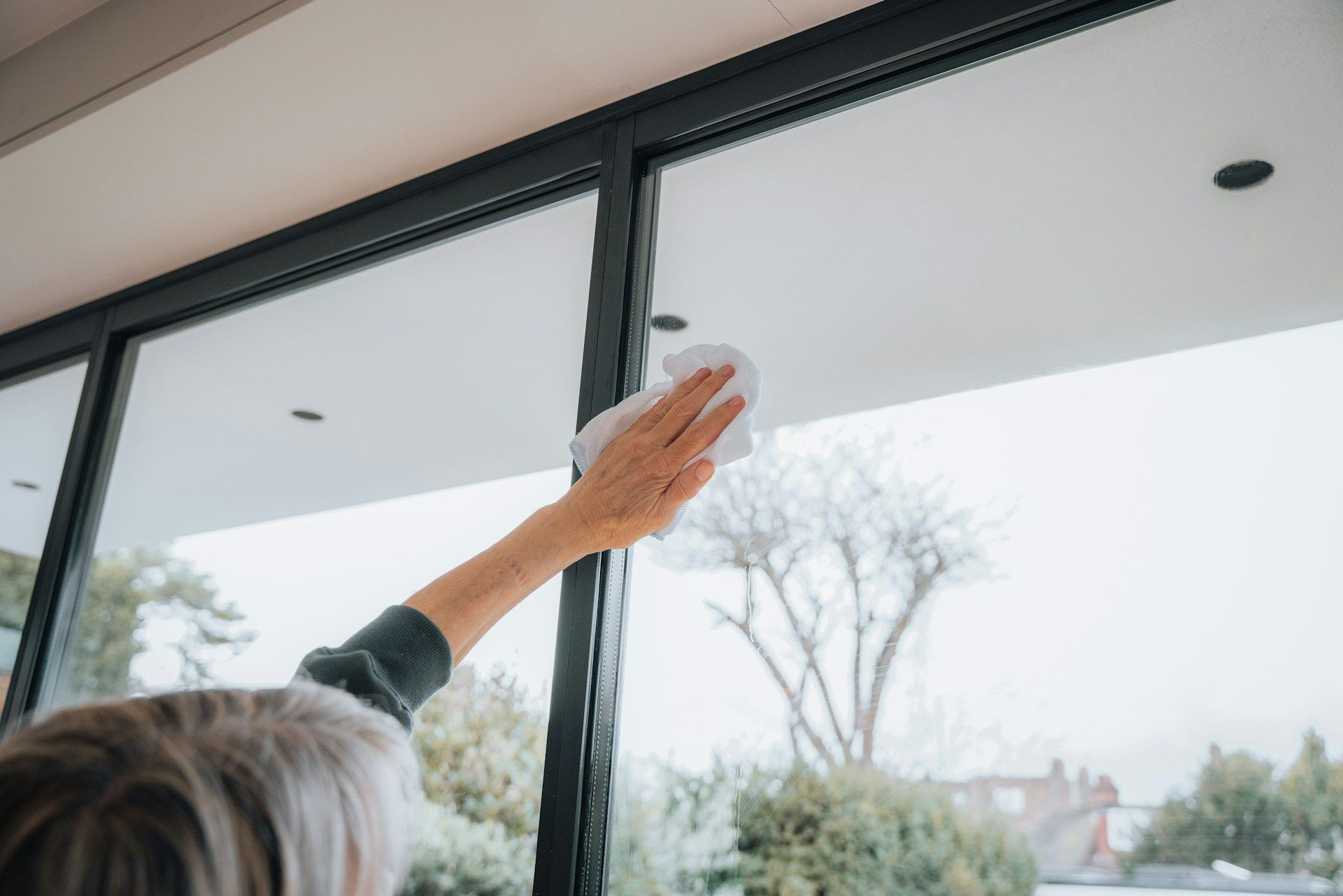
Maintenance is minimal. Clean film-covered glass with a soft cloth and a mild, ammonia-free cleaner. Avoid abrasive scrubbers that scratch the film surface. A well-installed film from a quality product line lasts 10 to 15 years with basic care.
How does window film provide year-round benefits beyond winter?
Snow glare is the trigger for most NH homeowners, but the benefits of solar control film run through all four seasons. High-quality window films reduce home cooling costs by up to 30% by blocking solar heat gain in summer. That is the same film doing two different jobs: blocking UV and infrared in winter to cut glare, and blocking solar heat in summer to cut air conditioning costs.
The UV protection benefit is constant. Window films that block up to 99% of UV radiation protect your interior 365 days a year. Hardwood floors, area rugs, upholstered furniture, and artwork all fade from UV exposure. A film installed for winter glare control is also protecting those surfaces every sunny day in april, june, and september. You can read more about this in Surfacetint's guide on UV protection window film.
One underappreciated benefit is what film does for your relationship with natural light. Window film lets homeowners keep blinds open during harsh glare periods. In NH, where winter days are short and natural light is scarce, that matters. Closing blinds to manage glare trades one problem for another. Film solves the glare without sacrificing the daylight.
| Season | Primary benefit | Secondary benefit |
|---|---|---|
| Winter | Snow glare reduction | UV protection for interiors |
| Spring | UV protection | Reduced heat gain on warm days |
| Summer | Solar heat rejection, up to 30% cooling savings | Glare reduction from high sun |
| Fall | UV protection | Temperature stability near windows |
Use Surfacetint's energy savings calculator to estimate what year-round film performance means for your specific home size and window count.
What are common mistakes when using window film for glare control?
Choosing the wrong VLT is the most common error NH homeowners make. A film that is too dark solves the glare problem but creates a dim, uncomfortable room. A film that is too light fails to cut the glare enough to matter. Neither outcome justifies the investment.
Common mistakes to avoid:
- Ignoring window orientation. Applying the same film to every window in the house ignores the fact that north-facing windows rarely need aggressive glare control. A one-size-fits-all approach wastes money and may over-darken rooms that did not have a glare problem.
- Skipping the professional assessment. Detailed light assessments by trained installers identify the actual glare conditions in each room. Guessing at VLT without measuring leads to poor outcomes.
- Using harsh cleaning products. Ammonia-based cleaners degrade film adhesive over time. The film may look fine for a year, then begin to peel or bubble. Switch to ammonia-free glass cleaner the day the film goes on.
- Expecting instant full performance. Film takes up to 30 days to fully cure. Judging the result in the first week, especially in cold weather, gives you an incomplete picture.
- Relying on film alone when glare is extreme. In rooms with very large south-facing windows, film works best when paired with light-filtering shades for the most intense midday glare periods. Film handles the UV and most of the glare. Shades handle the remaining peak-hour brightness if needed.
If glare persists after installation and the curing period is complete, contact your installer. The issue is almost always a VLT mismatch that a different film can correct. Surfacetint offers consultations to diagnose and address exactly this kind of situation.
Key Takeaways
Solar control window film is the most effective single solution for snow glare in Southern New Hampshire homes, blocking up to 99% of UV rays while preserving natural daylight and delivering year-round energy savings.
| Point | Details |
|---|---|
| Snow reflectivity is severe | Snow reflects up to 80% of UV rays, making NH winter glare far more intense than most homeowners expect. |
| Film type and VLT matter | Spectrally selective and ceramic films offer the best glare control without darkening rooms in winter. |
| Installation is year-round | Professional film installation works in any season, so you do not need to wait for warm weather. |
| Benefits extend past winter | Quality films reduce cooling costs by up to 30% and protect interiors from UV fading all year. |
| Room-specific selection is critical | Window orientation and room use determine the right VLT; a single film choice for the whole house rarely works well. |
What I have learned from watching NH homeowners get this wrong
Most homeowners call about snow glare in january, after two or three weeks of squinting through their living room windows. By then, they have already tried closing the blinds and hated it, or bought a cheap film online and applied it themselves with mixed results.
The self-install path is where I see the most frustration. The film goes on crooked, or bubbles form, or the VLT is wrong for the room. The homeowner ends up with a worse situation than before and a skepticism about film that is not really warranted. The product is not the problem. The application and selection process is.
What I tell every homeowner who asks: treat this like any other home improvement that requires a professional assessment. You would not pick a furnace without knowing your home's square footage and insulation rating. You should not pick a window film without knowing your window orientation and the lux levels in each room. The residential film types guide is a good starting point for understanding the options before you talk to an installer.
The other thing I have noticed is that homeowners who install film for winter glare are almost always glad they did it by summer. The cooling cost reduction surprises them. They expected a winter fix and got a year-round upgrade. That is the right way to think about it from the start.
Surfacetint's window film solutions for NH homeowners
Southern New Hampshire winters are not gentle on your windows or your eyes. Surfacetint installs LLumar Vista solar control films specifically selected for the glare and UV conditions that NH homeowners face from november through march and beyond.
Every residential installation starts with a free estimate and a window-by-window assessment. Surfacetint's team identifies the right film VLT for each room based on orientation and light conditions, so you get glare control that actually works without sacrificing the natural light you need during short winter days. Use the residential window film viewer to see how different films look on your home before committing. When you are ready to move forward, request your free estimate and schedule your installation at a time that works for you.
FAQ
How much does snow glare affect indoor comfort in NH?
Snow reflects up to 80% of UV rays back toward windows, creating outdoor brightness levels up to 100,000 lux against indoor levels of 300–500 lux. That contrast causes significant eye strain and headaches during NH winter months.
Can window film be installed during NH winter?
Professional window film installation can be performed year-round, regardless of outdoor temperature. You do not need to wait for spring to address a glare problem that peaks in january and february.
What VLT should I choose for snow glare reduction?
South-facing rooms with monitors or workspaces typically need a film with 35–50% VLT for strong glare control. Rooms where you want to preserve more daylight work well with films in the 50–70% VLT range.
Does anti-glare window film also reduce energy costs?
High-quality solar control films reduce home cooling costs by up to 30% by blocking solar heat gain in summer. The same film that cuts winter glare also reduces your air conditioning load in warmer months.
How long does window film last in a cold climate like NH?
A professionally installed, high-quality film lasts 10 to 15 years with proper care. Clean with an ammonia-free glass cleaner and a soft cloth to protect the film adhesive and maintain optical clarity.
Recommended