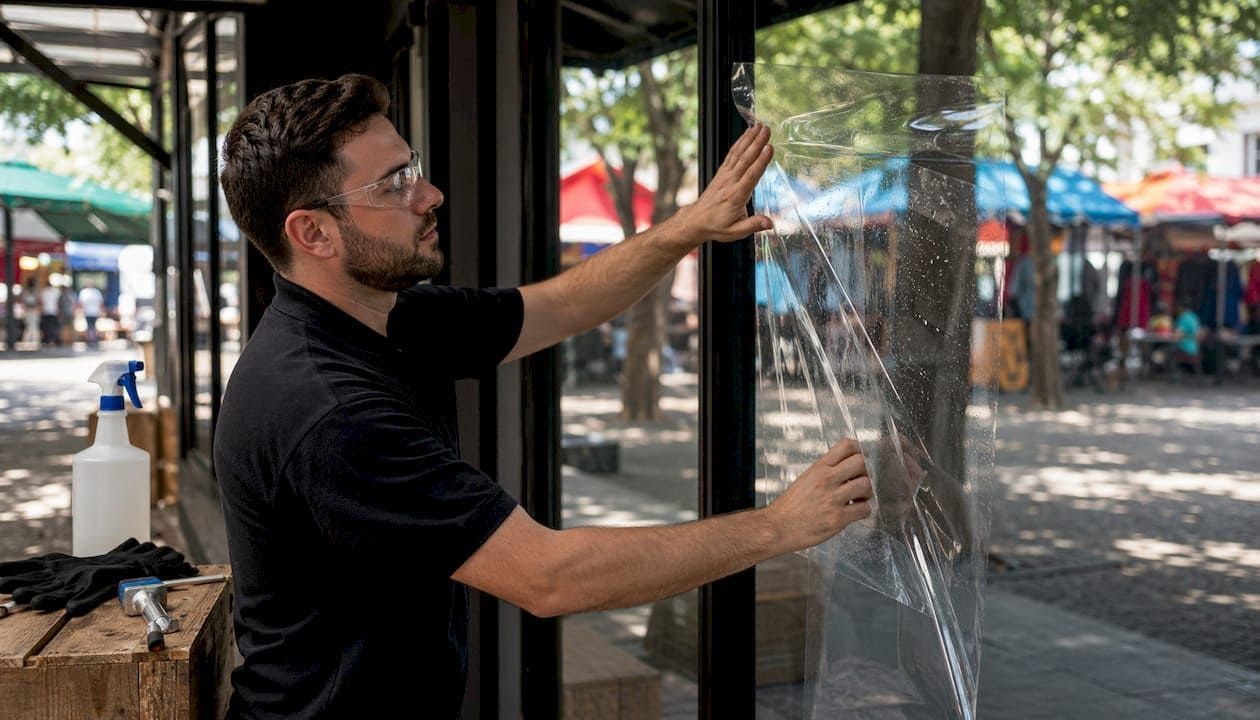

Graffiti protection for windows in Southern New Hampshire
Window vandalism costs U.S. businesses billions annually through
damaged glass replacements and lost customer perception. Graffiti, acid etching, and scratches threaten property values across Southern New Hampshire and Greater Boston, forcing owners to replace expensive glass repeatedly. Modern anti-graffiti window films offer a proactive solution, creating sacrificial barriers that absorb damage while preserving your investment and maintaining the professional appearance that keeps customers confident in your
business or
home's curb appeal.
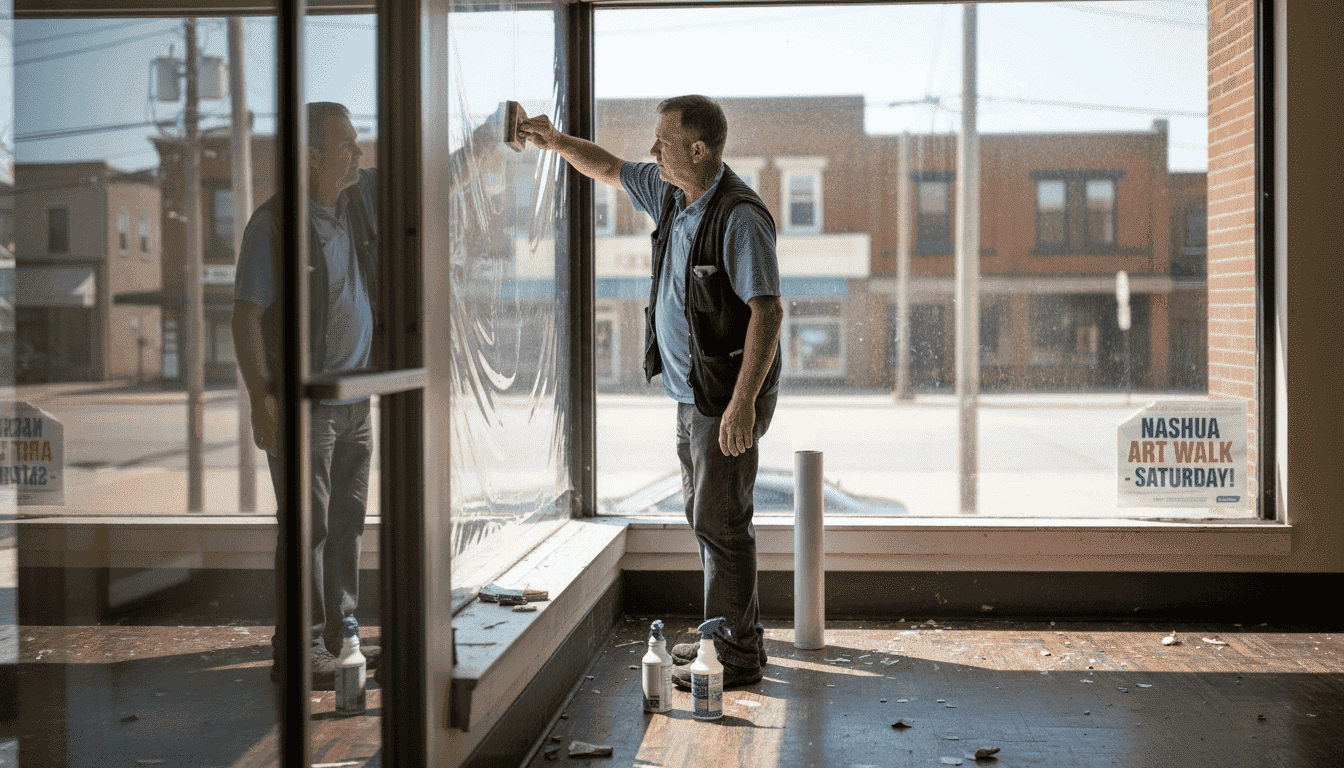
Table of Contents
- Understanding Graffiti Protection Films For Windows
- Benefits Of Anti-Graffiti Window Films For Homes And Commercial Properties
- Types Of Graffiti Protection Coatings And Application Considerations
- Choosing The Right Graffiti Protection Solution For Your Property
- Explore Professional Graffiti Protection Services From Surface Tint
- Frequently Asked Questions About Graffiti Protection For Windows
Key takeaways
| Point | Details |
|---|---|
| Protective barrier technology | Anti-graffiti films shield windows from paint, scratches, markers, and acid etching while remaining nearly invisible. |
| Cost savings | Films eliminate expensive glass replacements after vandalism incidents, protecting your long-term investment. |
| Multiple protection types | Top-coated and membrane-based films offer different durability levels and removal methods for various needs. |
| Aesthetic preservation | Clear films maintain window clarity and professional appearance without compromising natural light or views. |
| Strategic maintenance | Proper installation and periodic assessment ensure continuous protection and optimal performance over time. |
Understanding graffiti protection films for windows
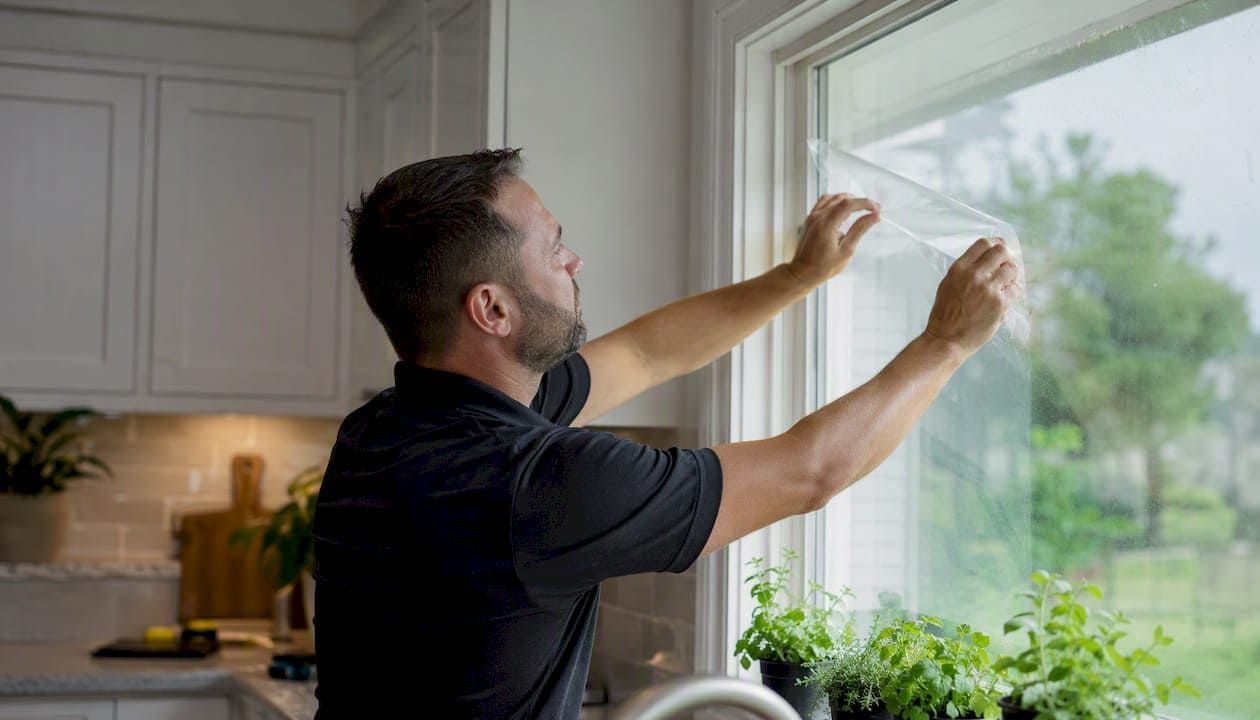
Anti-graffiti films create protective barriers preventing damage from paint, markers, stickers, and decals on your windows. These specialized layers bond to glass surfaces, absorbing vandalism attempts that would otherwise permanently damage the substrate. When graffiti strikes, you simply remove and replace the film rather than the entire window, saving thousands in replacement costs.
Two primary film categories serve different protection needs. Top-coated films feature specialized surfaces making graffiti removal straightforward with standard cleaning solutions, allowing you to wipe away tags without replacing the film itself. Membrane-based films work as sacrificial layers, designed for complete removal and replacement after vandalism occurs. Products like Interlam Eco offer budget-friendly protection for moderate-risk areas, while Interlam Pro delivers enhanced durability for high-traffic commercial spaces facing frequent vandalism.
These films resist various attack methods including spray paint adhesion, permanent marker penetration, and UV degradation that weakens standard glass over time. The protection extends beyond graffiti to include accidental scratches from cleaning equipment, sticker residue from promotional materials, and environmental pollutants that etch glass surfaces. Property owners selecting commercial safety and security window films gain comprehensive defense against multiple threat vectors simultaneously.
Pro Tip: Match film thickness to your vandalism risk level. High-traffic retail spaces benefit from thicker membrane films, while residential applications often succeed with thinner top-coated options that balance protection with cost efficiency.
Key film selection considerations include:
- Vandalism frequency: Areas with repeated incidents need durable membrane films
- Budget constraints: Top-coated films offer reusable protection at lower long-term costs
- Aesthetic requirements: All films maintain transparency, but thickness affects slight visibility
- Maintenance capacity: Consider your ability to perform cleaning or schedule film replacements
Homeowners exploring home security and safety window films discover these products integrate seamlessly with existing security measures, creating layered protection that deters vandals while reinforcing glass against break-in attempts. The invisible shield preserves your property's appearance while sending a clear message that your windows resist easy damage.
Benefits of anti-graffiti window films for homes and commercial properties
Films protect glass from scratches, etching, and tagging by serving as expendable layers absorbing damage meant for expensive substrates beneath. When vandals strike with spray paint, acid solutions, or sharp tools, the film takes the hit instead of your glass. You peel away the damaged film and apply fresh protection, restoring pristine appearance within hours rather than waiting days for custom glass fabrication and installation.
Cost advantages multiply over time as you avoid repeated glass replacement expenses. Replacing vandalized glass runs expensive, often exceeding thousands of dollars per large storefront panel when factoring in emergency service fees, custom sizing, and installation labor. A single film replacement costs a fraction of that amount, delivering immediate savings that compound with each prevented replacement. Property managers in Boston's commercial districts report five-year savings exceeding $15,000 per location after implementing comprehensive film programs.
The aesthetic advantage matters equally for customer-facing businesses. Anti-graffiti films remain clear and nearly invisible, preserving your storefront's professional appearance without the hazy or tinted look associated with older protective technologies. Customers walking past your windows see clean glass and inviting displays, not damaged surfaces suggesting neglect or unsafe neighborhoods. This perception directly impacts foot traffic and revenue generation.
Did you know? Properties with visible graffiti experience up to 40% reduction in customer visits according to retail studies, as damaged exteriors signal poor maintenance and potential safety concerns that drive shoppers to competitors.
Films extend window longevity by blocking UV radiation and environmental pollutants that gradually degrade glass coatings and seals. This secondary protection maintains energy efficiency by preserving low-e coatings and gas fills in modern insulated glass units. The investment in enhanced home security with window film delivers compounding returns through reduced replacement frequency and sustained performance of your building envelope.
Primary benefit categories include:
- Damage prevention: Blocks scratches, acid etching, paint adhesion, and sticker residue
- Financial protection: Eliminates costly emergency glass replacements and reduces insurance claims
- Reputation management: Maintains clean, professional appearance that attracts rather than repels customers
- Operational continuity: Quick film replacement minimizes business disruption compared to multi-day glass installations
Pro Tip: Document your windows with photos before film installation. This baseline helps insurance claims if vandalism occurs and demonstrates your proactive protection measures when negotiating commercial property coverage rates.
Commercial property owners evaluating security window film investment benefits find the return on investment typically materializes within the first vandalism incident, with ongoing protection delivering pure cost avoidance and operational advantages throughout the film's service life.

Types of graffiti protection coatings and application considerations
Sacrificial coatings offer an alternative to adhesive films by creating peelable layers applied directly to glass surfaces. These coatings absorb graffiti and acid damage, then peel away cleanly with the vandalism attached, revealing undamaged glass beneath. You reapply fresh coating after each removal, maintaining continuous protection through periodic maintenance cycles. This approach works well for properties facing infrequent vandalism where the reapplication labor remains manageable.
Films and coatings differ in application method, durability, and maintenance requirements:
| Feature | Anti-Graffiti Films | Sacrificial Coatings |
|---|---|---|
| Application | Adhesive installation by professionals | Liquid spray or roll application |
| Durability | 5-10 years before replacement | Removed after each vandalism incident |
| Maintenance | Minimal cleaning, replace when damaged | Regular reapplication after graffiti removal |
| Cost | Higher upfront, lower long-term | Lower initial, higher ongoing labor |
| Effectiveness | Excellent against scratches and etching | Good for paint and markers, variable for acids |
Effective protection starts with meticulous surface assessment evaluating your substrate's vulnerability to different attack methods. Glass composition affects acid resistance, with certain formulations showing greater susceptibility to etching from hydrofluoric acid and other chemicals vandals employ. Surface contaminants like silicone residue or oxidation compromise film adhesion, creating failure points where protection peels prematurely.
Professional installation follows these critical steps:
- Surface inspection: Identify existing damage, contamination, and substrate composition
- Thorough cleaning: Remove all dirt, oils, and residues using appropriate solvents
- Damage repair: Address existing scratches or etching before applying protection
- Environmental control: Maintain proper temperature and humidity during application
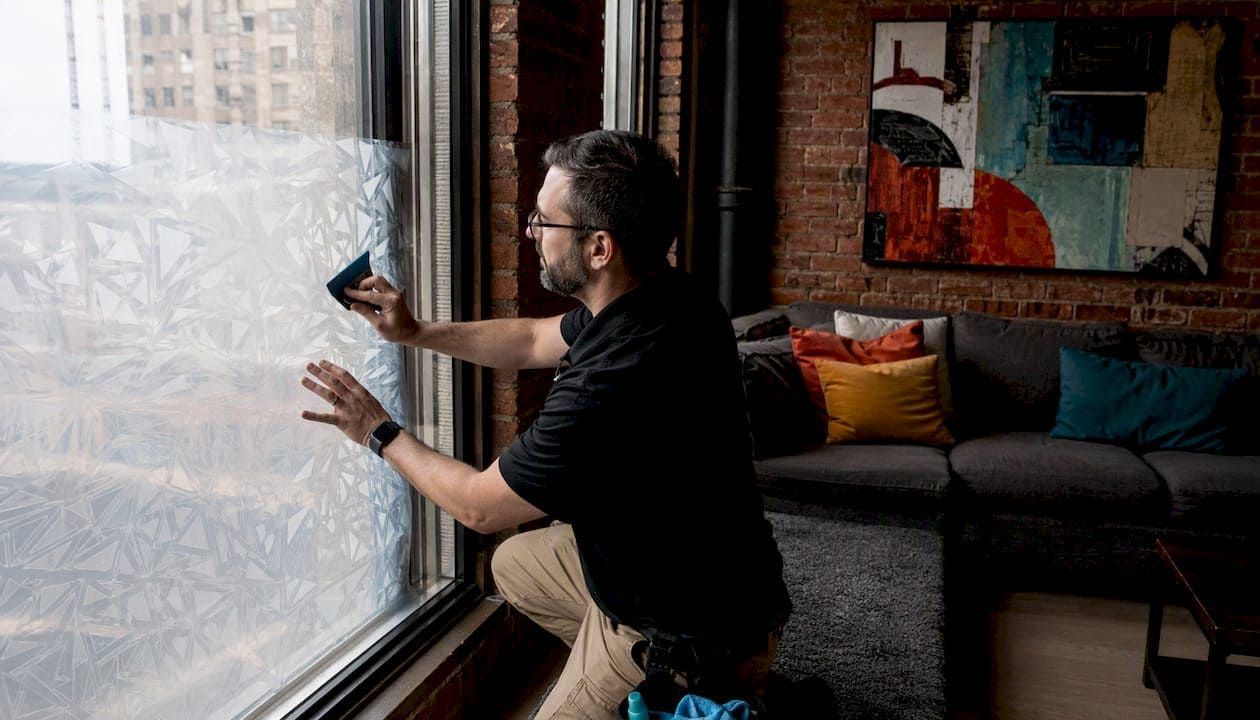
- Precision installation: Apply films without bubbles or gaps that compromise protection
- Curing period: Allow adhesives to fully bond before exposing to weather or cleaning
Substrate considerations extend beyond glass to frames, seals, and adjacent surfaces. Metal frames may corrode from acid overspray, requiring protective masking during vandalism incidents. Rubber seals can degrade from harsh cleaning chemicals used to remove graffiti, necessitating gentle removal techniques that protect surrounding materials. Property owners investing in commercial window protection coatings benefit from comprehensive assessments identifying these vulnerabilities before problems emerge.
Choosing the right graffiti protection solution for your property
Understanding substrate acid sensitivity guides protection selection by matching film chemistry to your glass composition. Certain substrates react violently to acidic graffiti, requiring films with superior acid resistance and quick-change capabilities minimizing exposure time. Limestone and marble surrounds near windows face even greater etching risks, demanding comprehensive protection strategies extending beyond glass surfaces themselves.
Vandalism patterns in your area determine optimal protection levels. Properties experiencing weekly tagging need robust membrane films with rapid replacement protocols and bulk film inventory reducing response times. Locations facing occasional incidents succeed with top-coated films offering multiple cleaning cycles before replacement becomes necessary. Boston's downtown corridors typically require commercial-grade solutions, while residential neighborhoods in Southern New Hampshire often manage effectively with mid-grade options balancing cost and capability.
Selecting experienced coating providers matters significantly because reapplication needs and long-term maintenance relationships determine total cost of ownership. Contractors offering comprehensive service packages including emergency response, scheduled maintenance, and bulk pricing deliver better value than one-time installers disappearing after initial application. Verify the provider's experience with your specific substrate type and vandalism challenges before committing to multi-year protection programs.
Pro Tip: Request case studies from properties similar to yours facing comparable vandalism patterns. Successful implementations in equivalent environments predict your likely results better than generic manufacturer claims or testimonials from dissimilar applications.
Decision factors balancing protection effectiveness with practical constraints:
- Initial investment tolerance: Films cost more upfront but require less frequent attention
- Maintenance capacity: Coatings demand more labor but offer flexibility in application timing
- Vandalism severity: Acid attacks require films, while paint responds to either solution
- Aesthetic sensitivity: Both options maintain clarity when properly maintained
- Property type: Commercial spaces benefit from films' durability, homes may prefer coating simplicity
Maintenance protocols affect long-term success regardless of protection type chosen. Films need periodic inspection for edge lifting, bubble formation, or adhesive failure signaling replacement necessity. Coatings require reapplication schedules tied to vandalism frequency and environmental exposure degrading the protective layer. Property managers using window film cost benefits calculators accurately forecast total ownership costs including maintenance labor, replacement materials, and emergency response provisions.
Realistic expectations prevent disappointment when protection performs as designed rather than providing magical immunity. Films and coatings delay damage and simplify remediation, but determined vandals with sufficient time can eventually compromise any protection. The goal involves raising the difficulty level until vandals move to easier targets while providing rapid, cost-effective recovery when incidents occur. Homeowners exploring safety window film options understand these solutions form one layer in comprehensive security strategies combining physical barriers, surveillance, lighting, and community engagement for maximum effectiveness.
Explore professional graffiti protection services from Surface Tint
Surface Tint specializes in anti-graffiti window film installation for
Southern New Hampshire and Greater Boston properties requiring proven protection against vandalism and damage. Our exclusive LLumar SelectPro status ensures access to premium Vista Films engineered specifically for security applications, delivering superior performance other providers cannot match. We assess your property's unique vulnerabilities, recommend optimal film solutions, and execute professional installations backed by manufacturer warranties and our service guarantee.
Schedule your
free window tinting estimate to discover how anti-graffiti films protect your investment while maintaining the aesthetic appeal attracting customers and residents. Our
commercial window tinting photo gallery showcases successful installations across diverse property types facing various protection challenges. Residential property owners benefit from specialized
home window tinting assessments identifying cost-effective solutions matching your specific needs and budget parameters.
Contact us today to transform vulnerable windows into protected assets resisting vandalism while preserving your property's professional appearance and market value.
Frequently asked questions about graffiti protection for windows
What is the difference between anti-graffiti film and sacrificial coatings?
Anti-graffiti films are adhesive layers applied to glass that remain in place for years, protecting against multiple vandalism attempts before replacement becomes necessary. Sacrificial coatings are liquid applications that peel away with graffiti attached after each incident, requiring reapplication to restore protection. Films offer better long-term value for high-risk properties, while coatings suit locations facing infrequent vandalism where periodic reapplication remains manageable.
How often should anti-graffiti films be replaced or maintained?
Top-coated films last 5 to 10 years with proper maintenance, requiring only periodic cleaning to remove normal dirt and grime without replacement. Membrane-based films need replacement after vandalism incidents damage the protective layer beyond cleaning. Inspect films quarterly for edge lifting, bubble formation, or adhesive failure indicating replacement necessity before protection becomes compromised.
Can these films be applied to existing windows or only new installations?
Anti-graffiti films install successfully on existing windows of any age, provided the glass remains structurally sound and free from extensive damage. Professional installers clean and prepare surfaces removing contaminants that compromise adhesion, then apply films using techniques preventing bubbles and ensuring complete coverage. New construction offers ideal timing for protection, but retrofitting existing properties delivers equal performance when executed properly.
Do anti-graffiti films affect window clarity and natural light?
Modern anti-graffiti films maintain exceptional clarity with minimal impact on natural light transmission or view quality. High-quality products appear virtually invisible after installation, preserving your windows' original appearance while providing robust protection. Some slight reduction in light transmission occurs, typically less than 5%, which remains imperceptible in normal viewing conditions and does not affect interior brightness or comfort.
Are there eco-friendly options for graffiti protection films?
Many manufacturers now offer anti-graffiti films using environmentally responsible materials and adhesives that minimize volatile organic compound emissions during installation and throughout the product lifecycle. These solutions maintain full protective performance while reducing environmental impact through recyclable components and sustainable manufacturing processes. Ask your installer about eco-certified options meeting green building standards if environmental responsibility factors into your protection strategy.
Recommended