
What is anti-graffiti window film? A 2026 guide
Replacing a graffiti-damaged storefront window can cost thousands of dollars, yet many property managers overlook simple preventive measures. Anti-graffiti window film offers an affordable, invisible shield that protects your glass from tagging, scratches, and etching while maintaining your building's appearance. This guide explains exactly what anti-graffiti film is, how it works, and why it's becoming essential for businesses across Southern New Hampshire and Greater Boston.
Table of Contents
- Understanding Anti-Graffiti Window Film: What It Is And How It Works
- Benefits And Features Of Commercial Anti-Graffiti Window Films
- Comparison Of Anti-Graffiti Films And Security Window Films
- Practical Considerations: Installation, Maintenance, And Cost For Southern New Hampshire And Greater Boston Businesses
- Protect Your Business With Professional Window Film Installation
Key takeaways
| Point | Details |
|---|---|
| Protective barrier | Anti-graffiti film acts as a sacrificial layer that absorbs damage from scratches, etching, and paint, protecting the underlying glass. |
| Cost savings | When vandalized, you replace only the inexpensive film rather than the entire window, saving hundreds or thousands per incident. |
| Maintains aesthetics | Films remain transparent with high light transmission, preserving your storefront's appearance and natural lighting. |
| Dual benefits | Security window films offer both graffiti protection and impact resistance against breakage and forced entry. |
| Simple replacement | Damaged film panels can be quickly removed and replaced without affecting glass integrity or requiring full window replacement. |
Understanding anti-graffiti window film: What it is and how it works
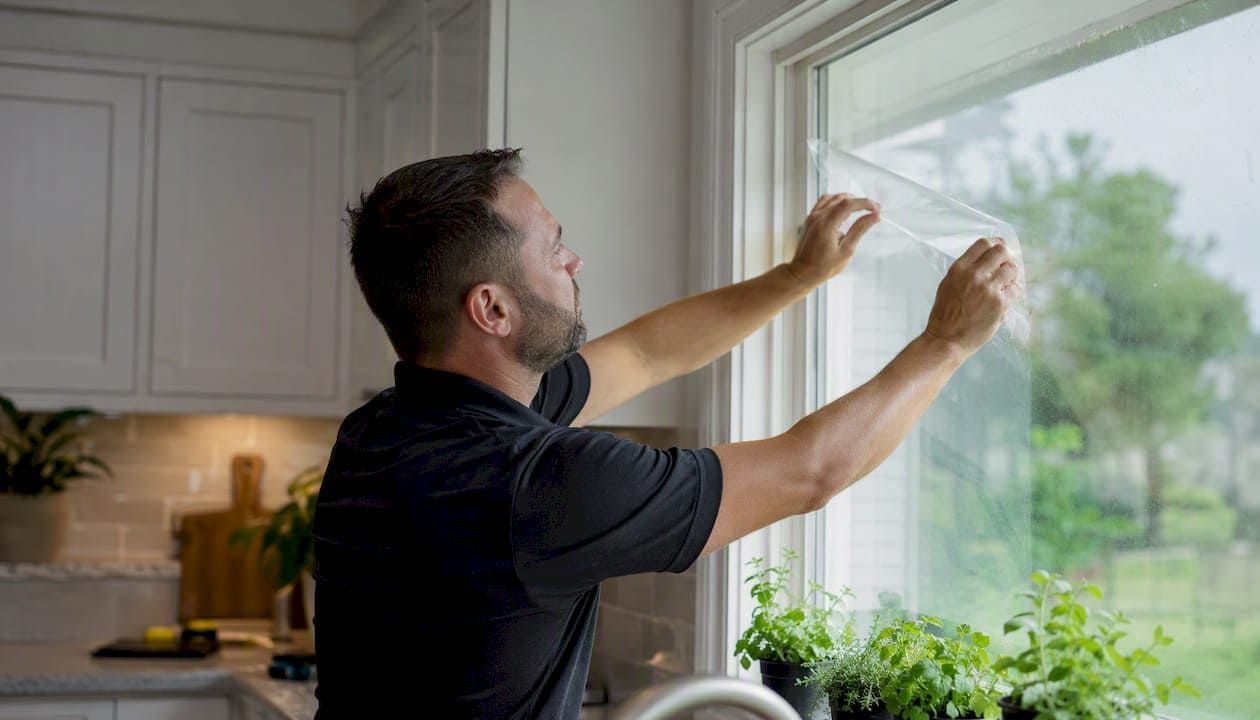
Anti-graffiti film is a sacrificial layer applied directly to your window's surface. Think of it as invisible armor for your glass. These films consist of durable polyester or polyurethane materials engineered specifically to absorb damage that would otherwise permanently mar or destroy your windows.
The genius lies in the sacrificial design. When vandals strike with spray paint, etching tools, or sharp objects, they damage the film rather than the glass beneath. You simply remove and replace the affected film section, leaving your original window perfectly intact. This approach transforms a major capital expense into a minor maintenance cost.
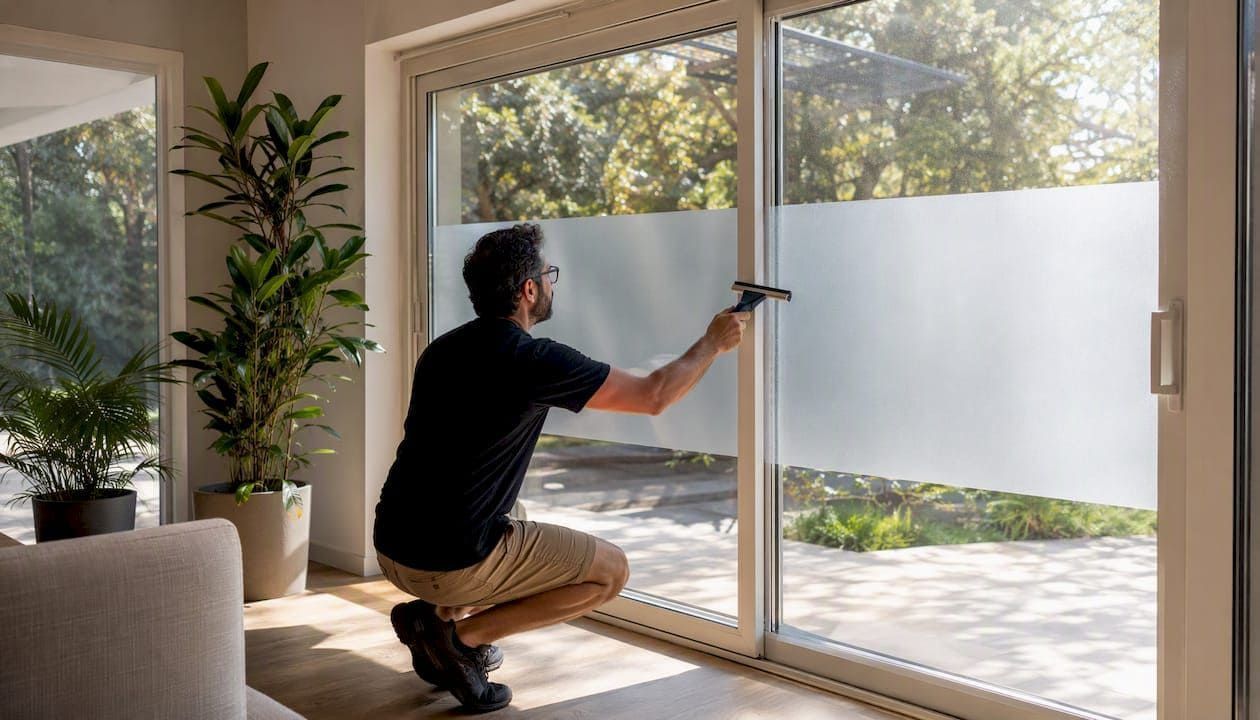
The film bonds to glass using advanced adhesive systems that create a strong, optically clear connection. Modern formulations maintain transparency so effectively that most people can't tell protected windows from unprotected ones. You preserve your building's aesthetic while adding robust protection.
How the protective mechanism works:
- Film thickness ranges from 4 to 15 mils depending on protection level needed
- Adhesive layer creates permanent bond to glass surface
- Polyester or polyurethane topcoat resists scratching and chemical damage
- When damaged, only the film requires replacement, not underlying glass
- Installation creates seamless appearance that doesn't affect visibility
Pro Tip: Anti-graffiti films work best when combined with proper lighting and surveillance systems. The film handles damage mitigation while other security measures deter vandalism attempts.
Businesses investing in enhanced security through window film gain protection that extends beyond graffiti alone. The same films that guard against tagging often provide UV blocking, which protects interior merchandise and furnishings from sun damage.
Benefits and features of commercial anti-graffiti window films
Commercial anti-graffiti films offer durable protection that addresses multiple business concerns simultaneously. Property managers quickly discover these films deliver value far beyond simple vandalism defense.
The financial advantage stands out immediately. Window replacement costs hundreds to thousands per pane depending on size and glass type. A single graffiti incident on an unprotected storefront can devastate your maintenance budget. Film replacement typically costs 10 to 20 percent of full window replacement, transforming catastrophic expenses into manageable ones.
Optical quality remains exceptional with modern films. Premium products maintain 88 to 92 percent visible light transmission, ensuring your displays stay bright and inviting. Customers notice your merchandise, not your window protection. This clarity makes anti-graffiti film practical even for high-end retail locations where aesthetics drive sales.
Key protective features include:
- Surface hardness that resists scratching from keys, tools, and abrasive materials
- Chemical resistance against common spray paints and etching acids
- UV blocking (up to 99 percent) that prevents interior fading
- Adhesive strength that holds glass fragments during breakage events
- Weather resistance suitable for New England's harsh seasonal conditions
Pro Tip: Document your windows before and after film installation with photos. This baseline helps insurance claims if vandalism occurs and demonstrates the film's protective value to stakeholders.
The safety bonus deserves emphasis. While designed primarily for surface protection, anti-graffiti films also hold broken glass together during impact events. This containment reduces injury risk and keeps your building secure until repairs happen. Businesses exploring commercial window tinting benefits discover this multi-layered protection increasingly essential for comprehensive risk management.
In 2026, over 60 percent of retail property managers report graffiti or glass damage as a recurring maintenance concern, making preventive solutions more cost-effective than reactive repairs.
Comparison of anti-graffiti films and security window films
Understanding the distinction between anti-graffiti and security films helps you select optimal protection for your specific vulnerabilities. Both products offer value, but they address different threat profiles.
Anti-graffiti films specialize in surface protection. They defend against scratching, etching, acid damage, and spray paint. These films typically measure 4 to 6 mils thick, sufficient for surface damage absorption while maintaining excellent clarity. Think of them as sacrificial shields designed specifically for vandalism scenarios.
Security window films prioritize impact resistance and forced entry prevention. Security films like 3M Scotchshield S2400 use thicker polyurethane construction, often 8 to 15 mils, that holds glass together during severe impacts. These products protect against smash and grab robberies, flying debris, and blast events.
The installation differs significantly too. Standard anti-graffiti films use daylight application, adhering to the visible glass area. Security films require special backup sealants anchored to window frames, creating a complete retention system that prevents glass panels from separating during violent impacts.
| Feature | Anti-Graffiti Film | Security Window Film |
|---|---|---|
| Primary purpose | Surface damage protection | Impact resistance and forced entry prevention |
| Typical thickness | 4 to 6 mils | 8 to 15 mils |
| Material | Clear polyester | Heavy-duty polyurethane |
| Installation method | Standard daylight application | Frame-anchored with backup sealant |
| Protection level | Guards against scratches, etching, paint | Withstands severe impacts, holds glass during breakage |
| Replacement ease | Simple film swap when damaged | More complex due to anchoring system |
| Cost | Lower initial investment | Higher cost due to material and installation |
Selection considerations:
- Choose anti-graffiti film for locations prone to tagging and surface vandalism
- Select security film for high-crime areas or facilities requiring intrusion resistance
- Consider combination products that offer both surface and impact protection
- Evaluate your specific threat profile before committing to either solution
Pro Tip: Many businesses in urban cores benefit from security films that include anti-graffiti properties. This dual-purpose approach addresses multiple vulnerabilities with a single installation.
Property managers seeking comprehensive protection often layer solutions, combining safety and security films with surveillance systems and proper lighting. This integrated approach creates defense in depth that reduces vulnerability across multiple attack vectors.

Practical considerations: Installation, maintenance, and cost for Southern New Hampshire and Greater Boston businesses
Successful anti-graffiti film implementation requires attention to installation quality, ongoing care, and realistic cost expectations. Professional installation makes the difference between protection that lasts years versus protection that fails prematurely.
Qualified installers understand how New England's climate affects film performance. Temperature swings, humidity variations, and harsh winters demand specific installation techniques and product selections. Local contractors familiar with regional conditions ensure proper adhesive curing and film longevity that DIY approaches rarely achieve.
Maintenance stays refreshingly simple. Regular cleaning with mild soap and water keeps films clear and functional. Avoid abrasive cleaners or rough materials that might scratch the protective surface. Most commercial films withstand standard cleaning protocols used by professional janitorial services without special accommodations.
Installation process typically follows these steps:
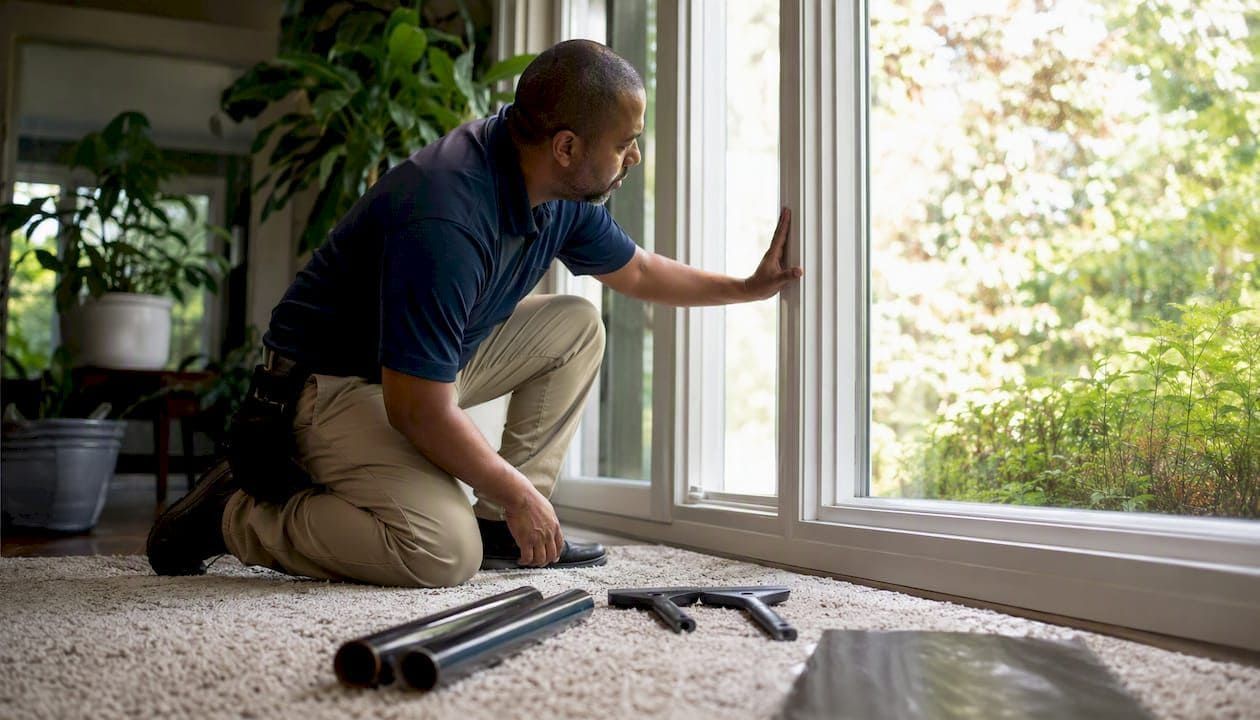
- Surface preparation including thorough cleaning and debris removal
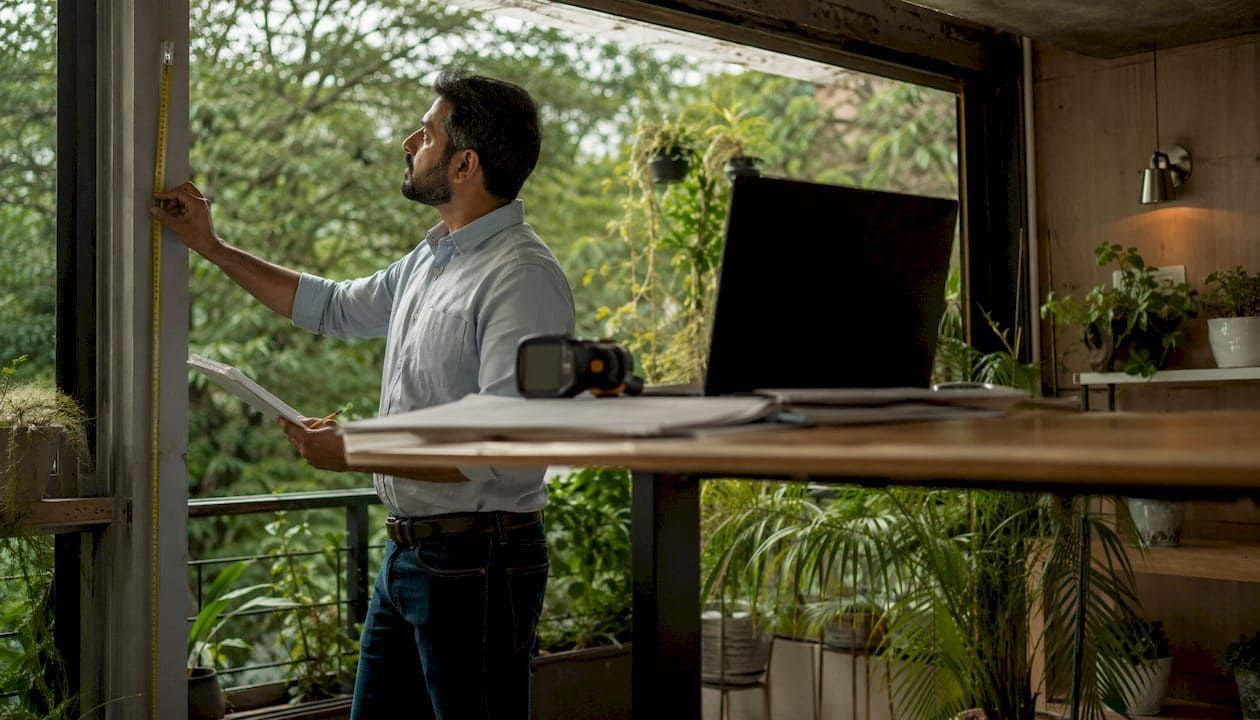
- Precise measurement and film cutting for exact window dimensions
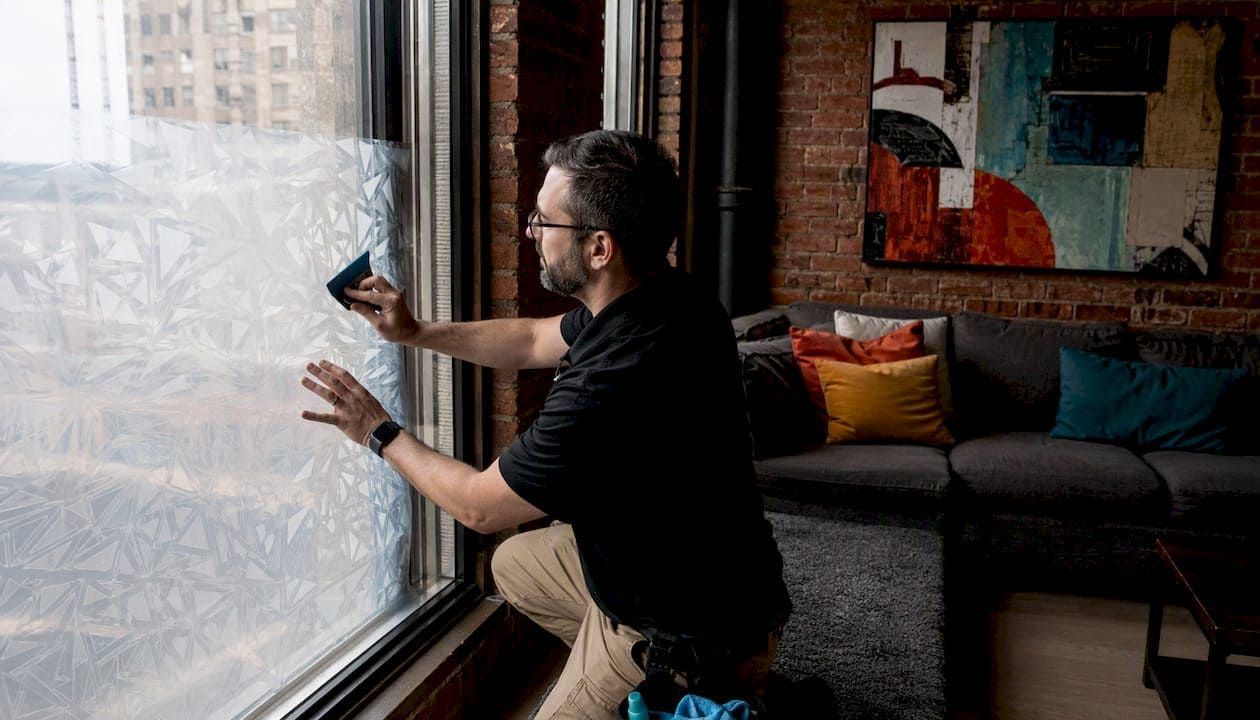
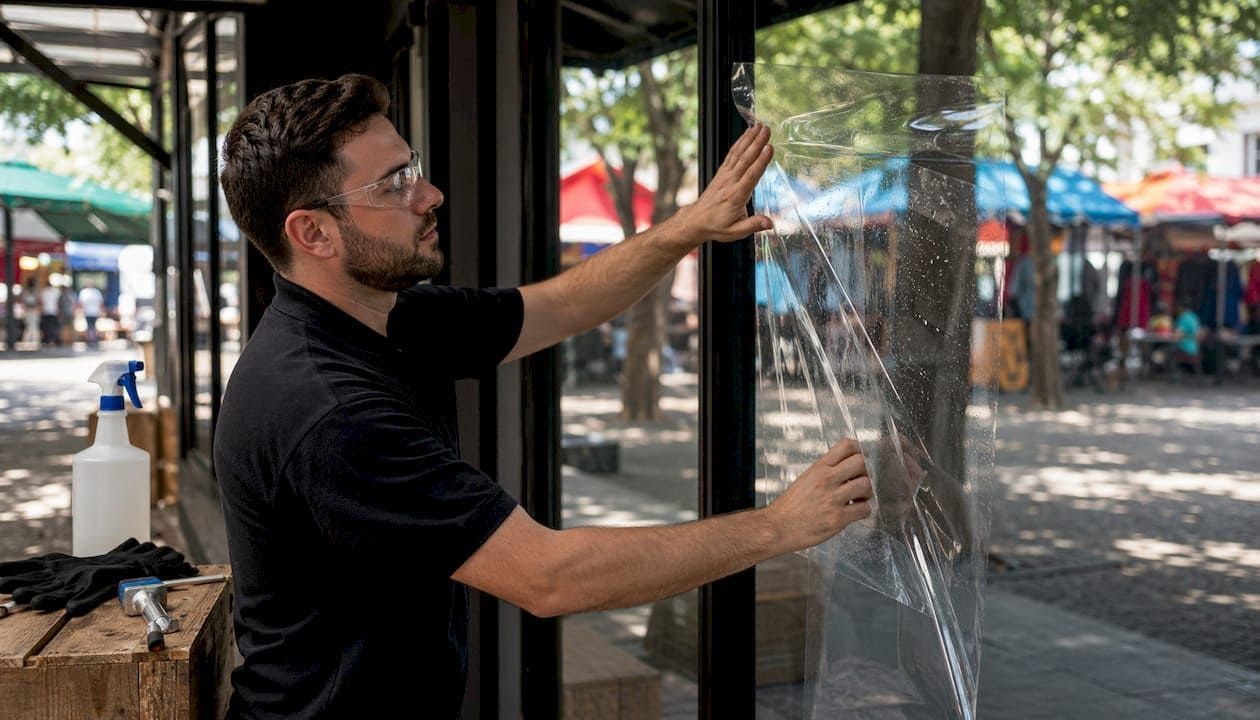
- Application using professional tools that eliminate bubbles and wrinkles
- Edge sealing to prevent moisture infiltration and peeling
- Curing period (usually 30 days) for adhesive to reach full strength
- Final inspection and cleanup of installation area
Cost factors vary based on window size, film type, and building accessibility. Expect to invest $6 to $12 per square foot for quality anti-graffiti film including professional installation. Large projects often qualify for volume discounts. Compare this to glass replacement costs of $50 to $200 per square foot, and the value proposition becomes obvious.
Anti-graffiti films provide easy protection that doesn't require frequent replacement under normal conditions. However, when vandalism strikes, replacement cost typically runs 15 to 25 percent of initial installation since the glass preparation and measurement work is already complete.
Pro Tip: Schedule installations during moderate weather months (April through June or September through October) when temperature and humidity support optimal adhesive curing. Avoid installations during winter freezes or peak summer heat.
Businesses ready to protect their properties can explore options through free window tinting estimates that outline specific costs and timelines. Reviewing commercial installation galleries helps visualize how protected windows maintain aesthetic appeal while delivering security benefits.
Protect your business with professional window film installation
Protecting your commercial property demands expertise that goes beyond product selection. Professional installers bring years of experience working with New England's unique environmental challenges, ensuring your anti-graffiti films perform optimally through harsh winters and humid summers.
Local specialists understand exactly which films suit your building's exposure, traffic patterns, and specific vulnerabilities. They assess your property's risk profile and recommend solutions that balance protection, aesthetics, and budget constraints. This consultation process helps you avoid over-investing in unnecessary protection or under-protecting critical areas.
Exploring recent window tinting projects demonstrates real-world applications across various building types and security scenarios. You'll see how retail storefronts, office buildings, and industrial facilities benefit from tailored protection strategies.
Ready to safeguard your investment? Request a free professional estimate that outlines specific protection options for your property. Review the commercial photo gallery to envision how transparent protection maintains your building's appearance while defending against costly damage. Taking action now prevents expensive repairs later.
What is anti-graffiti window film FAQ
How long does anti-graffiti window film last?
Quality anti-graffiti films typically last 5 to 10 years under normal conditions before natural wear requires replacement. Lifespan depends on sun exposure, cleaning frequency, and environmental factors specific to your location.
Can anti-graffiti film be removed easily?
Yes, professional removal takes 30 to 60 minutes per window without damaging the underlying glass. Installers use specialized solutions that dissolve the adhesive, allowing clean film separation and leaving windows in original condition.
Does window film affect visibility or natural light?
Modern anti-graffiti films maintain 88 to 92 percent light transmission, preserving natural brightness and clarity. Most people cannot distinguish protected windows from unprotected ones under normal viewing conditions.
What's the difference between anti-graffiti and security window film?
Anti-graffiti film protects against surface damage like scratches and etching, while security film adds impact resistance to prevent forced entry. Security films are thicker and require frame anchoring for maximum protection.
How much does anti-graffiti window film cost compared to window replacement?
Film installation typically costs $6 to $12 per square foot versus $50 to $200 per square foot for complete window replacement. When vandalism occurs, replacing damaged film costs 80 to 90 percent less than replacing entire windows.
Can anti-graffiti film protect against acid etching?
Yes, quality anti-graffiti films resist common etching acids used in vandalism. The film absorbs the damage, and you simply replace the affected section rather than replacing permanently etched glass.
Recommended